Georgia has four land neighbours and the four borders behave in four completely different ways. One has been closed to arrivals for years. One is a twenty four hour crossing an hour from a beach. One is so ordinary that people treat it as a bus ride. And one is the reason a section of Georgian criminal law exists at all.
There is also a train, which came back in 2026 to a great deal of coverage, and which most people reading this cannot legally board.
The Baku sleeper, and the border it does not really reopen
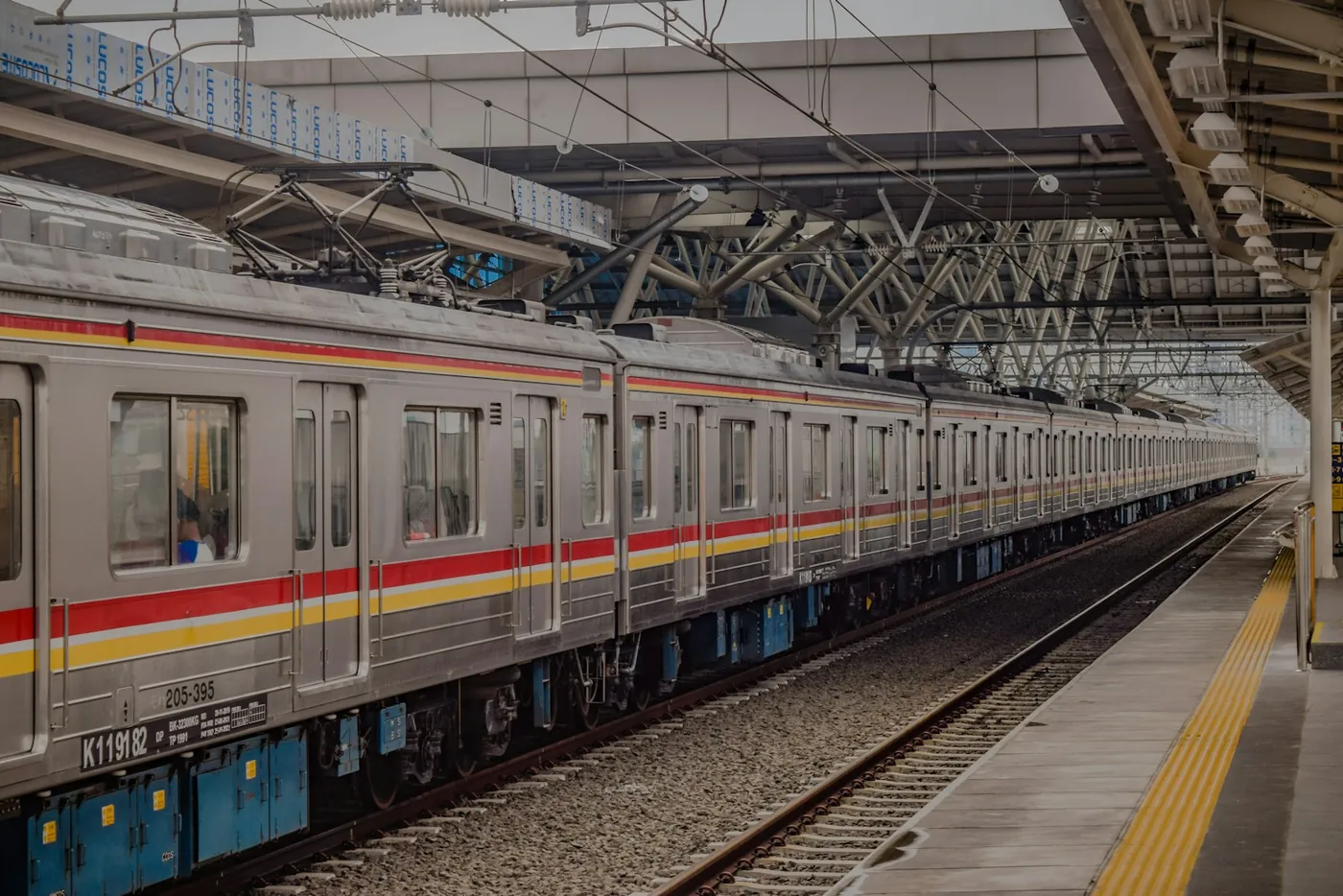
The overnight service between Tbilisi and Baku restarted at the end of May 2026 after six years away, with new Swiss built rolling stock, three classes of berth and a dining car. An evening departure from each capital, an early morning arrival at the other. It was written up almost everywhere as a bucket list relaunch.
Almost nowhere carried the condition attached to it.
🔴 The rail crossing reopened only for Azerbaijani citizens and for nationals of countries entitled to enter Azerbaijan without a visa. If your passport requires an Azerbaijani e-visa, you cannot buy a ticket and you will not be passed through the border checkpoint. That group includes United States, United Kingdom, European Union, Australian and New Zealand passports, which is the large majority of this site’s readers.
This is not a soft guideline. It is the stated position of the Azerbaijani migration authorities and it is reflected in what the railway will sell you.
⚠️ Date stamp it, because it moves. The restriction has been extended in rolling blocks rather than lifted, most recently, in a September 2026 decision, to at least 2 January 2027, and every review so far has rolled it forward. It may have changed again by the time you read this, in either direction. Before you plan anything around the train, check the Azerbaijani State Migration Service and the railway’s own ticket page for your specific nationality, on the day.
And the train is a narrow exception to a much larger closure, which is the part that decides most itineraries.
Azerbaijan closed its land borders to arrivals in March 2020, and that closure has been renewed repeatedly ever since. It applies to everyone, not to a particular nationality. Leaving Azerbaijan overland into Georgia has been permitted throughout, which produces the strange result of a border that can be walked out of but not into.
The practical consequence for a Caucasus trip is simple. If Azerbaijan is on the itinerary, plan to fly into Baku and travel onward overland, not the reverse, and confirm the current position before you book anything non refundable.
Turkey at Sarpi, Armenia at Sadakhlo
These are the two that simply work.
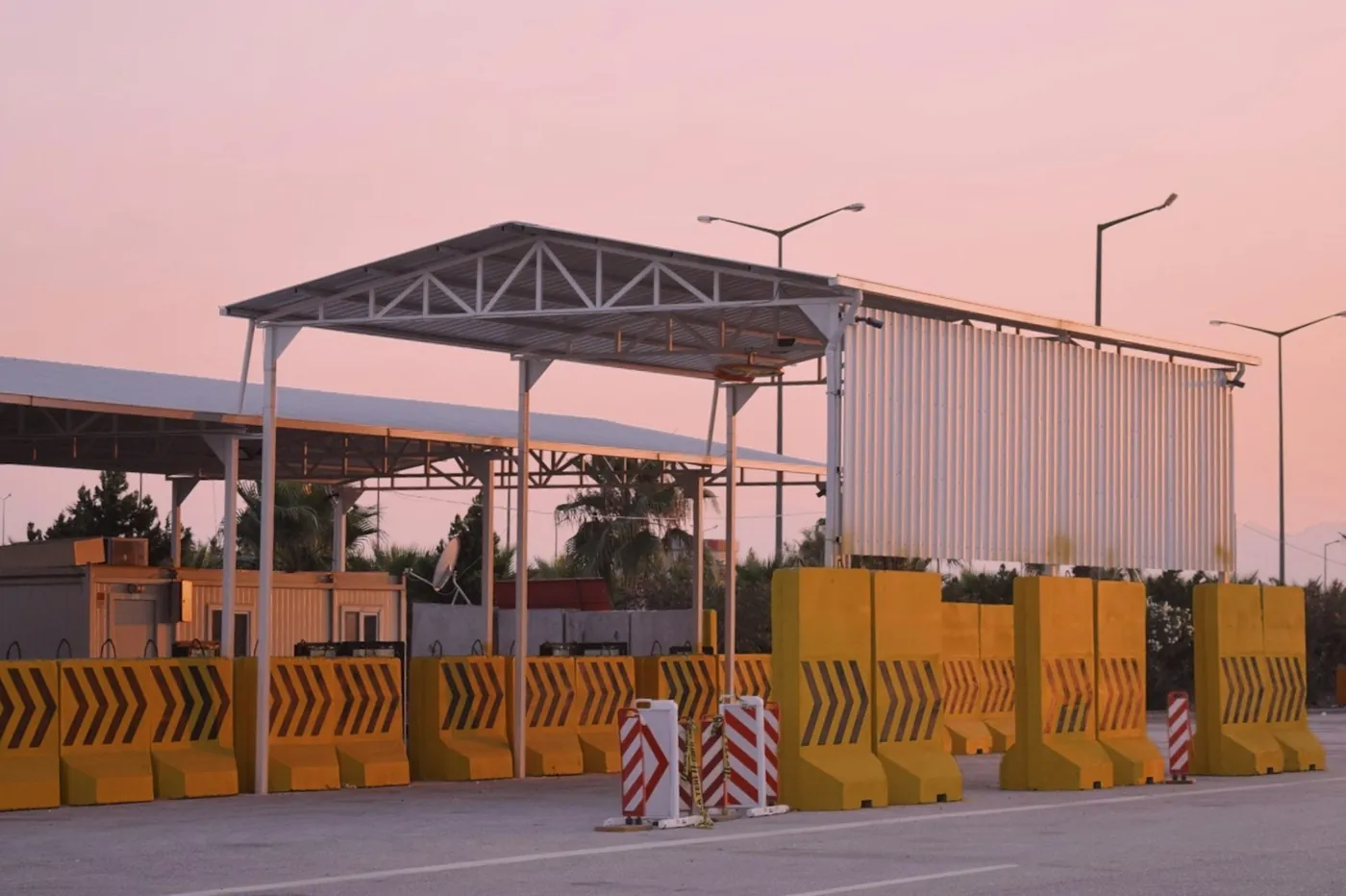
Sarpi sits on the Black Sea coast about half an hour south of Batumi, where the road runs out at the water. It generally operates around the clock and it is the busiest land crossing in the country. The catch is volume rather than bureaucracy: summer weekends and public holidays produce queues that can run to hours, and coaches and foot passengers feel it worst. Cross early in the day if you have the choice. Inland crossings exist further south towards Akhaltsikhe, carry a fraction of the traffic and are worth confirming before you route a drive through one.
Sadakhlo, called Bagratashen on the Armenian side, is the main road crossing between Tbilisi and Yerevan, roughly eighty kilometres south of the capital, open around the clock. Buses, shared taxis and private transfers all use it and the process is routine. A second crossing near Ninotsminda serves the high Javakheti plateau and is much quieter.
For how the two countries actually compare once you are across, our Georgia and Armenia comparison covers the trip planning side rather than the paperwork.
Taking a vehicle across
This is where regional trips fall apart, and it happens at the rental desk rather than at the border.
Most Georgian hire agreements prohibit leaving the country outright. The companies that allow it require written authorisation and additional documents, arranged in advance and usually at extra cost. An ordinary contract and an intention to drive into Armenia is not a plan, it is a wasted day.
Ask before you book, not when you collect. The answer sometimes determines which company you use, and the ones set up for cross border work know exactly what they need from you.
Our guide to hiring a car in Georgia covers the written permission question alongside the other clause that catches people here, the one about unpaved roads.
Planning a Caucasus loop by road?Cross border permission has to be arranged before you collect the car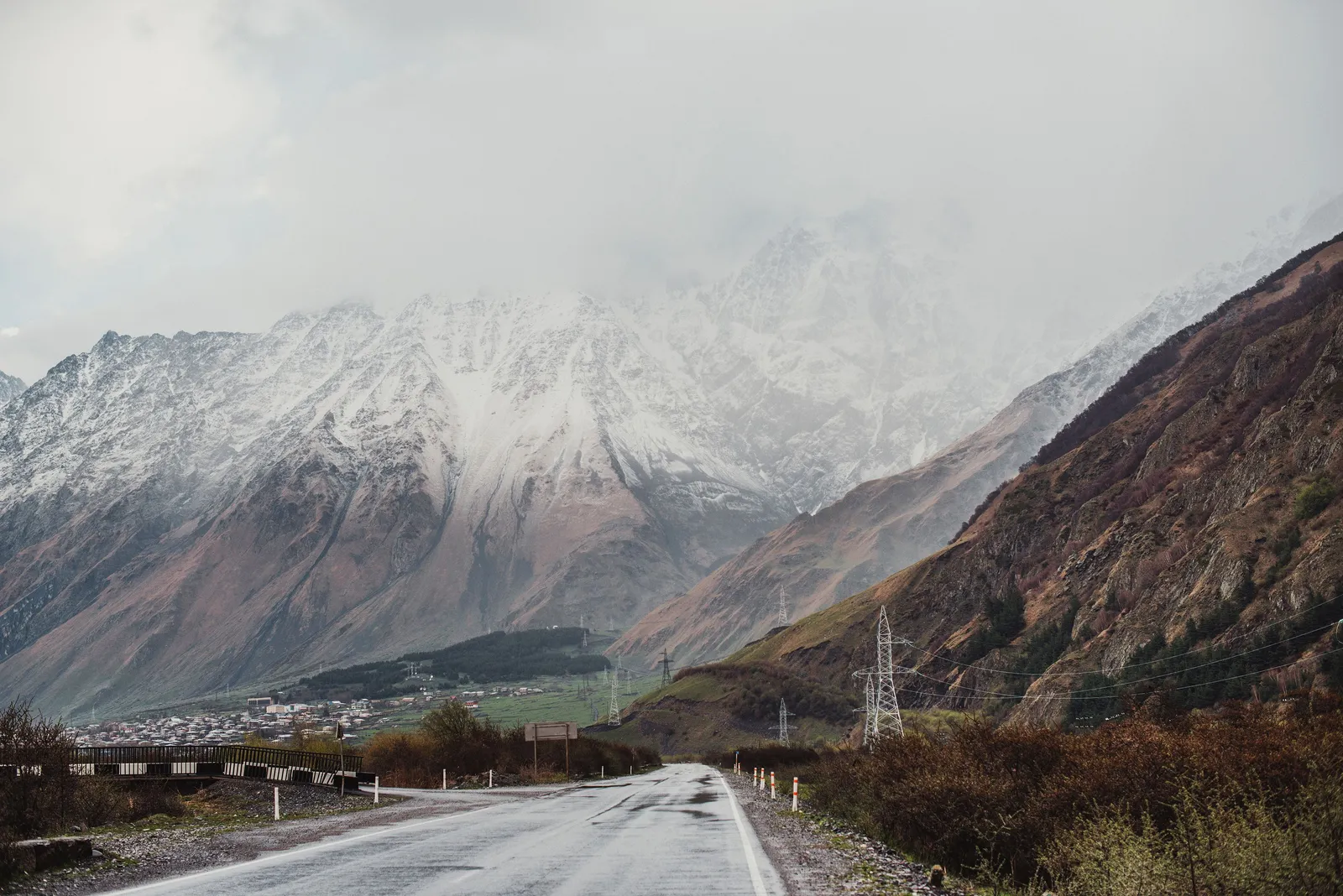
Russia, where your nationality decides everything
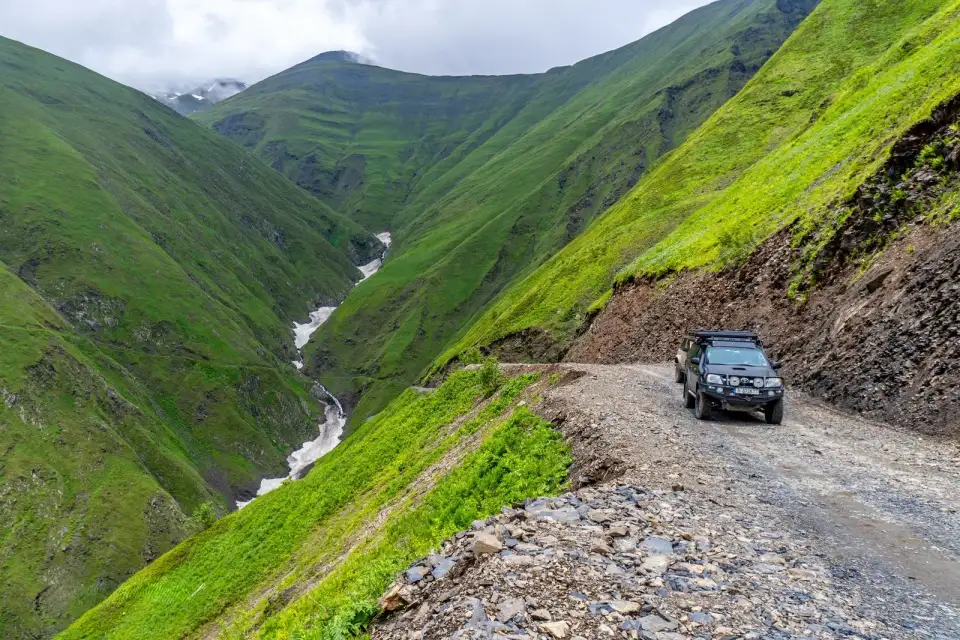
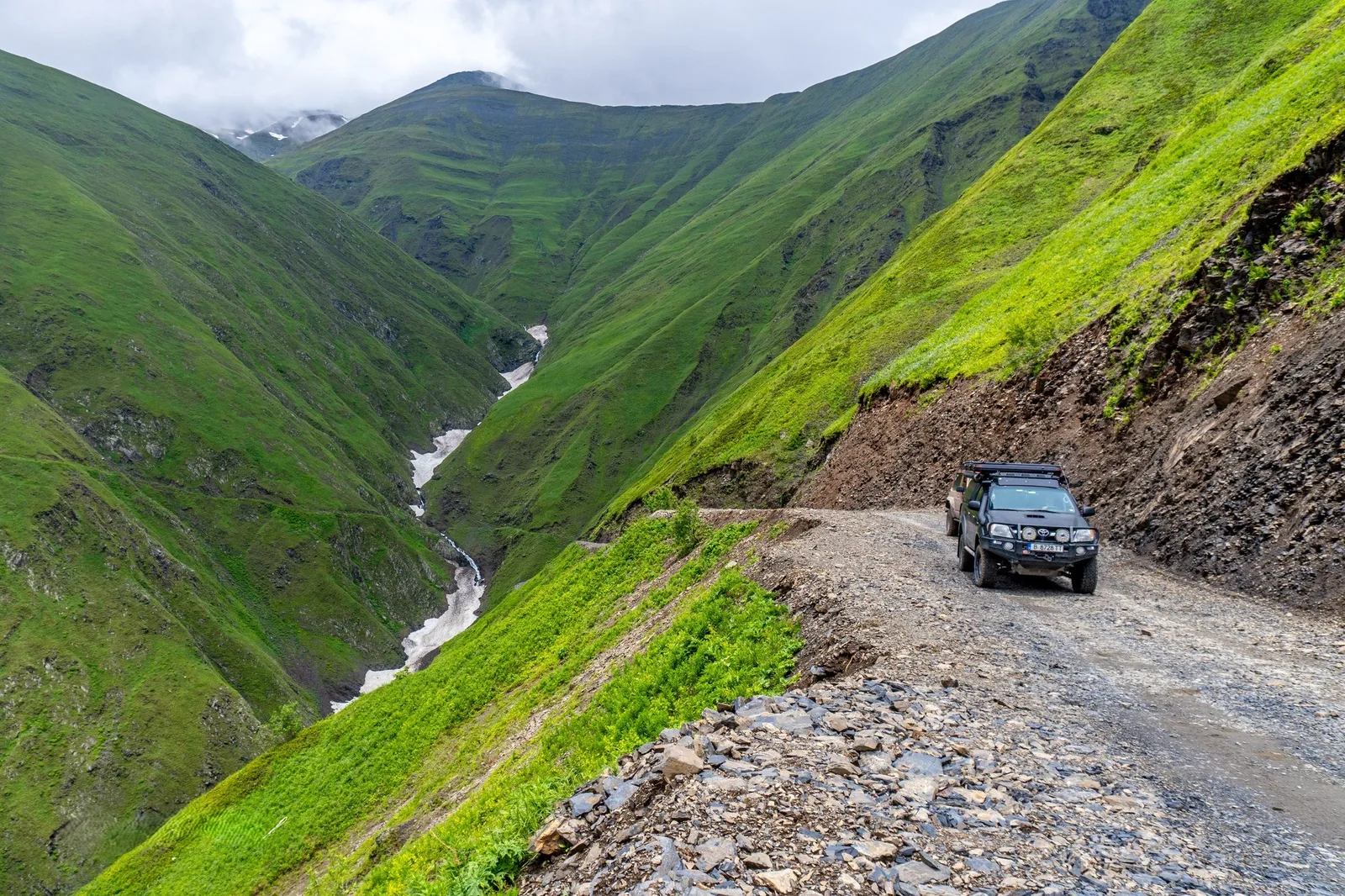
The single road link runs north from Stepantsminda through the Dariali gorge, and it is the crossing where general advice is least useful.
Weather closes it, sometimes for days, because the approach is a high pass in avalanche country. Freight queues are a permanent feature. And the entry rules, the visa position and the advisory status all vary enormously depending on which passport you hold and which government issues your travel advice.
There is no honest way to write a single instruction here. Read your own government’s current advice for Georgia and for Russia, both of them, before you consider it. Entry conditions on the Georgian side are a separate question again, and our Georgia visa and entry guide sets out how the Georgian regime differs by passport.
The occupied territories: criminal law, not a safety tip
This one is frequently filed under safety advice. It is not. It is criminal law, and the distinction matters.
Foreigners may enter Abkhazia only through Zugdidi municipality, and the Tskhinvali region only through Gori municipality, with permission obtained in advance. Entering from any other direction, which in practice means from Russia, is an offence under Georgian law, punishable by fines or a prison term.
⚠️ The penalty structure is actively changing. An amendment makes a first violation an administrative matter and a repeat offence a criminal one, so any figure you read online may already be out of date. Treat published numbers as provisional and check the current Georgian position.
Two details people miss. A stamp from the de facto authorities can itself be treated as evidence of illegal entry, which turns a souvenir into a problem. And the administrative boundary line near Gori is not fixed: it has moved, it is not always where a map shows it, and people have been detained for being on the wrong side of a line that was not marked on the ground.
The one line version
Turkey and Armenia are open and routine. Azerbaijan is closed to land entry, and the 2026 train exception excludes most Western passports, so verify your own nationality on the day rather than trusting a headline. Russia is a nationality specific question that only your own government can answer. And the occupied territories are a criminal matter with a moving penalty structure, approached only from the Georgian side with permission. Check every one of these against an official source dated after you read this, because three of the four have changed within the last two years.