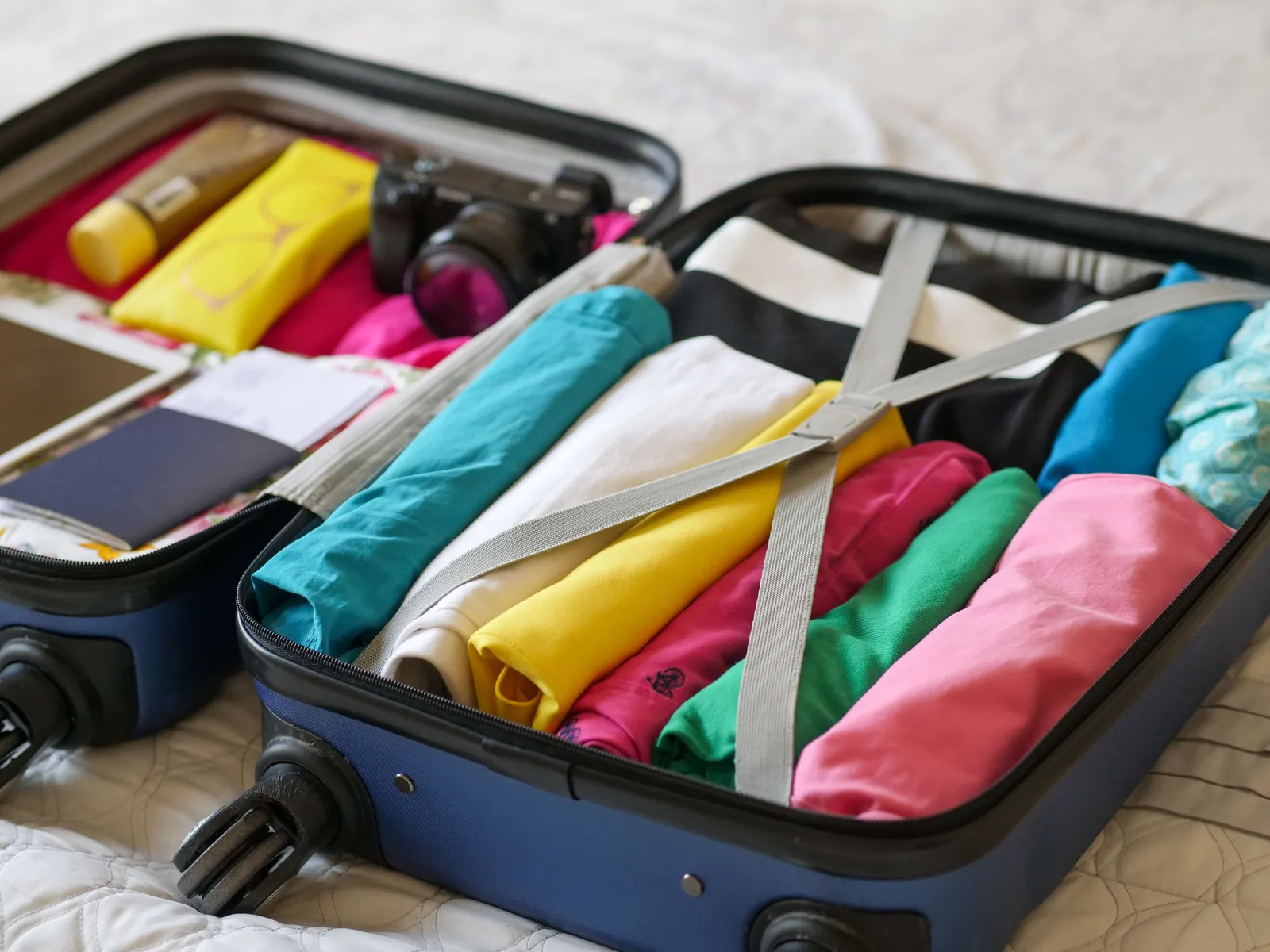
Packing for Georgia is awkward because a normal two week trip touches three environments that ask for different things. You will be above two thousand metres in the Caucasus, in working monasteries with a dress code, and quite possibly on a pebble beach on the Black Sea, and there is a decent chance all three happen in the same week.
That is the whole problem. Here is the list that solves it.
The base layer, every season
| Item | Why here specifically |
|---|---|
| Walking shoes with grip | Cobbles in Tbilisi, gravel everywhere else |
| A warm mid layer | Mountain nights are cold in every month |
| Something modest for monasteries | Covered shoulders and knees, headscarf for women |
| Small lari notes | Markets, marshrutkas, village guesthouses |
| European plug adapter | Two round pins, types C and F, 220 volts |
| Power bank | Long road days and patchy village electricity |
| Offline maps downloaded | Coverage disappears in the side valleys |
The third line is the one visitors most often discover at the gate of a monastery rather than at home. Working churches expect covered shoulders and knees, and at most sites women are expected to cover their head and to wear a skirt rather than trousers. Many places lend wraps and scarves at the entrance, which is a fine backup and an unreliable plan at a busy site on a Sunday.
A light scarf that lives in your day bag solves this permanently and weighs nothing.
Summer, June to September
Hot and dry in the east, hot and humid on the coast, and cool to cold in the mountains. That spread is the whole packing brief.
Light breathable clothing for Tbilisi and Kakheti, where midsummer afternoons are genuinely hot. A swimsuit if the coast or a mountain lake is on the route. High factor sun protection, which matters more at altitude than the temperature suggests, plus sunglasses and a hat.
And despite all of that, a proper warm layer. A night in Stepantsminda, Mestia or Omalo in July is cold, and the gap between a sunny afternoon and a clear night at altitude surprises people every year.
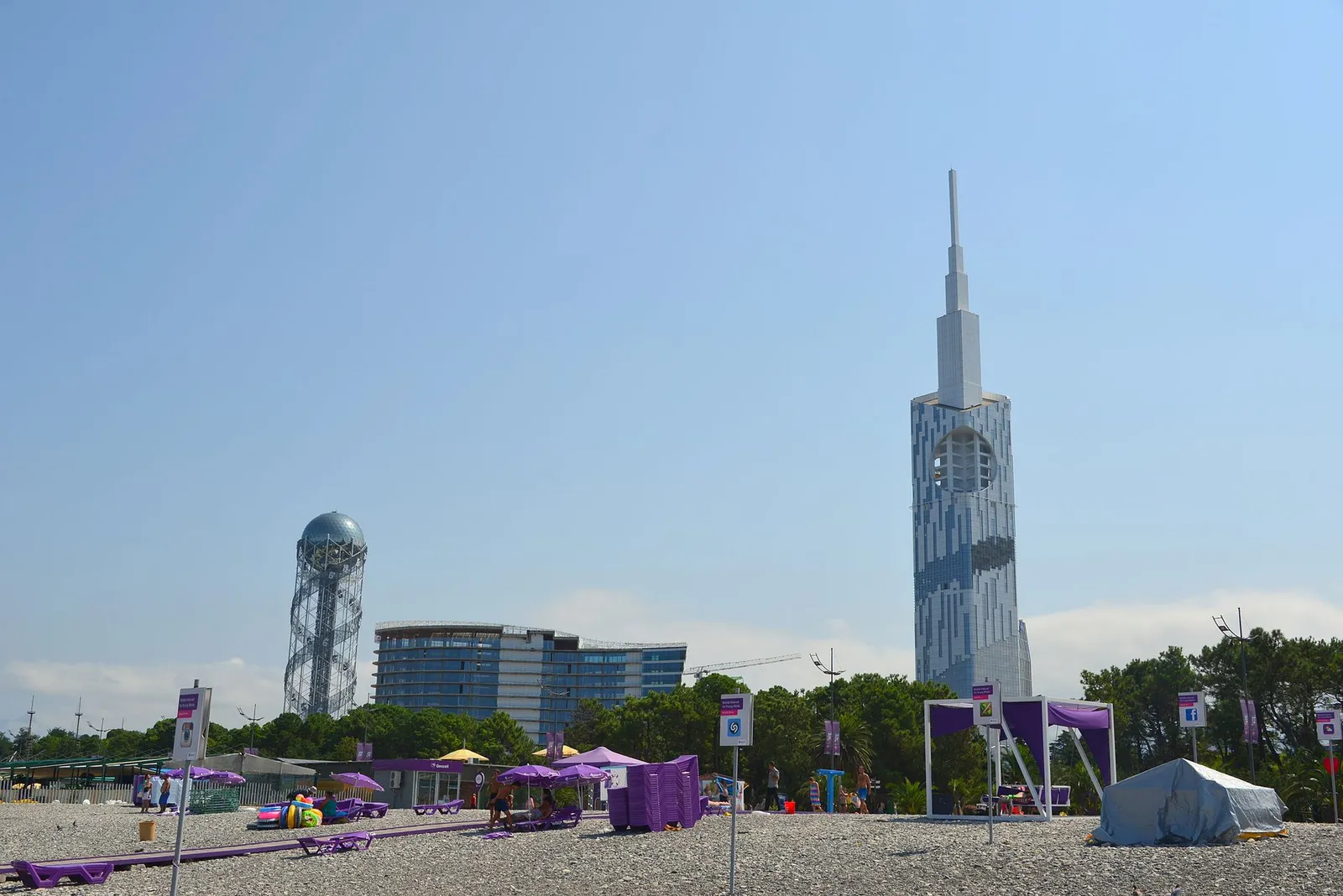
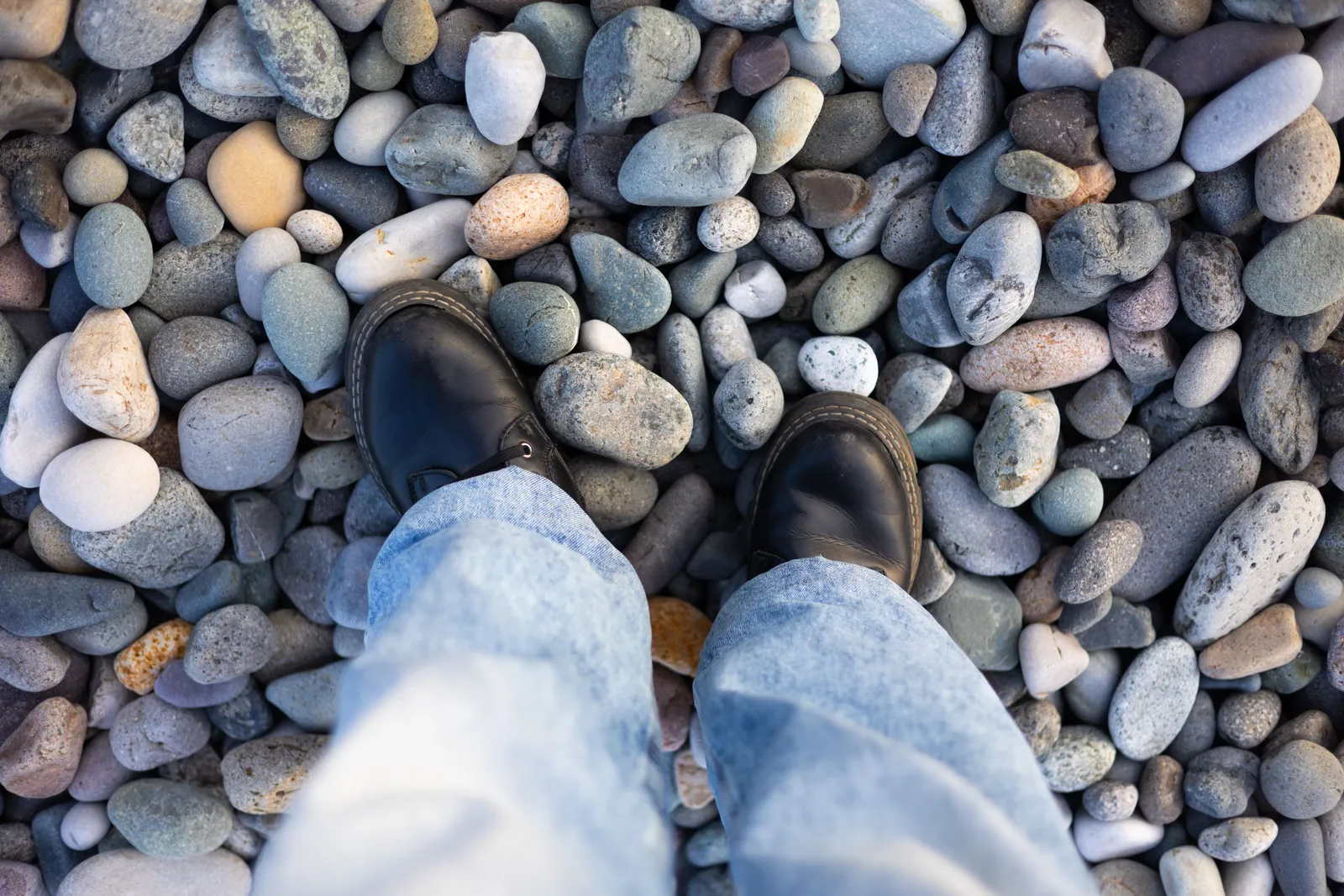
Water shoes for the Black Sea, because Batumi and most of the coast is pebble.
Shoulder season, April to May and October
The best months to be in Georgia and the hardest to pack for, because the weather changes daily and the mountains and the lowlands are running different seasons at the same time.
Layers, a waterproof shell and one warm piece. Spring in Kakheti can be shirtsleeves while a pass a few hours north is still under snow. October gives clear air and autumn colour in the valleys with cold nights everywhere.
Bring at least one pair of long trousers regardless, both for monasteries and for evenings. The month by month picture is in our guide to the best time to visit Georgia.
Winter, November to March
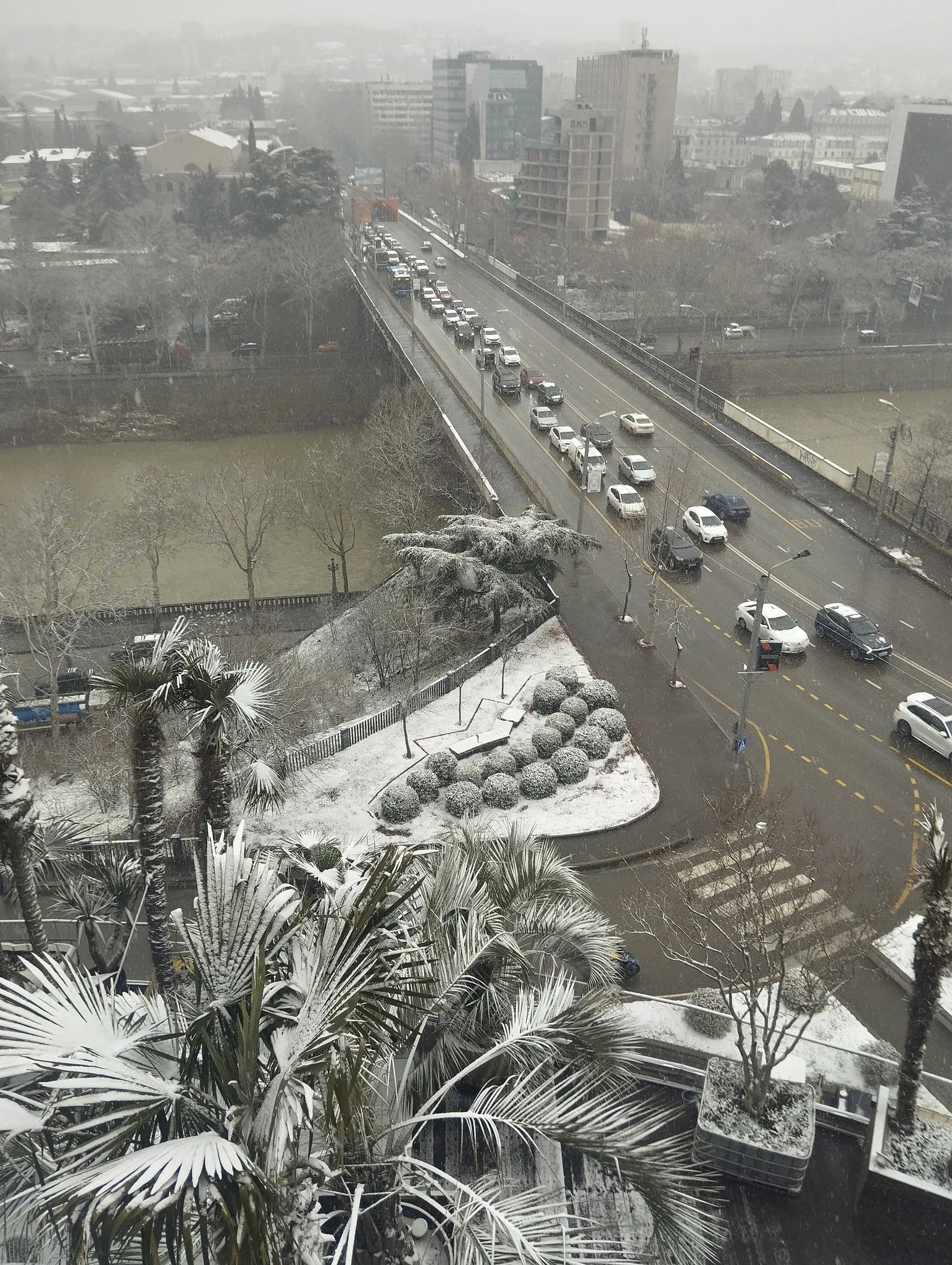
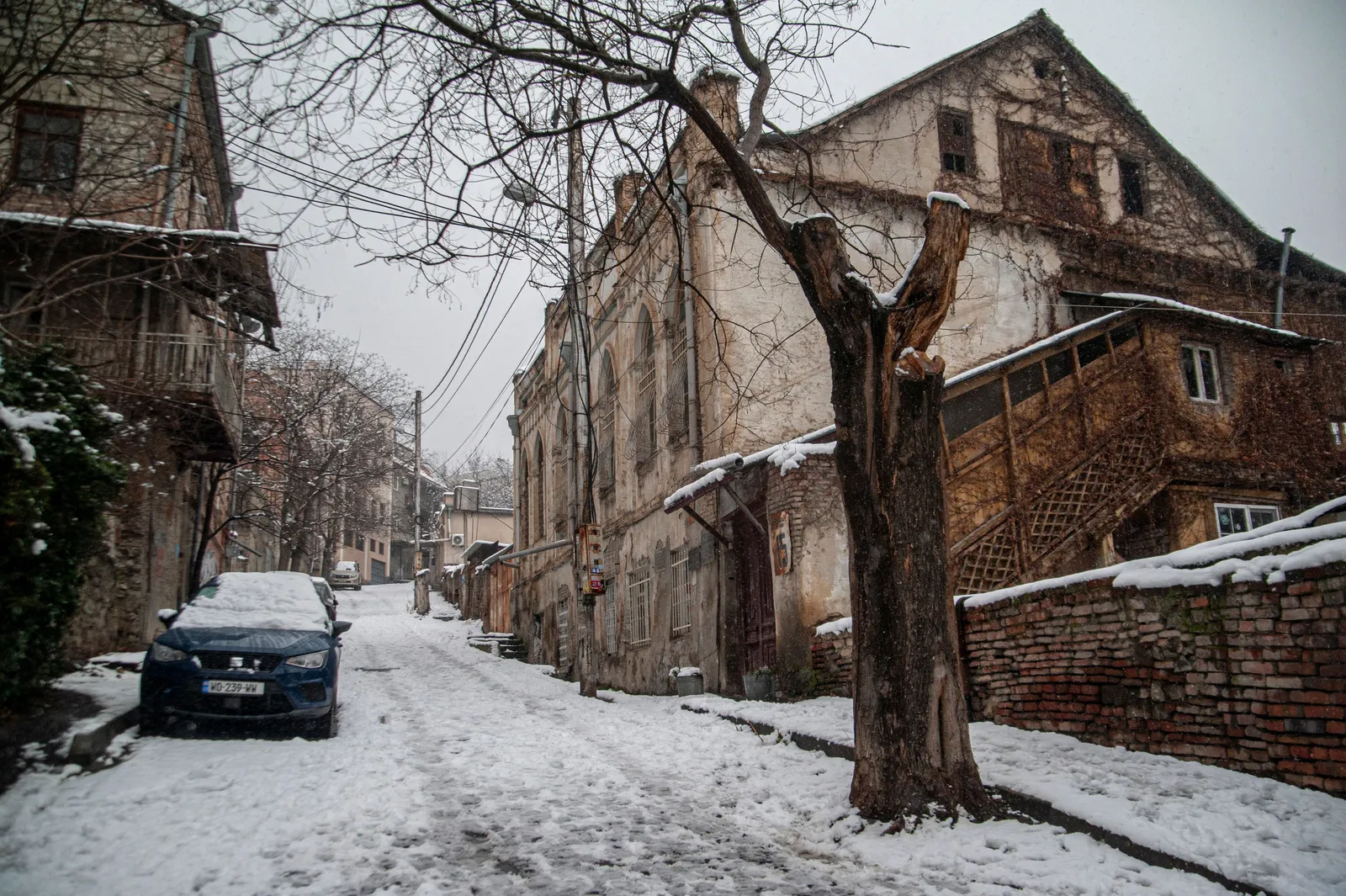
Two very different trips depending on where you go. Tbilisi is cold and damp, the ski resorts are properly cold, and the coast is mild, grey and quiet.
A real winter coat, not a jacket. Shoes that keep water out, because Tbilisi pavements and drainage do not always cooperate with a thaw. A thermal layer, hat and gloves for anywhere above the city.
⚠️ Do not assume the heating will be strong. In older buildings and mountain guesthouses it often is not, and anyone who feels the cold will be glad of warm sleepwear. What a Georgian winter is actually like, including which roads close, is in our Georgia in winter guide.
If you are going into the mountains
This is a separate list rather than an extension of the general one.
Boots you have already broken in, not a new pair. Two warm layers, because the nights are cold in every month. A waterproof windproof shell, because afternoon storms in the Caucasus are routine.
A head torch, for guesthouse corridors and for the last hour of a longer day. Walking poles if you use them, since the descents are loose. Water and a way to carry a lot of it.
🔑 And a power bank. Village guesthouses have electricity and it is not always continuous, and the phone is the map, the translator and the way you tell somebody you are running late.
Offline maps need downloading firstSort data before you leave the cityWhat is hard or expensive to find there
Prescription medication, enough for the whole trip, in original packaging with the prescription. Pharmacies are common in cities and reasonably stocked, but trade names differ and the choice thins out sharply outside them.
Outdoor gear. Tbilisi has shops. Mestia has a couple. Everywhere else has none, and a boot that splits in Ushguli stays split.
A plug adapter, if you are coming from outside continental Europe.
Motion sickness tablets, which sound trivial and are not. The road to Svaneti, the Georgian Military Road and the Abano Pass are long sequences of switchbacks, often in a full minibus, and this is the item people wish they had bought at home.
Money, briefly
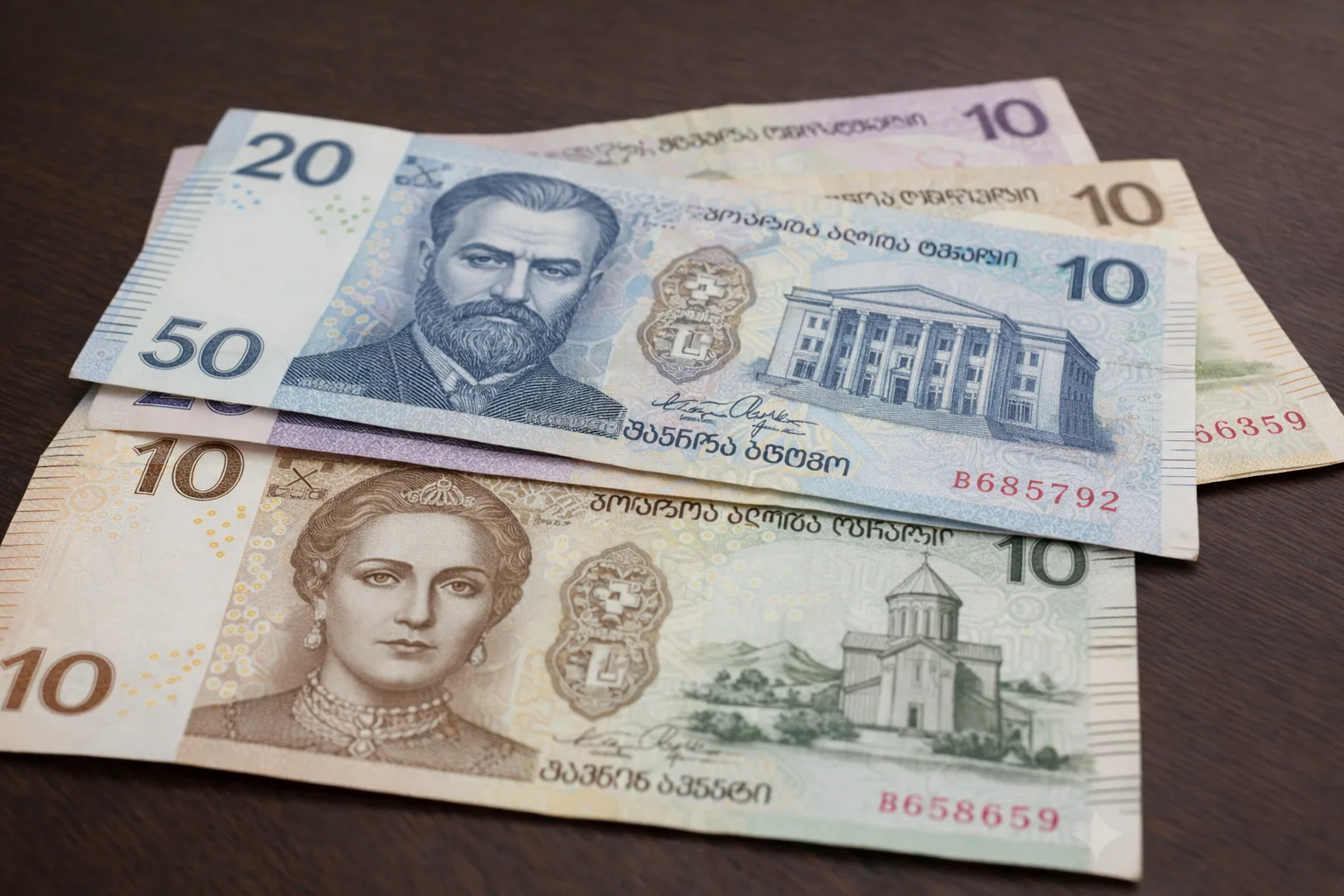
Cards work widely in Tbilisi, Batumi and the larger towns, and ATMs are easy to find. What you need to carry is small lari notes, because markets, marshrutka fares, village guesthouses, bakeries and church candles are all cash, and none of them wants to break a large note.
The full picture of cards, ATMs and where cash is unavoidable is in our money and payments guide.
What not to bring
A hairdryer, since almost every guesthouse has one. Large quantities of toiletries, because supermarkets and pharmacies are everywhere. Formal clothes, because even the good Tbilisi restaurants have no strict dress code.
And the last item, which is really the first: leave space. Wine, churchkhela, spice mixes and jars of things people did not plan to buy come home from Georgia in almost every suitcase, and the airport shop is not where you want to be discovering that.