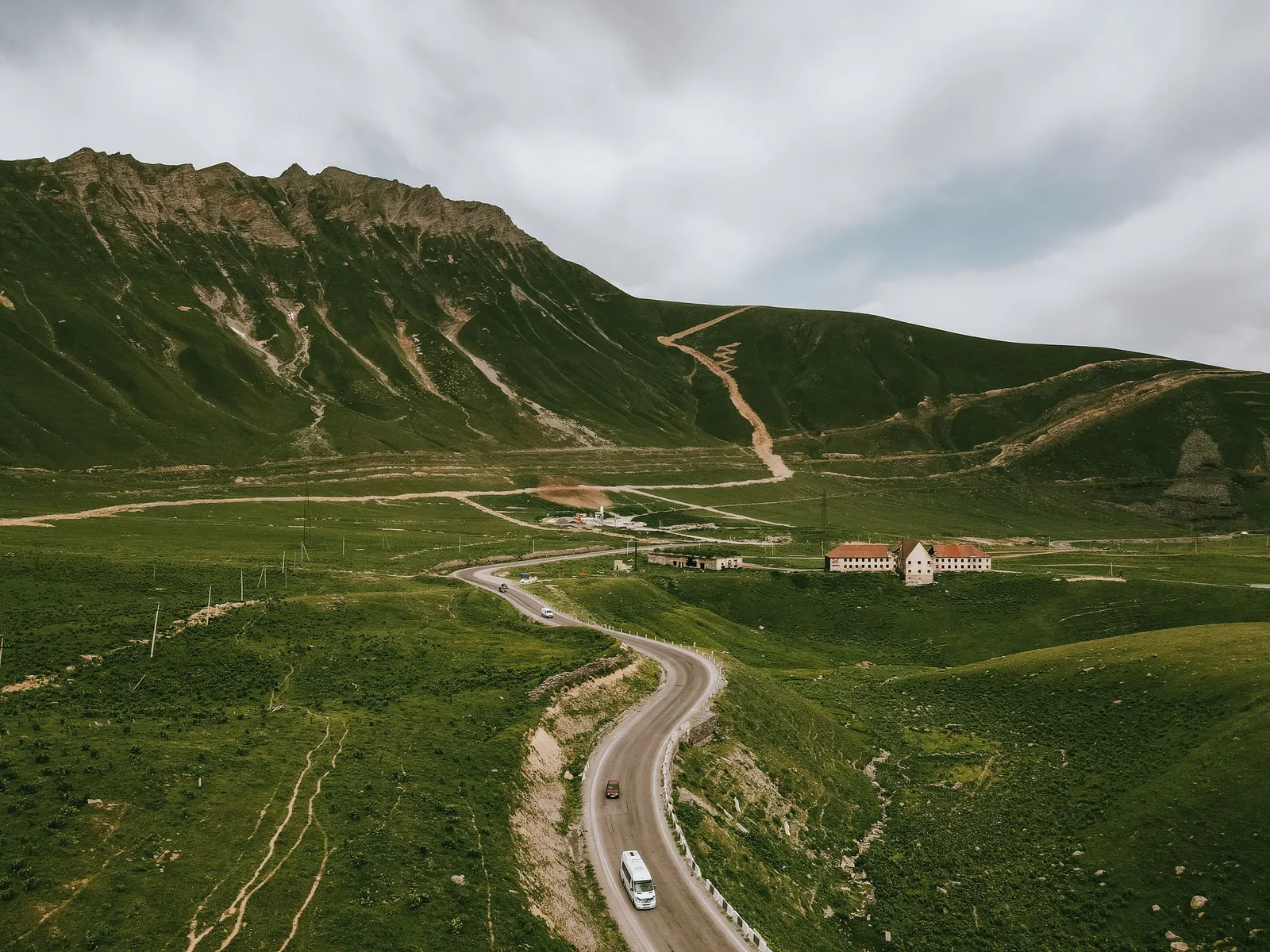
Georgia has an odd safety profile, and the mismatch between the two halves of it is why the question keeps coming up.
Crime is not the story. Violent crime against visitors is rare, Tbilisi is a city where people walk home at night without thinking about it, and petty theft is at a level most European visitors would find familiar or lower.
The road is the story. So is the weather above two thousand metres, and so is the fact that a lot of the best parts of the country are several hours from a hospital. Almost everything that goes wrong for a traveller in Georgia falls into those three categories.
What the crime picture actually looks like
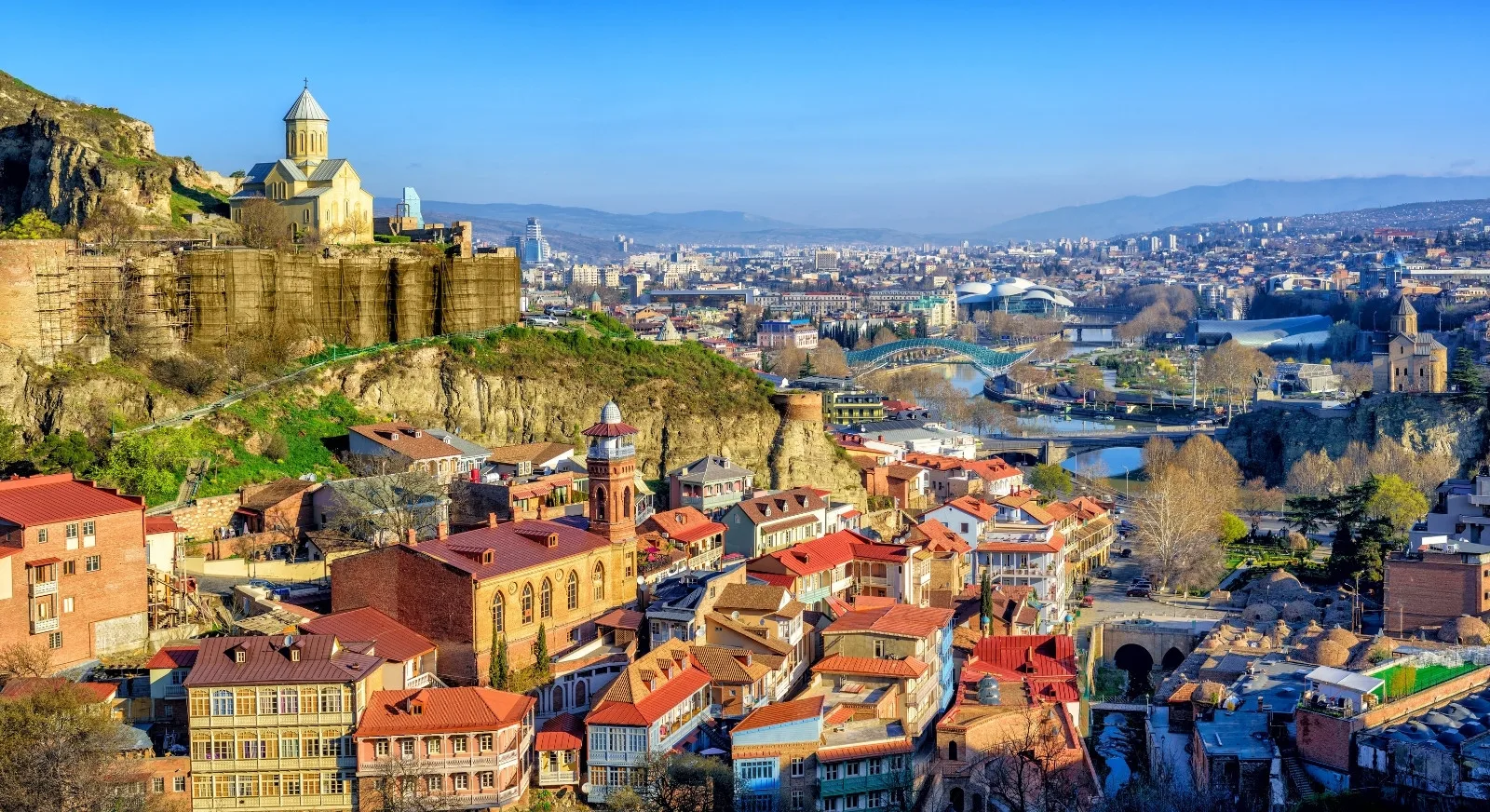
Walking around central Tbilisi, Batumi or Kutaisi after dark is normal. Solo travellers, including solo women, report Georgia as one of the more comfortable countries in the region, and hospitality towards guests is a genuine cultural value rather than a tourist board slogan.
The realistic annoyances are small:
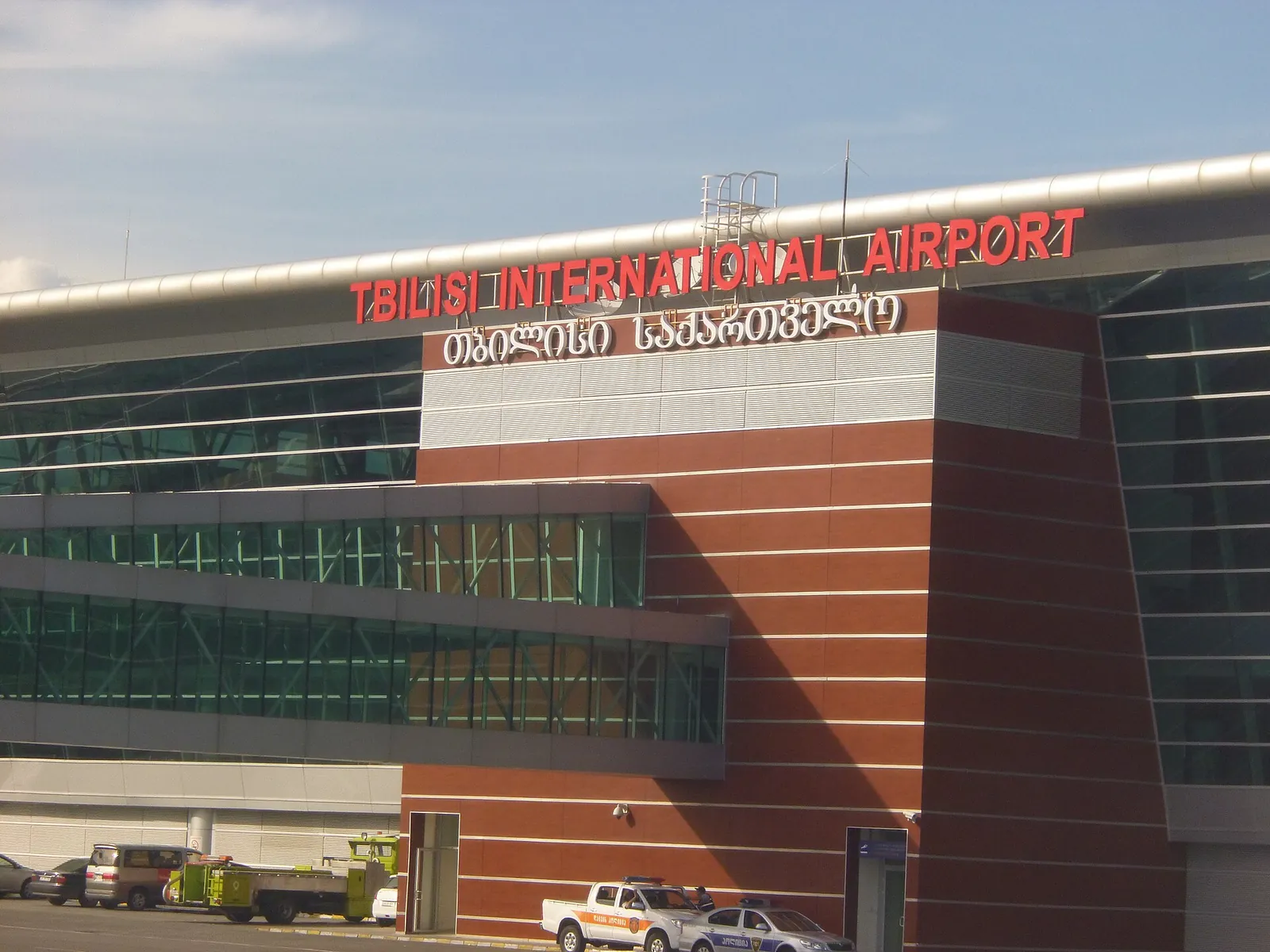
Taxi overcharging, which is the single most common one. Use a ride hailing app so the fare is set in advance, especially at the airport and around the main sights. A flagged street taxi often has no meter, so agree the price before you get in.
Bar bills in a handful of Tbilisi nightlife spots, the usual pattern of an unexpectedly large total. Look at prices before ordering rounds and it disappears.
Pickpocketing in crowds, at the level of any European city, on busy metro carriages and in markets.
Our first time in Georgia guide covers the ordinary practicalities that sit alongside this.
The roads, which deserve more respect than they get
This is where the actual risk concentrates, and visitors consistently underestimate it because the country feels so relaxed.
Overtaking is assertive and often into oncoming traffic on the assumption that everyone will make room. They usually do. Lane markings are treated as advisory in cities. Mountain roads combine steep unguarded drops, broken surfaces, blind bends and livestock standing in the carriageway.
What this means in practice:
⚠️ Do not drive at night outside cities. Unlit roads, unlit vehicles, animals and pedestrians in dark clothing combine badly.
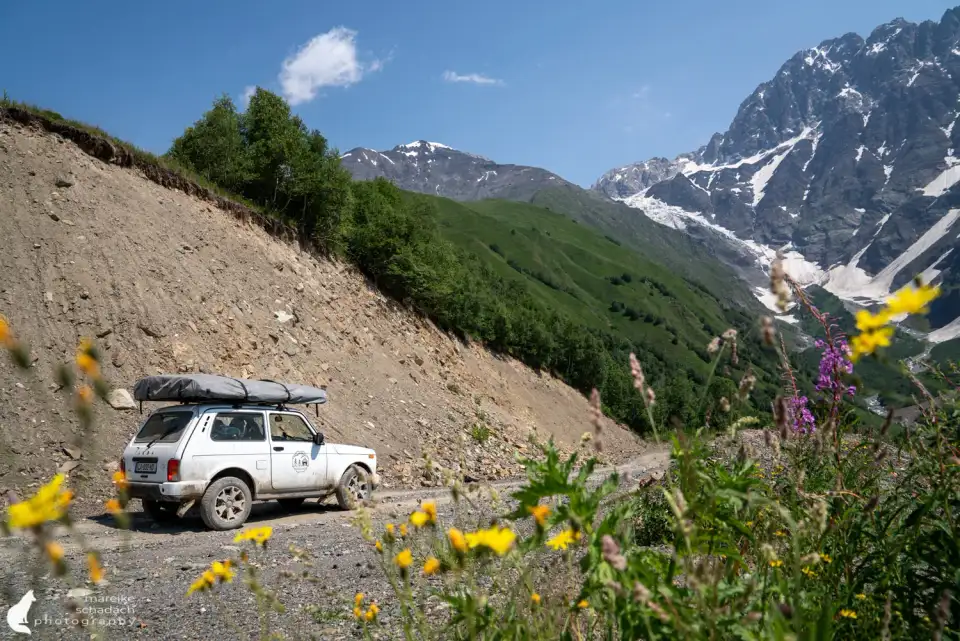
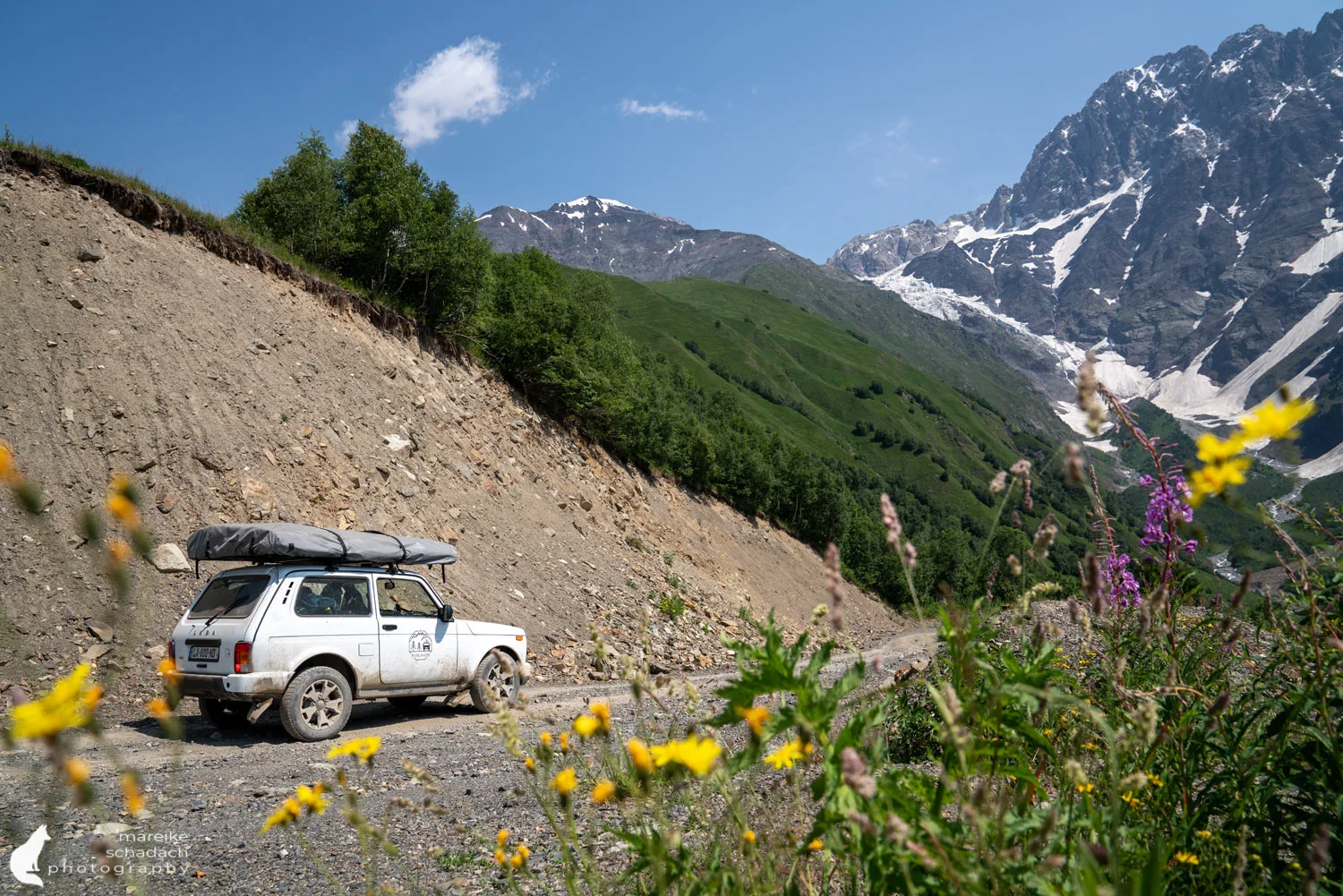
⚠️ Do not take an ordinary hire car onto the high unpaved passes. The Abano Pass to Tusheti and several Svaneti side roads need a proper four wheel drive and, on the harder ones, a driver who has done them before. Rental agreements often exclude these roads explicitly, which also voids the insurance.
Marshrutkas, the shared minibuses, are cheap, ubiquitous and driven briskly. They are how the country moves and most journeys are unremarkable. If a particular driver is making you uncomfortable, getting out at the next stop and waiting for the following one costs very little.
The mountains
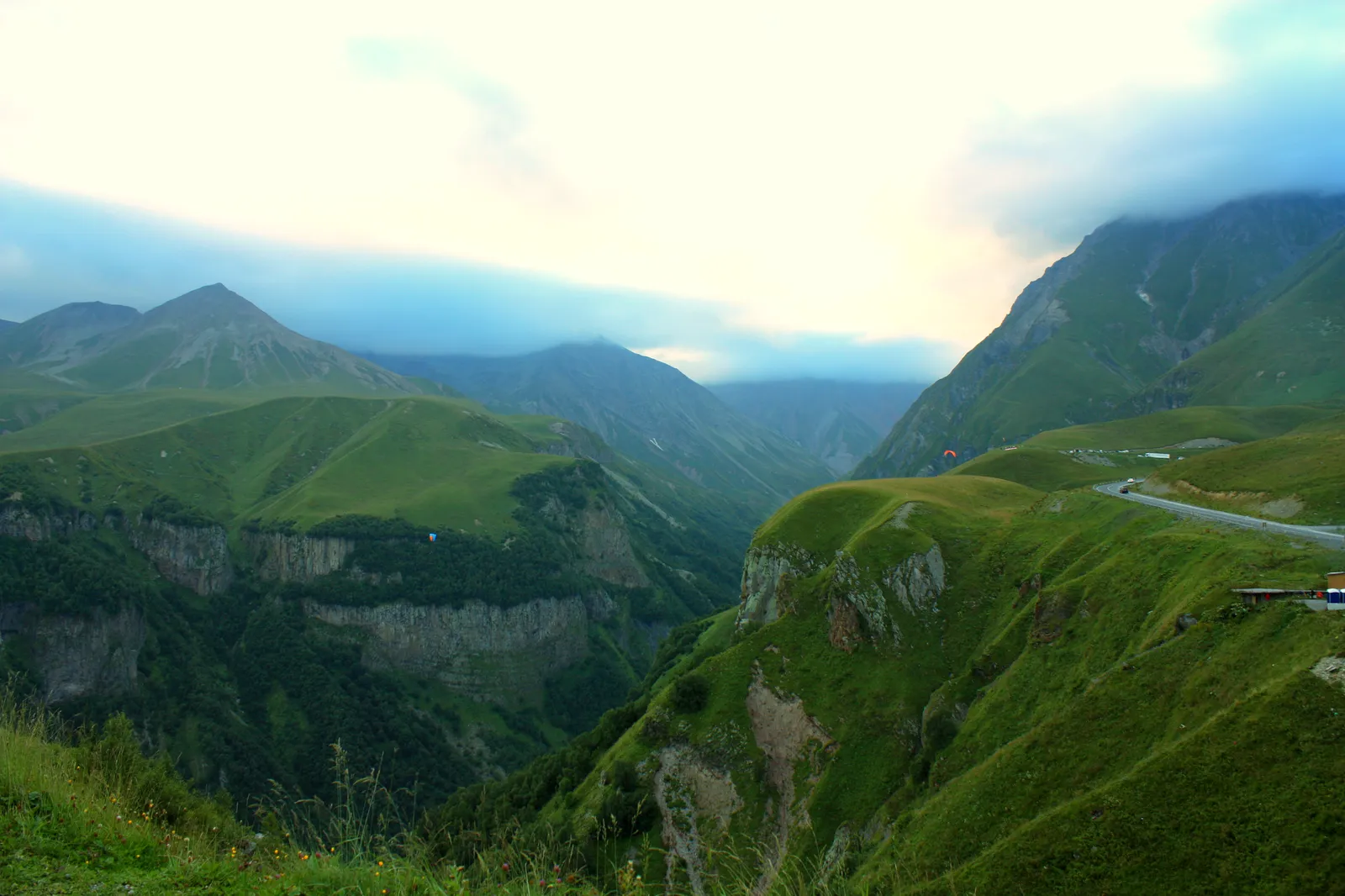
The Caucasus is real mountain terrain and the weather turns fast. A clear morning becoming a thunderstorm by early afternoon is a normal summer pattern rather than bad luck.
Start early and be off exposed ground in the afternoon. Tell somebody where you are going, because guesthouse owners will raise the alarm and are often the only ones who would. Do not rely on a phone signal, which vanishes in the side valleys and on the passes.
Shepherd dogs are the one animal worth knowing about. They guard flocks, they are large, and they take the job seriously. Do not run, do not walk through the flock, take a wide arc and wait for the shepherd. Town strays, by contrast, are generally vaccinated, ear tagged and completely uninterested in you.
Going into the mountains?Check the rescue and altitude clauses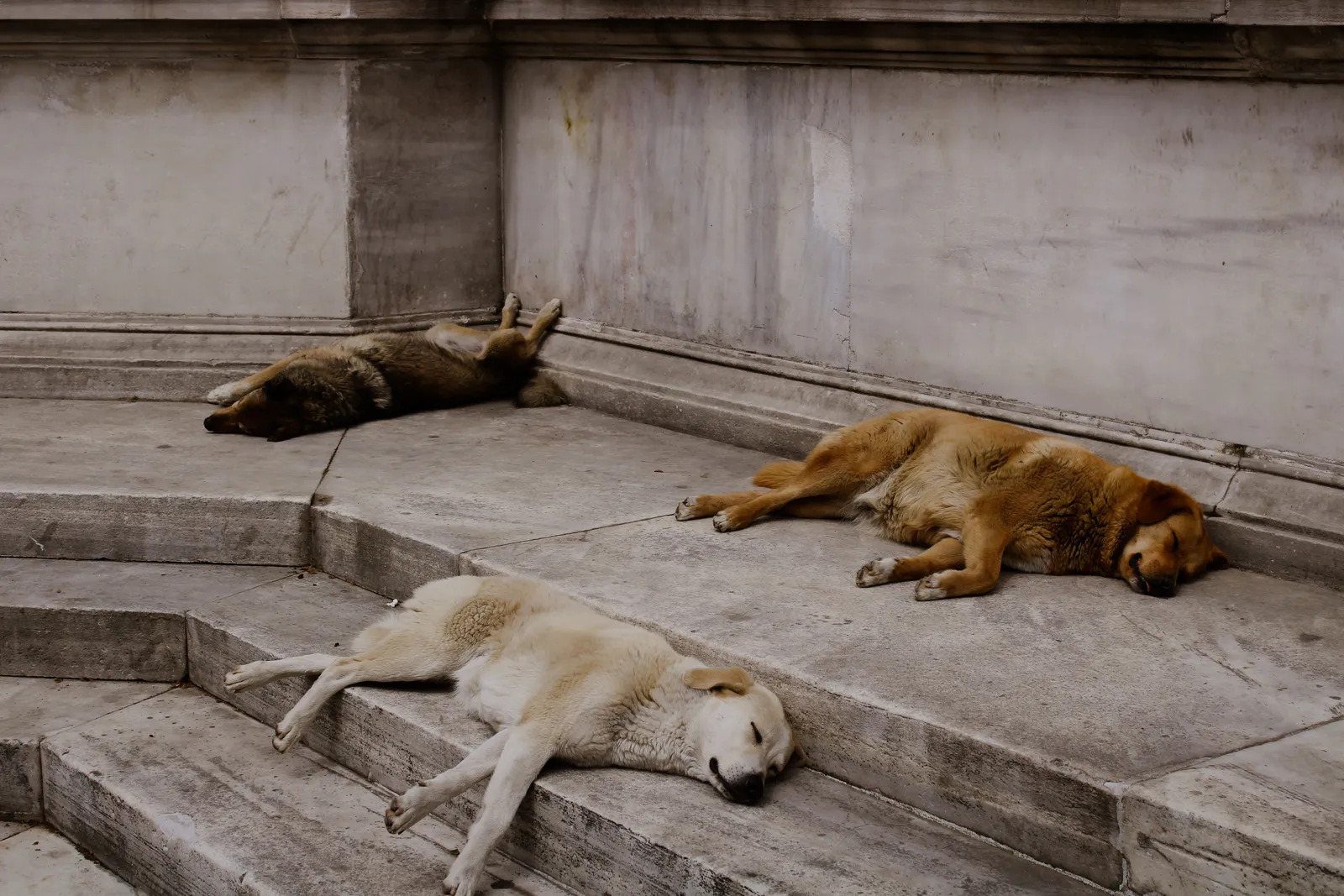
The occupied territories
This is the one genuinely political safety point, and it is worth stating plainly because it is easy to stumble into without meaning to.
Abkhazia and South Ossetia are outside Georgian government control. Entering either from the Russian side is illegal under Georgian law and can lead to prosecution and a ban from the country.
The practical hazard is subtler. The administrative boundary lines are not consistently marked, they have moved in places, and people have been detained after crossing without realising they had. This matters most near South Ossetia, where the boundary runs close to the main east west highway in places.
The advice is simple: do not wander near the boundary areas, do not follow tracks that look like shortcuts there, and check your own government travel advice before travelling anywhere in those zones. Everything else in the country is unaffected by this.
Health, water and food
Tap water in Tbilisi and the main cities is generally considered drinkable and locals drink it. Mountain spring water is a national habit and mostly fine, with the obvious caveat about streams below grazing land.
Food safety is unremarkable. The most common visitor complaint is overeating at a supra, which no policy covers.
Pharmacies are widespread in cities and well stocked, though brand names differ and staff may not speak English. Bring prescription medication in its original packaging with the prescription, because that is what gets you a local equivalent.
🔑 Distance is the real medical risk. Tbilisi has good private hospitals. A valley in Svaneti has a long road between you and one, which is why the medical and repatriation limits in a policy matter more here than the price does. Our Georgia travel insurance guide goes through what to look for.
The numbers to save
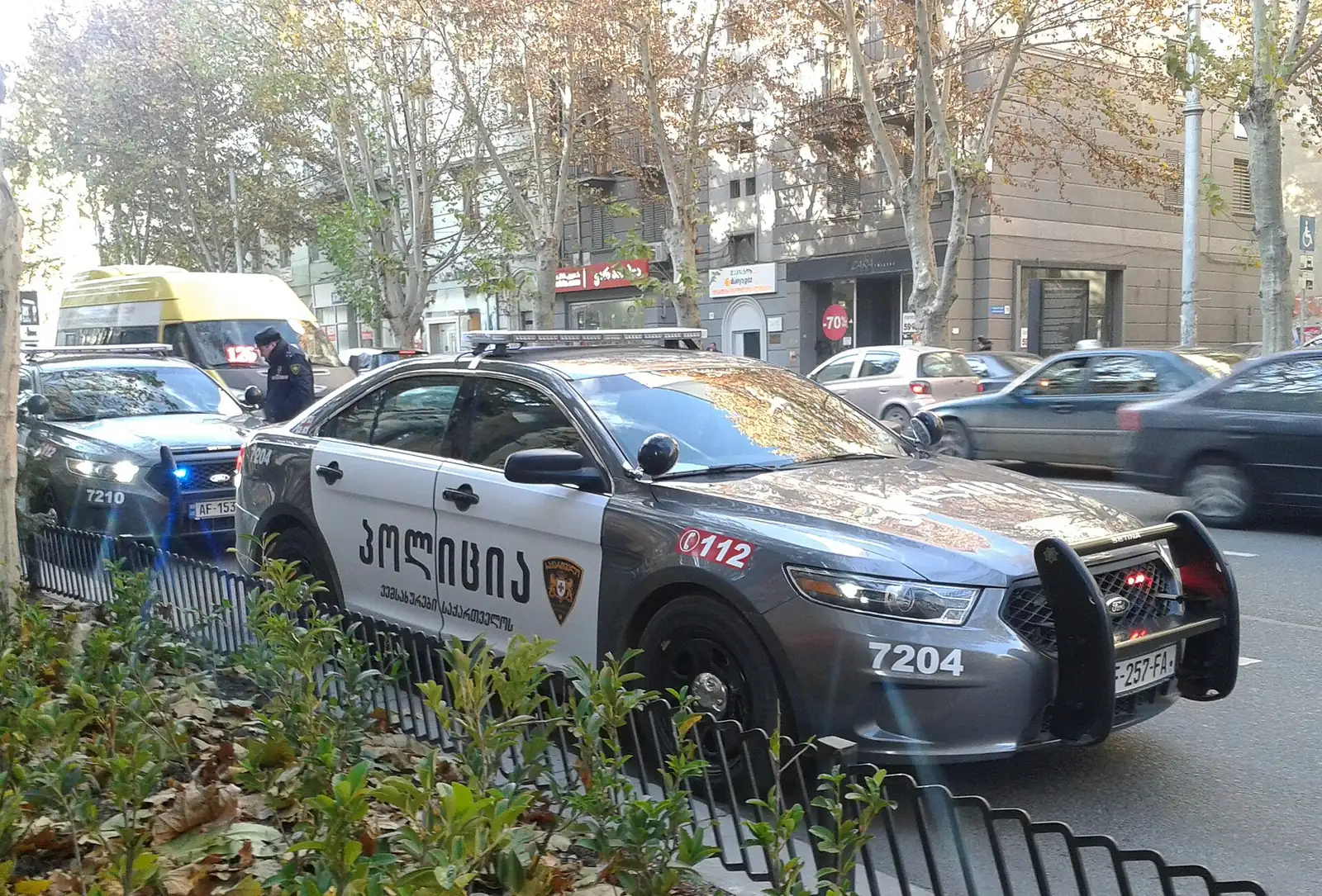
112 is the single emergency number for police, ambulance and fire, and it covers the whole country. English is generally handled.
Save it before you travel, along with your accommodation address written in Georgian script, which solves the taxi problem and the emergency problem at once. The full list of who to call, including your own embassy, is in our Georgia emergency numbers guide.
The short version
Georgia is safer than most visitors expect in the way people usually mean the word, and more demanding than they expect in the ways that involve vehicles and altitude.
Use an app for taxis. Do not drive at night on rural roads. Do not put a normal car on a mountain pass. Start walks early, tell someone your plan, and give shepherd dogs a wide berth. Stay away from the boundary areas.
Do that and the country is, by a comfortable margin, one of the easier places in the region to travel.