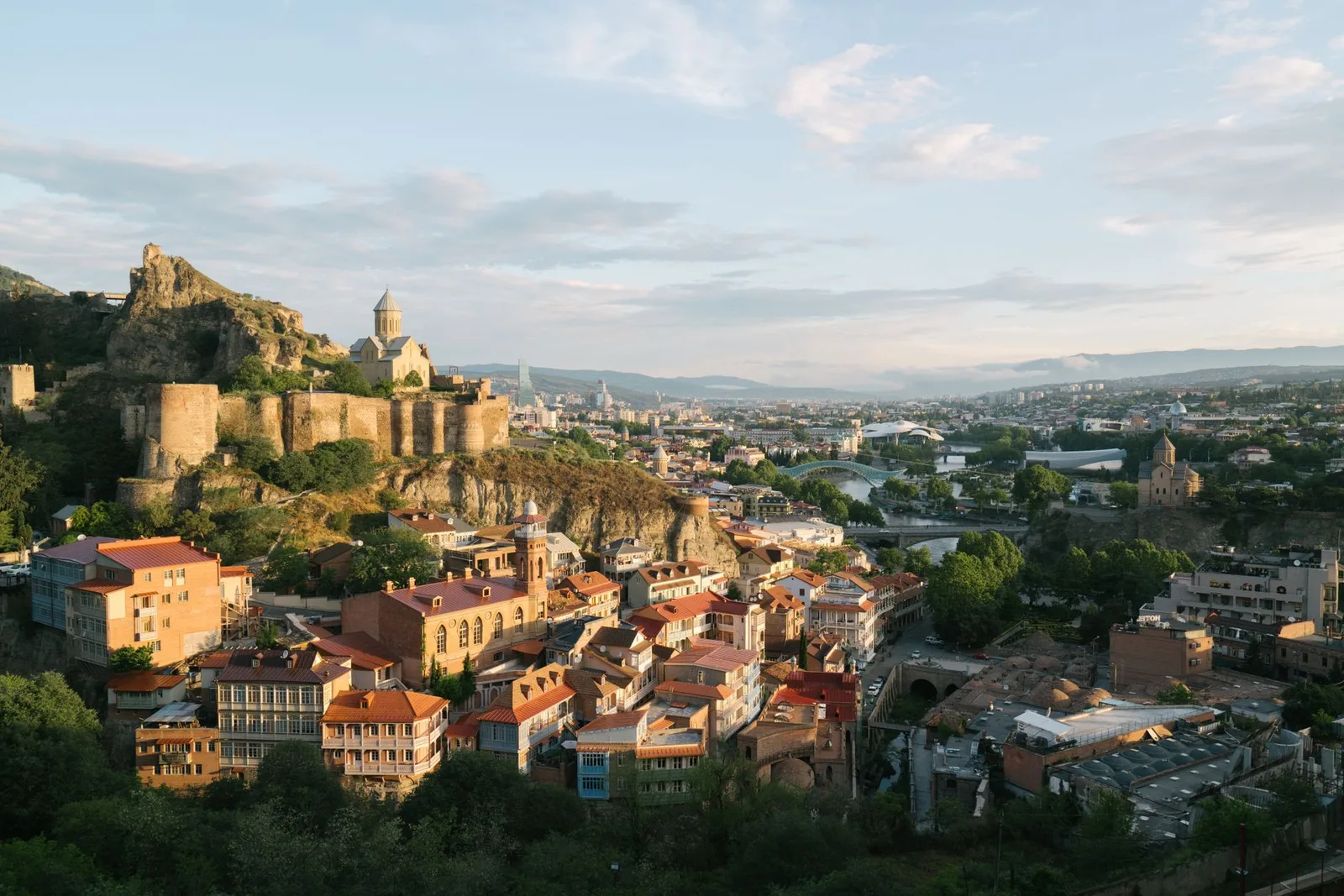
Georgia is a small country by area and a slow one to travel, because almost everything worth reaching is on the far side of a mountain road. A week covers the capital, the wine country and one mountain valley. Ten days adds the west, the caves and the coast. Two weeks is where the trip stops being a tour of the highlights and becomes something else, and the reason is not that you fit more in. It is that you can finally afford to spend three nights somewhere that takes a day to reach.
What ten days already covers
Tbilisi, with enough time for the old town, the baths and a day trip.
Kakheti, the wine country, at a comfortable pace rather than a rush.
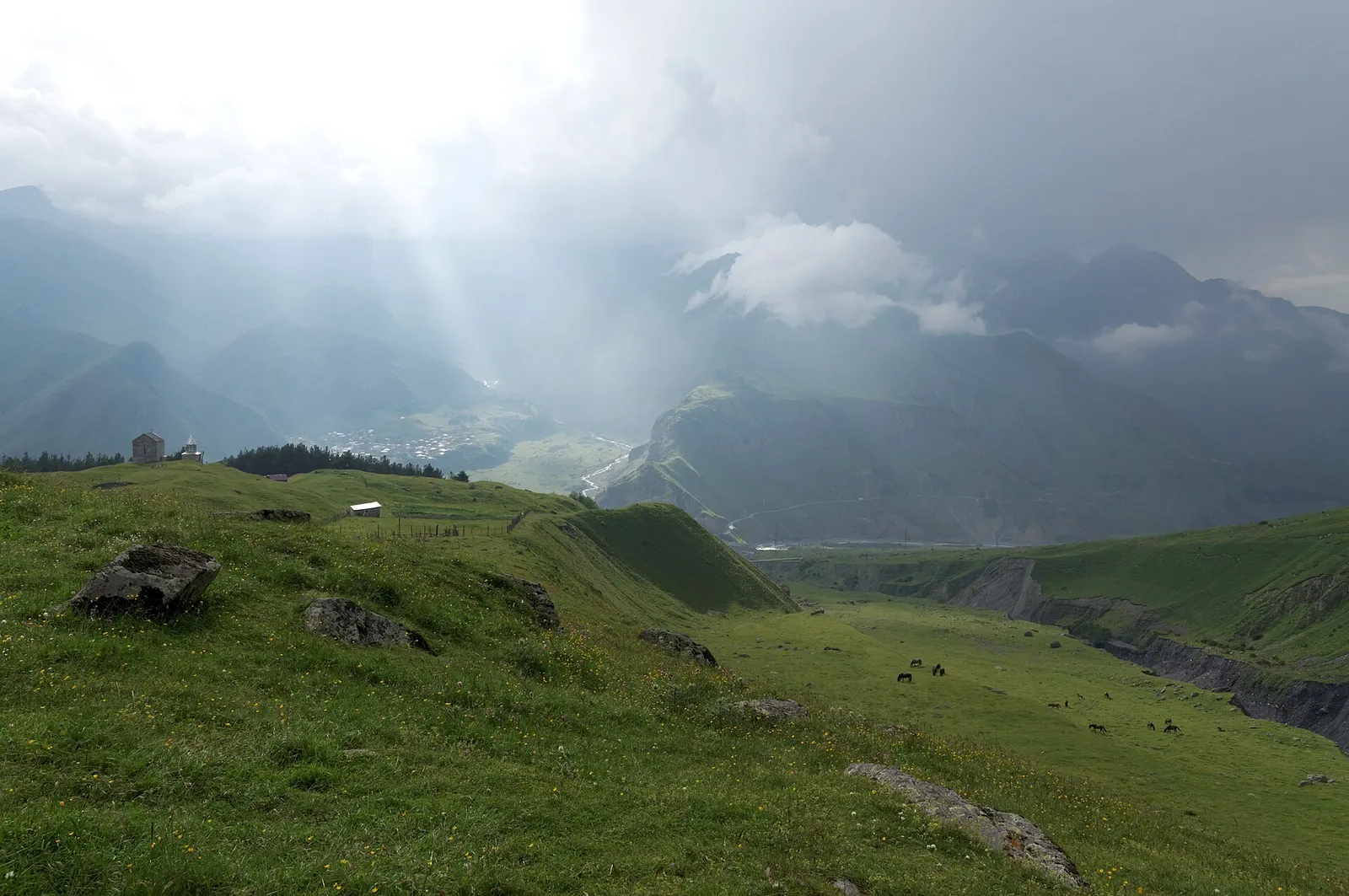
Kazbegi, the accessible high mountain, with a day to walk rather than just photograph.
The west, meaning Kutaisi, the canyons and the caves.
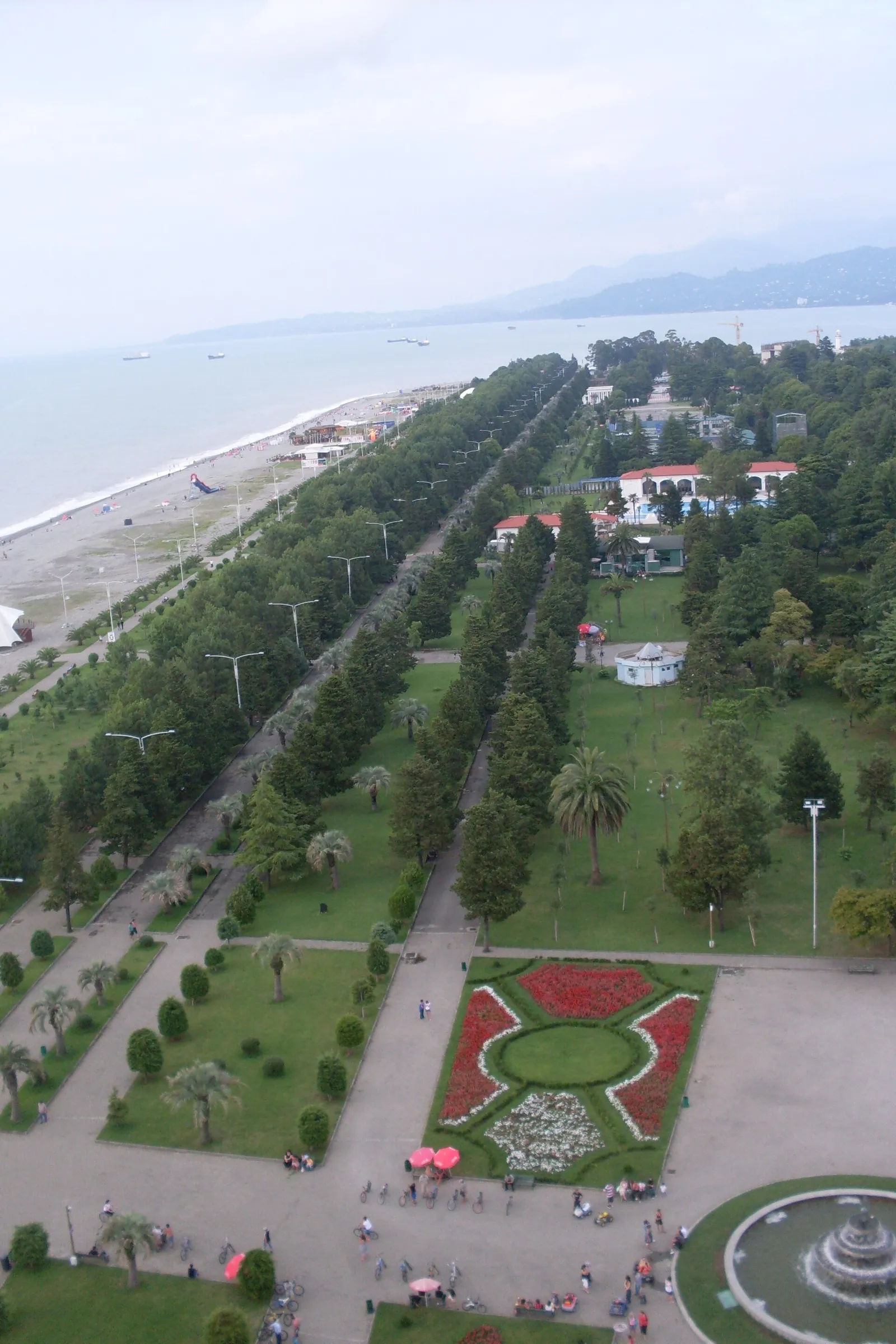
The coast, with a night or two in Batumi.
Which is a complete trip, and the reason ten days is the most common answer.
What the second week should actually buy
One remote region, given three nights, which is the single biggest upgrade available.
Slower days everywhere else, with two nights becoming three at the bases you liked.
A walking day or two, rather than viewpoints reached by car.
A festival or a season, if your dates happen to sit on the harvest or the snow.
Time to be delayed, which in a country of mountain roads is a real category.
Not four more towns, which is what the fortnight usually gets spent on and should not.
Three shapes that work
The classic plus one: the ten day route, with three nights added in a remote region and a night added in Tbilisi.
East and high: Tbilisi, Kakheti, Tusheti and Khevsureti, with almost no time in the west at all.
West and coast: Tbilisi, Kutaisi, Svaneti, and a genuine week on and around the Black Sea rather than two nights of it.
Each of them has four or five bases rather than ten.
Each of them keeps at least two days with nothing scheduled.
And each of them picks a half of the country rather than pretending to cover both.
Getting around over two weeks
Marshrutkas and trains for the long city to city legs, which are cheap and frequent.
A hired car for the regions where the point is the valleys, rather than for the whole fortnight.
A driver for a day where the road is hard and you want to look out of the window.
A shared four wheel drive for any pass that requires one, which is not optional.
Domestic flights exist to the far west and are worth checking against a long drive.
And leave margin, because a mountain road closing is a normal event rather than a disaster.
Season, which decides more here than usual
Late spring: green, full rivers, and the high passes opening rather than open.
Summer: everything open, the coast busy and the lowlands genuinely hot.
Early autumn: the strongest answer, with settled weather, open roads and the harvest.
Late autumn: beautiful and closing, with the remote regions going out one by one.
Winter: skiing and the capital, with most of this article unavailable.
And the remote regions have the shortest window, so build the fortnight around theirs.
Where this fits in a Georgia trip
As the upgrade from ten days, chosen at the booking stage, since the second week has to be planned rather than added.
For the route this builds on and the order it runs in, our ten day Georgia itinerary is the base.
For the shorter version and what has to be cut, our seven day itinerary covers the compressed trip.
And for choosing which remote region gets the second week, our off the beaten path guide sets out the four.
The short version
Do not spend the second week collecting four more towns. Spend it on one remote region with three nights, on turning two night bases into three, and on leaving two days unscheduled so that a closed road is an inconvenience rather than a crisis. Pick one half of the country, east or west, rather than both. Come in late spring or early autumn so the passes are open. Use buses and trains between cities and hire a car only for the regions that need one. Four or five bases in fourteen nights is the shape that works.