Trip planning Updated 17 August 2026
Travelling Georgia Alone
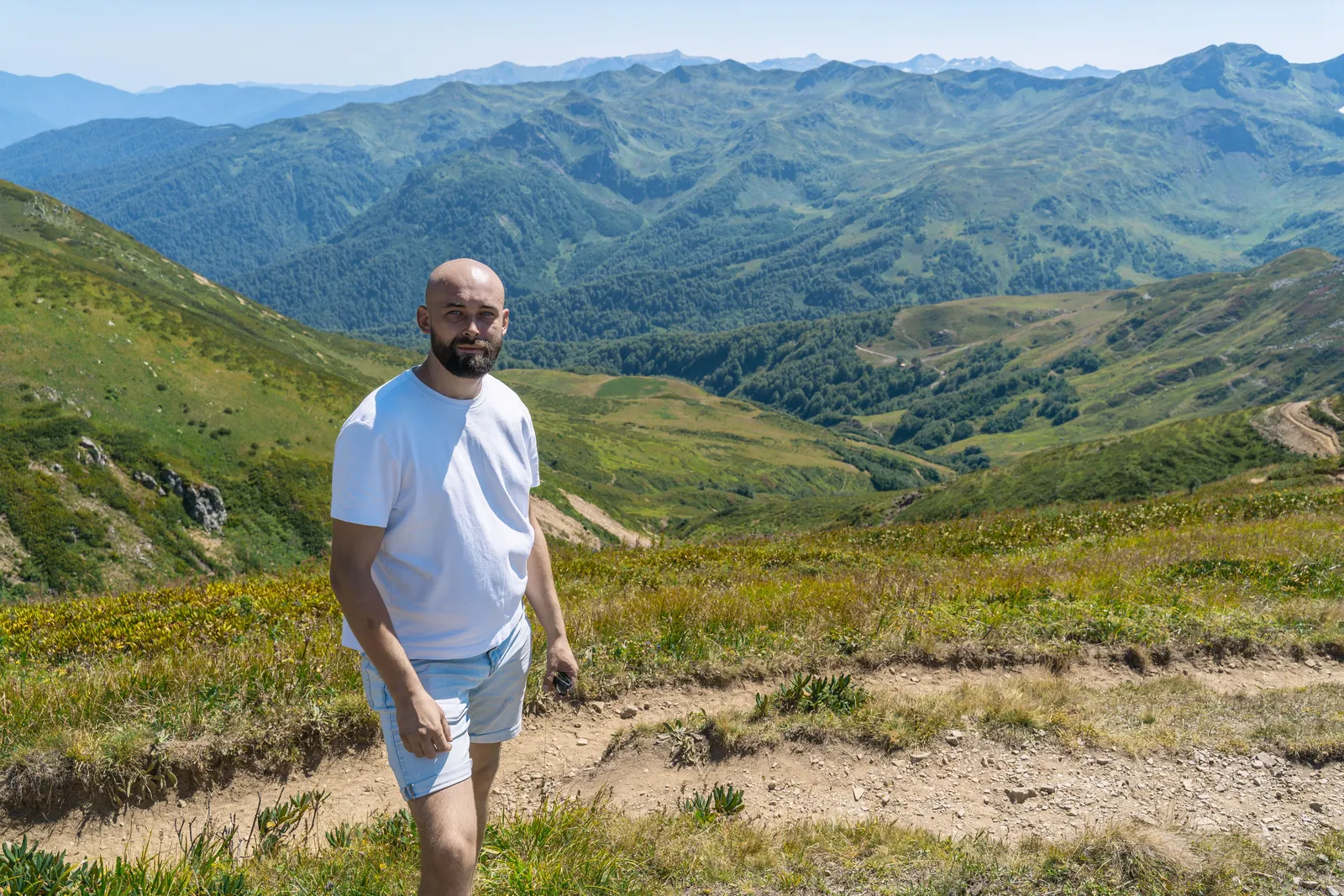
One of the easier countries in the region to travel solo, and the parts that need thought are not the ones people ask about.
Everything you need to know about Georgia, sorted by topic, from Tbilisi and the Caucasus mountains to the wine country and the ancient monasteries.
One of the easier countries in the region to travel solo, and the parts that need thought are not the ones people ask about.
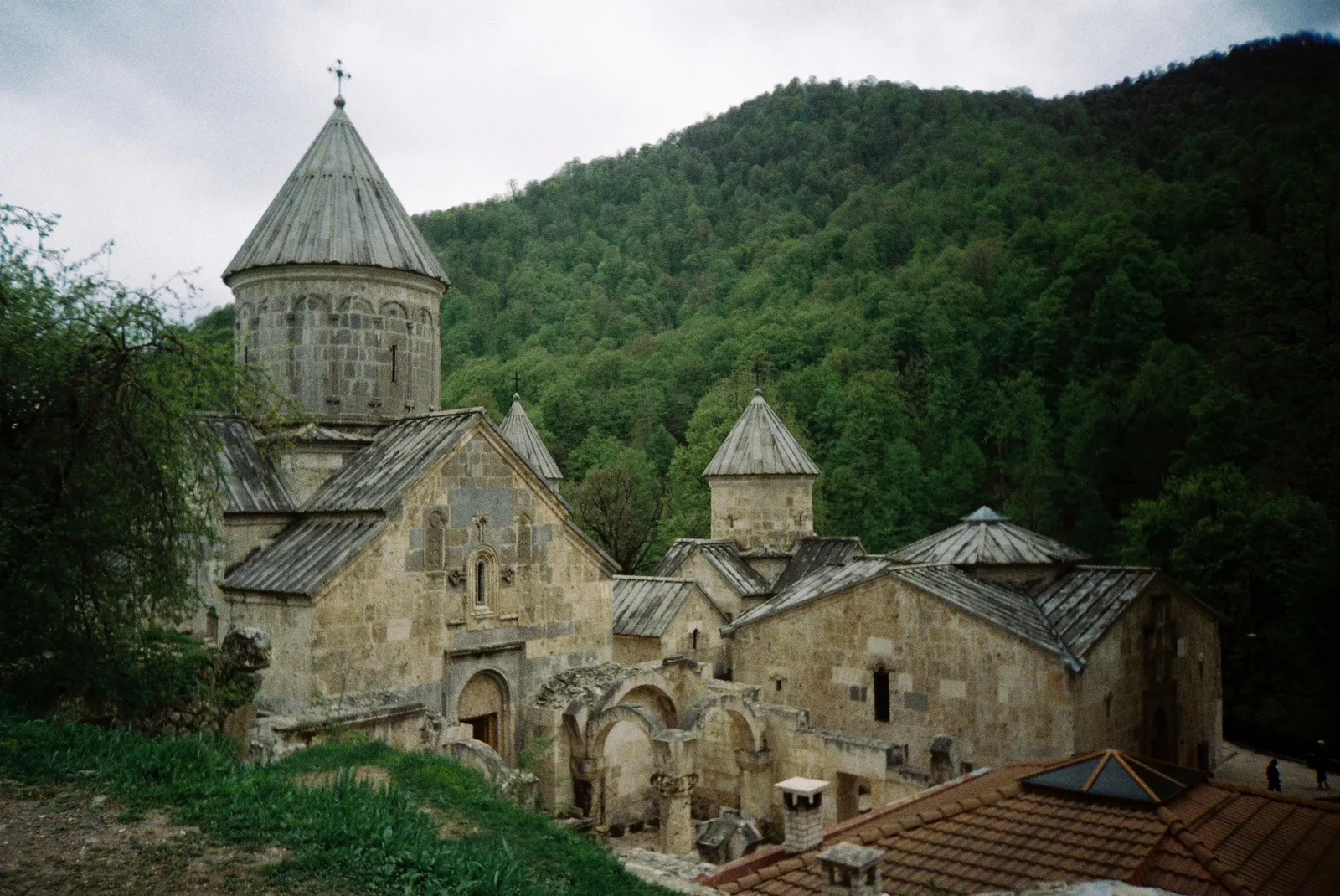
Two neighbouring Caucasus countries that get named in the same breath and are considerably less alike than the pairing suggests.
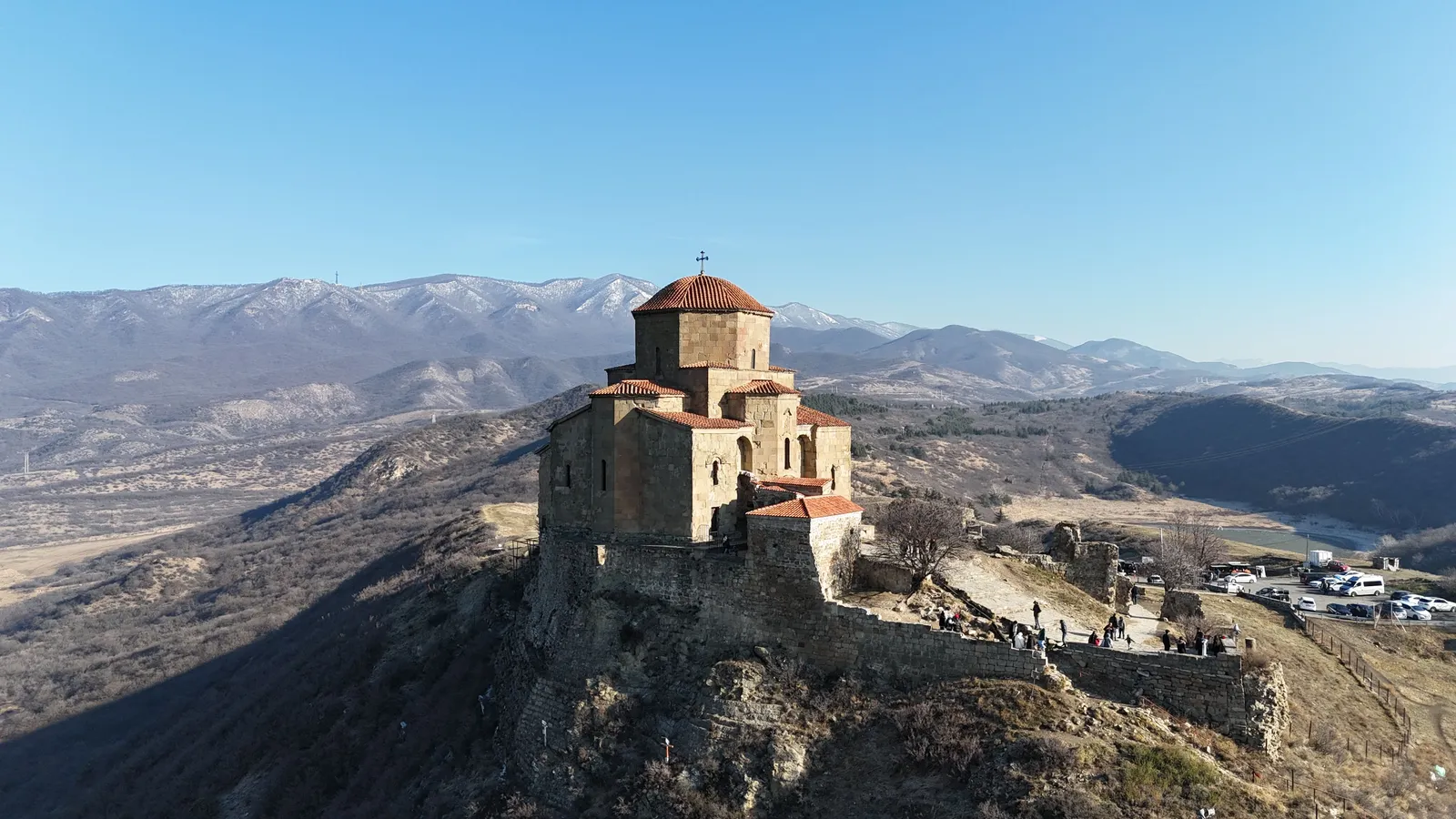
Almost everything in eastern Georgia is within reach of the capital for a day, which is why a lot of visitors never change hotel. Some of it should not be done that way.
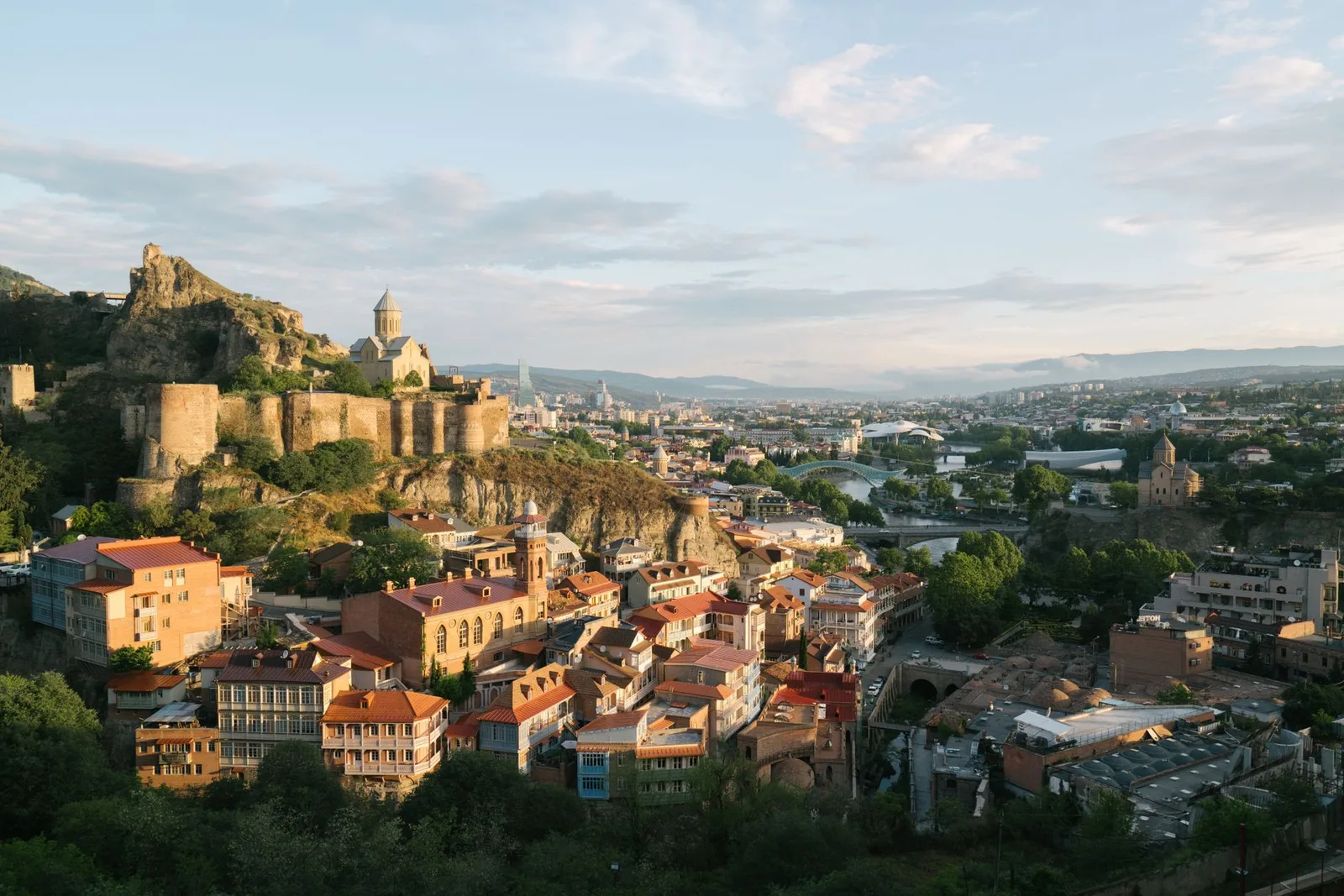
Ten days covers the headline sights. A fortnight is a different trip rather than a longer one, and the difference is one remote region rather than four more towns.
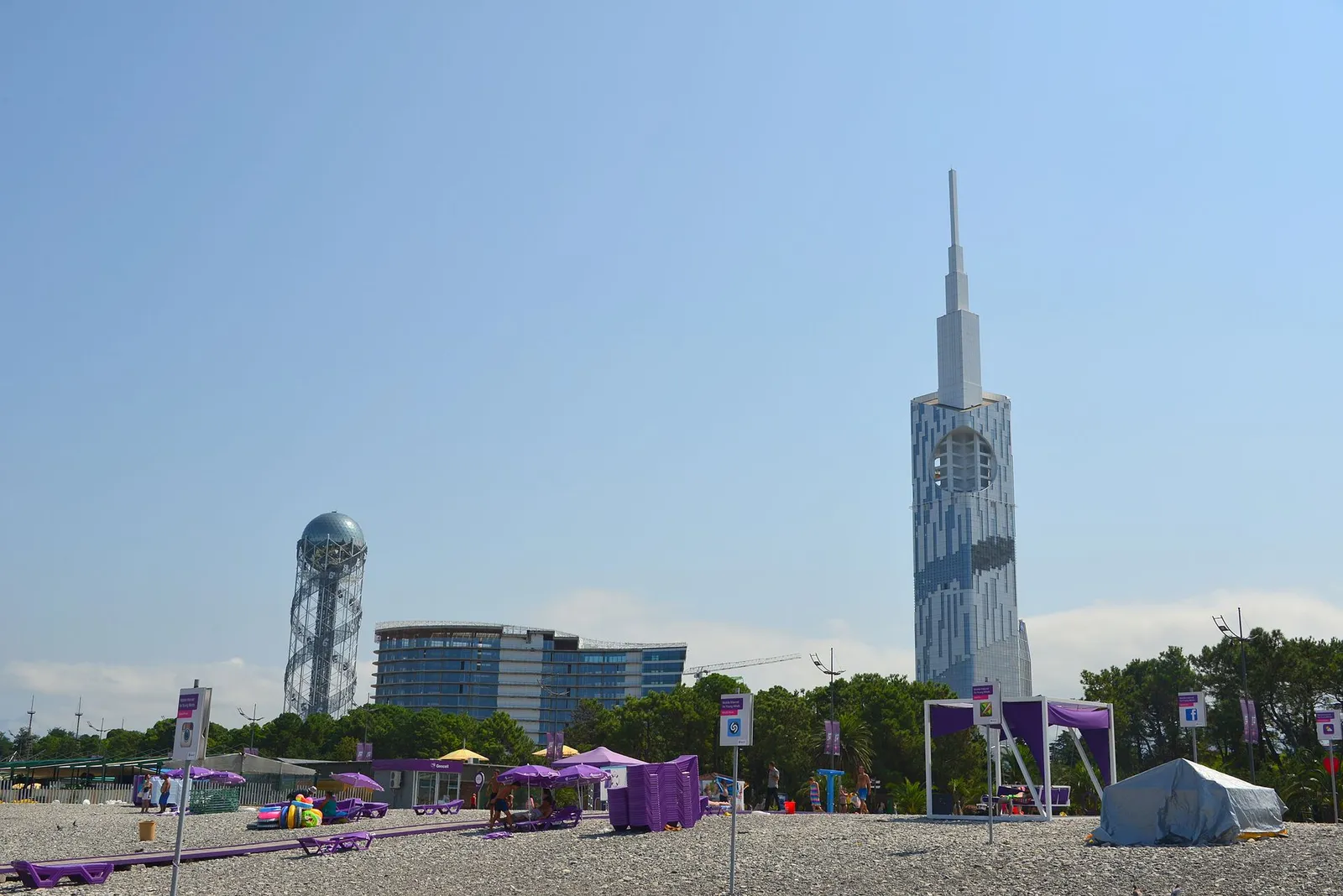
Batumi or Tbilisi? An honest comparison of Georgia's two big cities, covering food, sea, costs, weather by season and how to do both in one trip.
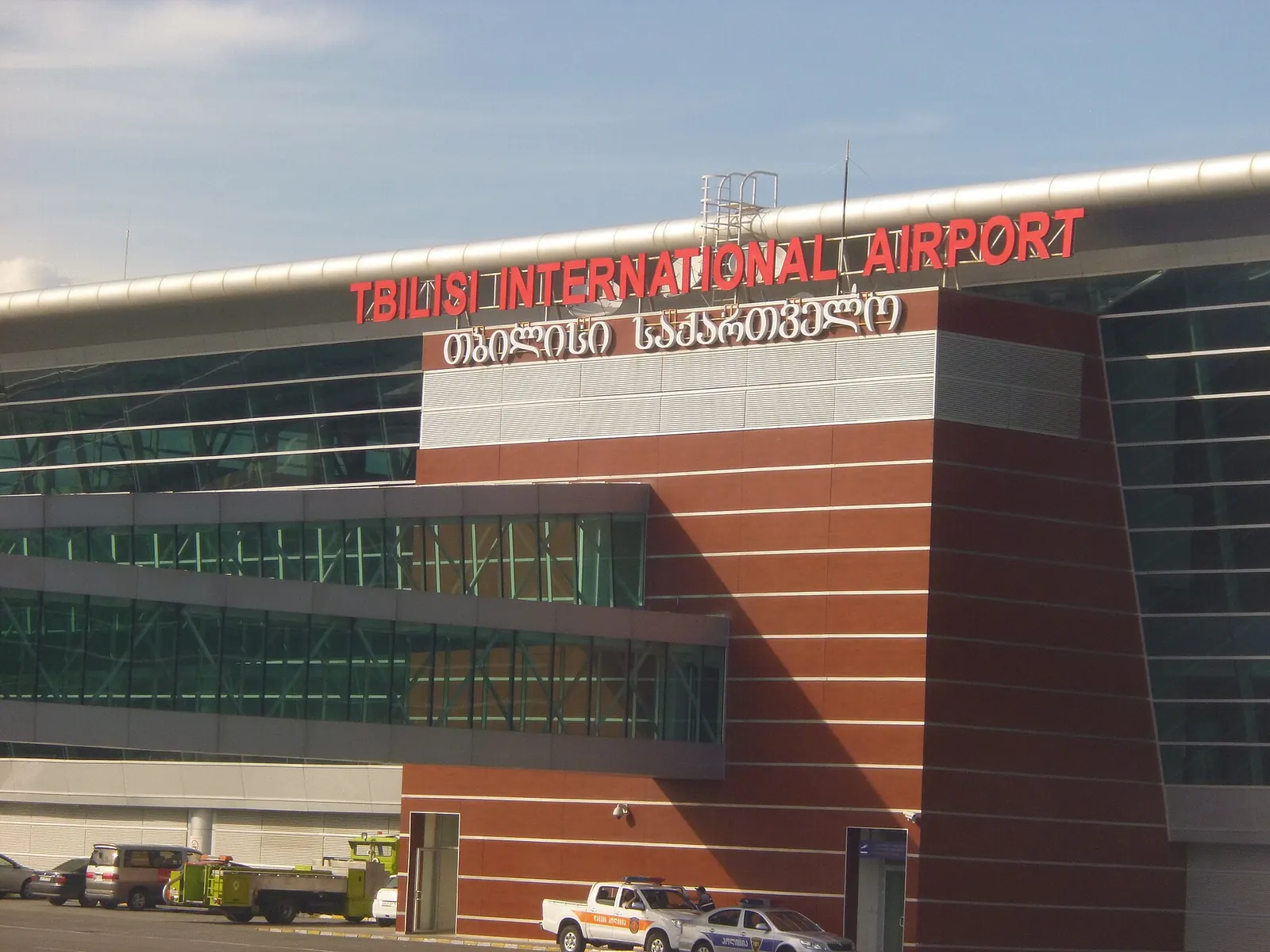
Georgia's entry rules explained: why the visa policy is one of the most generous anywhere, what to check for your own passport, the border and land-crossing questions, and the traps that still catch people.
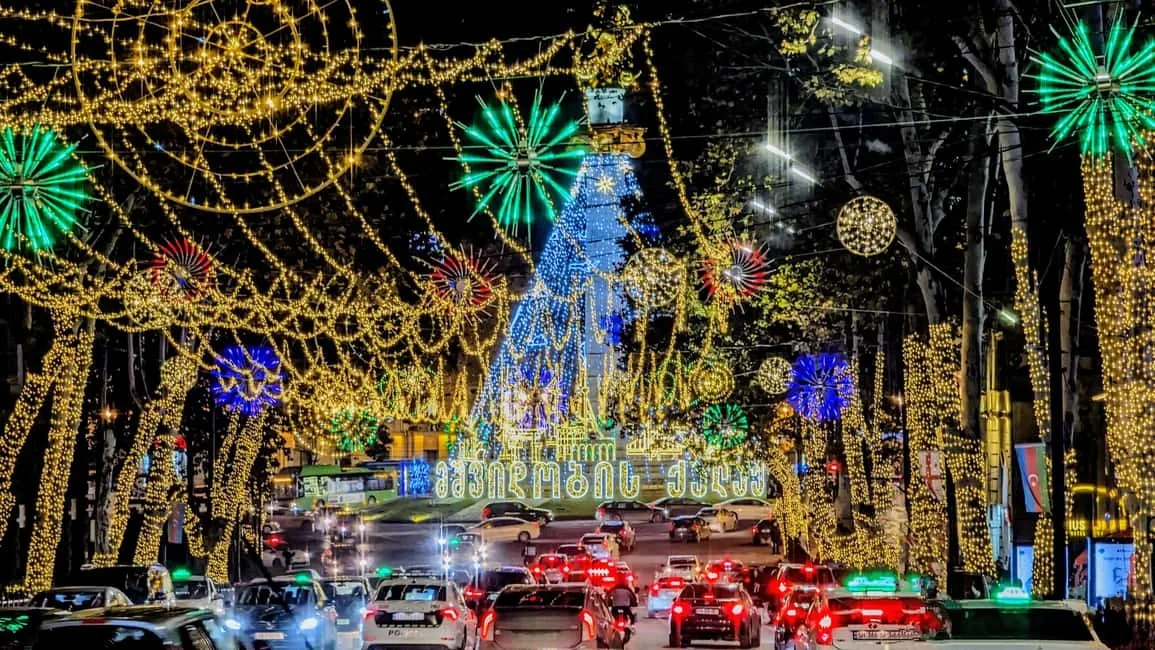
When to visit the country of Georgia, season by season: the sweet spots of spring and autumn, mountain hiking windows, the Batumi beach summer, ski season and the harvest, so you time your trip right.
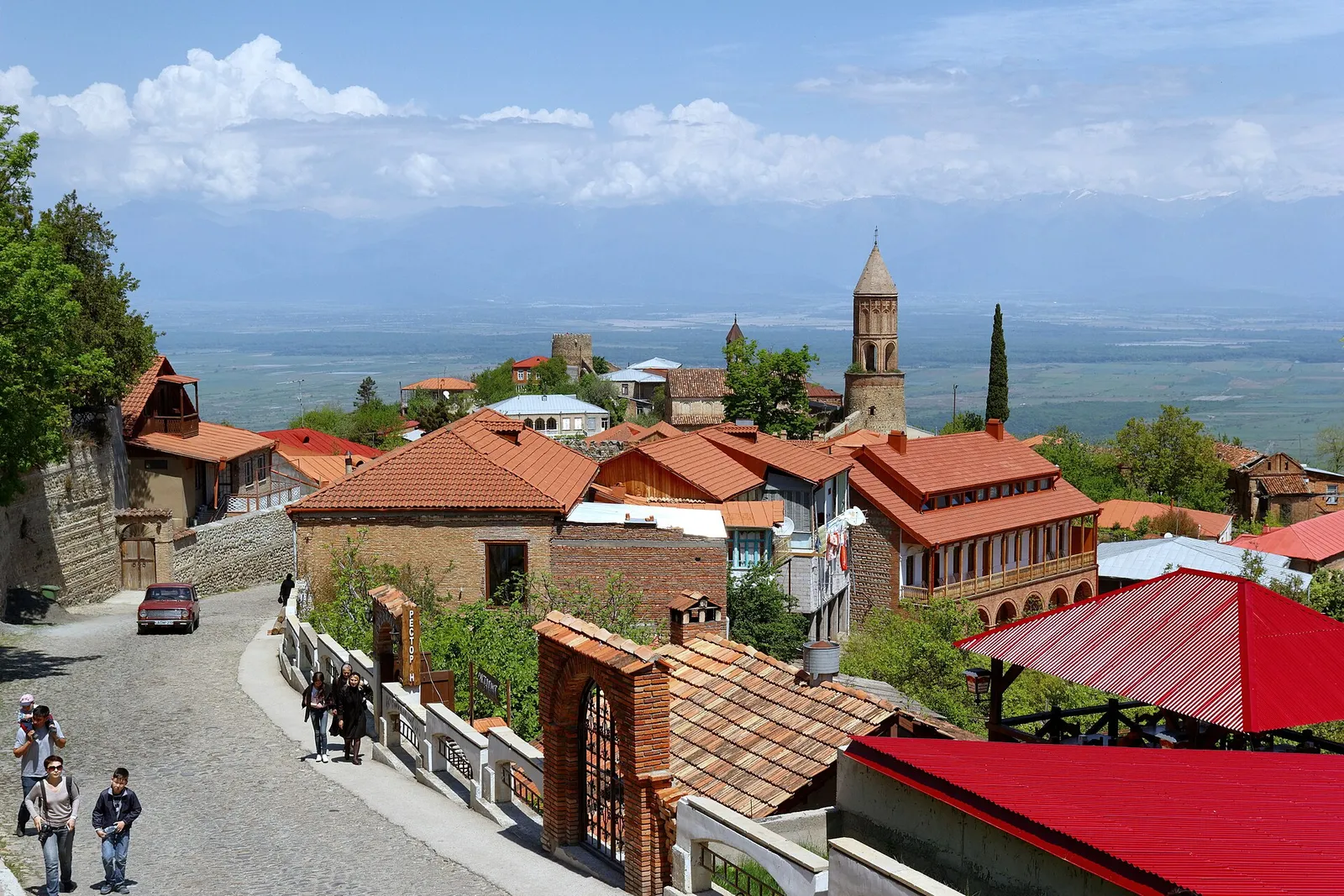
A hilltop town above a valley of vines, sulfur baths in a private room, a balcony over an old town and a cellar where somebody pours you their own wine.
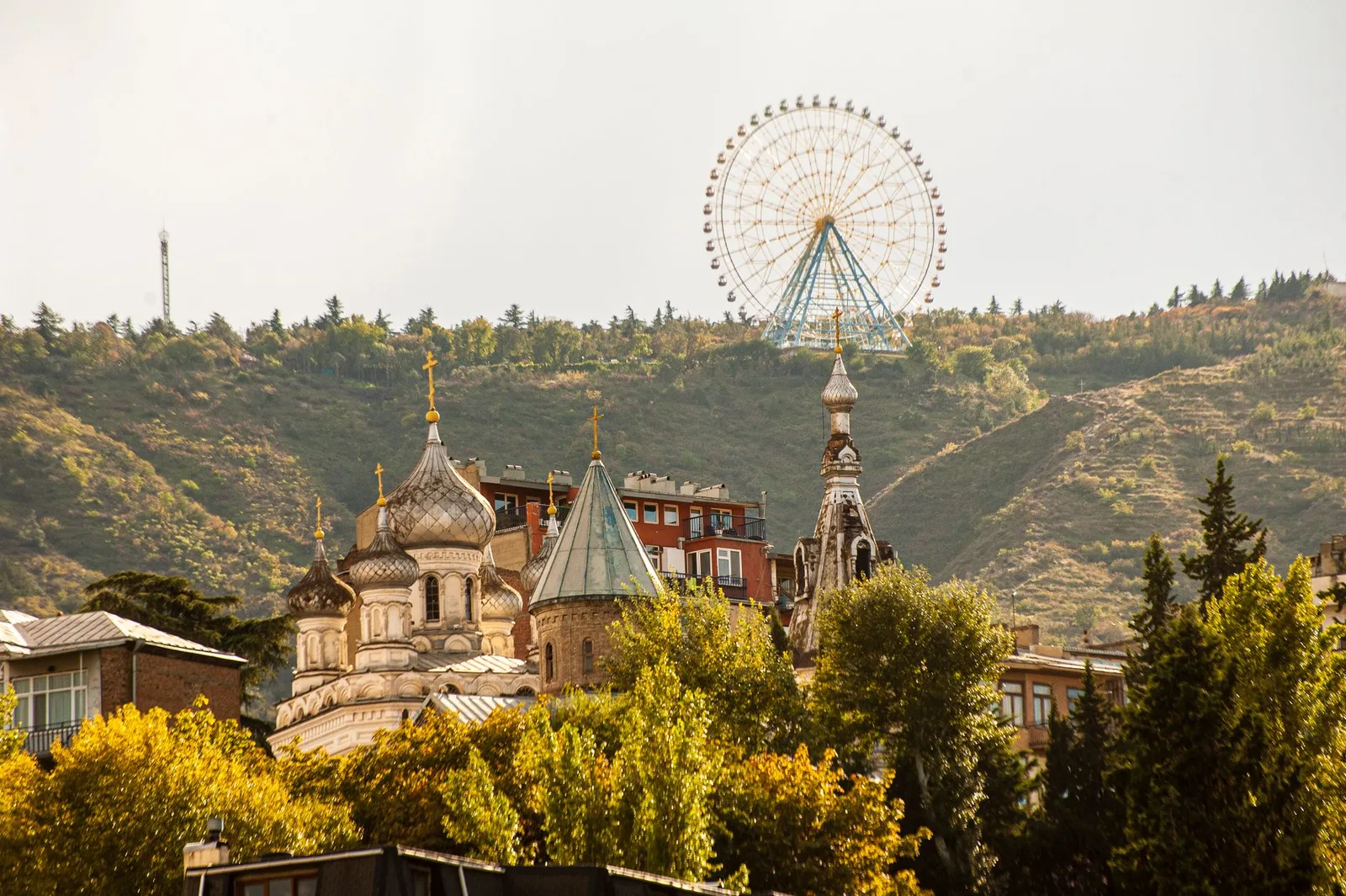
A cheap, welcoming country with a cable car in every city and a food culture children actually like, set against mountain roads that take twice as long as you think.
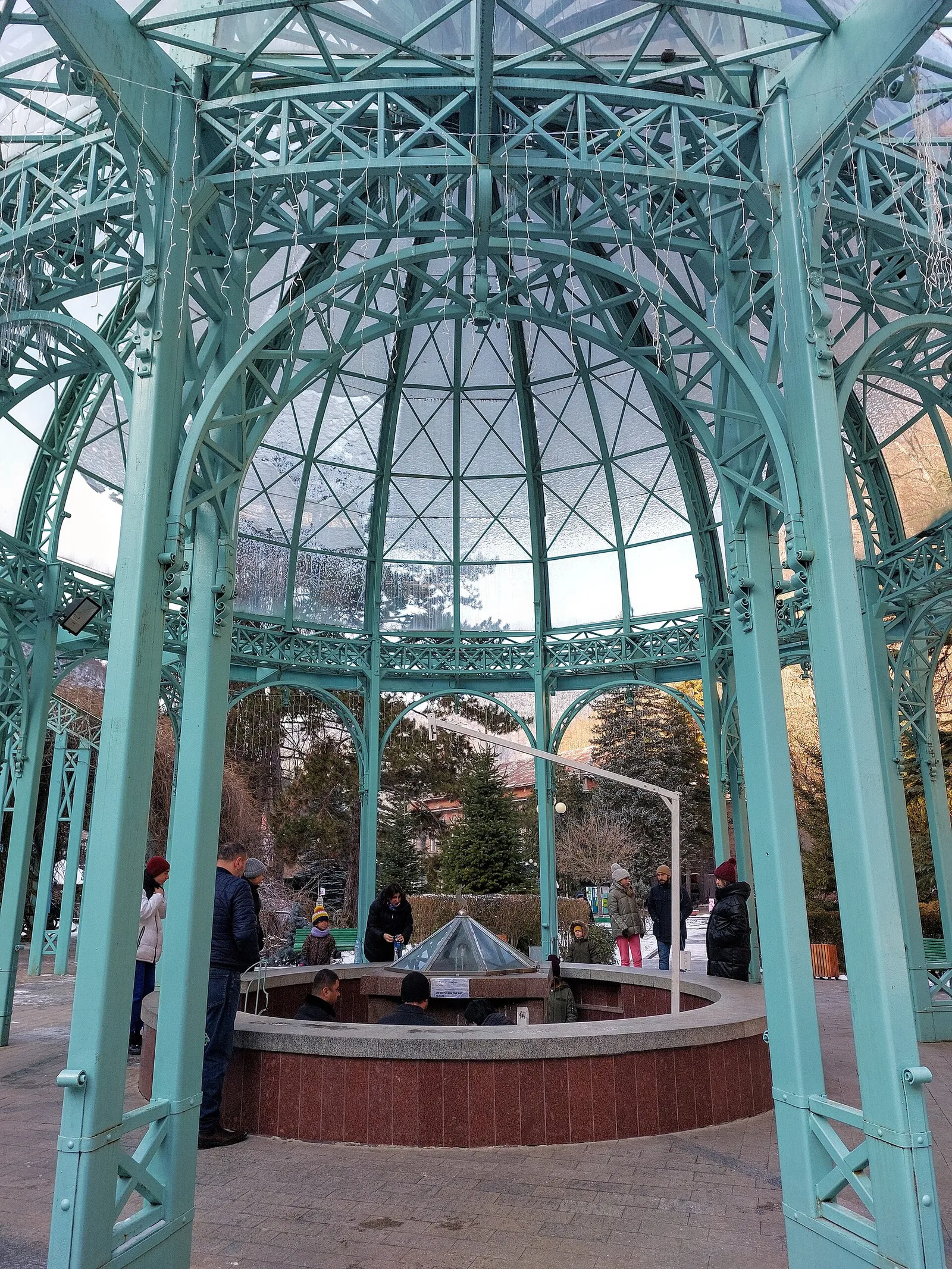
A park where you drink warm mineral water out of a tap, one of the largest national parks in Europe above it, and a narrow gauge railway up to the pines.
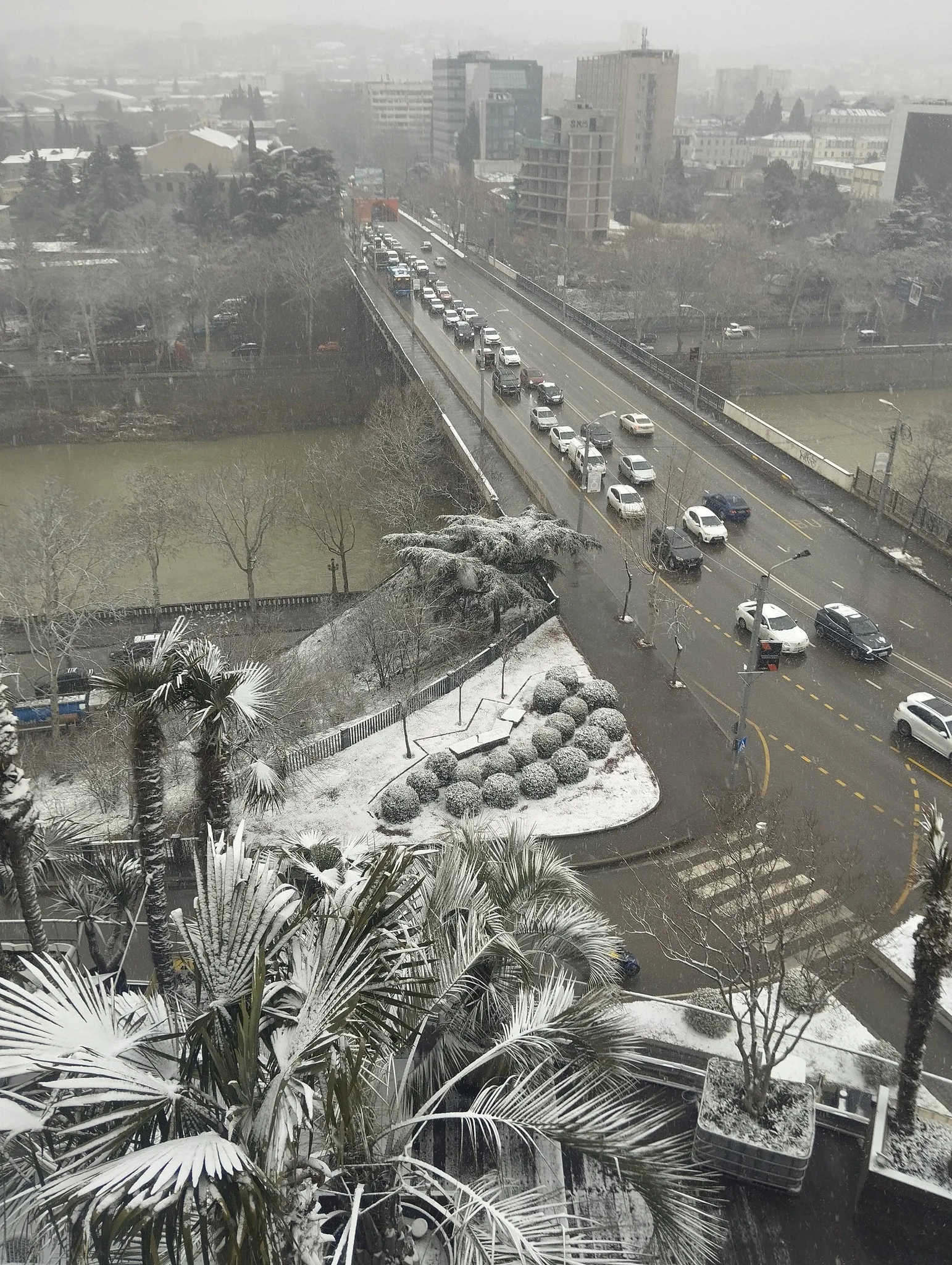
Snow on the Caucasus, a capital with no visitors in it, hot sulfur water, long lunches, and mountain roads that shut without asking.
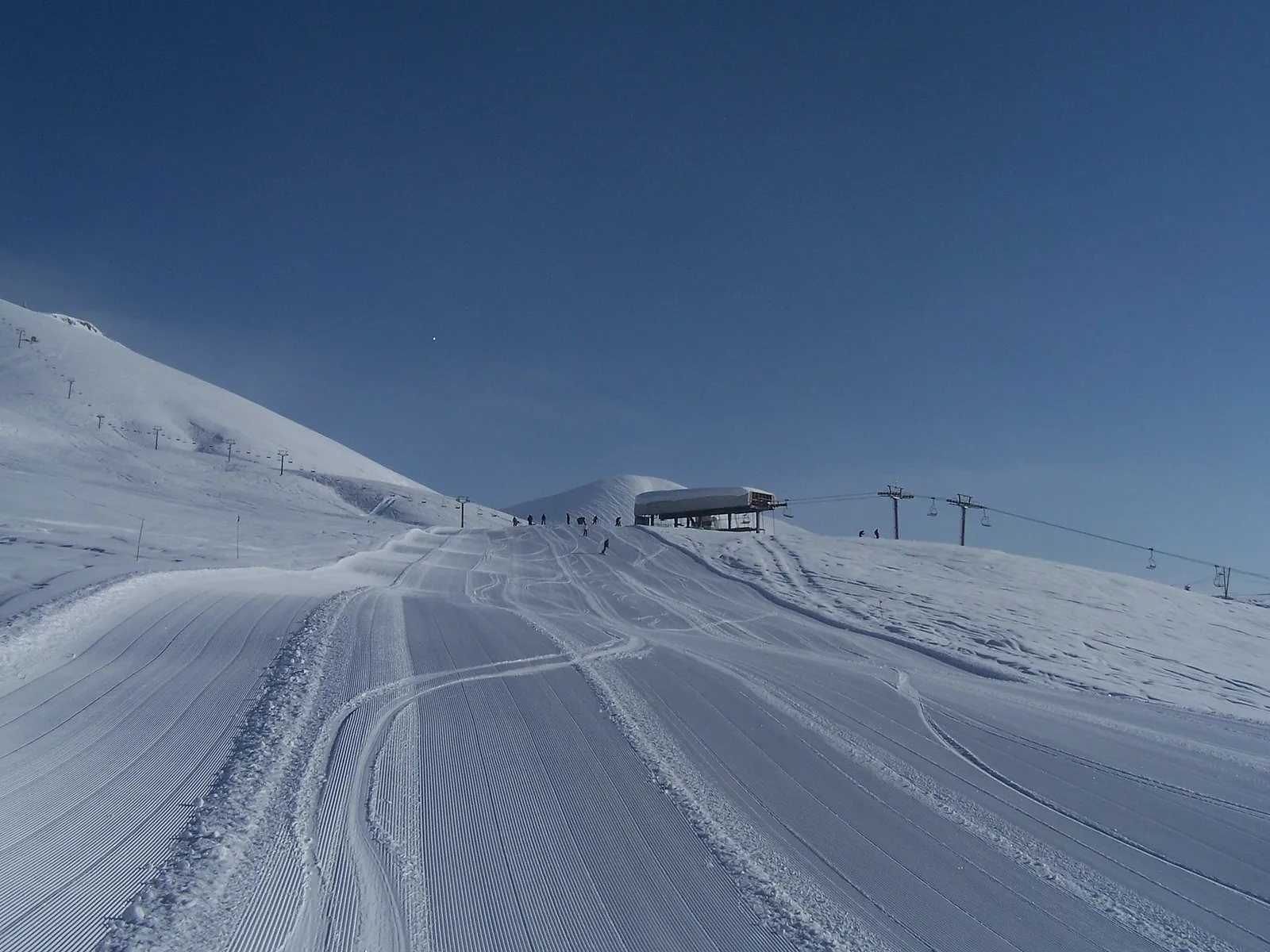
One is high, treeless and built for off piste. The other is lower, wooded and built for families. They are not competing for the same skier.
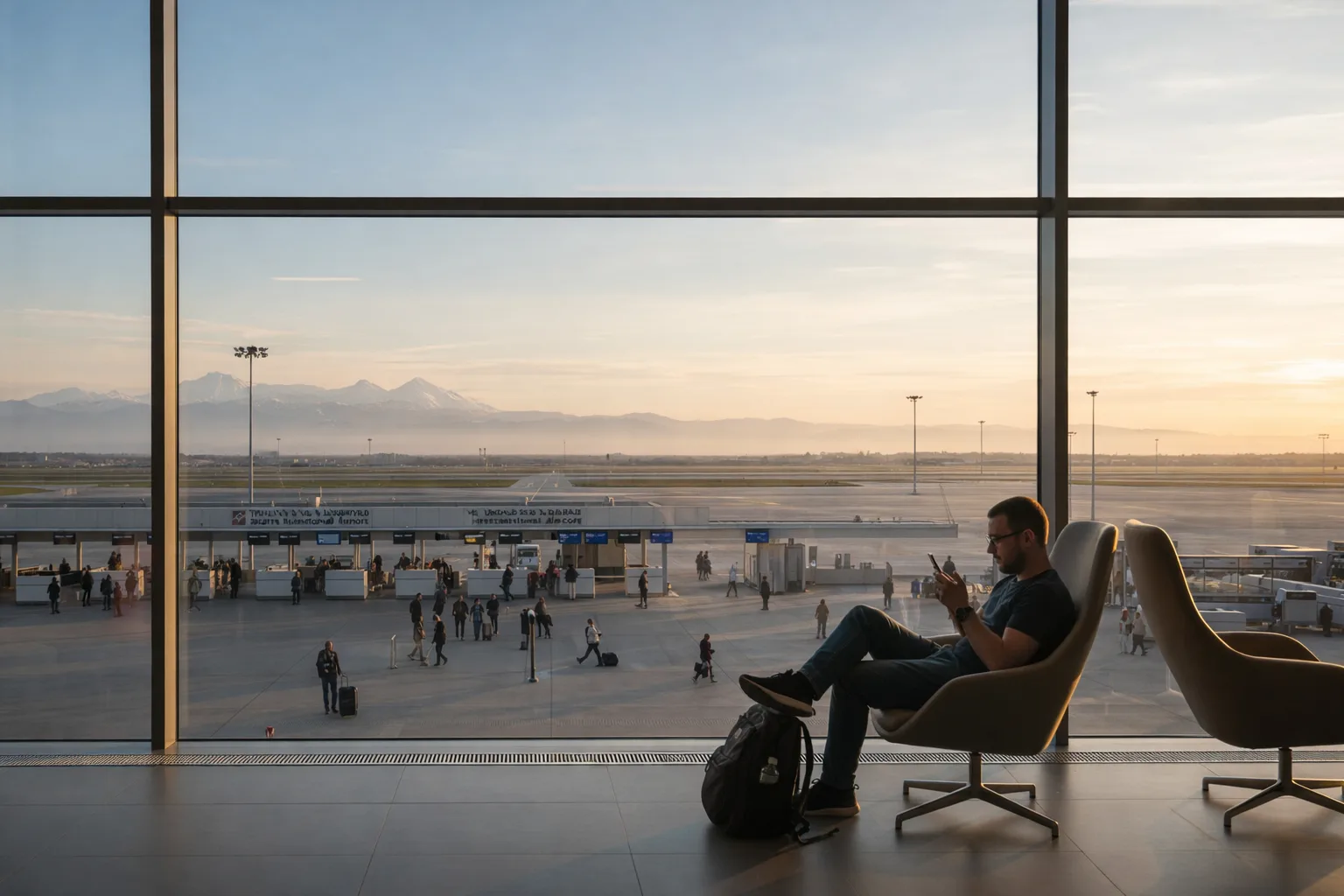
Cheap data, good city coverage, and mountain valleys with none at all. What to buy, where to buy it, and where the signal genuinely stops.
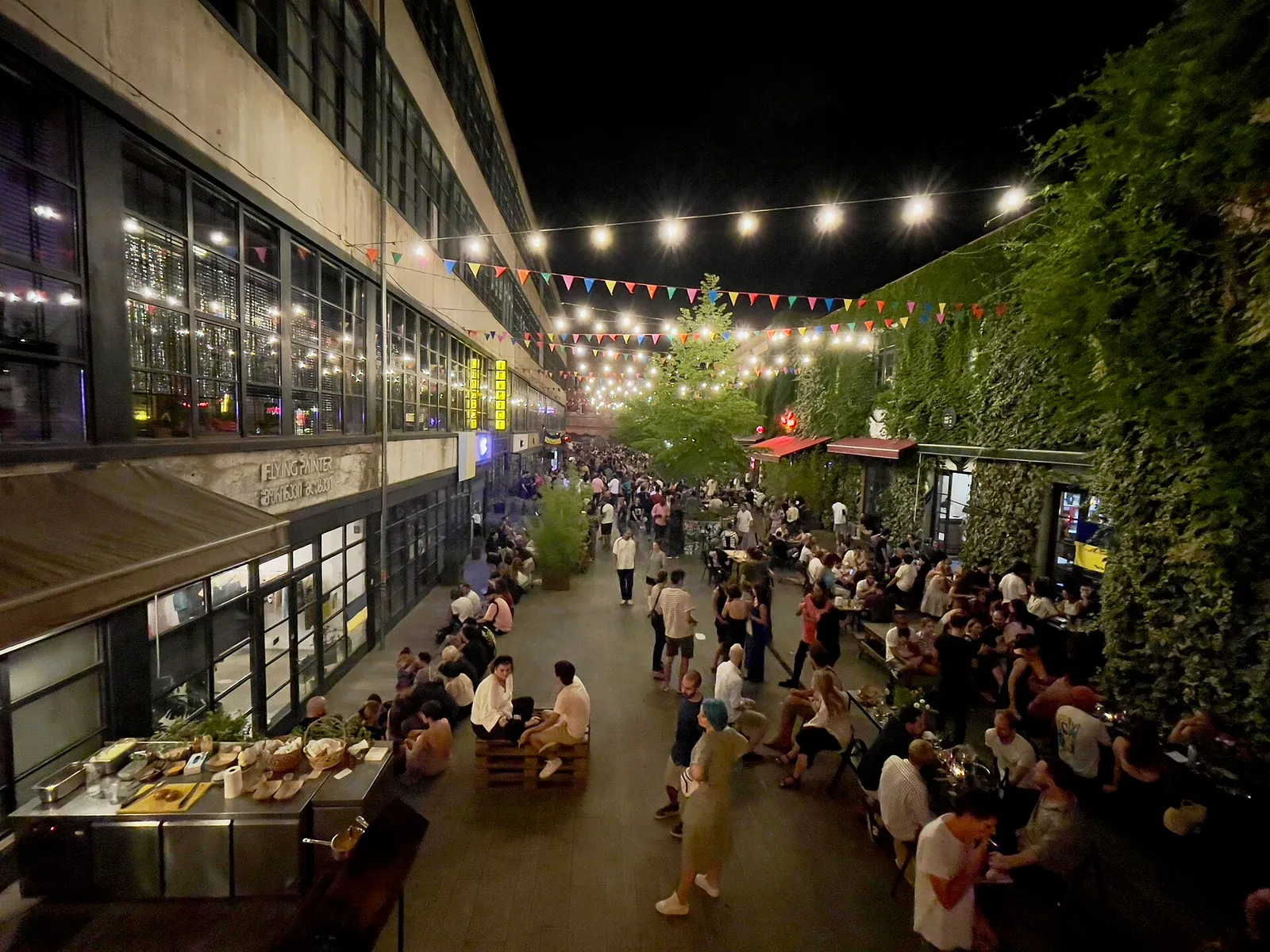
Cheap rent, fast internet, an unusually generous stay allowance for many passports, and a city small enough to know within a month.
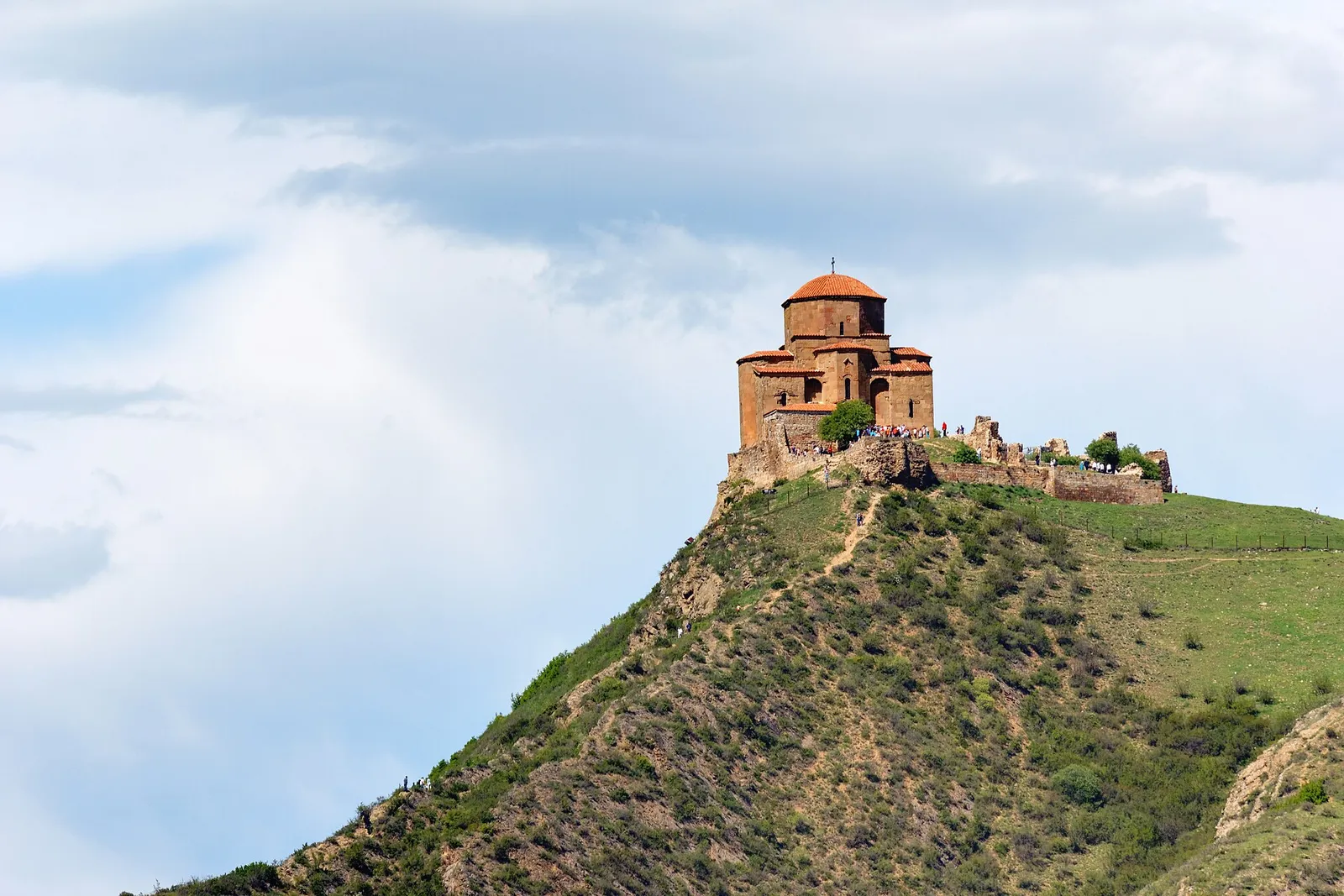
The town where Georgia became Christian, a cathedral holding the country's founding relic, and a sixth century church on a ridge above two rivers meeting.
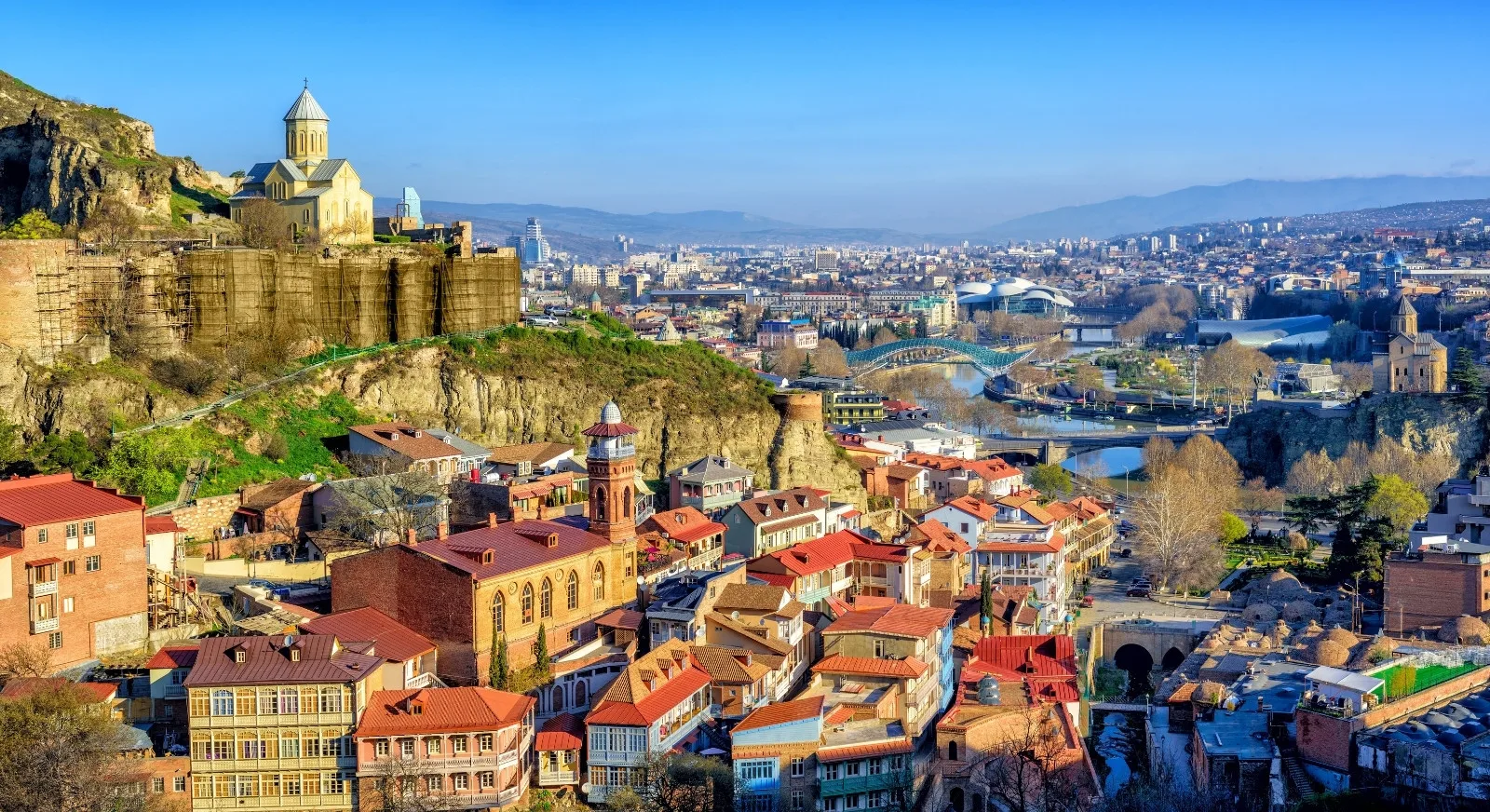
Planning your first trip to the country of Georgia? Here is when to go, where to base yourself, the visa in one paragraph, the travel insurance now required at the border, how to get around, and the local know-how that makes a first visit effortless.
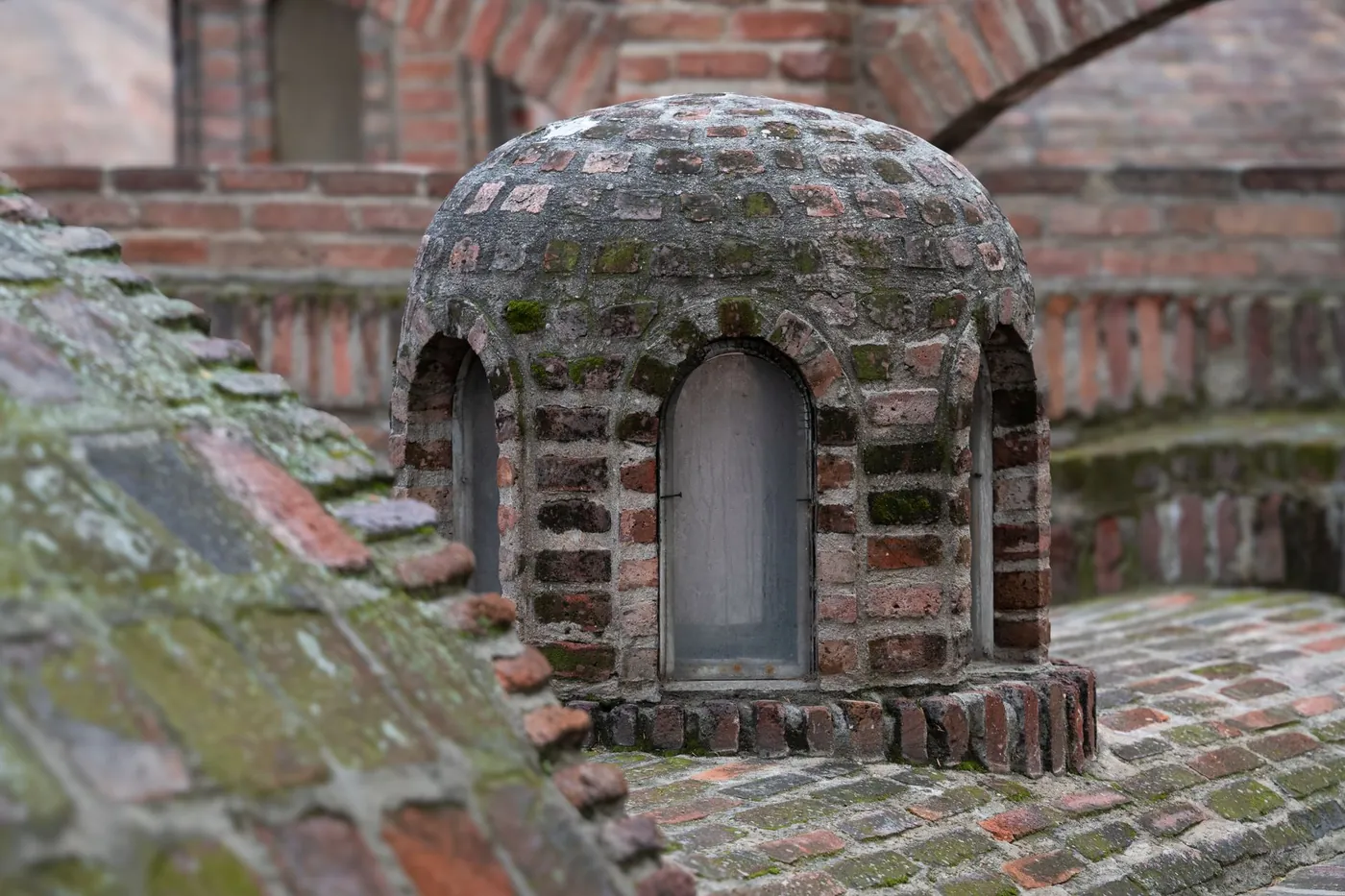
One of the oldest Jewish communities in the world, a record of coexistence Georgians are genuinely proud of, and synagogues in places you would not think to look.
Almost everything in eastern Georgia is within reach of the capital for a day, which is why a lot of visitors never change hotel. Some of it should not be done that way.
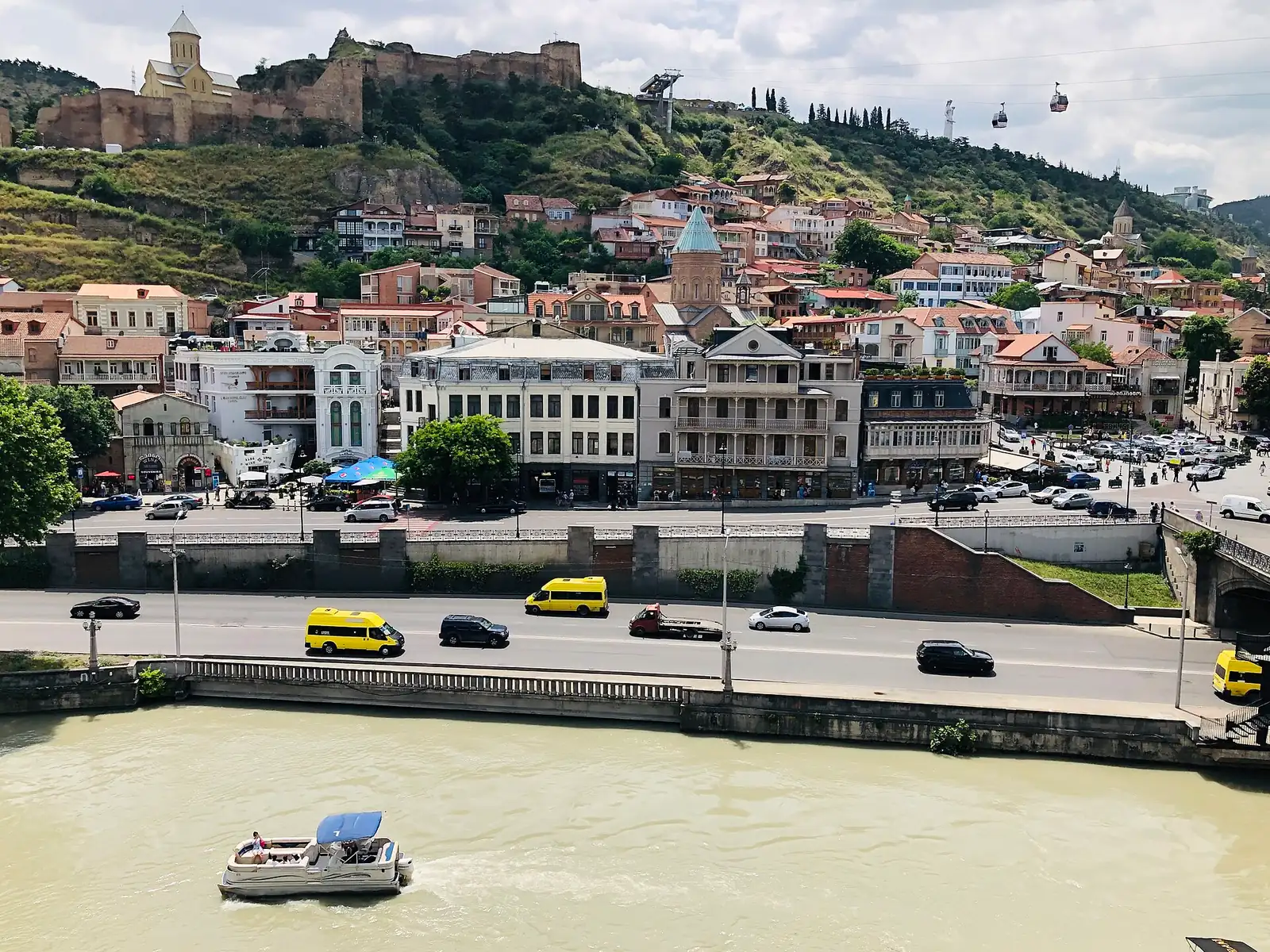
Where to stay in Tbilisi: the Old Town versus Sololaki and Vera, why the hill streets are steeper than they look, and how to pick a base that suits how you actually travel.
Cheap rent, fast internet, an unusually generous stay allowance for many passports, and a city small enough to know within a month.
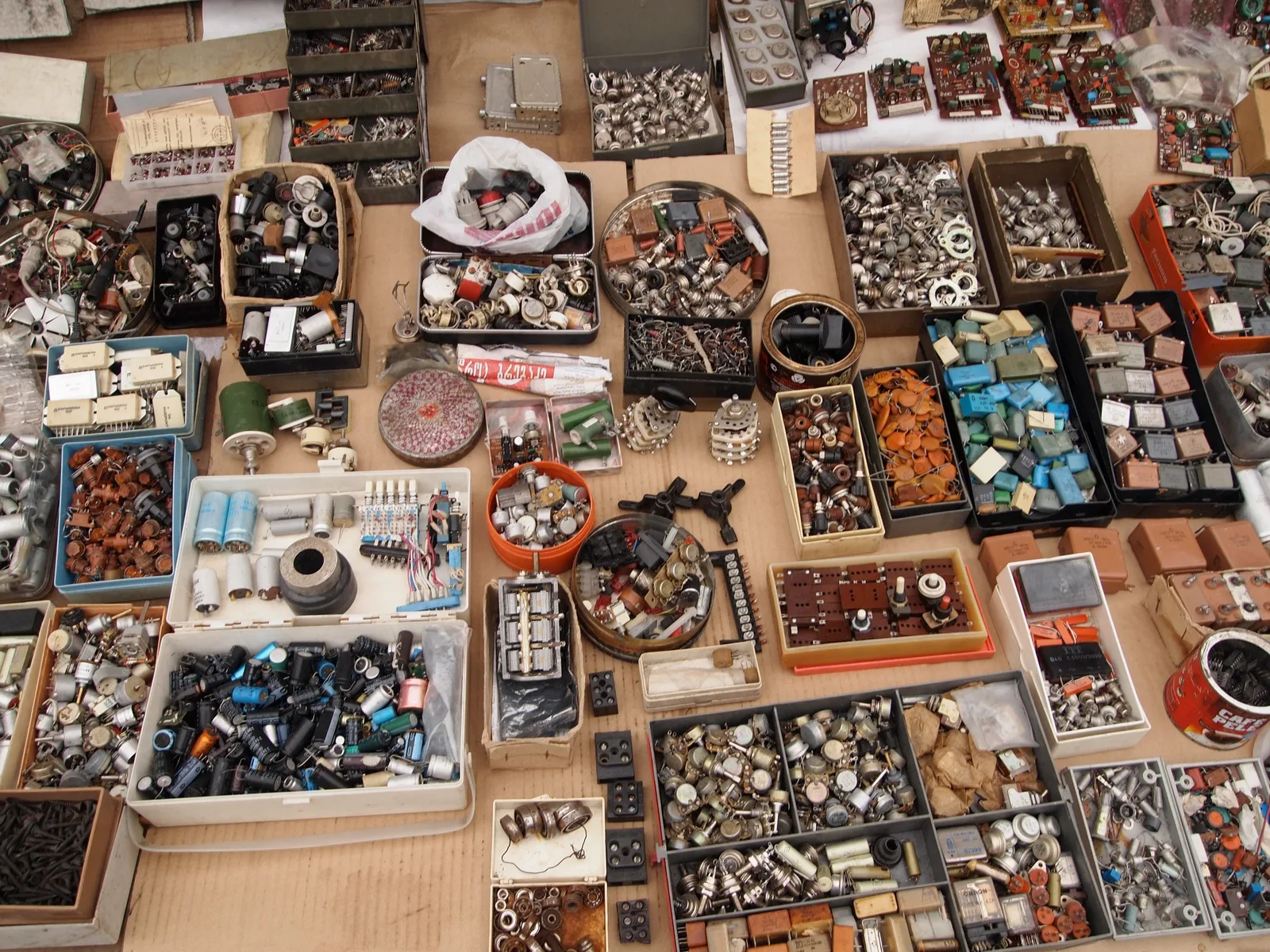
Soviet cameras and cavalry medals at the Dry Bridge, churchkhela by the metre, amber wine at a third of export prices, and a serious young design scene.
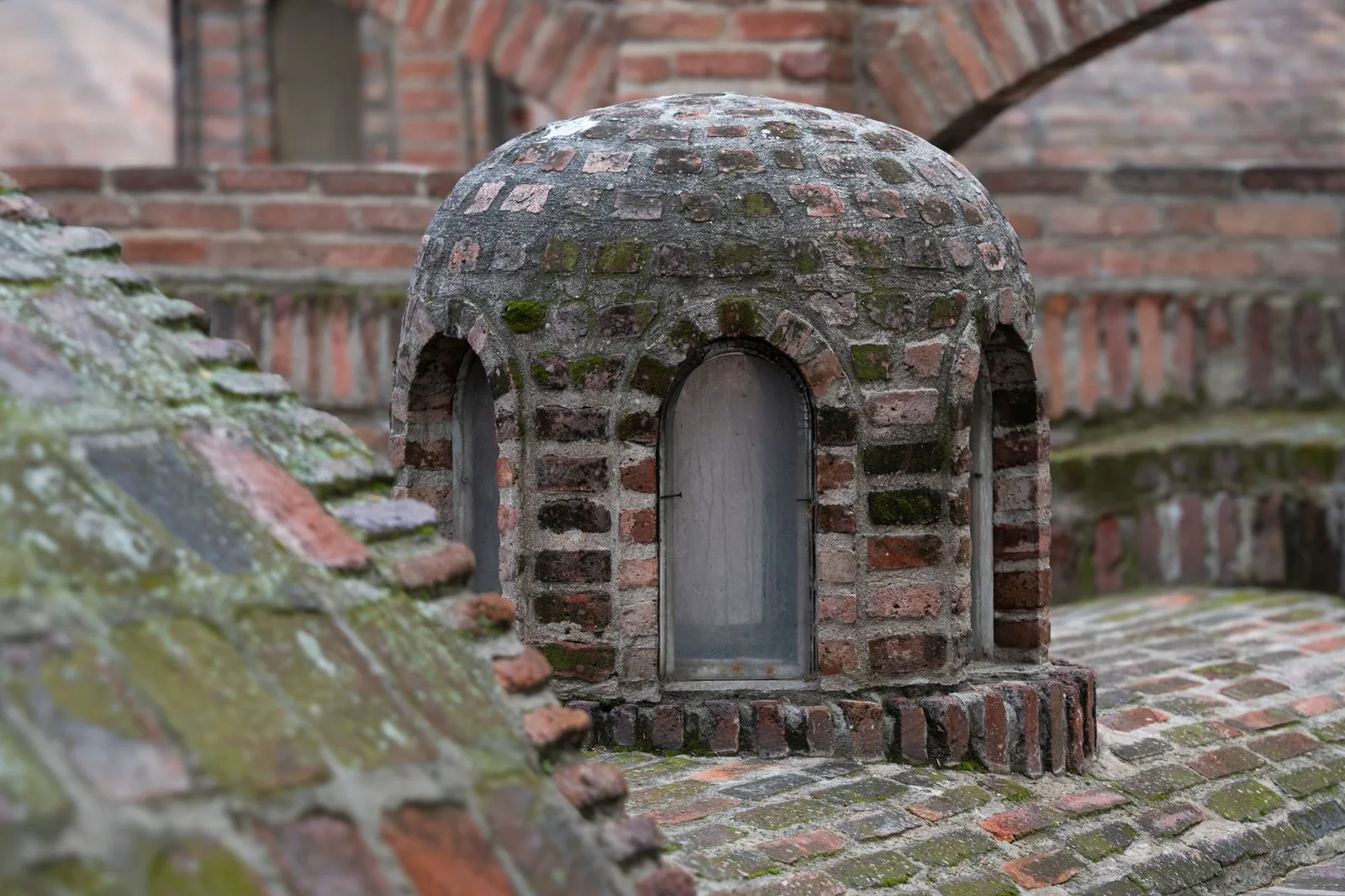
Brick domes rising out of a hillside above hot sulfur springs, private rooms by the hour, and a scrub that removes a layer of you.
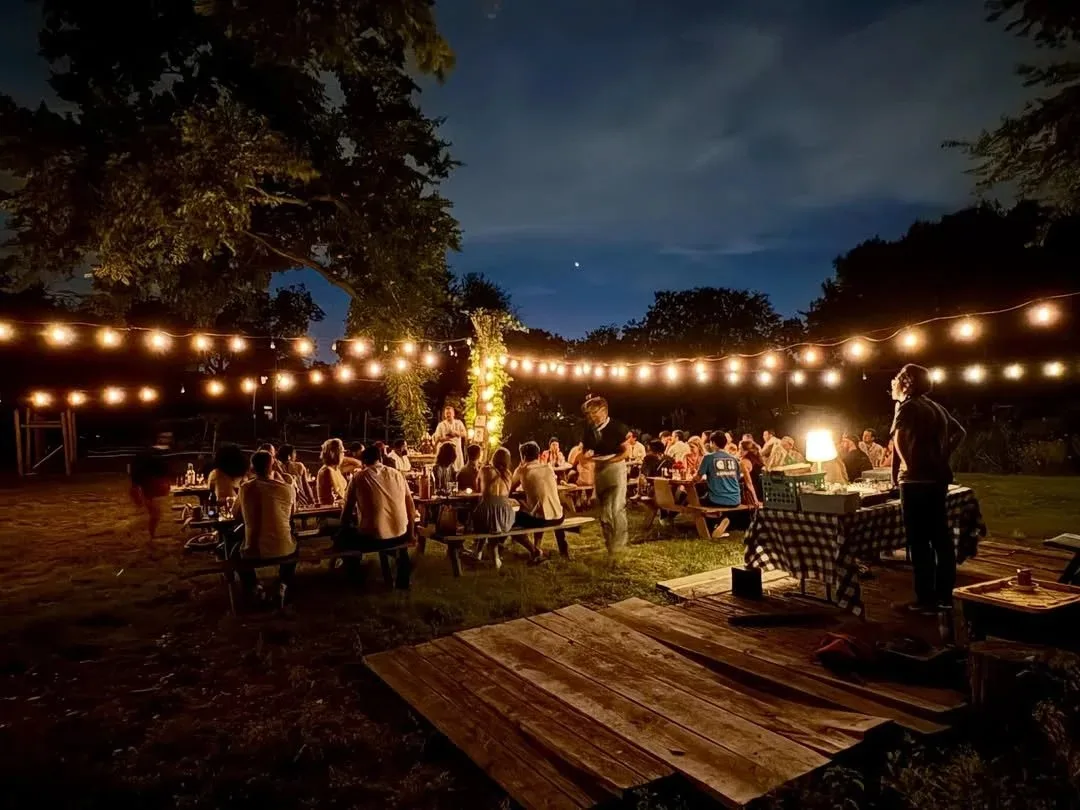
A derelict textile plant across the river, now a hostel, a courtyard, a dozen small businesses and the place the young half of the city arranges to meet.
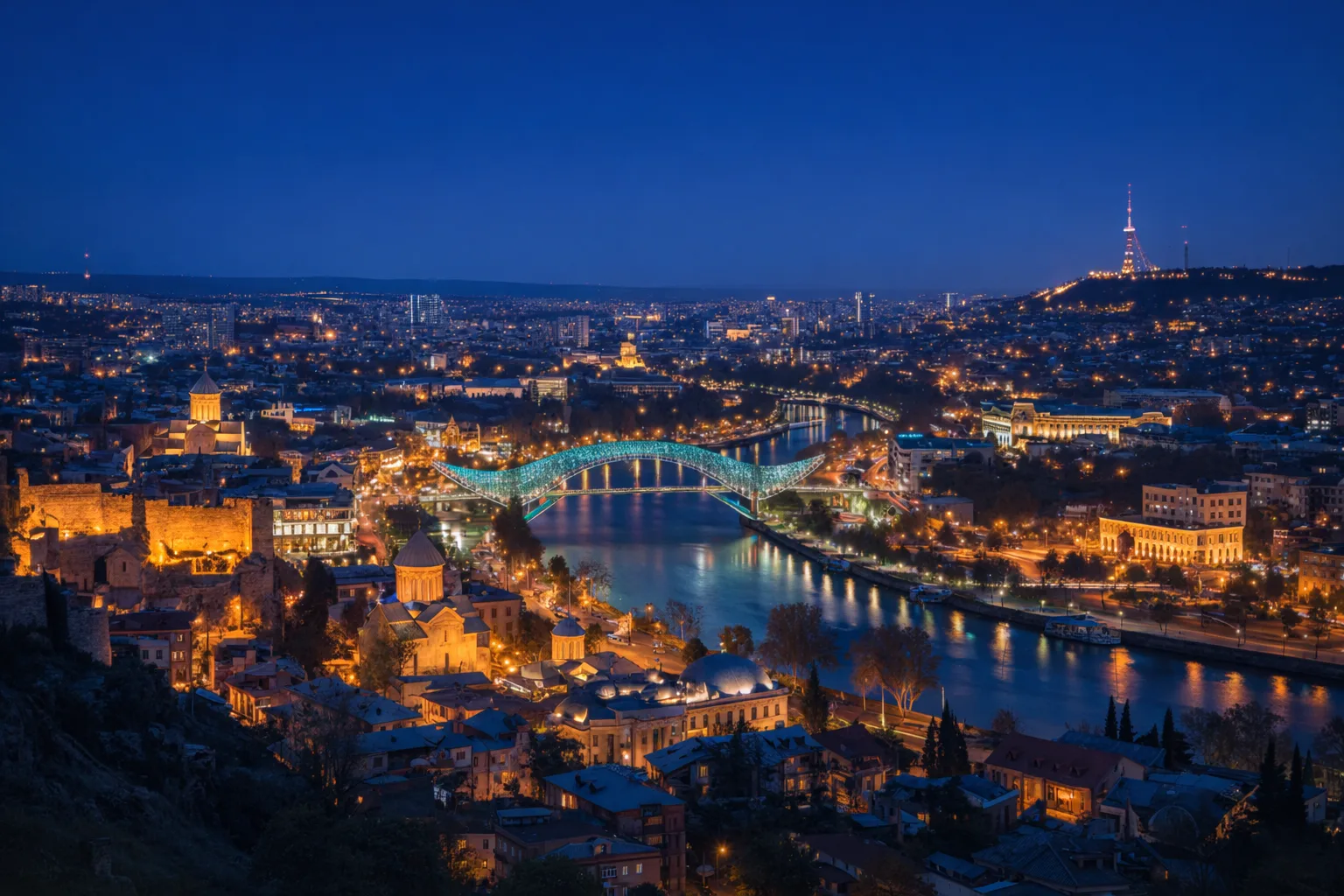
The complete guide to Tbilisi: the cobbled old town, the domed sulphur baths of Abanotubani, the natural-wine bar scene, the Fabrika hub, viewpoints, day trips and where to base yourself.
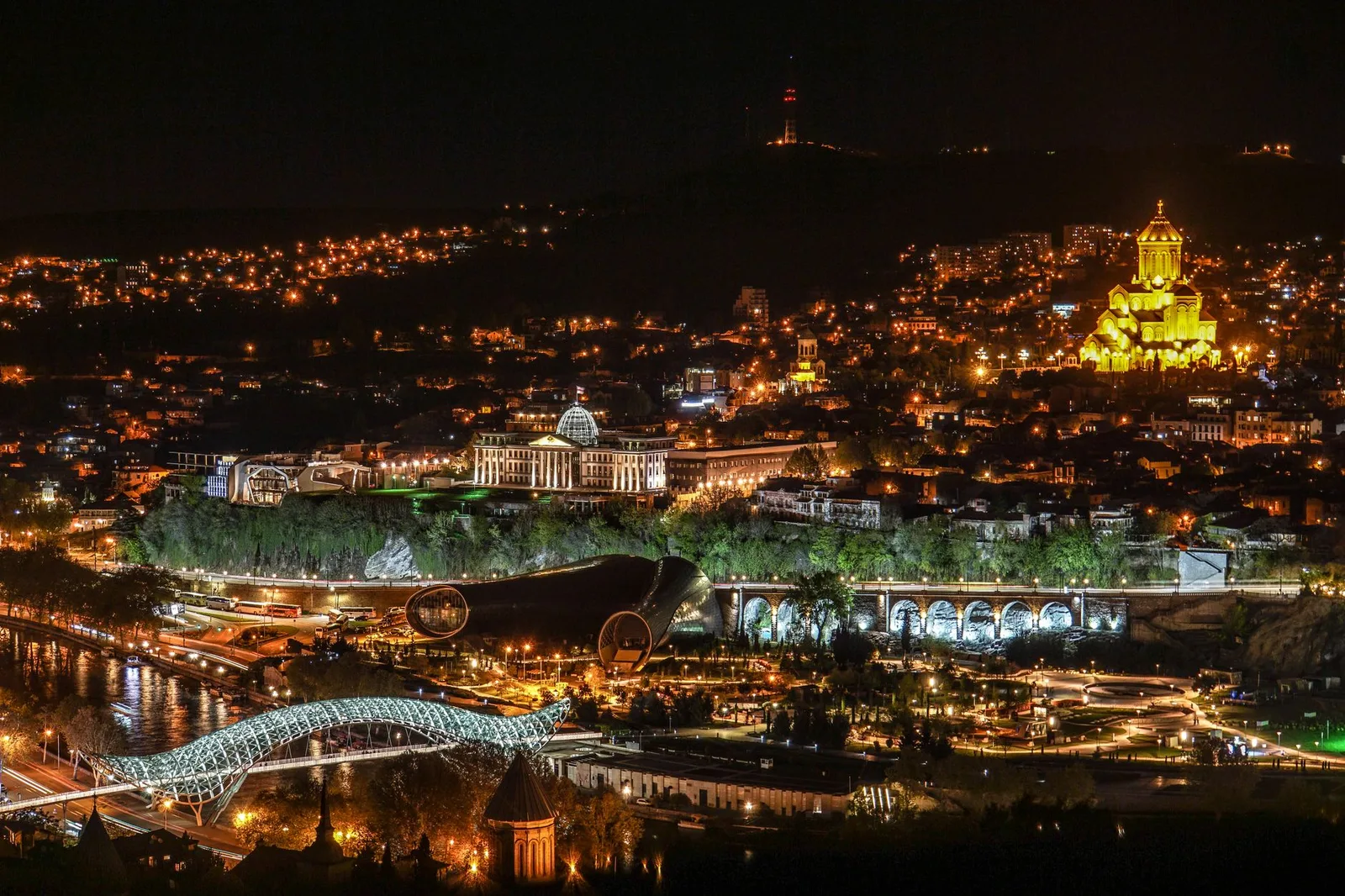
A capital where a natural wine bar, a Soviet factory courtyard and one of the most serious techno clubs in Europe are within twenty minutes of each other.
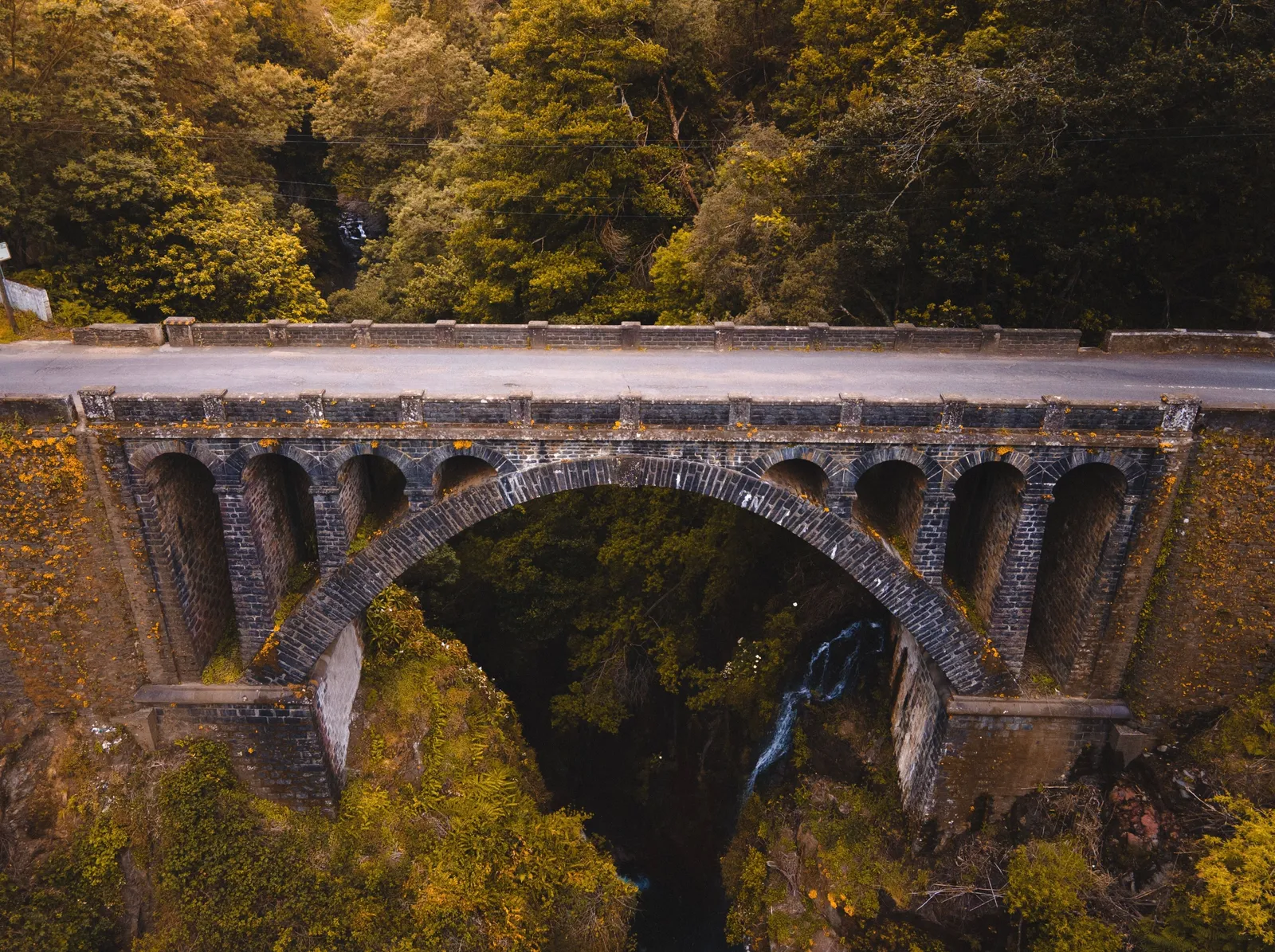
Behind the beach resorts of the Black Sea coast there is a road climbing inland past waterfalls, arched stone bridges and villages of wooden houses, and almost nobody on the beach knows it is there.
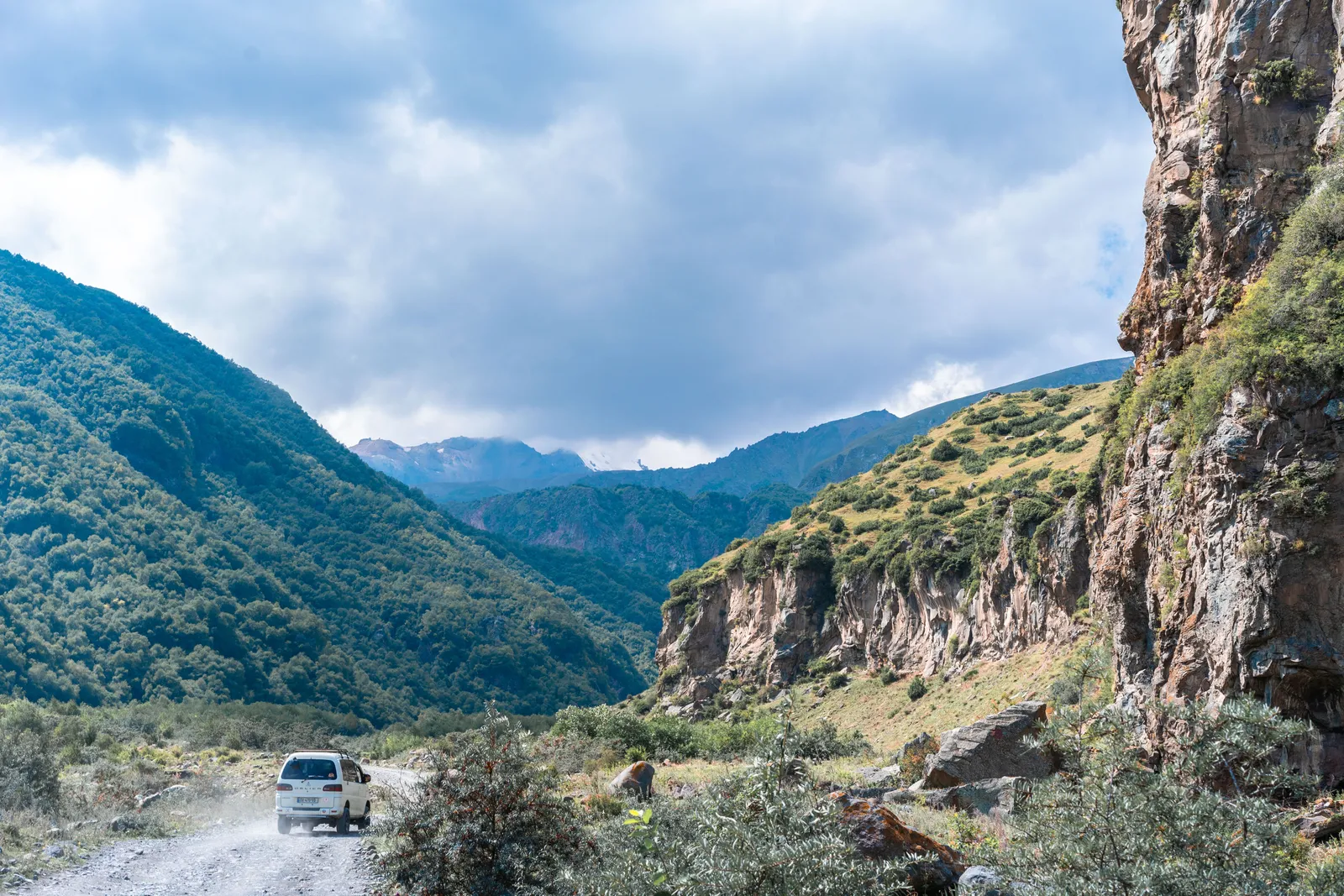
A single track gravel road over a high pass, open for a few months a year, with no barriers and a reputation that precedes it. Here is what it actually involves.
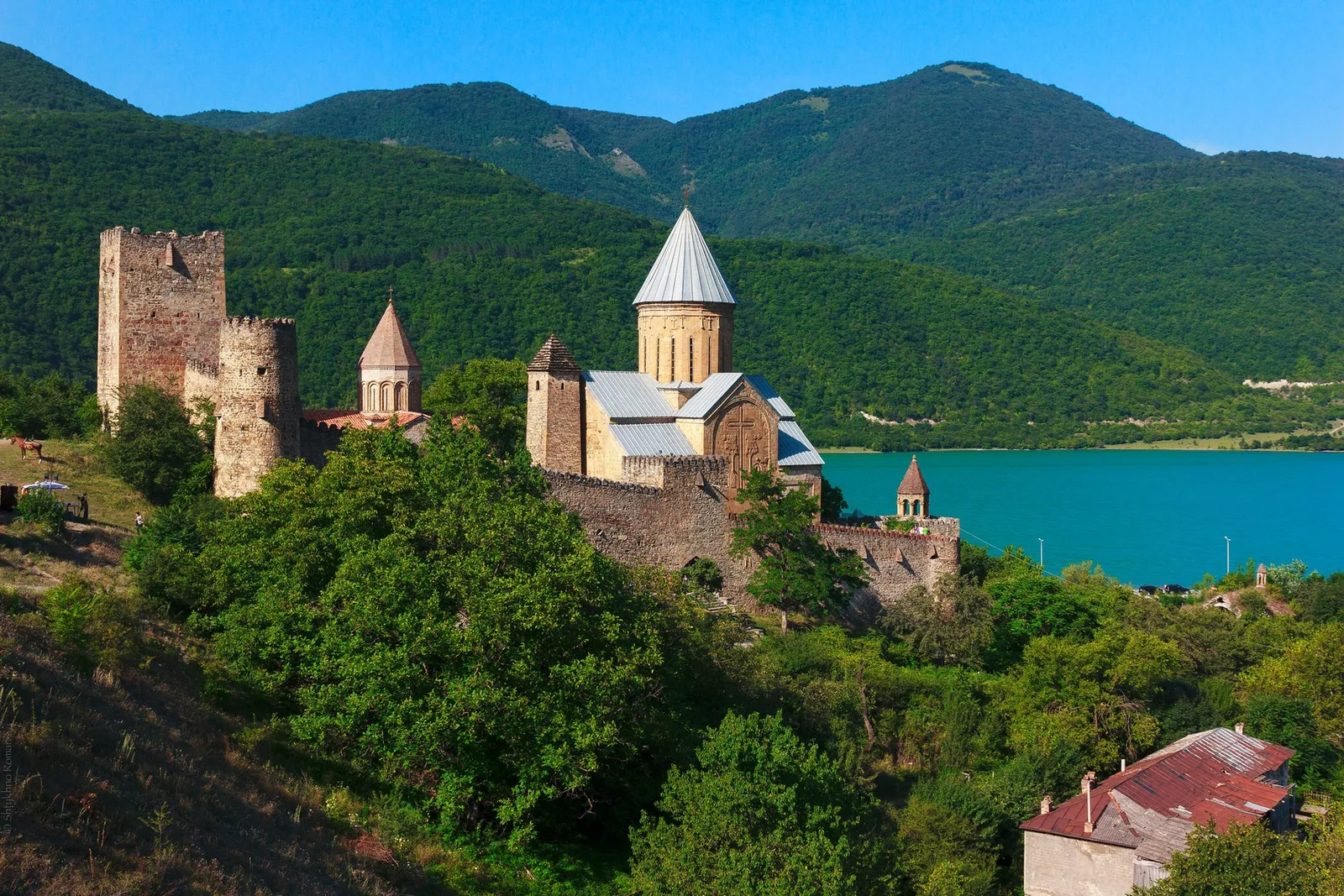
How to visit Kazbegi and the iconic Gergeti Trinity Church: the drive up the Georgian Military Highway, the hike to the church, the best viewpoints, hiking trails and where to stay in Stepantsminda.
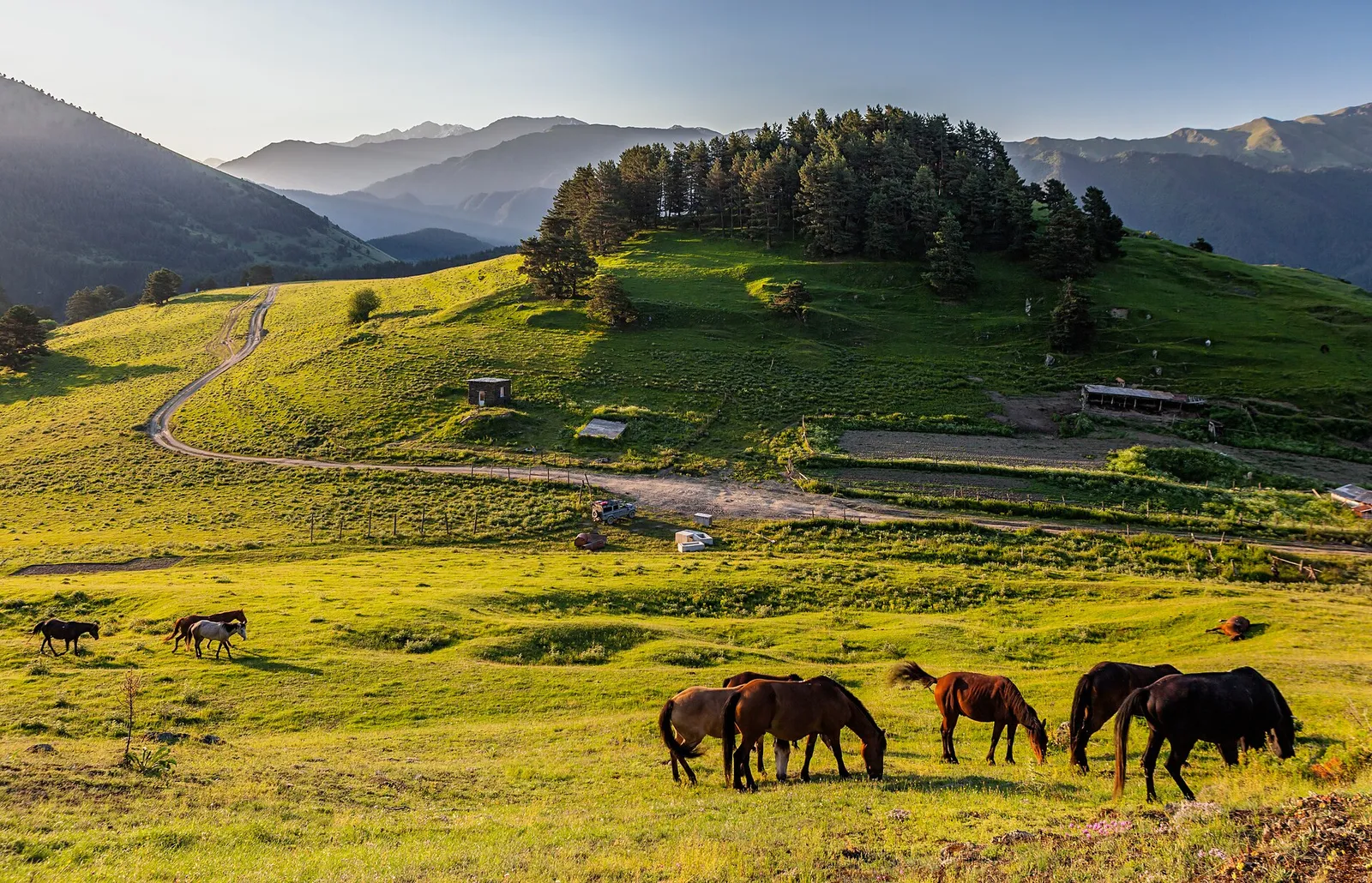
Tusheti, Khevsureti, Racha and a semi desert on the Azerbaijani border. Four regions that take real effort and are the reason people come back.
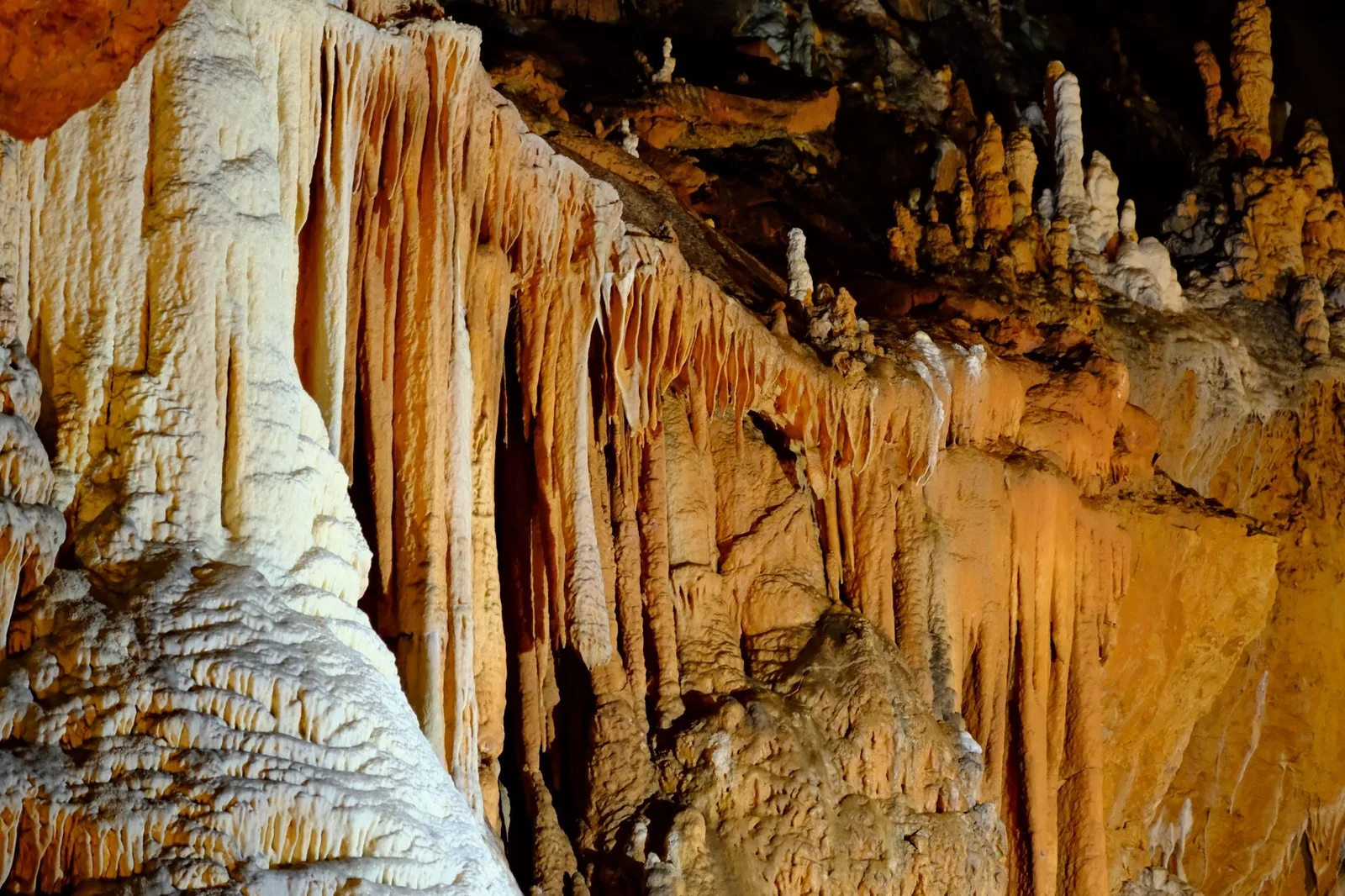
A lit cave system you walk through and leave by boat, two canyons with a cliff walkway and a rowing trip, and a city with a UNESCO monastery above it.
A park where you drink warm mineral water out of a tap, one of the largest national parks in Europe above it, and a narrow gauge railway up to the pines.
Snow on the Caucasus, a capital with no visitors in it, hot sulfur water, long lunches, and mountain roads that shut without asking.
One is high, treeless and built for off piste. The other is lower, wooded and built for families. They are not competing for the same skier.
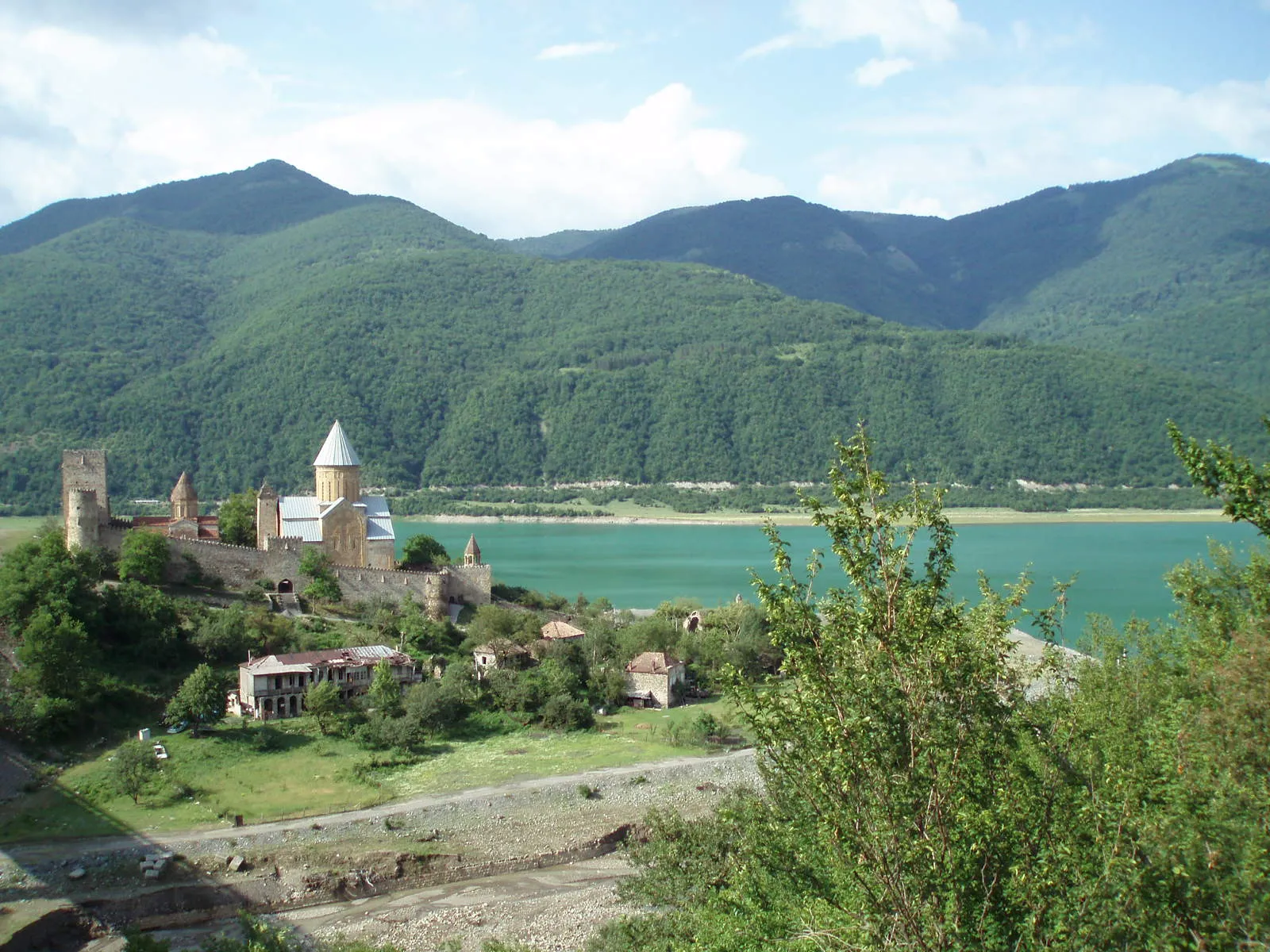
A fortress on a reservoir, a Soviet mosaic on a cliff edge, a ski resort at the pass and a church on a hill under a five thousand metre peak.
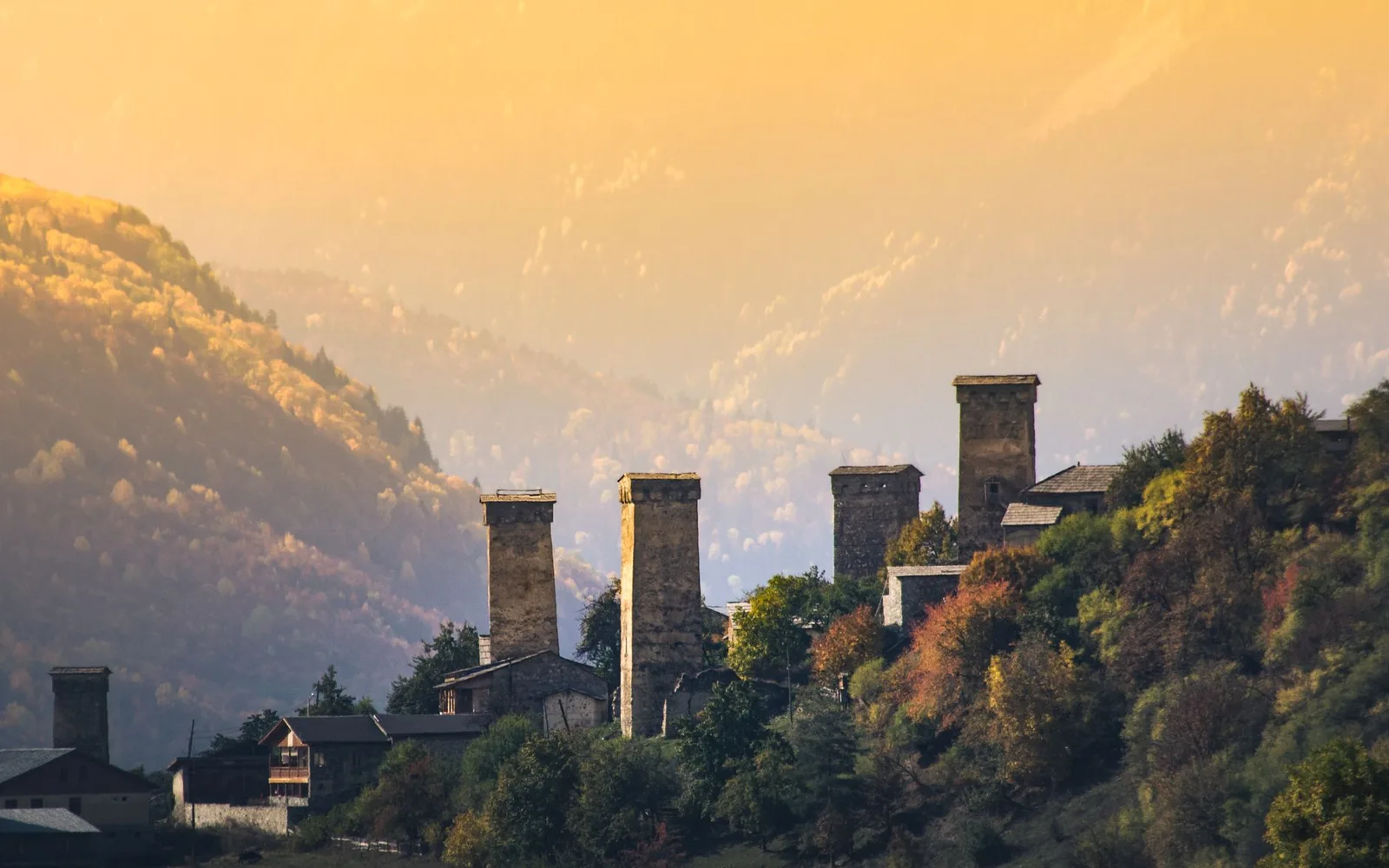
A medieval tower region under the highest peaks in the Caucasus, reached by a long road along a reservoir, and a village that claims to be the highest in Europe.
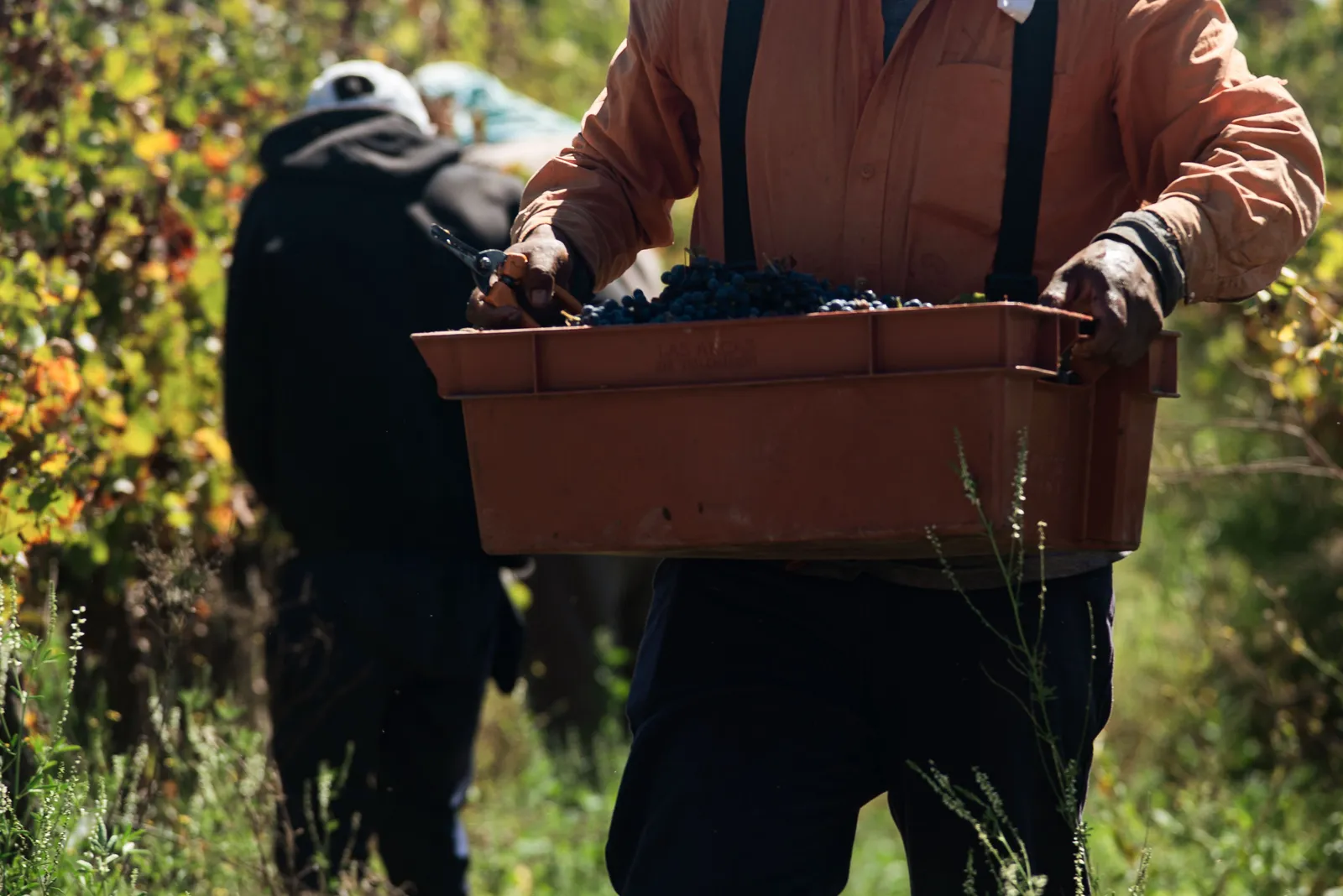
For a few weeks in autumn the wine country stops being a tasting room and becomes work, and visitors who turn up at the right moment get handed a bucket.
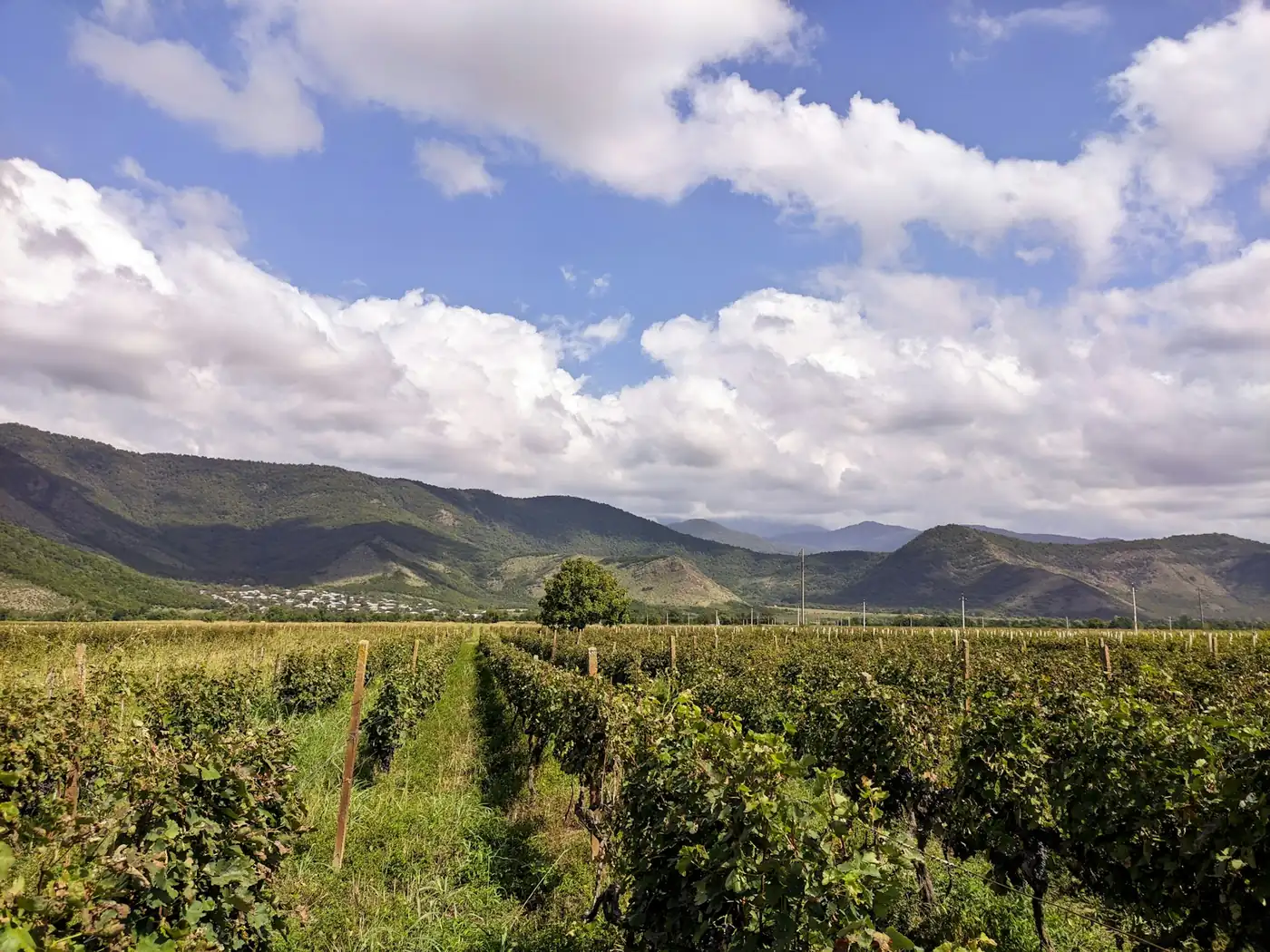
Planning wine touring in Kakheti, Georgia? Here is how to choose a base, drive or hire a driver, and structure tastings across the qvevri wine country.
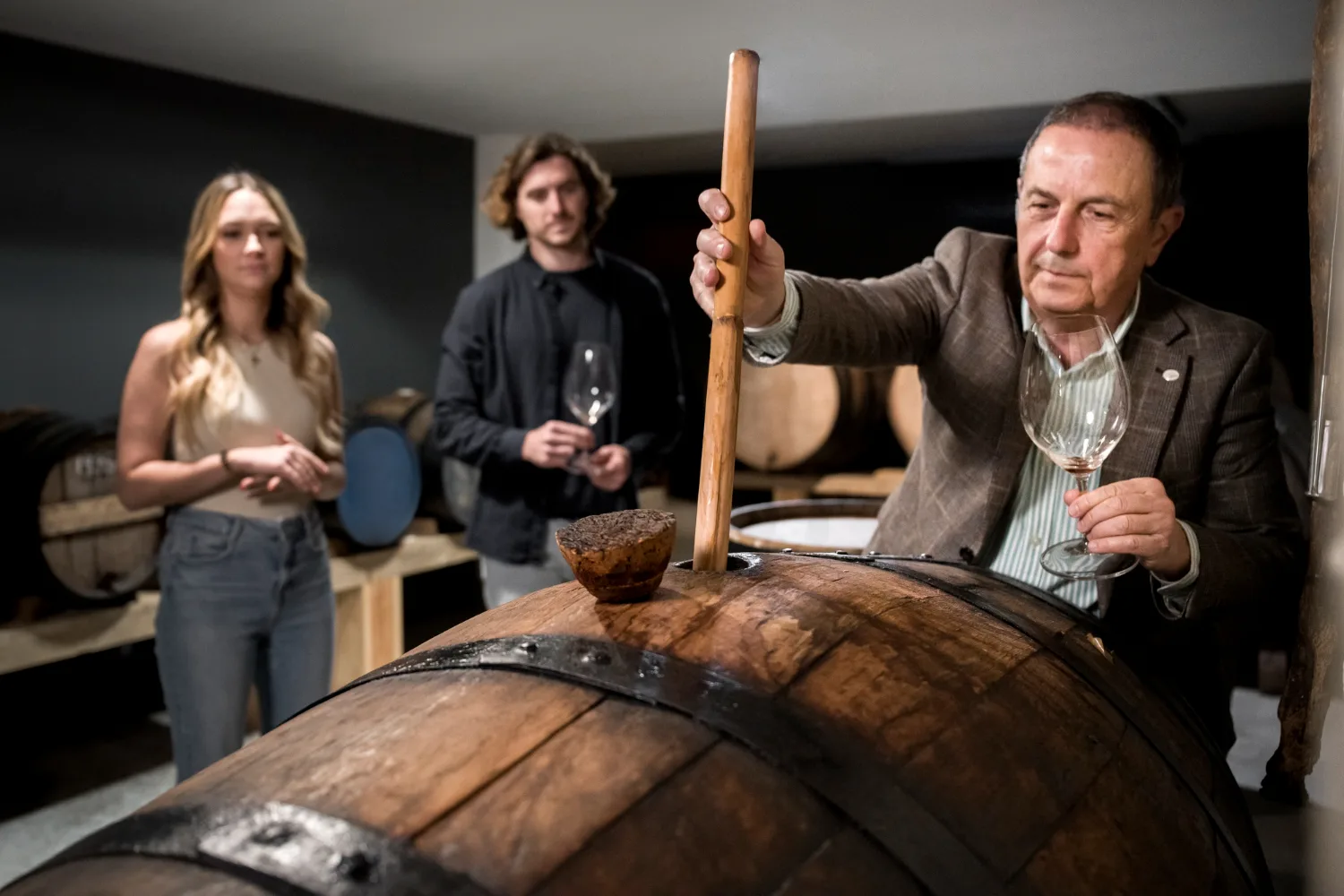
A complete guide to Kakheti, Georgias wine cradle: the 8,000-year qvevri method, amber wines, the hill town of Sighnaghi, the best cellars and wineries, monasteries and how to plan a wine trip.
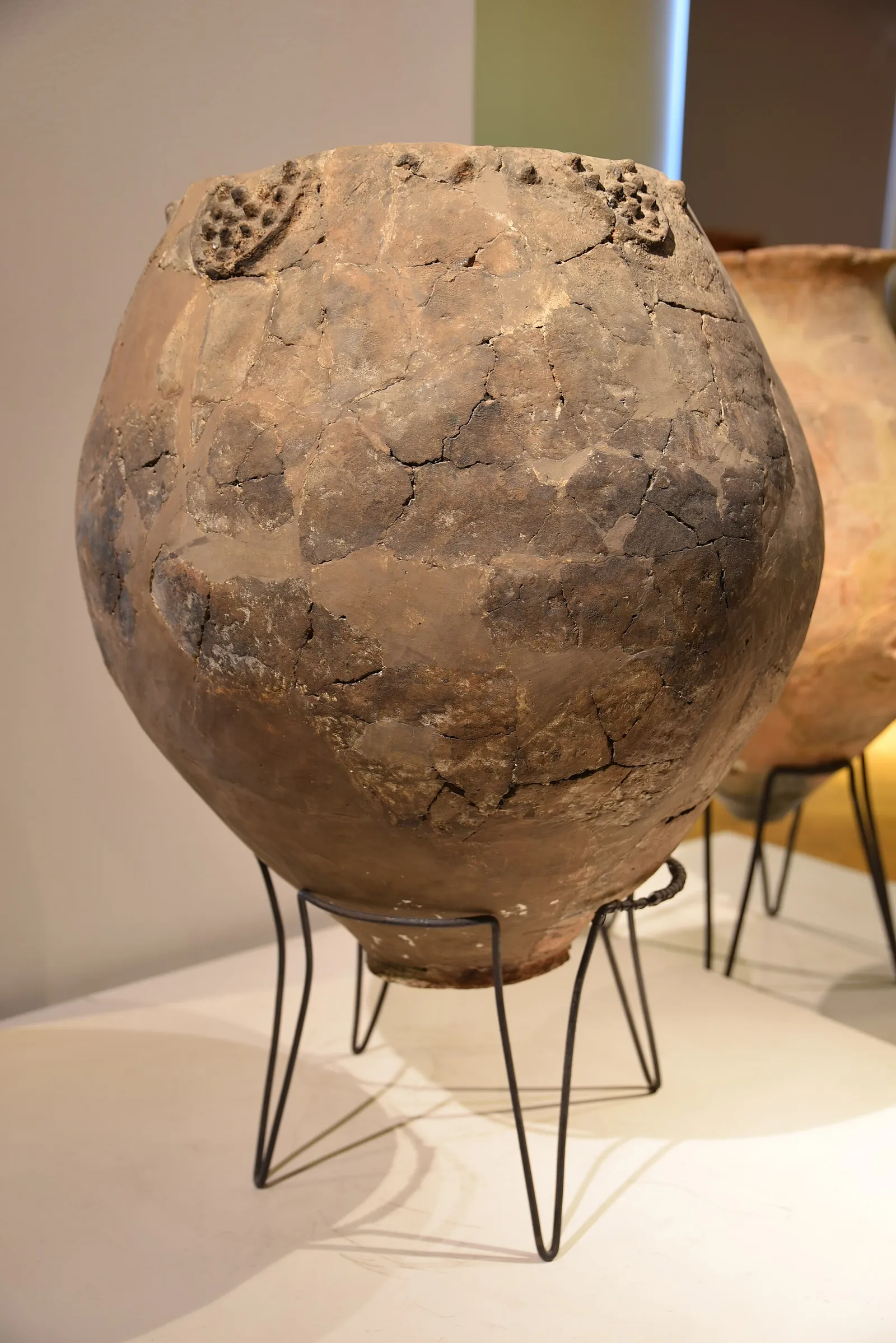
Wine fermented in vessels buried in the ground, skins and all, for around eight thousand years. What amber wine actually is and where to drink the serious version.
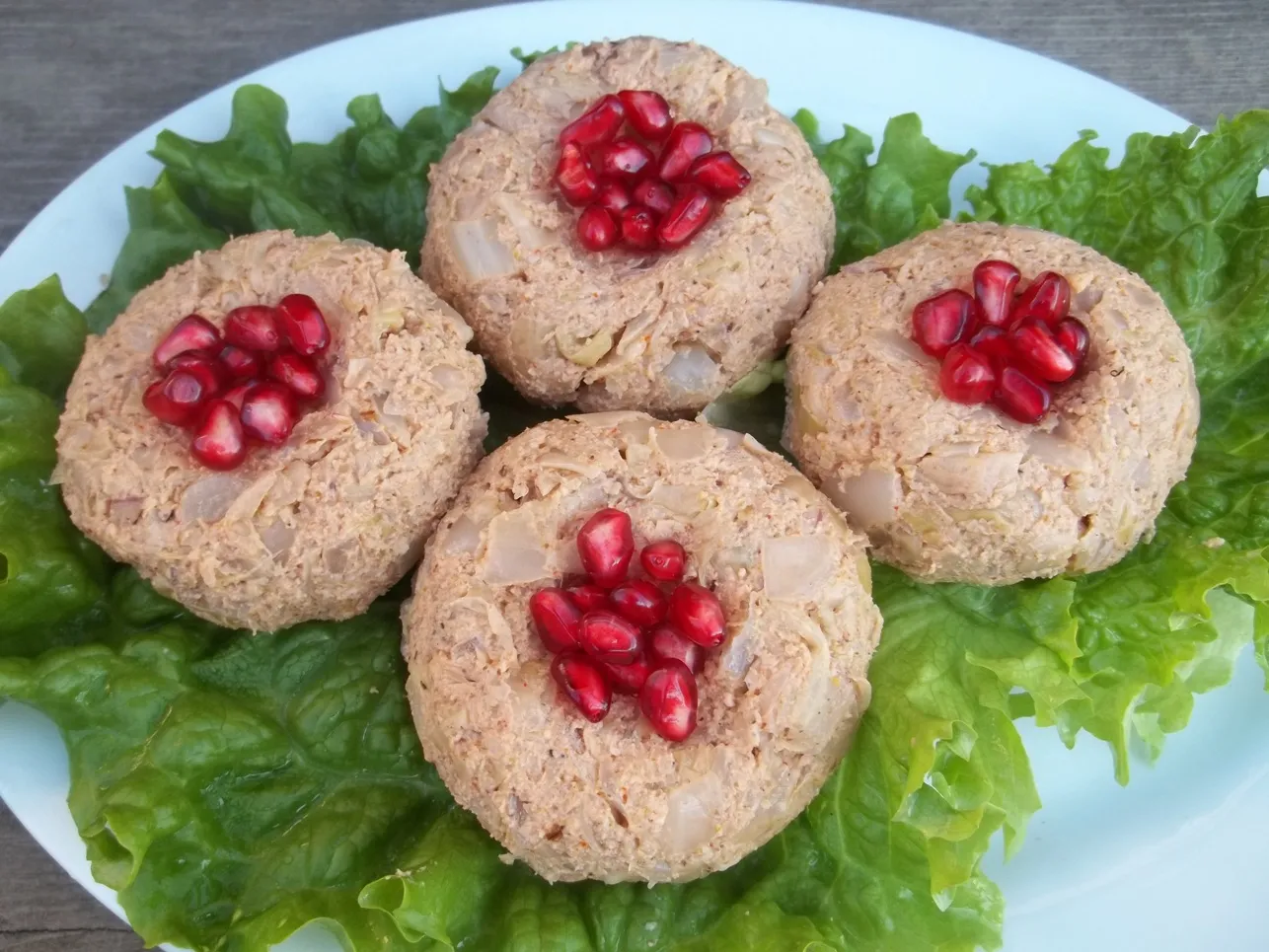
Walnut pastes, aubergine rolls, bean stews in clay pots and a religious fasting tradition that produces an entirely vegan menu several times a year.

Georgia has at least eight regional versions of cheese bread and the famous boat with the egg in it is only one of them. A guide to which is which.
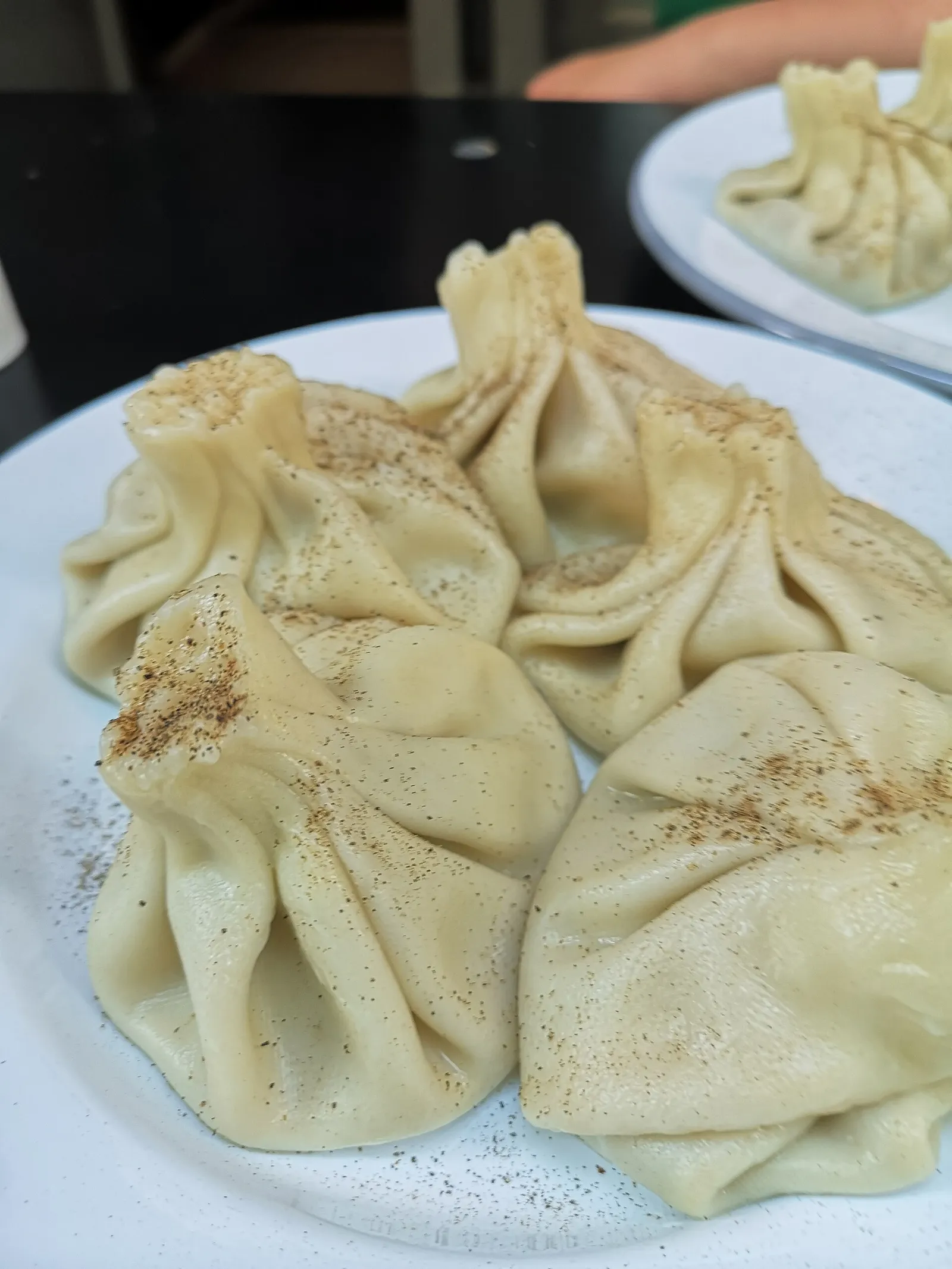
A twisted dumpling full of hot broth, eaten by hand, with a stalk you leave on the plate. There is a correct method and everybody will notice if you miss it.

A hungry travellers guide to Georgian food: the many khachapuri cheese breads, how to eat khinkali dumplings, the supra feast and its toasts, walnut-rich classics, churchkhela and what to drink.
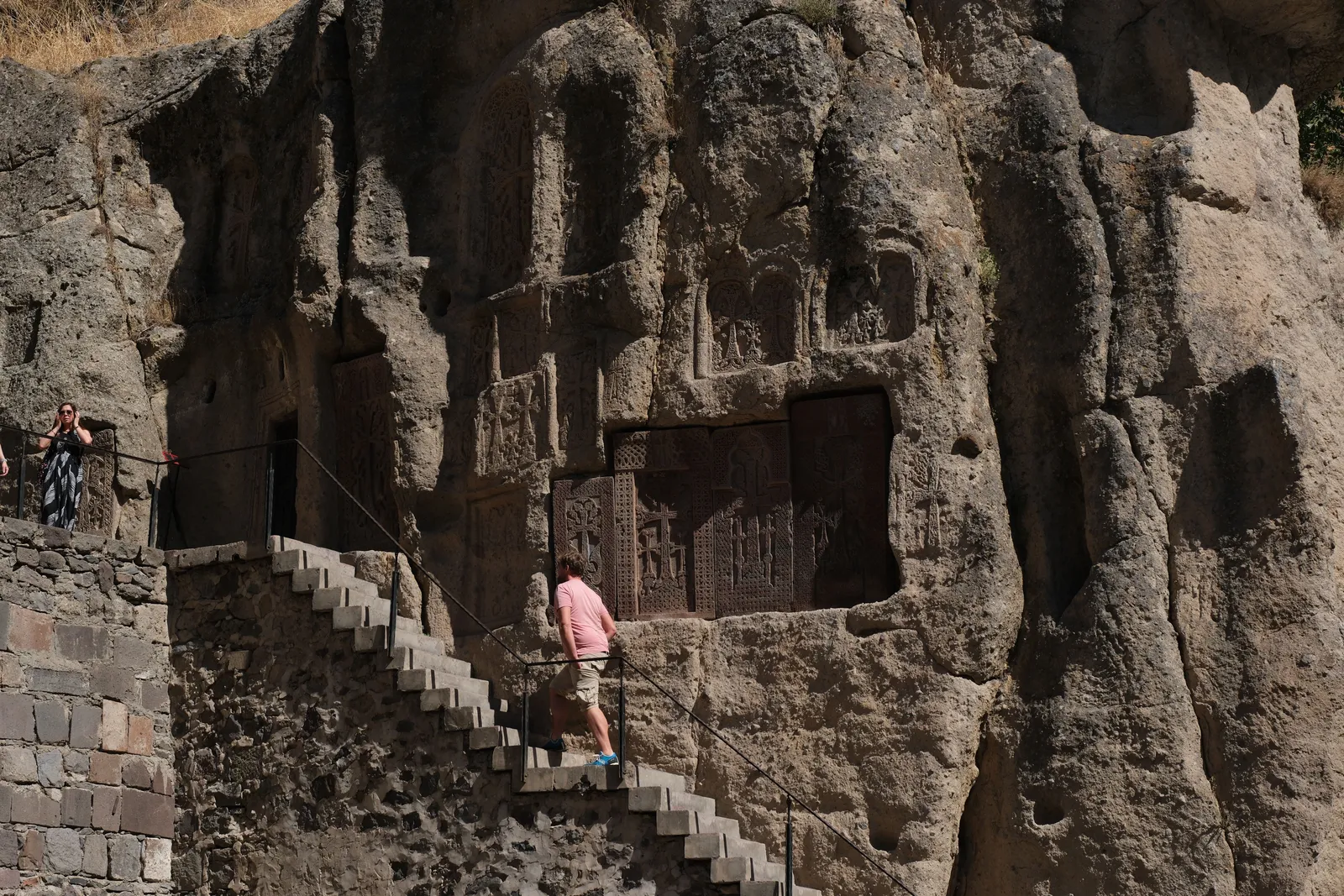
Cells cut into rock on a semi desert ridge two hours from Tbilisi, with painted caves above and a contested border along the top. What to know before going.
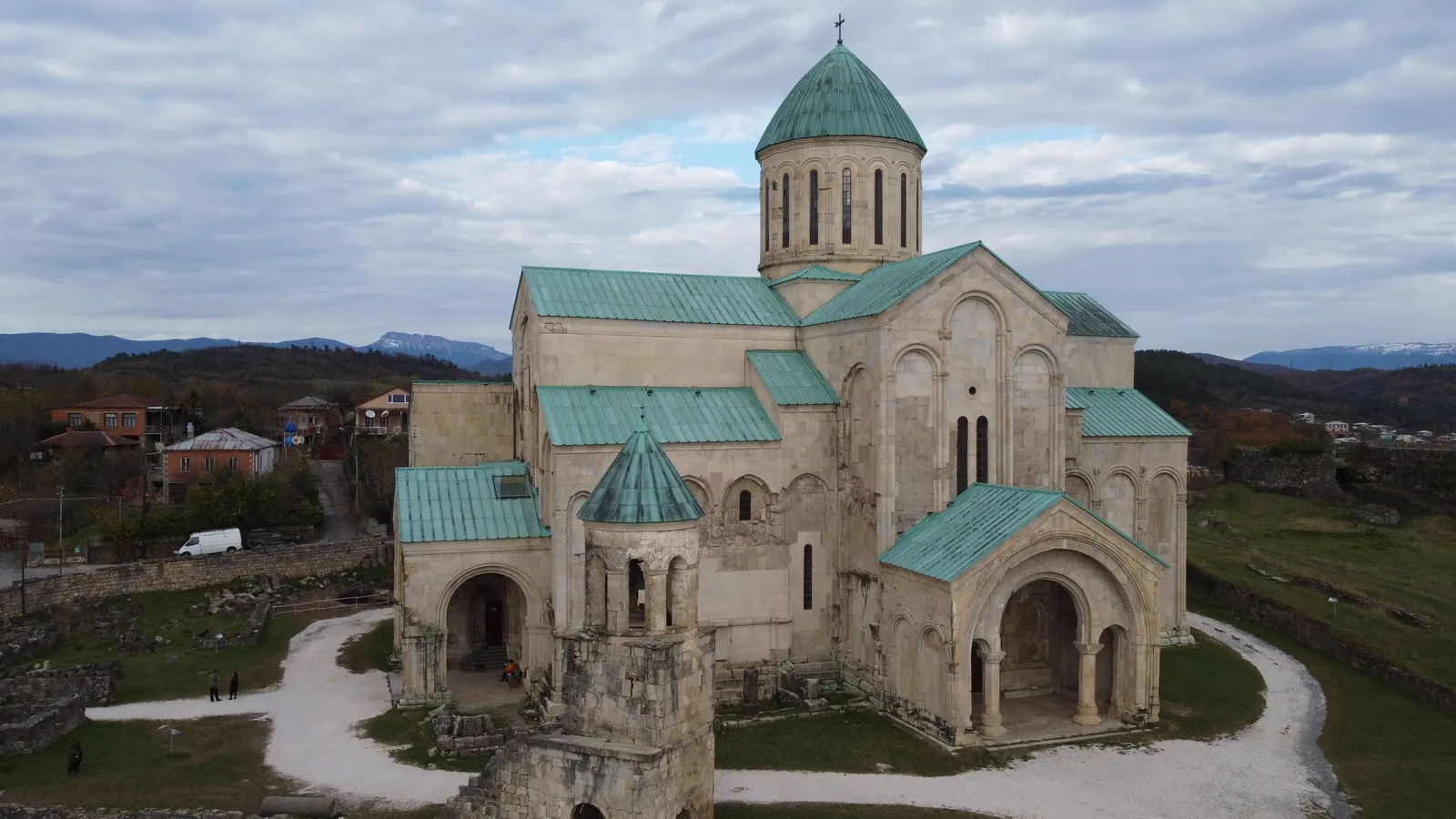
Most visitors land at Kutaisi and leave within the hour. The city has two of the finest monasteries in Georgia, a cave system nearby, and almost no crowds.
For a few weeks in autumn the wine country stops being a tasting room and becomes work, and visitors who turn up at the right moment get handed a bucket.
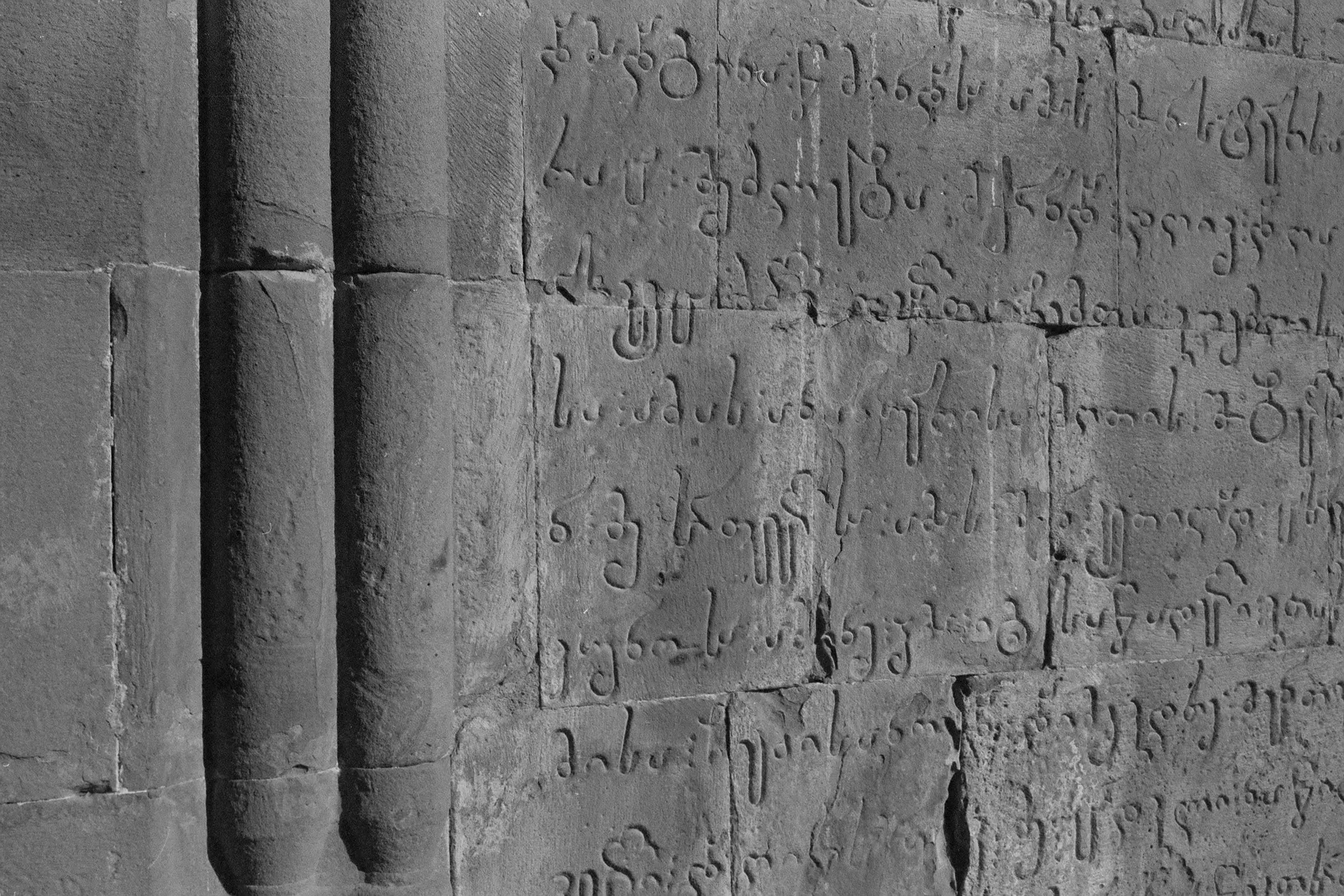
A script that looks like nothing else, a language related to nothing you know, and about six words that change how a fortnight goes.
One of the oldest Jewish communities in the world, a record of coexistence Georgians are genuinely proud of, and synagogues in places you would not think to look.
Tusheti, Khevsureti, Racha and a semi desert on the Azerbaijani border. Four regions that take real effort and are the reason people come back.
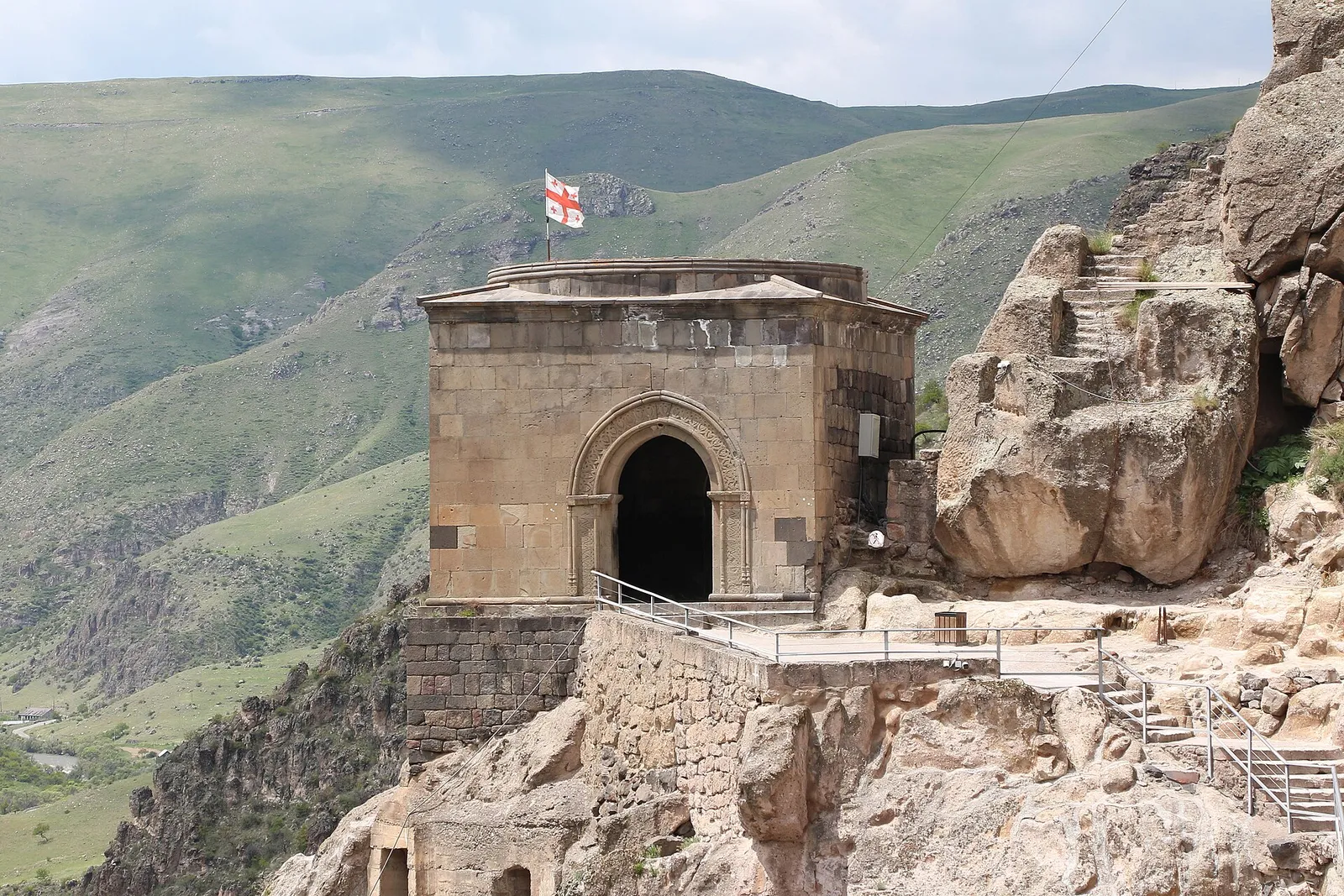
Hundreds of chambers cut into a rock face in southern Georgia in the twelfth century, with a frescoed church, and an earthquake that took the front wall off.
The town where Georgia became Christian, a cathedral holding the country's founding relic, and a sixth century church on a ridge above two rivers meeting.
Brick domes rising out of a hillside above hot sulfur springs, private rooms by the hour, and a scrub that removes a layer of you.
The coast north of the city is quieter, cheaper and where Georgian families actually go, including a stretch of black magnetic sand people travel for.
Behind the beach resorts of the Black Sea coast there is a road climbing inland past waterfalls, arched stone bridges and villages of wooden houses, and almost nobody on the beach knows it is there.
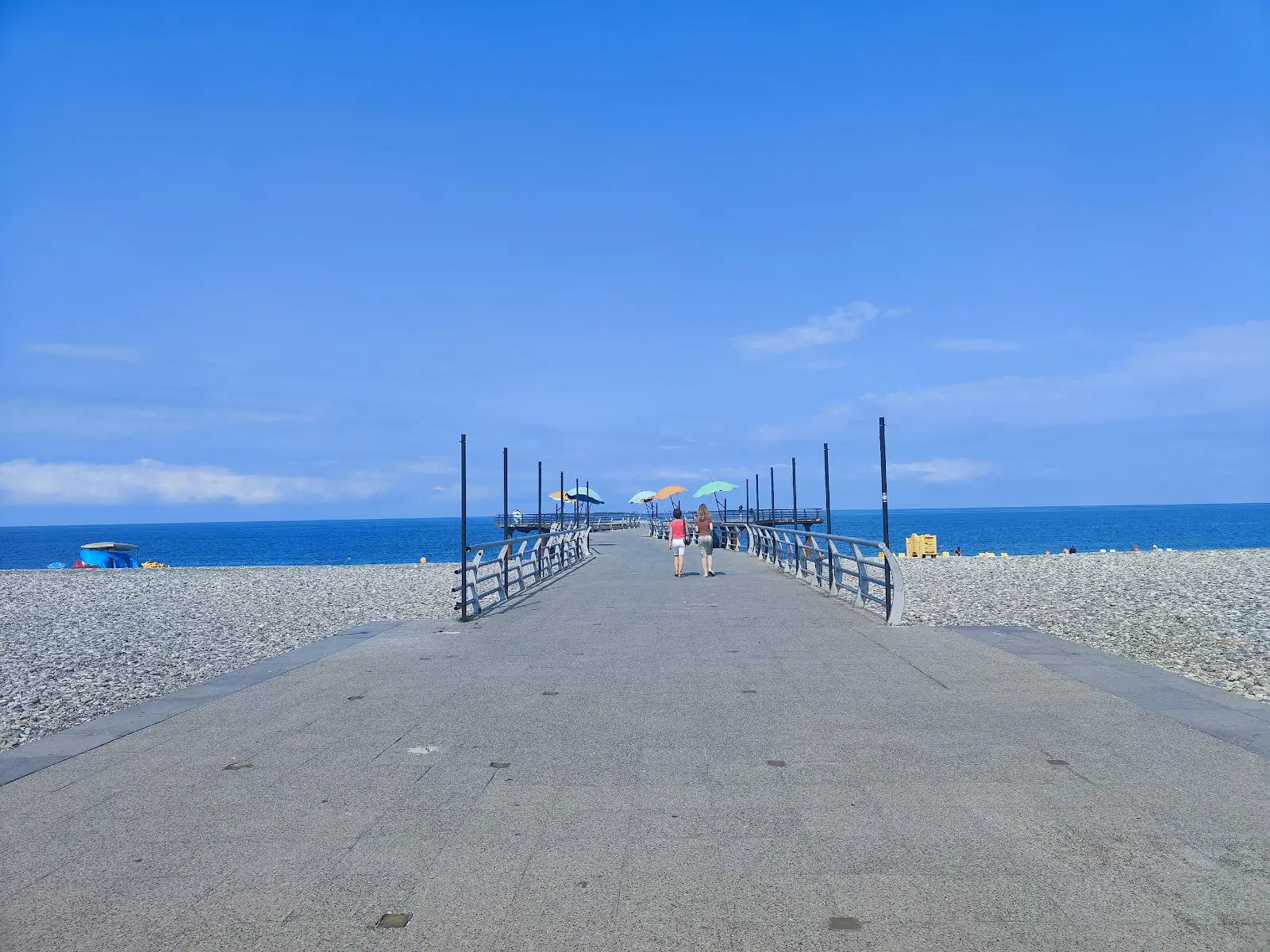
What the Black Sea coast near Batumi is really like: pebble beaches, quieter Gonio and Kvariati, swimming season, water temperature by month and family-friendly spots in Georgia.
Batumi or Tbilisi? An honest comparison of Georgia's two big cities, covering food, sea, costs, weather by season and how to do both in one trip.
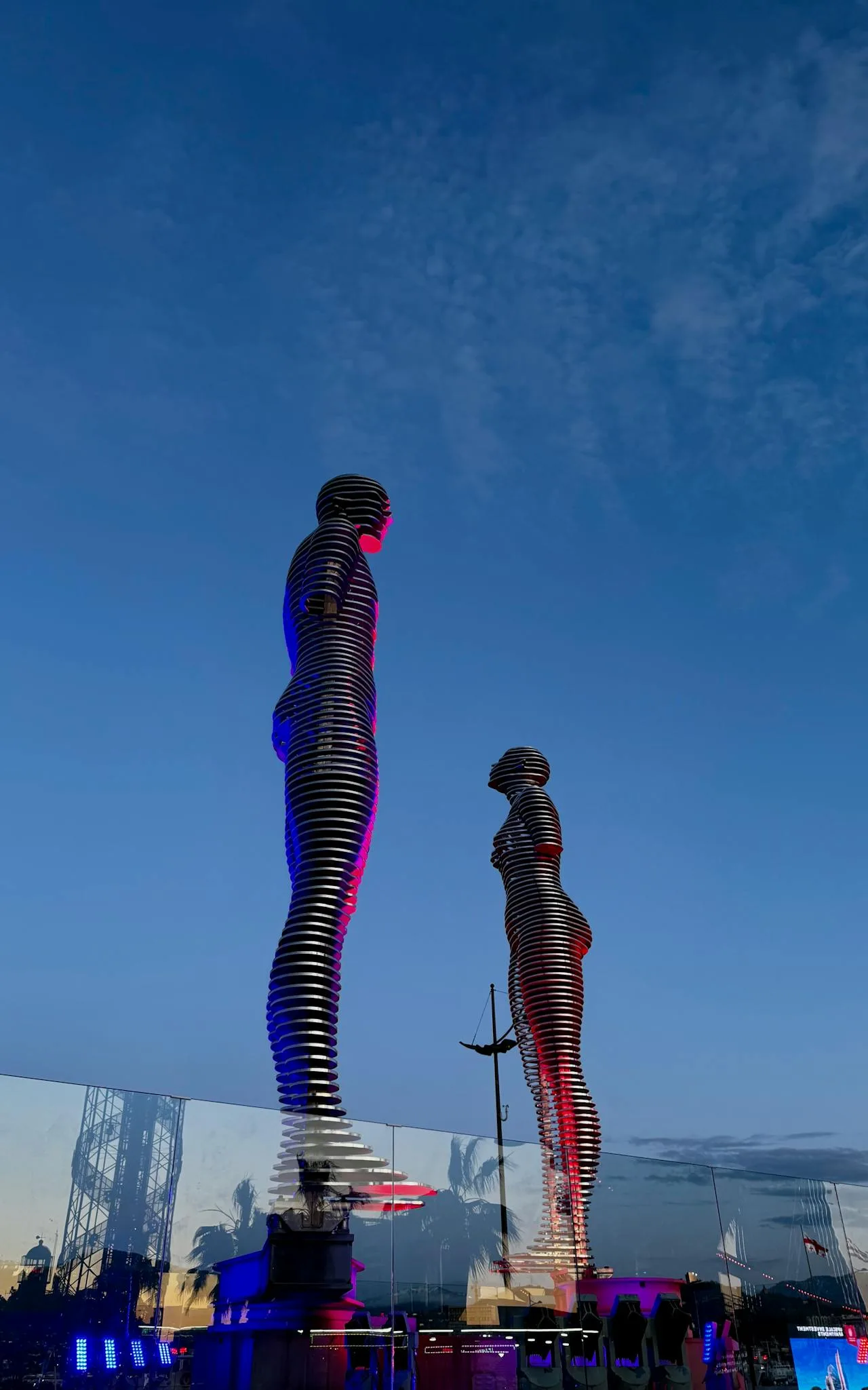
Everything for a trip to Batumi and Georgias Black Sea coast: the palm-lined boulevard, the quirky skyline, pebble beaches, Adjaran khachapuri, the botanical garden and day trips into the green hills.
Most visitors land at Kutaisi and leave within the hour. The city has two of the finest monasteries in Georgia, a cave system nearby, and almost no crowds.
Where to stay in Tbilisi: the Old Town versus Sololaki and Vera, why the hill streets are steeper than they look, and how to pick a base that suits how you actually travel.
A hilltop town above a valley of vines, sulfur baths in a private room, a balcony over an old town and a cellar where somebody pours you their own wine.
A derelict textile plant across the river, now a hostel, a courtyard, a dozen small businesses and the place the young half of the city arranges to meet.
A single track gravel road over a high pass, open for a few months a year, with no barriers and a reputation that precedes it. Here is what it actually involves.
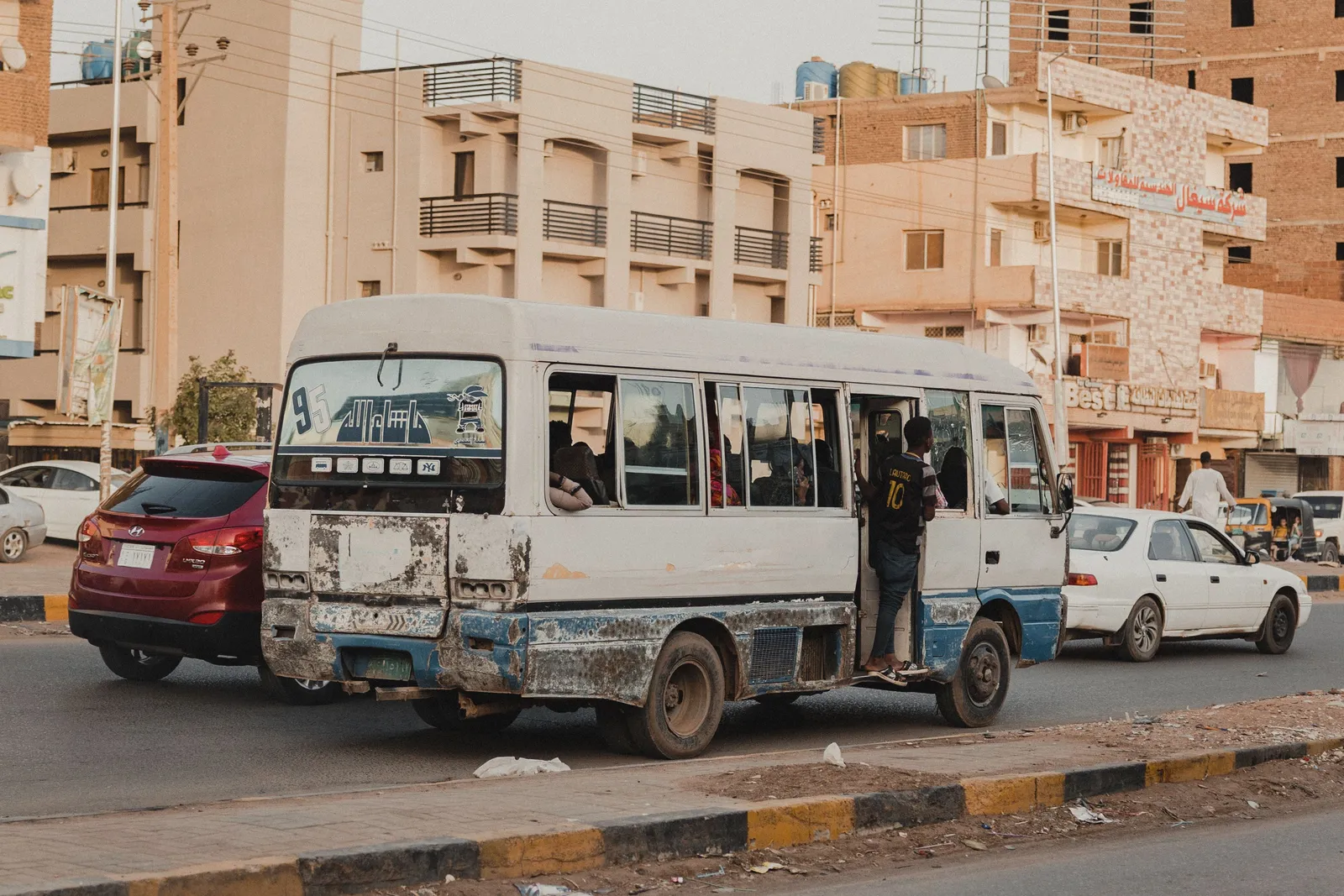
A minibus that leaves when it is full, has no printed timetable, and reaches almost everywhere. How to find one, how to stop one, and when to pay for a car instead.
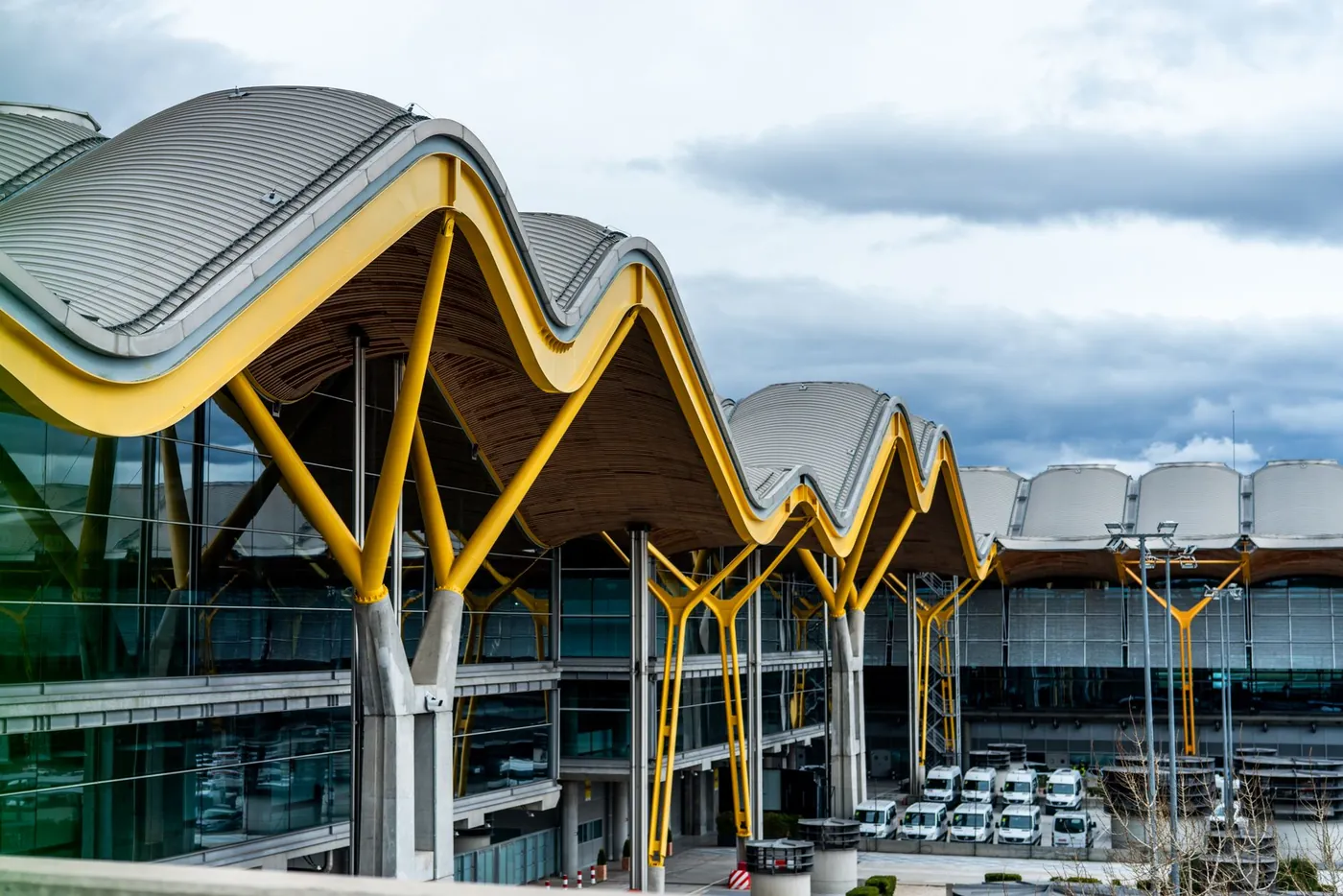
A train, a bus, an app taxi and a queue of drivers who will quote you four times the going rate. Which to take at which hour, and the one arrival that catches people.
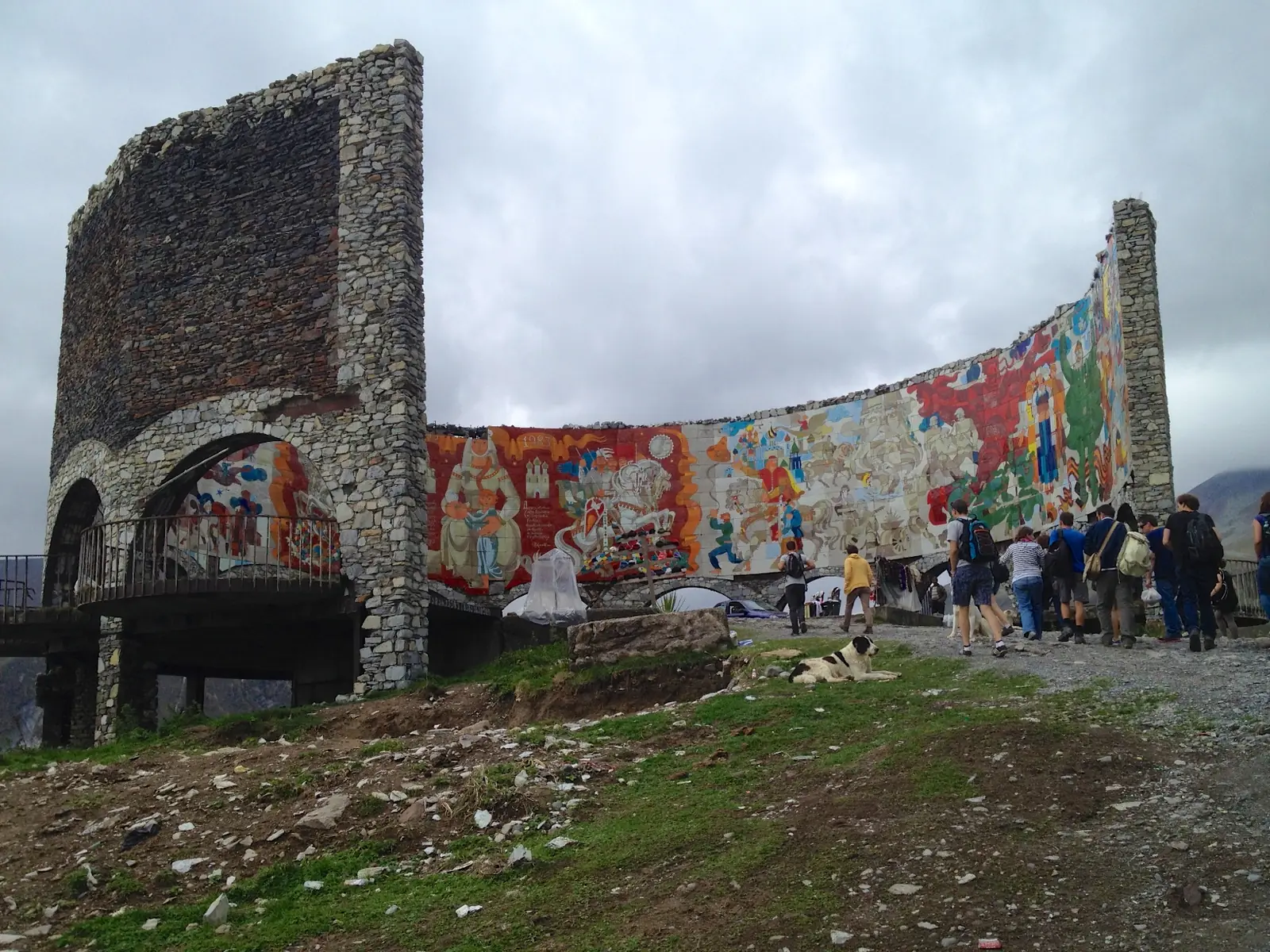
Driving in Georgia honestly: what the roads are actually like, why the mountain routes need a 4x4 and a season check, the licence and insurance questions, and when a driver beats a hire car.
A fortress on a reservoir, a Soviet mosaic on a cliff edge, a ski resort at the pass and a church on a hill under a five thousand metre peak.
A medieval tower region under the highest peaks in the Caucasus, reached by a long road along a reservoir, and a village that claims to be the highest in Europe.
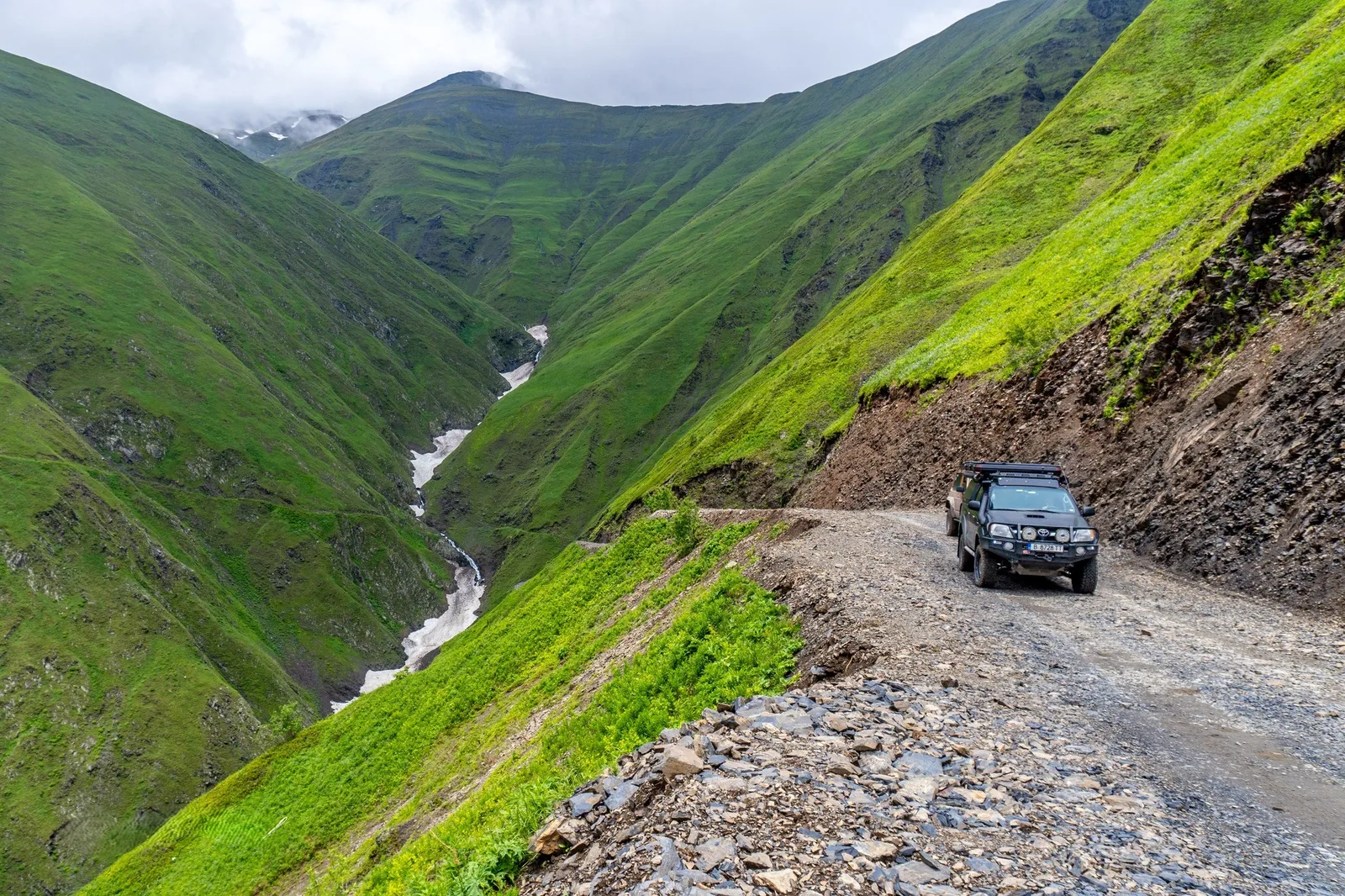
A hire car opens up the country and the agreement decides whether you can legally use it. Excess, unpaved road clauses and why a four wheel drive is not a luxury.
One of the easier countries in the region to travel solo, and the parts that need thought are not the ones people ask about.
A script that looks like nothing else, a language related to nothing you know, and about six words that change how a fortnight goes.
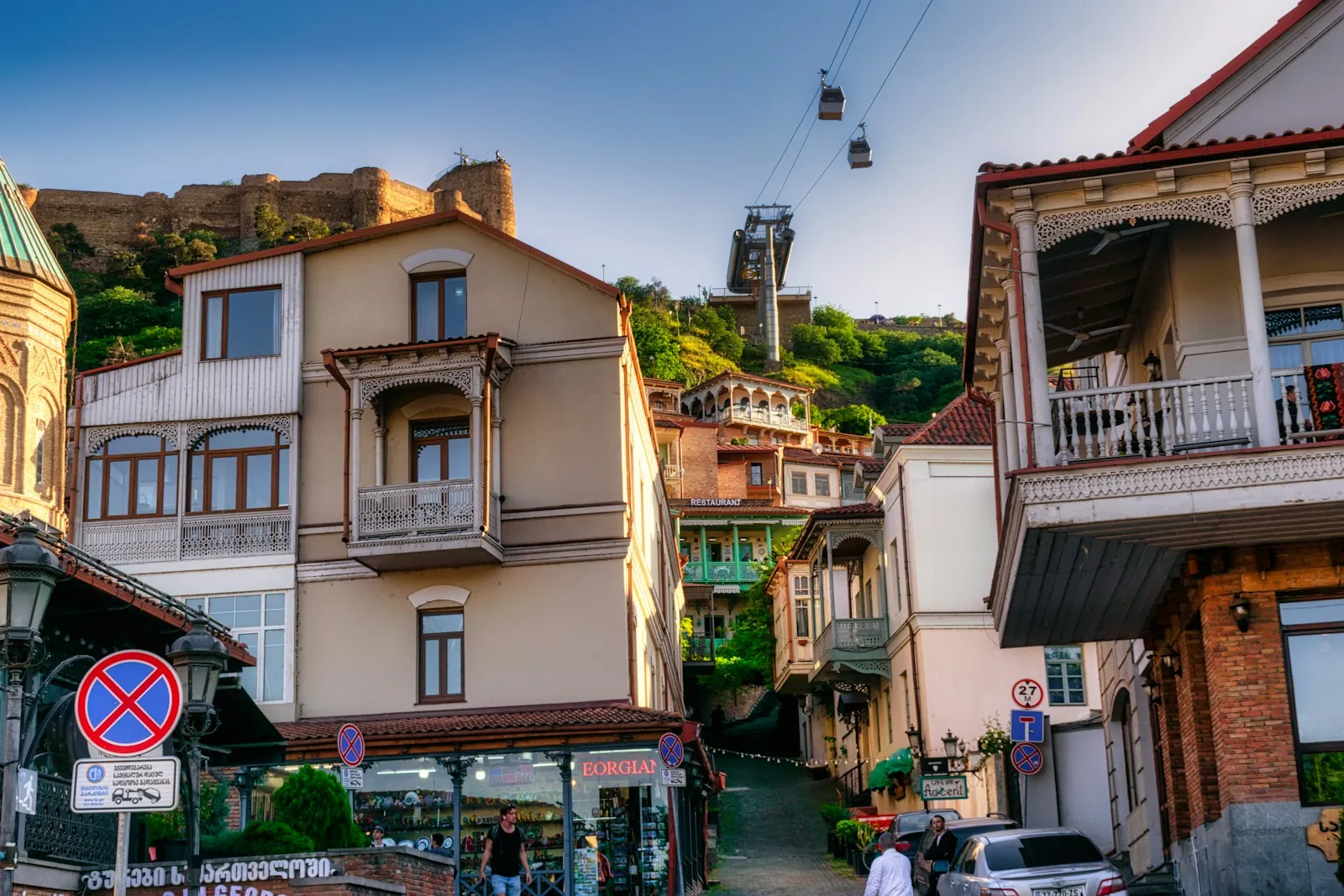
What things really cost in Georgia on a budget: guesthouse nights, restaurant meals, wine, marshrutka rides, hired drivers, and where Batumi prices jump in summer.
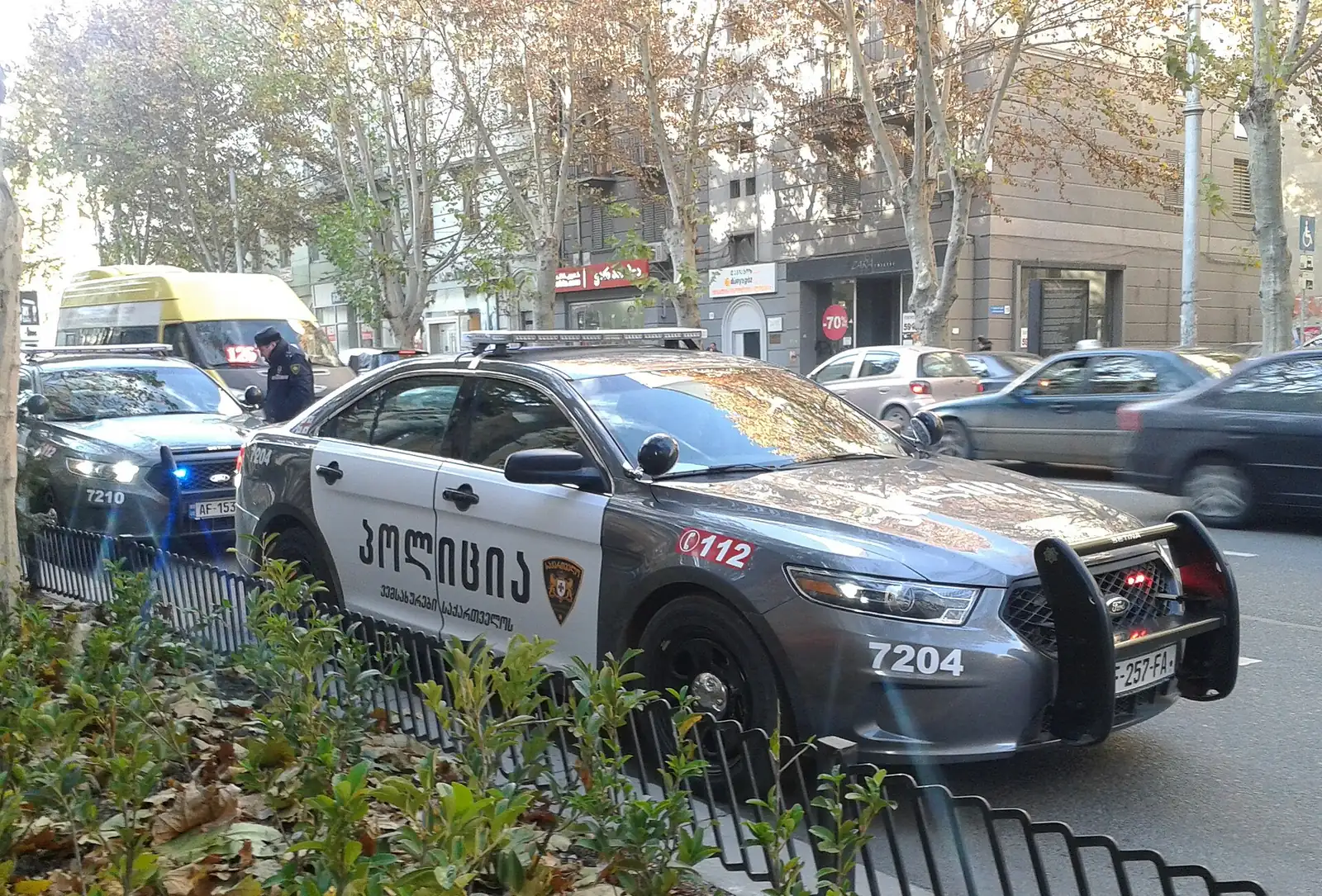
Emergency help in Georgia: the single number that covers police, fire and ambulance, what to do in the mountains where help is far away, and the insurance clauses that decide who pays.
Georgia's entry rules explained: why the visa policy is one of the most generous anywhere, what to check for your own passport, the border and land-crossing questions, and the traps that still catch people.
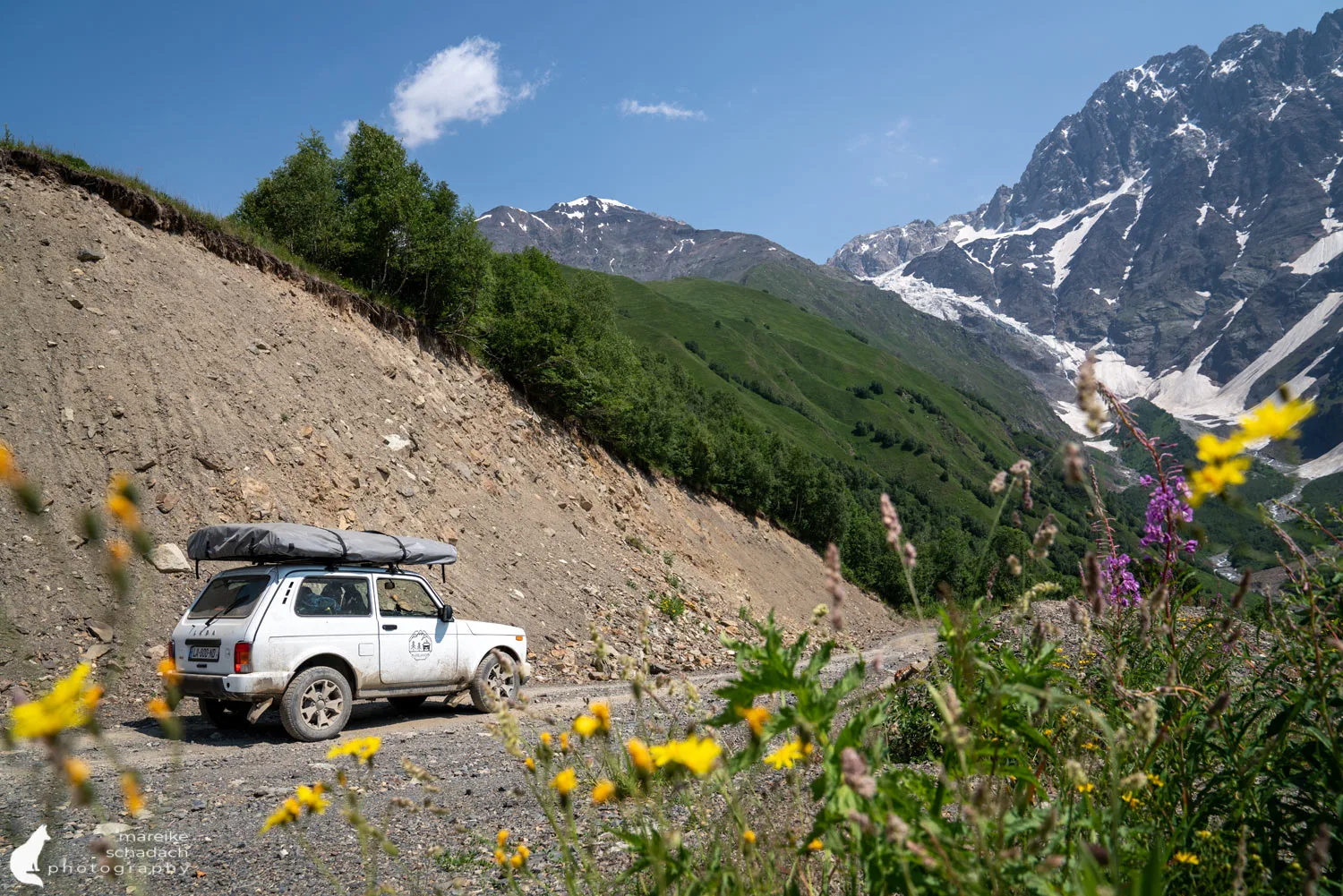
Mountain roads, hiking above three thousand metres, ski off piste and hire car excess. Georgia breaks travel policies in specific, predictable ways.
Cheap data, good city coverage, and mountain valleys with none at all. What to buy, where to buy it, and where the signal genuinely stops.
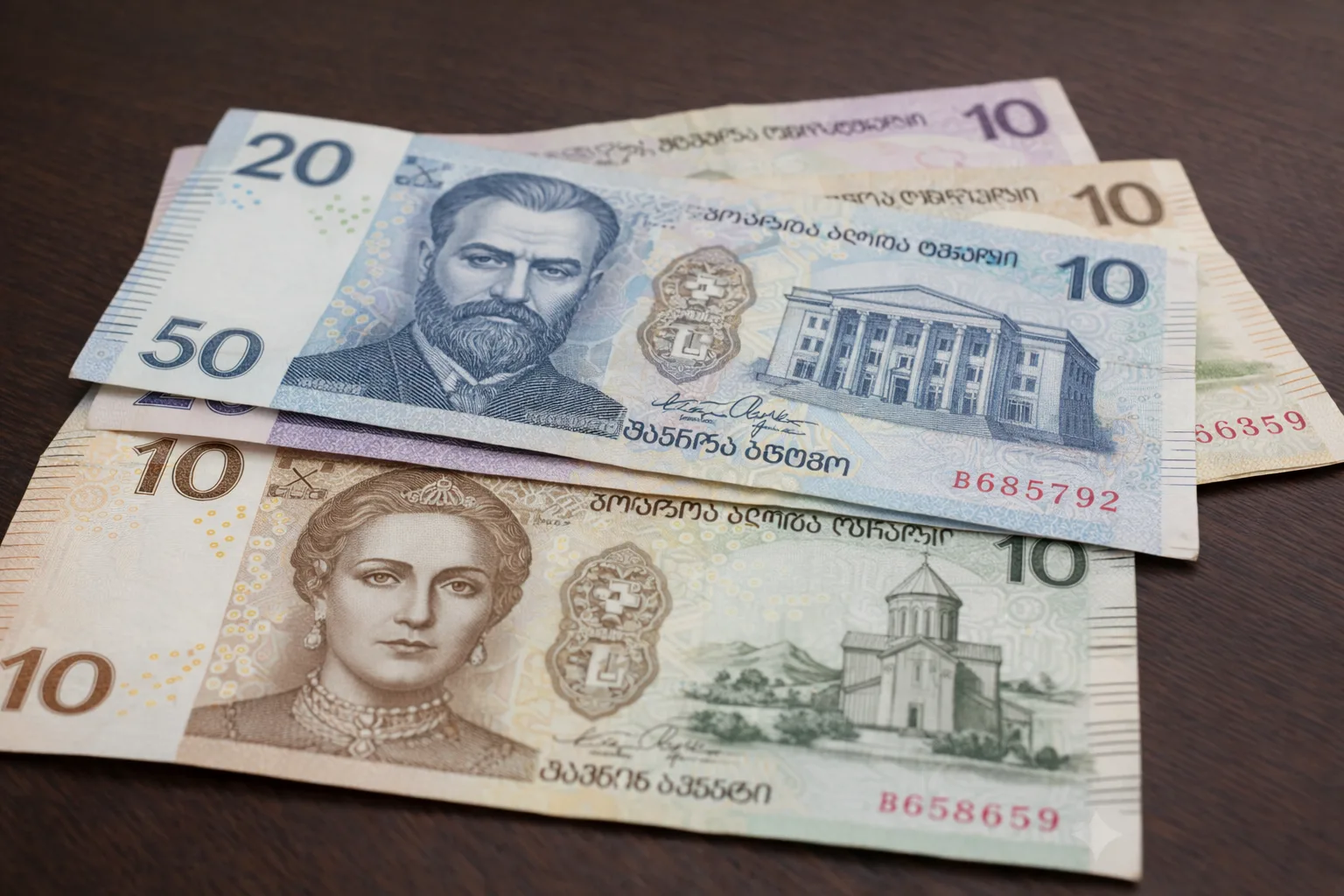
Cards work in the cities and stop working the moment you leave them. What to carry, where to change money and the one screen to always say no to.
Soviet cameras and cavalry medals at the Dry Bridge, churchkhela by the metre, amber wine at a third of export prices, and a serious young design scene.
Ten days covers the headline sights. A fortnight is a different trip rather than a longer one, and the difference is one remote region rather than four more towns.
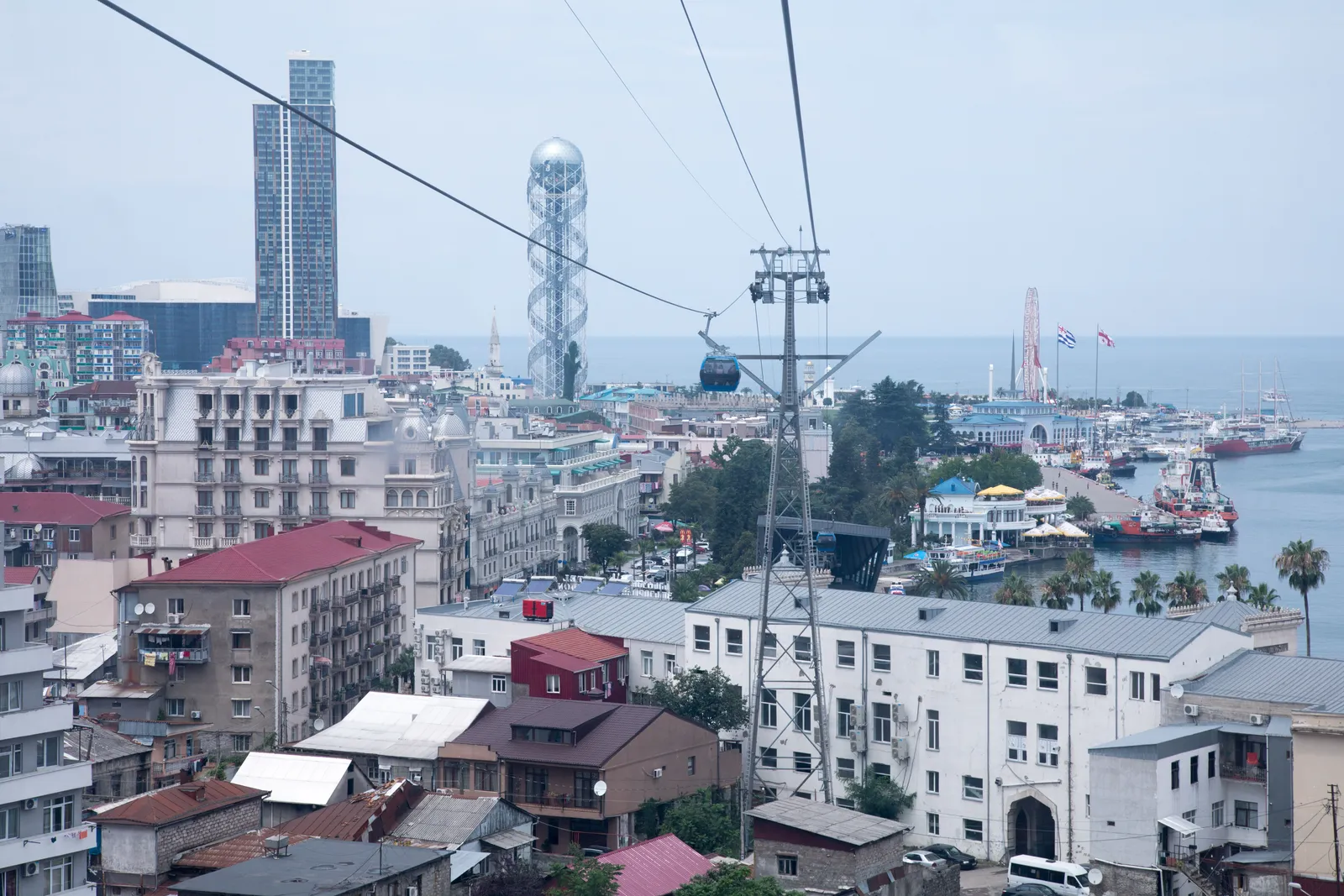
A five-day route on the Georgian Black Sea coast: Batumi boulevard and its botanical garden, the arched bridges of the Machakhela valley, the Mtirala rainforest, tea plantations at Chakvi, and the wooden villages of the Goderdzi pass.
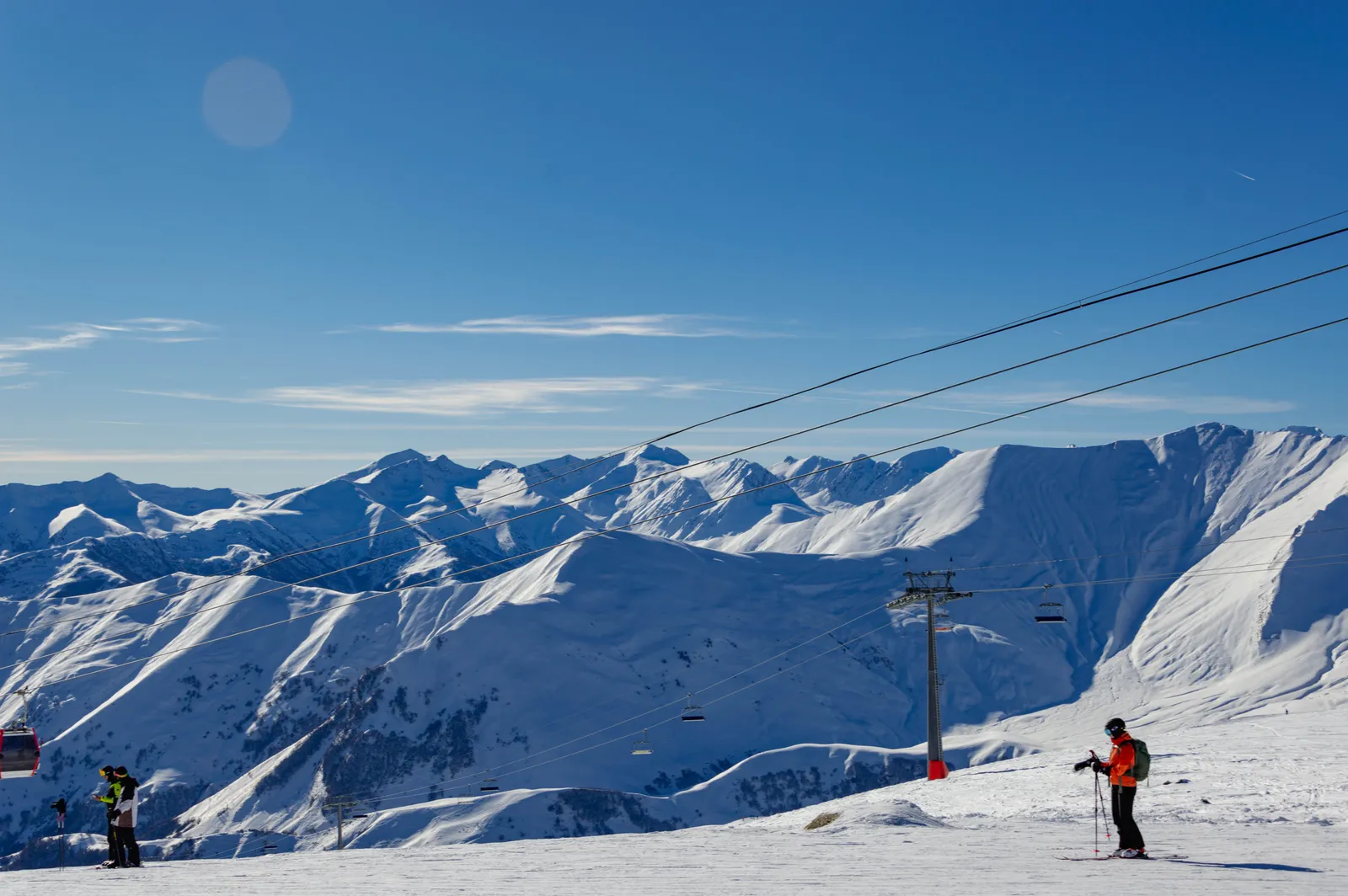
A five-day Georgian ski trip: two days above the tree line at Gudauri, a transfer day past Ananuri and Mtskheta in the snow, a gentler day at Bakuriani with the narrow gauge railway, and a last afternoon in the Tbilisi sulphur baths.
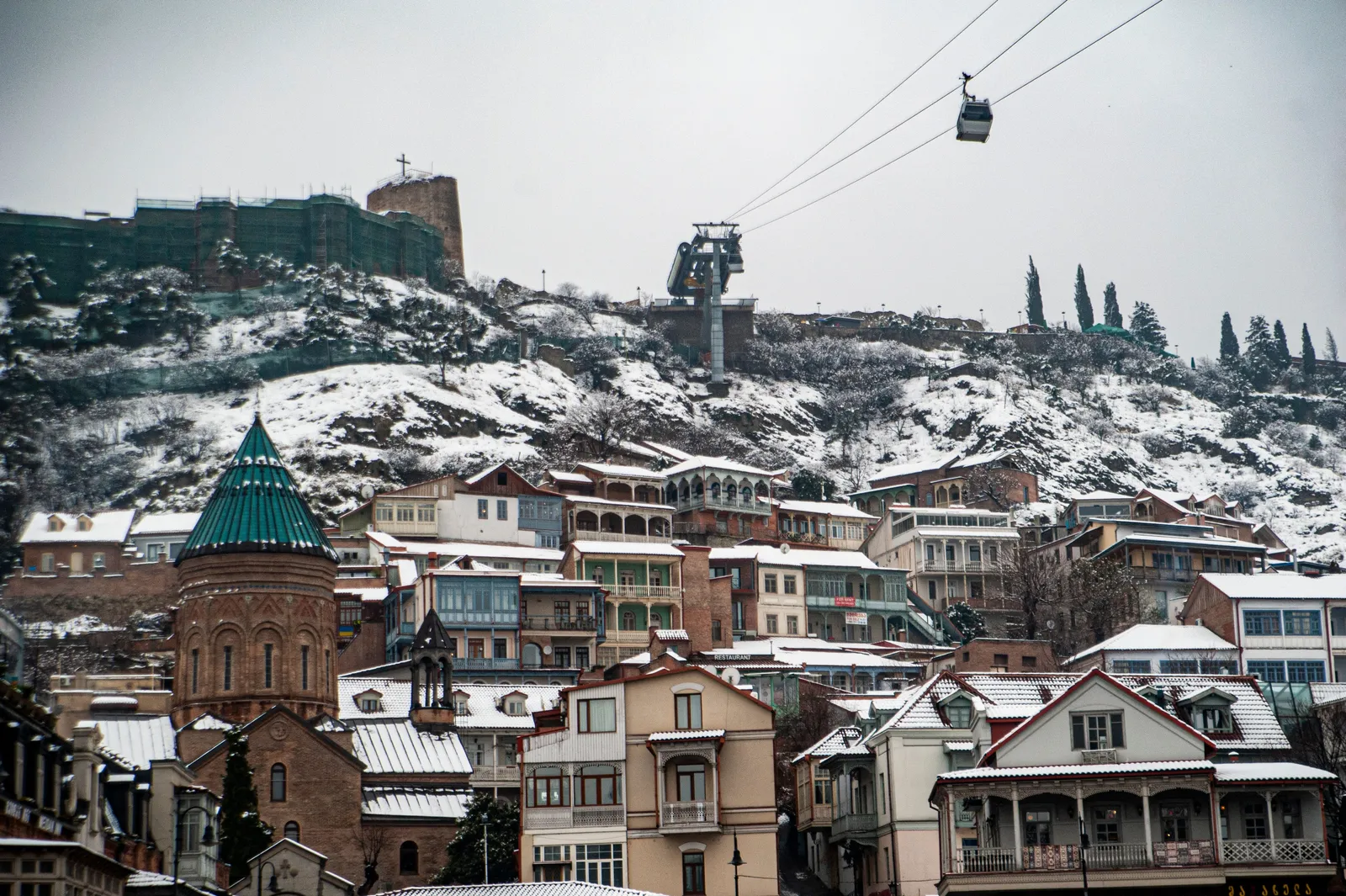
A five-day family route with short drives and one change of base: Tbilisi by cable car and funicular, Mtskheta and the rivers, the Prometheus cave and a boat through the Martvili canyon, dinosaur footprints at Sataplia, and the black sand at Ureki.
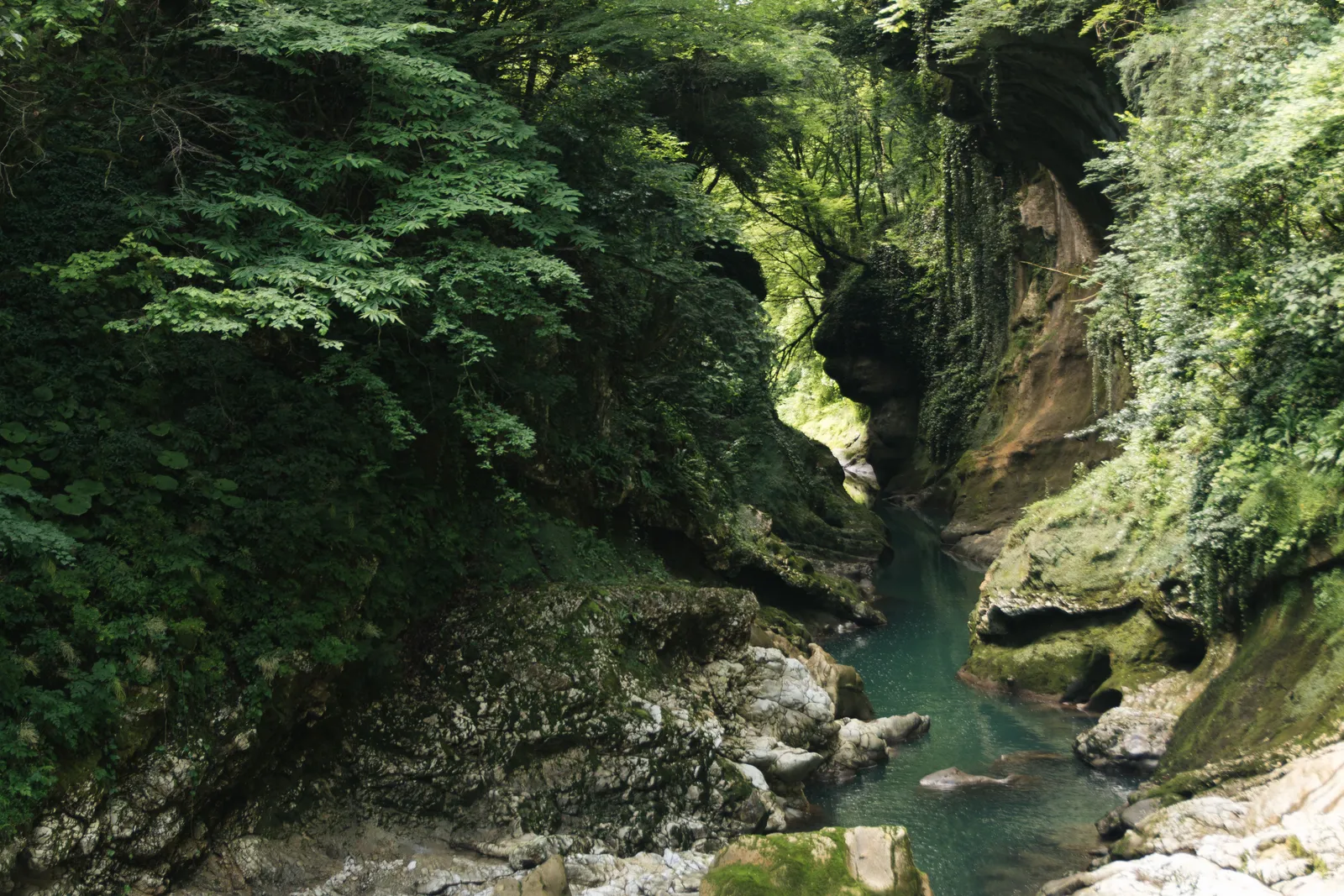
A five-day route around Kutaisi: the Gelati and Motsameta monasteries, the lit chambers of Prometheus cave, boats in the Martvili canyon, the Okatse walkway, and a day out to the cave town of Uplistsikhe.
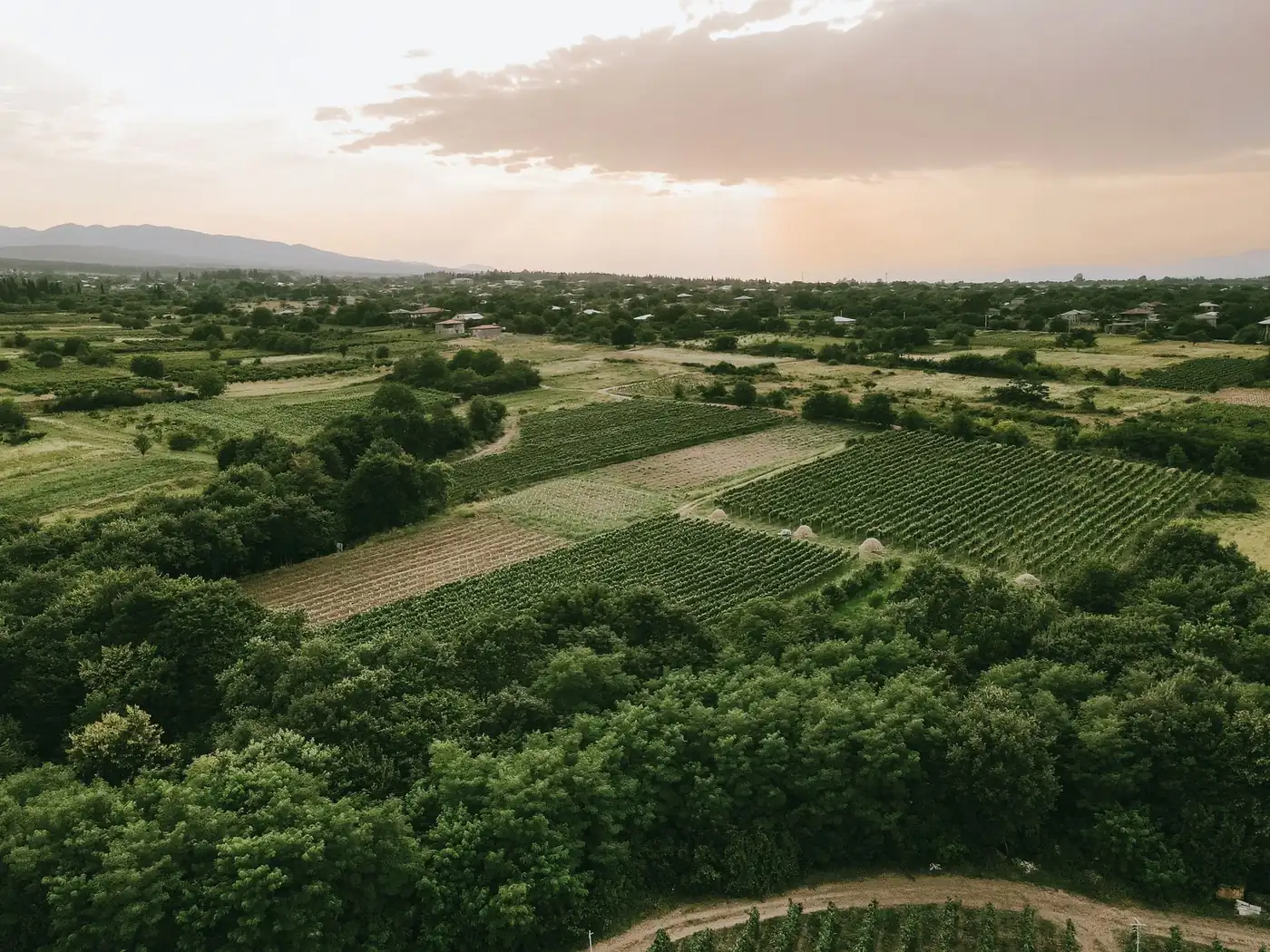
A five-day route through Georgia wine country: Telavi and the Alazani valley, qvevri cellars and natural wine, the walled town of Sighnaghi, the monasteries at Alaverdi and Bodbe, and the semi desert in the far south east.
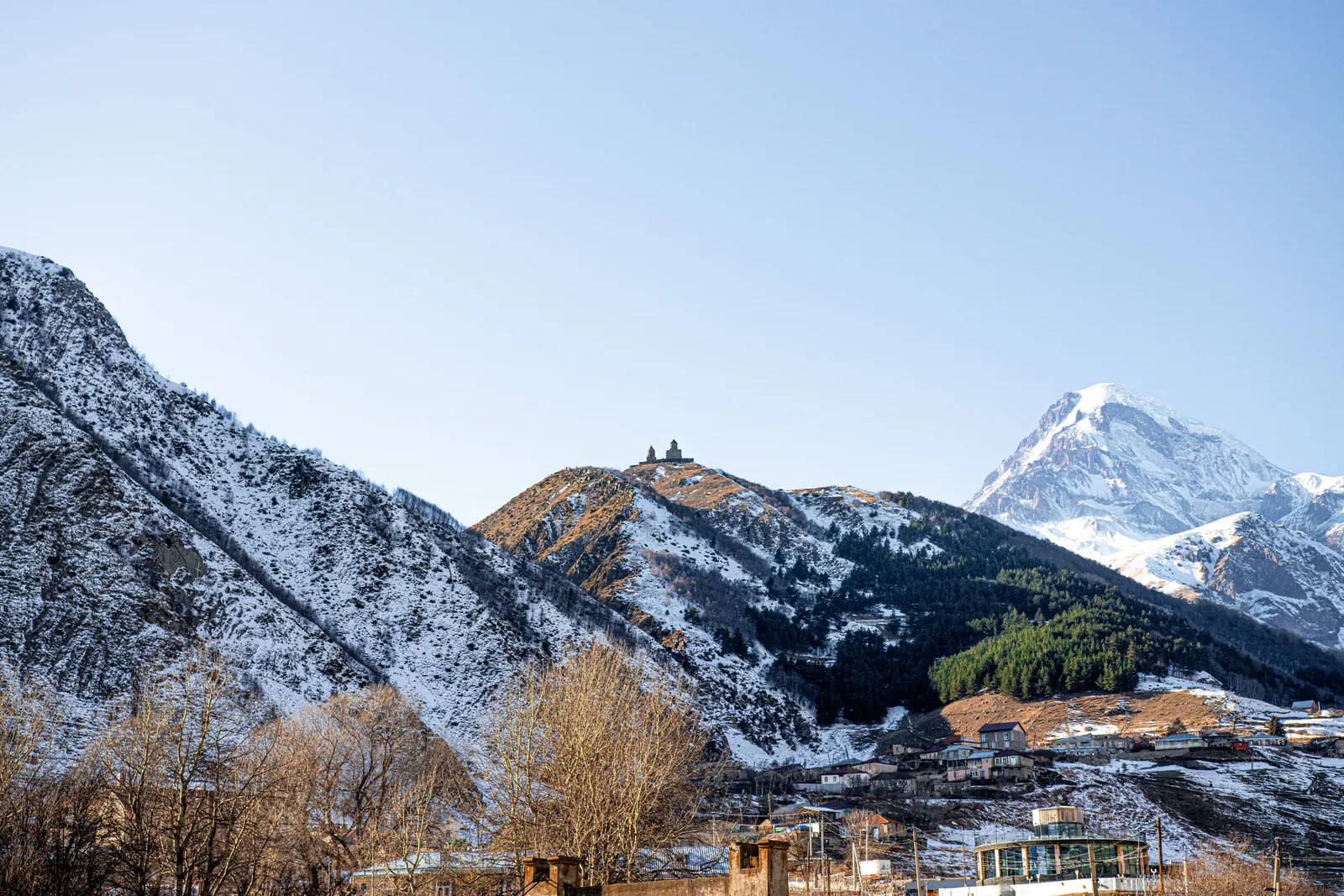
A five-day route up the old road to Russia: Ananuri on the reservoir, the pass above Gudauri, Gergeti Trinity under Mount Kazbek, the travertine springs of the Truso valley, and a walking day at Juta below the Chaukhi wall.
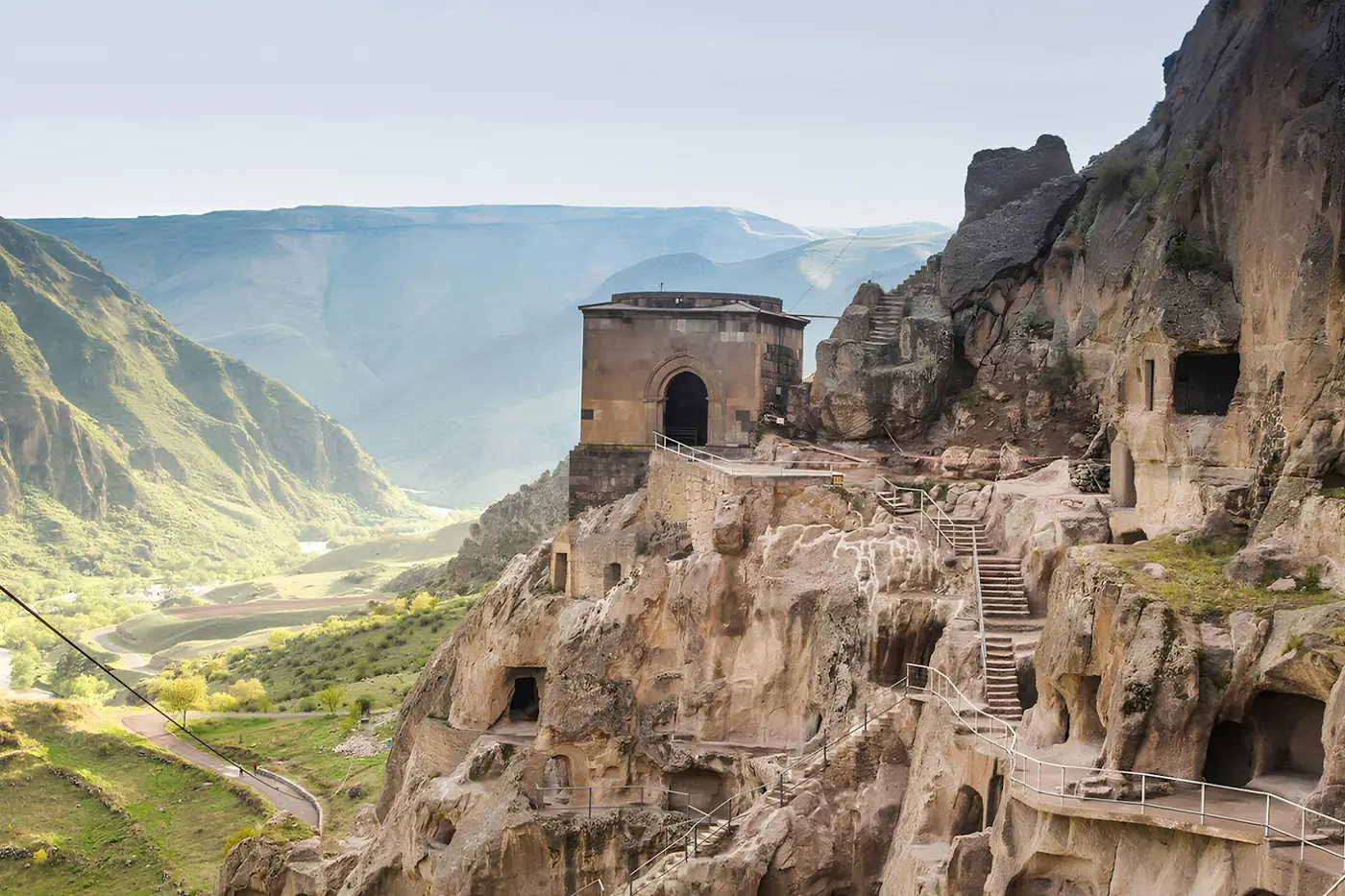
A five-day route through Samtskhe Javakheti: the mineral water park at Borjomi, the narrow gauge railway to Bakuriani, Rabati fortress, the cave city of Vardzia, Khertvisi, and the volcanic plateau around Lake Paravani.
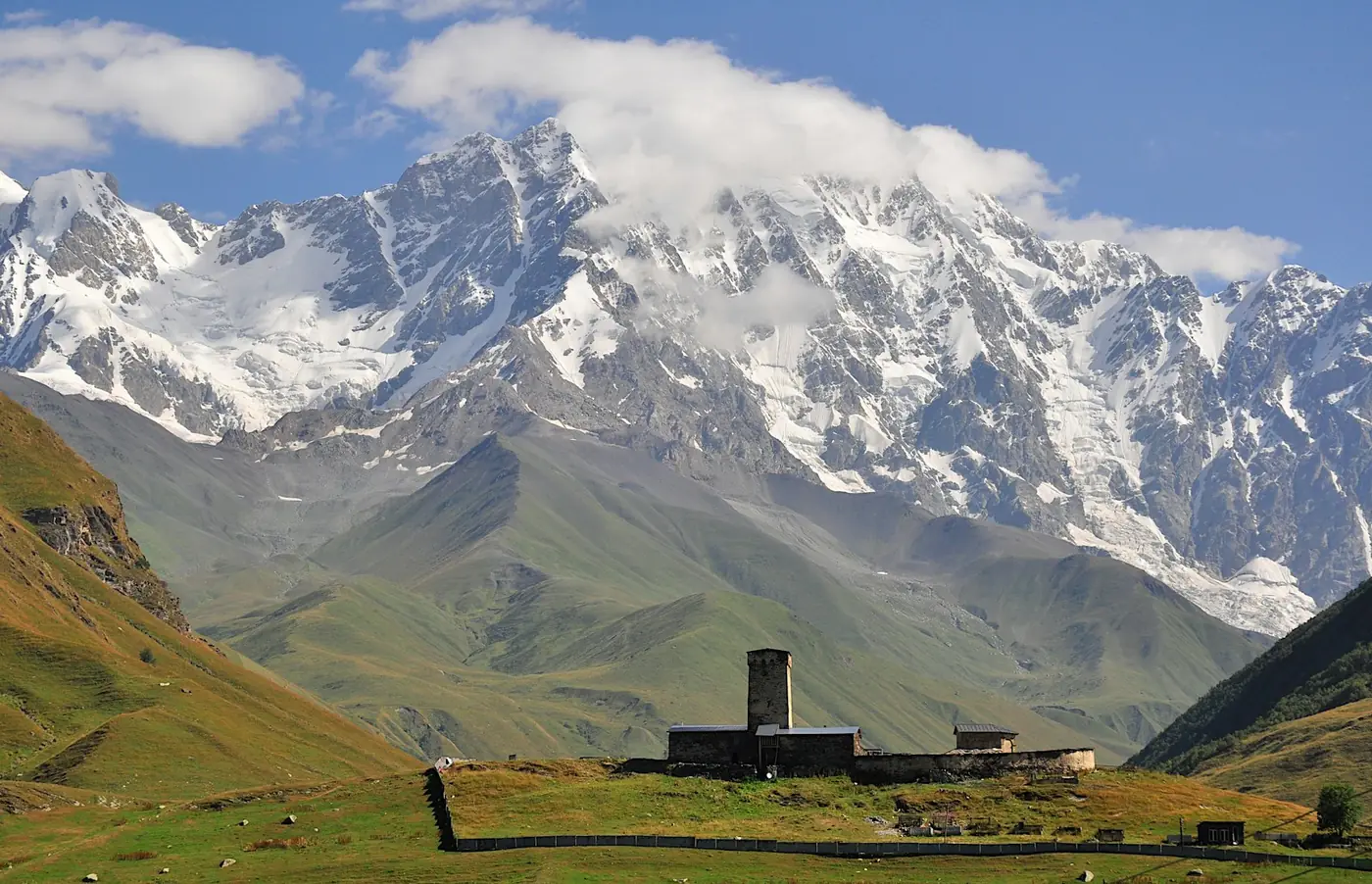
A five-day route into upper Svaneti: the tower houses and museum at Mestia, the Chalaadi glacier, the ridge above the town, the medieval towers of Ushguli under Shkhara, and the long road back along the Enguri reservoir.
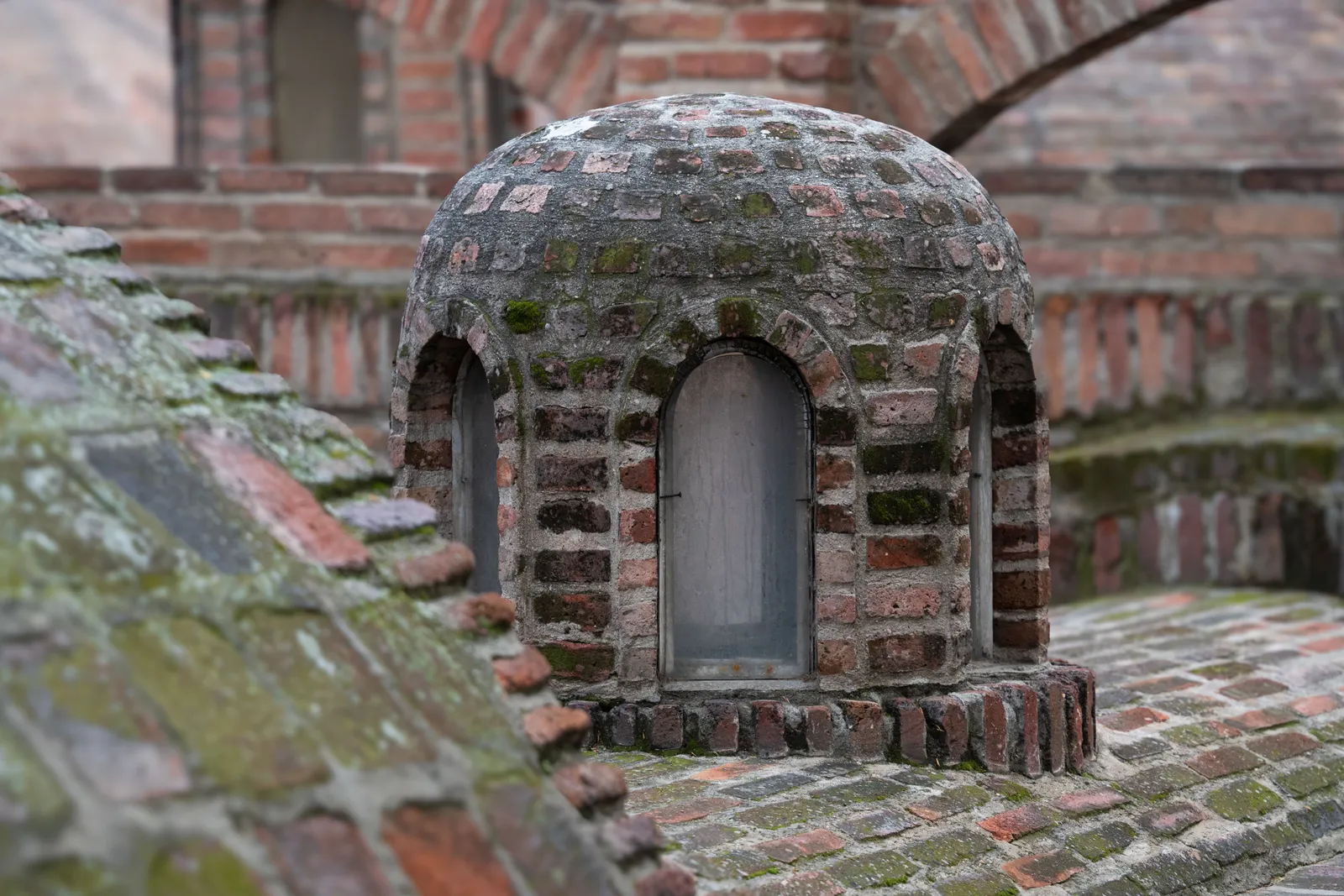
A five-day Tbilisi itinerary from one base: the old town and the sulphur baths, Soviet modernism and the Fabrika courtyards, Mtskheta and Jvari, the cave town of Uplistsikhe, and a last day of markets and the flea market by the bridge.
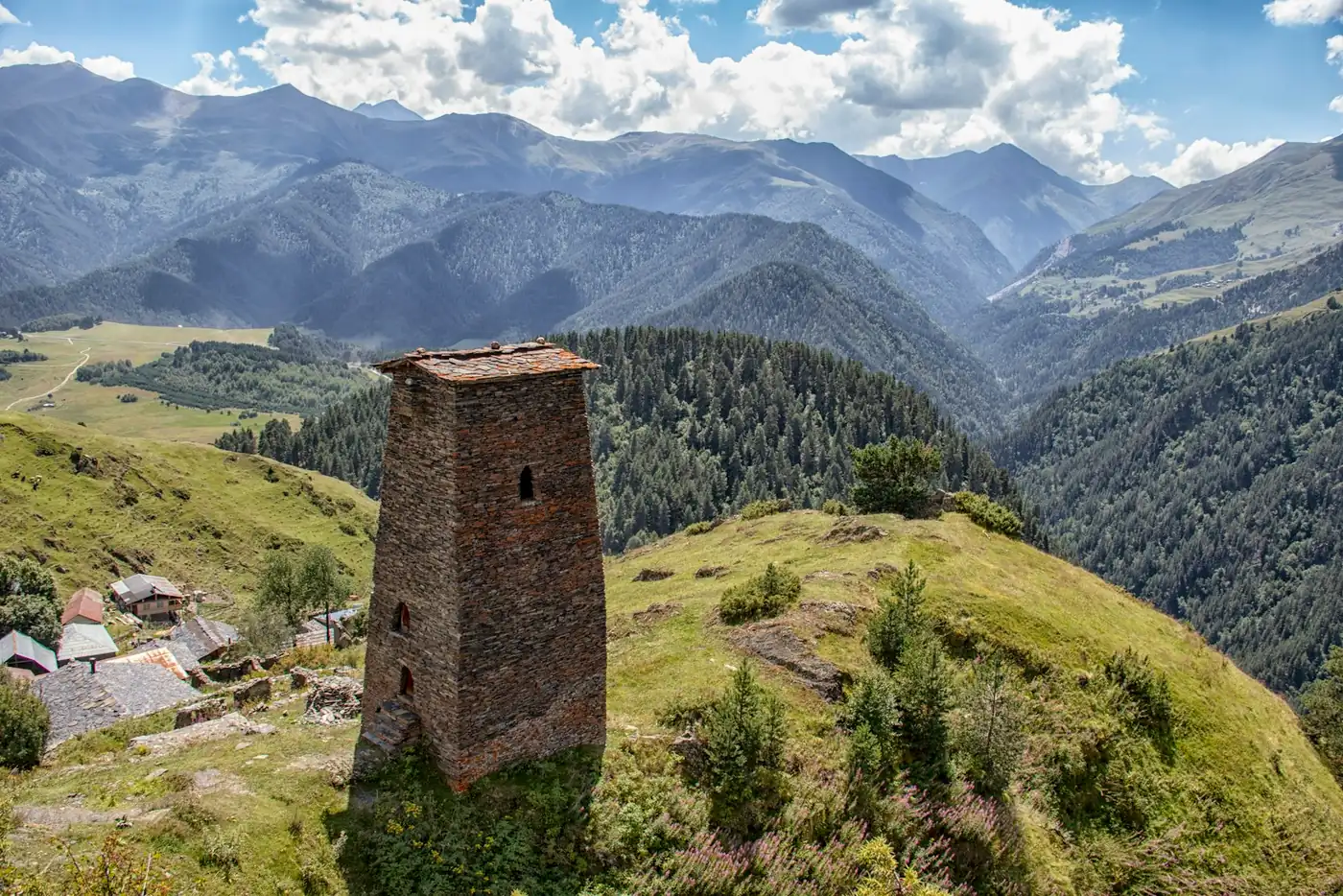
A five-day trip into the highest corner of Georgia: the Abano pass road, the tower village of Omalo, slate roofed Dartlo, a walking day up the Pirikiti valley, shepherd cheese and Tushetian beer, and the long drive back.
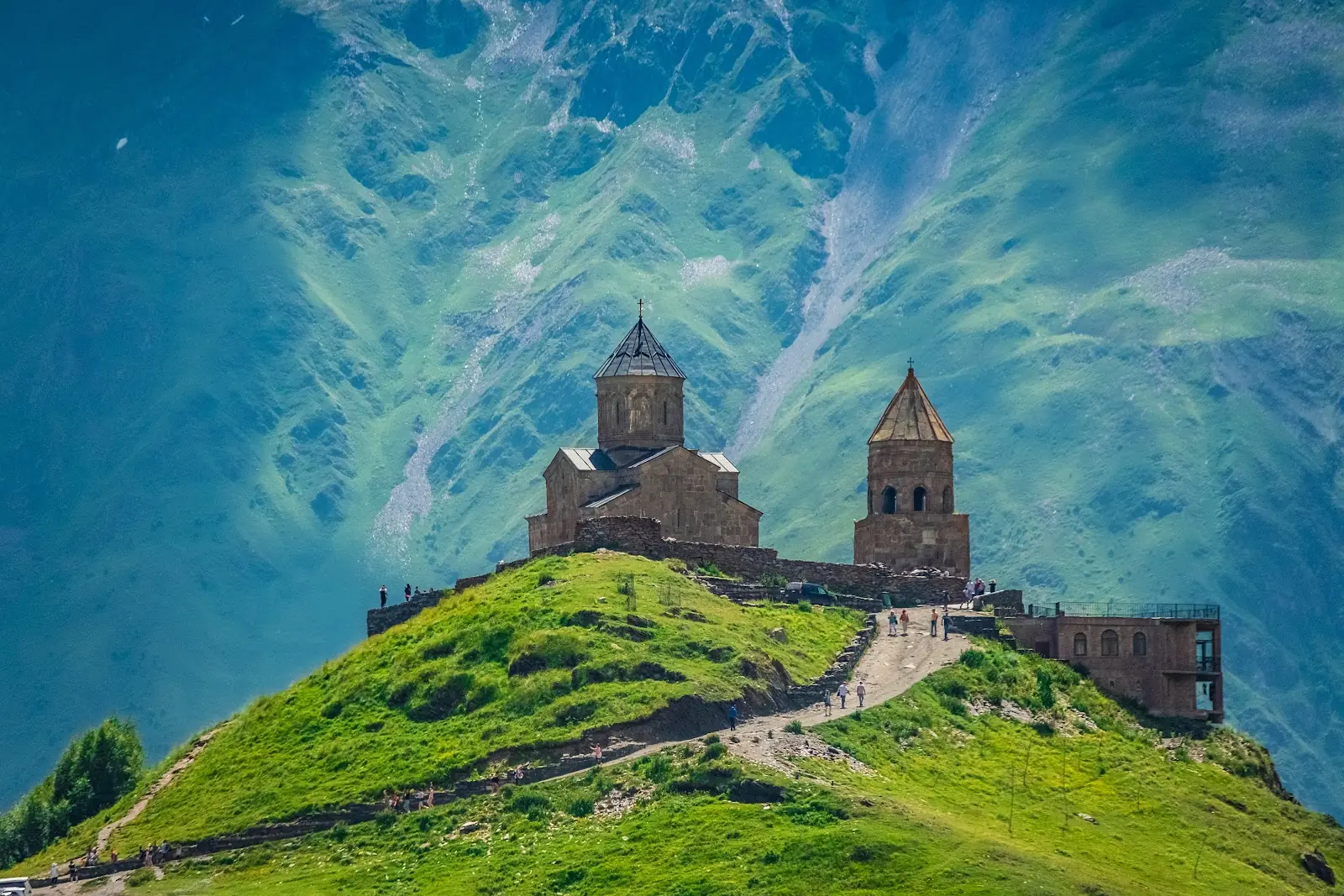
Ten days in Georgia lets you add the west to the classic loop. Here is the fuller route through Tbilisi, Kazbegi, Kakheti, Kutaisi and beyond, with the long drives mapped.
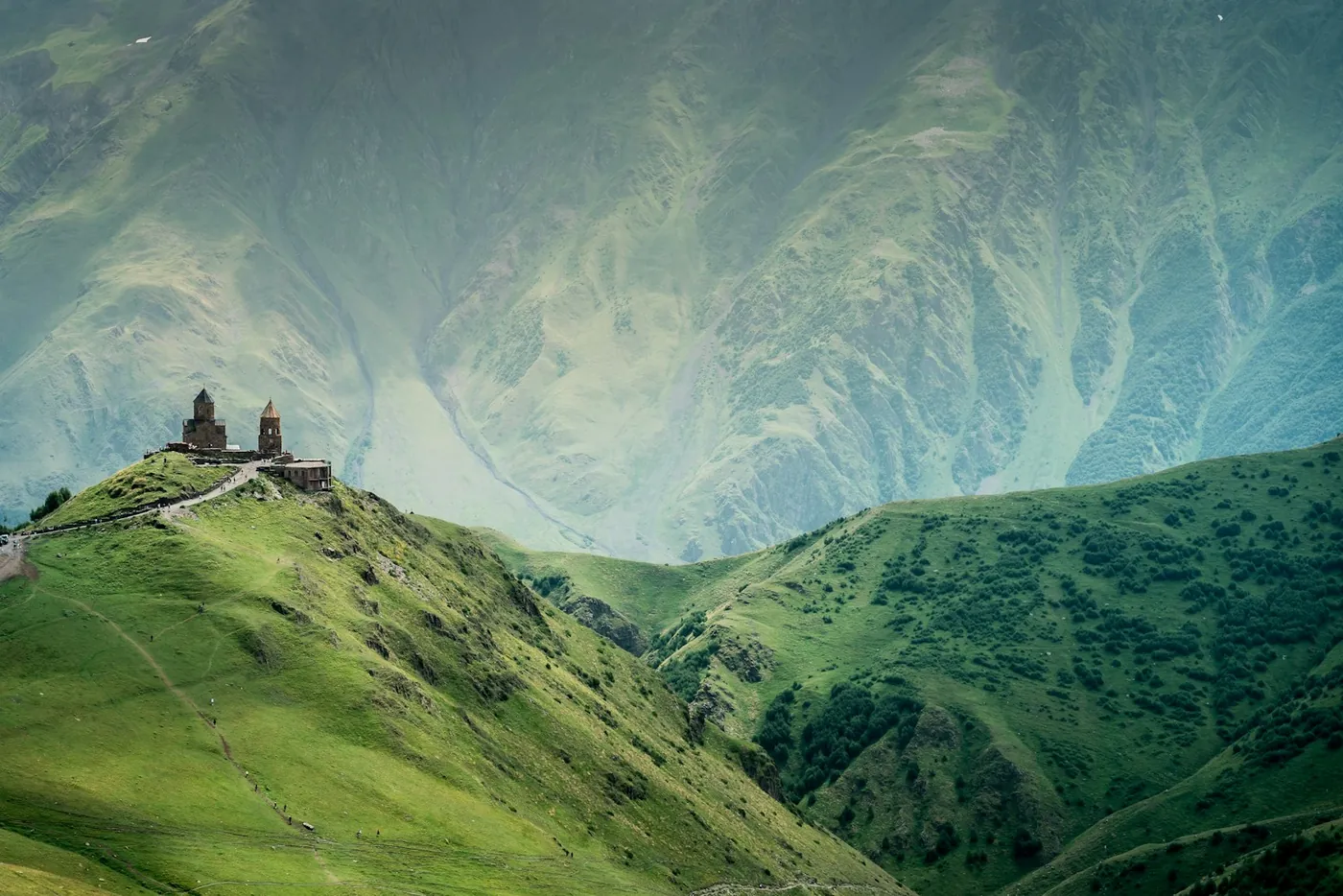
A realistic one week Georgia itinerary covering Tbilisi, Mtskheta, Kazbegi, Kakheti wine country and the drive west, with honest driving times and flexible nights.
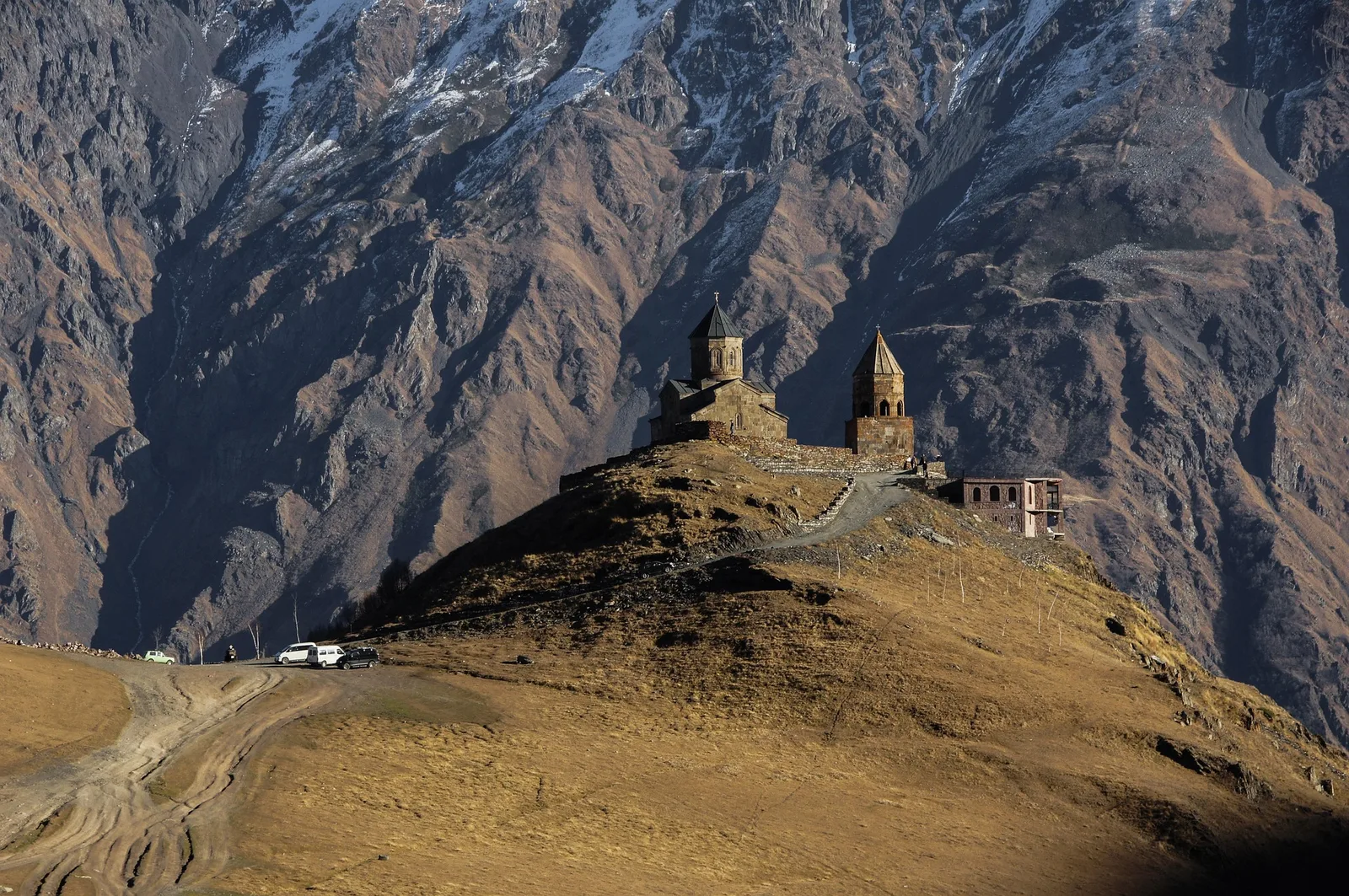
A ready-made 10-day Georgia itinerary: Tbilisi and its old town, the mountains of Kazbegi up the Military Highway, the wine country of Kakheti, and a finale on the Black Sea coast at Batumi, planned day by day.
The site has 66 guides covering all of Georgia: Tbilisi, the Caucasus mountains (Kazbegi, Svaneti), the Kakheti wine region, Batumi and the Black Sea, monasteries, food and practical info. All are updated regularly.
Start with the general planning guide and "when to visit Georgia", then move on to the Tbilisi guide, the Caucasus mountains and wine region guides, and the ready-made itinerary that matches how many days you have.
For full flexibility yes, especially for the Caucasus mountains and the wine country. The mountain roads are demanding, so many travellers choose a private driver or organised transfers. Between the cities there are cheap marshrutkas (minibuses) too. Each guide spells out the options.
Short flights, no visa for most visitors, low prices, dramatic mountain scenery, ancient wine and excellent food, and warm hospitality. That mix has made Georgia one of the hottest destinations, for a short break and a family trip alike.