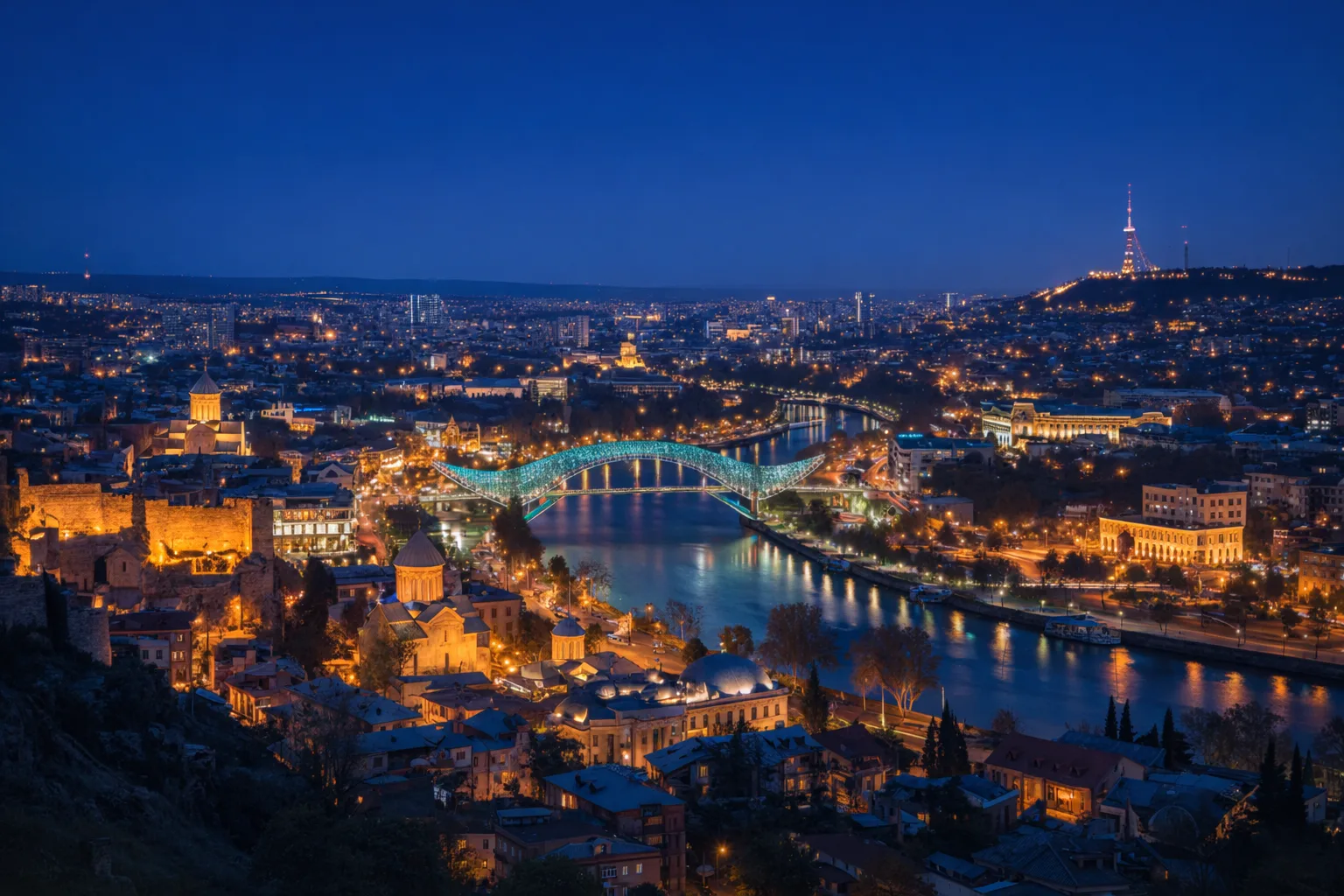
Tbilisi is one of those cities that gets under your skin fast. Founded, so the legend goes, on the hot springs a king stumbled upon while hunting, it layers Persian, Russian, Art Nouveau and Soviet history into a tumble of cobbled lanes, carved wooden balconies and hilltop churches, then plants a wildly good food and wine scene right in the middle of it. You can see the highlights in two days and happily lose a week. Here is how to do it well.
The old town, on foot
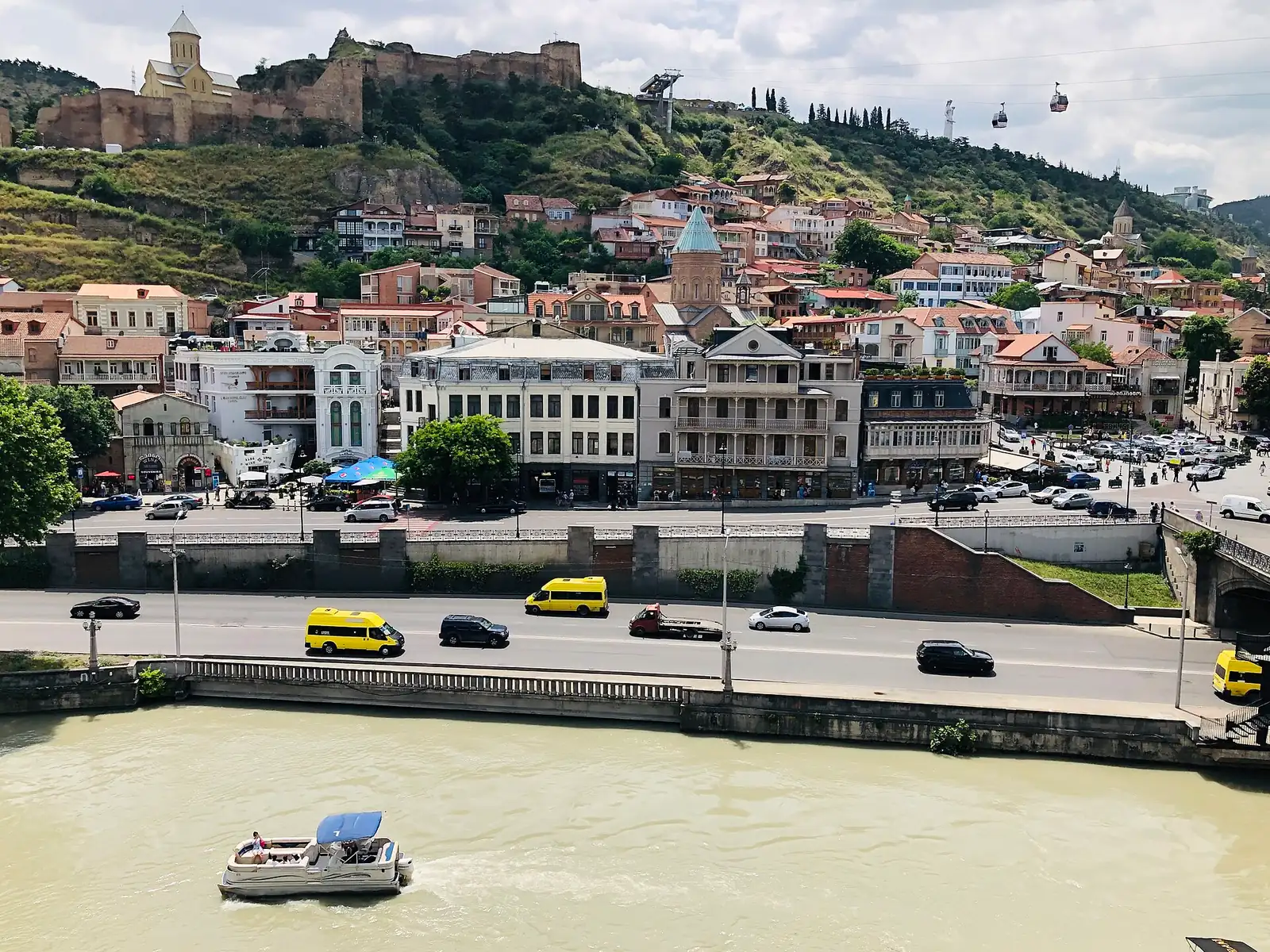
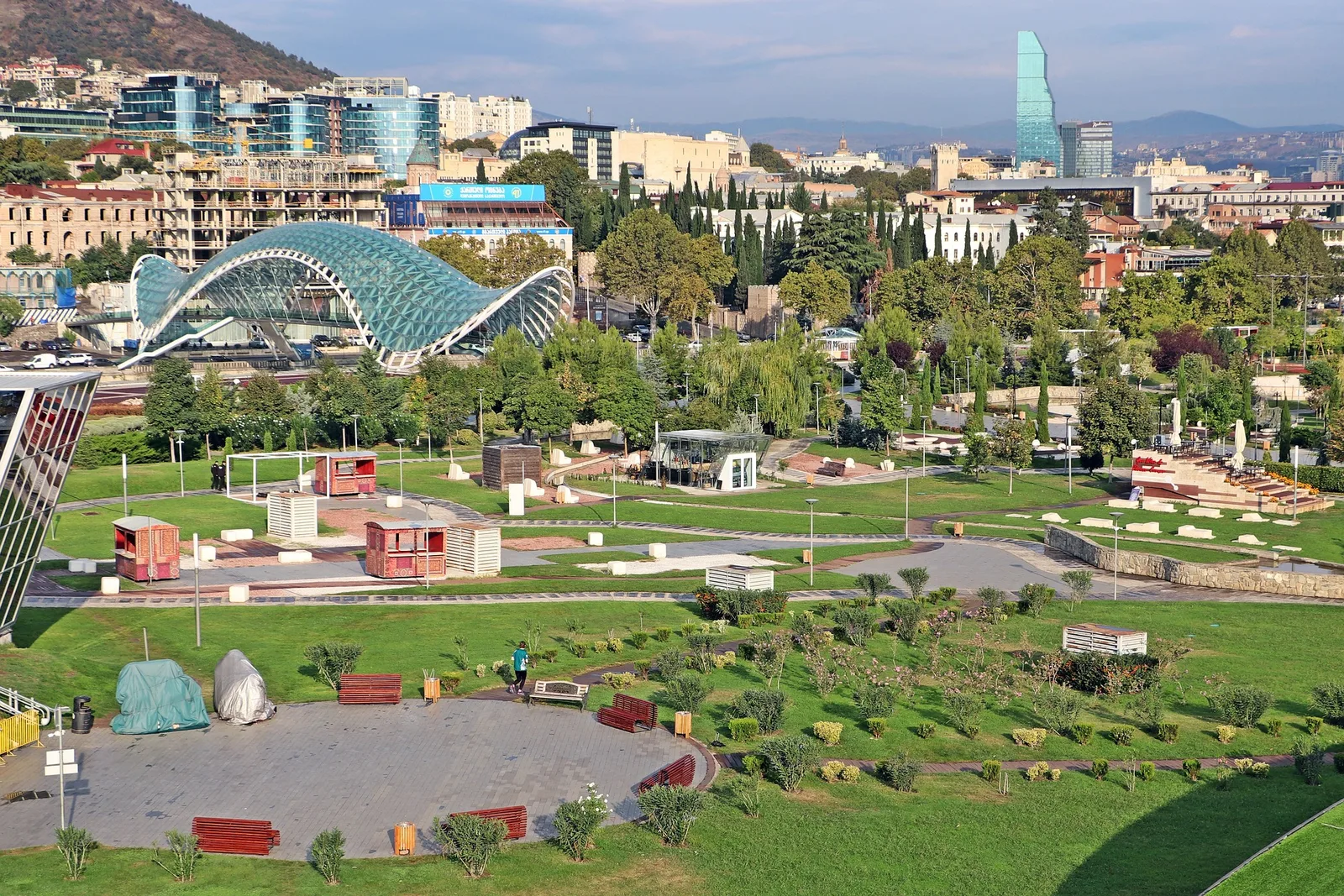
Start where the city started. Old Tbilisi is a maze of leaning balconied houses, tiny courtyards and churches, best explored slowly and without a fixed plan. Wander through Sololaki for the grandest Art Nouveau doorways and staircases, drop into the Sioni Cathedral and the tiny Anchiskhati Basilica, and cross the swooping glass Bridge of Peace over the Mtkvari river.
Ride the cable car up to Narikala fortress for the classic view over the rooftops, then walk the ridge to the Kartlis Deda (Mother of Georgia) statue, who holds a sword in one hand and a wine bowl in the other, a fair summary of the national character. Come back down through the botanical garden if you have time.
Abanotubani and the sulphur baths
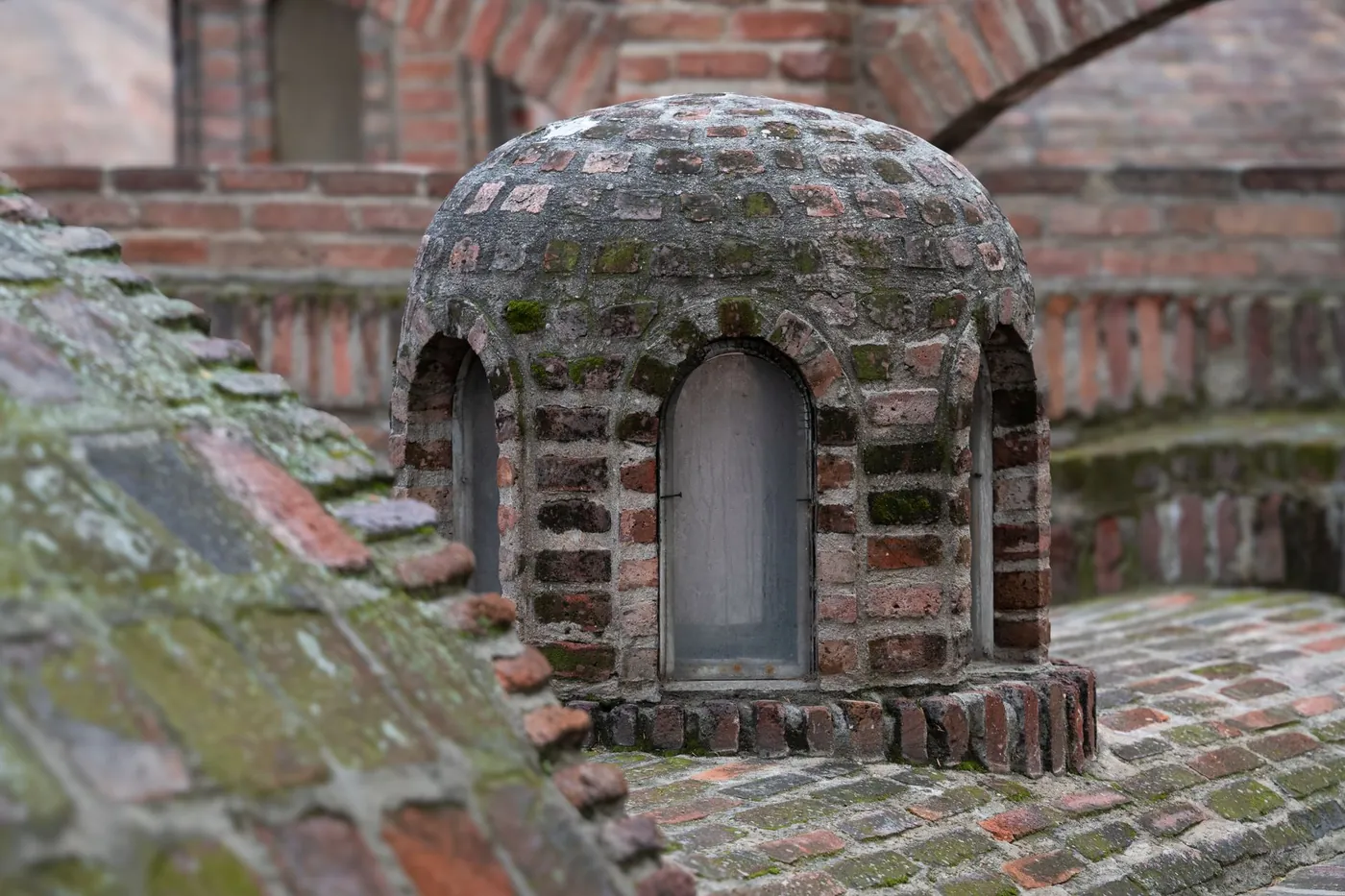
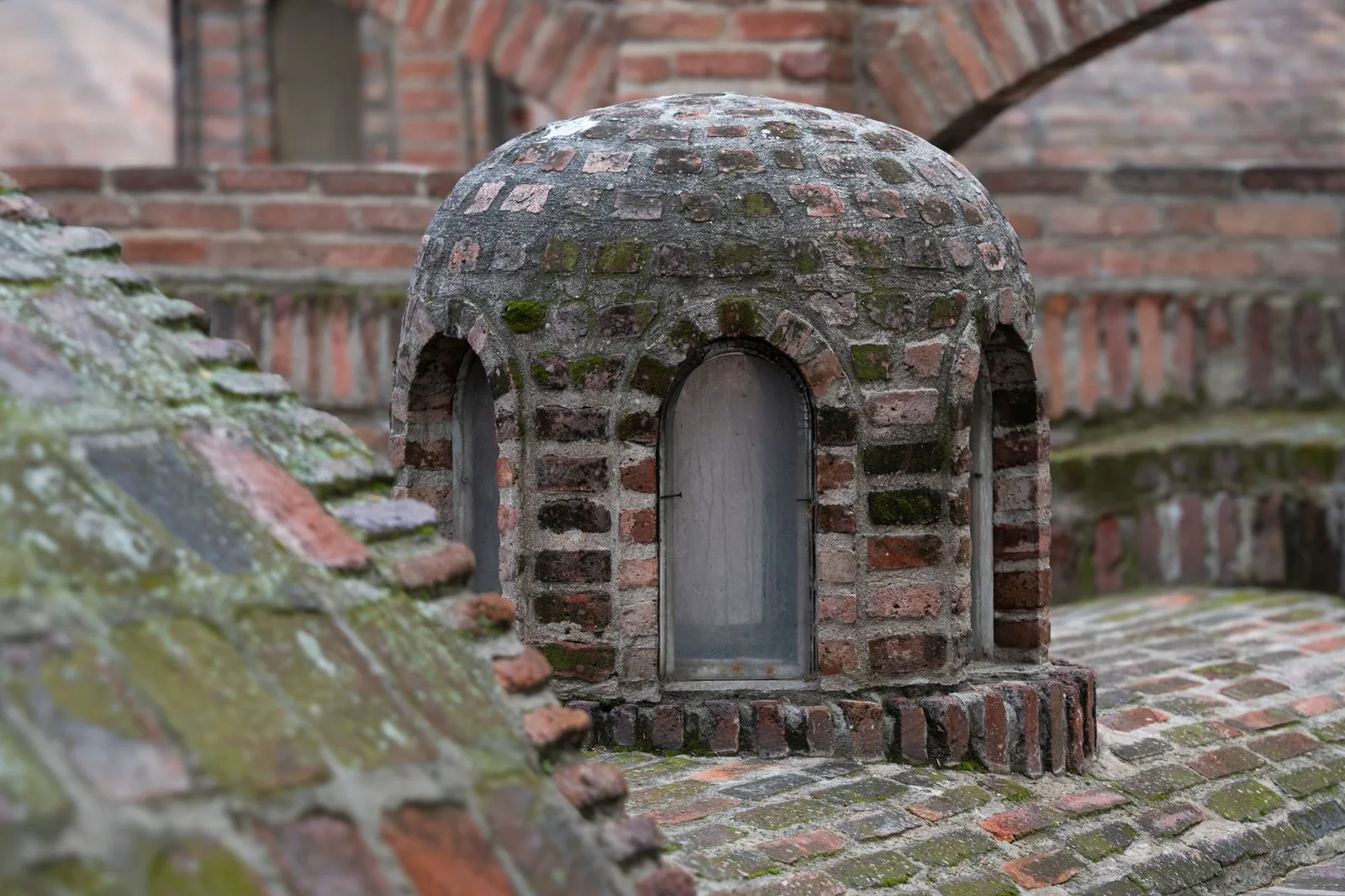
Below the fortress sit the domed brick bathhouses of Abanotubani, fed by the naturally hot sulphur springs that gave the city its name (tbili means warm). This is the experience not to miss. Book a private room by the hour, soak in the mineral water, and treat yourself to a traditional kisa scrub, brisk, thorough and strangely wonderful. Peek into the tiled Chreli Abano even if you do not bathe there, its blue-mosaic facade is the most photographed in the quarter.
The wine bars and the natural-wine scene
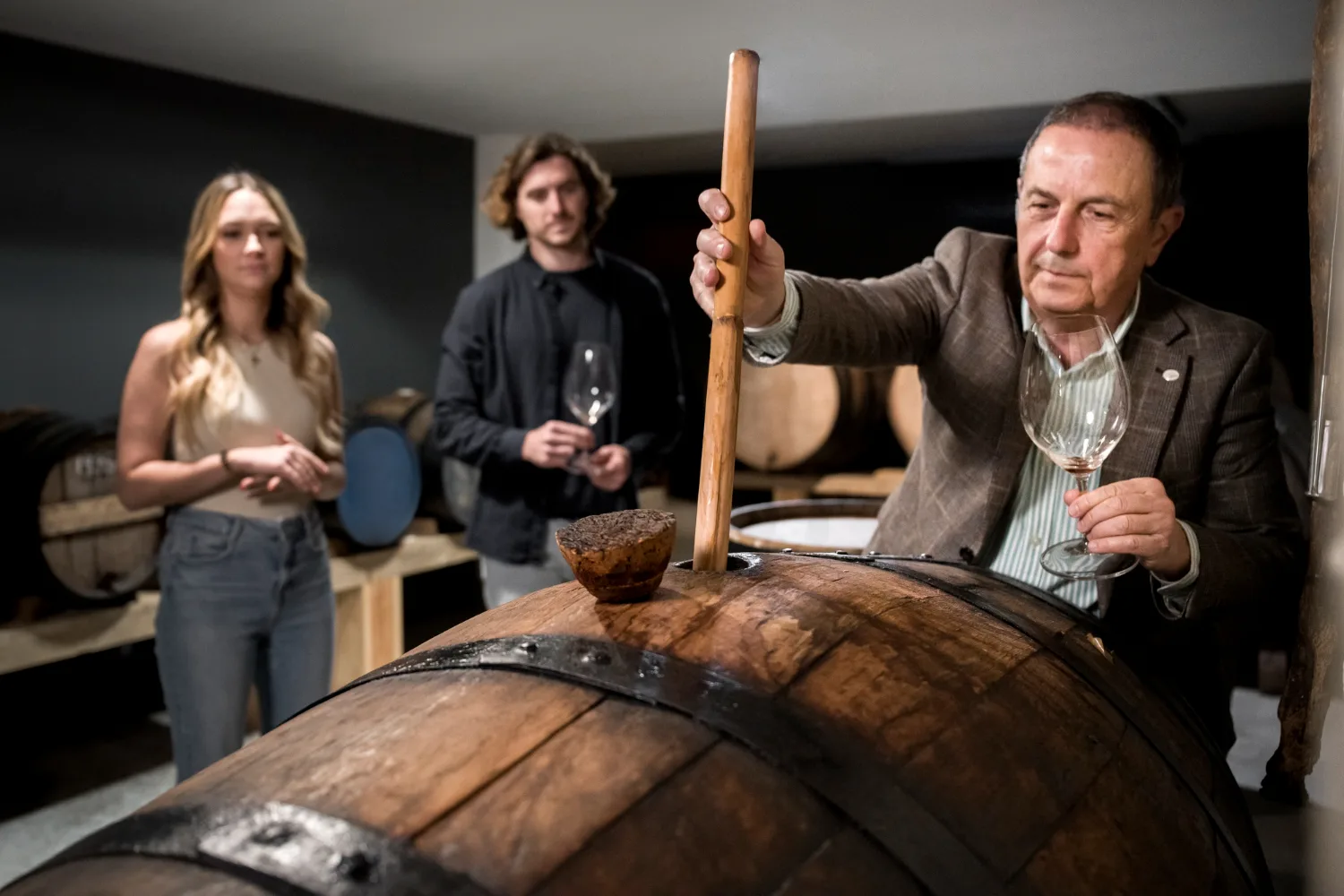
Georgia is the cradle of wine, and Tbilisi is where you drink it. The city has a superb crop of wine bars pouring amber (skin-contact) wines, qvevri-fermented reds and small-producer natural bottles you will not find at home. Ask the staff to walk you through a flight of amber wines, order a plate of cheese and bread alongside, and let them introduce grapes like saperavi and rkatsiteli. The old town and the area around Erekle II Street are thick with good rooms, and prices are gentle enough to try widely. It is one of the great, underrated drinking cities.
Take a Tbilisi wine and food walkA local guide unlocks the best amber wines and hidden cellars in a single eveningFabrika and the creative side
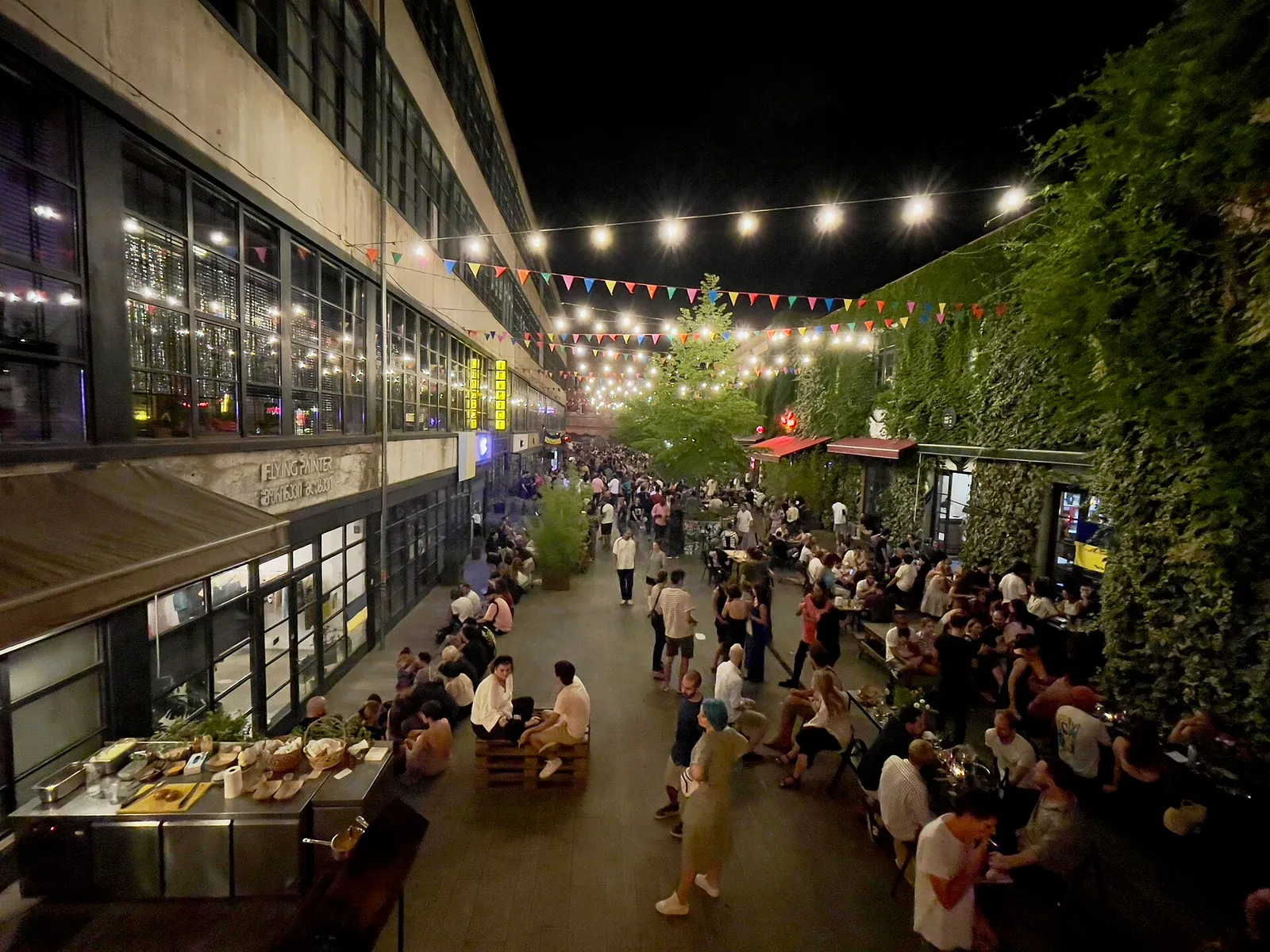
Cross the river to Chughureti for the other Tbilisi, younger, scruffier and creative. Fabrika, a former Soviet sewing factory turned into a hostel, courtyard and hub, is the heart of it: independent cafes, design shops, tattoo studios and a buzzing yard where locals and travellers mix over coffee by day and drinks by night. The surrounding streets hide some of the best specialty coffee, vintage stores and craft beer in the city. Spend an afternoon here to see where Tbilisi is going, not just where it has been.
Markets, viewpoints and the flea market
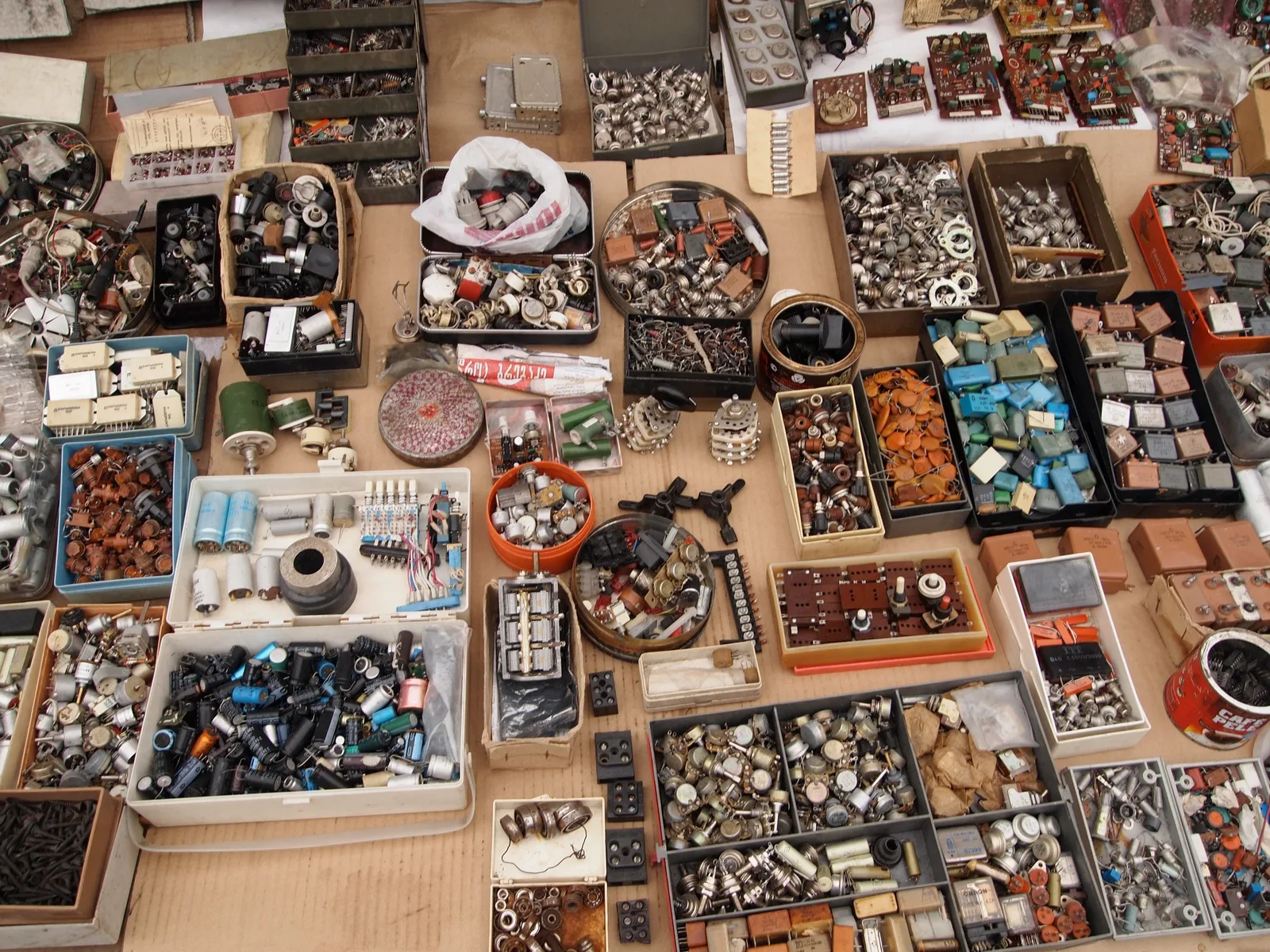
For grit and colour, browse the Dry Bridge flea market, where Soviet cameras, old medals, silverware and paintings spill along the riverside, ideal for an offbeat souvenir and some friendly haggling. Ride the funicular or cable car up to Mtatsminda Park for the widest view over the whole valley, especially at dusk. And leave time simply to sit in a courtyard cafe and watch the city go by, which is arguably the main event.
Eating well
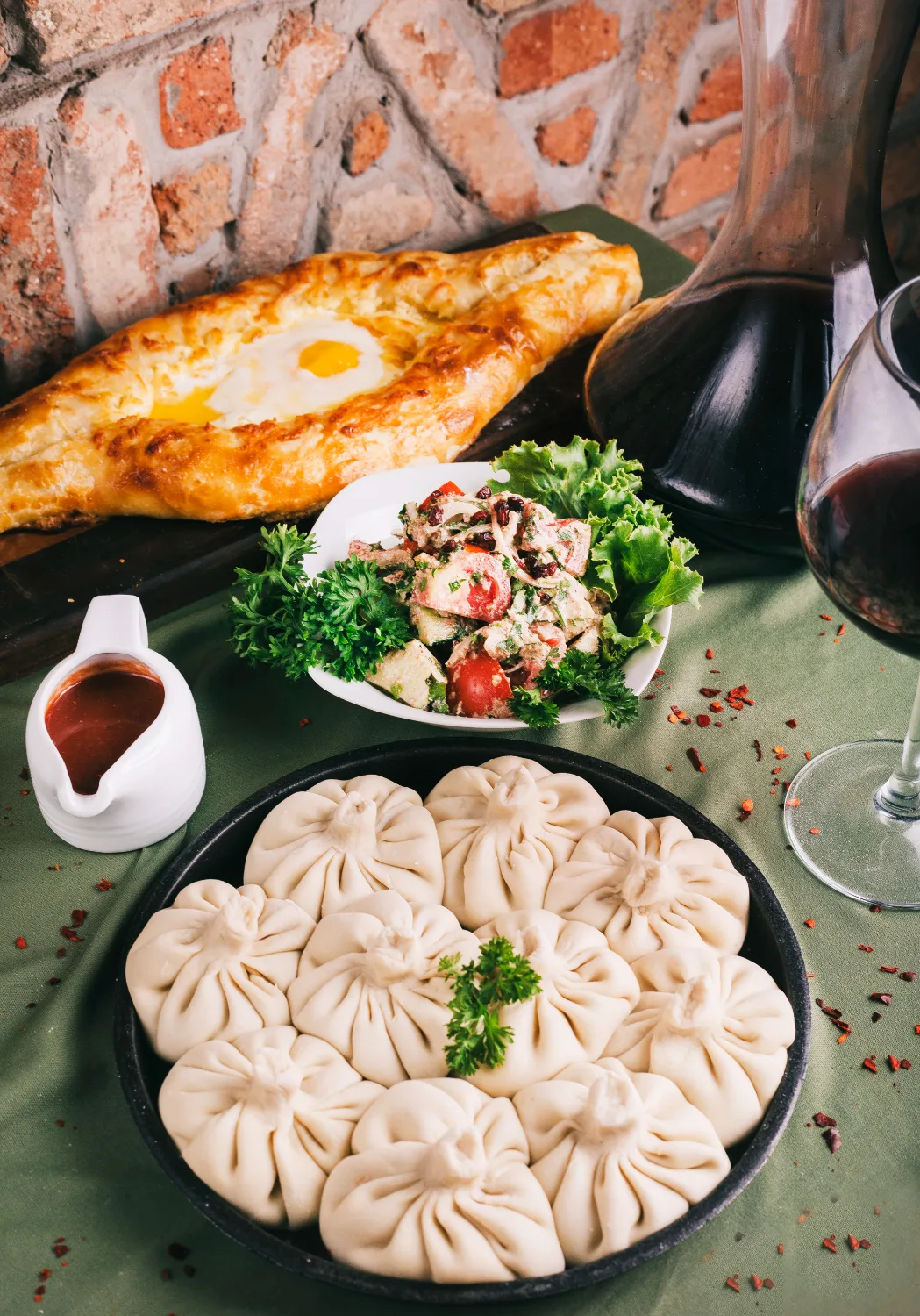
Tbilisi is a feast. Order khinkali, the juicy soup dumplings you eat by hand, and the city’s beloved khachapuri, cheese bread in its many forms. Seek out a proper supra if you can, the long Georgian feast with toasts led by a tamada, and do not skip the fresh tomato and walnut salads, grilled meats and clay-pot stews. Between the old-town institutions and the new-wave bistros around Vera and Fabrika, you could eat somewhere brilliant every night for a week.
Where to base yourself and day trips
Stay in the old town or Sololaki to be in walking distance of the baths, viewpoints and wine bars. Vera and Vake are leafier and cafe-rich, while around Fabrika suits the creative crowd. All are a cheap taxi from anywhere.
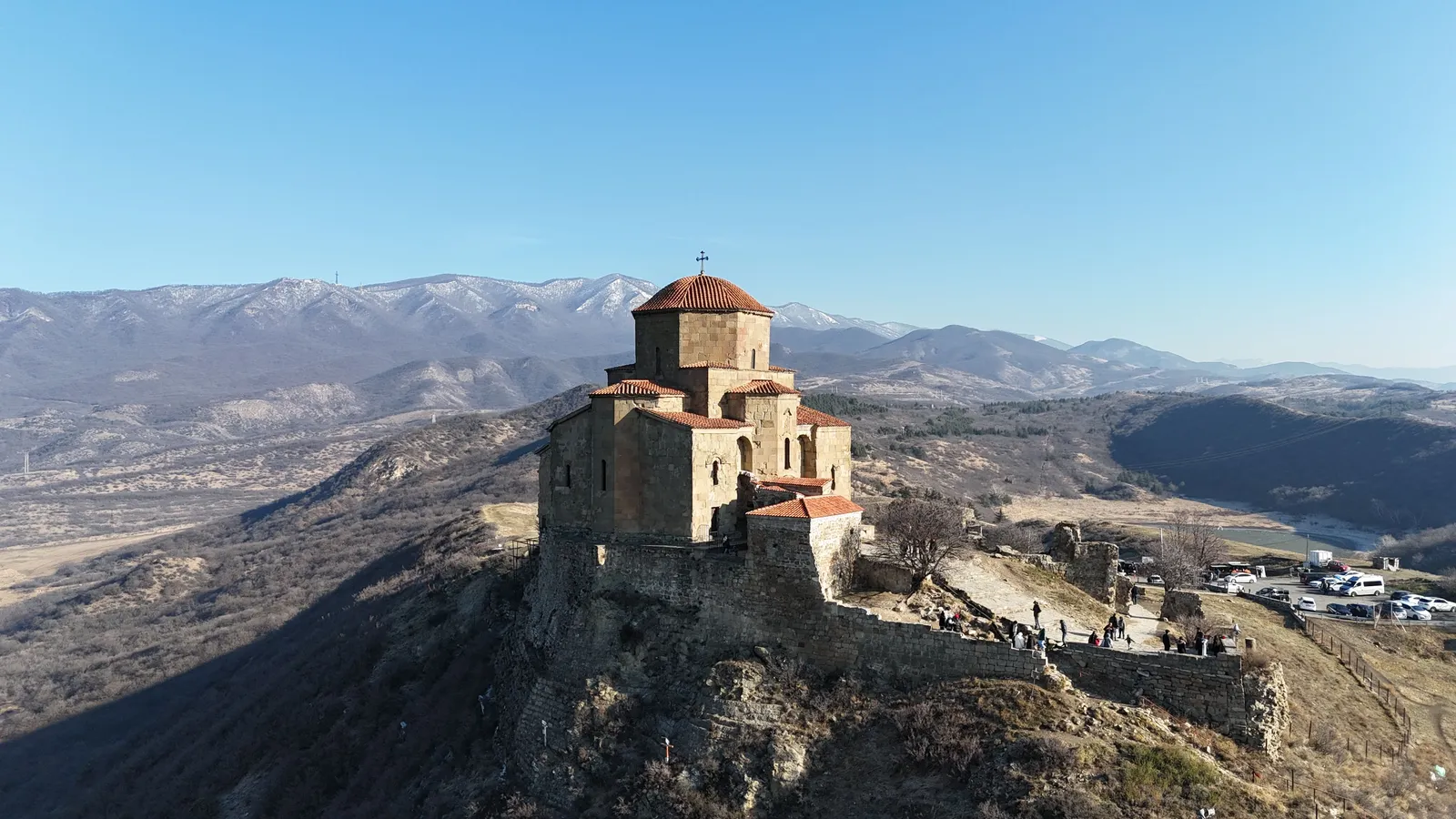
Use the city as a launchpad, too. The ancient capital of Mtskheta, with its riverside cathedral, is a half-day trip. The Kakheti wine region is an easy full day, and even the mountains of Kazbegi are reachable on a long day up the Military Highway. Two days in Tbilisi and a couple of these trips make a near-perfect first week in Georgia.
Two days, laid out
| When | Where | The point |
|---|---|---|
| Day one, morning | Old town on foot, Sioni and the lanes | The city at its oldest and densest |
| Day one, afternoon | Cable car, fortress, the ridge walk | The view that explains the geography |
| Day one, evening | Sulphur baths, then a wine bar | The two things Tbilisi does better than anywhere |
| Day two, morning | Dry Bridge market, riverside | Grit, colour and a souvenir |
| Day two, afternoon | Across the river to the creative quarter | Where the city is going |
| Day two, evening | A long dinner, ideally a supra | The reason people come back |
The order matters more than it looks. The old town is best early, the baths are best after a day on your feet, and dinner in Georgia is not something to squeeze in before something else.
The baths, and how it actually works
The sulphur baths are the single most distinctive thing to do in the city, and knowing the format removes the hesitation that stops people booking.
You hire a private room by the hour rather than sharing a public pool, which is how most visitors do it and what makes it comfortable for couples, friends and families alike. The room has a hot mineral plunge pool, a shower and somewhere to sit, and the water is naturally hot and unmistakably sulphurous, which is the point rather than a fault.
The kisa scrub is the add-on worth taking: brisk, thorough and slightly alarming the first time, and the reason people walk out feeling remade. Book ahead in the evenings and at weekends, when the good rooms go, and bring or hire a towel depending on the house.
Two small things. The smell stays with you for an hour or so, so plan it before dinner rather than before a bus. And an hour is genuinely enough for most people.
Where to stay, and the neighbourhood trade-off
Tbilisi is small enough that no central base is wrong, and each area gives you a different version of the city.
The old town and Sololaki put the baths, the lanes and the wine bars on your doorstep, which is the right call for a short first visit. The trade-off is noise and steep cobbles.
Vera and Vake are leafier and more residential, with the best everyday cafes and an easy walk or short ride into the centre, and they suit longer stays.
Around the creative quarter across the river is younger, cheaper and livelier at night, and it is where the coffee and the craft beer are, centred on a former Soviet sewing factory that became the city’s creative hub.
Wherever you land, taxis are cheap enough that being fifteen minutes out is a saving rather than a sacrifice.
Using the city as a base
Tbilisi’s real advantage is how much of Georgia is reachable from it, which is why most itineraries anchor here rather than moving every night.
The wine country is the classic full day, and the one that changes how people think about the country; our Kakheti wine guide covers the cellars, the harvest season and why a family table there is worth the drive.
The Black Sea coast is the other direction entirely and belongs to a different kind of trip, seasonal, humid and lively, and our Batumi guide covers what the coastal city offers and when it is worth the journey.
And the mountains are a long day or, better, an overnight, which is the version worth doing if the schedule allows it at all.
Getting around the city
Tbilisi is walkable at its heart, and the old town, baths and viewpoints all string together on foot. For longer hops, the metro is fast, cheap and easy, with just two lines that cover the main axis of the city, and you pay with a rechargeable Metromoney card that also works on the buses. Taxis and ride-hailing apps like Bolt are inexpensive and the simplest way to reach the Dry Bridge, Fabrika or a late dinner across the river, so there is rarely a need to stress about transport. Note that some old-town streets are steep and cobbled, so comfortable shoes matter more than a map.
A few practical notes
A handful of small things smooth out a Tbilisi visit. The city runs on the lari (GEL), and while cards are widely accepted, it is worth carrying some cash for the flea market, small cafes and the baths. Tipping is appreciated but modest, with around ten percent standard in restaurants. Churches ask for modest dress, so keep shoulders and knees covered and, for women, a light scarf handy. And build in time simply to sit, because Tbilisi is a city that reveals itself slowly, over a glass of amber wine and a long conversation, rather than all at once from a checklist.
If you would rather have the week planned, our five days in Tbilisi lays out the old town, the baths, the Soviet city, Mtskheta and the cave town at Uplistsikhe from one base.
For a thread through the city that most visitors miss entirely, our guide to Jewish heritage in Georgia covers the synagogues, the museum and one of the oldest communities anywhere.
Two decisions shape a Tbilisi visit more than any sight on this page. Which district you sleep in changes the city you experience, since the old town, the sulphur baths quarter, the boulevard and the left bank are four different neighbourhoods with four different evenings; our guide to where to stay in Tbilisi breaks them down. And how long the city gets depends on what else is in the trip, because Tbilisi is both the arrival point and the place people wish they had given another day.