Georgia has one of the oldest Jewish communities in the world and, unusually for the region, a history that Georgians themselves tell with pride rather than discomfort. The country’s record on this is a point of national self image: a long coexistence, no history of the persecutions that shaped Jewish life elsewhere in Europe, and a set of shared institutions that ran for centuries. Most of the community emigrated in the second half of the twentieth century, so what a visitor finds now is a small living community and a large amount of surviving fabric, in cities and in towns that are otherwise unremarkable on a tourist route.
The shape of the history
Very old, with a presence commonly dated to around twenty six centuries and marked as such.
Distinct from the Ashkenazi story, with its own liturgy, language usage and customs.
Two strands, the long established Georgian community and later Ashkenazi arrivals from the north.
Urban and small town, with quarters in Tbilisi, Kutaisi, Oni and elsewhere.
A Soviet chapter, in which religious life was suppressed and buildings repurposed.
And a large emigration, mostly in the later twentieth century, which is why the fabric outlives the population.
What there is to see
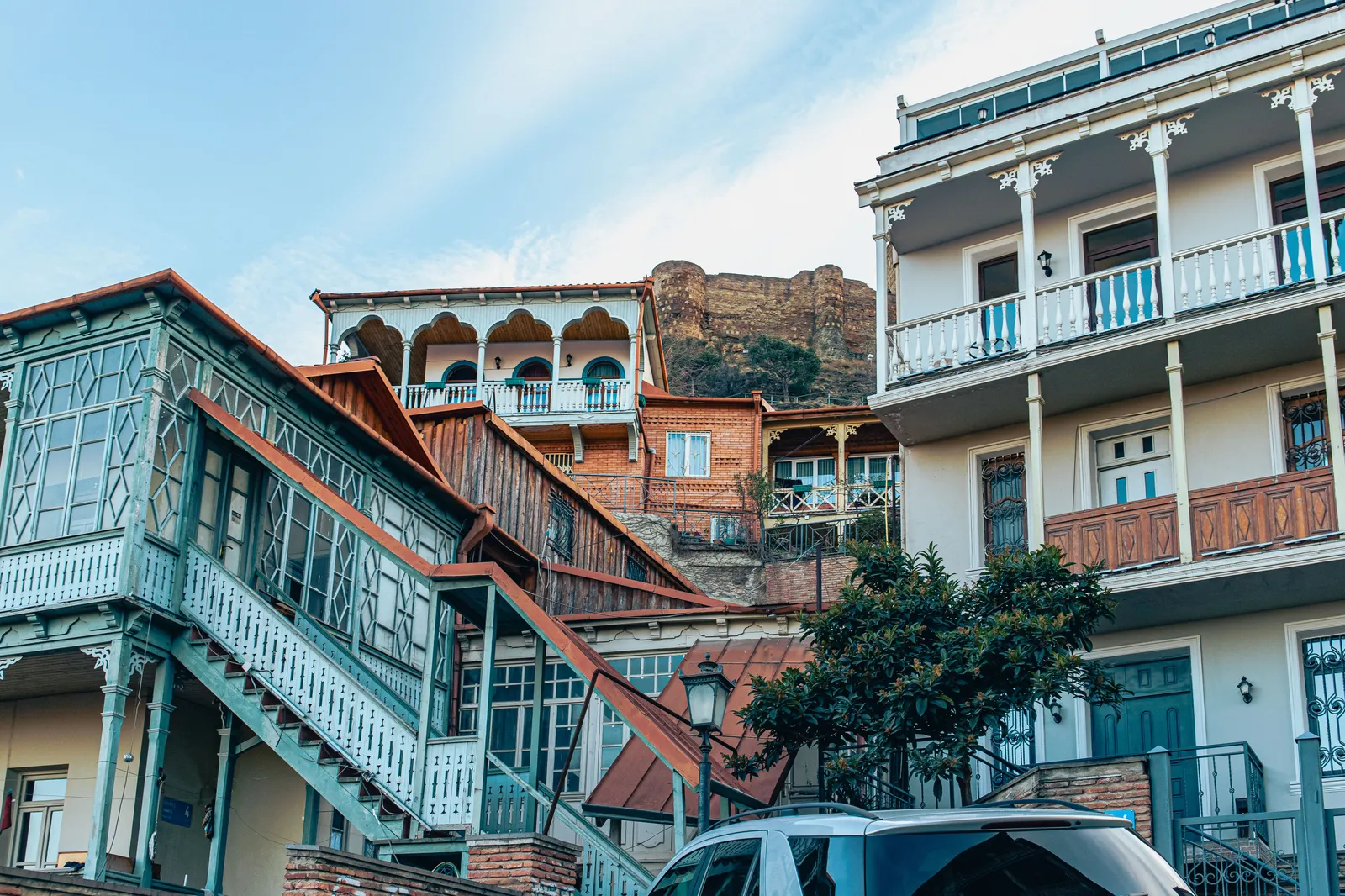
The main Tbilisi synagogue, a working building in the old town below the fortress.
The museum of the history of Georgian Jews, in a former synagogue in the capital.
Kutaisi’s synagogue quarter, which is the strongest single concentration outside Tbilisi.
Mountain and small town buildings, several surviving and some still in use.
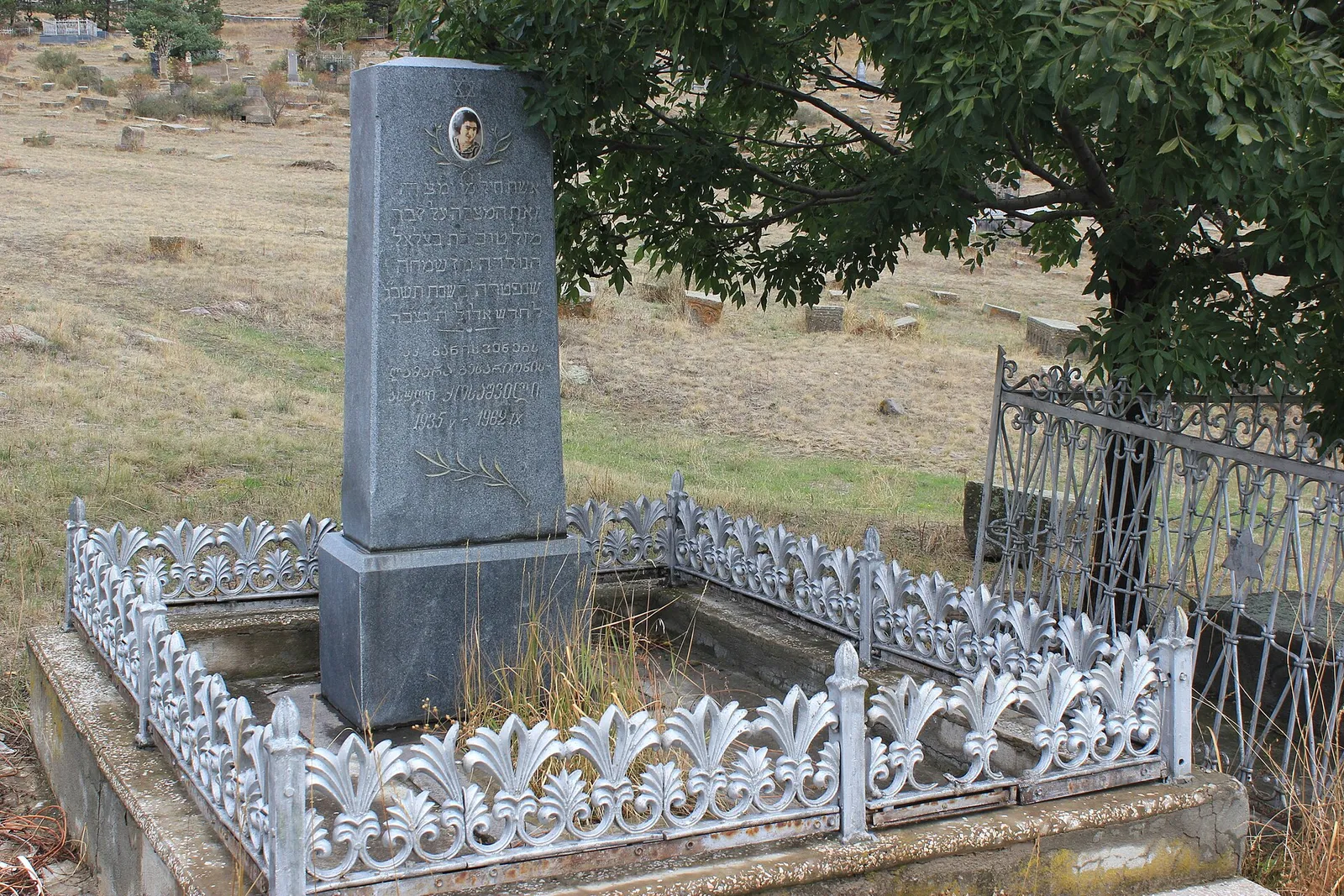
Old cemeteries, which are often the oldest surviving evidence in a given town.
And the quarters themselves, where the streets are the exhibit rather than any single building.
Eating, and how to ask
Ask the community directly, in advance, and take their current answer over any published one.
Supervision standards differ between communities and between countries, which is the reason a list travels badly.
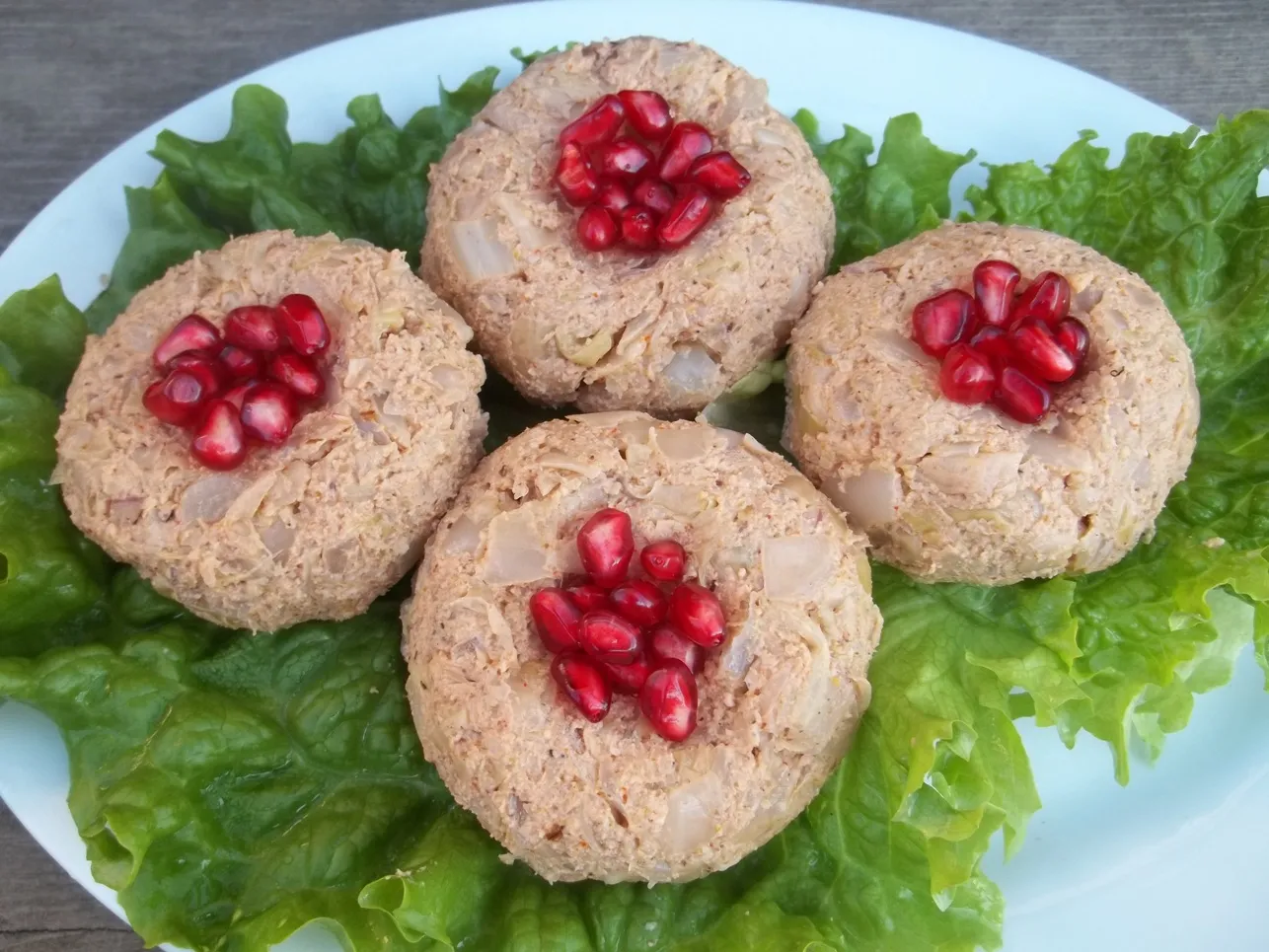
Georgian cooking helps, being heavy on vegetables, beans, walnuts, herbs and bread.
Ask about ingredients specifically rather than about the cuisine in general, since the answers are dish by dish.
Self catering is easy here, with excellent markets in every town.
And plan the remote days, because the mountains have guesthouses rather than choices.
Practical notes
Cover as you would at any religious site here, which Georgian churches expect too.
Check opening times the same week, not the same month.
Photography inside is not always welcome; ask first.
Shabbat changes what is open and what is reachable, so plan the week around it rather than into it.
A guide with a community connection is worth more here than in almost any other subject in Georgia.
And leave a donation where you are shown round, which is normal and unspoken.
Where this fits in a Georgian trip
As a thread through Tbilisi and a half day in Kutaisi, rather than as a separate circuit.
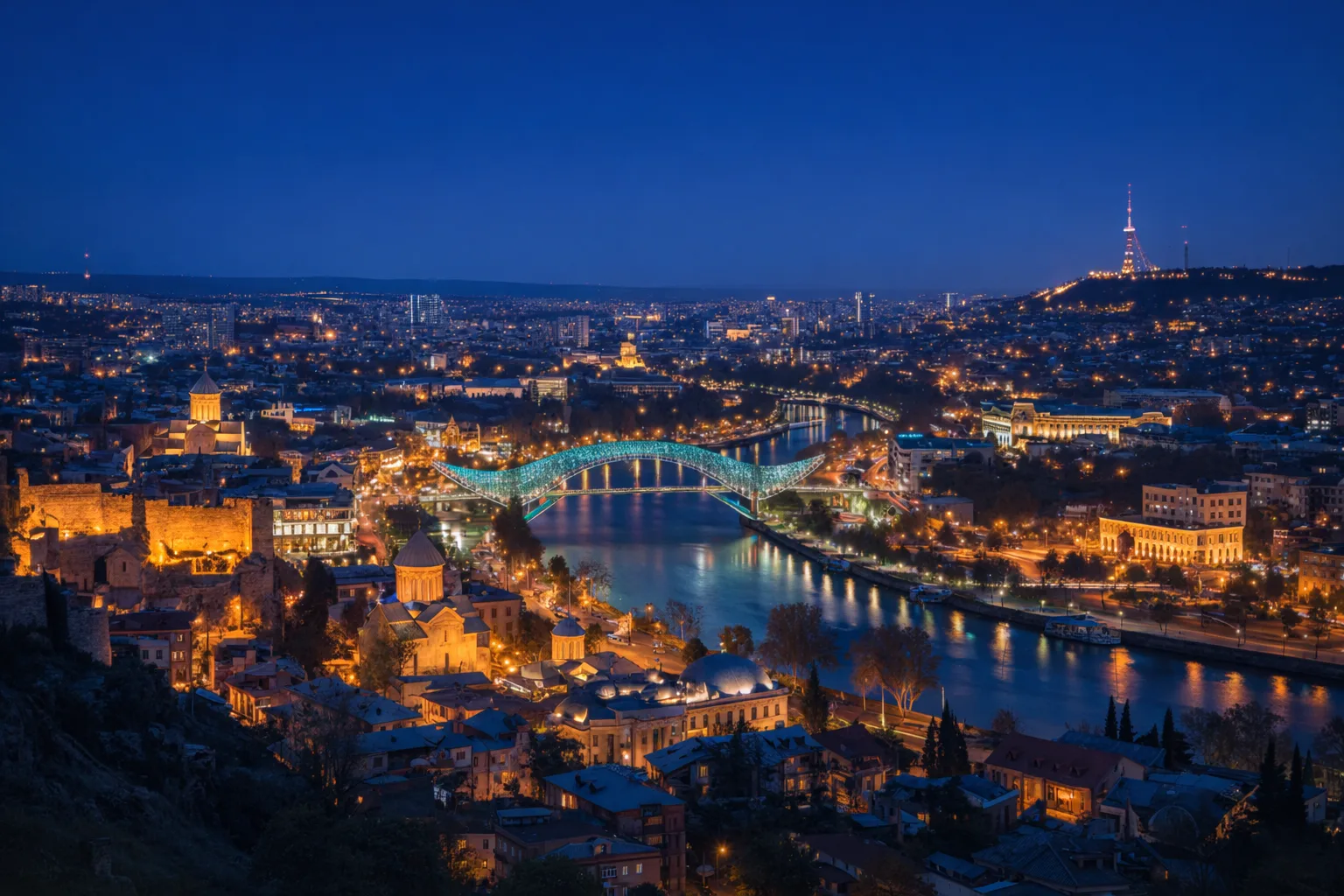
For the capital and how the old town fits together, our Tbilisi guide covers the ground.
For eating around a dietary restriction in this country, which is the same practical problem in a different key, our vegetarian guide covers what is on the menu.
And for the older religious history of the country and the town at its centre, our Mtskheta day trip covers that side.
The short version
Treat this as a thread through a normal Georgian trip rather than a circuit of its own. Start at the museum in Tbilisi for the history, see the working synagogue in the old town, and give Kutaisi half a day for its quarter. Write to the community a week ahead, because most of what is worth seeing is locked between services and a phone number solves that. Ask the same people about food rather than trusting any published list, since the arrangements change. And expect the story to be a happier one than the equivalent almost anywhere else in Europe, which is the part Georgians will want to tell you about.