Georgia has a reputation as a meat country, built on grilled skewers, pork stews and dumplings full of beef. It is also, quietly, one of the easiest places in the region to eat well without meat, because a large part of the traditional repertoire was built around walnuts, beans, aubergines and cheese rather than around a joint. The obstacle is not the kitchen. It is that nobody labels any of it, and a visitor scanning a menu for the word vegetarian will find nothing and conclude the worst.
The dishes to know by name
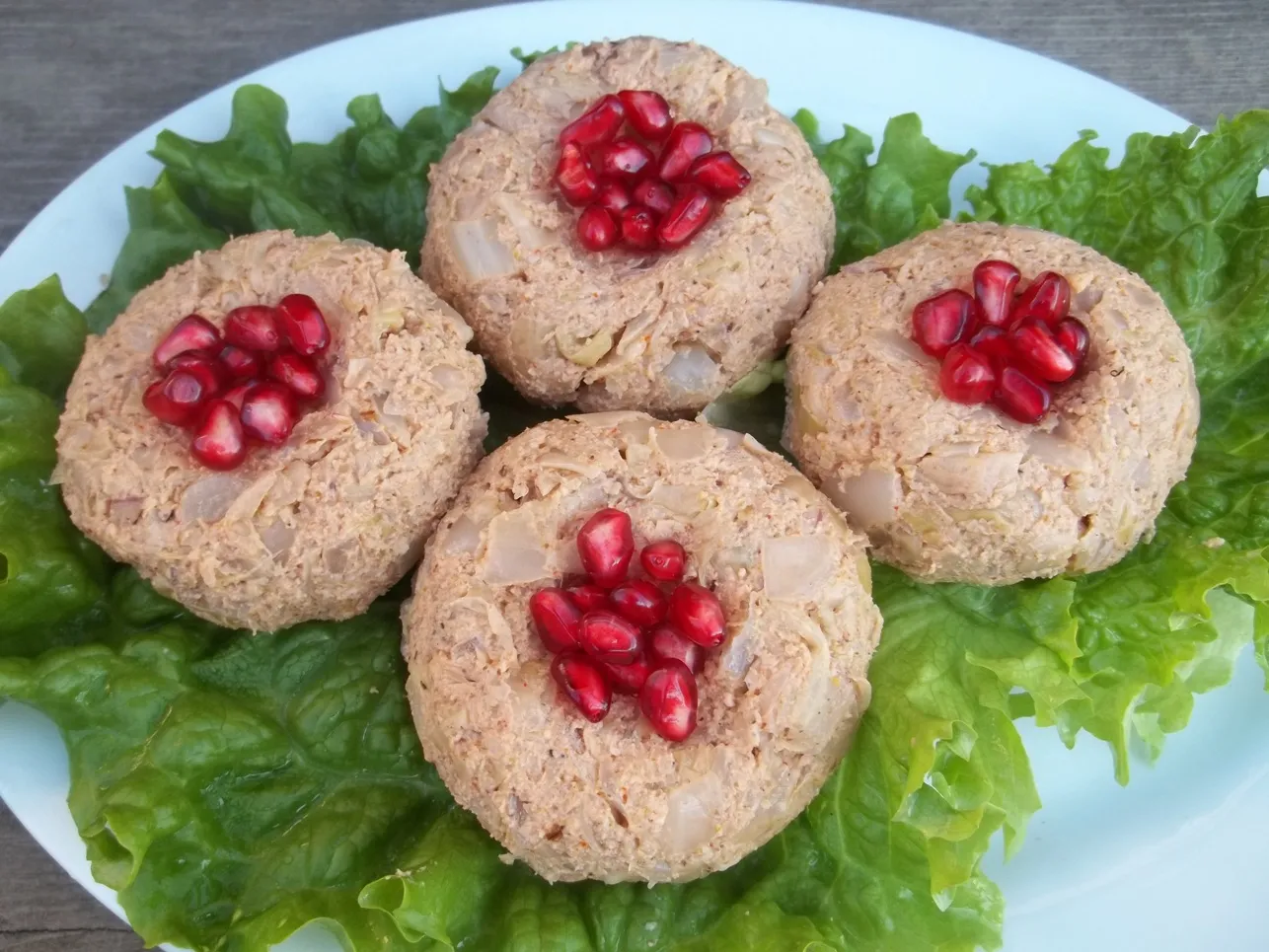
Pkhali, cold walnut and vegetable pastes, made with spinach, beetroot, aubergine or leek, topped with pomegranate.
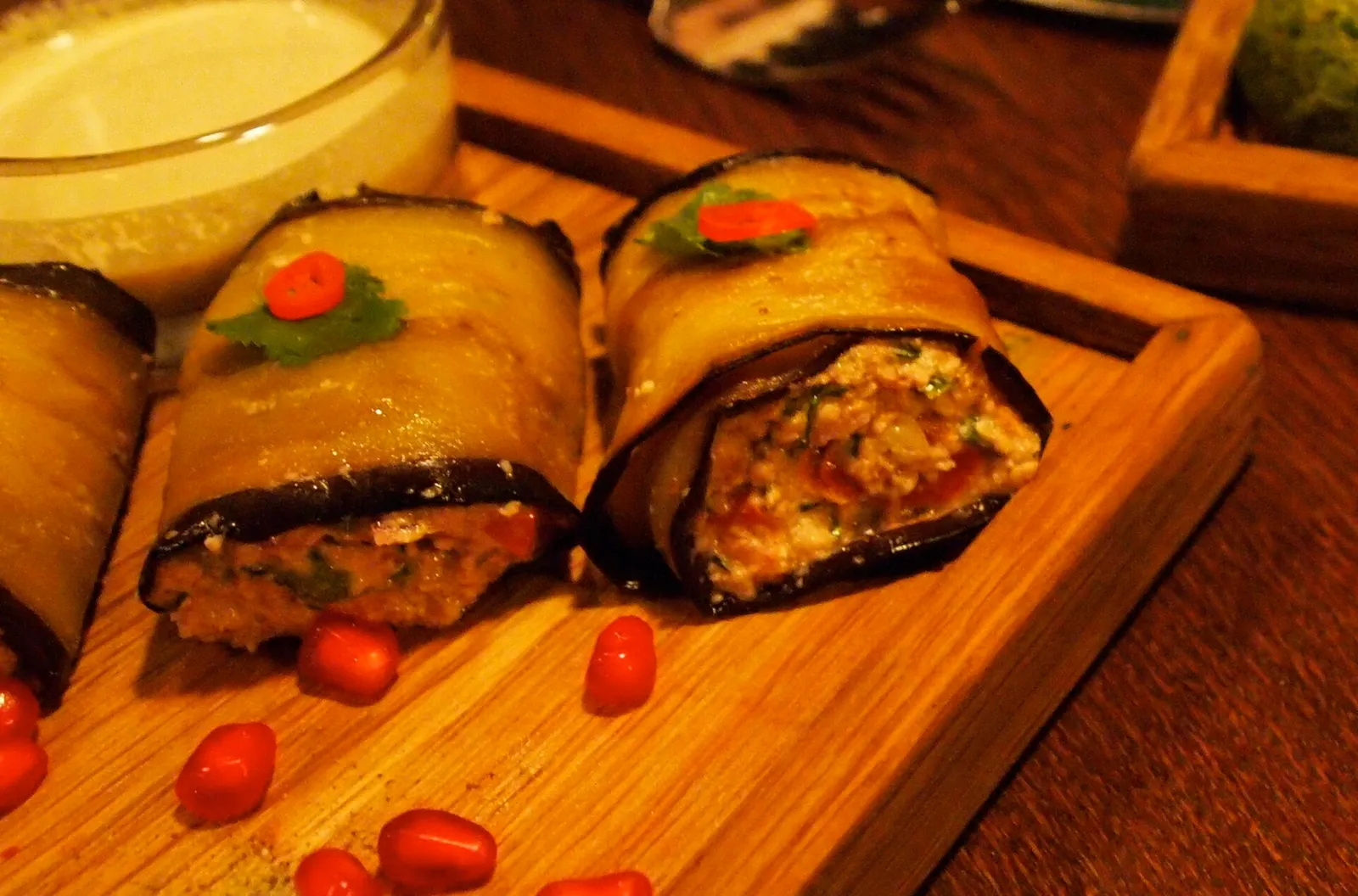
Badrijani nigvzit, fried aubergine slices rolled around walnut paste.
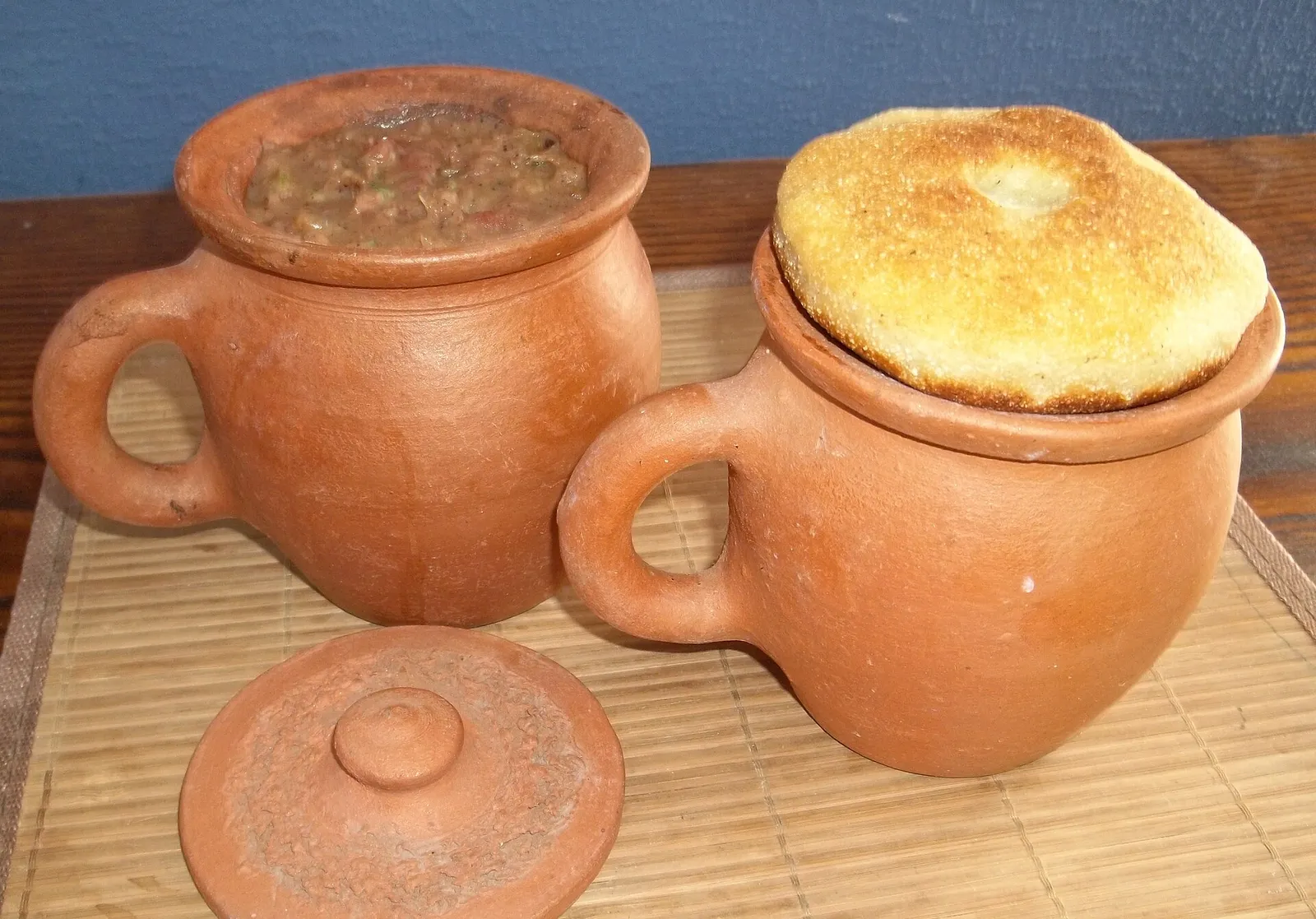
Lobio, spiced bean stew served in a clay pot with cornbread, which is a full meal.
Ajapsandali, a stewed dish of aubergine, tomato and pepper, similar in spirit to ratatouille.
Soko ketsze, mushrooms baked in a clay dish, sometimes with cheese and sometimes without.
Lobiani, bread filled with spiced beans, which is the vegan cousin of khachapuri.
The rest of the table
Tomato and cucumber salad with walnut dressing, which is on every menu in the country.
Mchadi, cornbread, and elarji, cornmeal beaten with cheese, from the west.
Gebzhalia, cheese in mint infused yoghurt, from Samegrelo.
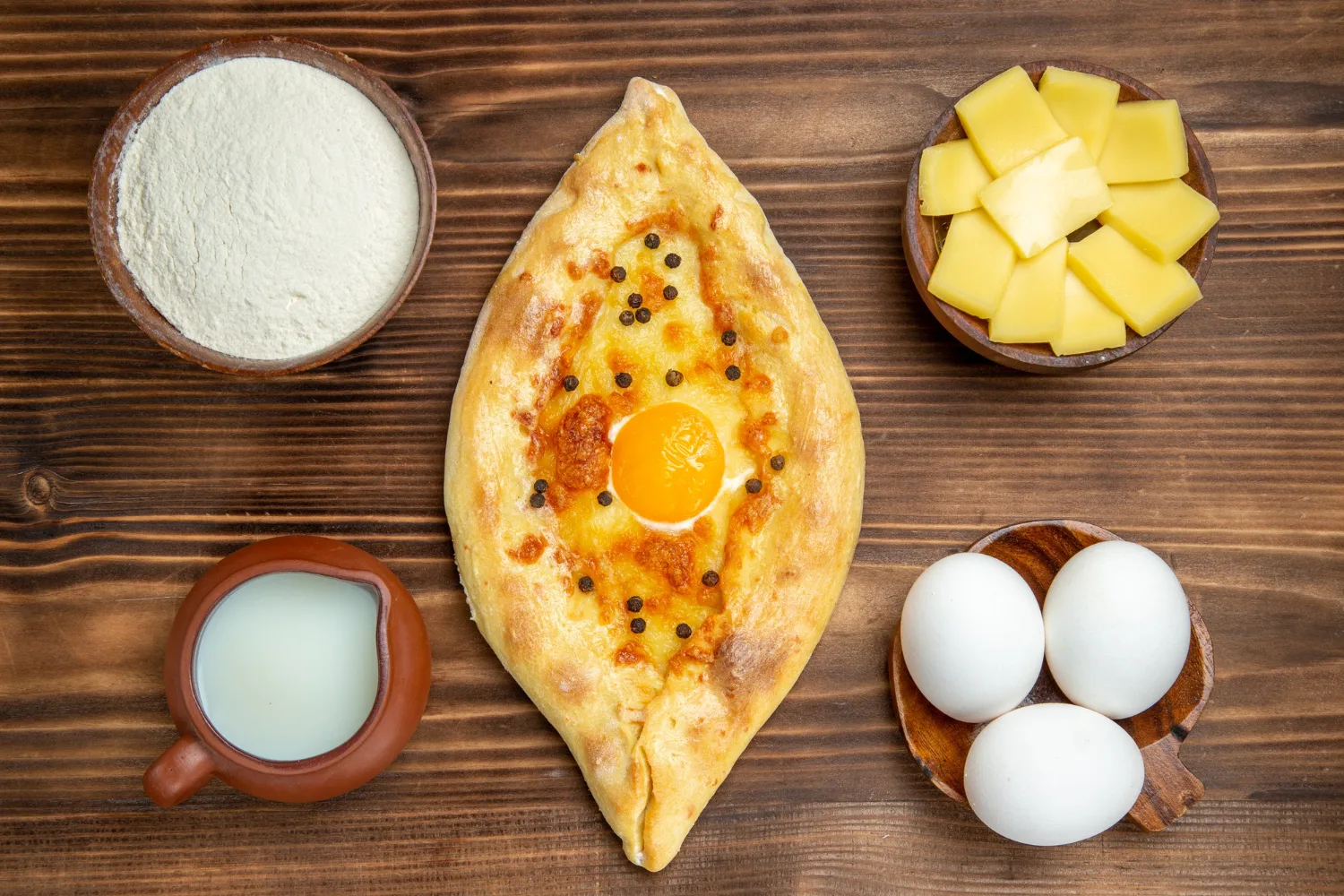
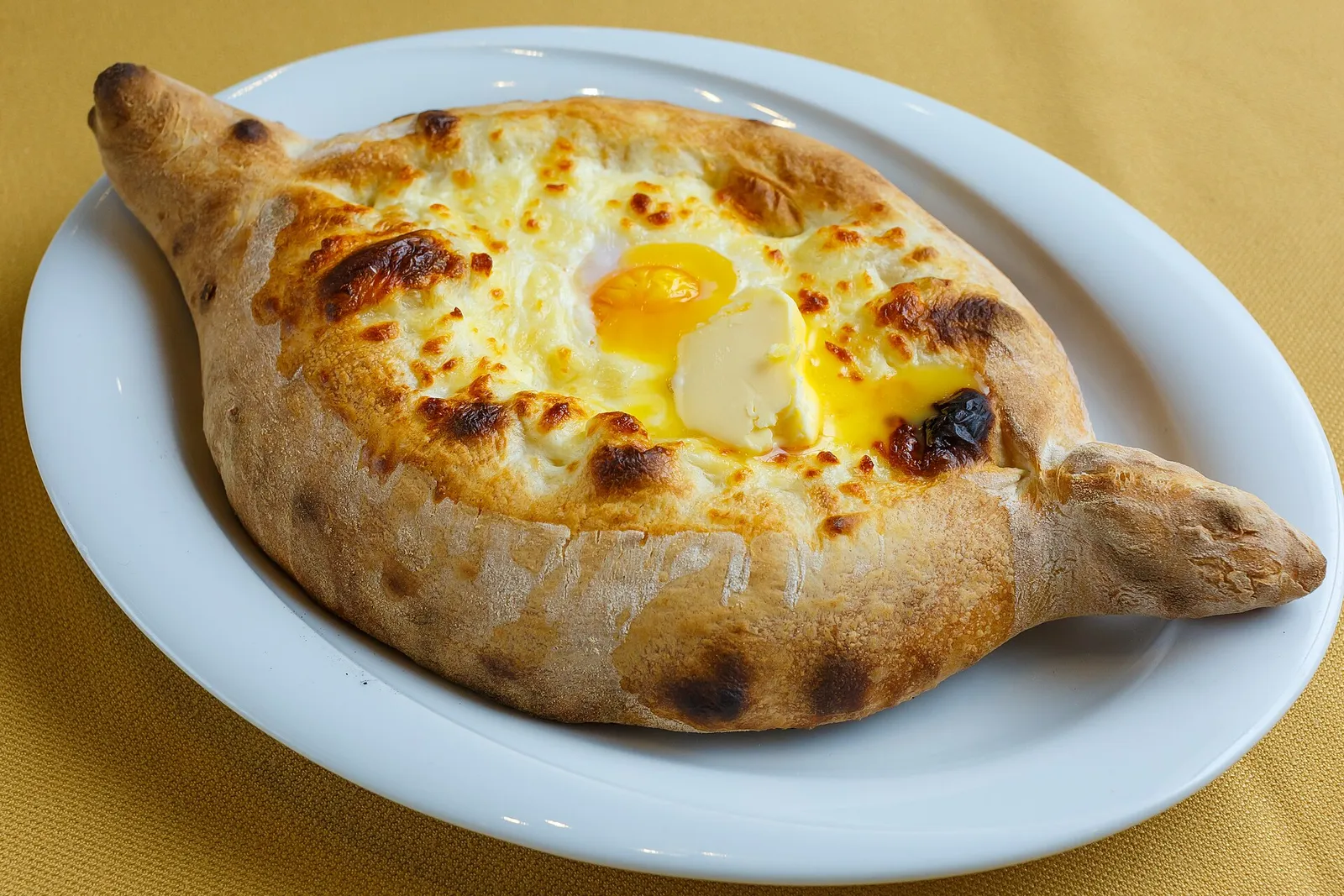
Khachapuri, in all its regional versions, which is vegetarian if not vegan.
Tkemali, sour plum sauce, which is vegan and lifts everything.
Pickles and preserves, which arrive unasked and are excellent.
The traps
Meat stock in soups and in some bean dishes, which is worth asking about specifically.
Rennet in the cheeses, which matters to some vegetarians.
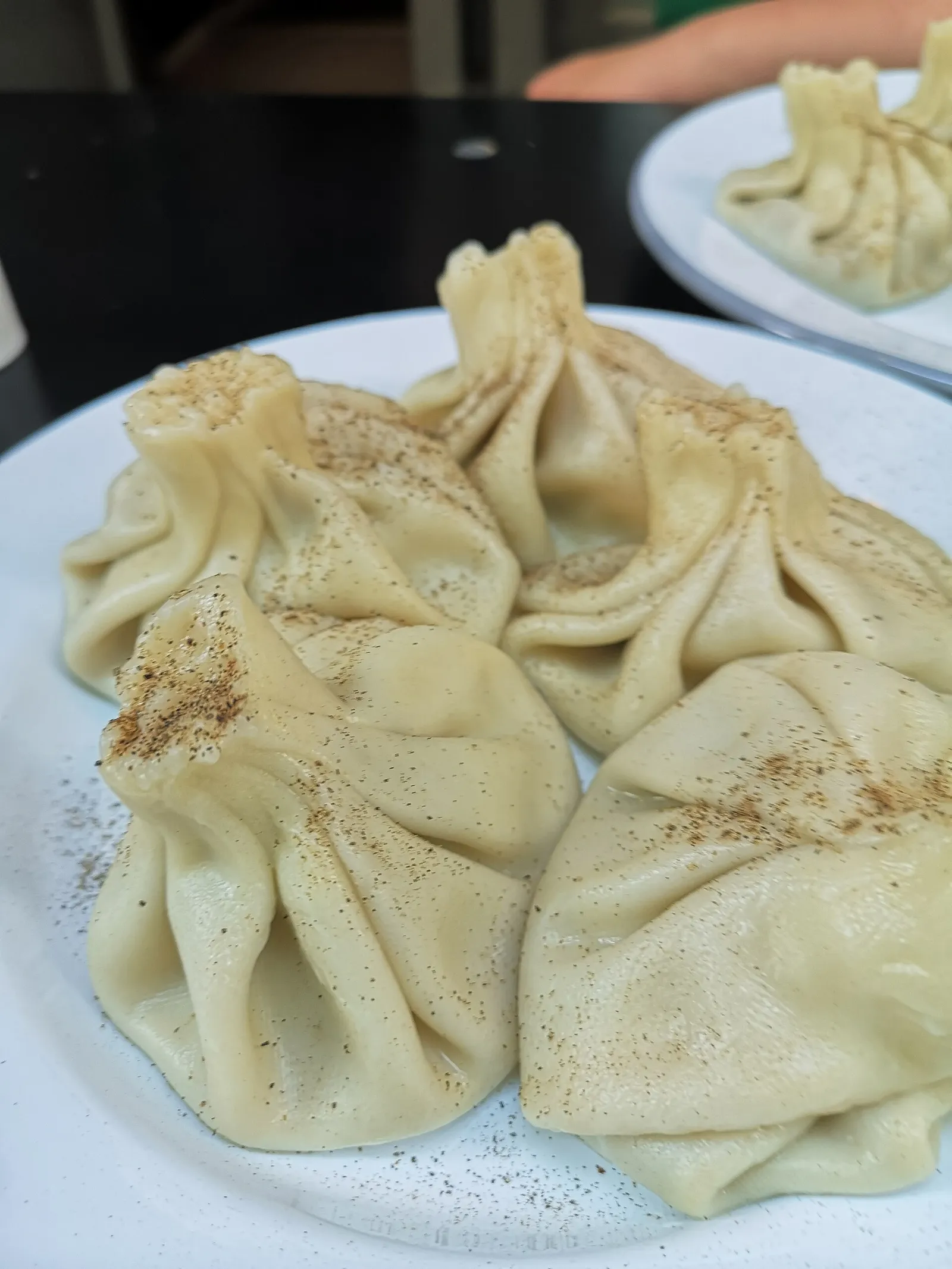
Potato khachapuri and khinkali, which sometimes contain meat.
Grilled vegetables cooked on the same grill as the skewers.
A confident yes to a general question, which is politeness rather than information.
Village guesthouses, where the answer is usually generous rather than accurate; name the dishes instead.
Practical notes
Order several small dishes rather than a main course, which is how Georgians eat anyway.
Bakeries are reliably good: lobiani, mchadi and the cheese breads.
Markets solve breakfast: bread, cheese, tomatoes, walnuts, dried fruit.
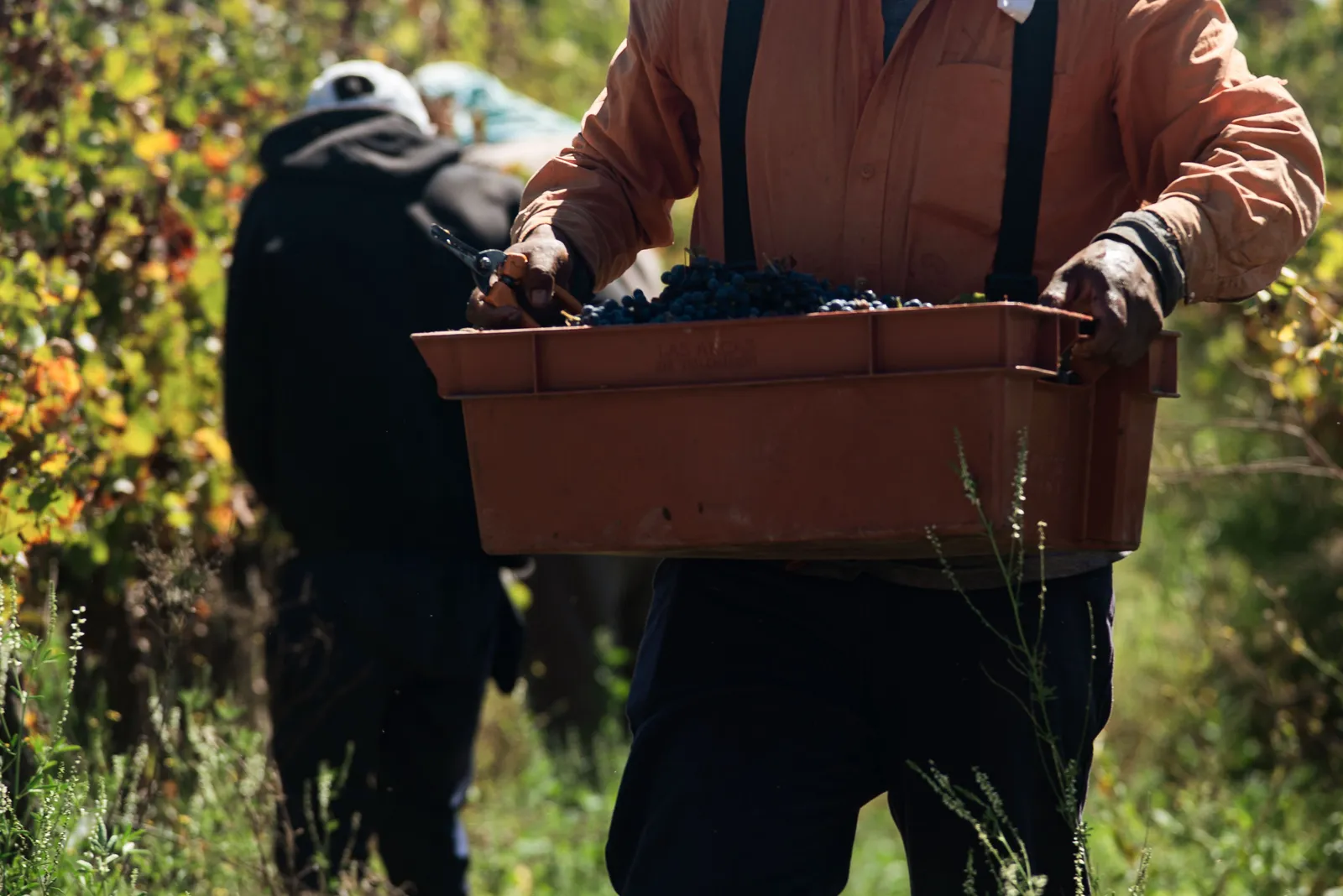
Wine is vegan in most Georgian production, though filtration methods vary.
Guesthouses will cook to request with notice, and will do it well.
Nuts and pomegranate carry more of this cuisine than people expect.
Where this fits in a Georgia trip
Nothing needs to change about the itinerary, only about which words you use to order.
For the full picture of what Georgian food actually is, our guide to Georgian food covers the ground.
For the dumpling everybody asks about, including its meat free versions, our guide to eating khinkali covers the method.
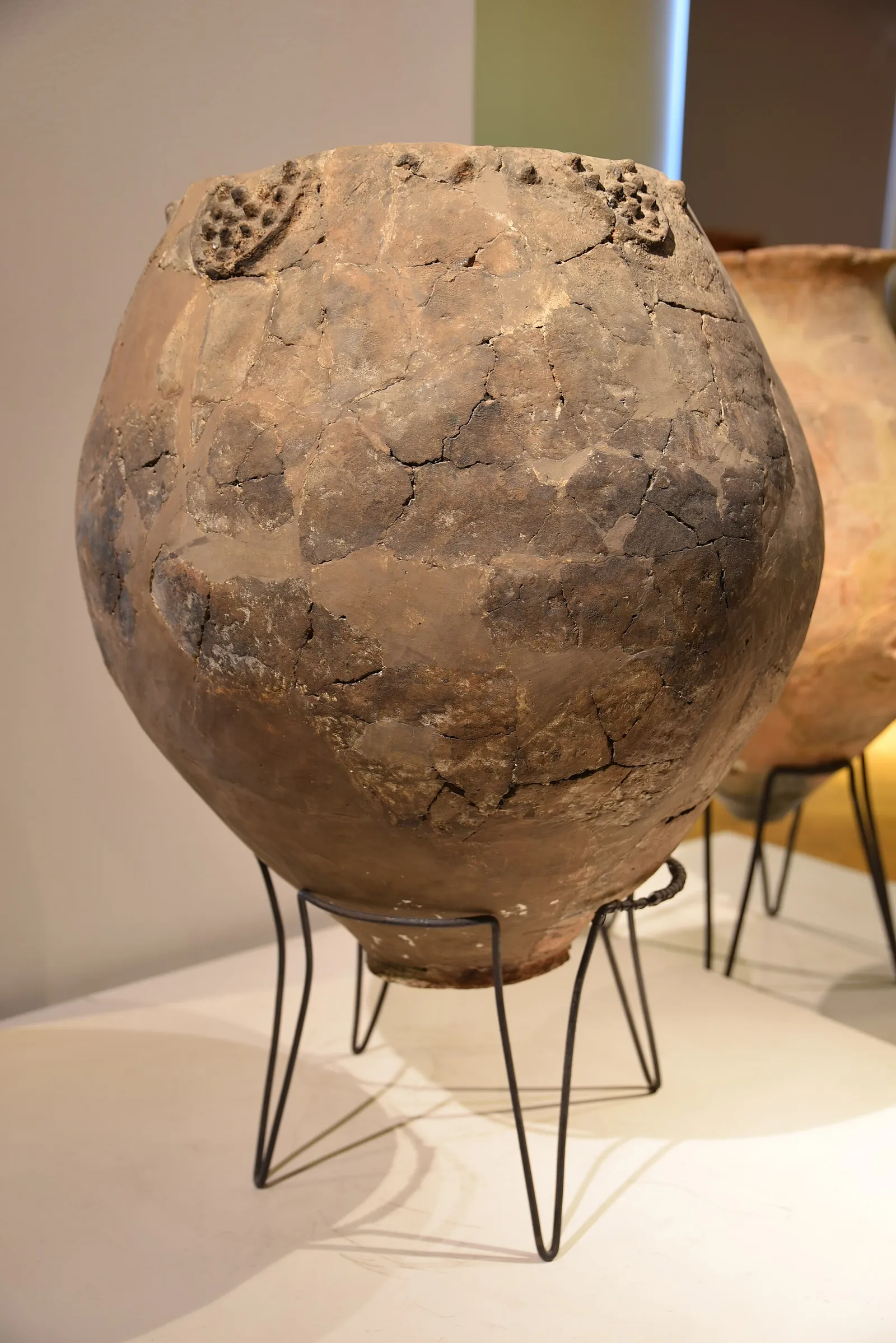
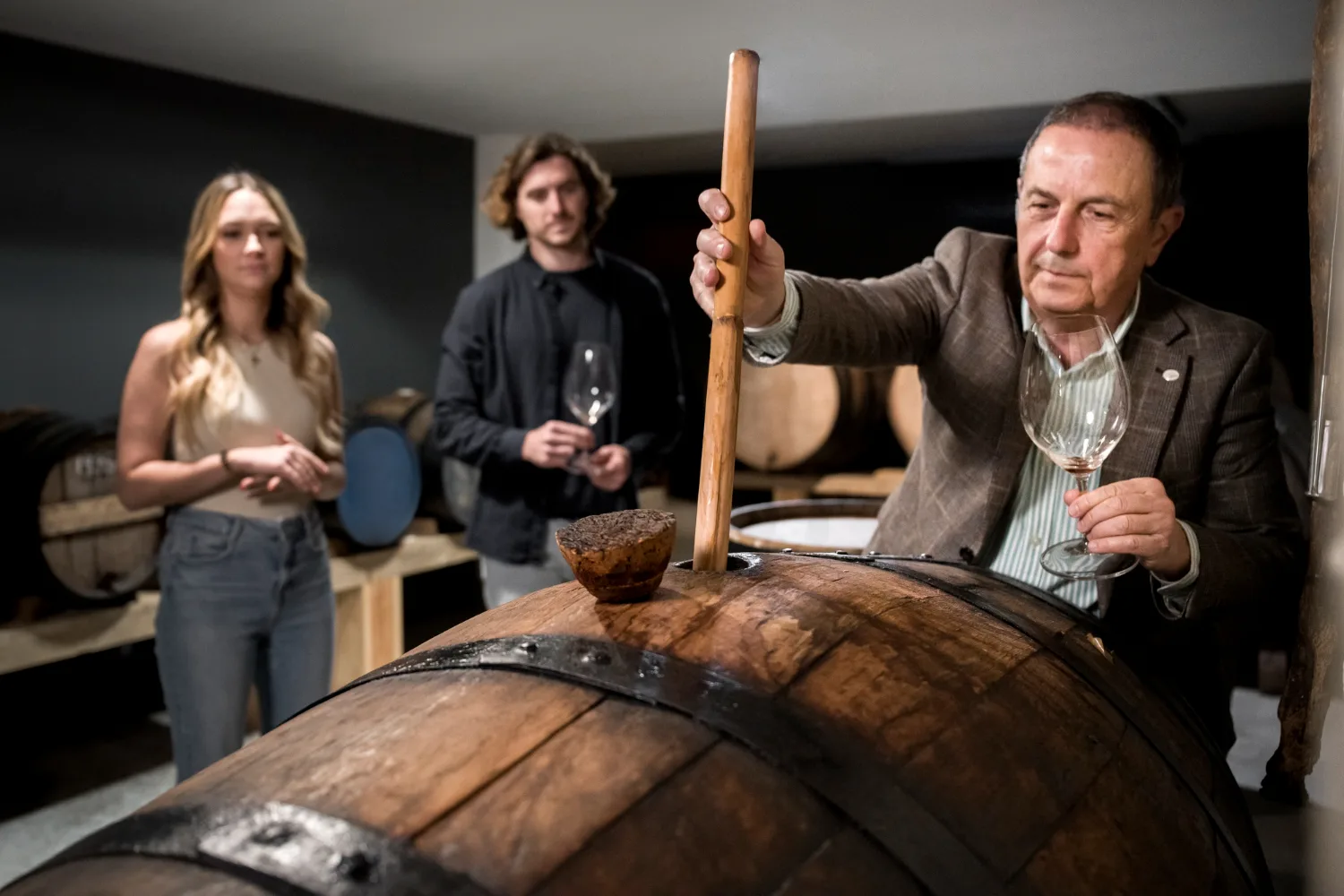
And for what to drink with all of it, our guide to natural wine in Kakheti covers the qvevri tradition.
The short version
Learn six dish names, pkhali, badrijani nigvzit, lobio, ajapsandali, lobiani and soko ketsze, and you can order well anywhere in the country. Ask whether something is suitable for fasting rather than whether it is vegetarian, because the fasting category is religious, precise and universally understood, and it excludes dairy and eggs as well as meat. Order several small dishes rather than a main. Use bakeries and markets. And ask specifically about stock in the soups.