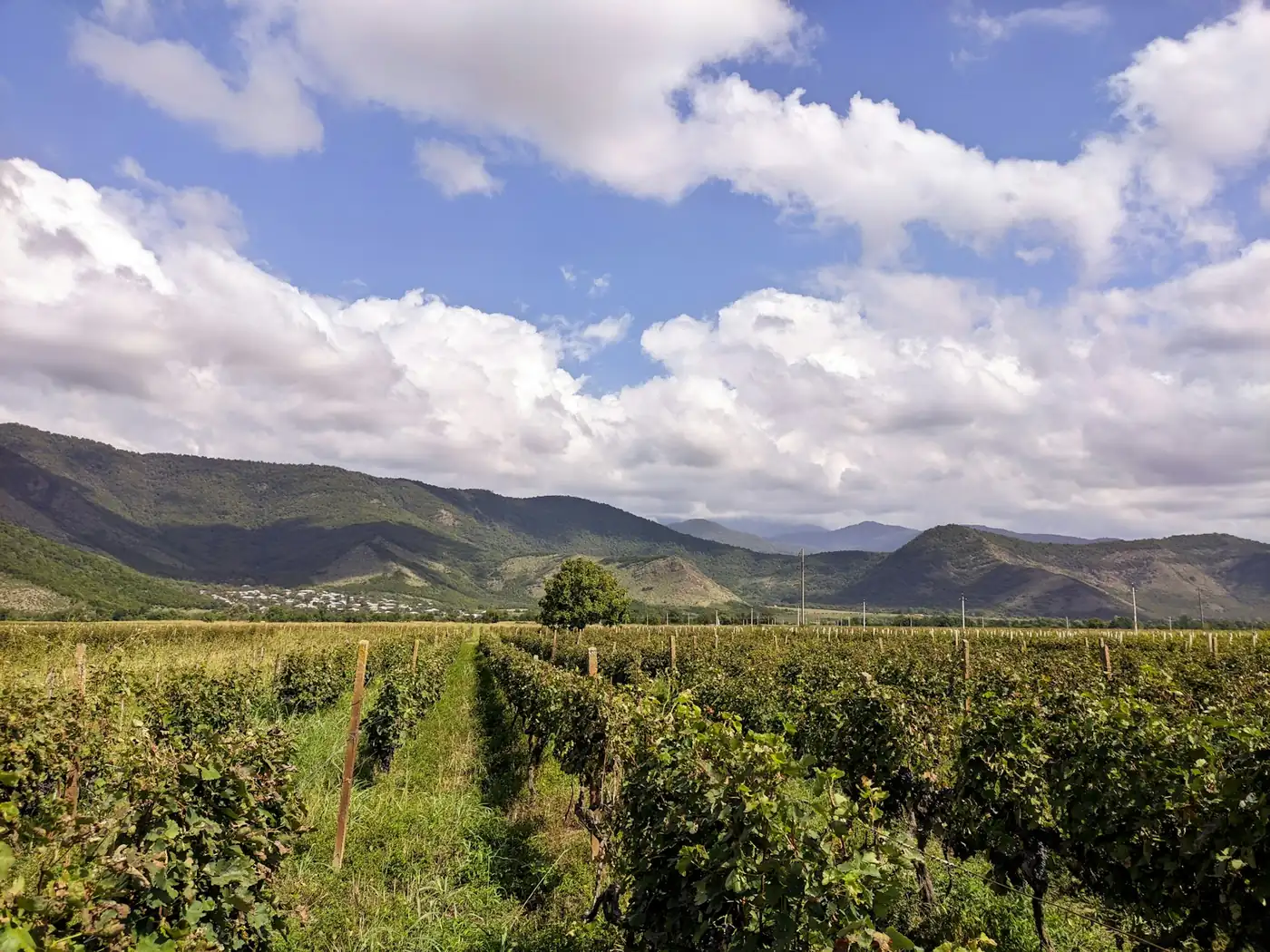
The first cellar I visited in Kakheti was a garage. A man named Zaza pushed aside a curtain, ladled amber wine straight from a clay qvevri buried under his floor, and handed me a glass before I had even sat down. Twenty minutes later his wife had put out bread, sulguni cheese and a plate of tomatoes, and the tasting had quietly turned into lunch. That is the thing nobody tells you about wine touring in Kakheti: it is rarely just about the wine, and planning it well means planning for the food, the driving and the pace as much as the bottles.
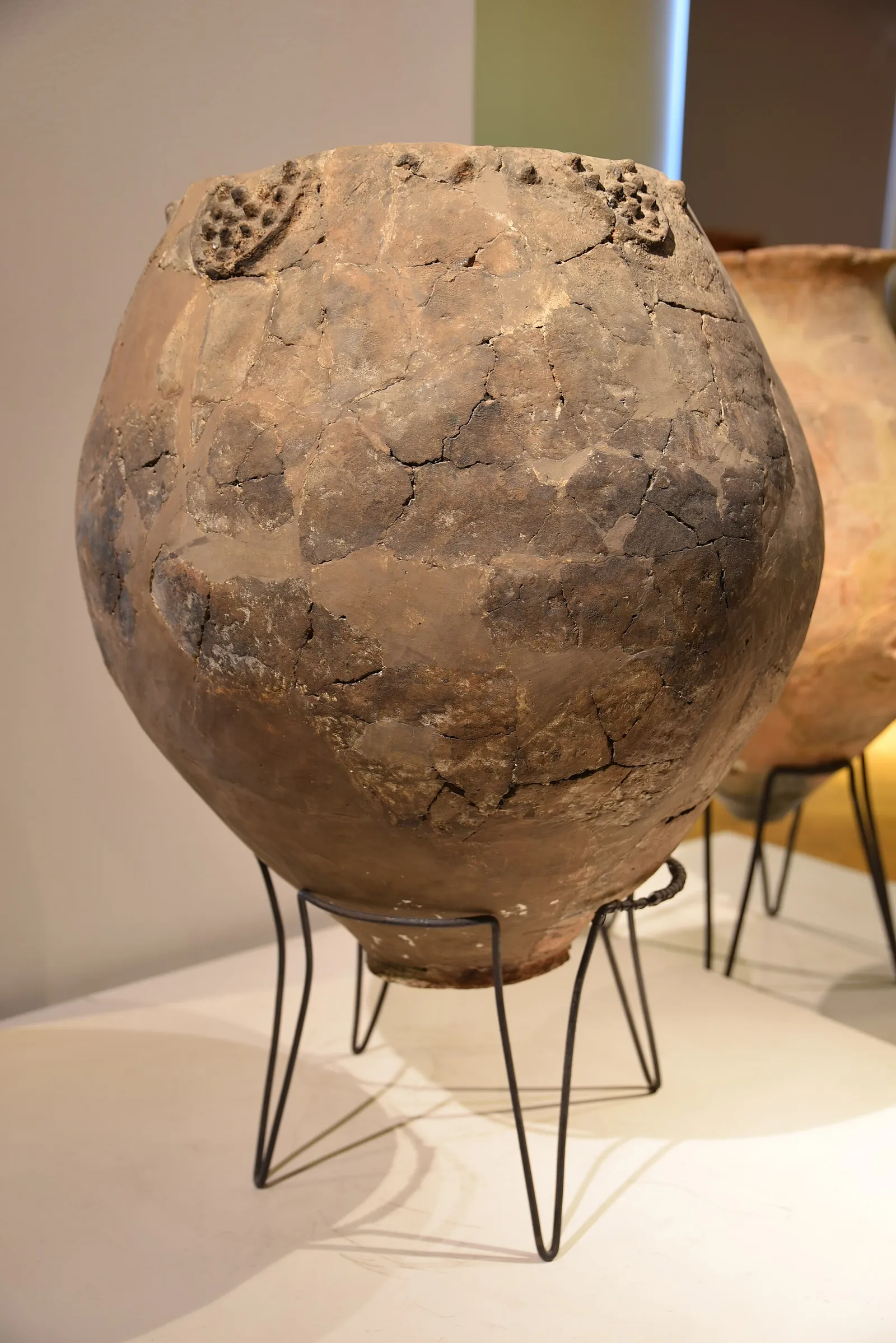
Kakheti is Georgia’s main wine region, a two to three hour drive east of Tbilisi, and it is where the ancient qvevri method still runs the show. Below is what I wish I had known before my first trip, so you can build a couple of days that feel relaxed rather than rushed.
Large estates or small family cellars, which should you choose?
This is the first real decision, and the honest answer is that you want both.
The large estates, places like Khareba, Shumi and Teliani Valley, are polished and easy. They have proper tasting rooms, printed menus, staff who speak English, tunnels or museums, and a shop that takes cards. You can book online, they run to a schedule, and they are a safe bet if you are new to Georgian wine.
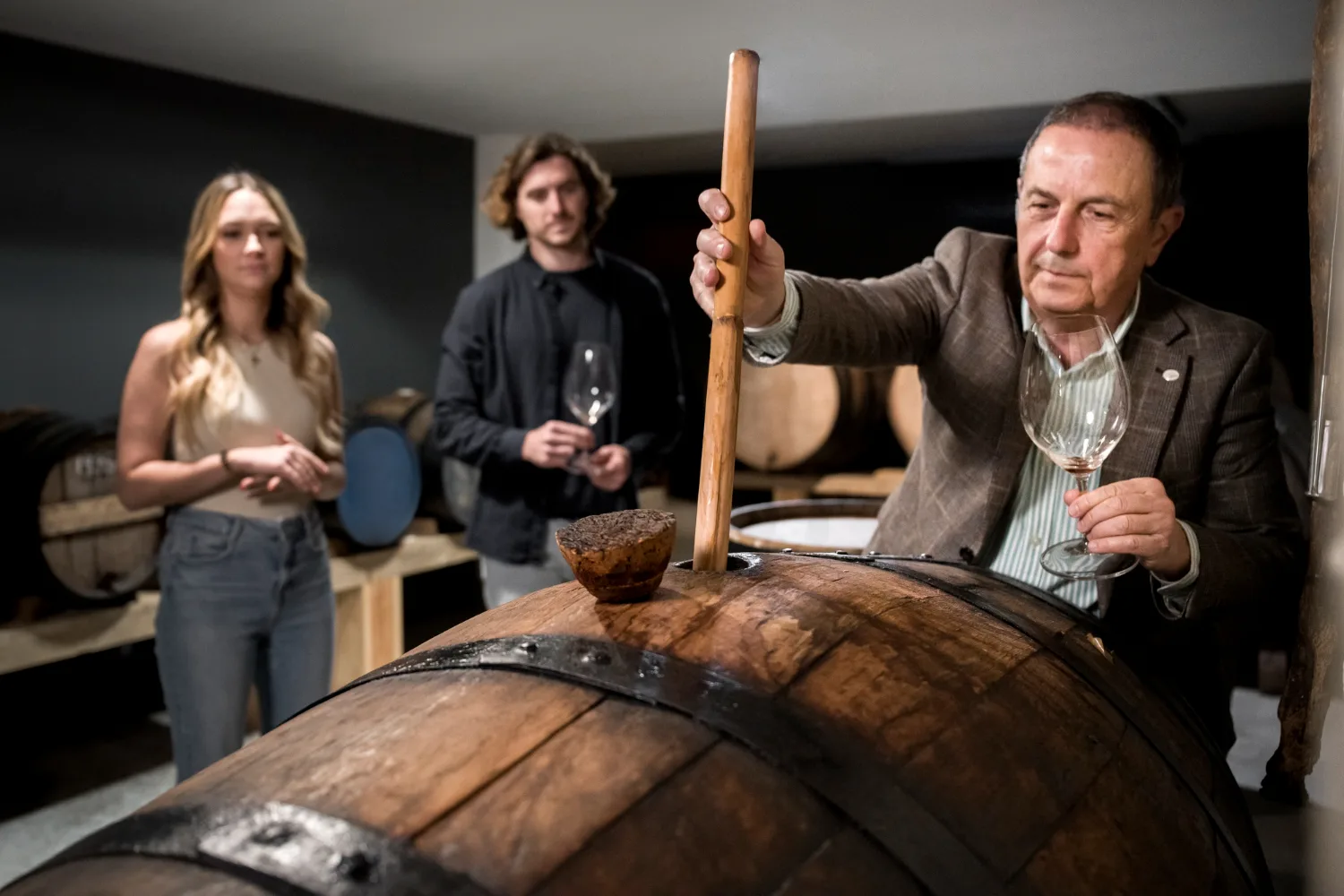
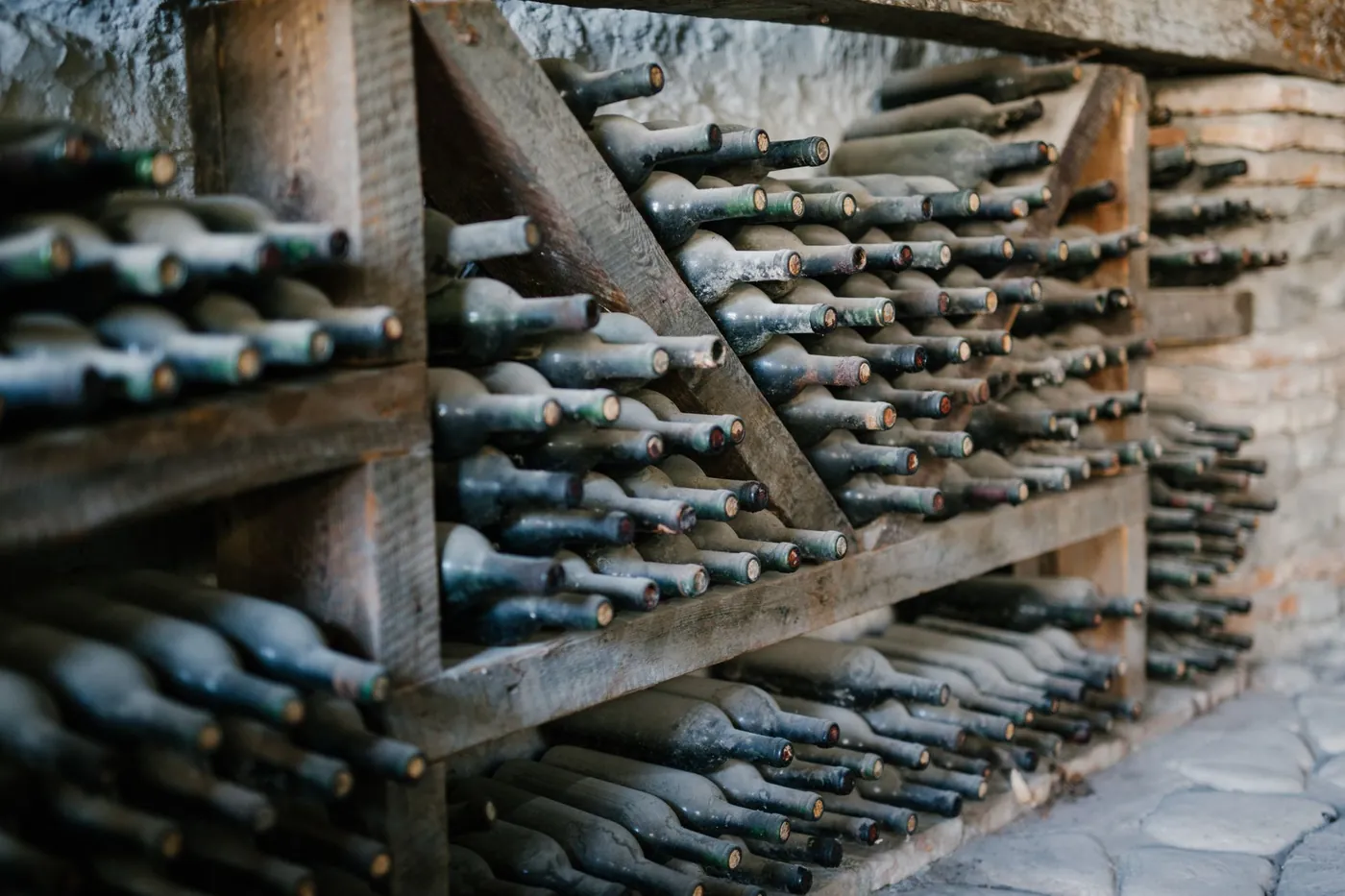
The small family cellars, often called marani, are the reason people fall in love with Kakheti. The wine comes straight from the qvevri, the host is usually the winemaker, and the conversation matters as much as the pour. The trade-off is that they are informal, may not speak much English, sometimes want a call ahead, and often deal in cash only.
| Type | Booking | Language | Payment | Feel |
|---|---|---|---|---|
| Large estate | Online, easy | English fine | Cards accepted | Polished, reliable |
| Family cellar | Phone or a local fixer | Often Georgian only | Cash, bring lari | Personal, unhurried |
My advice: put one estate and one or two family cellars in the same day. The contrast is the whole point.
Should you drive yourself or hire a driver?
Drive yourself only if you are certain you can stay under the limit, and in Kakheti that is genuinely hard, because tastings are generous and refusals can feel rude. Georgia enforces drink-driving rules strictly and the penalties are serious, so I would not risk it. If you plan to taste at more than one place, do not drive.
The two sensible options are hiring a driver for the day, or bringing your own car and having one sober person commit to not drinking. A driver from Telavi or Tbilisi typically costs somewhere between 150 and 250 GEL for a full day depending on distance and season, and it is money well spent: they know which cellars are open, translate, and stop you getting lost on unmarked village lanes. Confirm the price before you set off.
How are tastings structured, and will they feed you?
A Kakheti tasting is nothing like a slick counter pour in France. You sit down. Wine appears in whatever order the host feels like, usually starting with a white or an amber, moving through the reds, and often finishing with chacha, the local grape spirit that will end your driving day whether you planned it or not.
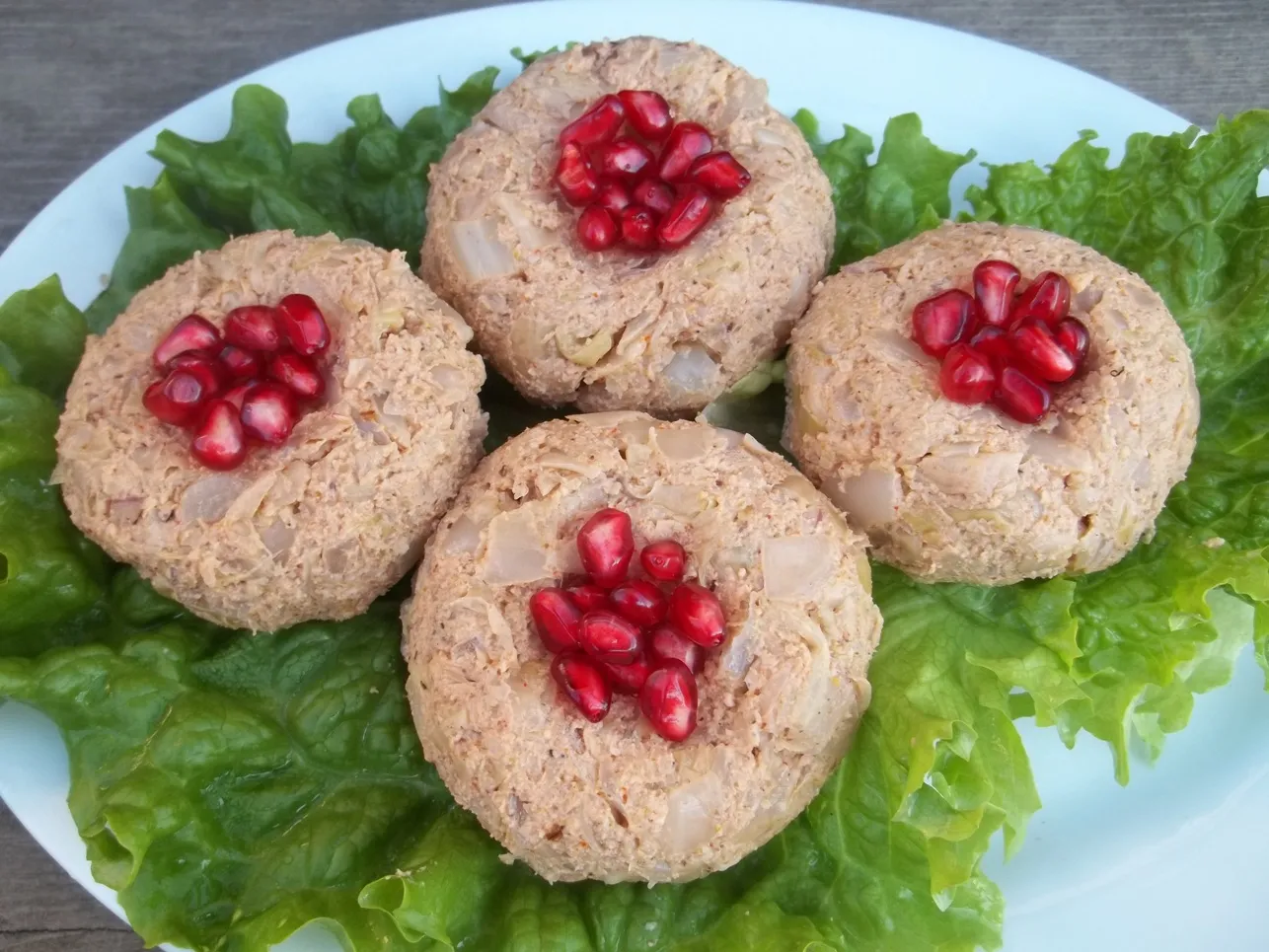
Food almost always comes with it. Even a short tasting tends to include bread, cheese, maybe pickles or fruit. A longer one at a family cellar can slide into a full spread of khachapuri, mtsvadi grilled meat and salads, sometimes with no clear line between tasting and meal. If you want to understand what is arriving at your table, it helps to read up on the classics first in our Georgian Food Guide: Khachapuri, Khinkali and the Supra, because a Kakheti tasting is really a supra in miniature.
At estates, tastings are priced, often between 15 and 40 GEL per person depending on how many wines and whether food is included. At family cellars the money side is fuzzier; some charge a set amount, others expect you to buy a few bottles, and a good driver will quietly steer you on what is fair.
How many wineries fit into one day?
Fewer than you think. The temptation is to line up five, but Kakheti punishes that plan.
Three is the realistic maximum for a good day, and two is often better. Each proper visit runs to an hour or more once you factor in the food, the driving between villages is slower than the map suggests, and by the third qvevri wine your palate and your patience are both fading. I once tried to squeeze in a fourth and remember almost nothing about it, which rather defeats the purpose.
Build in a long lunch, either at a cellar or in town, and treat the afternoon gently. Two days of two to three wineries each beats one day of five.
Prefer to set your own pace between cellars?Compare car hire from Tbilisi, with free cancellation on many optionsWhich town makes the best base?
Three towns cover almost everyone’s needs, and they have quite different characters.
Telavi is the regional capital and the most practical base. It has the widest choice of guesthouses and restaurants, easy access to major estates, and it is central, so nothing is a long drive. It is workaday rather than pretty, but it works.
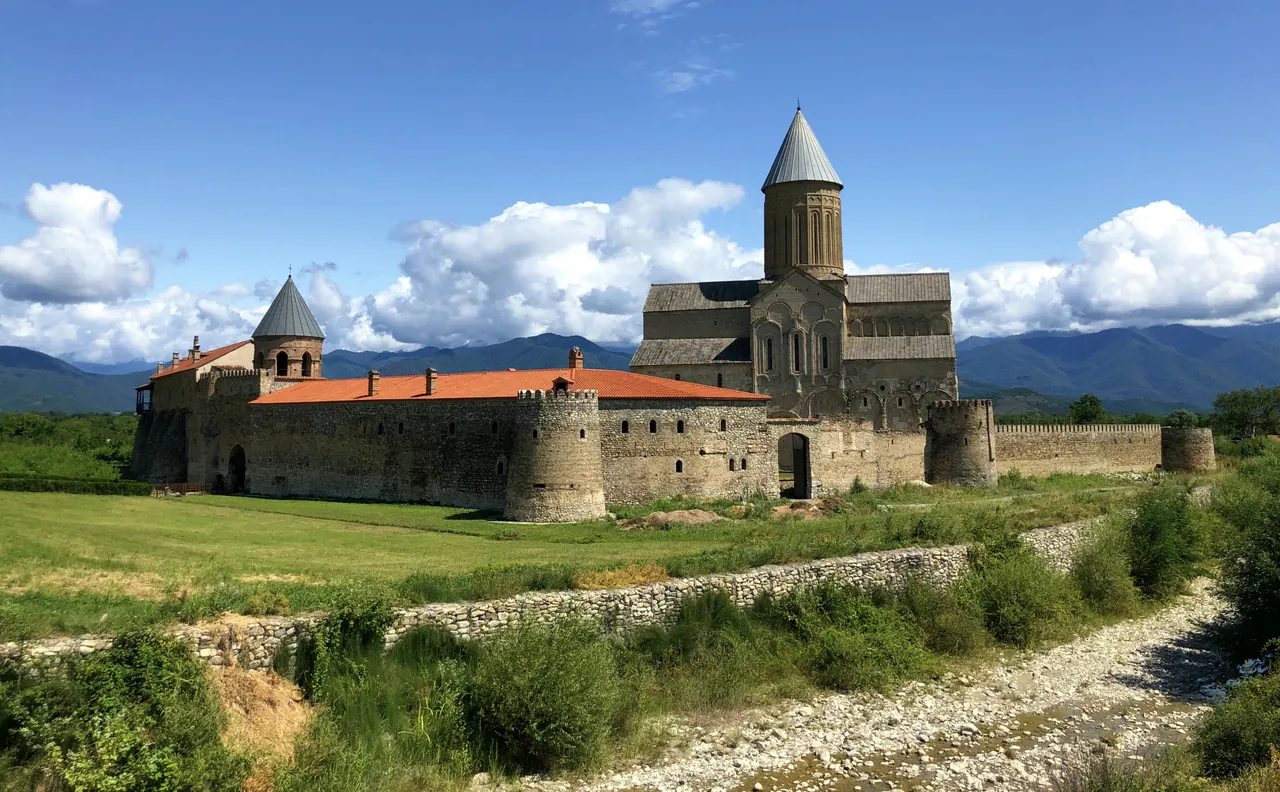
Sighnaghi is the postcard town, a walled hilltop settlement with cobbled streets and views over the Alazani Valley. It is lovely and it is the most touristy, with the highest prices and the busiest weekends. Great for one romantic night, less ideal as a full wine base because the best cellars are spread out below it.
Kvareli is quieter, close to some serious wineries like Khareba, and good if you want calm and countryside over cafes and crowds.
| Base | Best for | Trade-off |
|---|---|---|
| Telavi | Central, practical, most choice | Not especially charming |
| Sighnaghi | Views, atmosphere, a night out | Touristy, pricier |
| Kvareli | Quiet, close to big estates | Less to do in the evening |
I base myself in Telavi and make a half-day trip to Sighnaghi for the views.
When should you go?
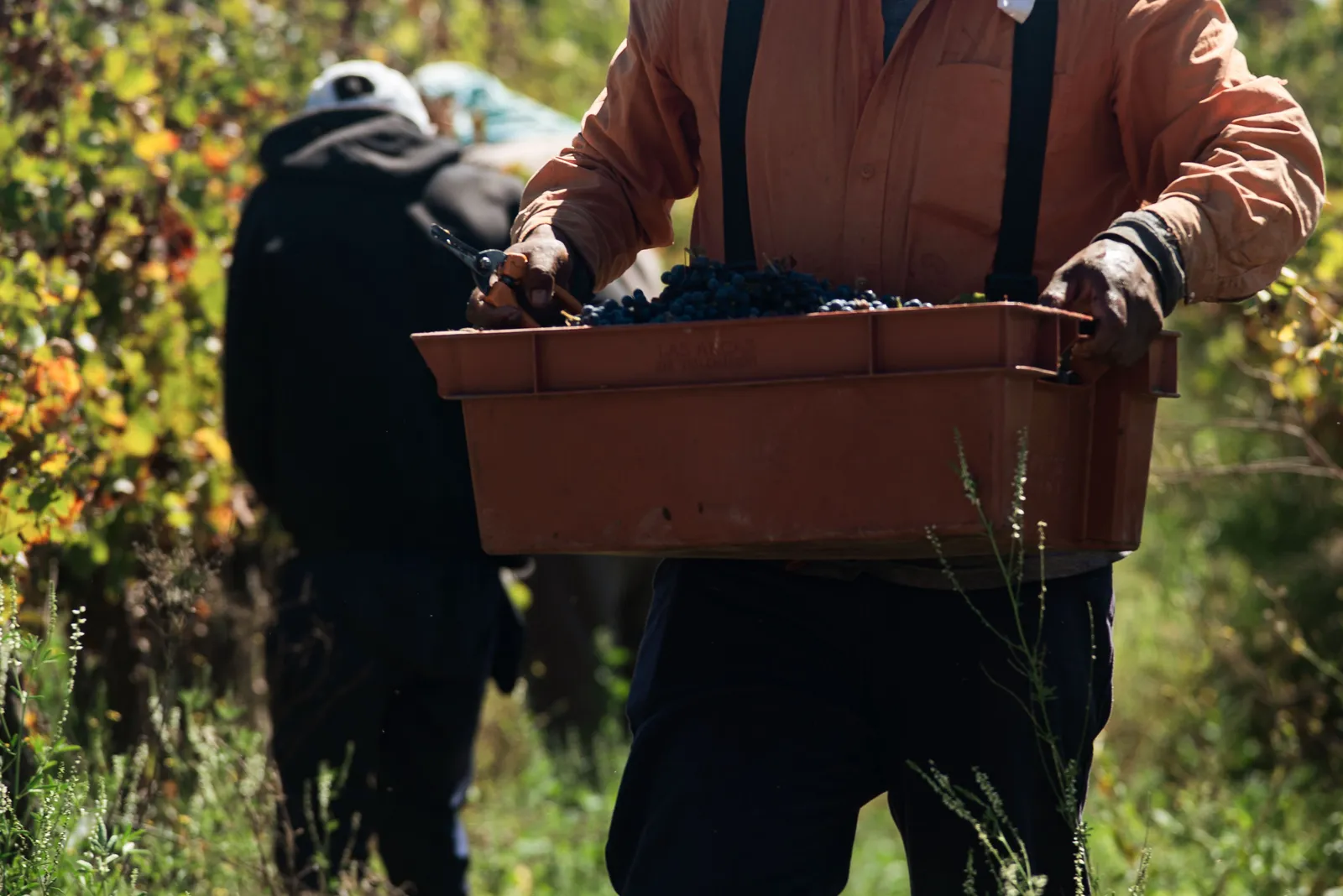
Spring and autumn are ideal. Late September into October brings rtveli, the grape harvest, when cellars are at their most alive and many welcome visitors to help pick and crush. It is also the busiest time, so book ahead. Summer is hot and fine; winter is quiet, cheaper, and some family cellars simply close, so call first.
Putting it together
A good Kakheti trip is two unhurried days, a base in Telavi, a driver so nobody has to stay sober against their will, and a mix of one confident estate with one or two family cellars where the wine comes out of the ground and lunch appears without being ordered. Keep the count low, eat everything, and let the pace be Georgian rather than efficient.
If you want the background rather than the logistics, the grapes, the qvevri method and which towns to base in, our Kakheti wine guide covers the region itself and is the natural companion to this page.
One practical note that follows directly from hiring a driver: the reason you hire one is so nobody drives after a tasting, and that is not a formality here. Georgia enforces drink driving seriously, and the roads between cellars are rural and unlit after dark. Our guide to emergency numbers in Georgia covers who to call if a day out goes wrong.
What matters more to you in a cellar, the quality in the glass or the welcome at the table? Tell me in the comments, because in Kakheti I still cannot decide.