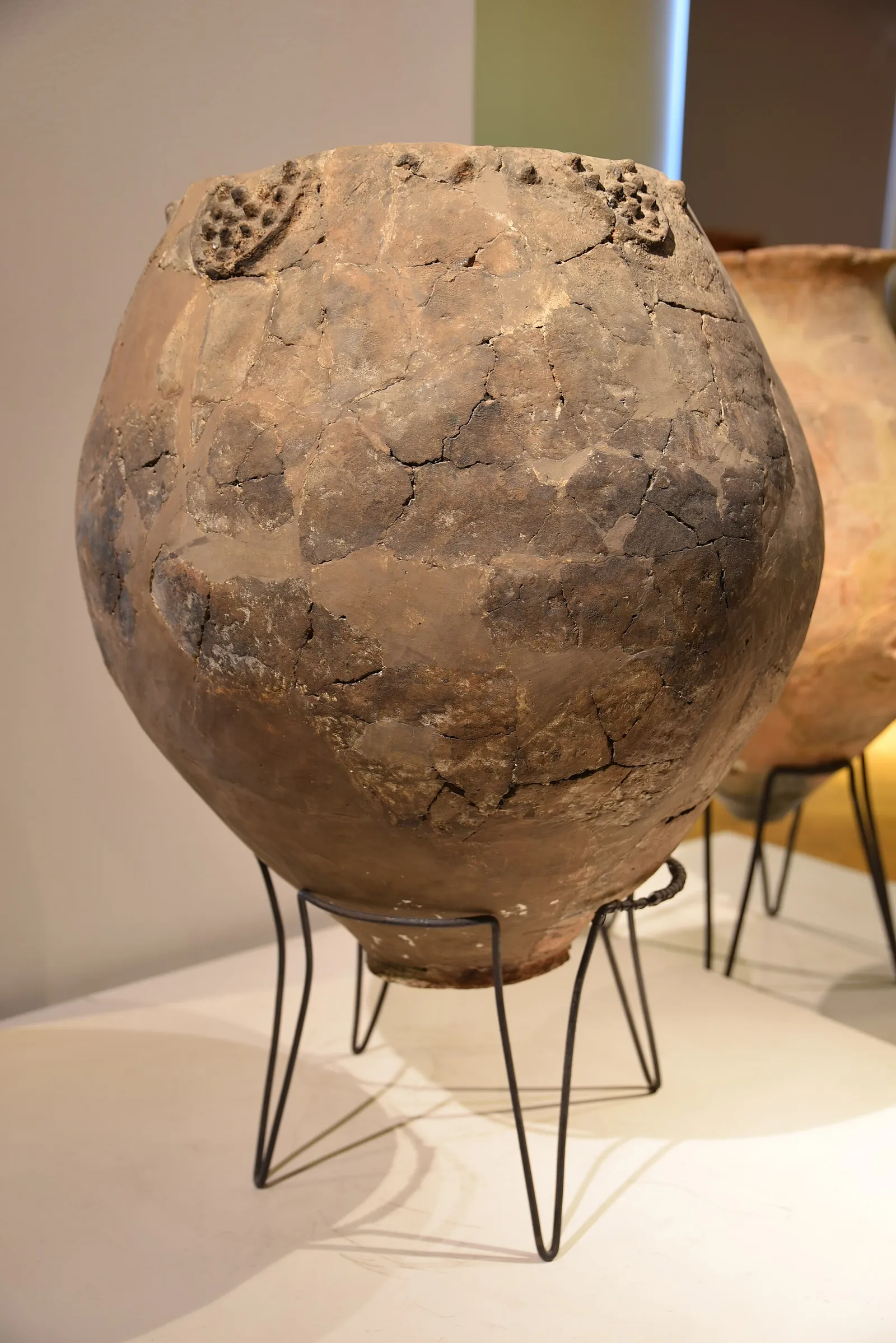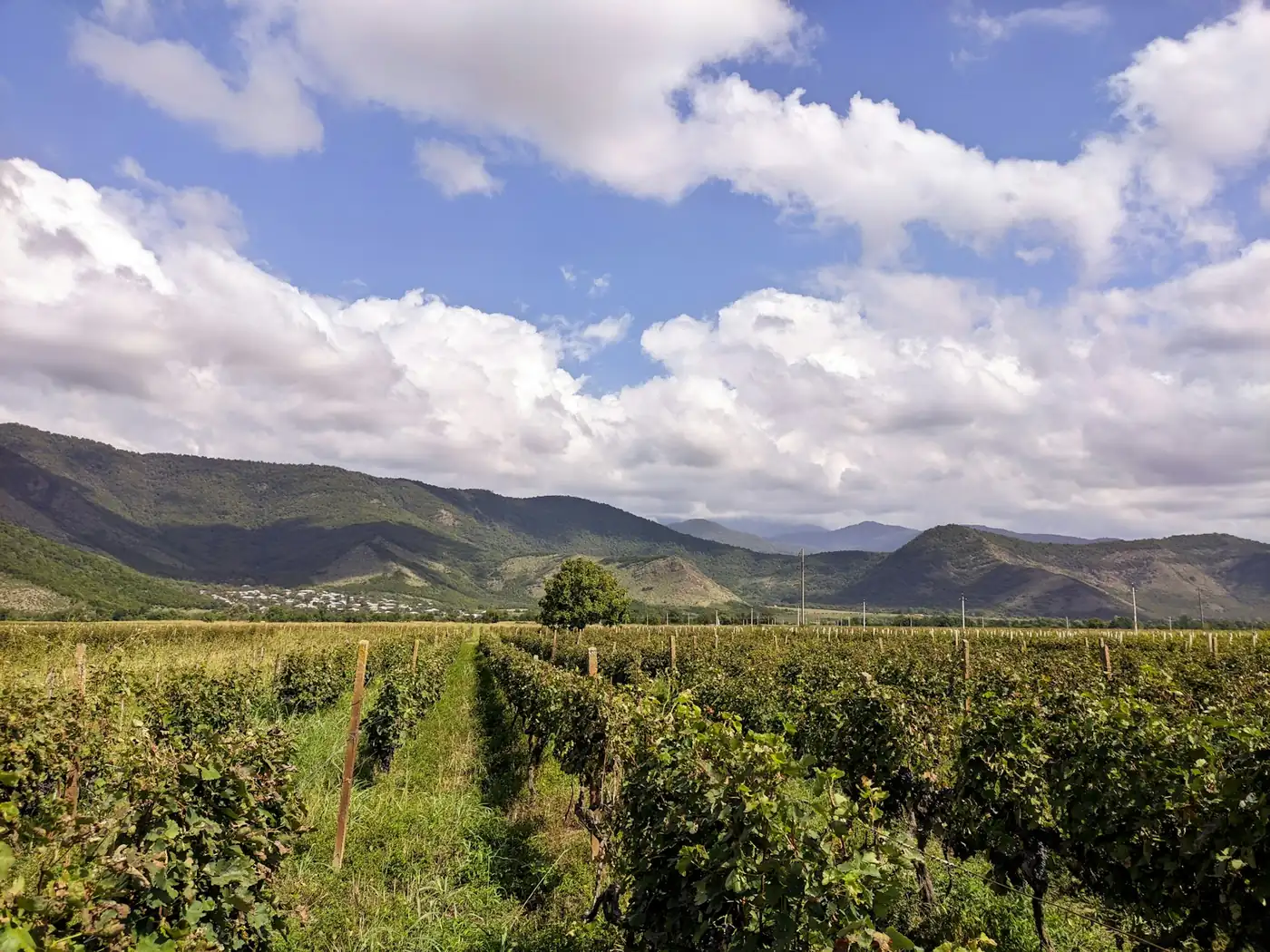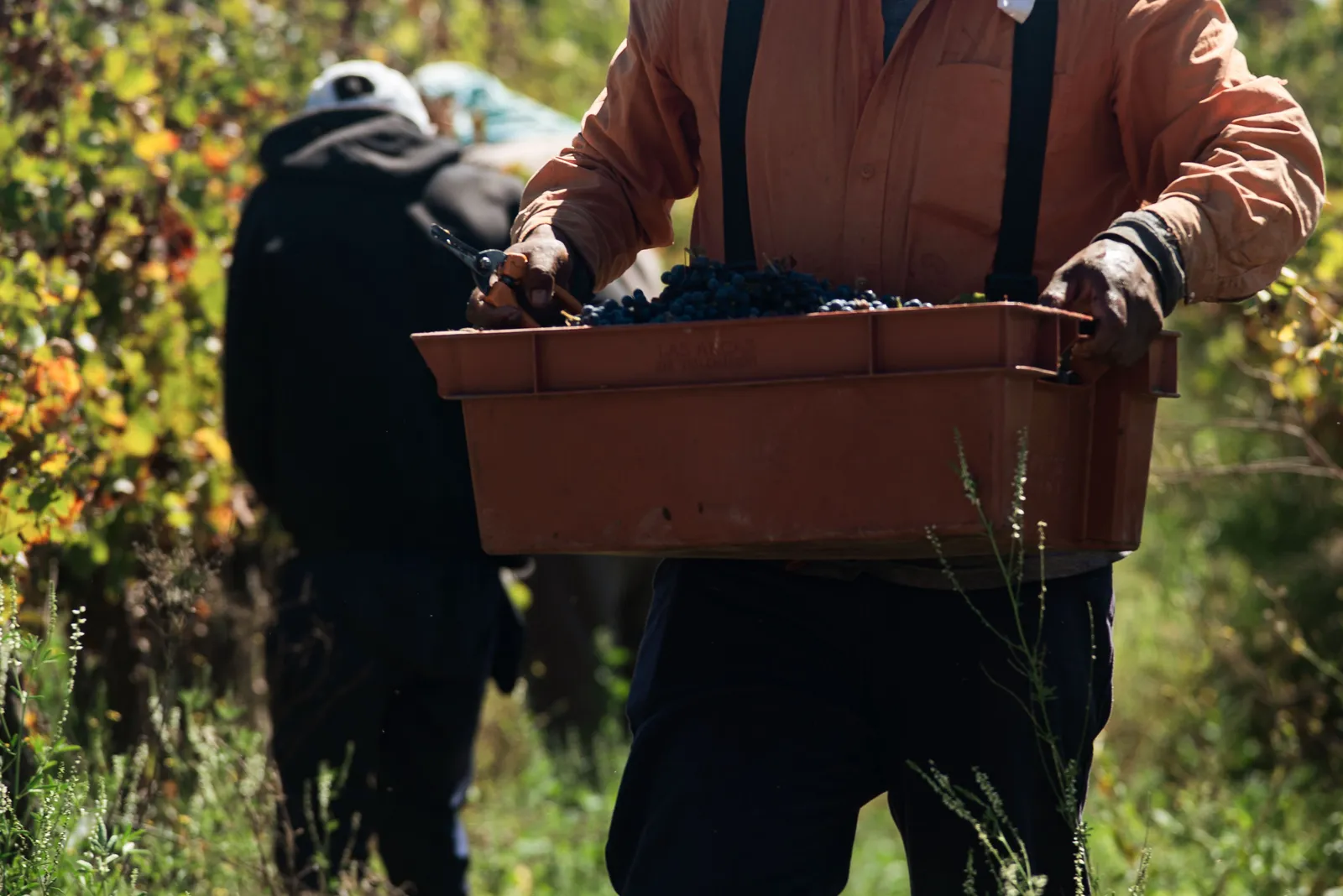
There is a fortnight in the Georgian autumn when the wine regions are not somewhere you visit, they are somewhere that is busy. Extended families come back from the cities, neighbours turn up without being asked, vineyards that have been quiet all summer fill with people carrying crates, and the qvevri, the clay vessels buried up to their necks in the floor of the marani, are opened and cleaned and filled. It is called rtveli, it is the oldest continuously practised thing in a country that is fond of old things, and a visitor who is in the right village in the right weeks is very likely to be handed a pair of secateurs.
What rtveli is
The grape harvest, in a country that has been making wine for a very long time and knows it.
Work before festival, with the eating and drinking as the reward at the end of the day.
A family occasion rather than a public one, which is why the invitation comes sideways.
Weeks rather than a weekend, moving through the regions as the fruit ripens.
Centred on Kakheti, which grows the bulk of the country’s wine, but happening wherever there are vines.
Ending at a supra, the long formal meal with a toastmaster, which deserves its own explanation.
When it happens, and why nobody will give you a date
Usually the second half of September into October, in the main lowland regions.
Moving every year with the weather, sometimes by a fortnight.
Different by altitude, with the warm valley floor picked before the higher slopes.
Different by variety, since whites and reds do not come off together.
Decided by the grower, on sugar levels and on the forecast, often at a few days notice.
Which means you ask locally, and build the trip around the season rather than a date.
What a day looks like
Early, because picking is done while it is cool and the fruit is firm.
Cutting rather than pulling, into crates that get heavy faster than you expect.
Carrying, which is the part nobody photographs and most of the actual labour.
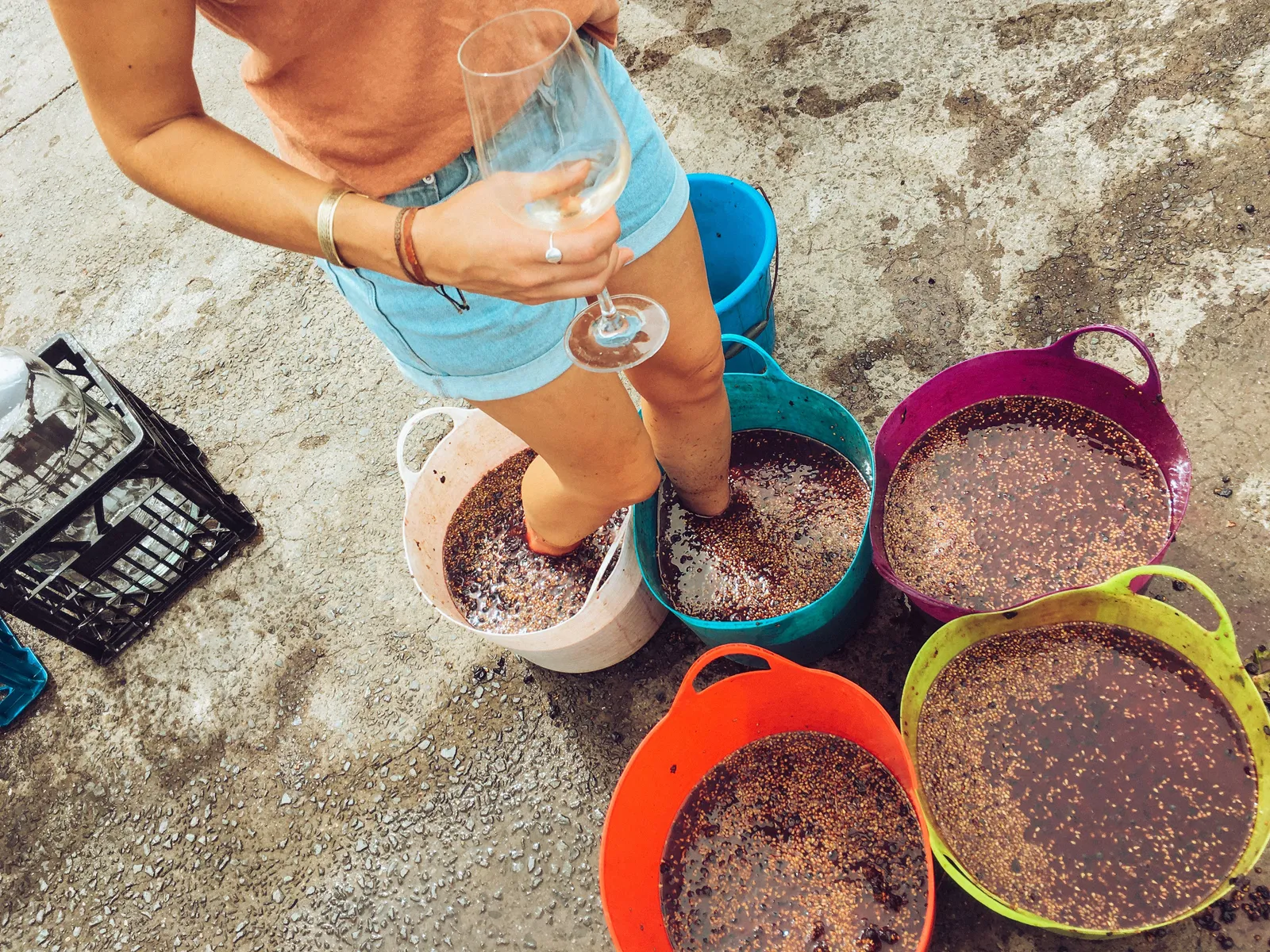
Crushing, at a small scale still often by foot or with a hand cranked press.
Filling the qvevri, which is the moment the year’s wine begins.
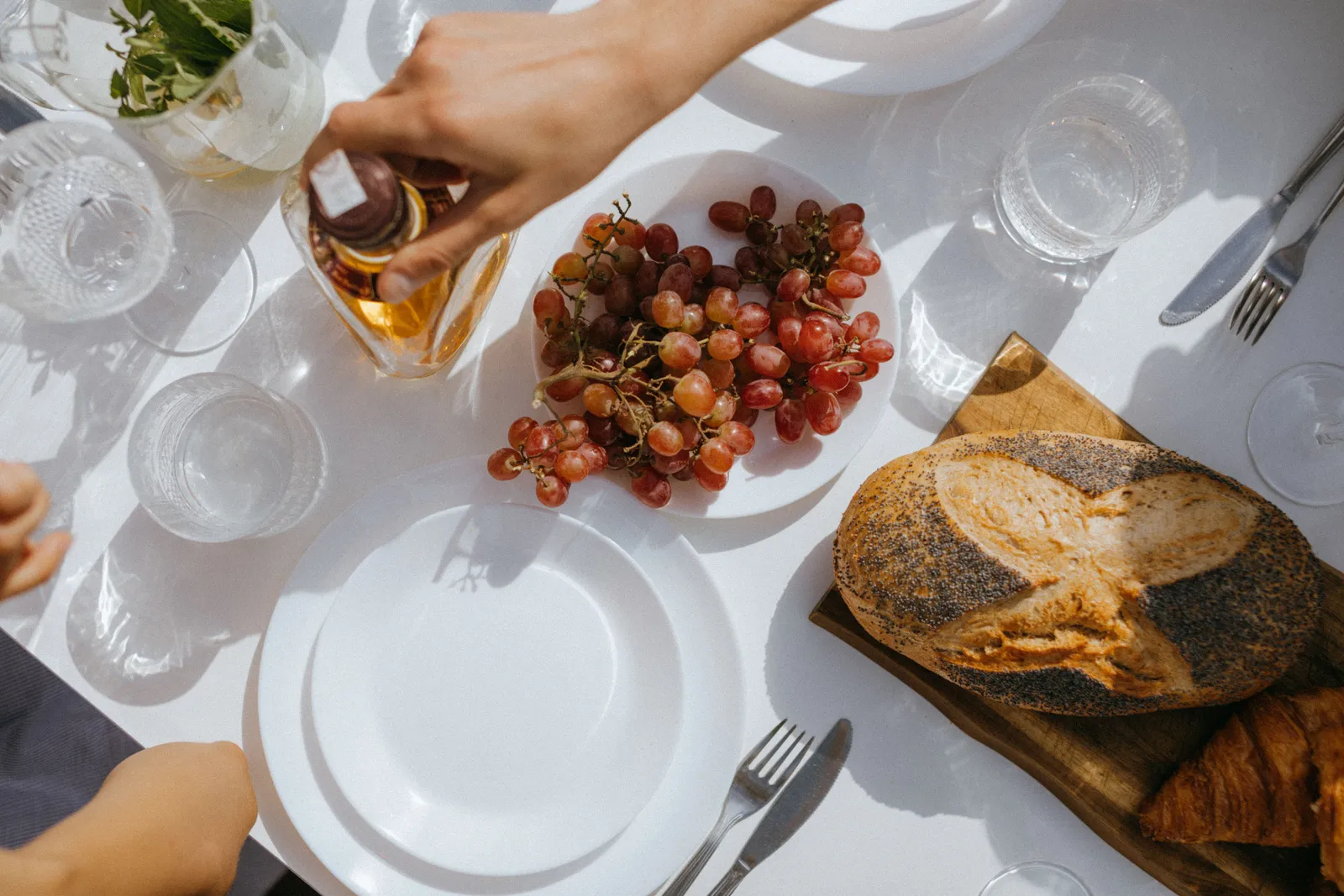
And then the table, for considerably longer than the picking took.
How to be a good guest
Say yes to the work before you say yes to the wine.
Wear clothes you do not mind ruining, because you will.
Do not refuse the first toast, which is not about drinking so much as about being present.
Pace yourself, since the toasting is structured and there are many more coming.
Bring something for the household, which is normal and appreciated.
Ask before photographing people, especially the older members of the family.
The rest of the autumn
Churchkhela, the strings of nuts dipped in thickened grape juice, made in the same weeks.
The new chacha, distilled from what is left after the pressing.
Settled weather and the best light of the year in the vineyards.
Full guesthouses in the wine villages, so book earlier than you would in summer.
Quieter mountains, since the walking season is ending as this one starts.
A country in a good mood, which is not nothing.
Where this fits in a Georgia trip
Three nights in a wine village in the season, either as the centre of an autumn trip or bolted onto a standard route.
For the region itself, the towns and which cellars are worth the drive, our Kakheti wine guide covers the ground.
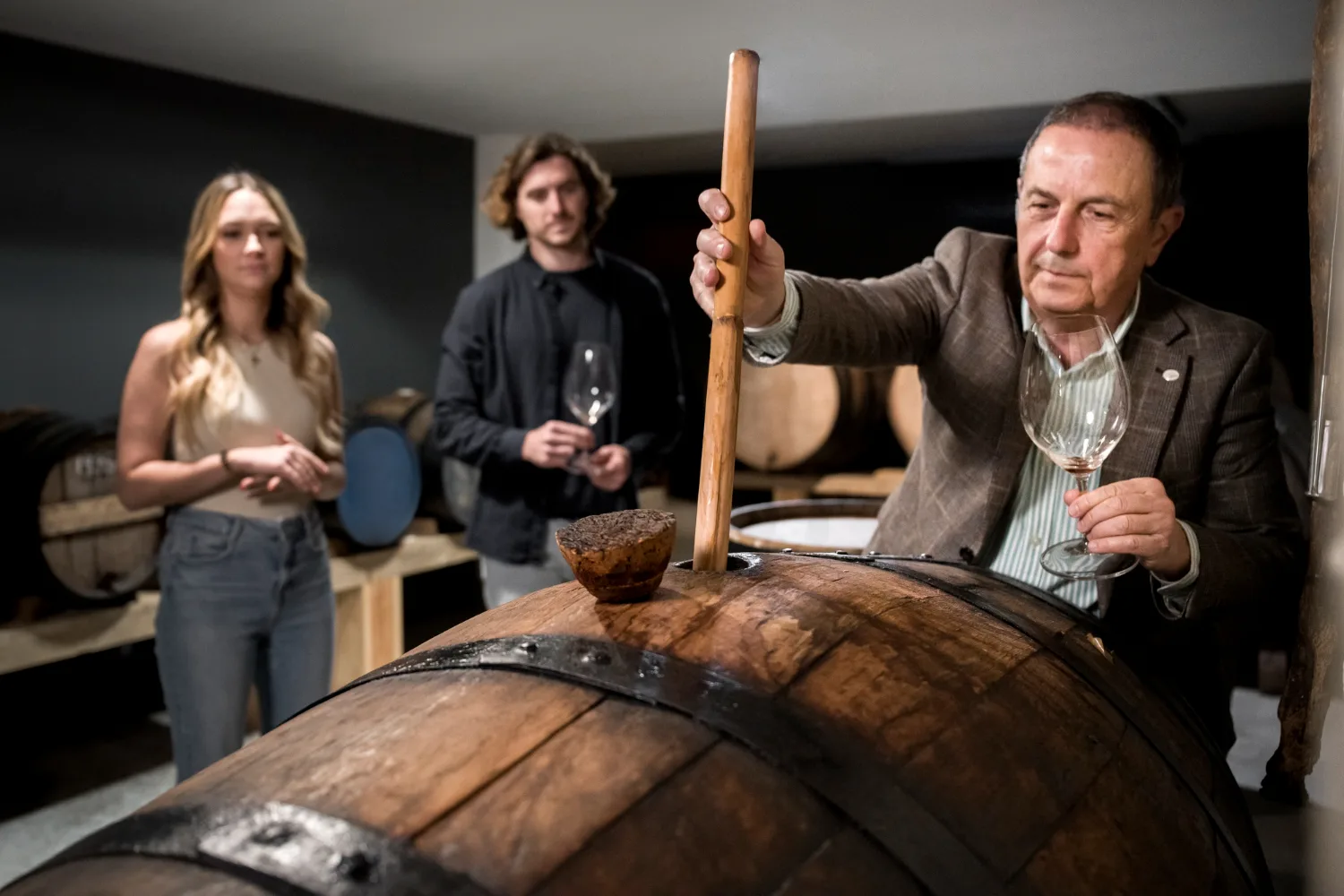
For what is actually in the qvevri and why Georgian wine tastes unlike the European kind, our natural wine guide explains the method.
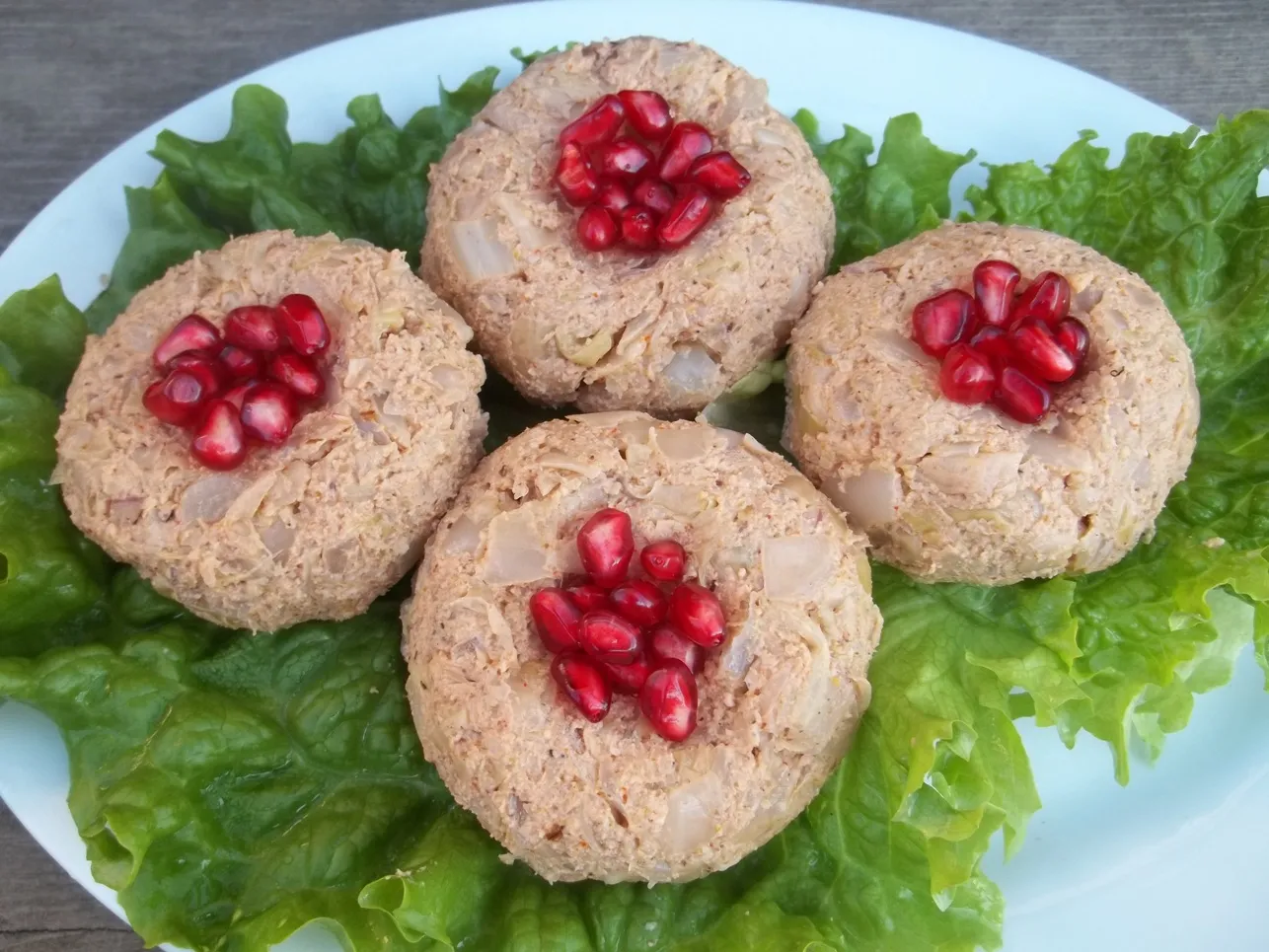
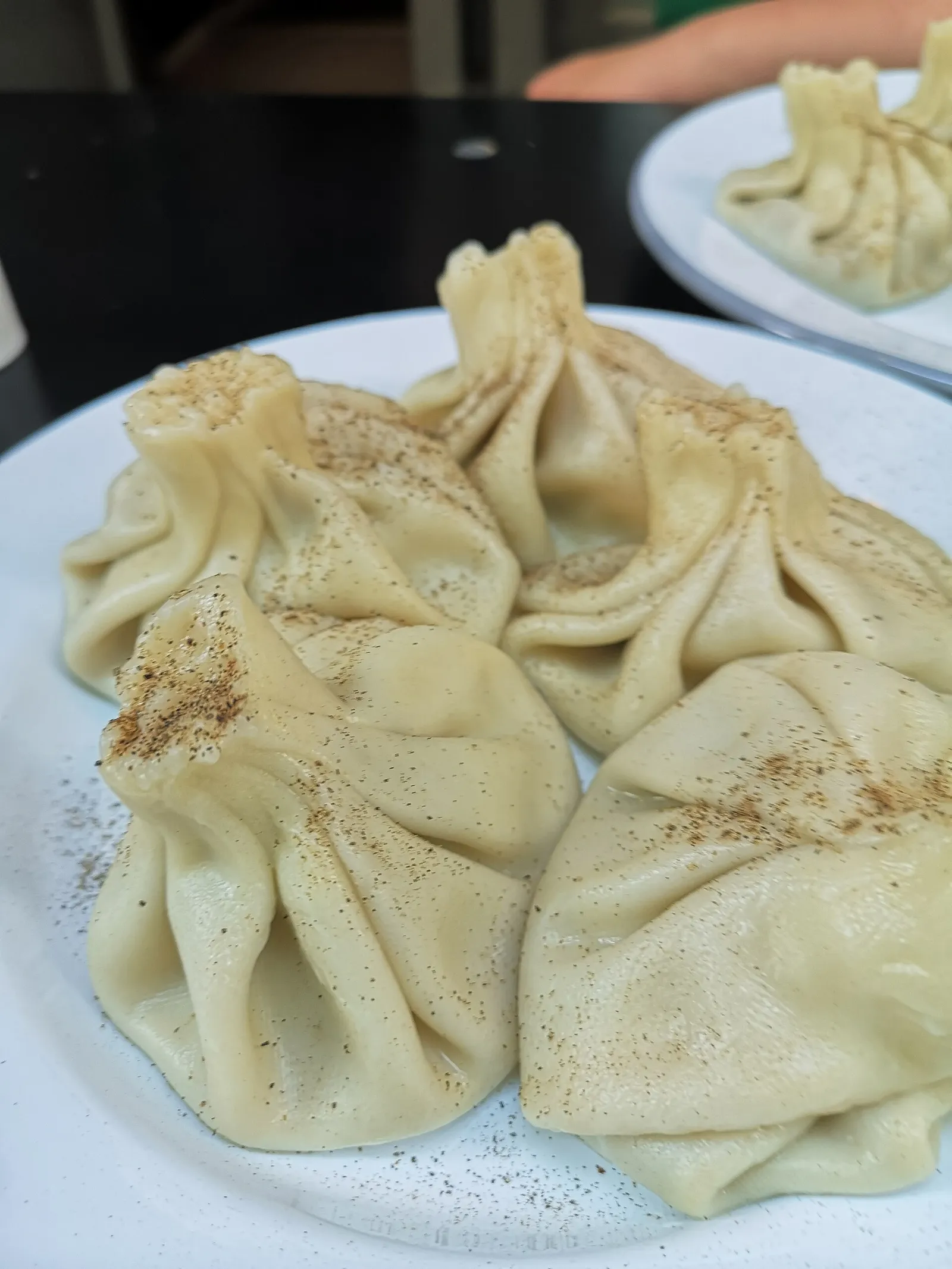
And for the table the harvest day ends at, our Georgian food guide covers what is on it.
The short version
Come in the autumn, ask locally rather than booking around a date, and stay three nights in a family guesthouse in a wine village rather than a hotel in the nearest town. Say yes when somebody asks whether you are coming, wear clothes you do not mind staining, and do the carrying as well as the picking. Accept the first toast, pace yourself for the twenty after it, and expect the day to end considerably later than planned. It is the best fortnight in the Georgian year and it cannot be scheduled, only turned up for.