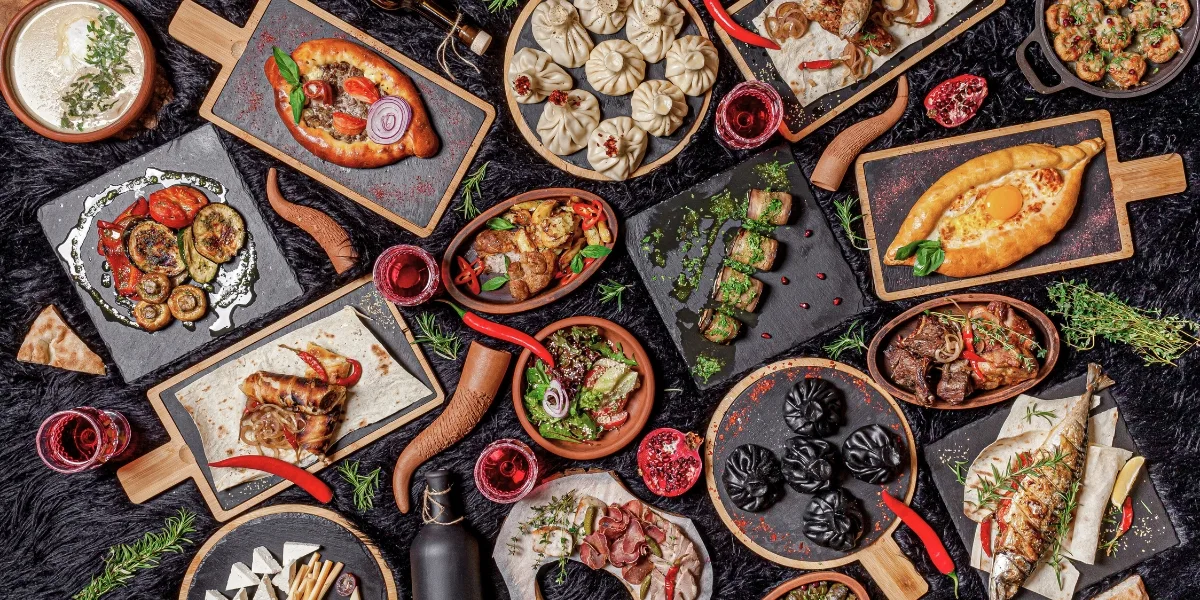
Georgians will tell you that their food is the real reason to visit, and after a few days you will struggle to argue. This is a cuisine of molten cheese breads, juicy soup dumplings, walnut-thickened everything, sun-warm tomatoes and long feasts fuelled by 8,000 years of winemaking. It is generous, herby, deeply distinctive, and unlike anything nearby. Here is what to order, how to eat it, and how to end up at the table where it all comes together.
Khachapuri, the cheese bread with many faces
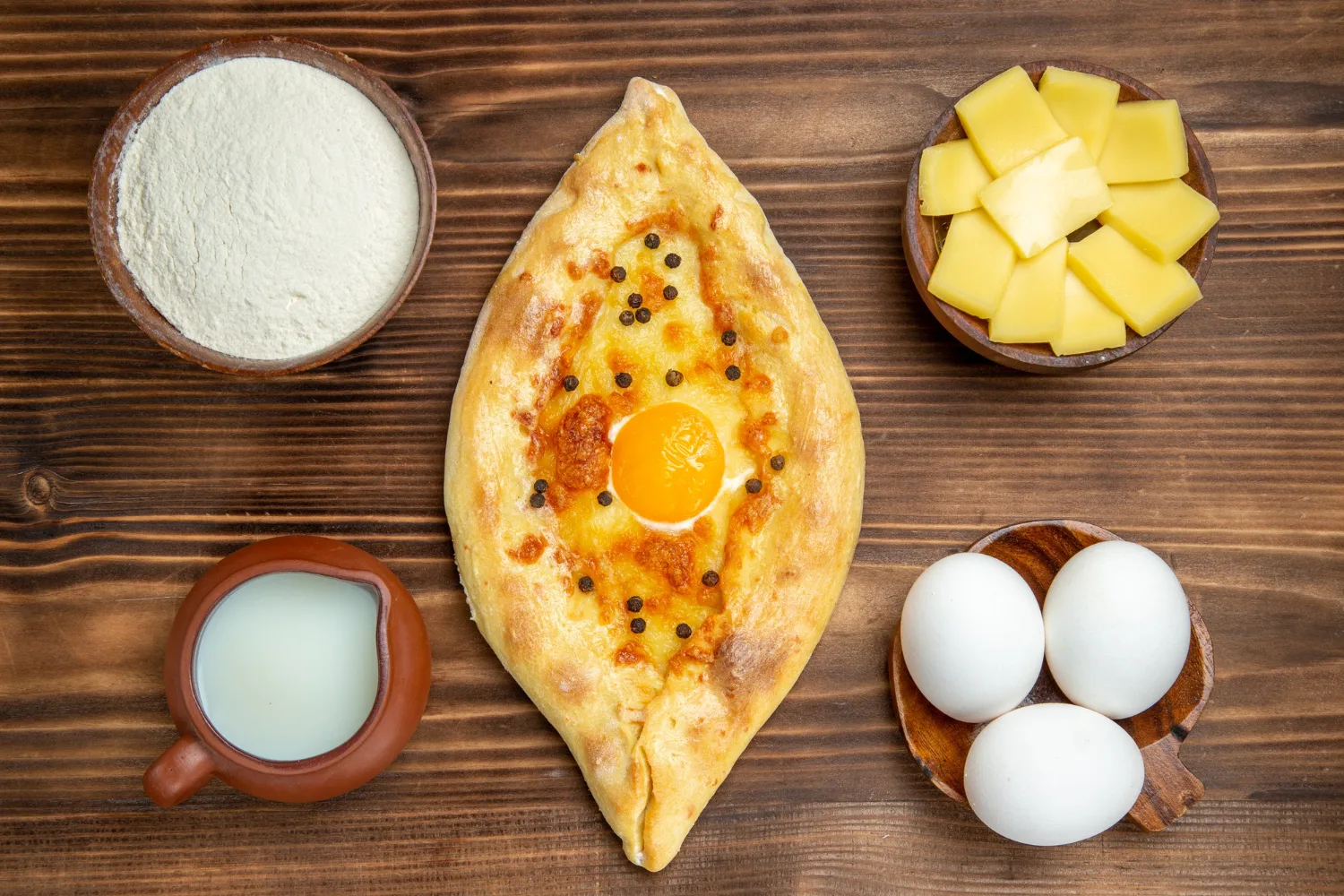
Start with khachapuri, the national obsession. It is cheese-filled bread, but it comes in regional forms worth seeking out. The famous one is Adjaruli (Adjaran) khachapuri, a bread boat filled with molten cheese, crowned with a runny egg and a knob of butter that you stir into the centre before tearing off pieces of the crust to dip. The everyday round versions are Imeruli (one layer of cheese) and the richer Megruli (cheese inside and on top). Order one to share, because the Adjaran boat in particular is a meal for two rather than a starter for one, and you will understand the country immediately.
Khinkali, and how not to embarrass yourself
The other icon is khinkali, a large twisted dumpling filled with spiced meat (or cheese, mushroom or potato) and a mouthful of hot broth. Eating them is a small ritual with real rules. Pick one up by its thick twisted top-knot, turn it upside down, take a small bite from the side, and sip the broth before it spills. Then eat the rest and leave the chewy top-knot on your plate. Do not use a fork, and do not pierce them early or you will lose the soup. At the end, your pile of leftover knots is how the table counts what everyone ate.
Walnuts, herbs and the vegetable table
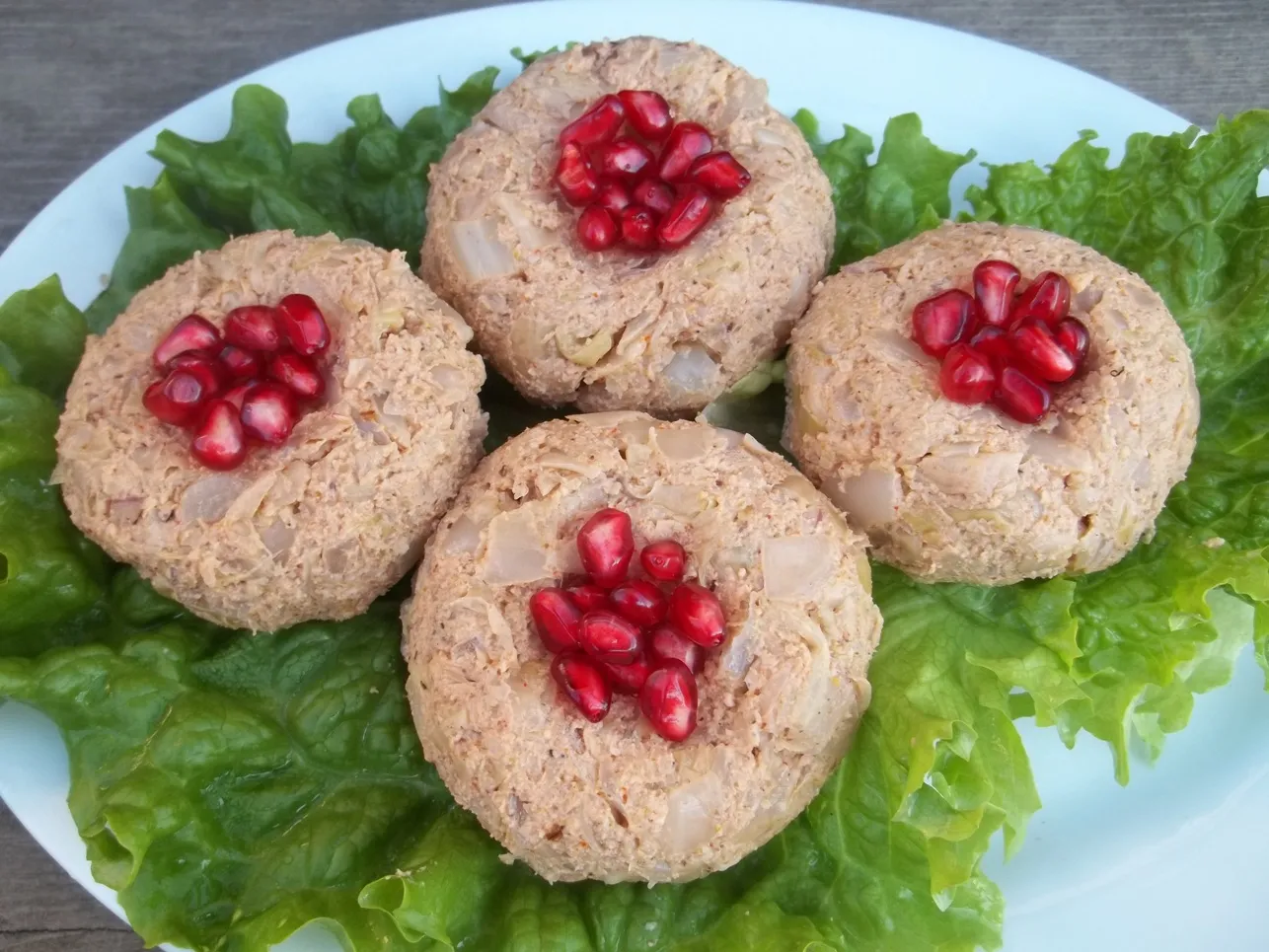
Georgian cooking leans hard on walnuts, fresh herbs and beans, and it is a paradise for anyone who loves vegetables. Do not miss badrijani nigvzit, fried aubergine rolled around a garlicky walnut paste, or pkhali, colourful pates of spinach, beetroot or bean pounded with walnuts and pomegranate seeds. Lobio, a warming bean stew served in a clay pot with cornbread, is comfort food at its finest. Add the ever-present tomato and cucumber salad in walnut dressing, and you can eat brilliantly here without ever touching meat.
The grill, the stews and the cheeses
Carnivores are well served too. Look for mtsvadi, chunks of pork or lamb skewered and grilled over vine cuttings, and chakhokhbili or ostri, rich tomato-and-herb stews. On the cheese front, sulguni is the stretchy, salty staple that fills the khachapuri, and it turns up fried, smoked and even baked into a molten pan dish. Bread arrives fresh from the tone, a clay tandoor-style oven, and mops up every sauce.
Join a khinkali and khachapuri food crawlA guide takes you to the best cheese-bread and dumpling spots locals actually eat atChurchkhela and the sweet stuff
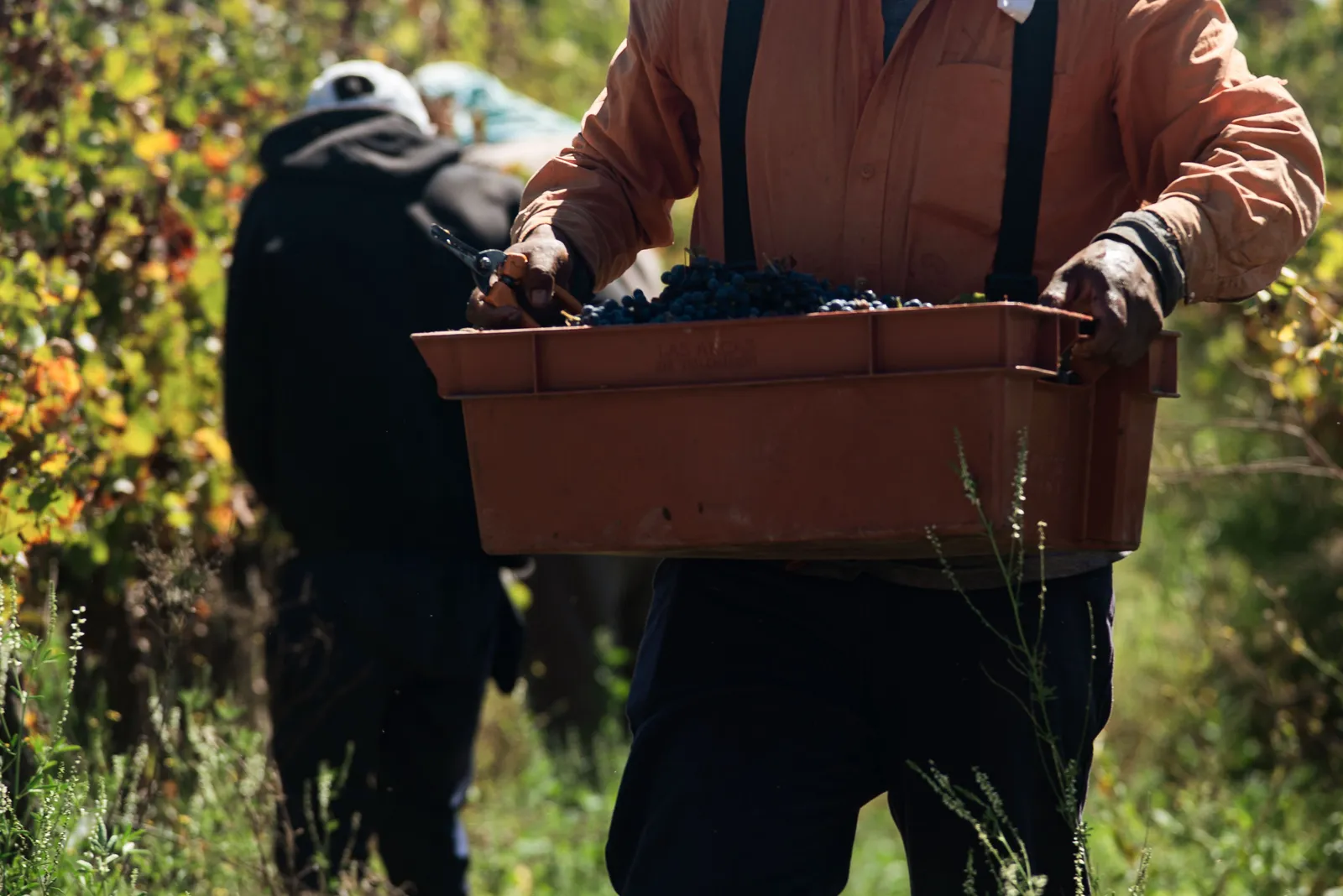
Walk any market and you will see strings of what look like colourful candles: churchkhela, threaded walnuts or hazelnuts dipped again and again in thickened grape juice until they set into a chewy, naturally sweet bar. It is the classic Georgian snack and travel sweet, energy-dense and additive-free, made in autumn during the grape harvest. Try the fresh ones from wine country, where the flavour is deepest. Round out the sweets with pelamushi, a set grape-must pudding, and honey-soaked pastries.
The supra, where it all comes together
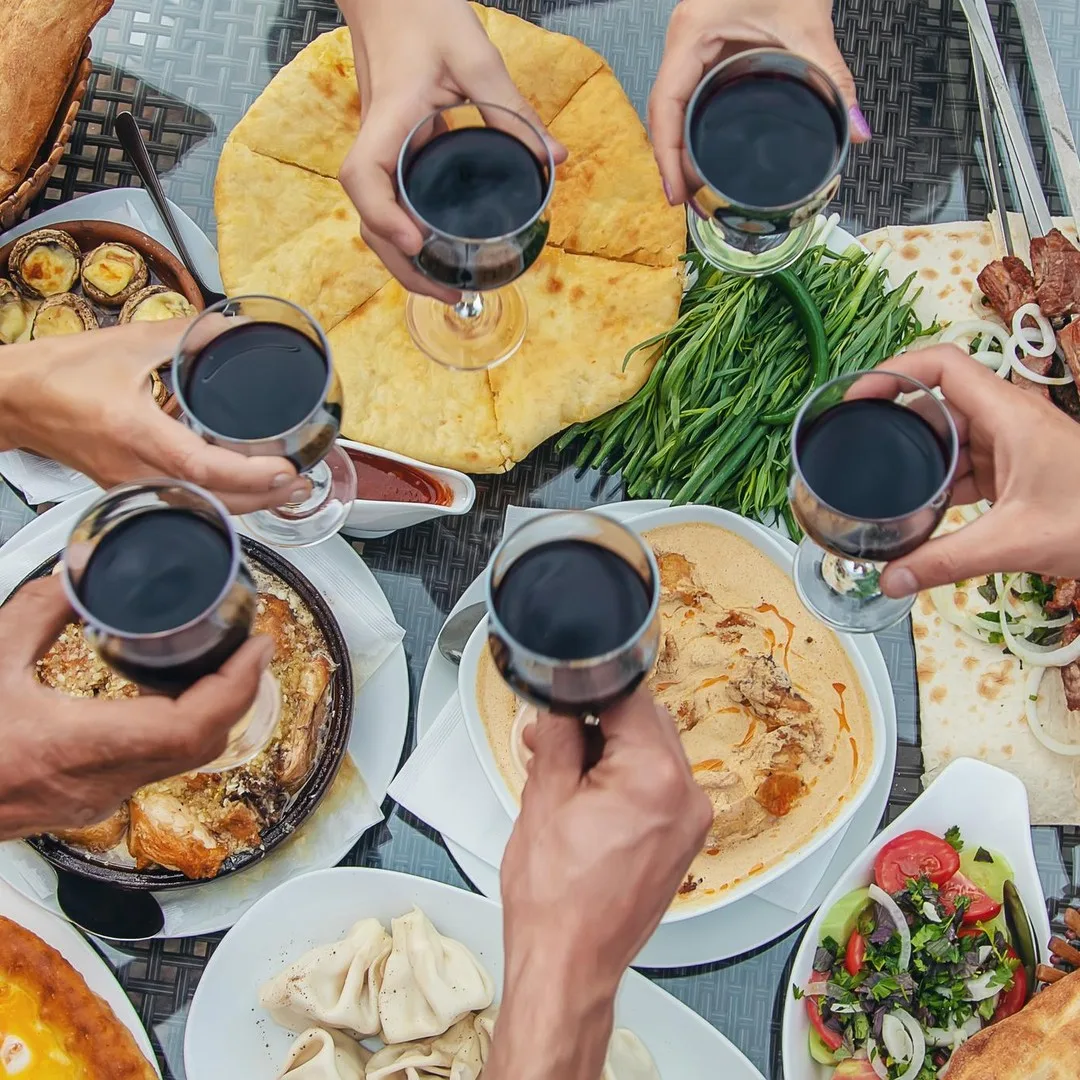
To truly eat in Georgia is to sit at a supra, the feast that anchors the culture. The table groans under dozens of dishes at once, laid on top of one another as they arrive, and a tamada (toastmaster) guides the evening through a long, eloquent series of toasts, to peace, to parents, to friendship, to the guests, each sealed with wine. There is a rhythm to it: you wait for the toast, you drink, you eat, you talk, and hours slip by. If a Georgian invites you to one, say yes without hesitation. It is the single warmest thing the country offers, and no restaurant meal, however good, quite matches it.
What to drink with it
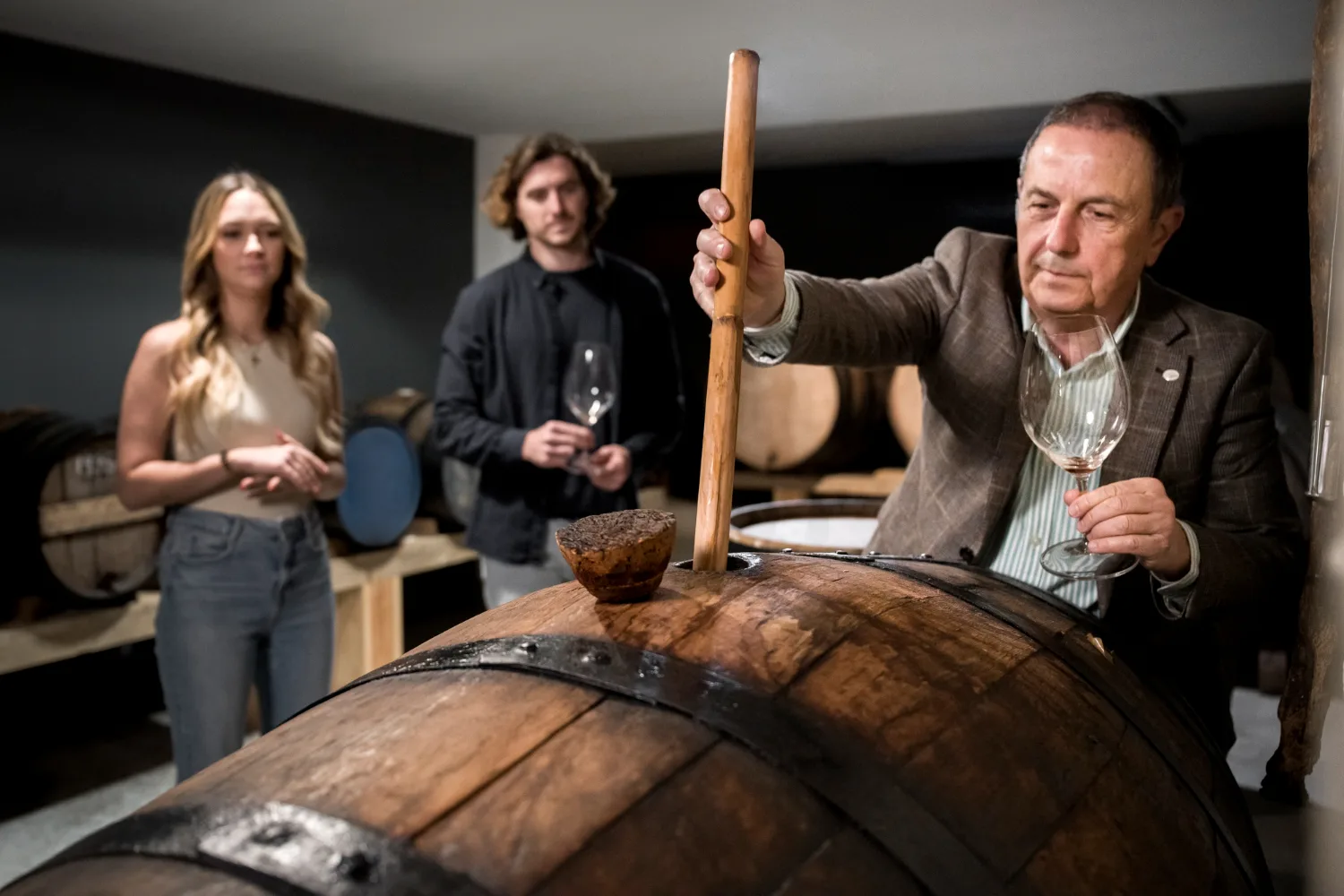
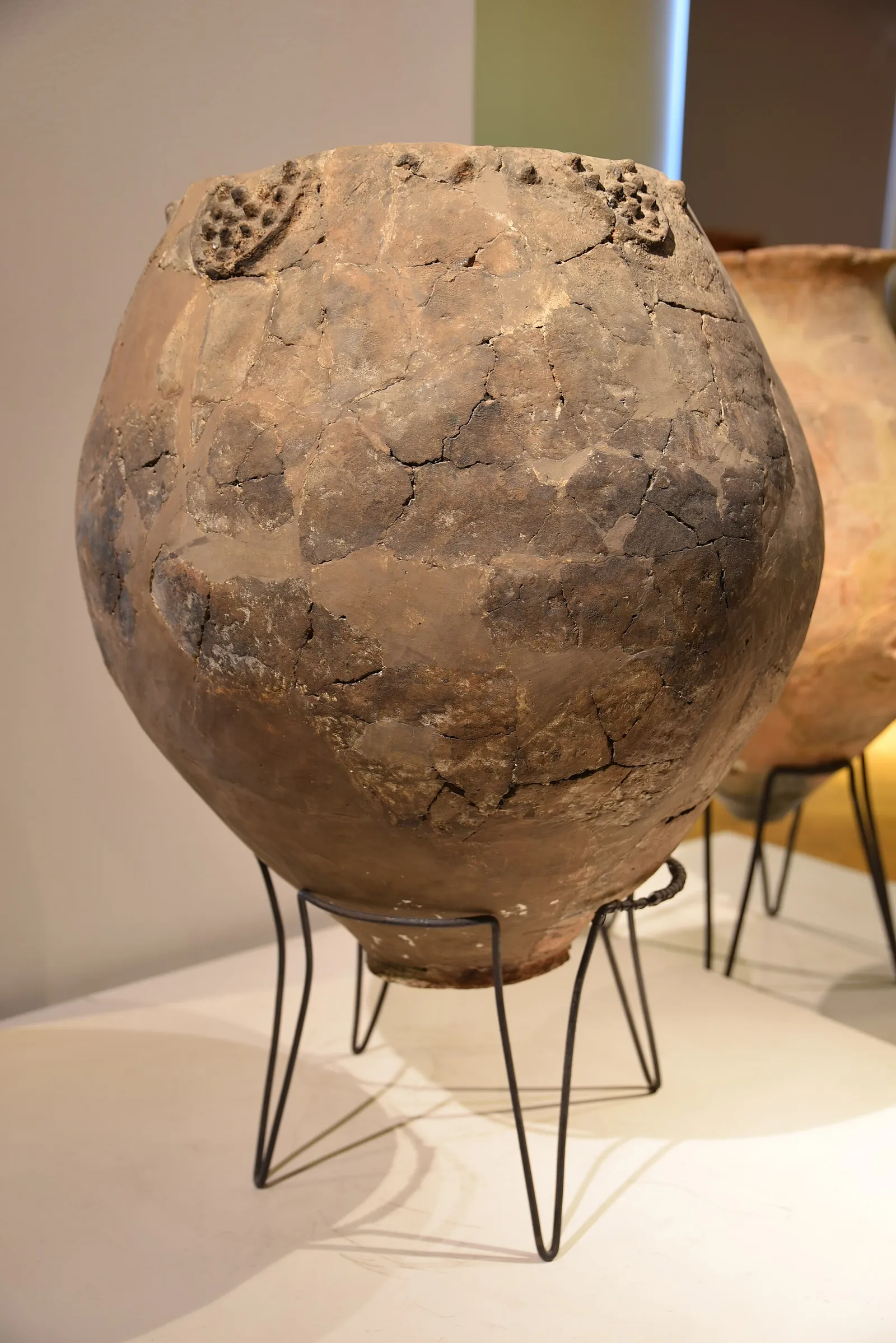
Food and wine are inseparable here. Georgia is the cradle of wine, fermenting grapes in buried clay qvevri for eight millennia, and the amber (skin-contact) whites and inky saperavi reds are made for this table. For something stronger, chacha, the fiery grape brandy, appears at the end of a supra, poured generously and toasted enthusiastically. And the everyday hero is tarragon-green lemonade and Georgian mineral water. Eat widely, drink a little of everything, and you will leave planning your return around the menu alone.
Regional flavours worth chasing
Georgian food changes as you travel, and half the fun is tracking down regional versions. In Adjara on the Black Sea coast, the khachapuri turns into that famous butter-and-egg boat, and the cooking leans toward dairy and cornmeal. In mountainous Svaneti, look for kubdari, a spiced meat-filled bread, and the local salty Svan salt blend that flavours everything. The eastern wine country of Kakheti does the heartiest supras and the best mtsvadi grills, while the western regions of Samegrelo bring the heat with ajika, a fiery red pepper and herb paste, and a sharper, spicier style overall. Ordering the local speciality wherever you land is the tastiest way to feel how varied this small country really is.
Where the food actually is
Georgia’s food is not concentrated in a single city, and knowing where each thing is at its best turns a good eating trip into a great one.
Tbilisi has everything: the full regional repertoire, the natural wine bars, the specialist khinkali houses and a genuinely modern restaurant scene alongside the traditional one. It is where to eat if you only have a few days.
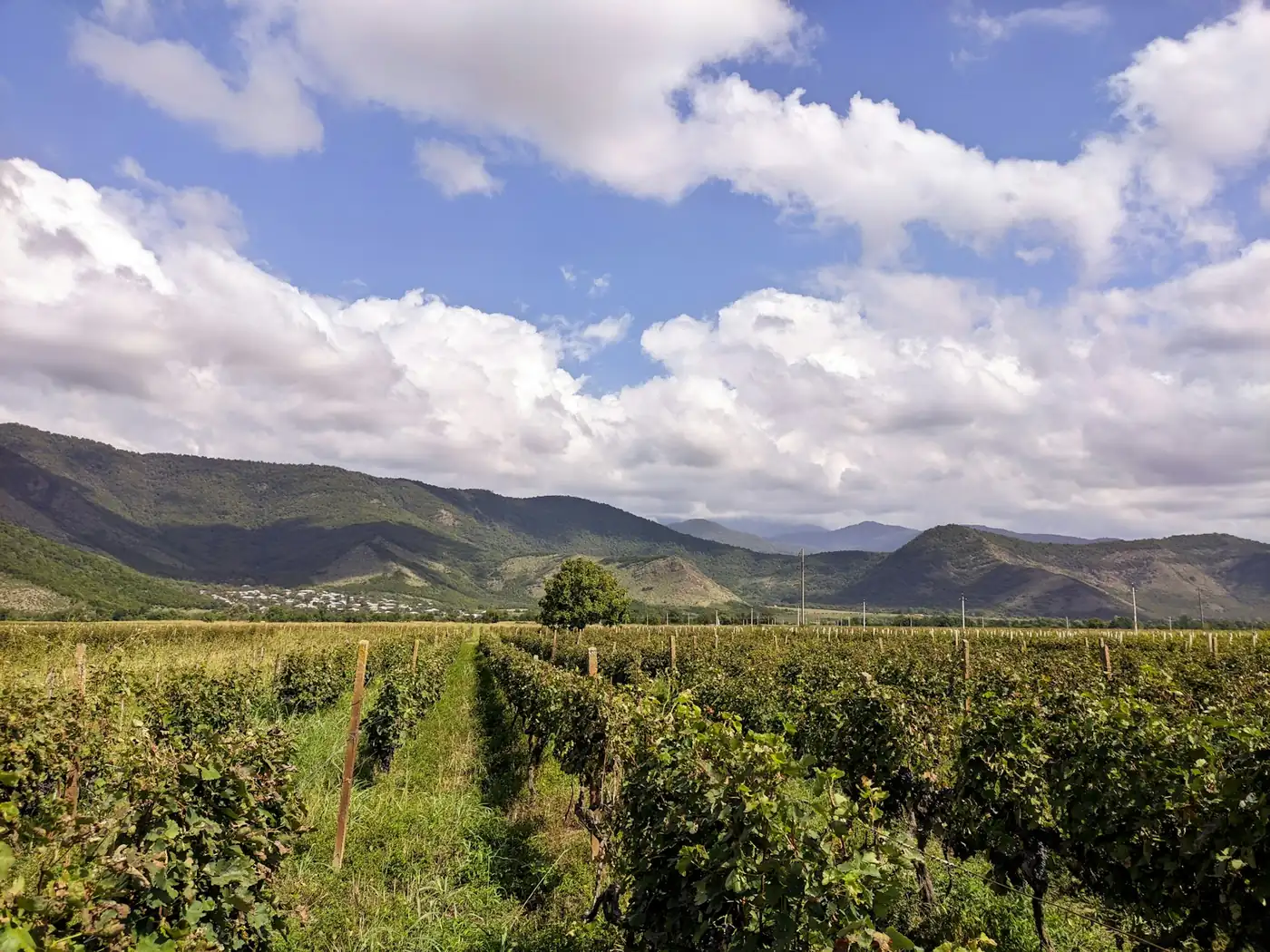
Kakheti, the eastern wine country, does the heartiest version of the cuisine and the best grilled meat, and it is the place to eat at a family table rather than a restaurant. In Kakheti the wine and the food belong to the same tradition, and the region treats them as genuinely one subject.
The mountains cook differently again, with the bread-and-meat dishes that make sense at altitude and in winter. On the road north, the roadside bakeries are an attraction in their own right, and our Kazbegi and Gergeti guide covers that route, where stopping to eat is half of what the drive is for.
The Black Sea coast brings the famous egg-and-butter khachapuri boat, more dairy and cornmeal, and the country’s freshest fish.
Wine, and why it is not a side subject
Wine in Georgia is not an accompaniment to the food, it is part of the same eight-thousand-year-old habit, and understanding that changes what you order.
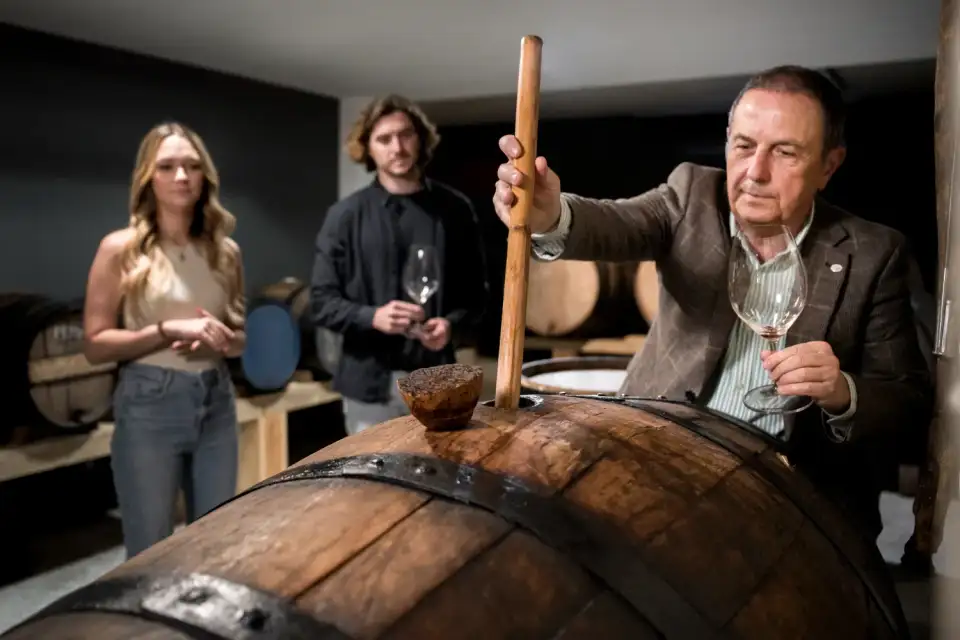
The distinctive thing is qvevri, the buried clay vessel in which grapes ferment with their skins. For white grapes that produces amber wine, a style that tastes nothing like a modern white: tannic, savoury, textured, and built for a table covered in walnuts, herbs and cheese. It is the great pairing of the cuisine, and it is genuinely hard to find made this way anywhere else.
Saperavi is the red to know, deep and dark and capable of standing up to grilled meat and the spicier western dishes.
Two practical notes. Homemade wine is everywhere, poured freely at family tables and roadside stalls, and its quality ranges from superb to rough; drink it in the spirit it is offered. And chacha, the grape brandy that appears at the end of a supra, is considerably stronger than it looks and is toasted rather than sipped, so pace yourself early rather than late.
For anyone who does not drink, the honest answer is that the toasting culture is built around wine, but nobody will push, and the tarragon lemonade and mineral water are national institutions in their own right.
Eating at the right hour, in the right way
Georgian eating has its own rhythm, and following it changes the experience more than any restaurant choice.
Nothing is ordered per person. Dishes arrive in the middle and stay there, often piled on top of each other, and you eat across all of them rather than working through your own plate. Ordering one main each is the classic visitor mistake, and it produces too much food and the wrong balance.
Order in waves. Cold starters, the pkhali and salads and aubergine rolls, come first, hot dishes follow, and khinkali arrive last and are eaten immediately.
Bread is not a side. It comes from the clay oven, it arrives constantly, and it is the tool for everything with sauce.
Meals are long. A proper lunch runs for hours, and rushing it is the one thing that reads as rude. If a table invites you to stay, staying is the correct answer.
Coffee, snacks and street bites
Between the big feasts, Georgia keeps you fed on the go. Bakeries turn out lobiani, a bean-filled flatbread, and nazuki, a sweet spiced loaf sold hot from roadside stalls, especially on the way to Kakheti. Markets pile high with churchkhela, dried fruit and mountain honey, and cities like Tbilisi and Batumi now have a serious specialty coffee scene alongside the traditional strong Turkish-style brew. Grab a fresh loaf from a tone bakery, still warm from the clay oven, and you have the perfect walking snack for a morning of sightseeing.
Reading what is on the menu is easier than the script suggests, and our guide to the Georgian alphabet covers the letters and the handful of words that change how a table treats you.
The one food experience that is worth building a day around rather than fitting between sights is a cellar lunch in the wine country, where the eating and the drinking are the same event and neither is rushed. Our guide to touring Kakheti covers how to arrange it and how many cellars is too many.