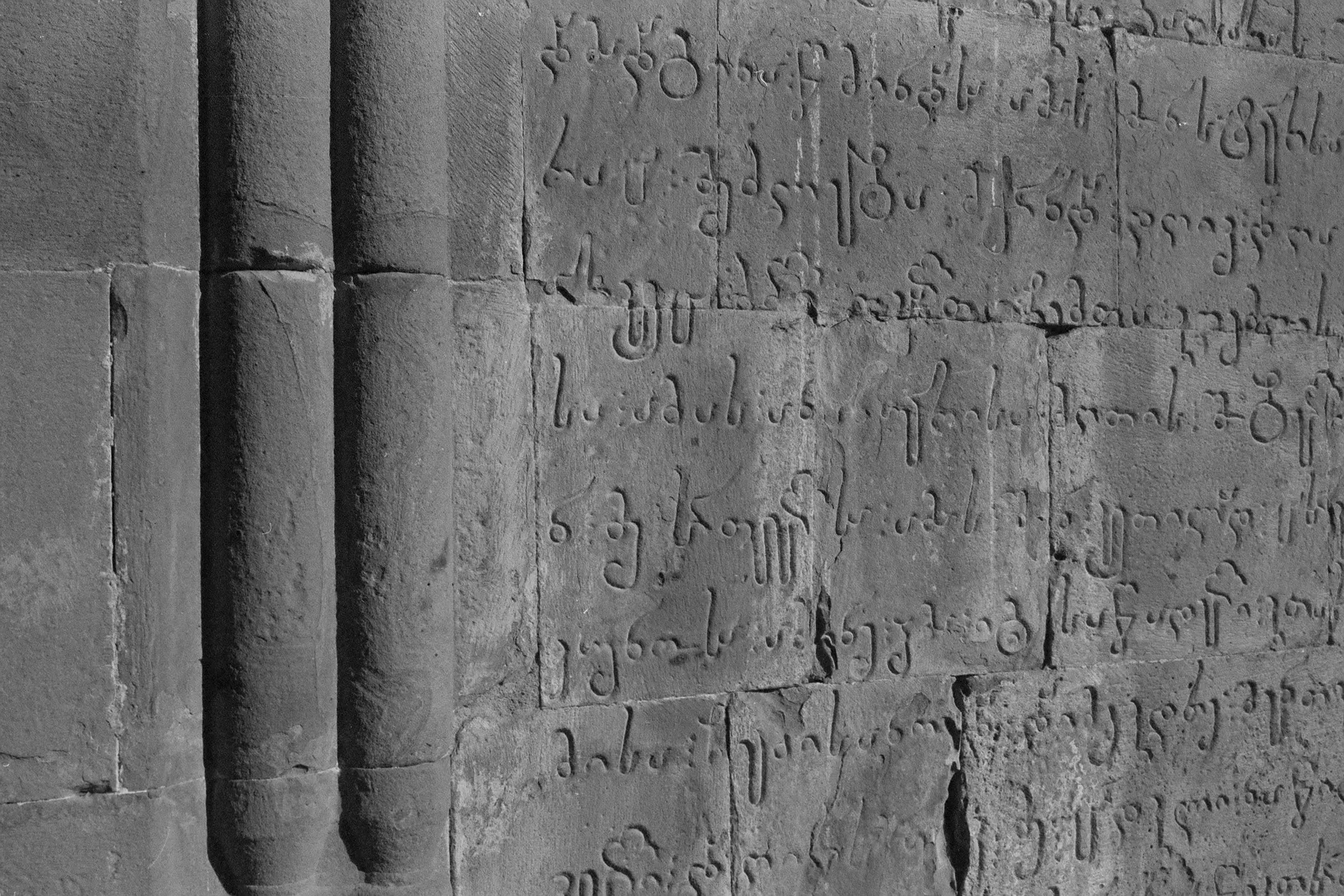
Georgian looks harder than it is to travel in and is harder than it looks to learn. The script is unlike any other in use, with rounded letters that resemble neither Latin nor Cyrillic nor Greek, and the language behind it belongs to a family whose other members are also spoken in Georgia and nowhere else. There is nothing to guess from. Against that, the road signs are transliterated, the metro is bilingual, translation apps handle the rest, and about six words learned on the flight will do more for the trip than any amount of preparation.
The script
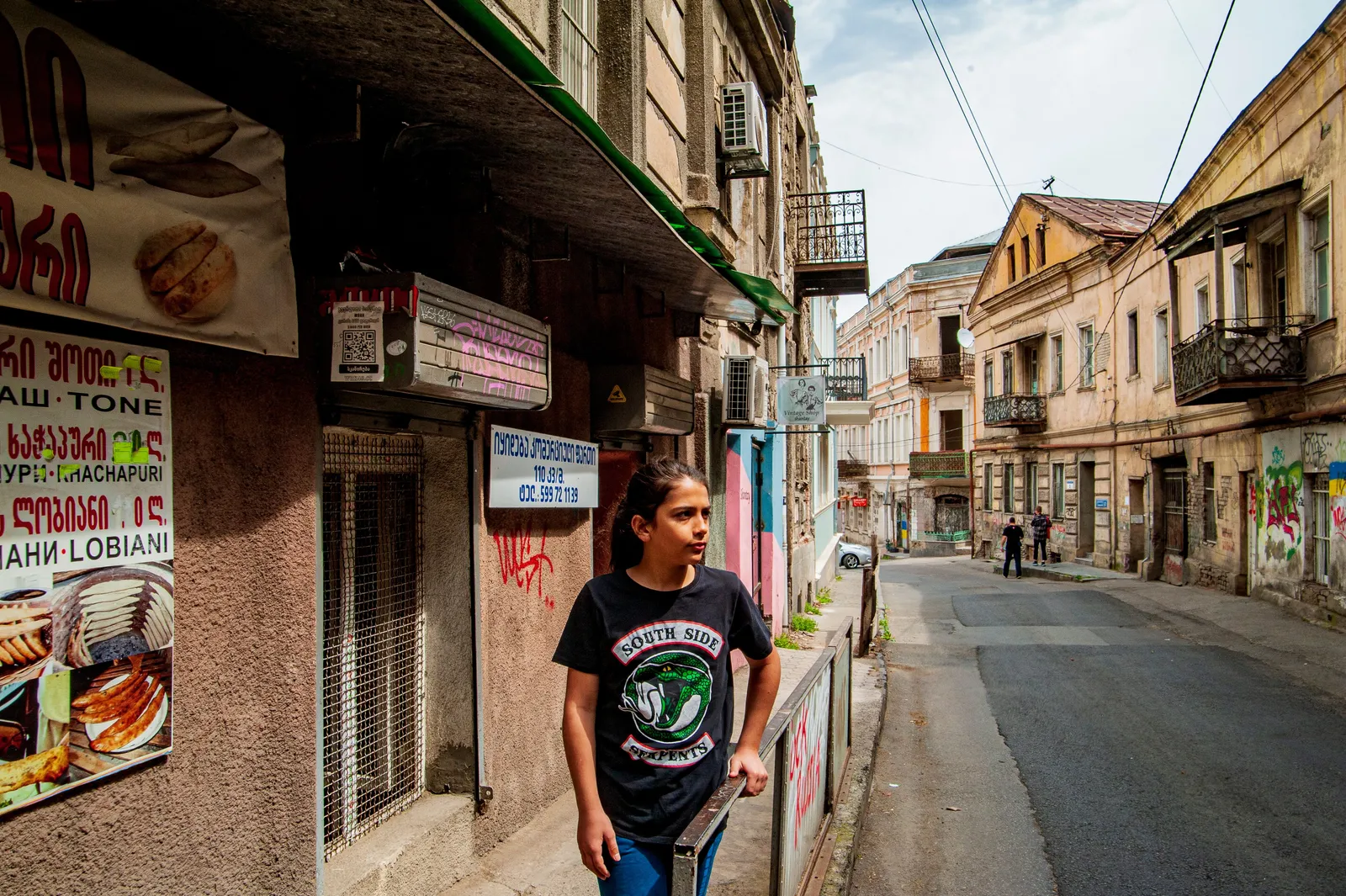
Thirty three letters in Mkhedruli, the script used for everything modern.
No capitals, which removes an entire category of thing to learn.
Phonetic and consistent, so a letter sounds the same wherever it appears.
Three historical scripts in total, the older two now in manuscripts, inscriptions and church use.
Listed by UNESCO in 2016 as living intangible heritage, which Georgians will mention.
Learnable in a couple of evenings, at the level of sounding words out.
The language behind it
Kartvelian, a family with no established relationship to Indo European.
Not Slavic, not Turkic, not Semitic, and not related to Armenian either despite the neighbourhood.
Consonant clusters that are famous, genuinely difficult and much loved by Georgians as a party trick.
Verb structures that make it hard to learn properly and are not your problem for a fortnight.
Regional languages alongside it, including Mingrelian and Svan in the west and north west.
Russian as a widespread second language, particularly among older people.
The words worth having
Gamarjoba, hello, which literally carries a sense of victory and is used constantly.
Madloba, thank you, and didi madloba for the emphatic version.
Ki and ara, yes and no.
Gemrielia, delicious, which is the highest form of politeness at a table.
Gaumarjos, the toast, which you will hear many times in one evening.
The numbers one to ten, because markets, taxis and marshrutka fares all run on them.
Where the gap actually bites
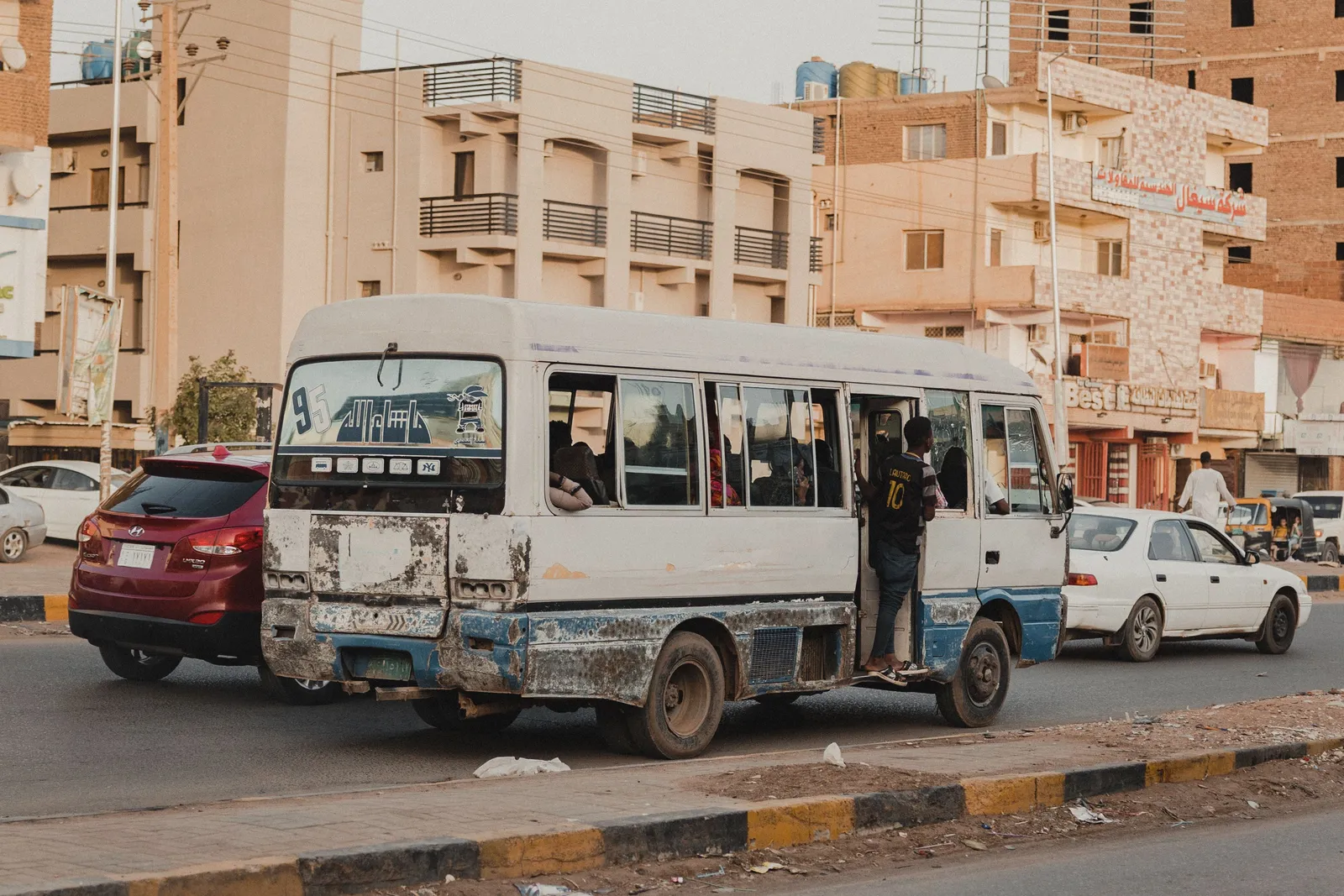
Marshrutka destination boards, which are handwritten in Georgian and are the classic problem.
Village shops and small town cafes, where nobody is obliged to speak anything else.
Menus outside the cities, which is where reading the letters starts to pay.
Anything official, from a pharmacy label to a form.
Conversation with older people, where Russian is more likely to work than English.
And the toasts, which are the part you will most want translated and nobody will translate in time.
Practical tools
An offline translation app with the Georgian pack downloaded before you leave.
The camera translation function, which handles menus and labels surprisingly well.
A written note of your accommodation address in Georgian script, for taxi drivers.
Transliterated road signs, which cover navigation almost entirely.
Pointing, which is universally understood and carries no stigma here.
And patience, which is reciprocated generously.
Where this fits in a Georgia trip
An hour on the flight, and then constant small use, which is the whole investment required.
For everything else a first Georgian trip needs to know before arriving, our first time guide covers the ground.
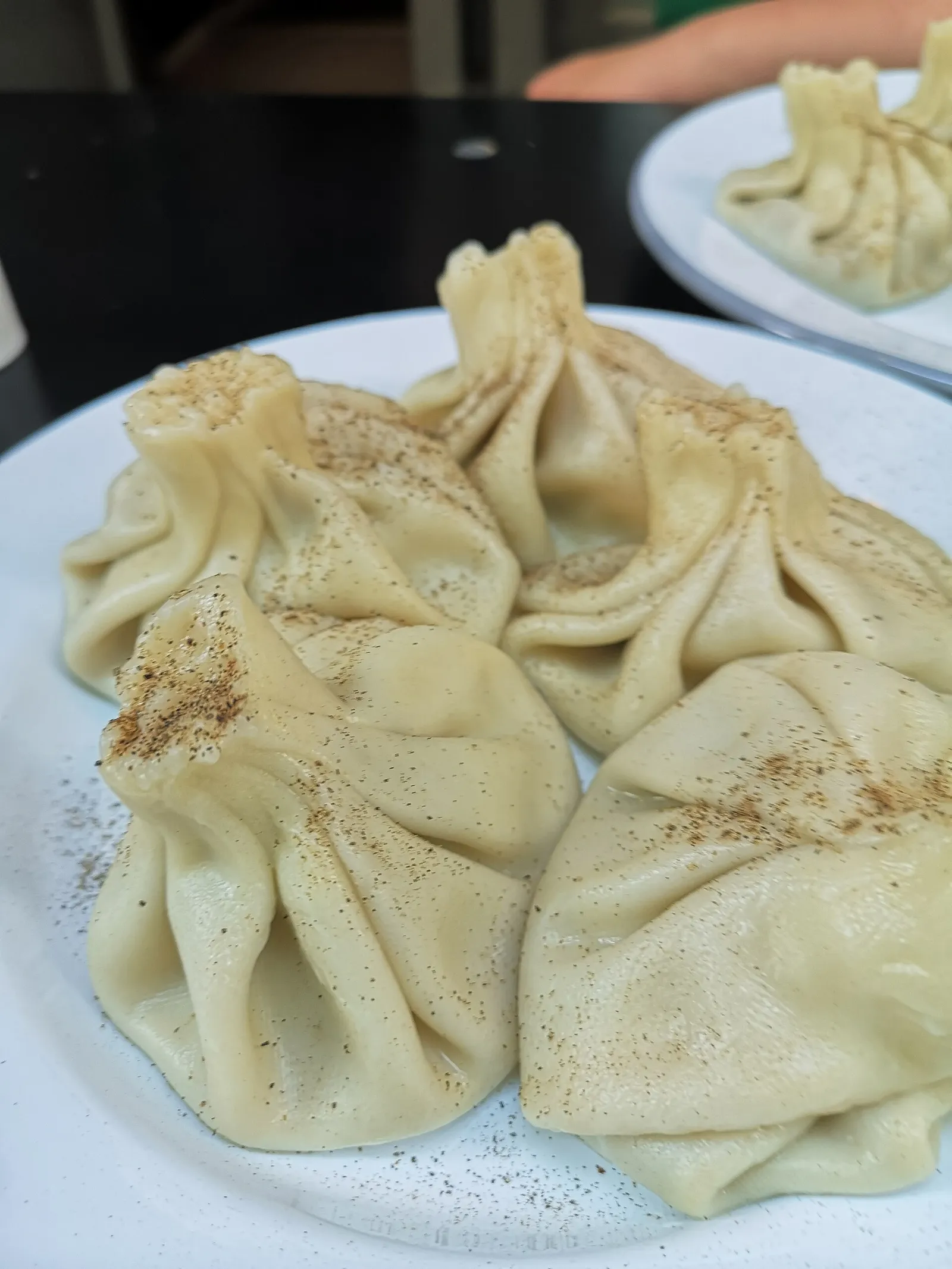
For the word that appears on every menu in the country and what to do when it arrives, our khinkali guide covers it.
And for the destination boards that are the main place the script matters, our marshrutka guide explains the system.
The short version
Learn four words on the flight: gamarjoba, madloba, didi madloba and gemrielia. Download the offline language pack and use the camera translation for menus and labels. Write your address down in Georgian script for taxis. Do not worry about navigation, because road signs and the metro carry Latin transliteration, and do worry slightly about marshrutka destination boards, which do not. If you have two spare evenings, learn to sound the letters out, because the script is phonetic and consistent and the payoff on the ground is out of proportion to the effort.