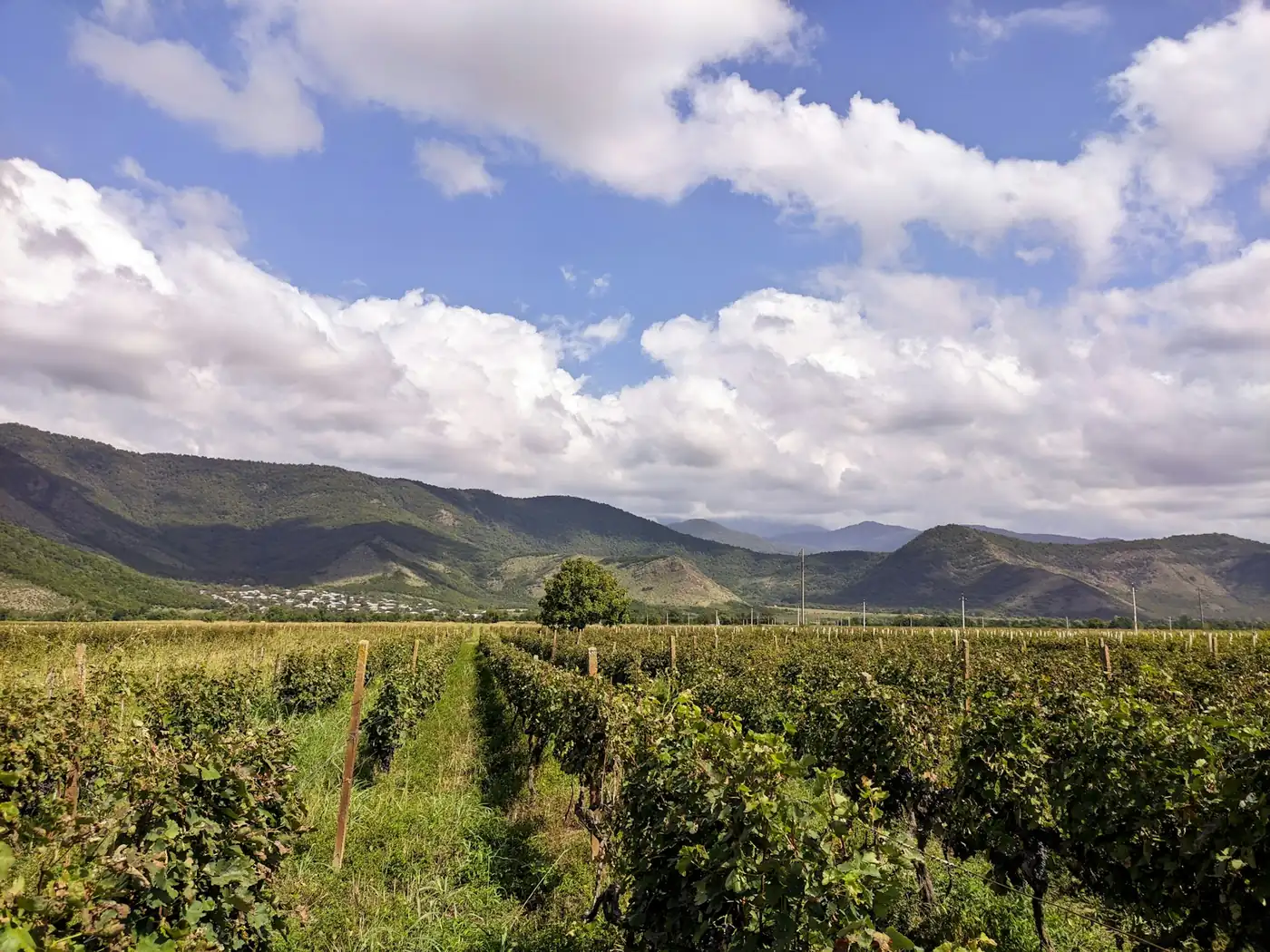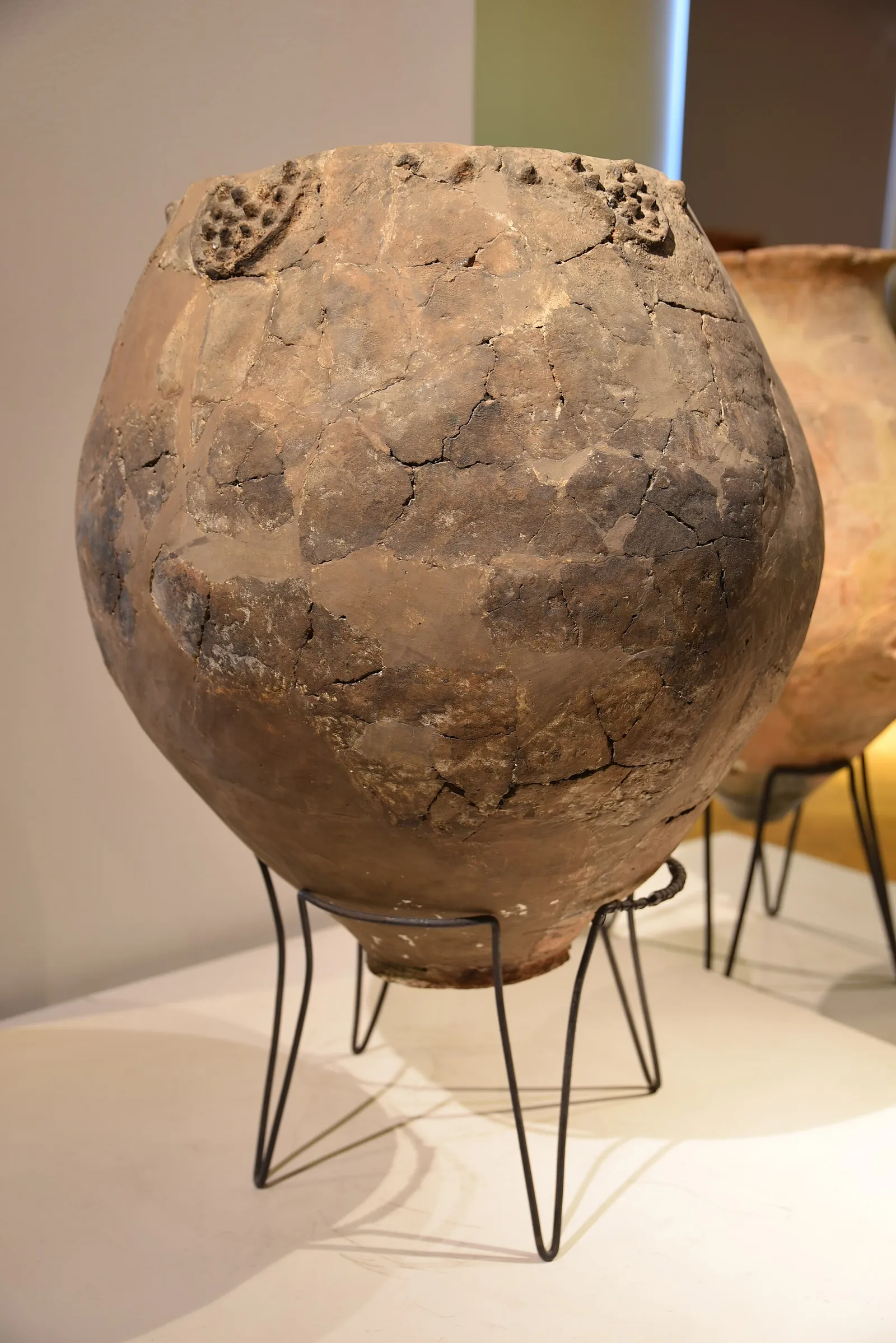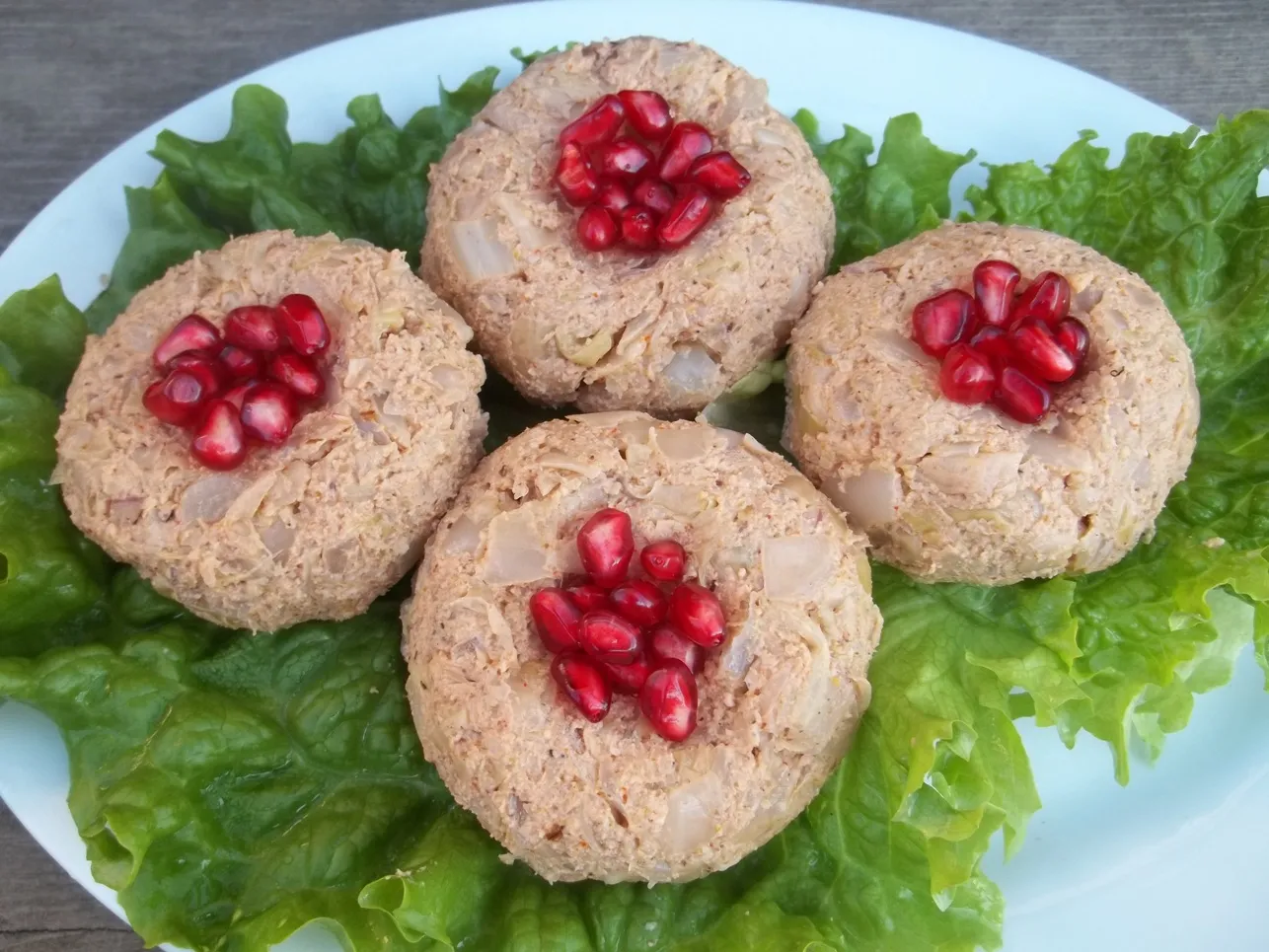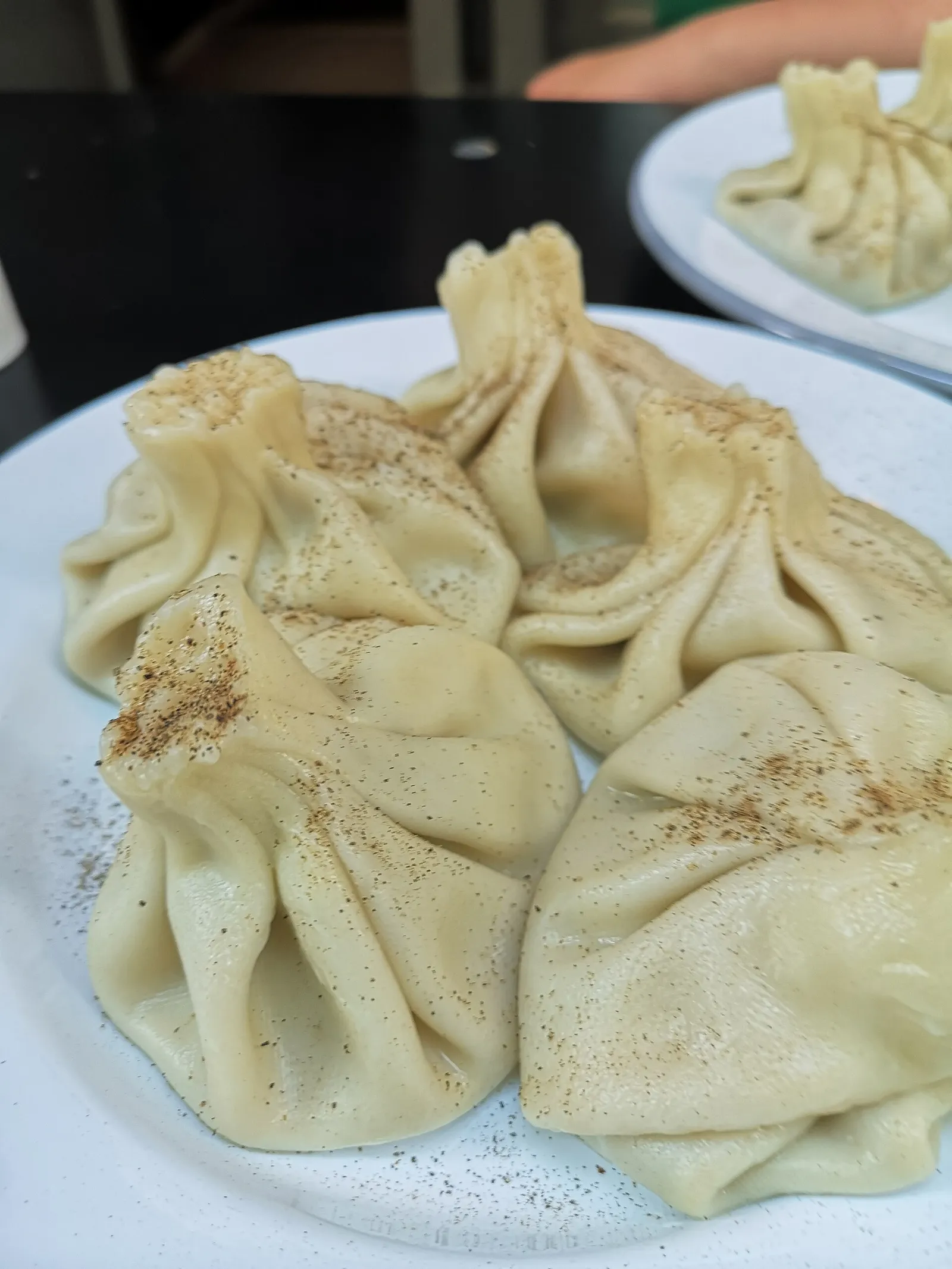
Georgia is where wine was born. Archaeologists have traced winemaking here back some 8,000 years, and the tradition is not a museum piece but a living, everyday thing, poured at every table and buried in clay in cellars across the country. Its beating heart is Kakheti, the sun-warmed eastern region where vineyards roll toward the Caucasus and nearly every family makes its own wine. For anyone who loves what is in the glass, this is the region that turns a Georgia trip into a pilgrimage.
Qvevri: the world’s oldest way to make wine
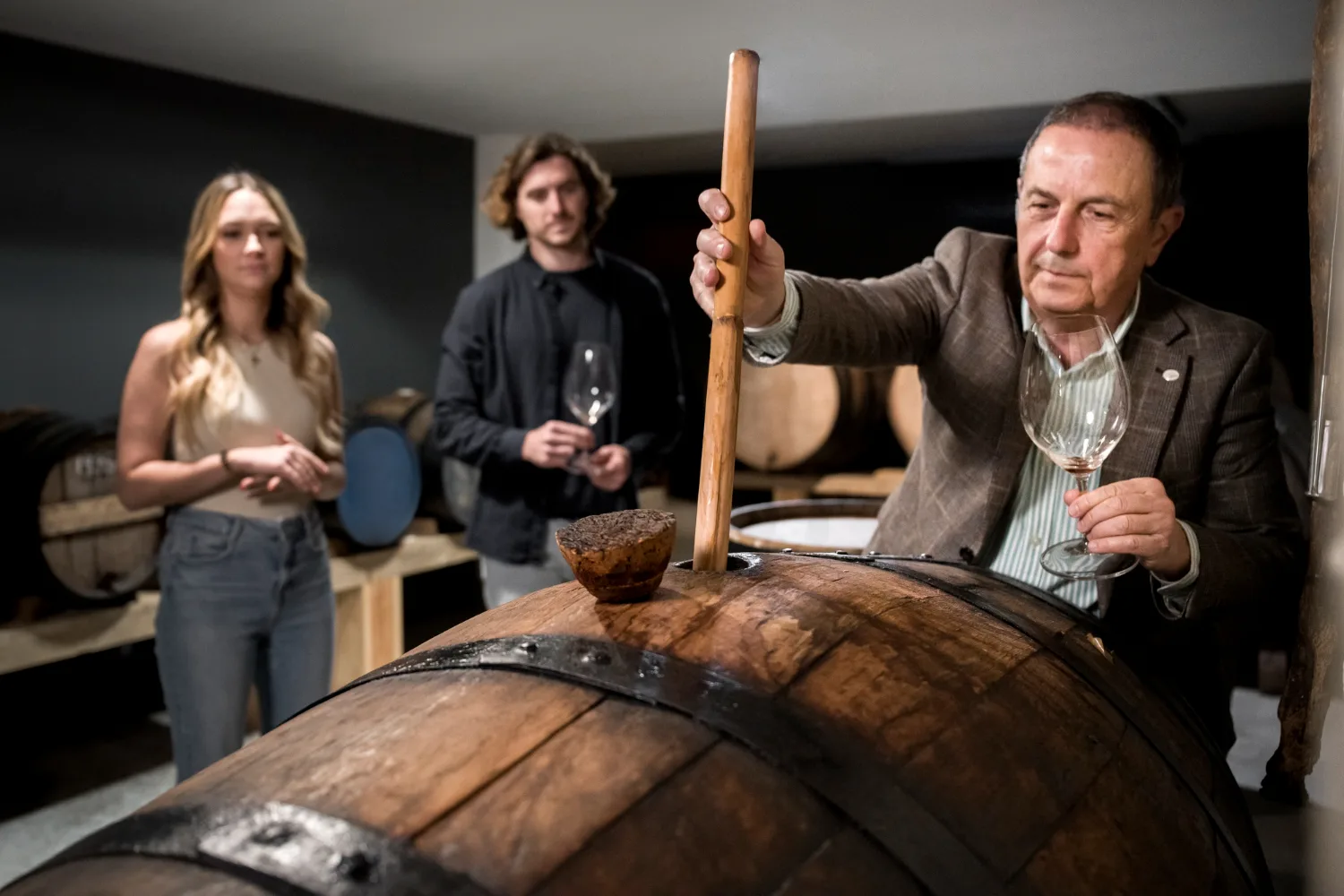
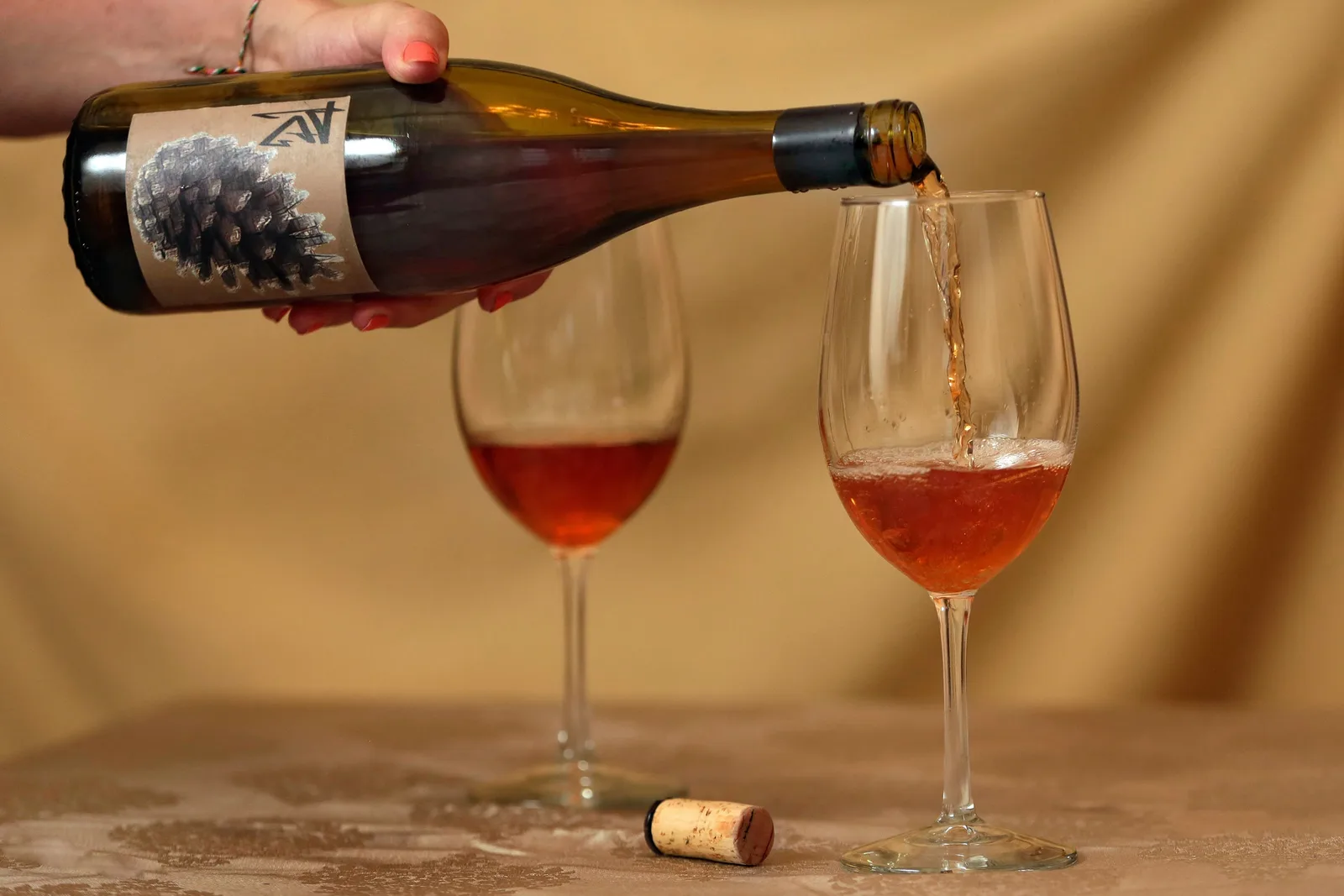
To understand Kakheti, you have to understand the qvevri, the huge egg-shaped clay vessel that Georgians bury underground to ferment and age their wine. Grapes go in, skins, stems and all for the traditional method, and the wine develops slowly in the cool earth with almost no intervention. The result, for white grapes left on their skins, is amber wine: deep gold to orange in colour, gently tannic, savoury and utterly unlike a modern crisp white. The technique is recognised by UNESCO as a cultural treasure, and tasting it at the source, straight from the clay, is the single most memorable thing you can drink in the country.
Sighnaghi, the city of love
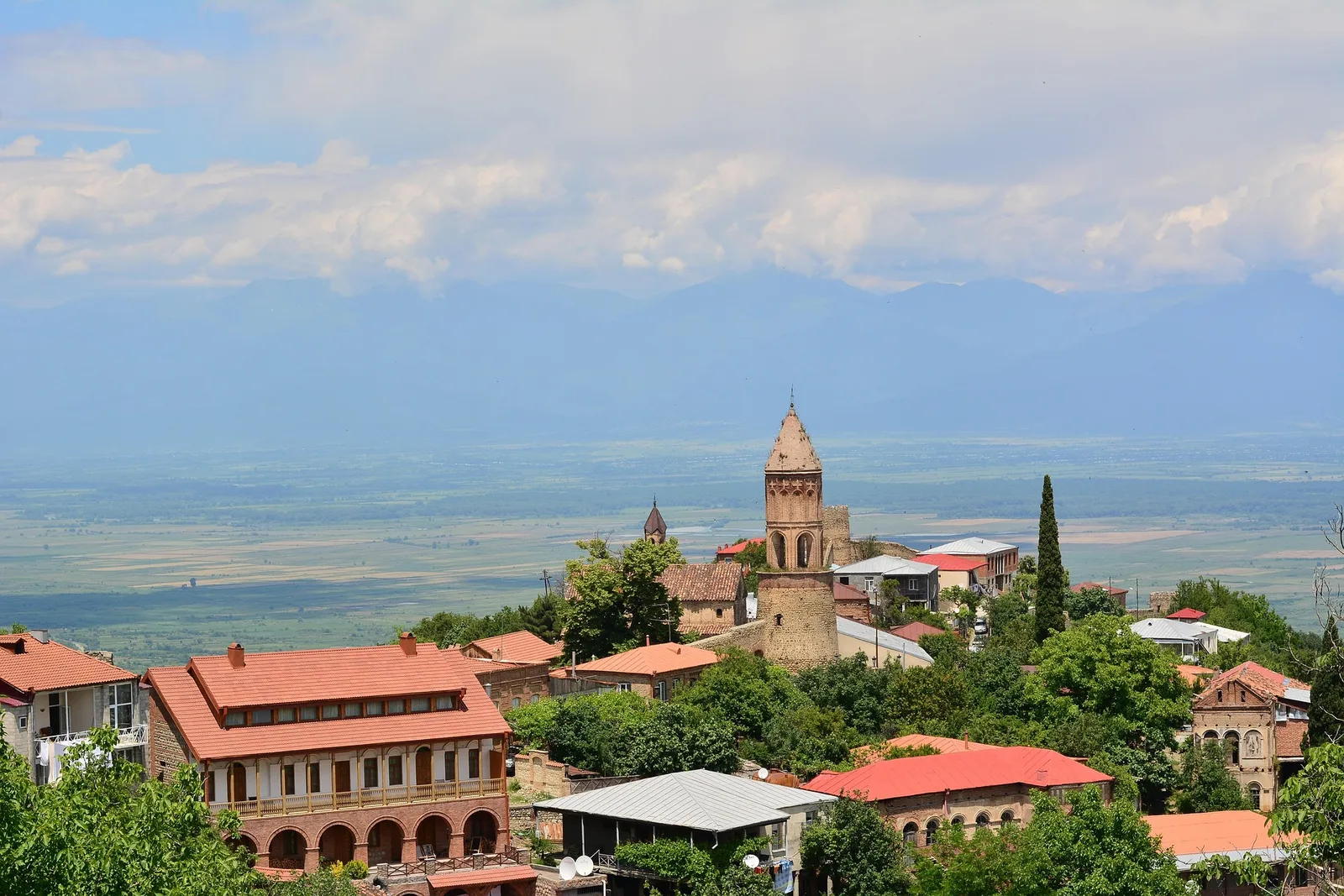
Most wine trips anchor on Sighnaghi, a jewel of a hilltop town wrapped in old defensive walls, with cobbled lanes, terracotta roofs and balconies looking out over the vast Alazani valley to the snow line beyond. Nicknamed the city of love for its round-the-clock wedding house, it is compact, walkable and made for lingering: a leisurely lunch, a wander along the ramparts, and a sunset that sets the whole valley glowing. Staying overnight lets you have the views, and the cellars nearby, without racing back to Tbilisi.
The cellars and wineries to seek out
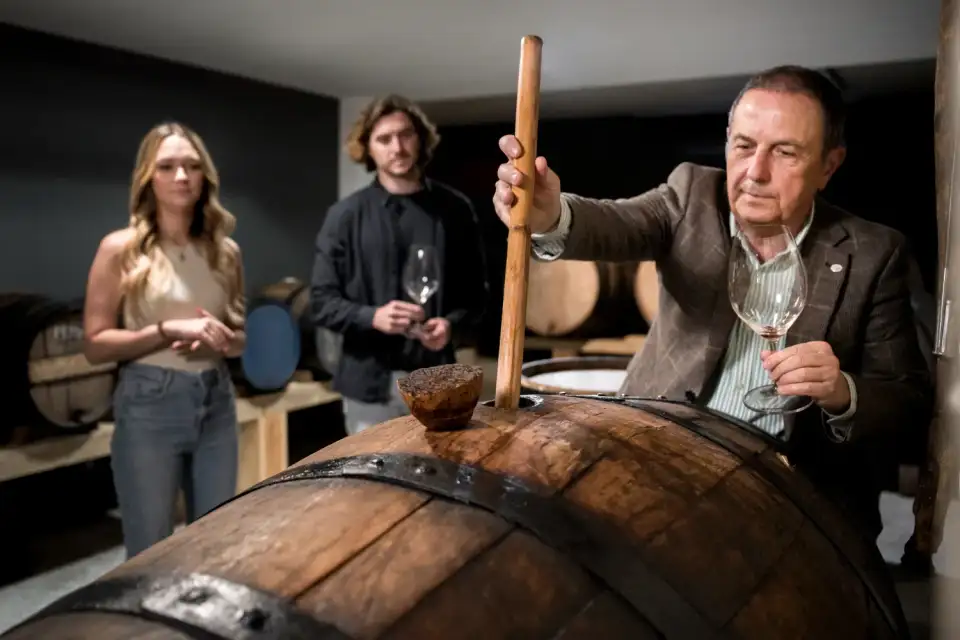
Kakheti’s pleasure is variety. You can taste at polished modern wineries with tours and cellar-door shops, or pull up a chair in a tiny family marani (cellar) where the owner ladles wine straight from the qvevri and lays out cheese, bread and churchkhela. Around Telavi, the regional capital, and the villages toward Sighnaghi, look for producers working with the great local grapes: inky Saperavi for reds, and Rkatsiteli and Kisi for the ambers. Many places also distil chacha, the fiery grape brandy, and will insist you try it. Book the bigger names ahead, especially in harvest season, and let a small tasting flight lead you to bottles you will want to ship home.
Cellar-hop with a small-group wine tourA guide lines up the family maranis and modern wineries so you just taste and enjoyMonasteries and the wider region
Kakheti is not only vines. The region hides some of Georgia’s most atmospheric monasteries, and they pair beautifully with a wine day. Bodbe Monastery, just below Sighnaghi, sits among cypress gardens and is the resting place of Saint Nino, who brought Christianity to Georgia. Further out, the cave monastery complex of David Gareja clings to a remote semi-desert ridge, a dramatic half-day excursion, though it comes with a caveat: the complex straddles an undelimited stretch of the Georgia and Azerbaijan border, and the upper Udabno caves with their famous frescoes have been off limits to visitors since the dispute flared. The lower Lavra monastery is open and worth the drive, and you can walk up to the ridge viewpoint, but do not cross the marked border posts and do check the situation before you commit a day to it. Add the fortified Gremi citadel or the royal Alaverdi Cathedral, and you have a region that feeds the soul as well as the palate.
How to plan your wine days
Kakheti works as a long day trip from Tbilisi (about two hours each way) or, better, an overnight so you can taste unhurried and catch Sighnaghi at golden hour. The golden rule: do not drive yourself if you plan to taste. Hire a private driver or join a small-group wine tour, both of which handle the route, the cellar bookings and the winding roads while you enjoy the glass. A typical day might string together a modern winery, a family marani lunch with a mini-supra, a monastery and a walk around Sighnaghi.
When to visit
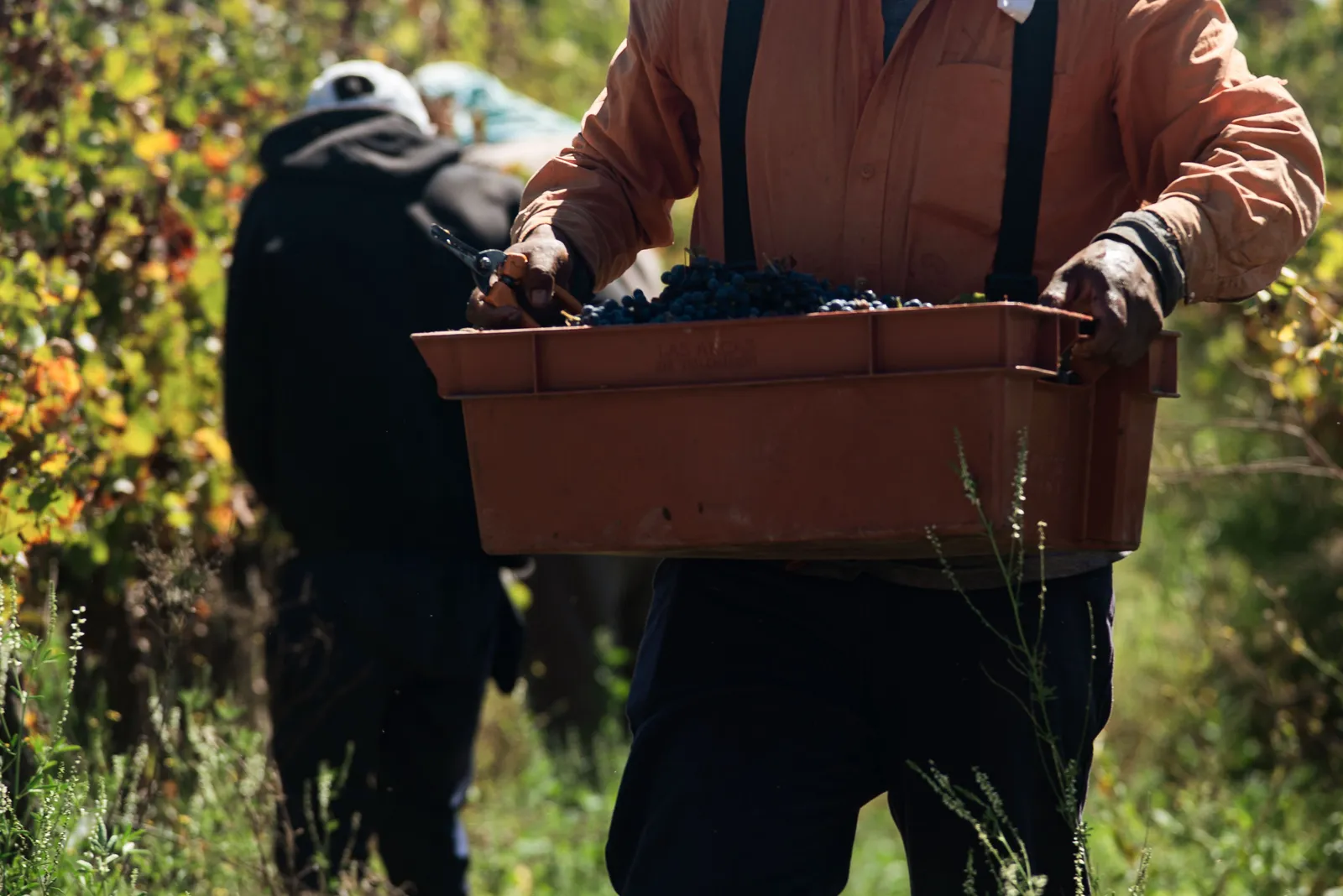
Come in late spring or early autumn for the best of it. September and October bring the rtveli, the grape harvest, the most magical time to be here, when cellars hum with pressing, the air smells of must, and you may be handed a bucket and invited to help. May and June are lush and green, summer is hot but perfectly workable, and winter is quiet, with smaller cellars in their slow season. Whenever you go, you will leave Kakheti understanding why Georgians say the wine is not just a drink here but the country’s very memory, poured into a glass and handed to you with both hands.
The grapes and styles to know
A little vocabulary goes a long way in a Kakheti cellar. The region’s flagship red is Saperavi, a deeply coloured, full-bodied grape that ranges from dry and structured to lightly sweet, and it is one of the world’s few grapes with red flesh as well as red skin. On the white side, Rkatsiteli is the workhorse behind most amber wines, joined by aromatic Kisi and Mtsvane. You will meet two broad styles: the traditional qvevri (amber) wines, made with long skin contact and a savoury, tannic edge, and cleaner European-style wines made in steel and oak. Try both side by side and you will quickly learn which speaks to you, and the cellar staff love nothing more than guiding a curious taster through the difference.
Where to stay in the wine country
Basing yourself in the region rather than day-tripping pays off. Sighnaghi is the postcard choice, with boutique guesthouses and hotels perched on the ramparts and dreamy valley views at dawn and dusk. Telavi, the larger regional hub, is more workaday but well placed for the biggest wineries and has grown some lovely estate stays and vineyard hotels on its outskirts. Many wineries now offer rooms on site, so you can taste, feast at a supra and simply walk upstairs, the ideal way to enjoy the wine without watching the clock or the road. Book early in harvest season, when the whole region fills with visitors chasing the rtveli.
Turning the region into a trip
Three things follow naturally from everything above. The practical day itself, meaning how many cellars to visit, whether to drive and what a hired driver changes, is covered in our guide to touring Kakheti, and it is worth reading before you book anything, because the most common mistake here is booking too much.
The food is not a side note in this region: the supra is the format the wine was made for, and a cellar lunch is a meal rather than a tasting. Our Georgian food guide covers what arrives on the table and in what order.
And where the region sits in a wider route matters if this is not a day trip, since Kakheti falls naturally between the capital and the east on any longer loop.
And if the trip lands in the autumn, the region stops being a tasting room and becomes work: our guide to rtveli covers the harvest weeks and how visitors end up holding a bucket.
If the wine is the trip rather than a stop on it, our five days in Kakheti plans it out day by day, from Tsinandali and a qvevri cellar to Sighnaghi, the monasteries and the semi desert in the far south east.