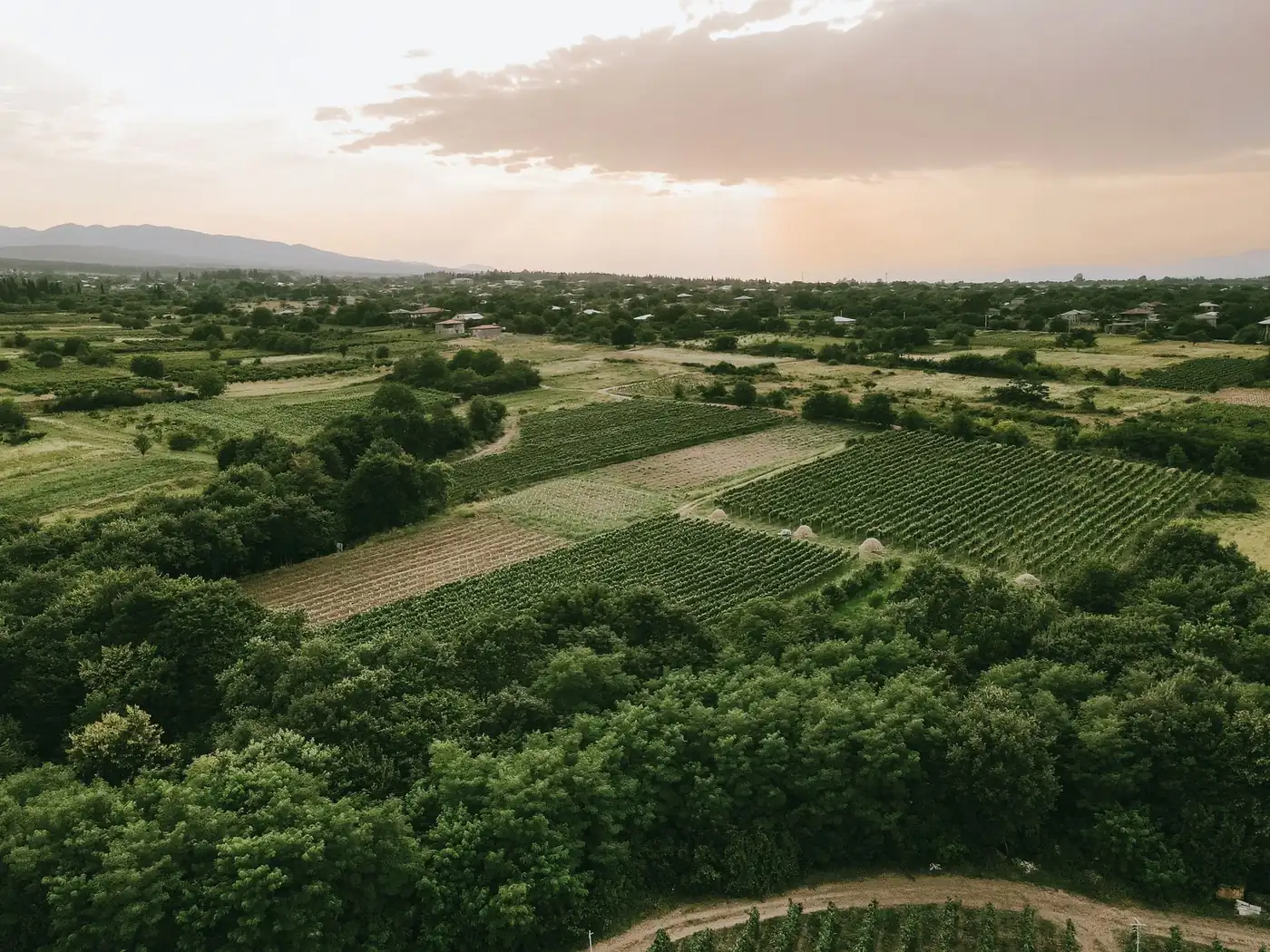
Georgians will tell you wine was invented here, and the archaeology is on their side: the clay vessels found in this region are among the oldest evidence of winemaking anywhere. What matters for a visitor is that the old method never went away. Wine is still fermented in a qvevri, a beeswax-lined clay vessel buried to its neck in the floor of the cellar, skins and stalks included, and the result tastes nothing like the wine you know from anywhere else. Five days in Kakheti gives you the cellars, two of the country’s most atmospheric monasteries, a walled town on a ridge above the valley, and a last day in a landscape that turns to semi desert. Read our Kakheti wine guide first and the natural wine piece if the method is what interests you.
Itinerary at a glance
| Day | Base | The signature experience |
|---|---|---|
| 1 | Telavi | The Tsinandali estate and its cellar |
| 2 | Telavi | A qvevri cellar with the family that owns it |
| 3 | Sighnaghi | The town walls at sunset over the Alazani valley |
| 4 | Sighnaghi | Bodbe monastery, and Nekresi above the plain |
| 5 | Tbilisi | The cave monastery at Davit Gareja |
Day 1: Telavi and Tsinandali
Telavi is the working capital of the region and the sensible first base, close enough to everything to keep the driving short. Its castle and the enormous plane tree in the centre are worth an hour, but the day belongs to Tsinandali, a nineteenth century estate a short drive away where an aristocratic family built a European style house, laid out a garden and installed what was then a modern cellar. The tour takes in the house, the garden and a cellar holding old bottles from the estate’s own production, and the tasting at the end is more structured than most in the region.
The setting explains the whole area. The estate sits on the edge of the Alazani valley, a wide flat plain of vineyards with the main Caucasus wall standing behind it, and on a clear afternoon the snow line is visible from the terrace. Get your first look at the geography now, because everything for the next four days sits inside this view.
Food: start as you mean to continue, with khinkali, the soup dumplings, and read how to eat them before you order, because there is a technique and locals will notice. The signature experience: the estate cellar, where the bottles go back generations and the guide will open something old if the group is interested. Optional tour: a driver for the day out of Telavi is cheap by European standards and solves the obvious problem with a wine region, which is that somebody has to drive.
Day 2: A qvevri cellar and the marani
This is the day the trip is for. Small family wineries across Kakheti take visitors into the marani, the cellar room where the qvevri are buried, and the good ones will let you look into an open vessel, taste from it with a long ladle, and hear why the skins stay in. Expect amber wine made from white grapes with extended skin contact, expect it to taste like nothing in a supermarket, and expect to be given food alongside rather than crackers.
Two or three cellars is the maximum that makes sense in a day, and small is better than famous. Somewhere in the middle of it you will be offered chacha, the grape spirit distilled from what is left after pressing, which is strong and not optional in the social sense. Somebody will also make toasts, and if a tamada, a toastmaster, takes charge of the table then the meal has a structure and an arc that is worth surrendering to.
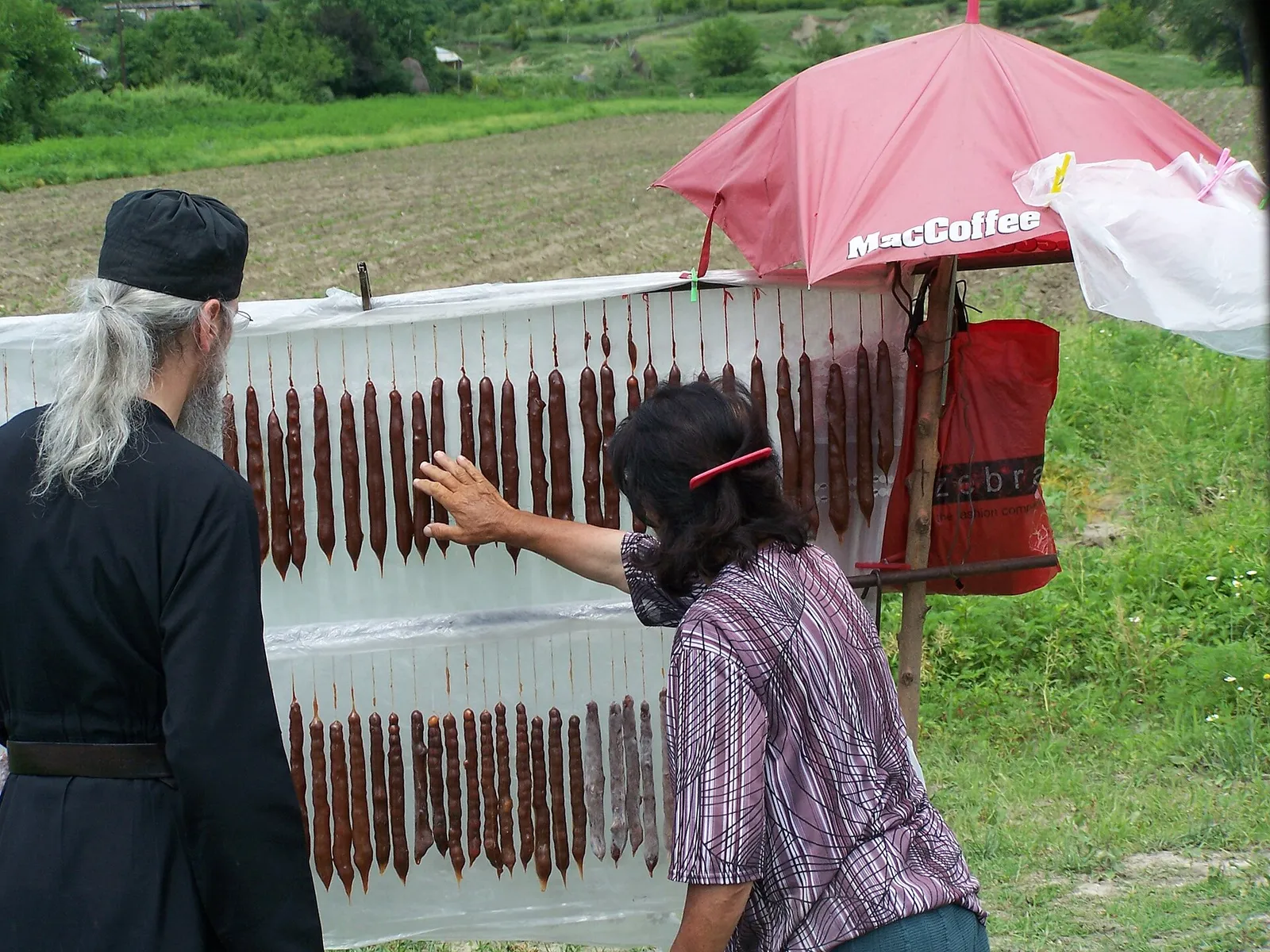
Food: a supra, the Georgian feast, with mtsvadi, pork grilled over vine cuttings, and churchkhela, nuts threaded on string and dipped repeatedly in thickened grape juice, hanging up to dry in every courtyard here. The signature experience: tasting straight from an open qvevri in a cellar floor, which no amount of wine bar attendance prepares you for. Optional tour: a guided cellar day is worth booking rather than turning up, because the smallest and best places are houses rather than businesses and are not always open.
Day 3: Alaverdi and on to Sighnaghi
Break the drive south with Alaverdi, an eleventh century cathedral standing alone on the plain inside a monastery wall, tall and plain and much bigger than it looks from the road. The monks here revived qvevri winemaking on the site, and the cellar attached to the monastery can usually be visited. Ikalto, a ruined academy in the woods nearby where a medieval poet is said to have studied, is a quieter and shadier stop in the same direction.
Sighnaghi is the afternoon. The town sits on a ridge with a defensive wall running around and over the hills behind it, and long stretches of the wall and its towers can be walked, which gives you the whole Alazani valley and the mountains beyond from a height. The centre is small, brick and Italianate, restored fairly heavily and pleasant for it, with a carpet and craft market and a lot of balconies. Stay for sunset; it is the reason people book a night here rather than passing through.
Food: Sighnaghi has a small restaurant scene of its own, and the local pheasant and walnut dishes are the thing to order; the town also sells more churchkhela per metre than anywhere in Georgia. The signature experience: the walk along the town wall with the valley dropping away below it. Optional tour: a wine tasting in one of the town cellars in the evening is an easy way to compare four or five producers without another day of driving.
Day 4: Bodbe, Nekresi and the empty corners
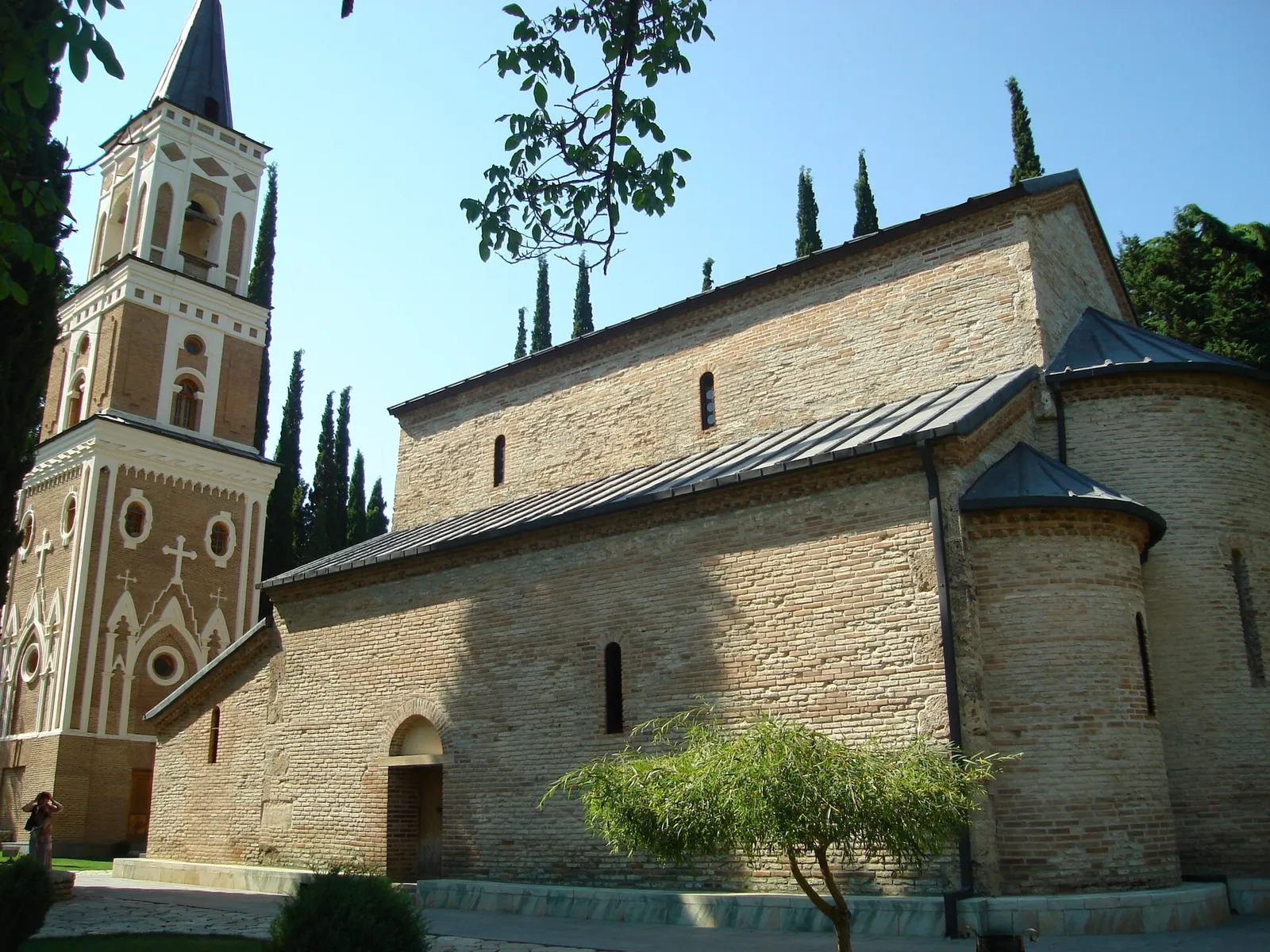
Bodbe monastery sits just outside Sighnaghi in a cypress avenue, a working convent with terraced gardens and a spring below the hill that pilgrims walk down to. It is a short trip and an early one, before the buses. Nekresi, north across the valley, is the opposite: a hilltop monastery complex reached by a shuttle up through forest, with a small fourth century church that is among the oldest in the country and a view back over the plain that shows you the whole shape of Kakheti.
Fill the rest of the day according to taste. Gremi, a royal citadel and church on a bluff, is the remains of a capital that a Persian army destroyed, and the tower can be climbed. Kvareli has the tunnels cut into a hillside for wine storage. Or simply take a longer lunch, because five days here should not be a march.
Food: in the villages, ask for whatever cheese is local and fresh, and for jonjoli, pickled bladdernut flowers, which appears on Kakhetian tables and rarely anywhere else. The signature experience: the fourth century church at Nekresi, which is small, dark and very old. Optional tour: a guide for the monastery day earns their fee, since the history of these sites is layered and the signage is minimal.
Day 5: Davit Gareja and back to Tbilisi
The last day leaves the vines entirely. Davit Gareja is a complex of cave monasteries cut into a ridge in the semi desert south east of Tbilisi, founded in the sixth century, and the landscape around it is dry, folded and striped in colours you will not have seen elsewhere in Georgia. The lower monastery of Lavra is a working community built into the rock; the frescoed caves of Udabno are higher up the ridge on a path with a serious drop.
One thing to know before you go: the ridge sits on the border with Azerbaijan and access to the upper section has been restricted at various times, so confirm the current position locally on the day rather than relying on anything written in advance, including this. If it is closed, Vashlovani in the far south east is the alternative for anybody with a four wheel drive and a day to spare, a genuine badlands park where you register at the visitor centre before entering. Otherwise the road back to the capital is a couple of hours, and Tbilisi is waiting.
Food: there is nothing at the monastery, so bring water and lunch from Sighnaghi or Tbilisi. The signature experience: the frescoed caves above the ridge, if they are open, and the walk up regardless. Optional tour: day trips from Tbilisi to Davit Gareja run regularly and are the simplest way to do this if you are returning a hire car in the morning.
Practical tips
- Somebody has to drive, and the drink driving rules here are strict. A driver for the wine days is the normal arrangement and costs less than you would expect; our car hire guide and driving notes cover the alternative.
- Harvest, the rtveli, falls in the early autumn and is the best and busiest time to be here, with families picking and guests pressed into helping. Book accommodation early for it and read our seasonal guide.
- Cellar visits at the small producers are appointments rather than opening hours. Arrange them a day ahead through your guesthouse.
- Distances are short but the roads are slow. Two wineries and one monastery is a full day, and three of anything is a rush.
- Carry cash for the village cellars and the monastery donation boxes; see money and payments.