Georgia packs an astonishing range of landscapes into a small country: subtropical Black Sea coast, 5,000-metre Caucasus peaks, sun-baked wine valleys and a historic capital. That variety means there is no single best time to visit, only the best time for what you came to do. Get the timing right and the country opens up effortlessly. Here is how the seasons play out, and how to match them to your trip.
The short answer: spring and autumn
If you want one recommendation, aim for May to June or September to October. These shoulder seasons give you warm, comfortable days across most of the country, kind evenings, smaller crowds than midsummer, and landscapes at their most photogenic, wildflower-green in late spring, harvest-gold in early autumn. They are the ideal windows for a classic first trip that combines Tbilisi, a mountain overnight and the wine country, because everything is open and the weather cooperates almost everywhere at once.
Spring (March to May)
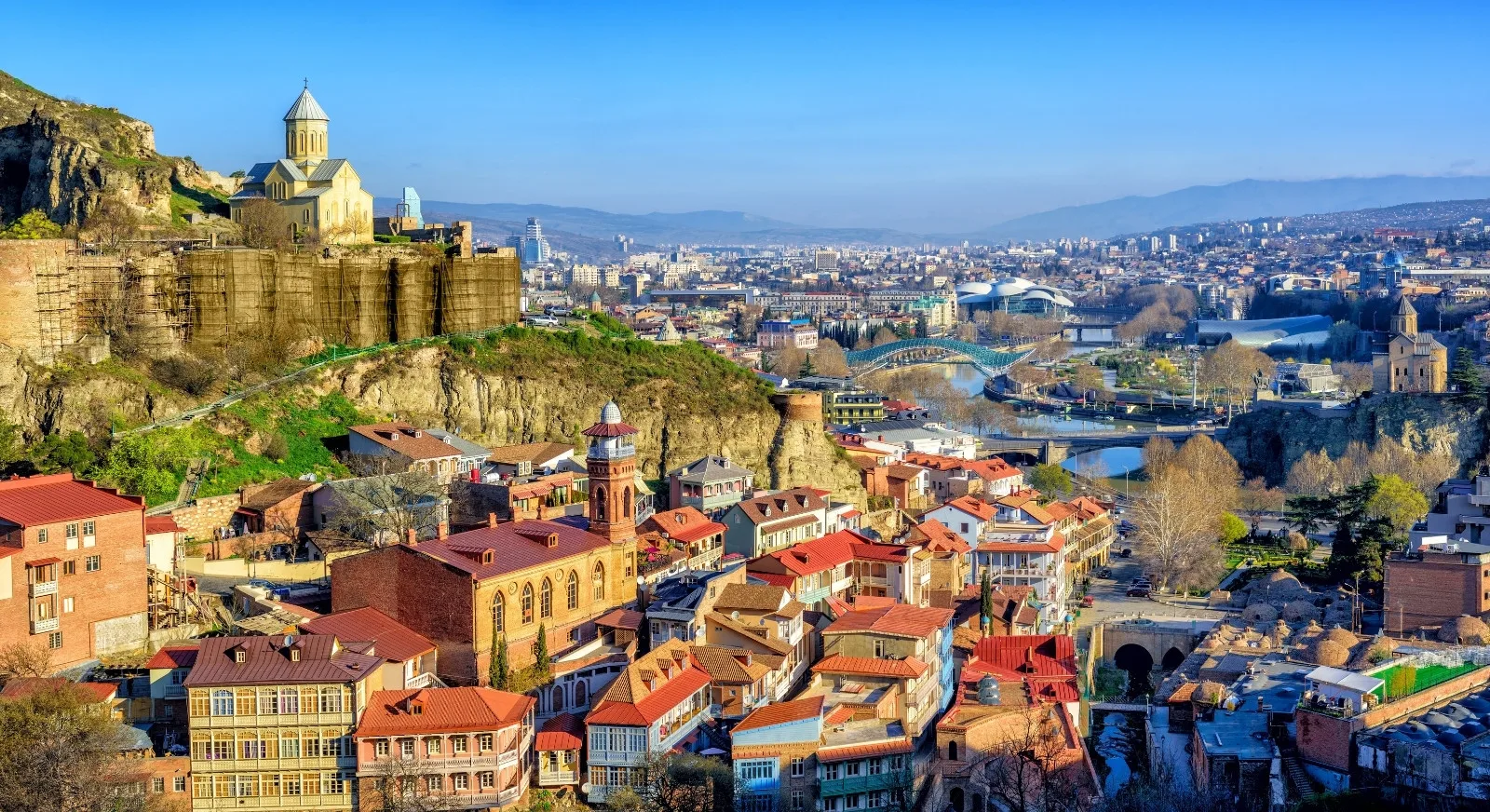
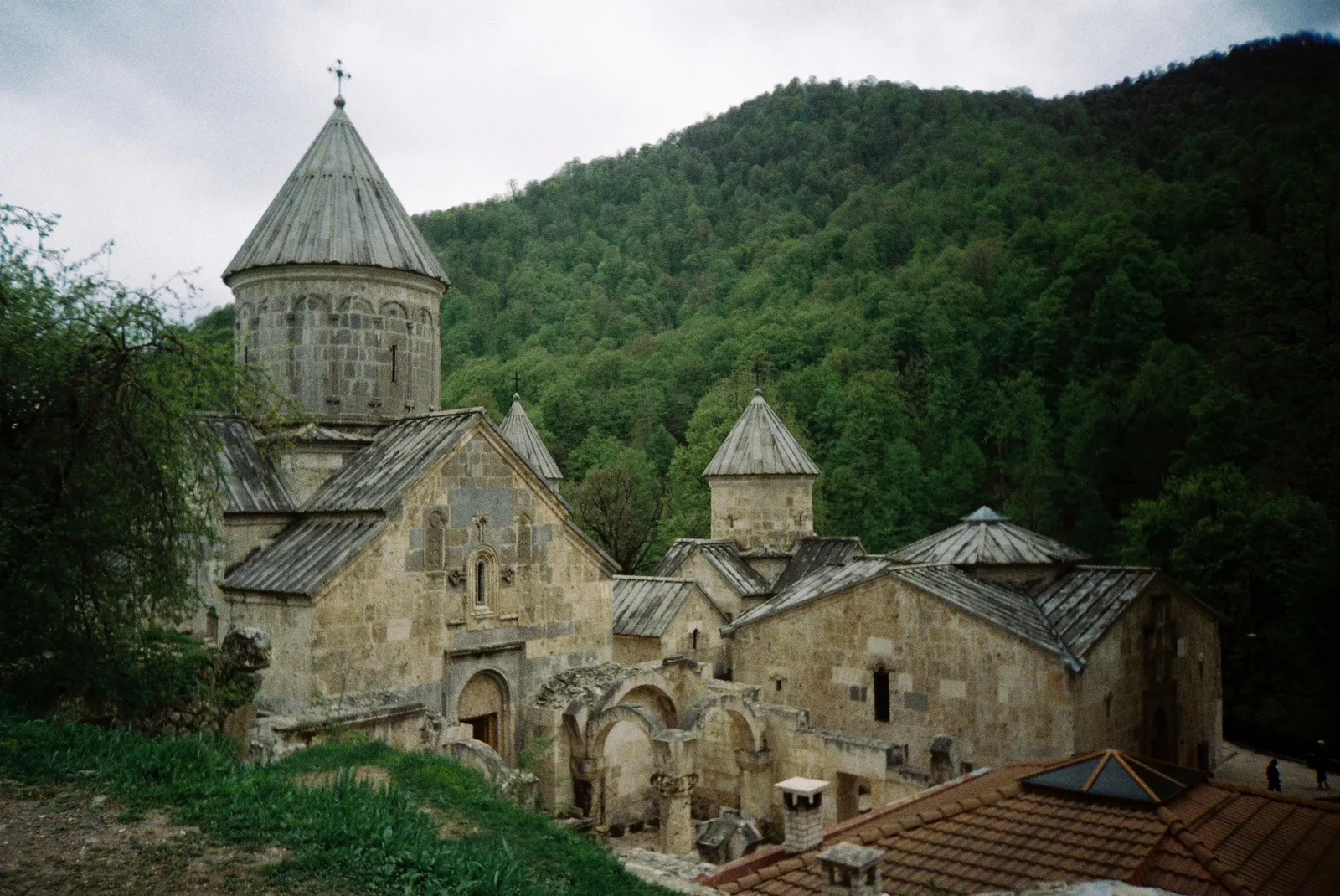
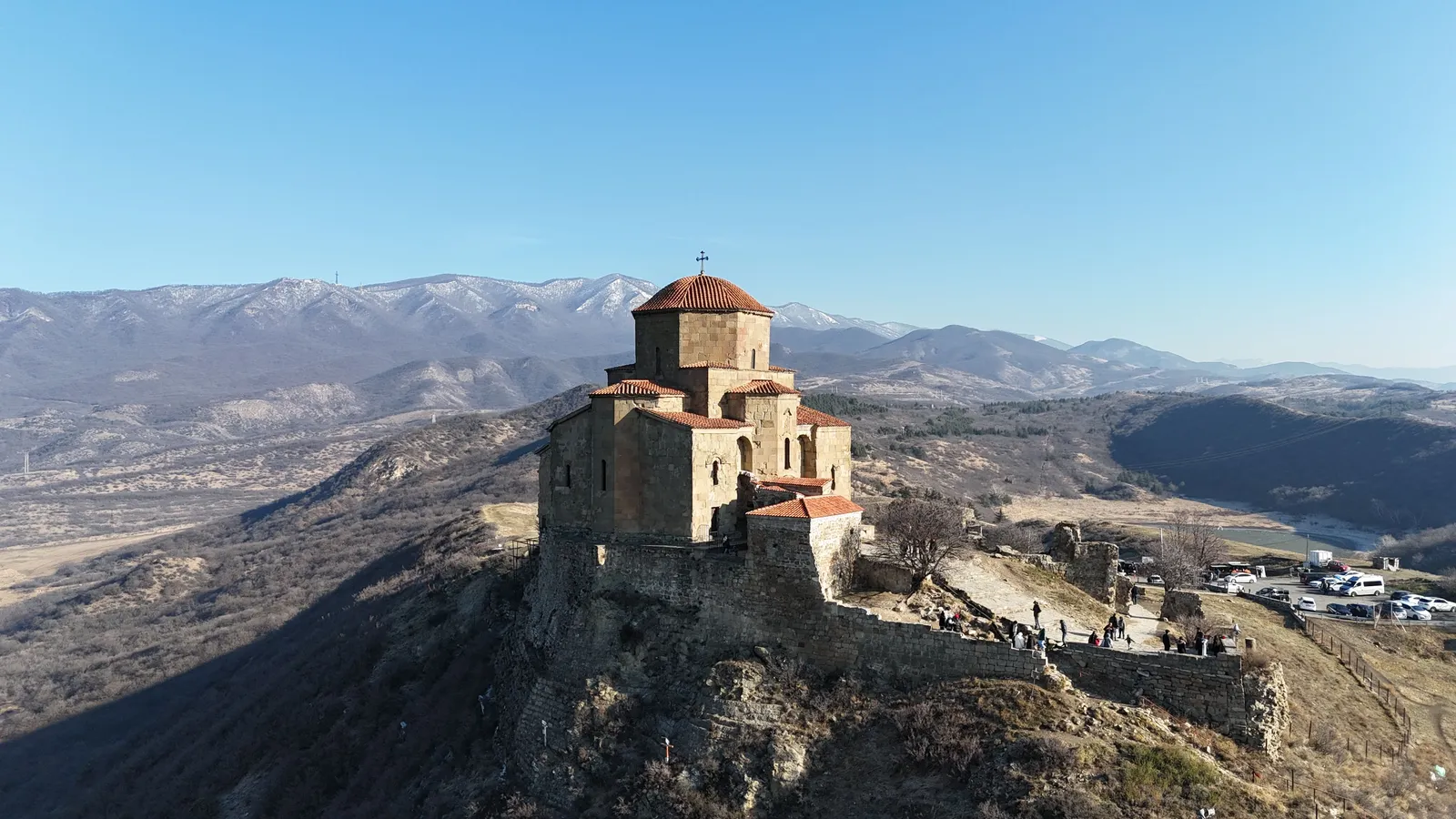
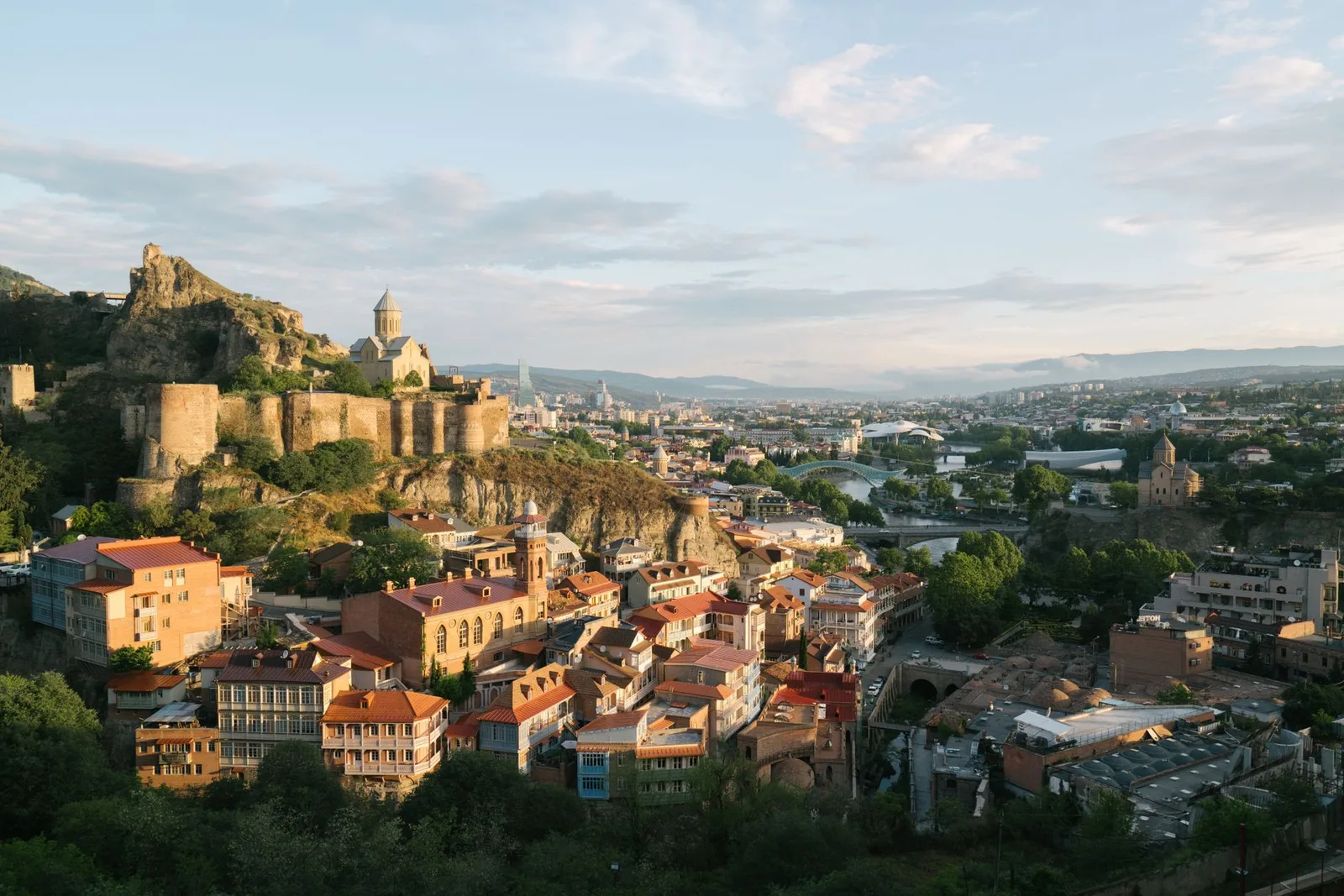
Spring wakes the country up. March and early April are unpredictable, still cold and snowy in the highlands, mild but changeable in the lowlands. By late April and May, Tbilisi and the wine valleys are lovely, warm days, blossom and green hills, though the high mountain trails are still clearing their snow. This is a great time for cities, monasteries, Kakheti and lower walks, with the peaks best admired from below. Pack layers, because a warm valley afternoon can turn into a cold evening fast.
Summer (June to September)
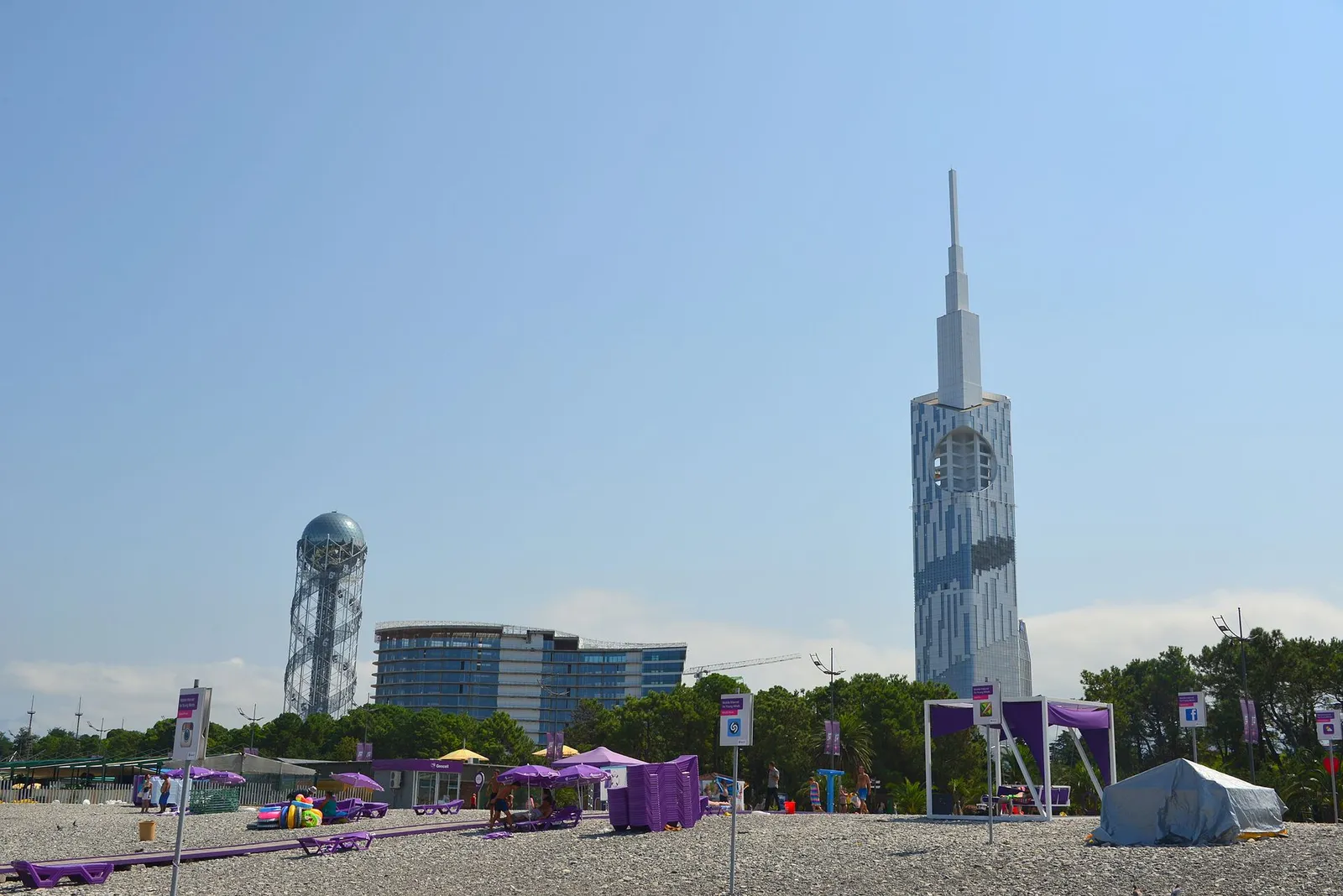
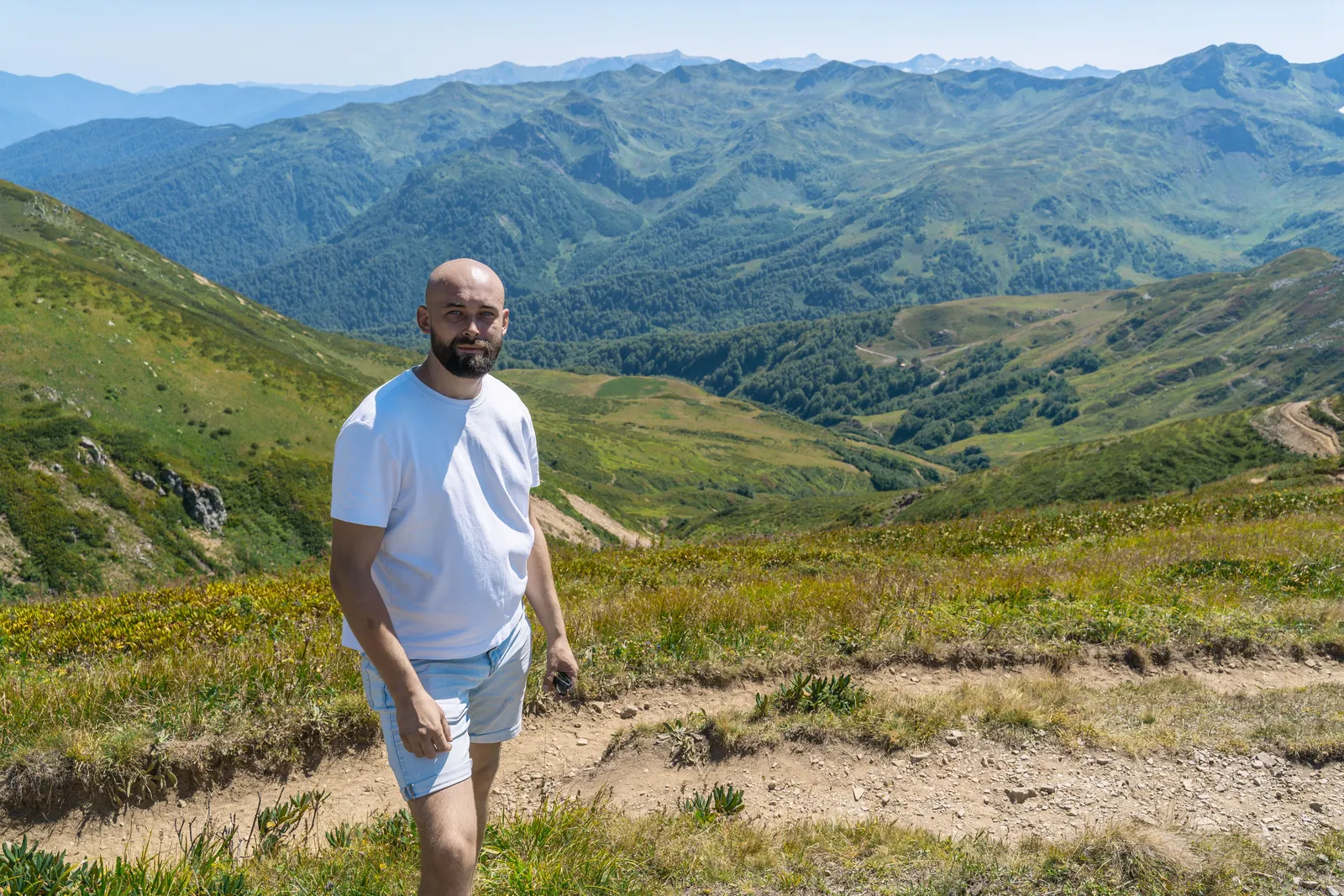
Summer splits the country in two. Down in Tbilisi and Kakheti it is genuinely hot, sometimes uncomfortably so in July and August, which pushes many travellers up or out. That is perfect, because summer is exactly when the high Caucasus is at its best: from June to September the trails and passes of Kazbegi, Svaneti and Tusheti are open, green and glorious, the prime window for serious hiking. It is also beach season on the Black Sea, when Batumi and the coast are warm, buzzy and made for swimming. The move in high summer is simple: head for the mountains or the sea and save the lowland cities for cooler hours.
Grab the summer mountain windowJune to September is peak hiking season, so book your Kazbegi and Svaneti days earlyAutumn (September to November)
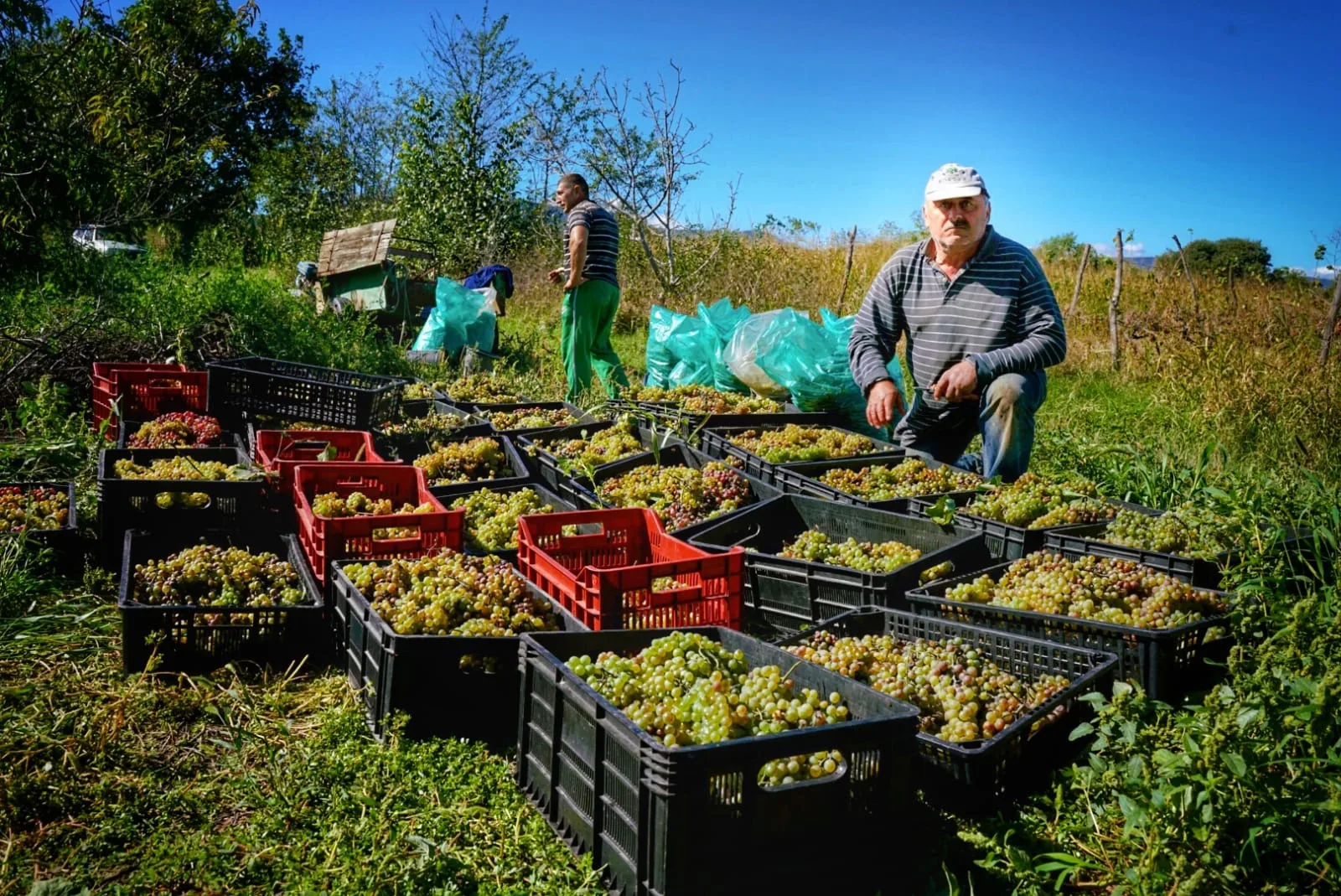
For many, this is Georgia at its finest. September and October deliver warm, stable days, thinning crowds and the extraordinary atmosphere of the rtveli, the grape harvest, when Kakheti’s cellars hum, the vineyards glow gold and you may be handed a glass of just-pressed wine. The mountains stay open and clear into September before the first snows, so early autumn can combine hiking and harvest in one trip. By November the weather cools and turns wetter, the high season winds down, and the country begins its slide toward winter. If you can only pick one month, many would choose October.
Winter (December to February)
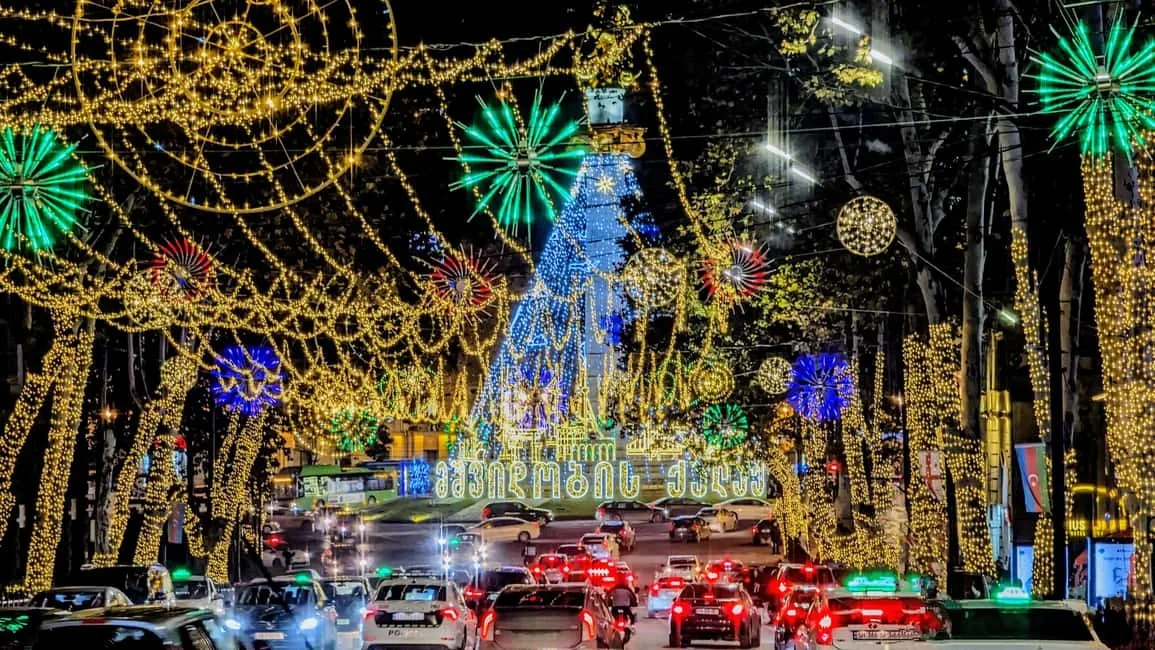
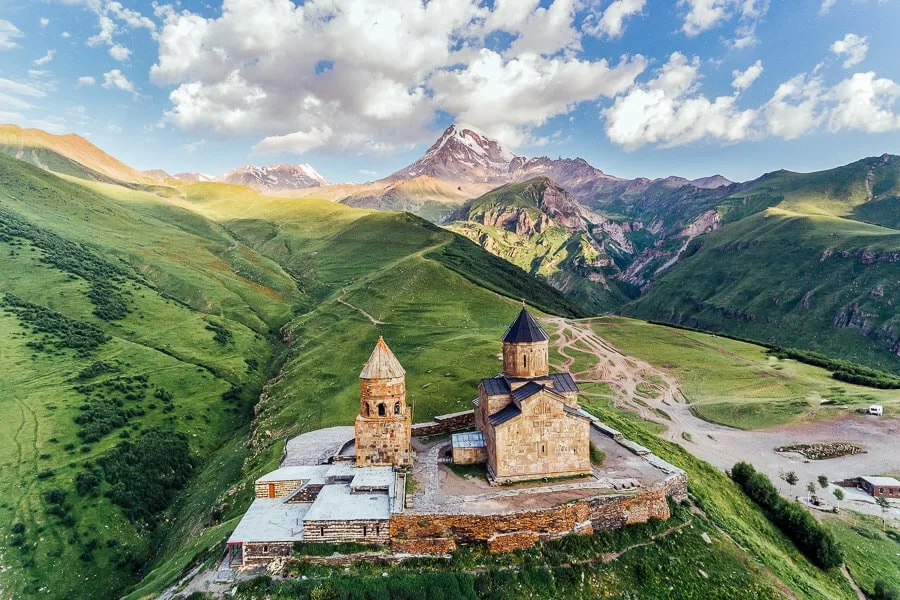
Winter is a specialist season, and a rewarding one if you come for the right reasons. It is ski season at resorts like Gudauri and Bakuriani, where the Caucasus delivers long runs and reliable snow at gentle prices. Tbilisi turns atmospheric and cheap, wrapped in cafe warmth, and the New Year period is festive and family-focused. The trade-offs are real, though: short daylight, cold, and snow that can briefly close the Georgian Military Highway and shut the high hiking trails and some remote regions entirely. Come for the slopes and the cosy city, not for the mountains on foot.
Match the season to your trip
Think about your priorities and let them choose your month. For a balanced first trip covering cities, mountains and wine, target May, June, September or October. For high-mountain hiking, commit to July or August. For the Batumi beach, come in midsummer. For skiing and a festive city, embrace winter. And for the harvest magic of the wine country, aim squarely at late September into October.
A few timing tips
Whatever the season, build in flexibility for mountain weather, which makes its own rules and can change within an hour. Book accommodation and headline tours early for the summer peak and the shoulder-season sweet spots, when the best-located rooms go first. Pack layers year-round, because Georgia’s altitude range means a single day can span shirtsleeves and a warm jacket. Get the timing right for what you want, and Georgia will reward you with exactly the country you came to see.
Crowds, prices and festivals
Timing affects more than the weather. July and August bring the biggest crowds and the highest prices, concentrated on the Batumi coast and the popular mountain trails, so booking ahead matters most then. The shoulder months of May, June, September and October are noticeably calmer and better value while still delivering great conditions, which is a big part of why they top most recommendations. Winter is the cheapest time to be in the cities, though ski resorts run their own peak over the New Year holidays. It is also worth timing a visit around Georgia’s cultural calendar: the autumn rtveli grape harvest in Kakheti is the standout, a genuinely local celebration of food, wine and toasting that turns an ordinary trip into something memorable.
Month by month
| Months | The country | Best for |
|---|---|---|
| December to February | Cold, short days, snow in the highlands | Skiing, a cheap and cosy Tbilisi |
| March to April | Unsettled, waking up, mountains still closed | Cities, monasteries, low walks |
| May to June | Warm, green, everything opening | The best all-round first trip |
| July to August | Hot in the lowlands, glorious up high | Serious hiking, the Black Sea coast |
| September | Warm and stable, harvest beginning | The single best month for combining both |
| October | Golden, calm, cellars at work | Wine country, comfortable sightseeing |
| November | Cooling and wetter, season winding down | Value, cities, quiet |
The pattern behind the table is altitude rather than latitude. In the same week, the wine valleys can be baking while a pass three hours away is under snow, which is why Georgia rewards planning by region and not by month alone.
Building a route around the season
The practical consequence of that altitude spread is that the season should decide your route, not just your packing.
In high summer, invert the usual itinerary: go up and out. The mountains are at their brief best and the lowland cities are hot, so a route that starts in the Caucasus and saves Tbilisi for the cool hours works far better than the reverse. The coast belongs to this season too.
In the shoulder months, everything is available at once, which is exactly why they are recommended. A first trip that wants a city, a mountain overnight and a wine region can have all three without compromise; our first-time guide to Georgia sets out how those pieces fit together and how long each really takes.
In winter, plan for the lowlands and the ski resorts and treat the high roads as uncertain rather than scheduled.
Two trips that depend most on timing
Some of Georgia is available year-round. Two of its best experiences are not.
The wine country is at its most alive during the harvest, when cellars are working and families are pressing, and at its quietest in winter when much of it is simply closed. Our Kakheti wine guide covers the region and the cellars, and the short version on timing is that early autumn is worth planning a whole trip around.
The choice between the coast and the capital is also seasonal, and more than people expect. Batumi is a summer city, humid and lively and made for swimming, and it is a very different proposition out of season; Tbilisi is at its best in the shoulders and its most atmospheric in winter. Our comparison of Batumi and Tbilisi weighs the two, and the month you are travelling should weigh heavily in that decision.
A quick regional weather map
Because Georgia is small but wildly varied in altitude, it helps to think regionally rather than nationally. Tbilisi and the eastern lowlands are hot and dry in summer, mild in spring and autumn, and cold but rarely severe in winter. The Black Sea coast at Batumi is warm and humid with more rain year-round, best enjoyed in high summer. The high Caucasus of Kazbegi and Svaneti stays cool even in July and is snowbound for much of the year, with a short, glorious summer window. Match your route to these patterns, chase the mountains in summer and the lowlands in the shoulders, and you can sidestep both the worst heat and the worst cold on a single trip.