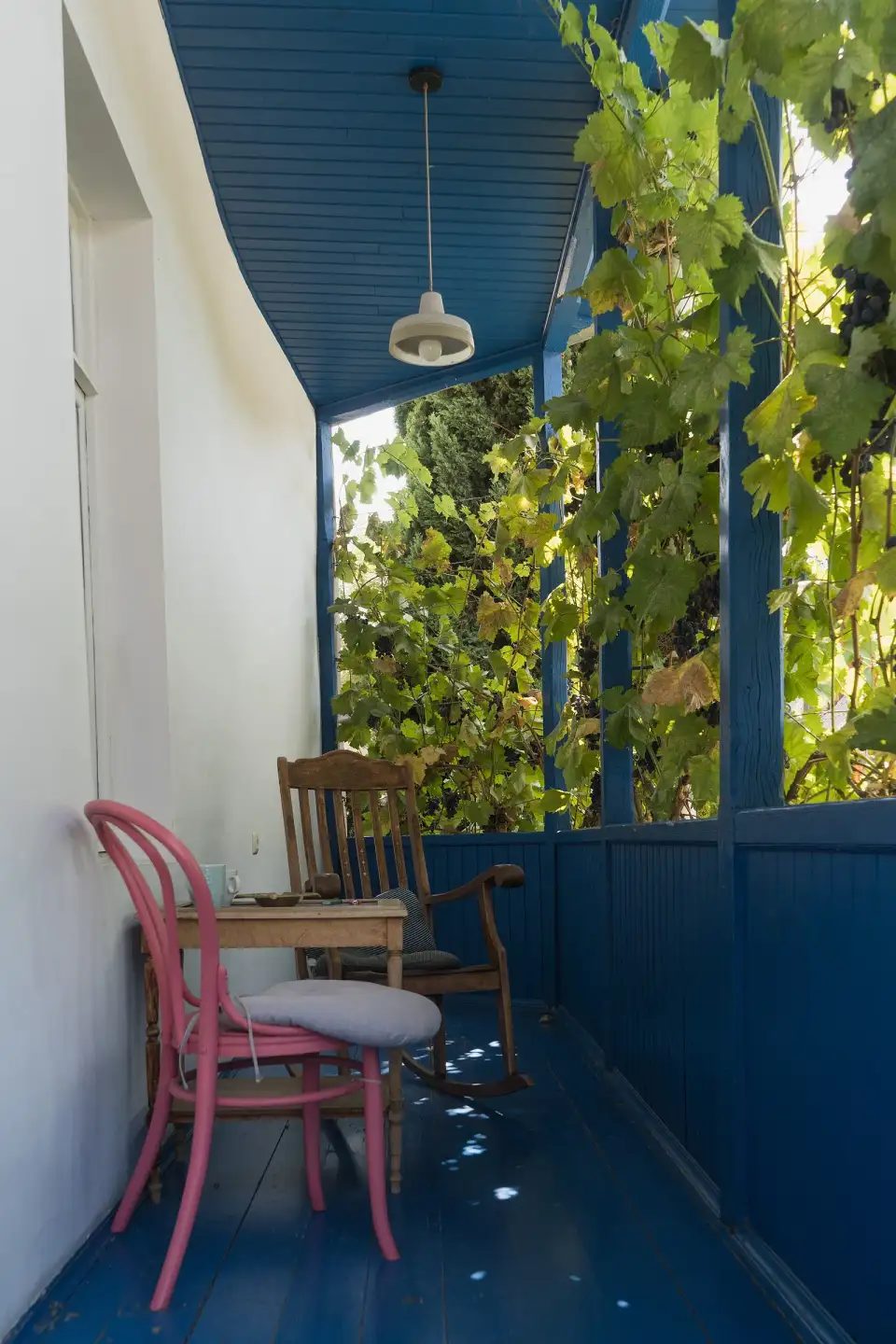
The first time I tried to explain the difference to a friend, I said it badly: I told her Tbilisi smells of woodsmoke and old stone, and Batumi smells of salt and fried khachapuri on the promenade. She booked both, and she was right to. But most people arriving in Georgia have limited days and one real question: Batumi or Tbilisi, which Georgian city is actually for you?
I have spent long stretches in both, in winter drizzle and in August heat, and the honest answer is that they are almost opposites. Tbilisi is the old capital, layered and moody and endlessly walkable. Batumi is a Black Sea resort city that wakes up in summer and goes quiet in winter. Below is how I would choose, based on what you actually want from a trip.
The quick answer
Choose Tbilisi if you care about history, wandering old streets, wine bars, sulphur baths and a food scene that keeps you eating for a week. Choose Batumi if you want the sea, a beach base, casinos, a lit-up seafront and easy summer energy. If you can only pick one and you are not tied to beach weather, I send most first-timers to Tbilisi. It simply has more to do across more of the year.
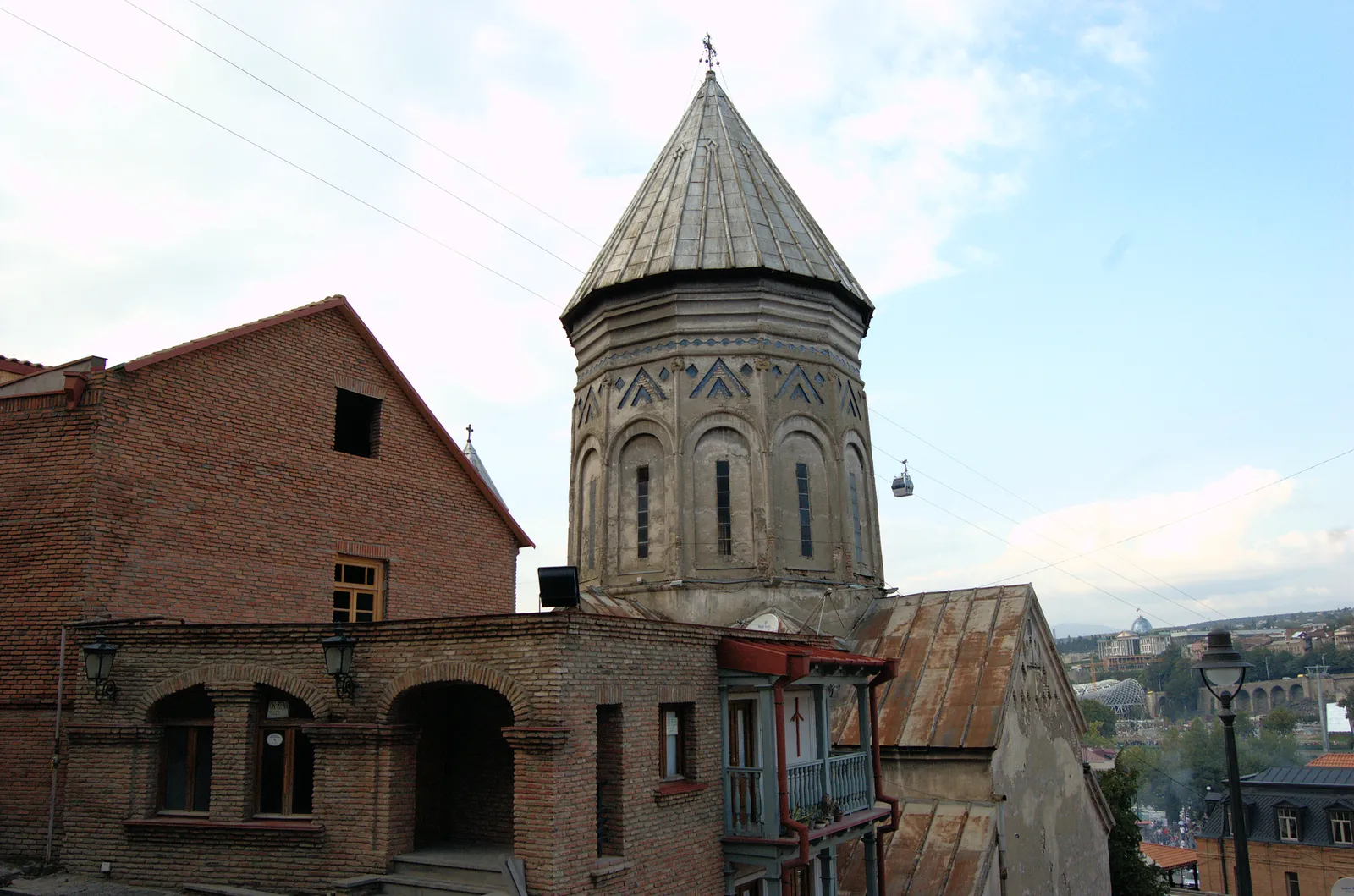
Tbilisi: old streets, food and wine
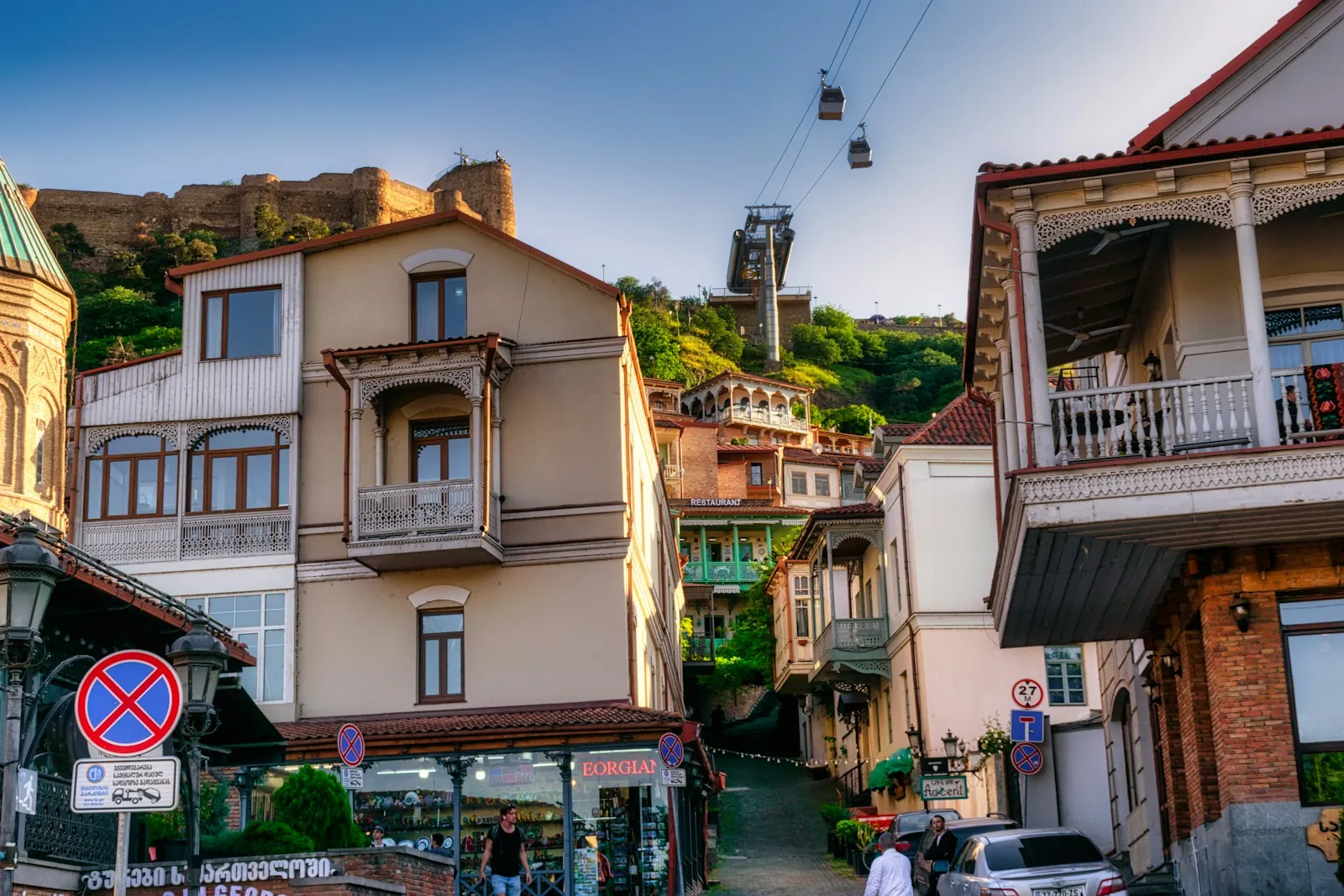
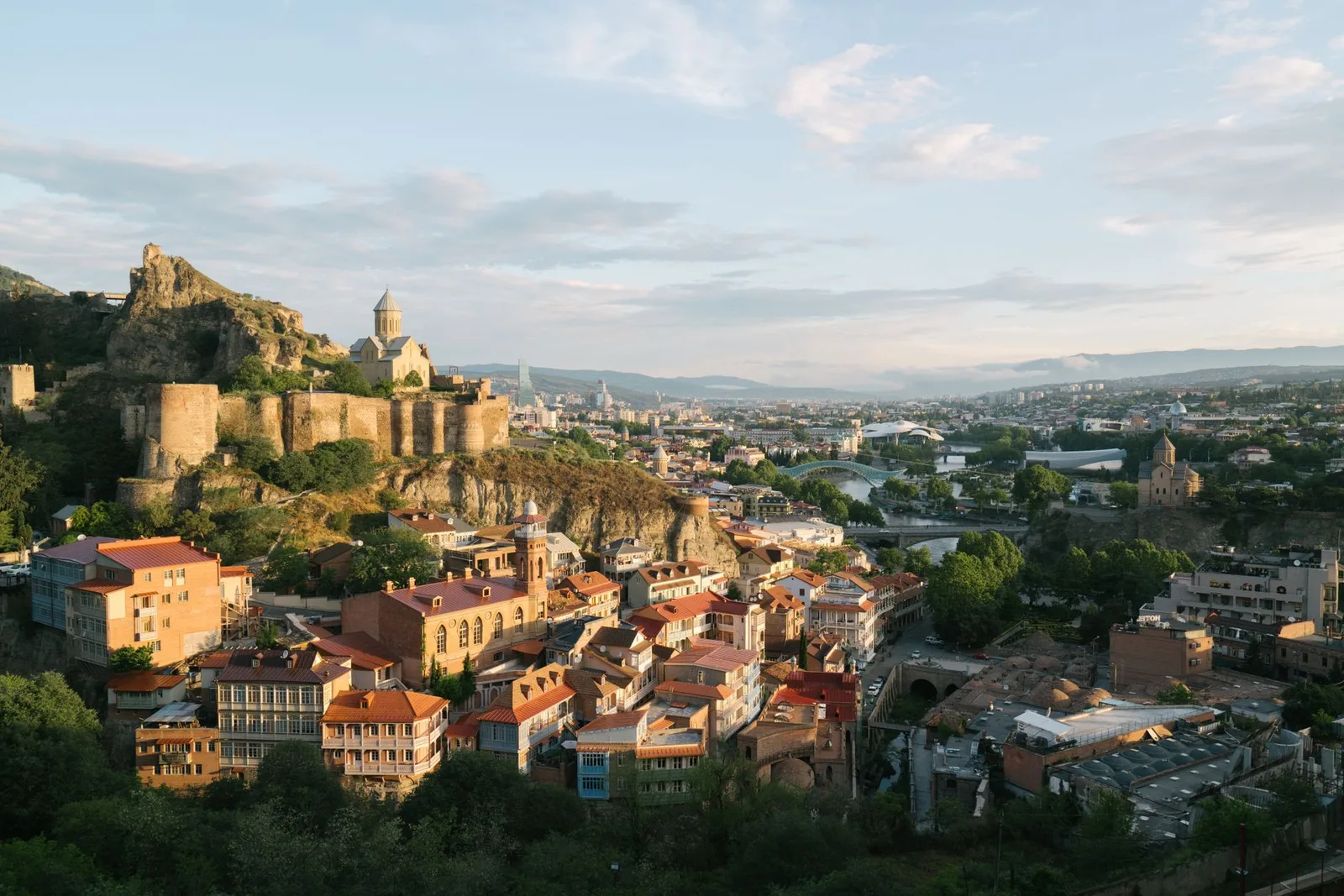
Tbilisi is where I always want to be at dusk. The Old Town below Narikala Fortress is a tangle of carved wooden balconies, courtyards and steep lanes, and you can lose a whole afternoon just walking Betlemi and the streets around it. The Abanotubani sulphur baths are the ritual I recommend to everyone: a private room for an hour costs roughly 60 to 150 GEL depending on the bathhouse and the day, and it is worth confirming the price before you go in.
The food alone justifies the trip. This is the city for a slow supra with too many dishes, for khinkali eaten by hand in a no-frills place, and for the natural wine bars around Vera and Sololaki. A dinner with wine in a mid-range spot runs somewhere around 40 to 90 GEL a head, less if you eat where locals eat.
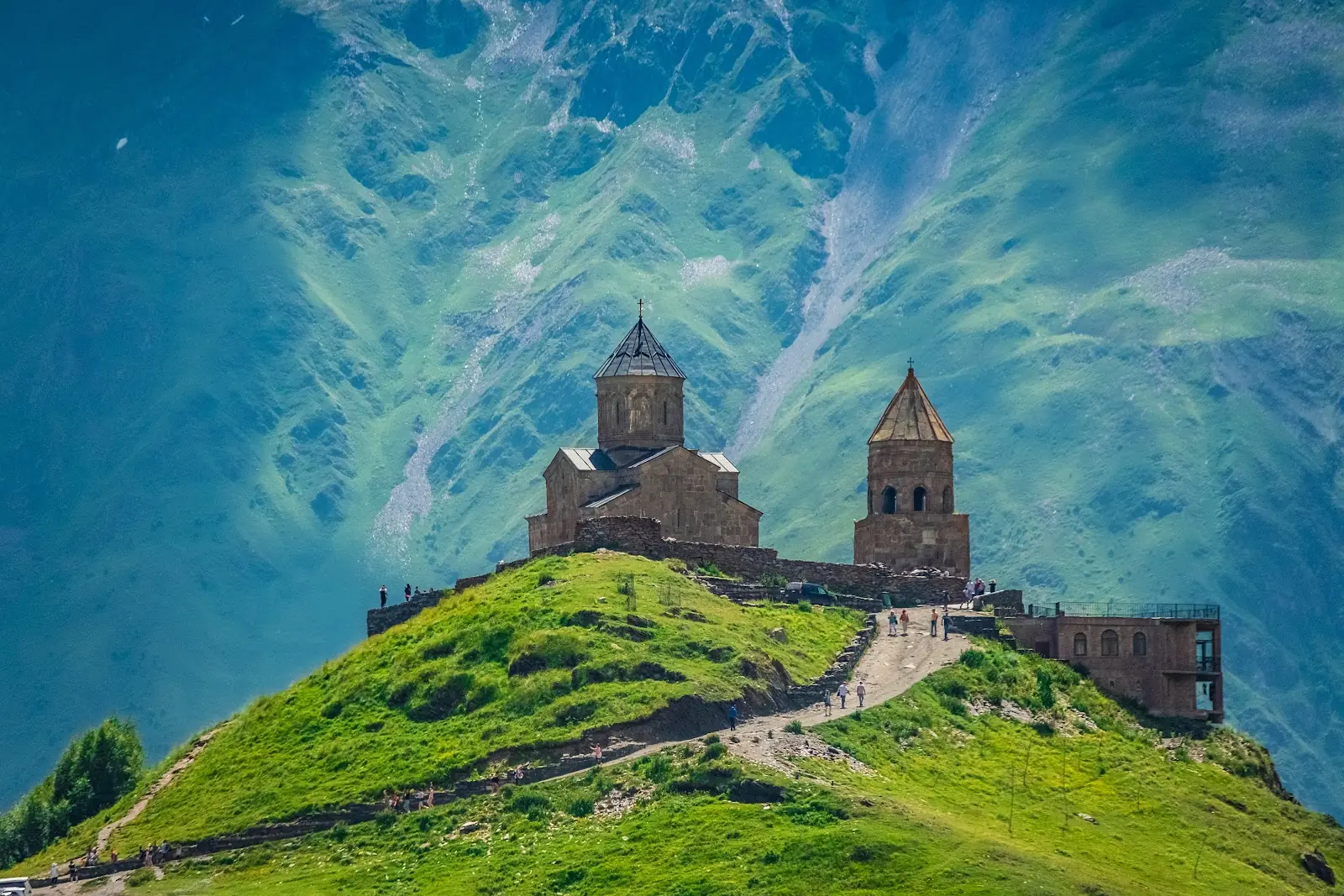
Tbilisi is also your springboard for the mountains. Day trips to Kazbegi, the Kakheti wine region and the cave towns are all doable from here, which matters if you want variety without changing your base every night.
Batumi: the Black Sea and summer energy
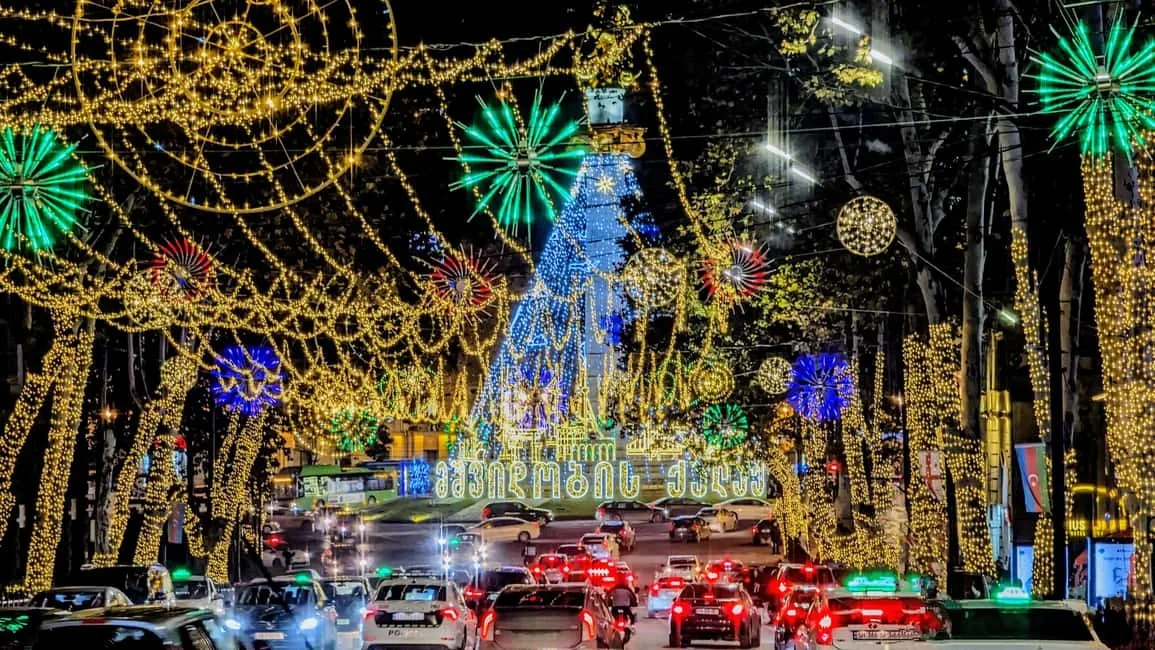
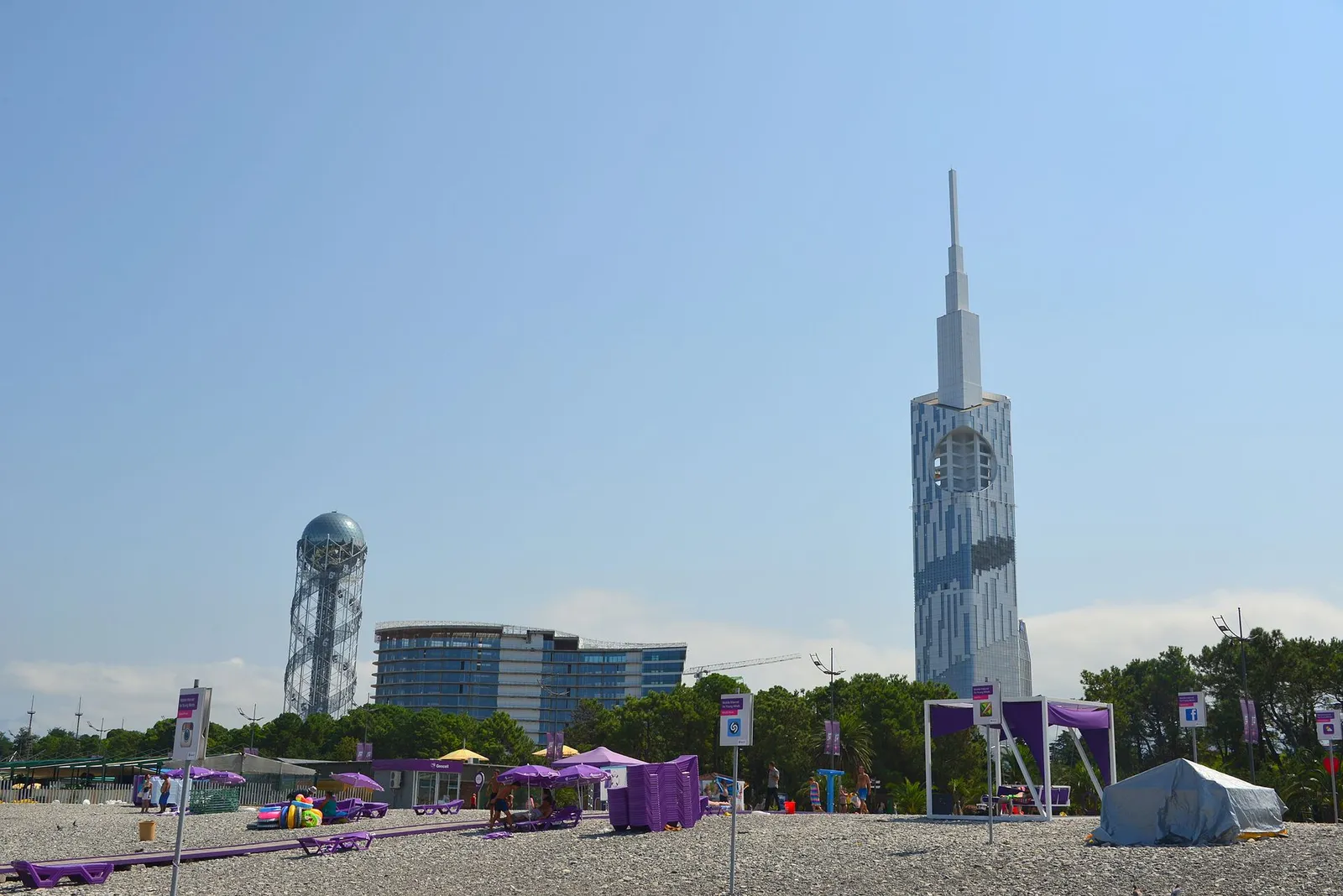
Batumi is a different animal. The draw is the sea, the long pebble beach and a boulevard that runs for kilometres past palm trees, sculptures and cafes. In July and August the city is loud, warm and busy, full of families and weekenders, and the seafront at night genuinely buzzes.
The architecture is the surprise. The centre mixes handsome old Belle Epoque facades with a skyline of tall, sometimes gaudy towers and a scattering of casinos, which are a real part of Batumi’s economy and nightlife. If you like a resort city with a bit of neon, this is your place. If you came to Georgia for quiet authenticity, Batumi in peak season may feel too built up.
One honest caveat: the beach is pebbles, not sand, so bring water shoes. And Batumi outside summer is a much sleepier place, with many seaside businesses closed and grey skies over the water.
Weather: it changes the whole decision
Season matters more here than in most comparisons, because Batumi is a summer city and Tbilisi works nearly year round.
Tbilisi is hot and dry in July and August, pleasant in spring and autumn, and cool and grey in winter without much snow in the city itself. Batumi is subtropical and humid: warm and swimmable in summer, but genuinely wet across the year, with heavy rain possible even in the warm months. For the sea you want roughly June to September. For everything else, spring and autumn are kinder. If you are planning around the seasons, our month-by-month guide to the best time to visit Georgia breaks down what each part of the year actually feels like.
Splitting your days between both cities?Compare short domestic hops so you spend less time in transit and more by the sea.Costs compared
Both cities are affordable by European standards, but they behave differently. Tbilisi has steadier prices across the year. Batumi is cheap in the off season and can jump sharply in July and August, when seaside hotels fill up.
| What | Tbilisi | Batumi |
|---|---|---|
| Mid-range double room | around 120 to 250 GEL | around 100 to 300 GEL, higher in peak summer |
| Dinner for two with wine | around 80 to 160 GEL | similar, more on the seafront |
| Vibe | year round | summer high season |
| Best for | history, food, day trips | beach, nightlife, casinos |
Prices move, so treat these as rough ranges and check current rates before you book.
Can you do both in one trip?
Yes, and I think many people should. The two cities are far apart geographically, but the connection is straightforward. The comfortable option is the fast train, which takes roughly five to six hours between the two; there are also short domestic flights if you would rather save the day. A common, relaxed plan is three or four nights in Tbilisi to start, then the train west to Batumi for the sea, or the reverse if you are flying into Batumi.
Doing both gives you the full contrast: the old-world capital and the seaside resort, which is really the whole point of choosing between them in the first place. If you have the days for it, the two sit naturally at opposite ends of a longer route rather than as a there-and-back pair; our ten-day Georgia itinerary shows how the country joins up between them.
Cost is the other axis, and it is not neutral here: the capital and the coast price differently, and the coast prices differently again in July and August. Our Georgia budget guide sets out what a day actually costs in each.
So, which one?
If I had to hand you a single rule: come for the sea in summer and you will love Batumi; come for history, food and atmosphere at almost any time and Tbilisi wins. Personally, I would never skip Tbilisi, and I would add Batumi when the calendar and the weather line up. Which one is calling you more, the old lanes or the Black Sea boulevard? Tell me in the comments what you are planning.