Georgia is a good country to be alone in, and it is almost impossible to be alone in it for long. Those two facts are the whole subject. The practical business of solo travel here is easy: transport is cheap and frequent, guesthouses are everywhere, single rooms do not carry the penalty they do in Europe, and the country is safe by the ordinary measures. The social business is easier still, to the point where the actual complaint from solo travellers is not loneliness but the difficulty of getting an evening to yourself once a Georgian family has decided you are having dinner with them.
What is genuinely easy
Accommodation, with guesthouses and hostels in every town at prices that make single occupancy fine.
Transport, since marshrutkas and trains are cheap and do not care how many of you there are.
Safety, in the ordinary street sense, which is better than in much of Europe.
Meeting people, which requires no strategy whatsoever.
Eating, once you learn to order two small plates instead of one large one.
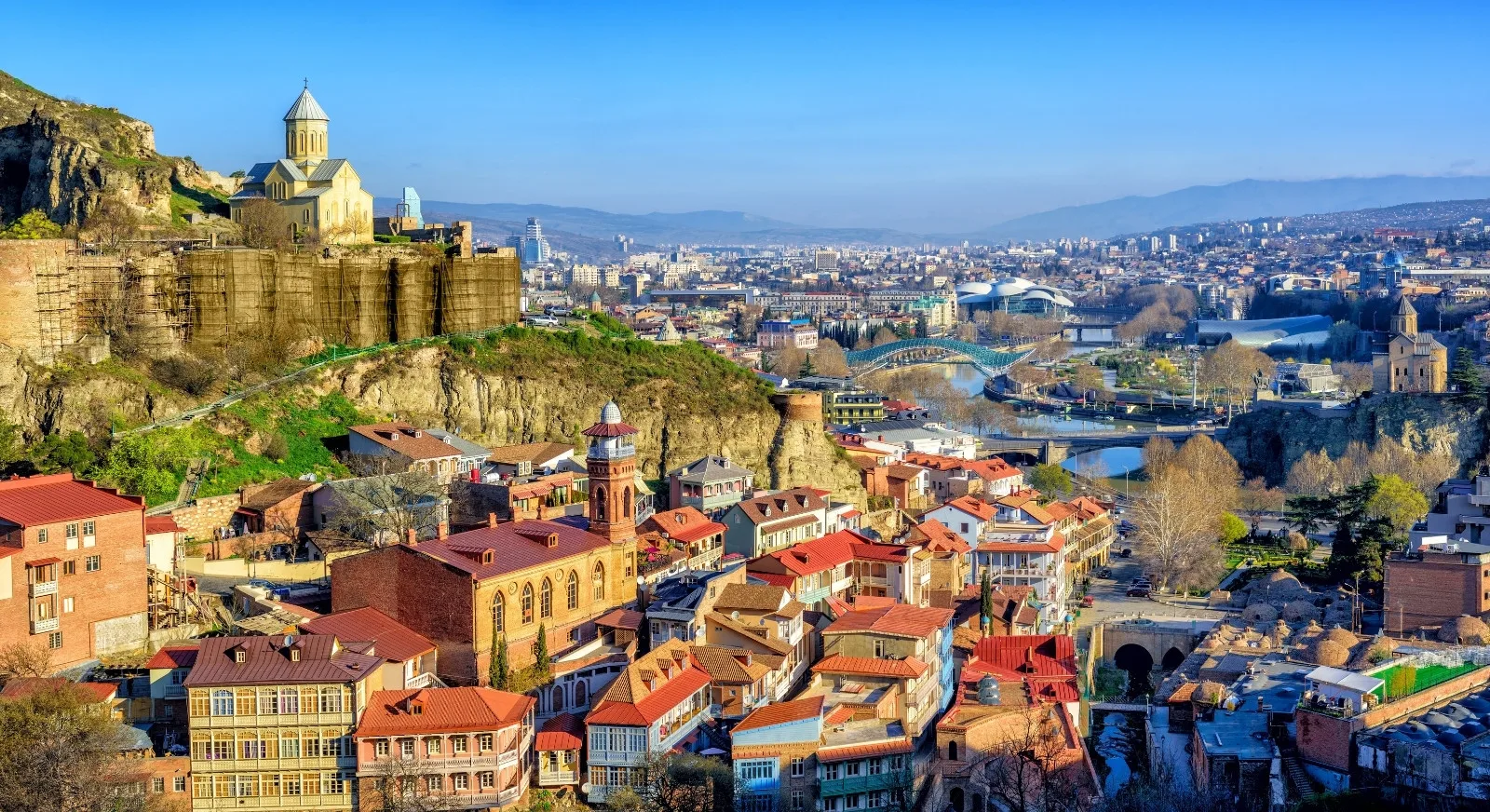
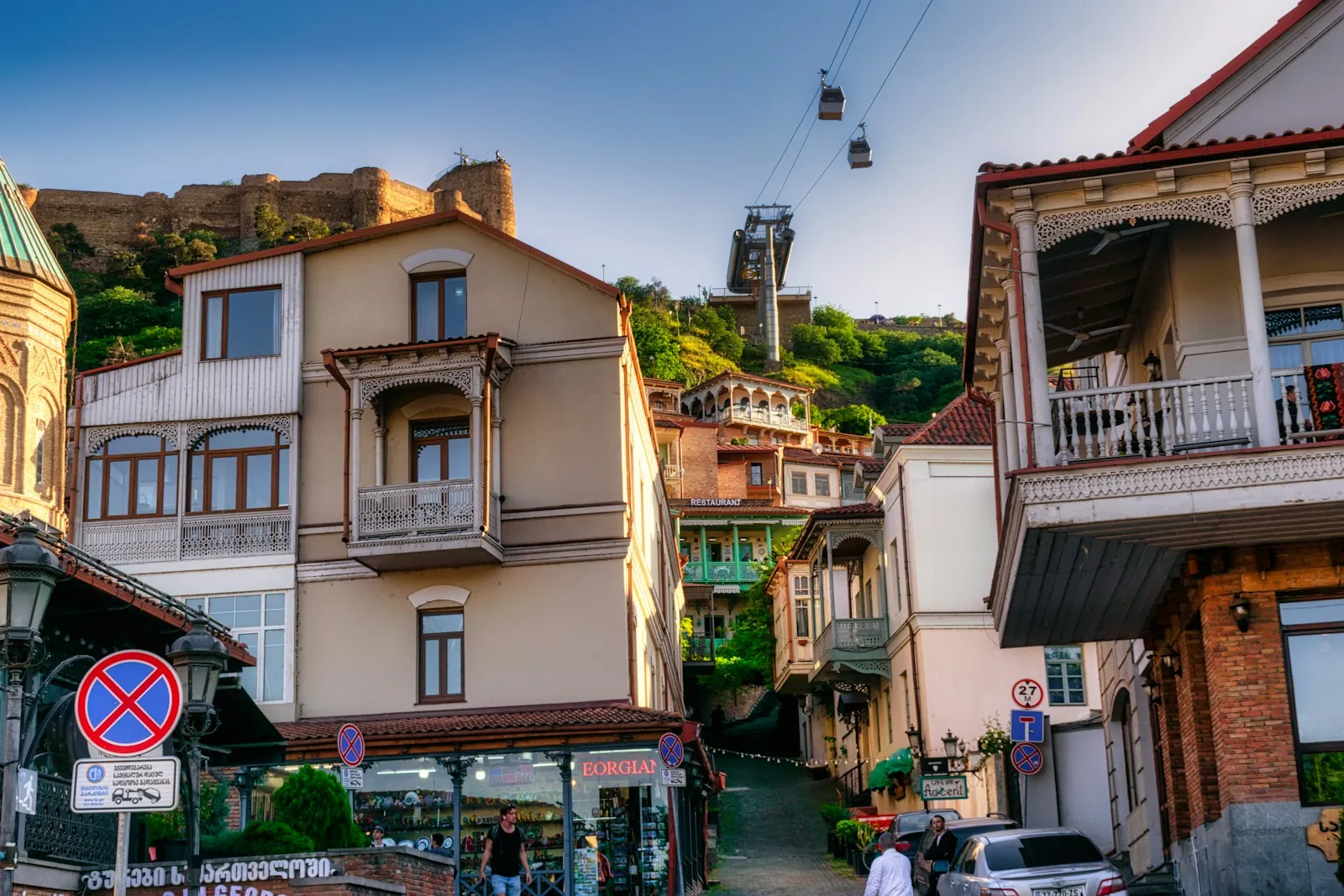
Cities, where English goes far enough and everything is walkable.
What actually needs thought
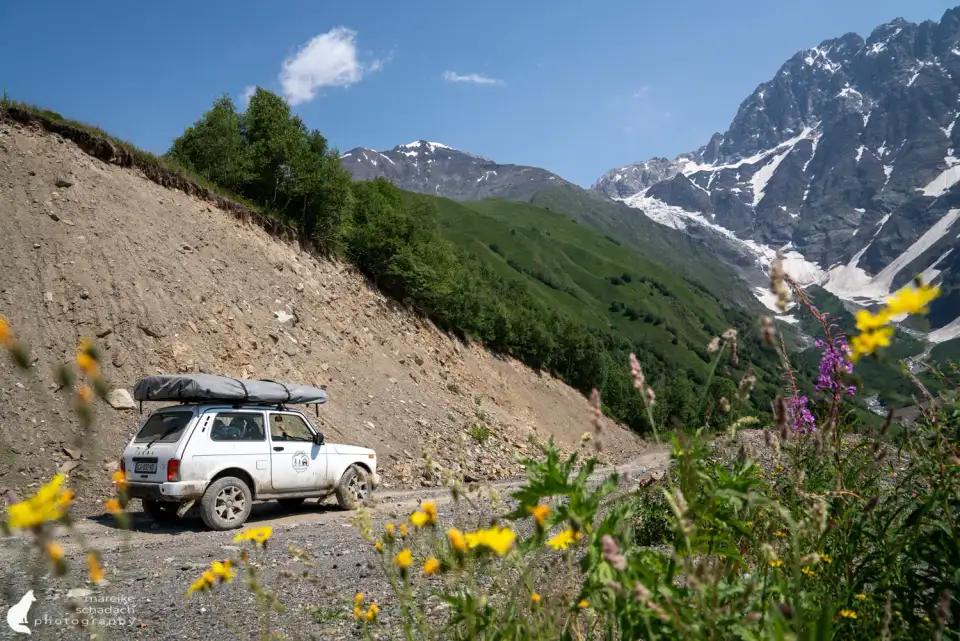
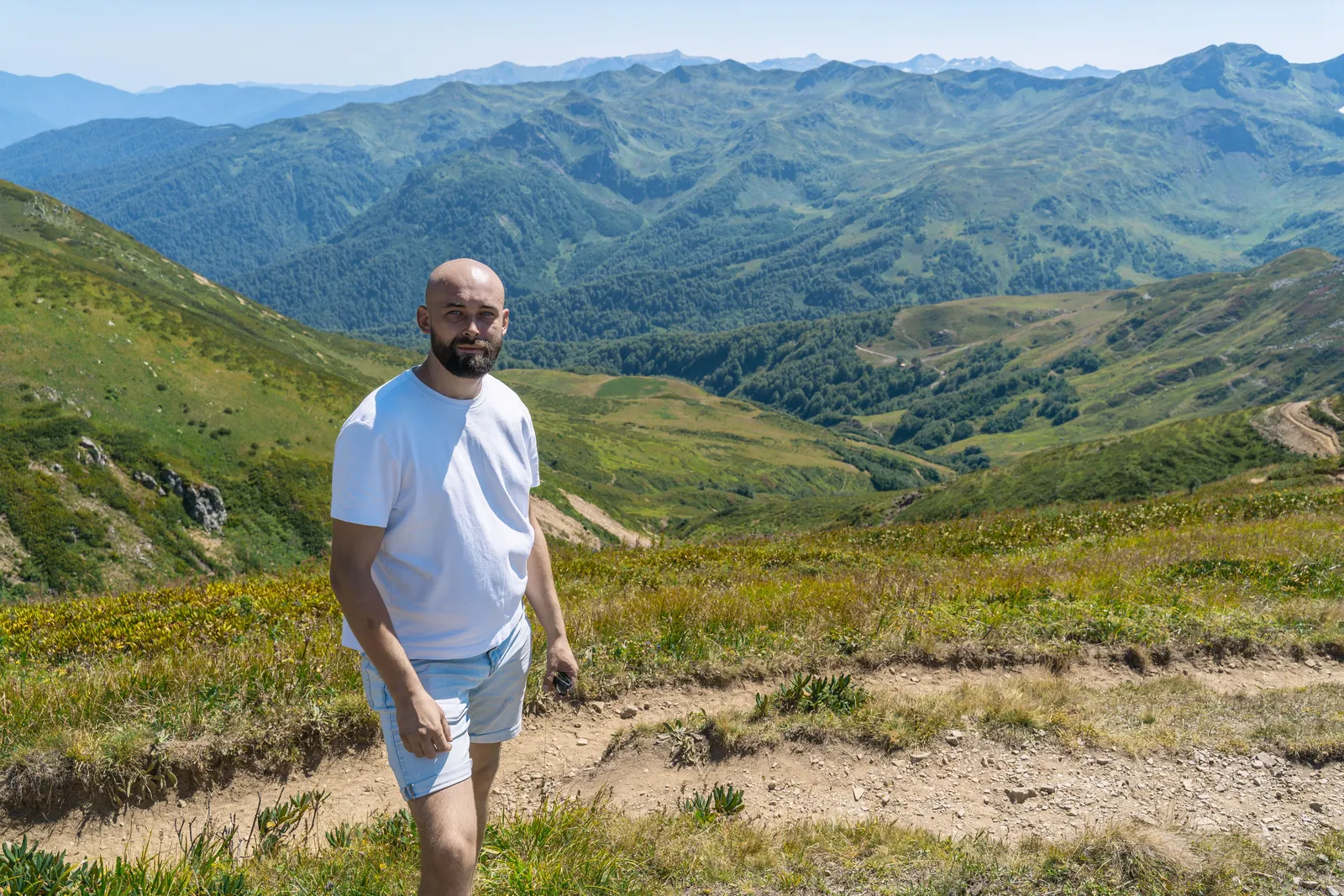
The mountains, where the risk is terrain and weather rather than people.
No phone signal, which is the real solo variable in the highlands.
Shared transfers priced per vehicle, which is where one person pays for four.
Car hire, the same problem, and the reason solo trips lean on public transport.
Hospitality you cannot refuse, which is charming and occasionally exhausting.
Winter, when the guesthouse network thins and the roads become the constraint.

Meeting people, which happens anyway
Guesthouse dinners are communal by default, and that alone solves most evenings.
Hostels in Tbilisi and Kutaisi have a real social scene and organise trips.
Marshrutkas, where the conversation starts whether or not you speak a common language.
Supra, the formal feast, which you may end up at without having planned to.
Hiking routes in the main regions, where the same faces turn up at the same guesthouses.
And a willingness to say yes, which is the entire method.
The money side
Single rooms are cheap enough that the solo penalty is small.
Hostel beds are cheaper still and available in the cities and the main hiking towns.
Public transport costs the same per person regardless.
Shared four wheel drive transfers are the exception, and worth finding others to split with.
Car hire is the other exception, and rarely worth it for one.
Eating is cheap, provided you order to your own appetite rather than the table’s.
Practical habits
Keep the guesthouse number written down, because you will be somewhere with no data.
Download offline maps for every region before you leave the city.
Carry cash in the mountains, since there is nothing to withdraw from.
Check the insurance clauses for altitude and activity, not just the price.
Register at the national park offices where they ask you to, which is not a formality.
And do not drive mountain roads after dark, alone or otherwise.
Where this fits in a Georgia trip
As a way of travelling rather than a route, and one this country accommodates better than most.
For what a first trip here needs to know before landing, our first time in Georgia guide covers the basics.
For what it costs and where the solo penalty actually falls, our budget guide has the numbers.
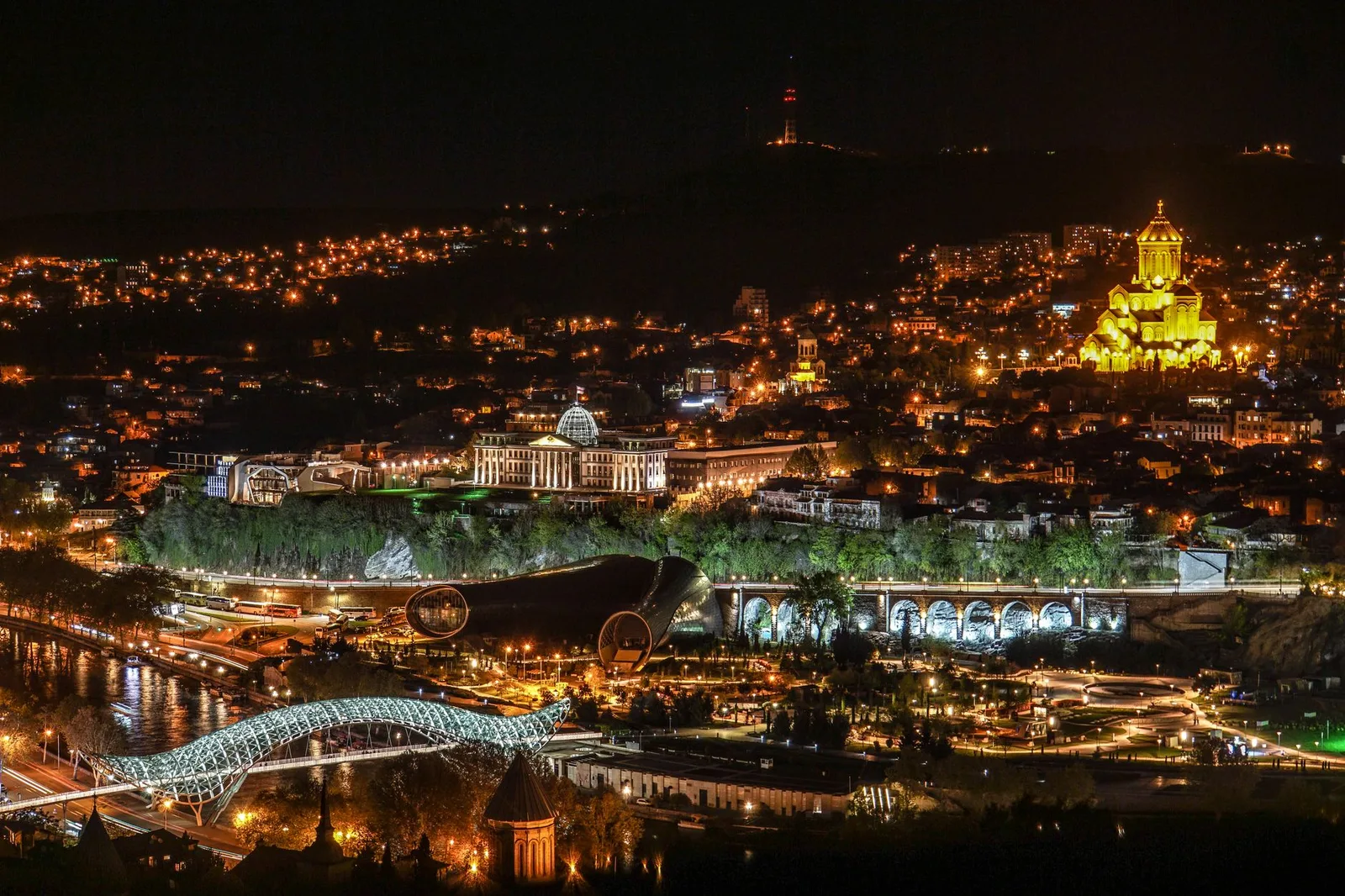
And for the evenings, which are the part solo travellers ask about most, our Tbilisi nightlife guide covers the city.
The short version
Georgia is one of the easier countries in the region to travel alone: cheap rooms, cheap transport, low street crime and a social culture that makes meeting people effortless. Stay in guesthouses rather than hotels, because dinner is communal and that solves the evenings. Order two small plates instead of a main. Take public transport rather than hiring a car, and find people to split the remote transfers with. Tell somebody your route every time you leave a paved road, carry cash and offline maps into the mountains, and read the altitude clause in the insurance rather than the headline price.