The first time I paid for dinner in Georgia I thought the waiter had made a mistake. Two of us had eaten khinkali until we could barely move, shared a jug of house wine, and the bill came to around 45 GEL. I checked it twice. That was the moment I understood why so many travellers who come here for a week end up staying a month. Georgia on a budget is not a compromise, it is genuinely one of the best value trips you can take in this part of the world, and knowing what things really cost helps you relax instead of second-guessing every price.
Below is what I actually paid across guesthouses, restaurants, wine, marshrutkas and hired drivers, based on recent trips. Prices in Georgia move, especially with inflation and the summer season, so treat these as approximate and confirm on the ground.
How cheap is Georgia, really?
Outside the peak Batumi summer, Georgia is cheap by almost any European or North American standard. In Tbilisi, Kutaisi and the smaller towns, a careful traveller can live comfortably on roughly 90 to 150 GEL a day including a guesthouse bed, local food, and moving around. If you want private rooms, a few restaurant dinners with wine, and the occasional taxi, budget closer to 150 to 250 GEL a day. The country only gets expensive when you hire private drivers every day or spend July and August on the Black Sea coast.
The local currency is the Georgian lari (GEL). I am not going to quote an exchange rate, because it moves and you should check it the week you travel, but a rough mental anchor is that most everyday things cost a small fraction of what they would at home.

What a guesthouse night costs
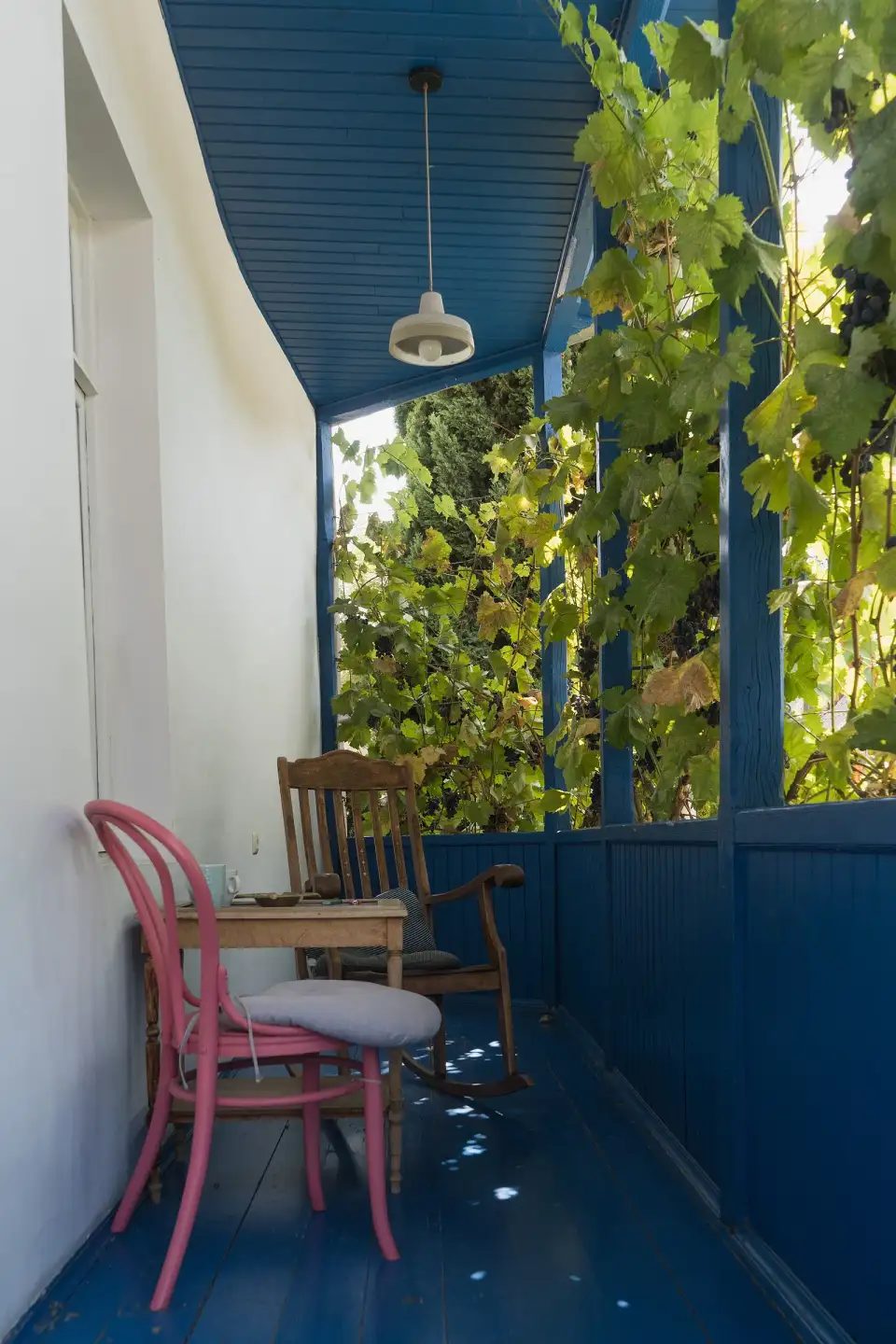
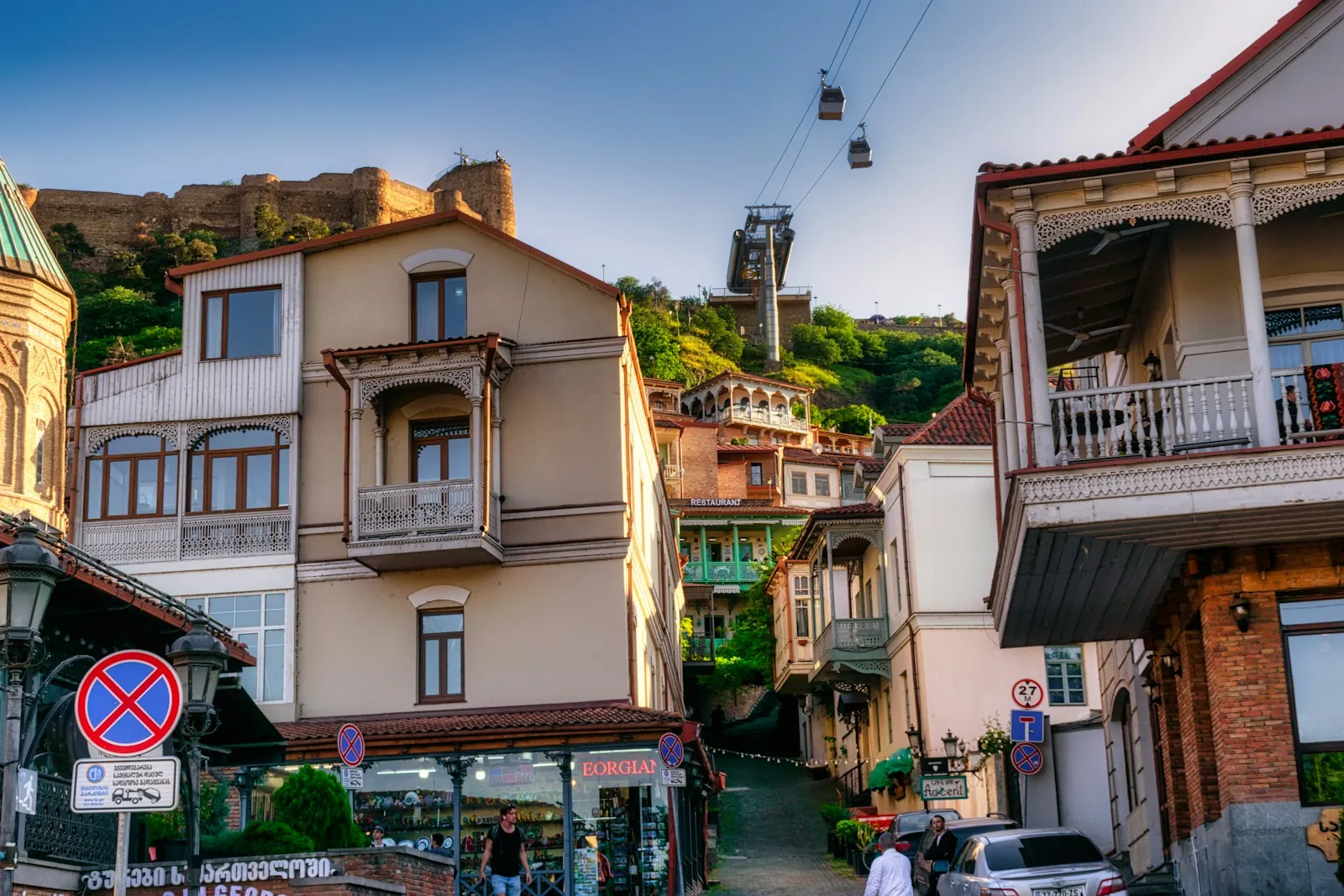
Guesthouses are the heart of budget travel here, and often the best part of the trip. A bed in a hostel dorm in Tbilisi runs roughly 25 to 50 GEL. A simple private double in a family guesthouse, frequently with a home-cooked breakfast included, tends to sit around 60 to 120 GEL. In the mountains, places like Kazbegi or Mestia can be similar or a little more in season.
Where it changes is Batumi in high summer, which I cover below, and central Tbilisi boutique hotels, which behave like city hotels anywhere. My honest advice: the family-run guesthouses are not just cheaper, they are where you get invited to sit down for chacha and end up with travel tips no guidebook has.
What a restaurant meal and a glass of wine cost
This is where Georgia spoils you. At a normal local restaurant, a plate of khachapuri is roughly 8 to 18 GEL, a portion of khinkali is often priced per dumpling at around 1 to 2 GEL each, and hearty mains like ojakhuri or mtsvadi sit around 15 to 30 GEL. Two people can eat very well, with leftovers, for 40 to 70 GEL.
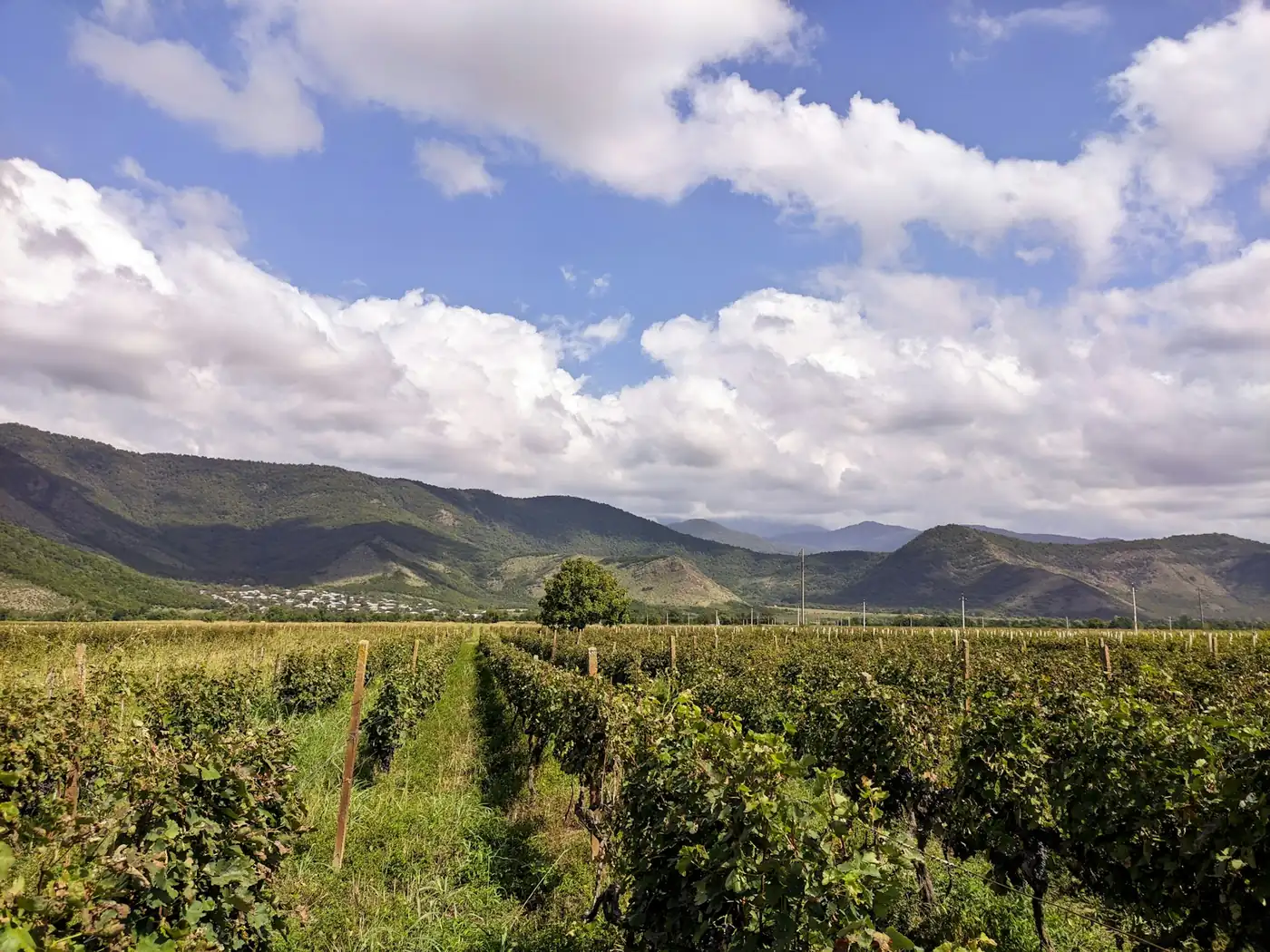
Wine is the quiet miracle. A glass of house wine is often around 5 to 10 GEL, a carafe not much more, and a bottle of genuinely decent Georgian wine in a shop can start around 15 to 25 GEL. In wine country in Kakheti I have bought excellent qvevri wine straight from a family cellar for even less. Bottled water, a khachapuri from a bakery window, a strong coffee: each is usually a few lari.
Tourist-facing spots in the old town of Tbilisi and the Batumi seafront charge noticeably more, sometimes double. Walk two streets back from the main sight and prices drop fast.
What a marshrutka ride costs
The marshrutka, the shared minibus, is the backbone of budget transport and the single cheapest way to see the country. Short intercity hops cost only a few lari. Longer routes, say Tbilisi to Kutaisi or Tbilisi to Batumi, tend to run roughly 20 to 35 GEL one way, depending on distance and the year. City buses and the Tbilisi metro cost around 1 GEL per ride, paid with a MetroMoney card or contactless.
Marshrutkas are cramped, they leave when full, and the driving can be lively. But for the price, they connect almost everywhere. Confirm the current fare and departure point with the driver or the station, because both can change.
Want to see Kazbegi and Kakheti at your own pace?Rental cars from budget-friendly daily rates, free cancellation on many optionsWhat a day with a hired driver costs
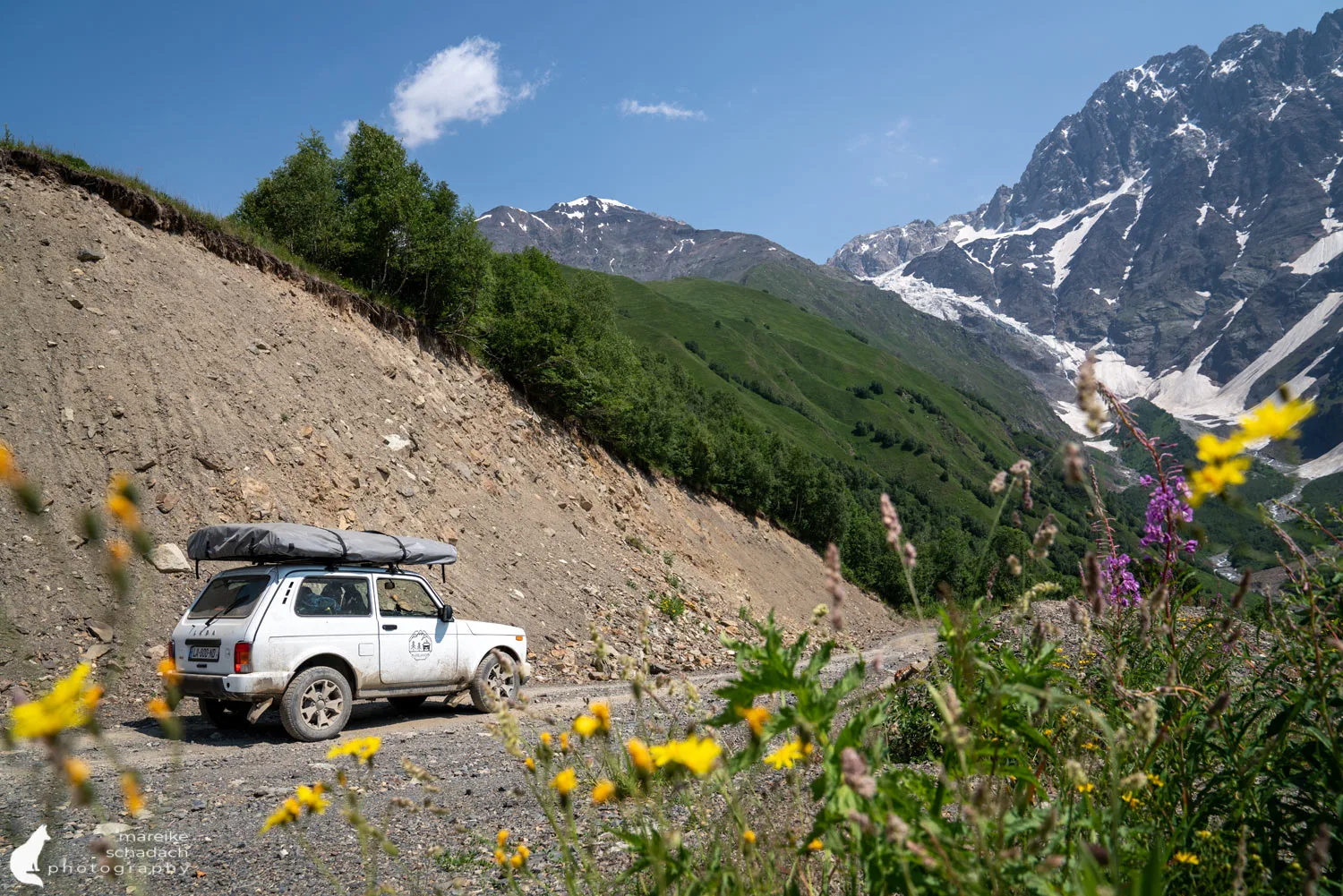
When the roads get rough or you want to see several places in a day, a hired driver is worth every lari. A full day with a car and driver, for a trip like Tbilisi to Kazbegi and back or a loop through Kakheti wineries, typically runs roughly 150 to 300 GEL for the whole car, not per person. Split between three or four people, it becomes very reasonable, and you skip the marshrutka timetable entirely.
Agree the price, the route and the waiting time before you set off. Prices climb for long distances, for the 4x4 you need for places like Tusheti, and in peak season.
Where prices jump: Batumi in summer
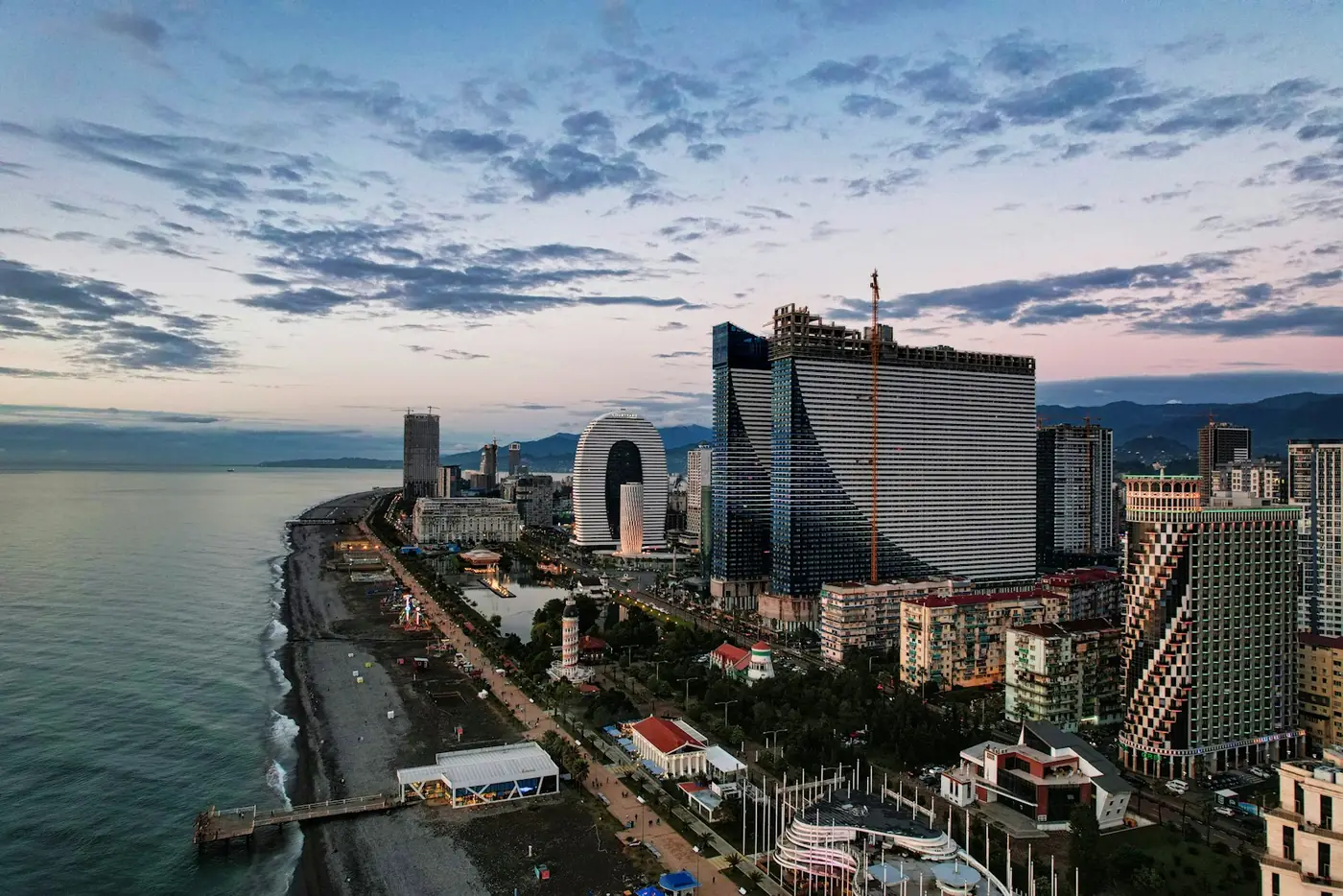
Batumi is the exception to nearly everything above. From roughly late June through August, the Black Sea coast fills with domestic and regional tourists, and accommodation prices can double or triple compared with spring. A room that costs 80 GEL in May can ask 200 GEL or more in peak August, and the best-value places sell out weeks ahead.
Here is a rough comparison of what shifts in Batumi between low and high season:
| Item | Off-season (approx) | Peak summer (approx) |
|---|---|---|
| Guesthouse double | 60 to 100 GEL | 150 to 300+ GEL |
| Seafront restaurant main | 20 to 35 GEL | 25 to 45 GEL |
| Sunbed / beach extras | low | noticeably higher |
| Taxi within town | a few GEL | a few GEL, more at night |
My take: if you are on a tight budget, visit Batumi in June or September rather than peak August, or base yourself slightly inland and travel in. The sea is just as warm and the bill is far gentler.
A realistic daily budget
Pulling it together: a frugal backpacker mixing dorms, bakery food and marshrutkas can travel on roughly 90 to 130 GEL a day. A mid-range traveller wanting private guesthouse rooms, restaurant dinners with wine, and the odd hired driver should plan around 180 to 300 GEL a day. Add a buffer for Batumi in summer and for any private 4x4 days in the high mountains.
Three lines belong in a budget before the daily rate does. Entry is free or close to it for a great many nationalities here, which is unusual and is worth confirming for your own passport rather than assuming; our Georgia visa and entry guide covers it by passport. Insurance and medical cover are the line nobody enjoys and the only one that can swallow the rest of the trip. And the wine country day, which is the one splurge almost everyone ends up making, is priced very differently depending on whether you drive, join a group or hire a car and driver; our guide to touring Kakheti sets out the options.
And if you are travelling alone, the solo penalty here falls in specific places rather than across the board: our guide to travelling Georgia alone covers where it bites and where it does not.
Georgia rewards travellers who slow down, eat where locals eat and take the shared minibus at least once. The whole country is set up so that a modest budget stretches into long, generous days. What surprised you most about prices in Georgia, and where did you find the best value? Tell me in the comments.