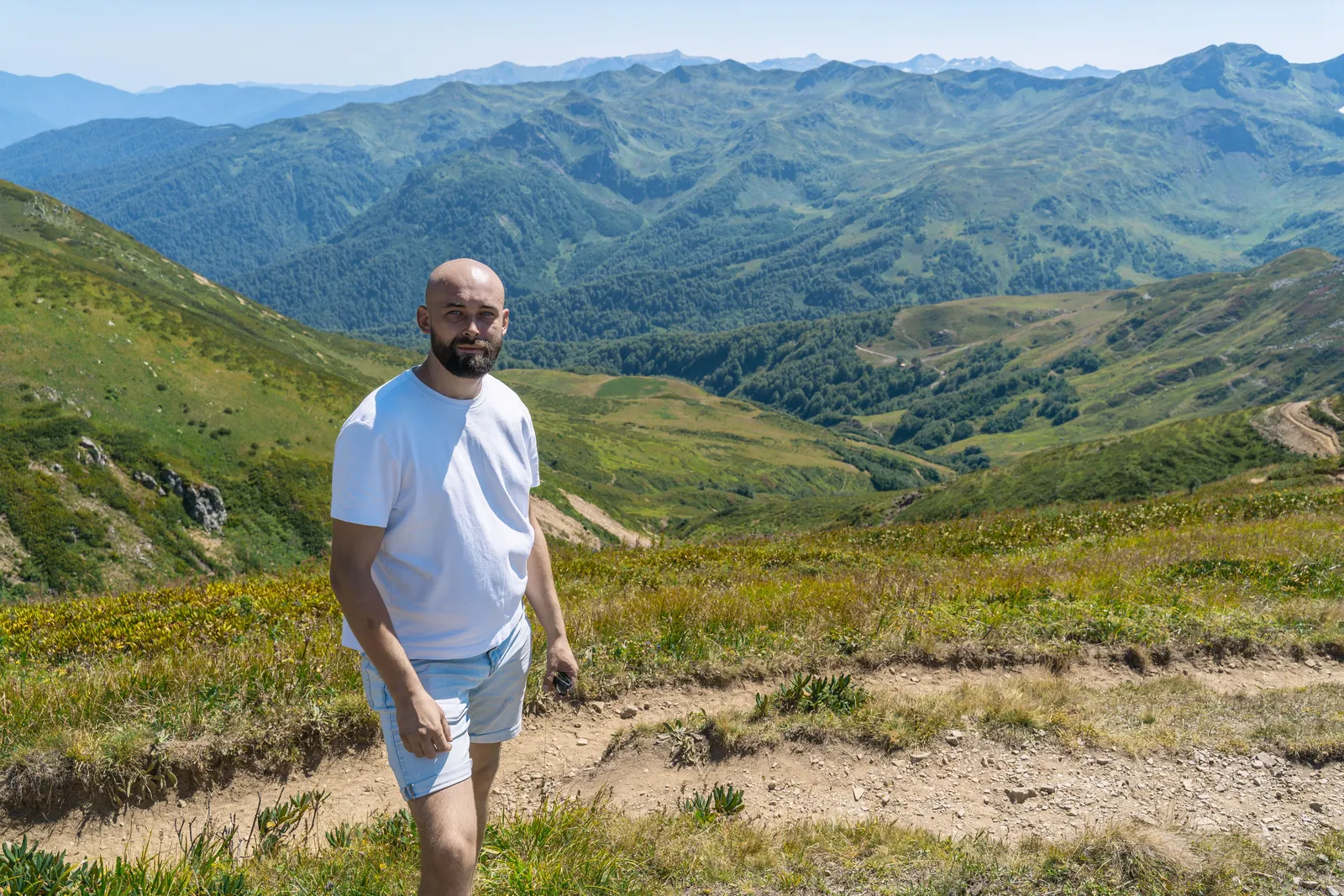
Georgia is a cheap country to have data in and an easy country to be caught without it. The cities have fast, inexpensive mobile internet and fibre in most apartments. The mountain valleys that people actually come here for have stretches with no signal at all, and since almost everything practical about travelling here runs through a phone, from the taxi app that stops you being overcharged to the map that shows whether the pass is open, the difference matters more than it would in western Europe.
The options
An eSIM bought before you fly, active on landing, best for short trips.
A local physical SIM from an operator shop, cheapest per gigabyte for longer stays.
Airport SIM desks, convenient and usually a little more expensive than in town.
Roaming on your home plan, which is generally expensive here because Georgia is outside the EU arrangement.
Guesthouse and cafe wifi, which is everywhere in the cities and unreliable in the mountains.
Both, which is what anybody working here ends up with.
Buying a local SIM
Your passport is required, because registration is mandatory.
A few minutes at the desk or the shop counter.
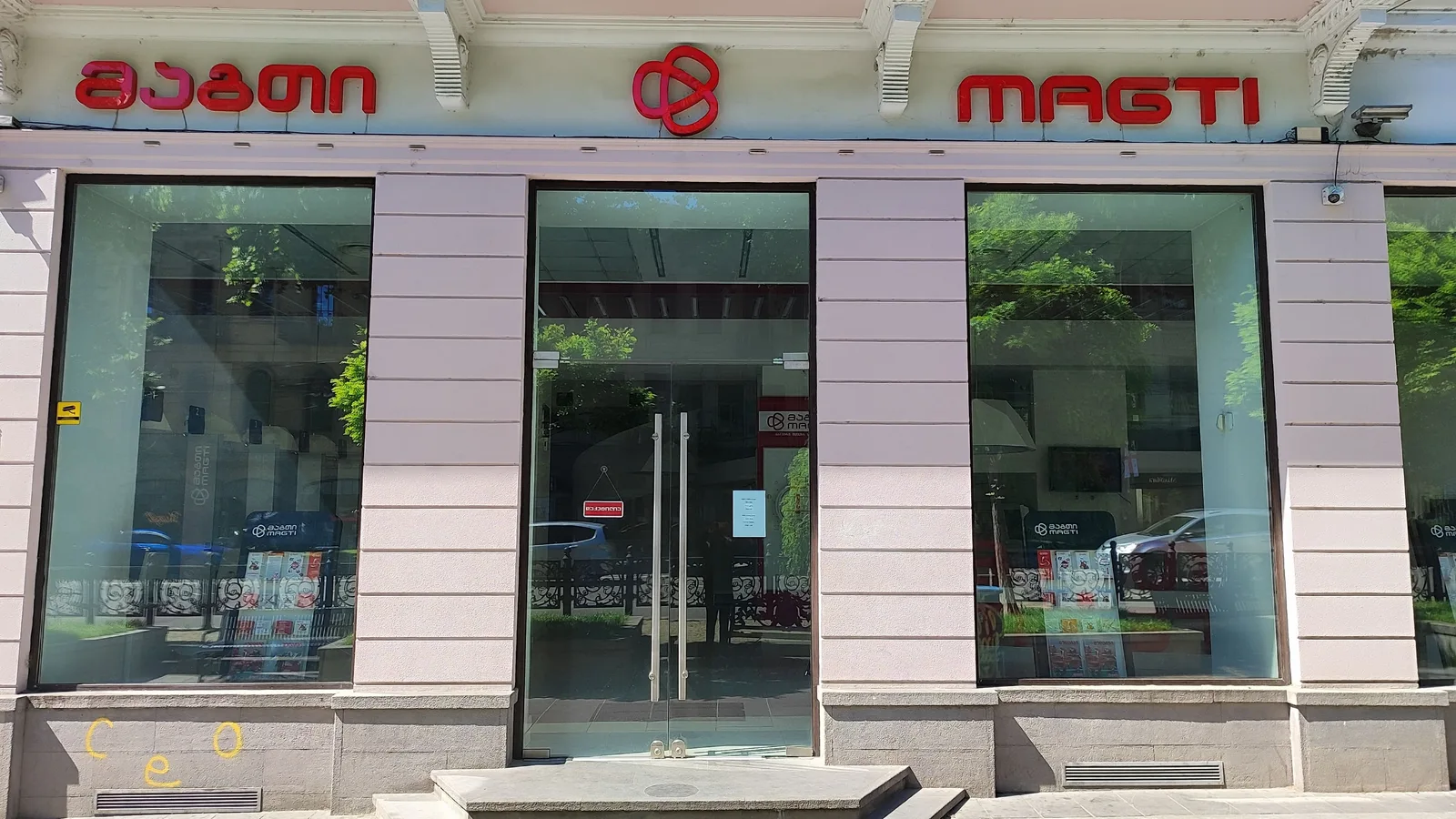
Three main operators, with small practical differences in the cities.
Top up at shops, machines and through apps, easily.
Ask about the valley you are heading to, because remote coverage is where they differ.
Shops in town are typically cheaper than the airport for the same package.
Where the signal actually stops
Deep mountain valleys in Svaneti and Tusheti, in long stretches.
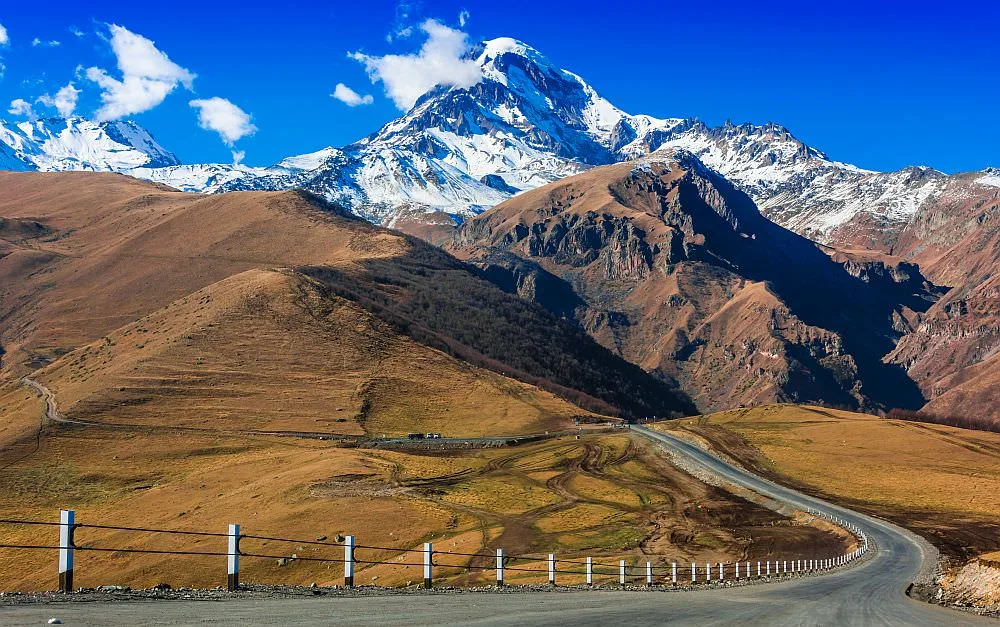
Mountain passes, intermittently, including on the main northern highway.
Hiking routes above the villages, almost entirely.
Some border regions, where coverage is patchy by design.
Inside the older stone churches and cave complexes, which is not a problem but surprises people.
Not the cities, and not the main roads between them, where coverage is good.
Practical notes
Check whether your phone is unlocked before planning on a local SIM.
Check eSIM support on your handset before buying one.
Keep the home SIM if you need the number for banking codes; a dual SIM or eSIM setup solves this.
Data is cheap enough that buying more than you need is the right mistake to make.
Tethering is generally allowed on local plans.
Power banks matter more here than data, because a dead phone in a valley is the actual failure mode.
Where this fits in a Georgia trip
Fifteen minutes of setup, and it removes a whole category of problem.
For the wider practical shape of a first trip, our first time guide to Georgia covers what to arrange.
For the taxi apps and banking that depend on having a connection, our guide to money in Georgia covers the payments side.
And for what all of this looks like over months rather than days, our guide to Tbilisi for digital nomads covers the long stay.
The short version
Buy an eSIM before you fly so you land with a map and a taxi app working, and add a cheap local SIM in a city shop if you are staying more than a few days. Take your passport, because registration is required. Buy more data than you need, because it is inexpensive. And before you head into the mountains, download the offline maps, save the route and write down the guesthouse address in Georgian script, because the signal will vanish and it will not warn you.