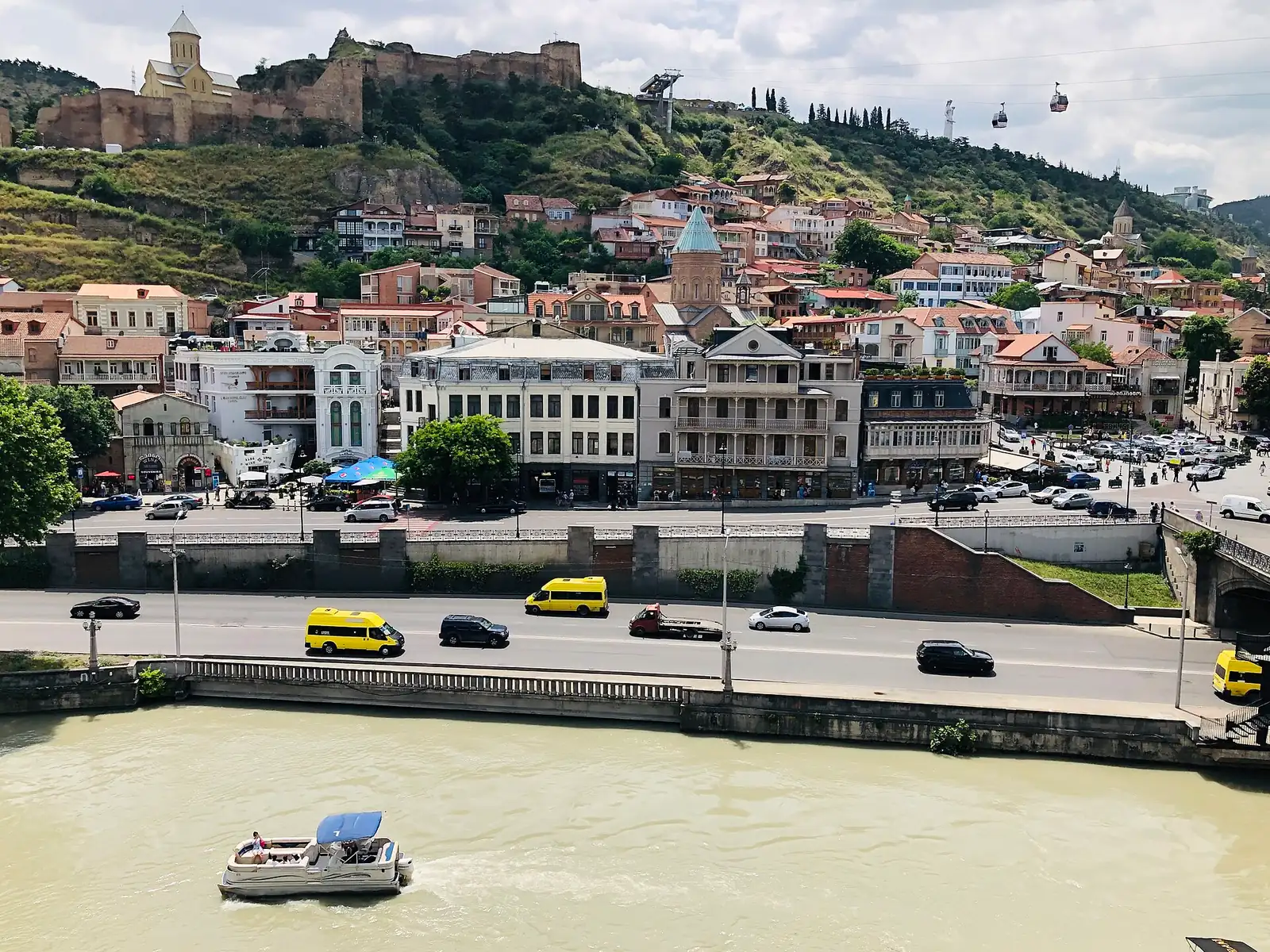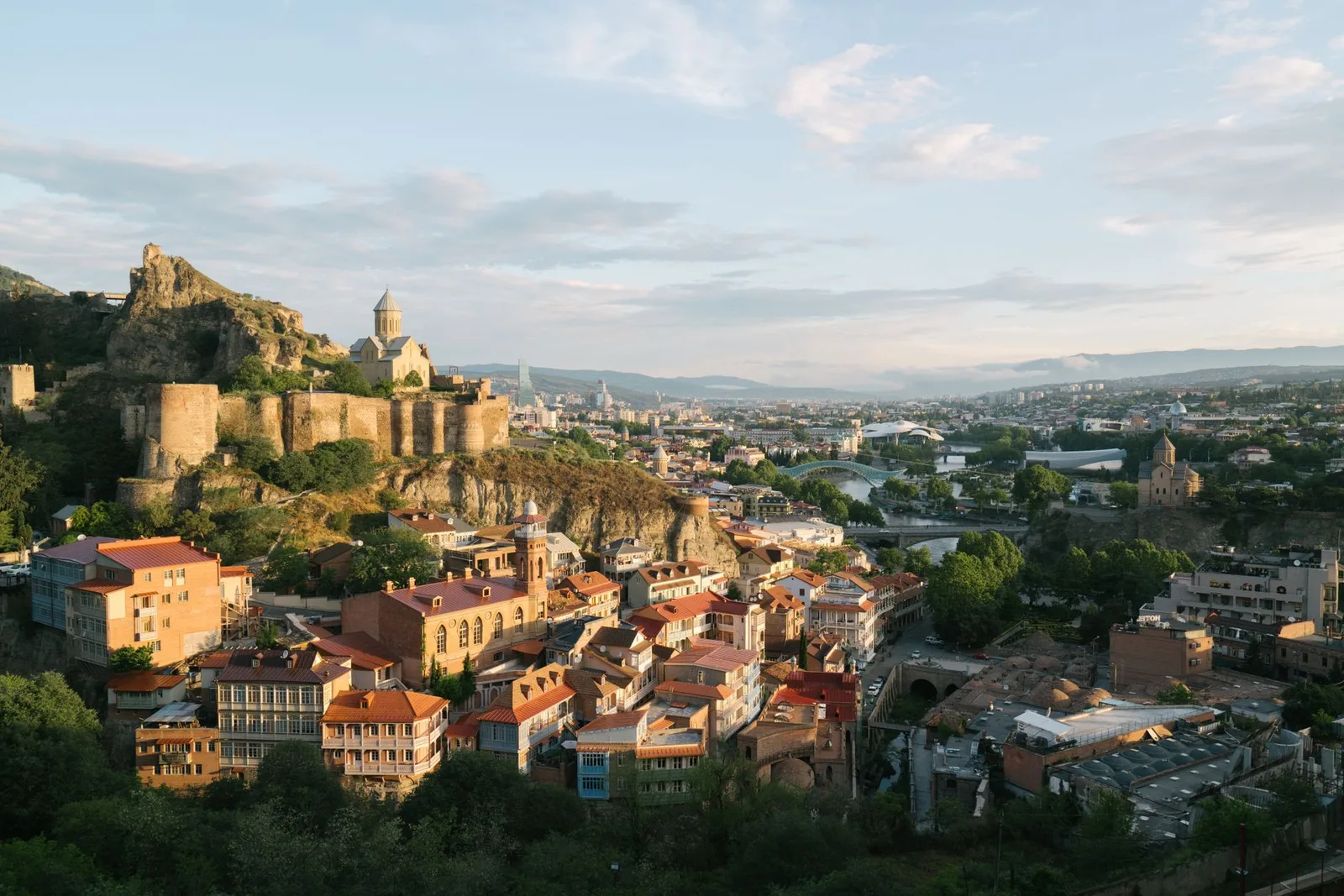
There is a particular conversation you will overhear in Tbilisi cafes, and it always has the same shape. Somebody came for two weeks. They are now on month five. Their flat costs less than a room did at home, the internet is faster, the wine is absurd, and there is no obvious reason to leave. Georgia built almost none of this deliberately, but between a long visa free allowance for a lot of passports, cheap fibre and a city small enough to learn in a month, it accidentally became one of the better places in the region to work from.
What actually makes it work
Low living costs, particularly rent, food and transport.
Fast, cheap internet, fibre in most central flats and good mobile data everywhere.
A long visa free stay for many nationalities, which is the structural reason the scene exists.
Banking that has historically been open to foreigners, though the details change.
A real food and wine culture, which matters more than it sounds over six months.
Size: central Tbilisi is walkable and you will recognise faces within weeks.
Where to base yourself
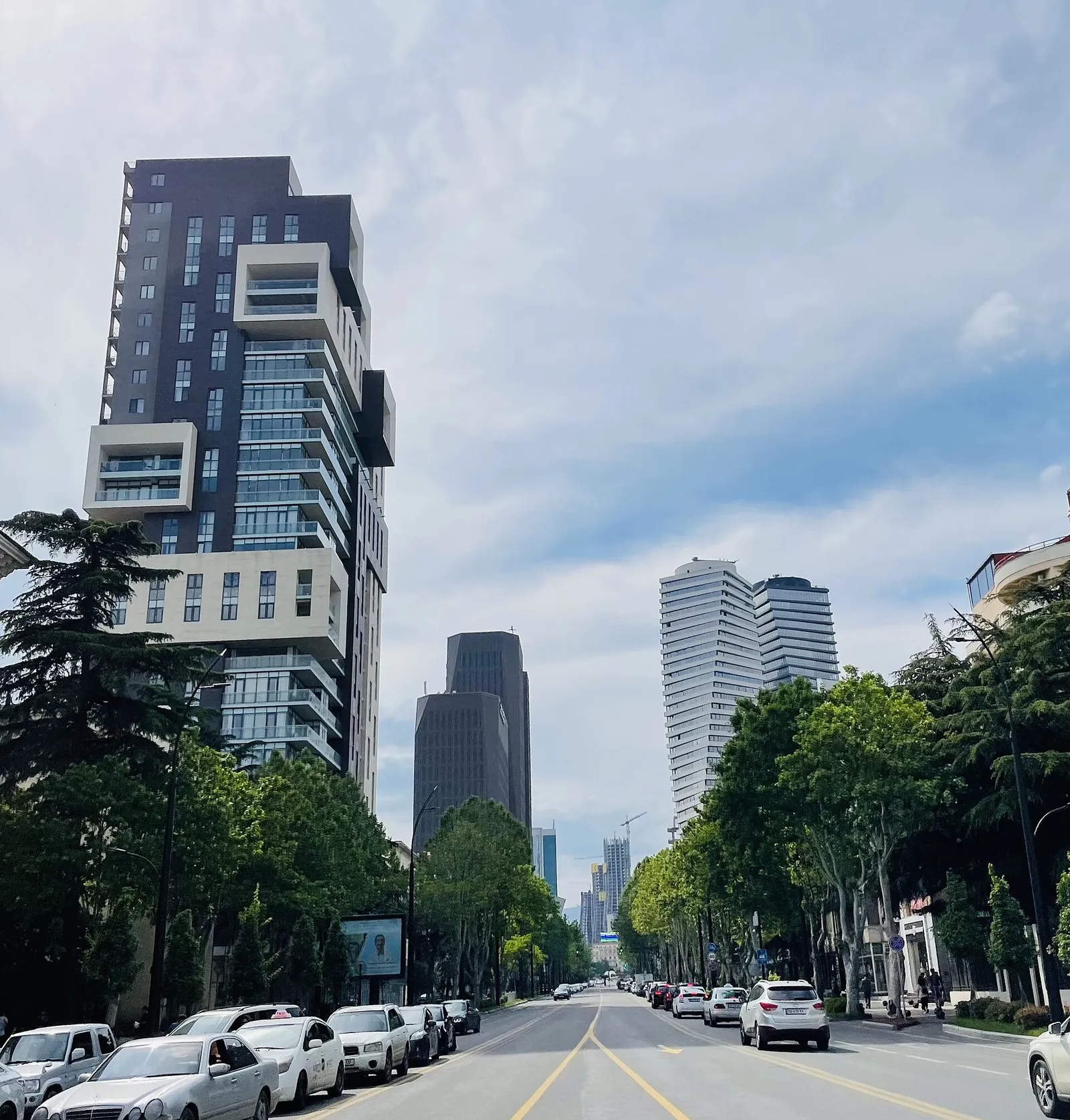
Vera, central, leafy, cafe dense, and the default answer.
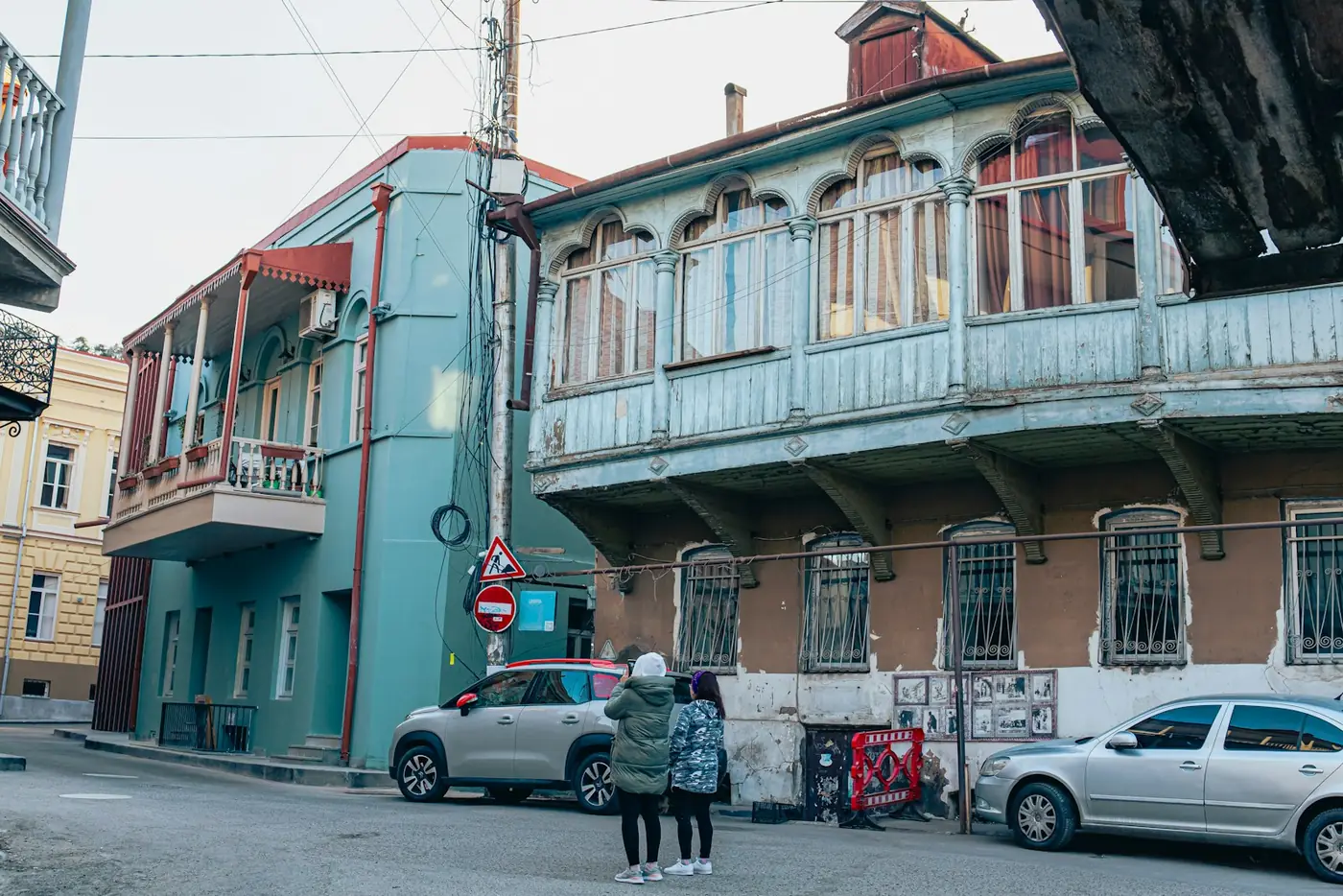
Sololaki, old buildings, character, steep streets and variable plumbing.
Vake, quieter and more residential, with the better standard of apartment.
Chugureti, across the river, cheaper, rougher and more interesting.
Saburtalo, modern blocks, lower prices, further out and less charming.
Not the old town, unless you want a tourist street outside the window.
Working practicalities
Cafes are laptop tolerant across the centre and cheap.
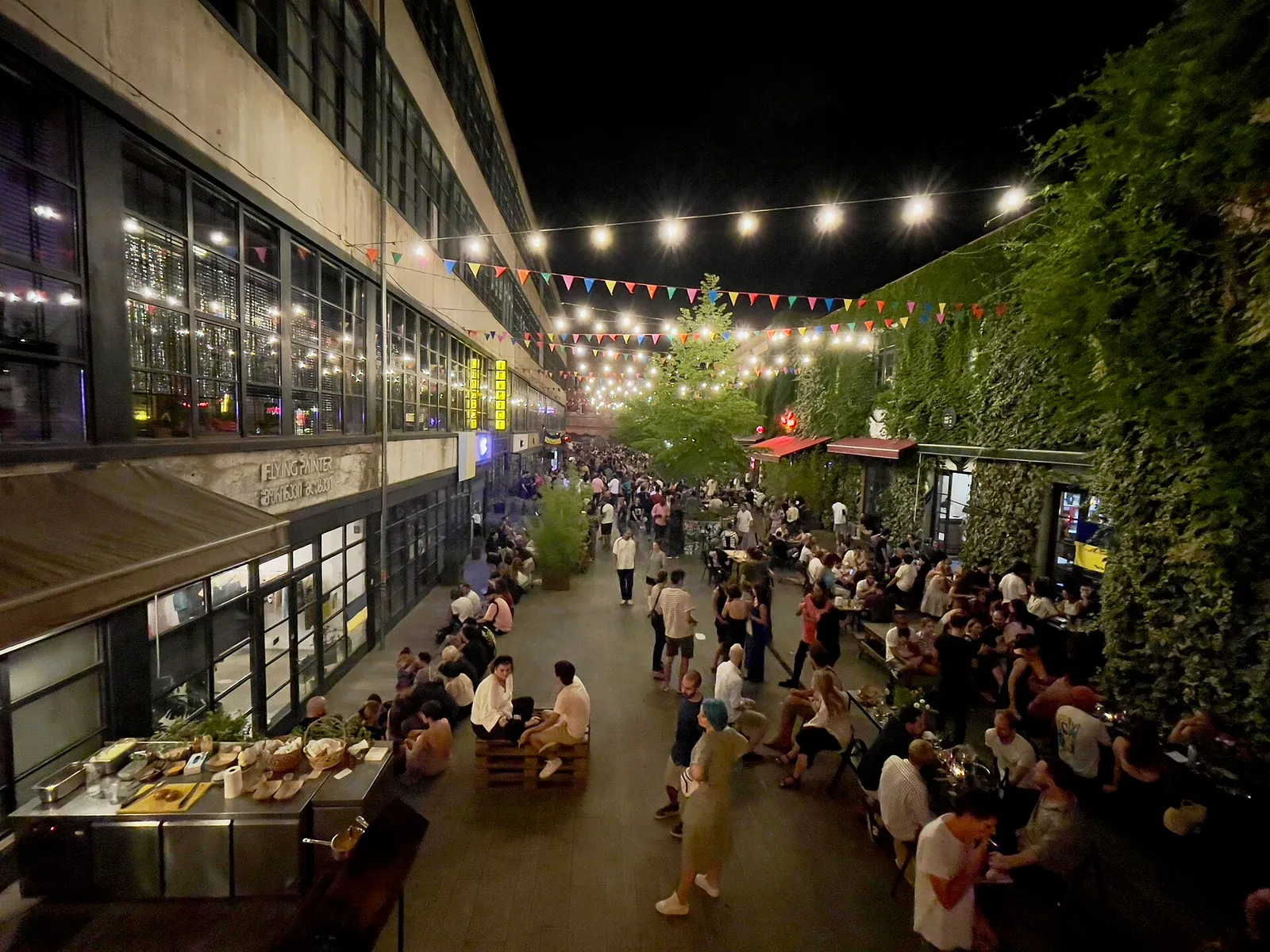
Co working spaces exist in the centre, including one in the Fabrika complex.
A backup mobile data plan, because a single fixed connection is not a plan.
Power cuts are occasional rather than frequent, and short.
Time zone sits usefully between Europe and Asia for a lot of work.
Georgian and Russian are the working languages; English is common among the young and in the centre.
What to check for yourself
Your own visa free allowance, on the official Georgian government source, for your passport.
Tax residency, which is a real question over six months and not one to take from a forum.
Banking requirements, directly from the bank rather than from a blog post.
Health insurance, because a long stay is not covered by a short travel policy.
Registration rules, if any apply to your length of stay.
Renewal or exit options before you arrive, not in the last week.
Where this fits in a Georgia stay
This is a base rather than a trip, and the rest of the country is a weekend away in any direction.
For the districts in detail and what each is like to live in, our guide to where to stay in Tbilisi covers the map.
For paying for things over months rather than days, our guide to money in Georgia covers cards, cash and exchange.
And for the connection your work depends on, our guide to SIM cards and internet in Georgia covers the options.
The short version
Book a comfortable week online, spend it walking Vera, Sololaki, Vake and Chugureti, and sign the month in person at roughly half the nightly rate. Check the heating, the hot water and the courtyard noise before you commit. Keep a mobile data plan as a backup for the fibre. And verify the three things that actually govern a long stay, your visa allowance, your tax position and your insurance, from official sources for your own passport rather than from anybody in a cafe.