Georgia is a safe country for visitors by most measures, and the things that actually put travellers in hospital here are predictable: road accidents, mountain incidents and the occasional stomach upset. This page is short, and it is the one worth reading before you need it.
The number
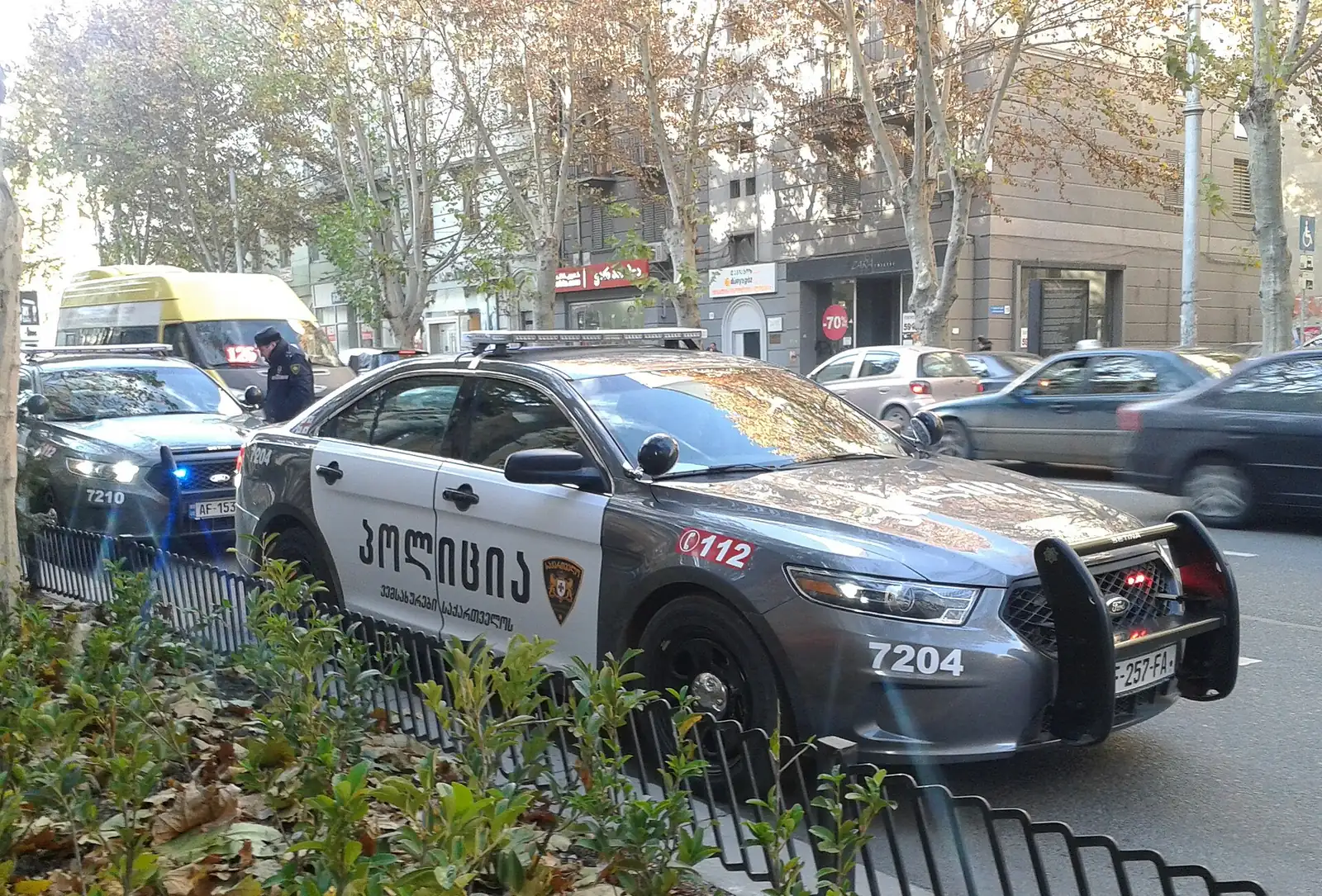
112. One number covers police, fire and ambulance across the country.
That single unified number is a genuine convenience compared with the three-number systems used in much of Asia, and it is free to call from any mobile, including one without local credit.
Save it now. English is not guaranteed on the line, though it is more likely in the cities than in rural areas.
Medical care
Tbilisi has good private hospitals with English-speaking staff and experience of foreign insurance. For anything non-trivial, this is where you want to be, and it is where serious cases from elsewhere in the country get transferred.
Outside the capital, facilities thin out quickly. Regional hospitals handle stabilisation, and the mountains are genuinely remote: help takes time to arrive and time to get you out.
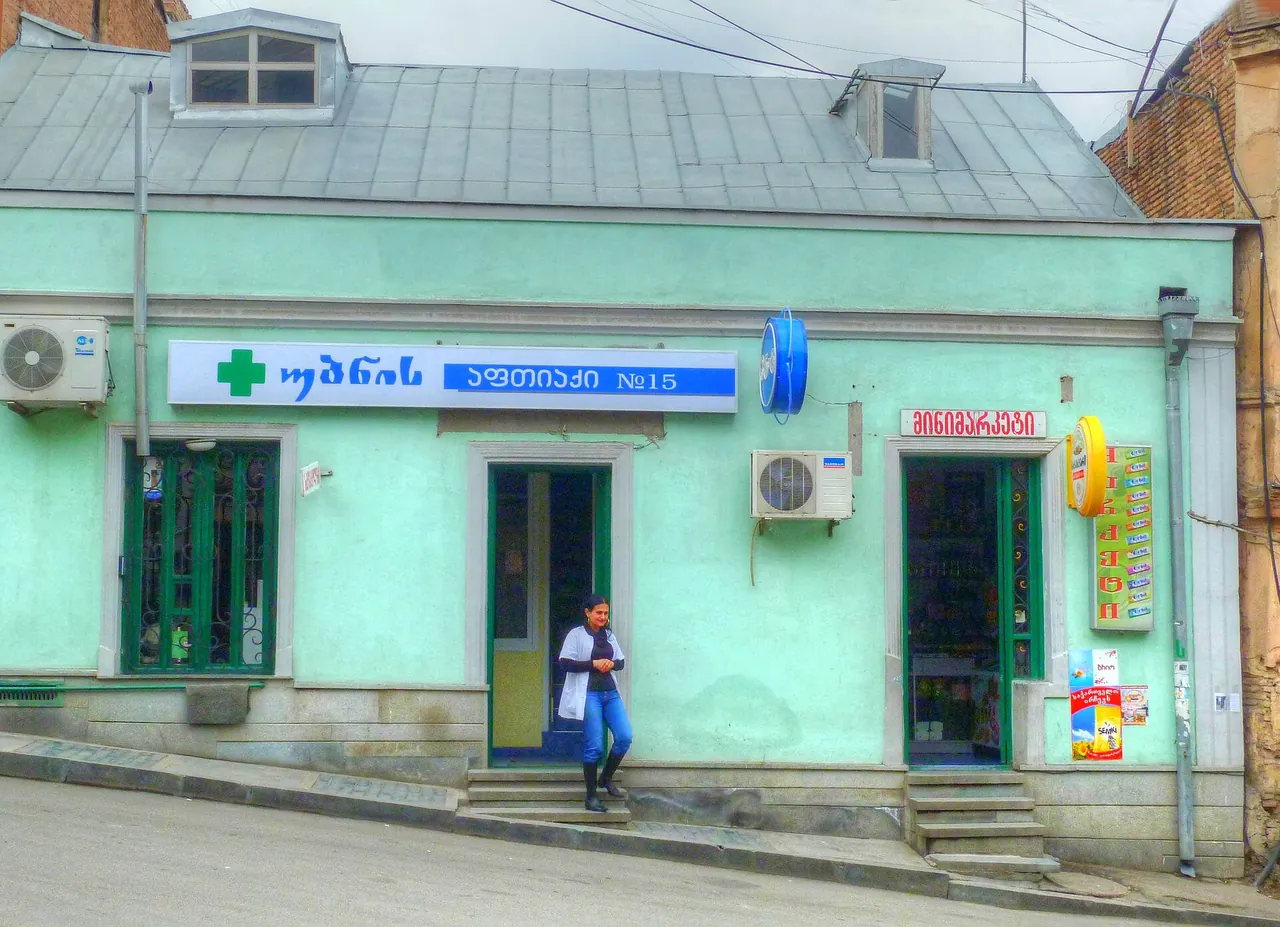
Pharmacies are widespread, inexpensive and the right first stop for minor complaints, with staff who will advise without an appointment. Bring a photo of the packaging of anything you take regularly, using the generic name rather than the brand.
Before you travel, find and save the name of a main private hospital in Tbilisi. Ten minutes at home beats searching on a phone at two in the morning.
The two risks that actually matter
Roads
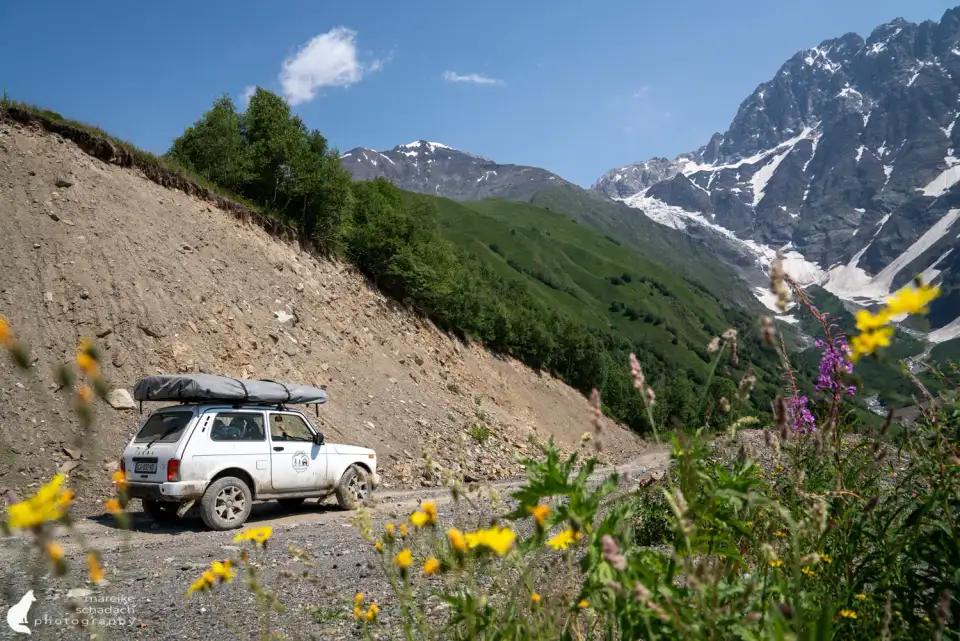
This is the big one. Driving culture is assertive, mountain roads are demanding, and livestock on rural roads is routine. Whether you are driving, riding or a passenger, this is the most likely way a trip here goes wrong.
Check whether your travel policy covers you for driving, and read the clause about unsurfaced roads, because much of the good stuff in this country is up a track rather than a highway.
Mountains
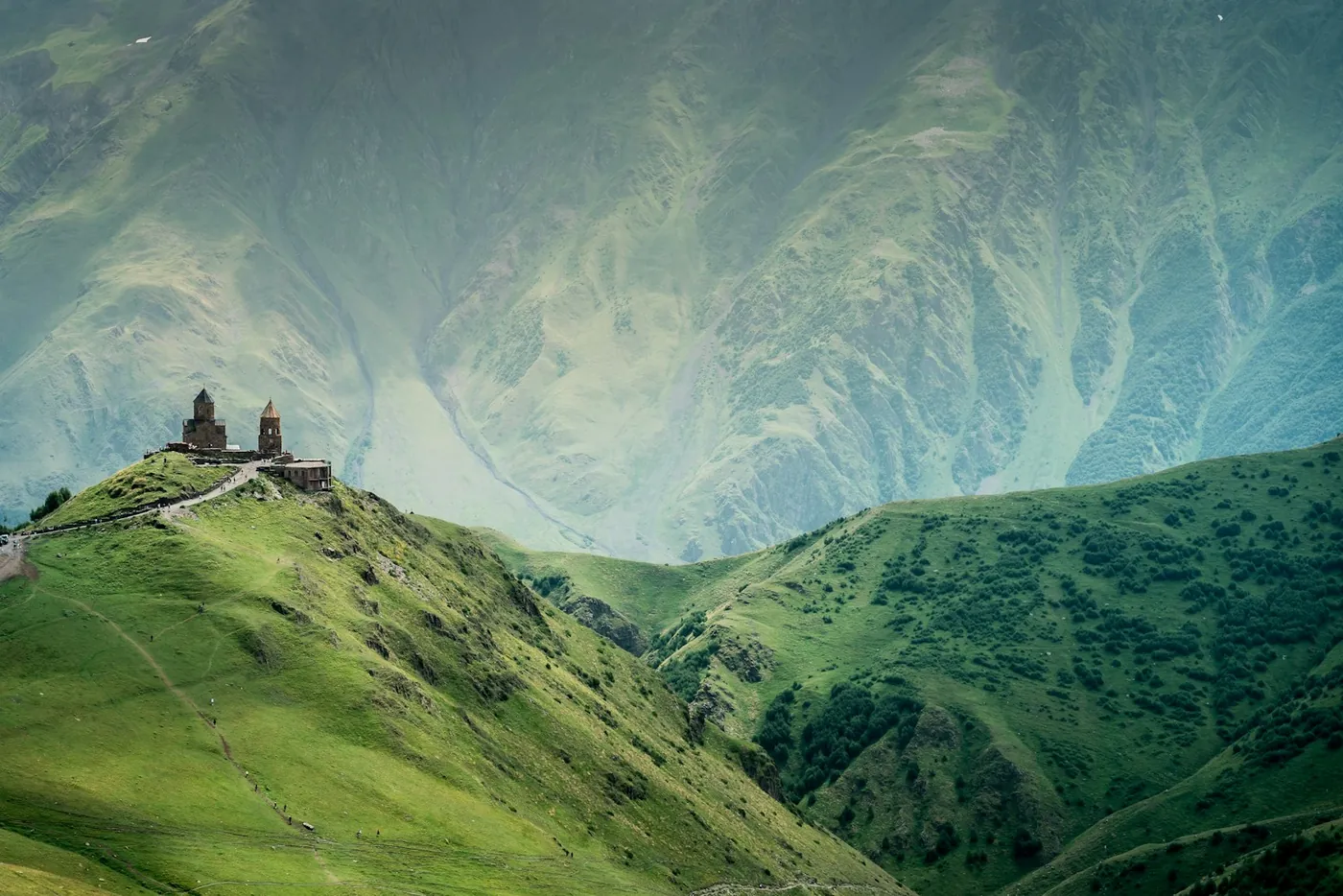
Georgia’s mountains are serious terrain. Weather changes fast, altitude is real, phone coverage drops out in the valleys, and rescue is neither quick nor free.
If your trip includes trekking, check that your policy covers trekking above whatever altitude it names and that it includes evacuation with a meaningful limit. Standard policies frequently exclude both. Tell someone your route and expected return, and do not rely on your phone as a safety plan.
The drink-driving warning, because of where you are going
Georgia enforces drink-driving laws strictly and the penalties are serious. That matters here more than in most places because the wine region is a headline attraction and the hospitality is genuinely relentless: refusing a pour can feel rude, and the pours keep coming.
Do not drive after drinking. Hire a driver for the day, which is inexpensive here, or nominate someone who does not drink at all. Our Kakheti wine guide covers how the tasting days are usually structured and why the driver question needs answering before you set out rather than during lunch.
Any accident involving alcohol will also be excluded by essentially every travel insurance policy, so this is both a legal and a financial cliff.
Check evacuation, not just the medical limitMountain rescue and transfer to Tbilisi are the expensive part here. Check evacuation, not just the medical limitMountain rescue and transfer to Tbilisi are the expensive part here.Your embassy
For a lost or stolen passport, an arrest or a death, your embassy or consulate is the contact.
Representation in Georgia differs by nationality, and some travellers are covered from an embassy in a neighbouring country rather than one in Tbilisi. Look up your own country’s arrangement before you travel and save the number. Do not assume there is one locally.
For a stolen passport you will generally need a police report first. Keep a photo of your passport page and your entry stamp stored somewhere you can reach without the passport itself, which makes replacement considerably faster.
Theft and safety
Violent crime against visitors is rare, and Georgia generally feels safe to walk around in, including in the capital at night.
Ordinary precautions apply: watch your belongings in crowded places and on transport, do not leave valuables visible in a parked car, and take the usual care in nightlife areas. If you are robbed, file a police report the same day, because your insurer will require it and obtaining one later is harder.
One region-specific note: check your own government’s current travel advice regarding areas near the disputed territories, where access is restricted and the situation is not something a travel guide should summarise. This does not affect the parts of the country visitors actually go to, but the advice is worth reading rather than inferring.
The checklist
Before you fly:
- Save 112.
- Check whether your country has an embassy in Georgia, and save the contact.
- Save the name of a main private hospital in Tbilisi.
- Read your insurance policy on driving, unsurfaced roads, trekking altitude and evacuation.
- Photograph your passport and policy, stored somewhere reachable without them.
On arrival:
- Photograph your entry stamp.
- Screenshot your accommodation address in Georgian.
- Buy rehydration salts at a pharmacy on day one.
That is the whole briefing, and it takes half an hour. Our seven-day itinerary shows where the mountain and wine days fall, which is where most of the above actually becomes relevant, and if you are deciding between basing in the capital or the coast, our comparison of the two covers how far you would be from serious medical care in each.
Has anything gone wrong for you here, and how did you handle it? Tell me in the comments, because the practical answers help more than any list.