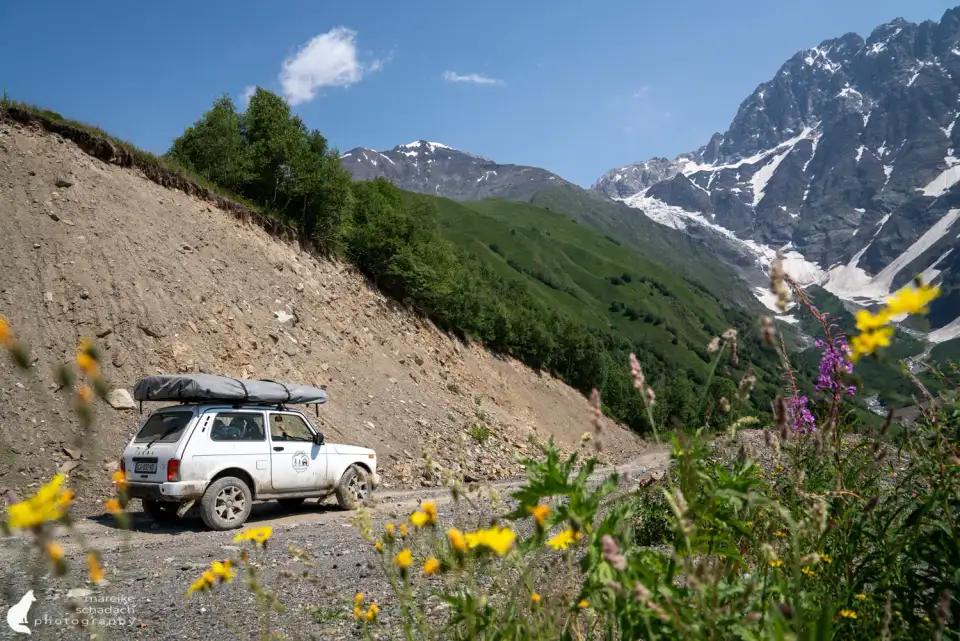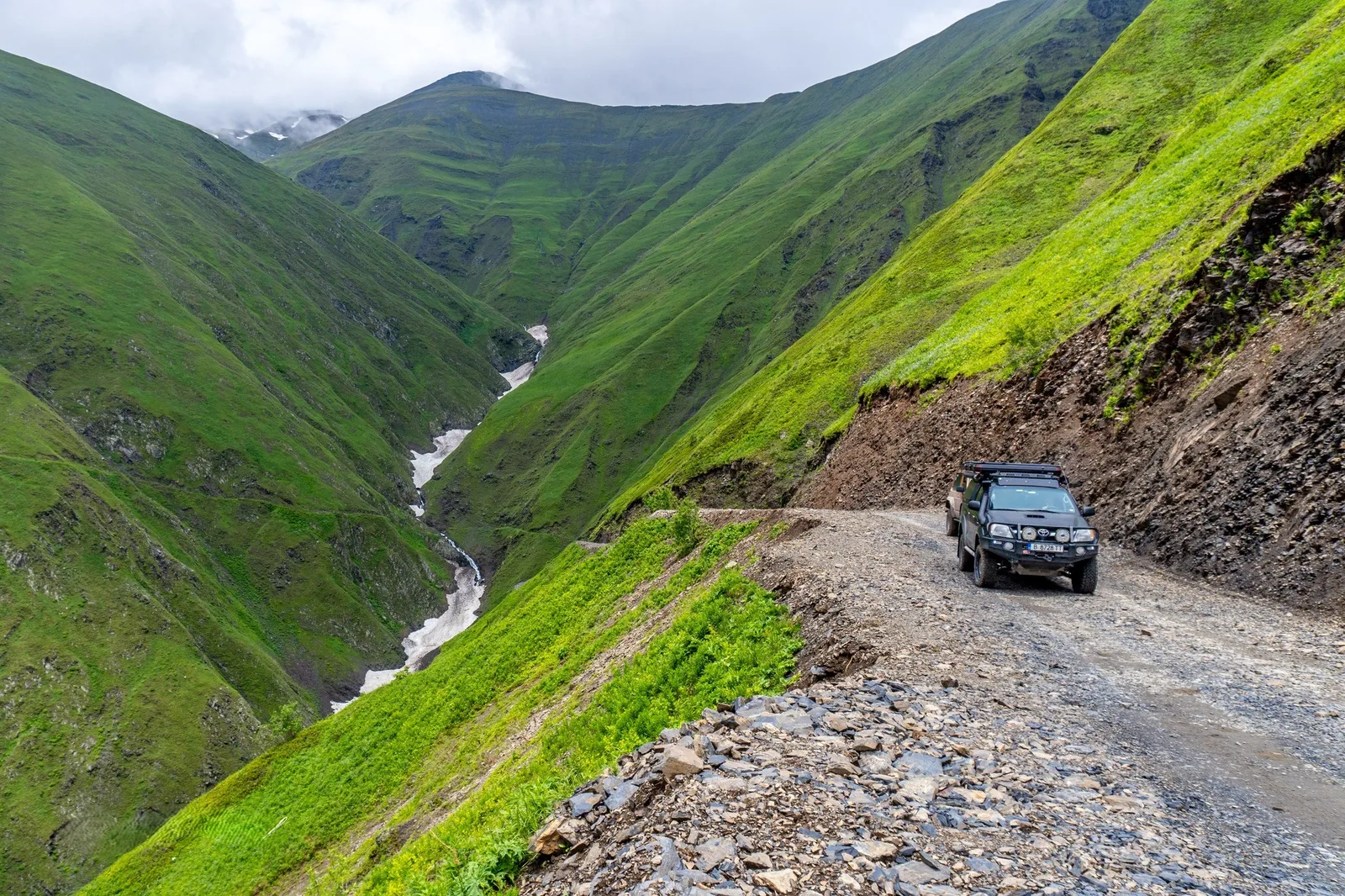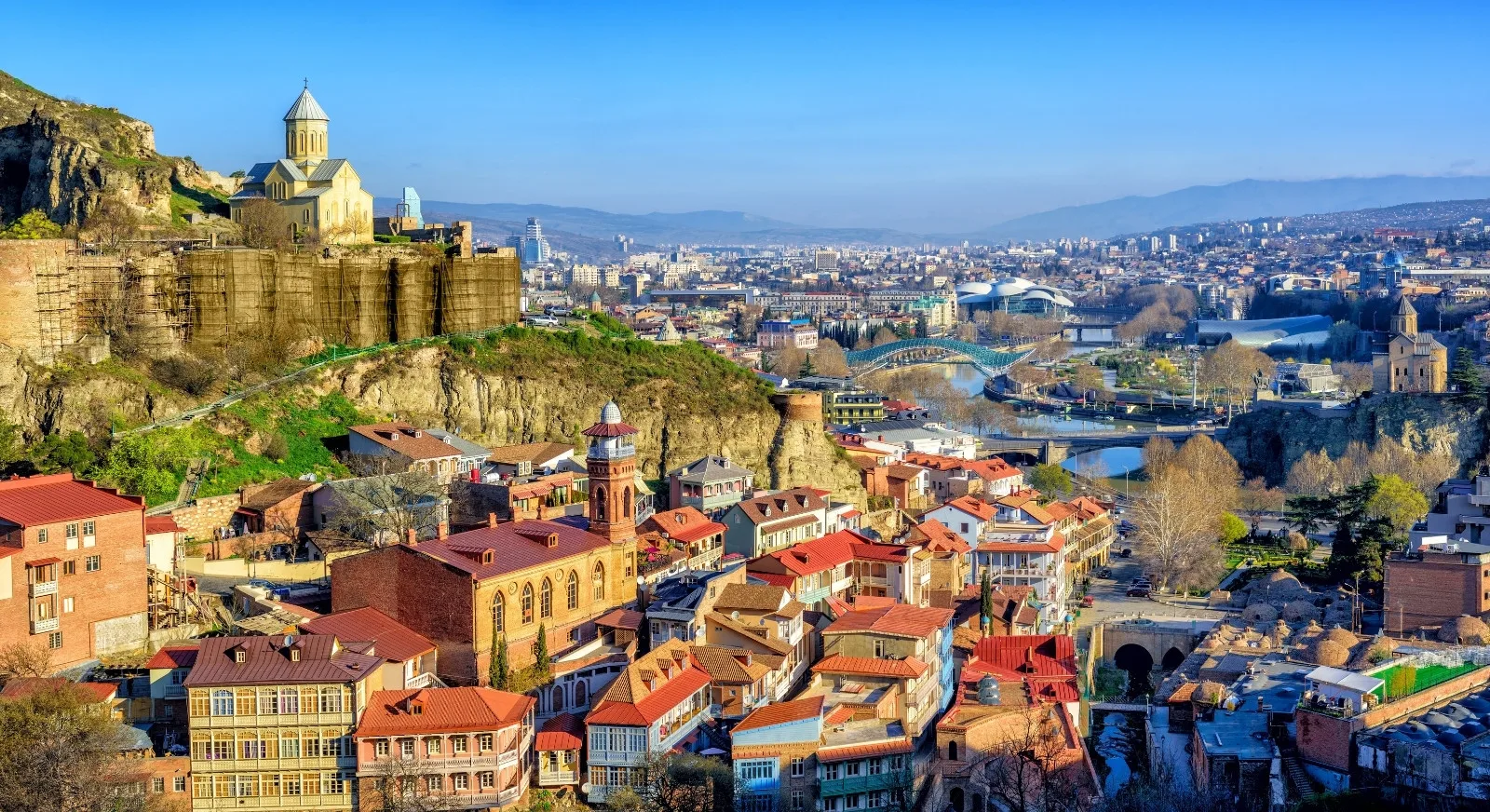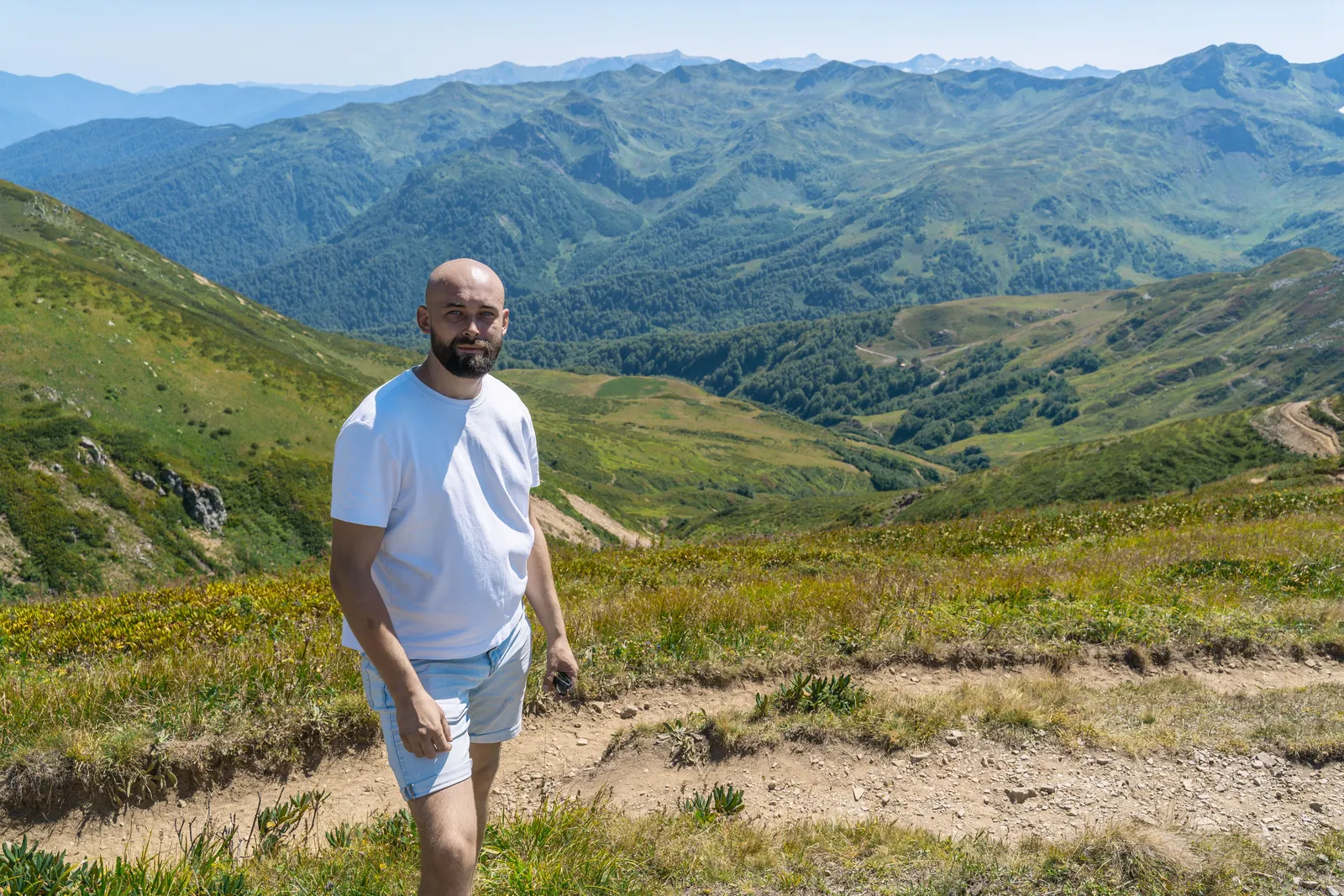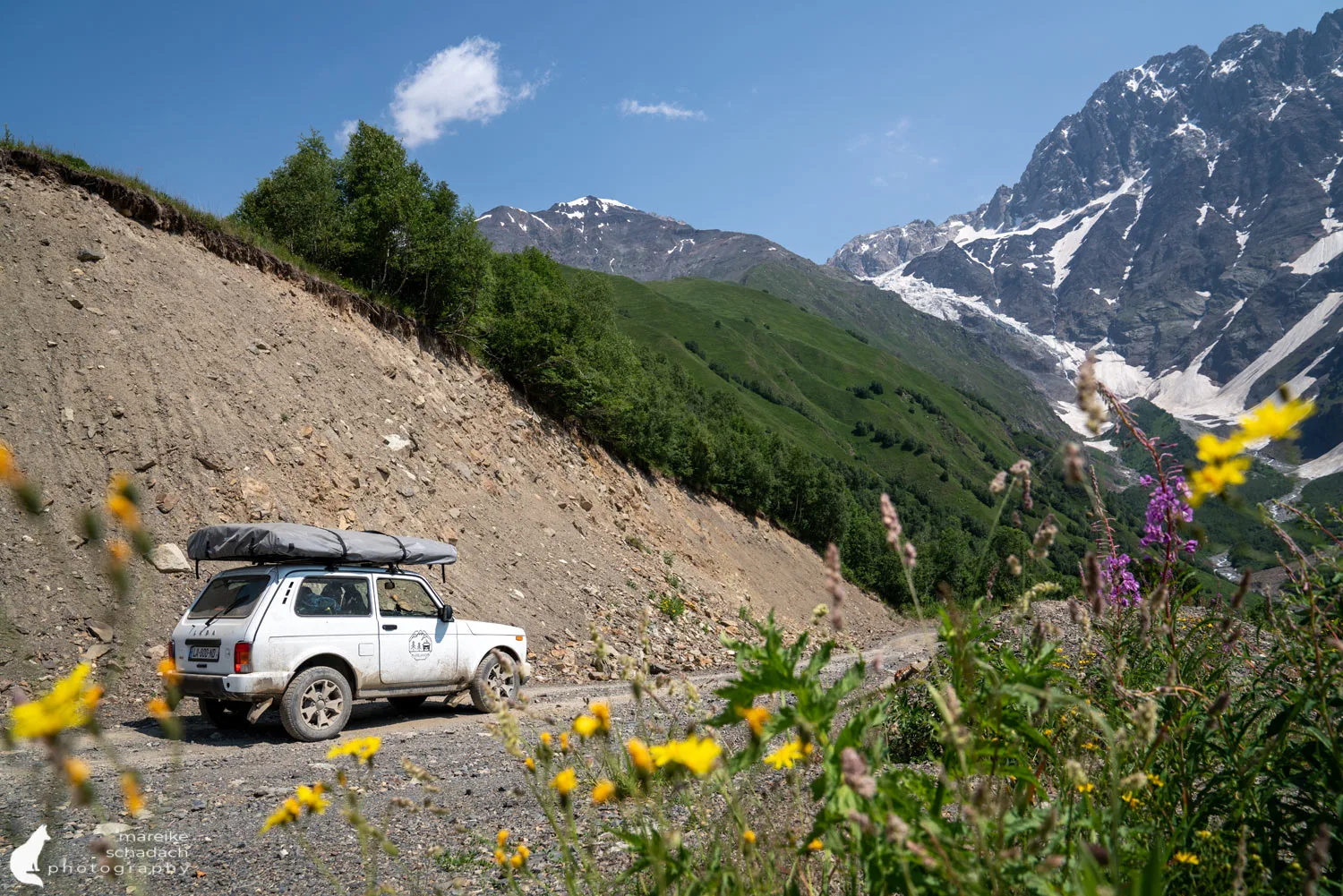
Georgia is not a dangerous country and it is an unusually effective country at finding the gaps in a travel insurance policy. The reason is that the things people come here to do are all in the small print: driving a hired car up an unpaved mountain road, walking over a pass above three thousand metres, and skiing terrain that a policy would call off piste. None of that is exotic here. It is the ordinary itinerary, and it is why reading the wording matters more than comparing the headline price.
The three clauses that decide it
Maximum trekking altitude, because Georgian routes go higher than most policies assume.
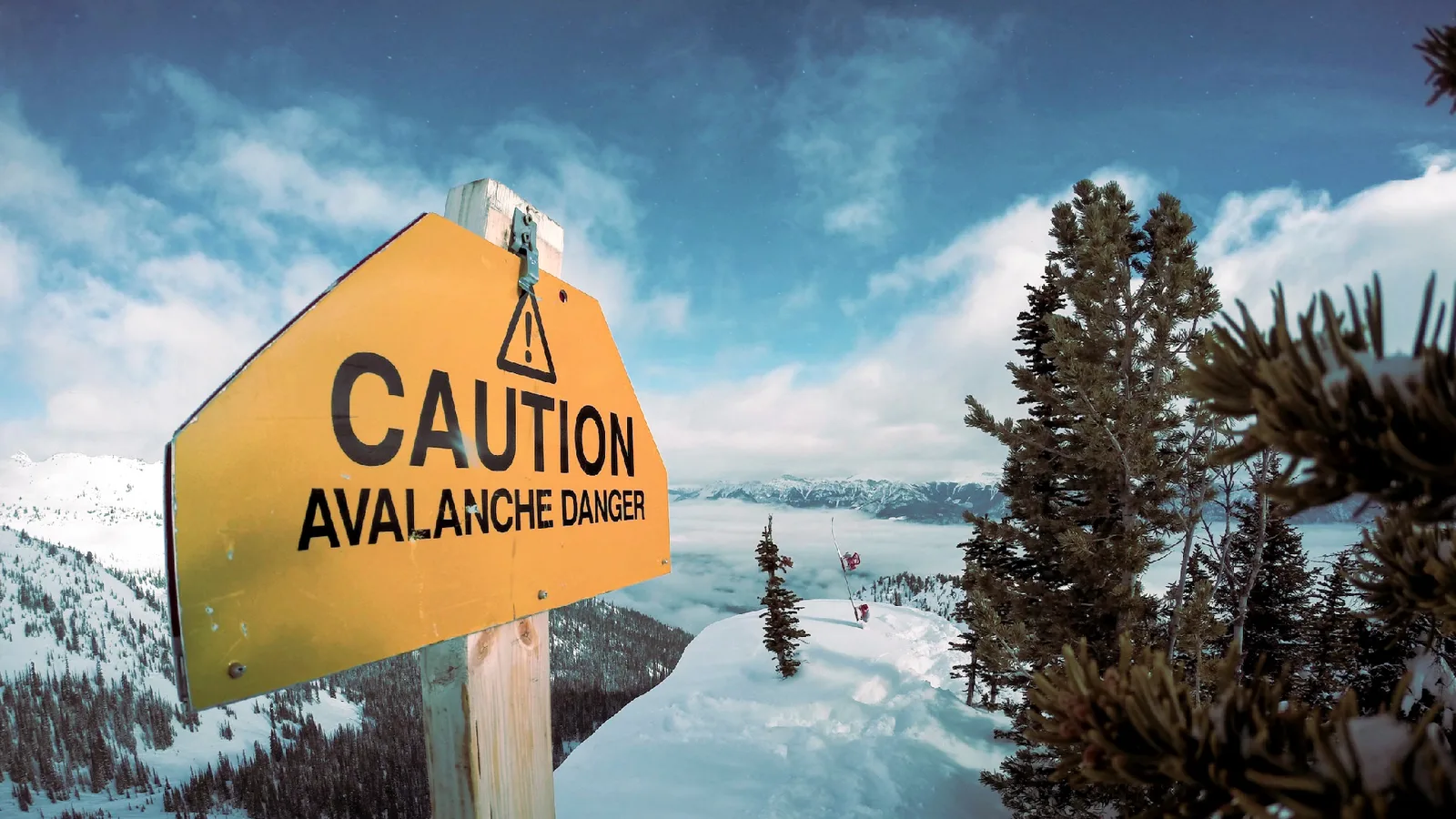
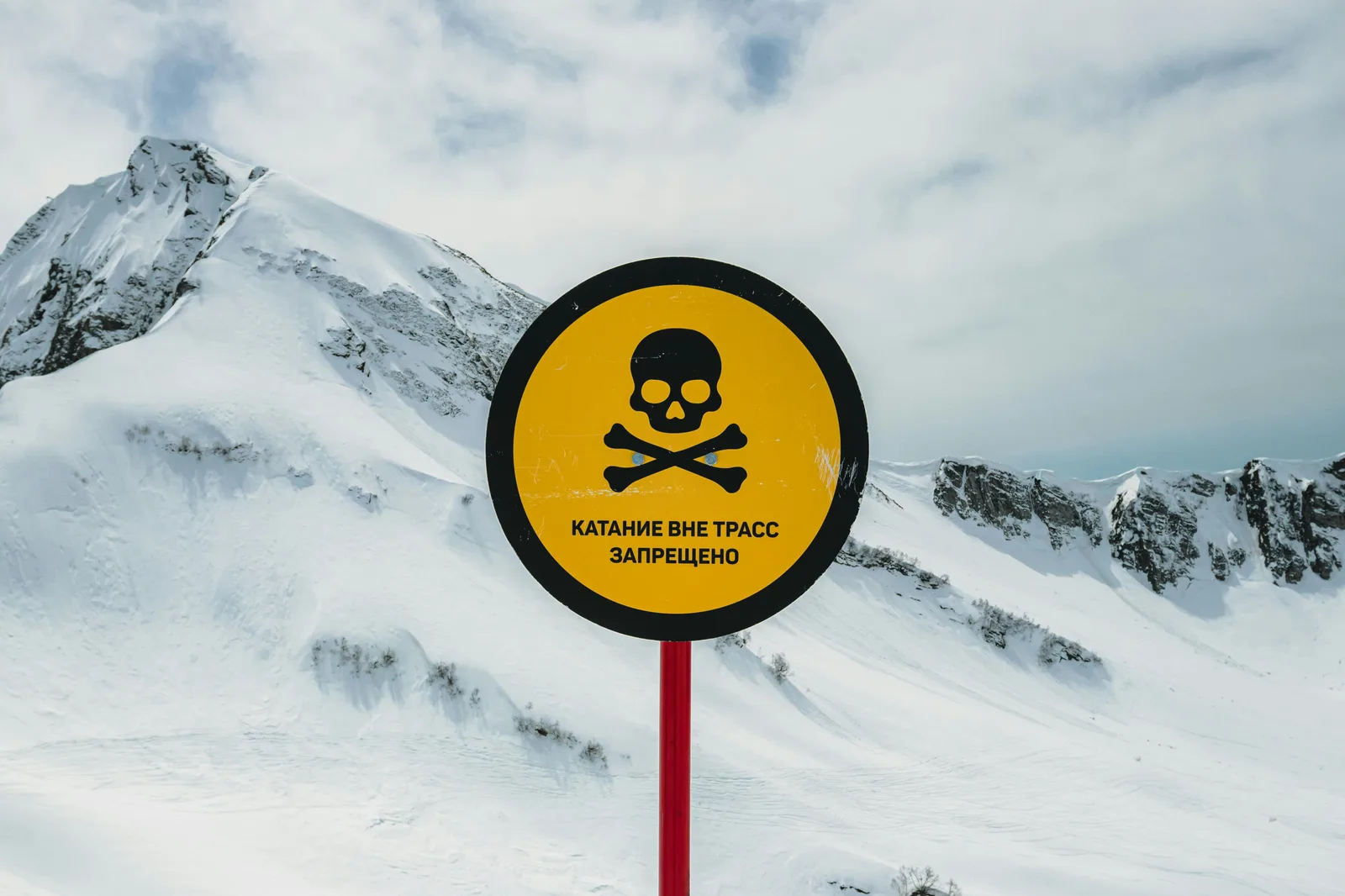
Winter sports and off piste, which are usually a paid extension and a restriction respectively.
Driving cover, including which licence the policy requires you to hold.
Unpaved roads, which are frequently excluded by the hire company rather than the insurer.
Single item limits, which decide whether a stolen phone is actually replaced.
Pre authorisation, meaning the assistance line has to approve treatment for the claim to stand.
Why altitude is the common failure
Popular multi day routes cross passes well above three thousand metres.
Kazbegi and Svaneti both put ordinary walkers high without any technical climbing.
Policy limits are frequently set lower than that and buried in the wording.
Marked trail versus mountaineering is a distinction some policies make and others do not.
Guided does not mean covered, and a local guide will not ask about your policy.
The driving problem, separately
Insurance covers you, the hire company covers the car, and those are two policies.
Excess on a Georgian hire car is typically high and worth reducing.
Unpaved roads are excluded in a great many hire agreements, which voids the cover if you use them.
A four wheel drive hired legitimately for mountain roads is the way around that.
Photograph the car on collection, all of it, including the underside if you can.
Keep the agreement and the damage record; a claim without them is an argument.
If something goes wrong
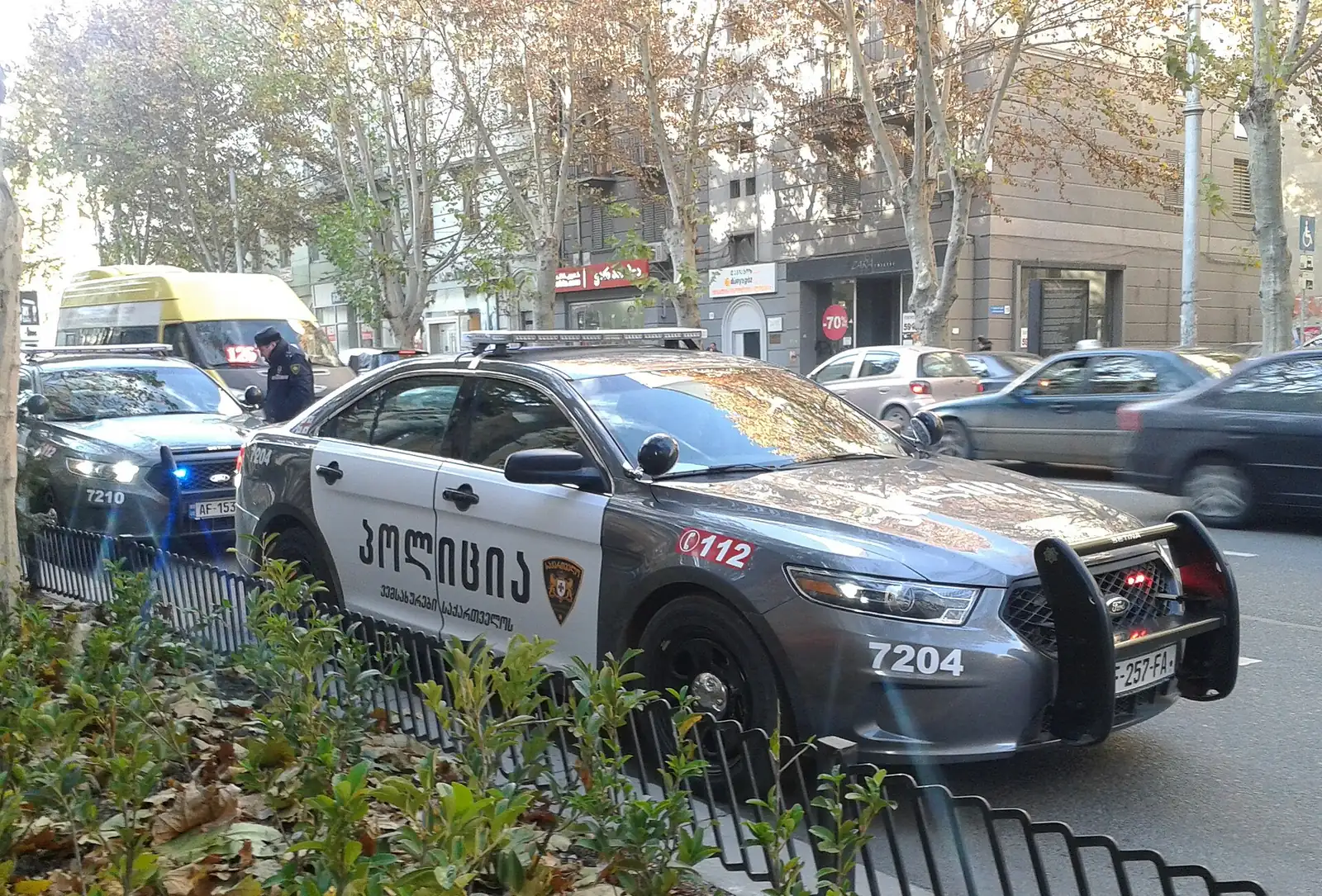
Call the emergency number first, for the actual emergency.
Call the insurer’s assistance line early, because pre authorisation is usually a condition.
Pay and reclaim is the normal model at Georgian clinics, so a working card matters.
Keep every receipt, including pharmacy and taxi to the clinic.
A police report is required for theft claims and has to be made in Georgia, at the time.
Save both numbers offline, because you will need them where there is no signal.
Where this fits in a Georgia trip
Twenty minutes of reading before you fly, and it never comes up again.
For the practical basics of a first visit here, our first time guide to Georgia covers the ground.
For who to call and what happens next, our guide to emergency numbers in Georgia covers the specifics.
And for the vehicle side of this, which is a separate contract entirely, our guide to car rental in Georgia covers the excess and the exclusions.
The short version
Read three things in the full wording rather than the summary: the maximum trekking altitude, whether winter sports and off piste are covered, and whether you are insured driving on unpaved roads on the licence you hold. Insure the trip you might end up taking rather than the one you booked, because in Georgia those are rarely the same. Treat the hire car excess as a separate problem from your travel policy. Save the emergency number and the assistance line offline, and call the insurer before treatment rather than after.