Georgia is one of the best countries in the region to explore by car and one of the more demanding to actually drive in. Those two things are both true, and the gap between them is where visitors get caught.
The case for driving is strong: the country is small, the distances between wildly different landscapes are short, and the best things here are frequently at the end of a road that no bus goes down. The case for caution is that driving culture is assertive, mountain roads are serious, and some of the routes people casually plan are genuinely not suitable for an ordinary car.
Here is what to expect and how to decide.
What the roads are actually like
Main highways between the major cities are generally good and improving, and the drive across the country is straightforward.
Secondary roads vary enormously. Surfaces change without warning, potholes are common, and livestock on the road is a routine hazard rather than an occasional one. Cows do not move.
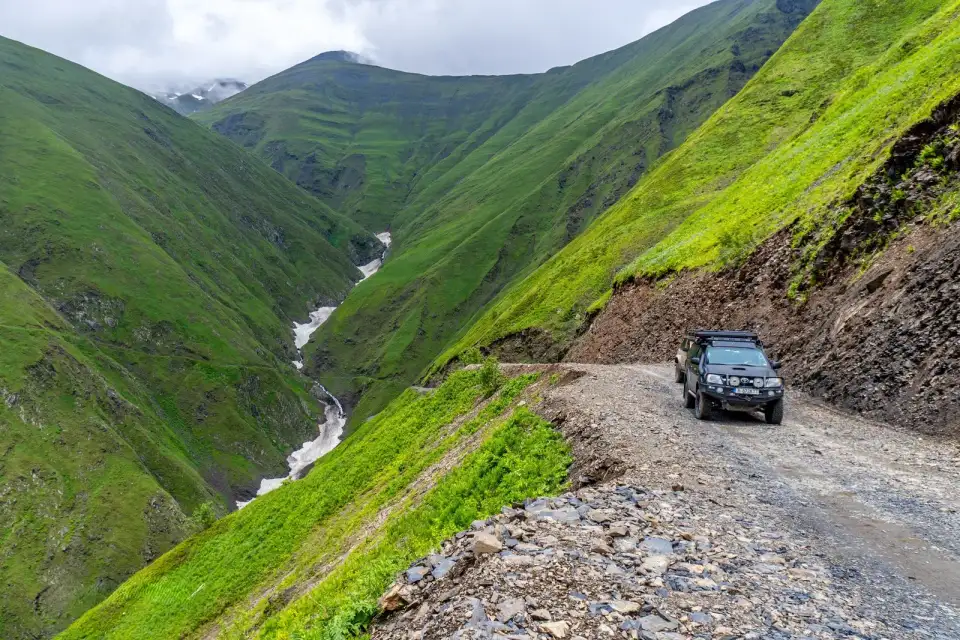
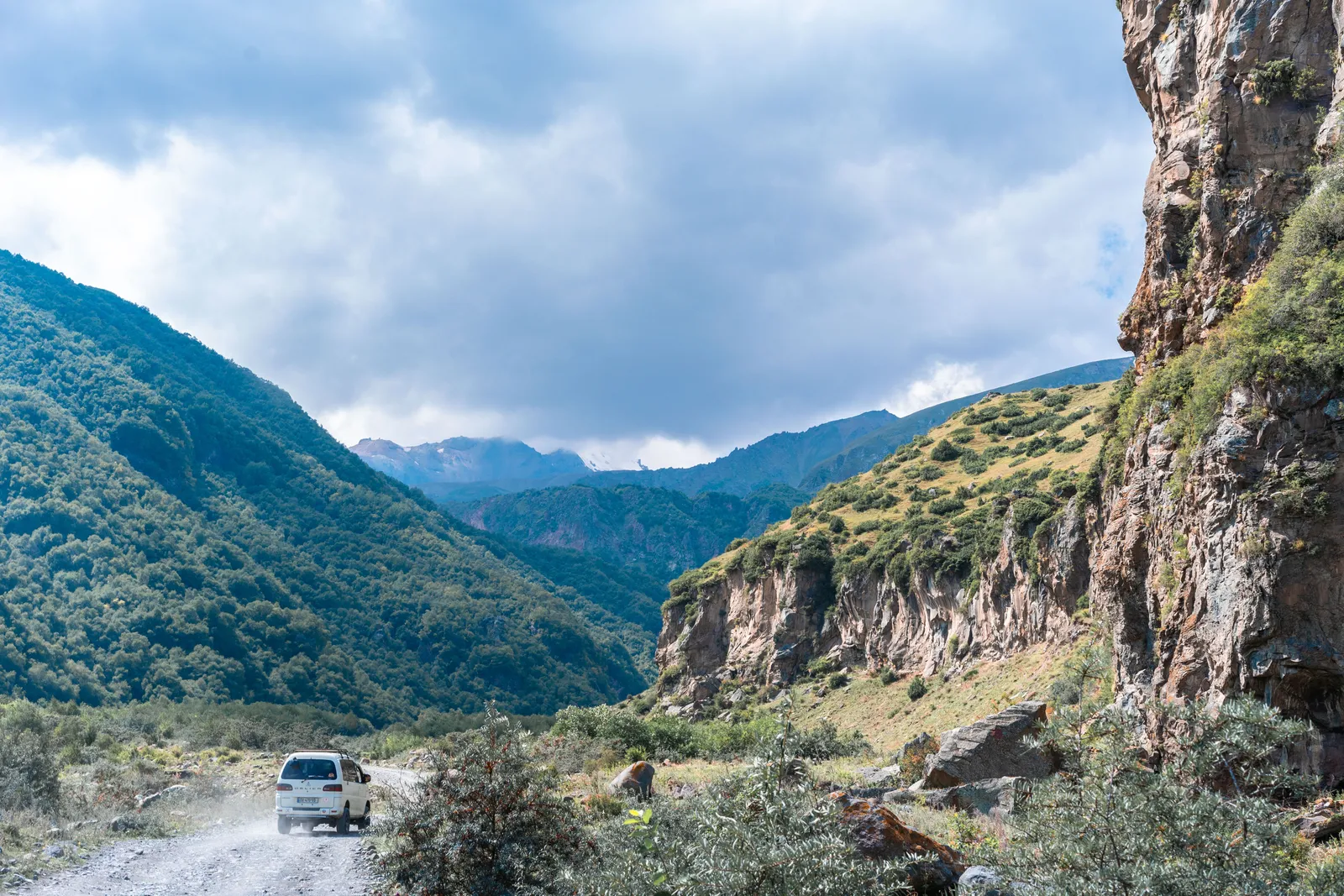
Mountain roads are a different category entirely. Steep, narrow, frequently unsurfaced, with drops and no barriers, and subject to rockfall and landslip. Some are genuinely spectacular drives; some require a proper high-clearance vehicle and experience.
Driving culture is assertive. Overtaking on blind sections happens, lane discipline is loose, and you should drive defensively and expect the unexpected rather than assuming rules will be followed.
The licence and insurance questions
Two things to settle before you book anything.
Your licence. Whether your home licence is sufficient on its own, or whether you also need an international permit alongside it, depends on the country that issued it and the arrangements in force. Confirm your own position from an official source rather than assuming a friend’s answer applies to you, and note that rental companies have their own requirements on top of the legal minimum, including minimum age and how long you have held the licence.
Your insurance. Check what the rental includes and what the excess is, and check whether your travel policy covers you for driving at all. Then check the two conditions that catch people here: unsurfaced roads and cross-border travel. Many rental agreements exclude damage sustained off sealed roads, which is a serious problem in a country where the best destinations are up unsealed mountain tracks. Most prohibit taking the vehicle across a border without written permission.
Read the rental agreement’s off-road clause specifically. It is the single most consequential paragraph in it.
Drink driving, stated plainly
The legal limit is 0.03 percent blood alcohol, around a quarter of the usual western European figure, and zero for professional drivers. One glass of wine can put an average adult over it. Georgia enforces this strictly and the penalties are serious. Do not drive after drinking, at all.
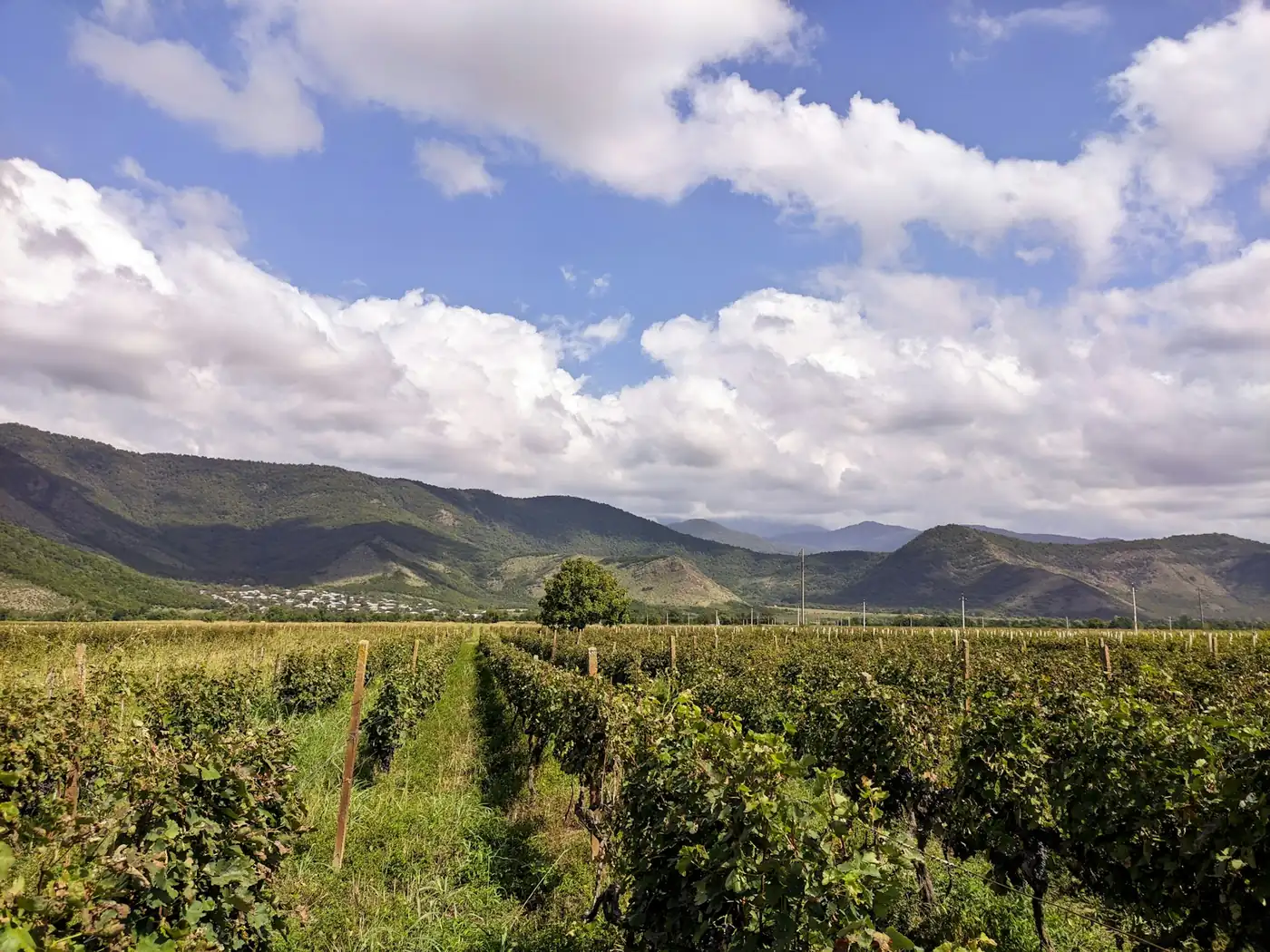
This matters more here than the general advice implies, because the wine region is one of the country’s great attractions and the tastings are generous. Driving yourself around Kakheti while tasting is not a plan; it is a problem waiting to happen. Our Kakheti wine tour guide sets out the two workable alternatives, which are hiring a driver for the day or nominating someone who genuinely does not drink.
Where a 4x4 is not optional
Some of Georgia’s headline destinations sit at the end of roads that an ordinary hire car should not attempt.
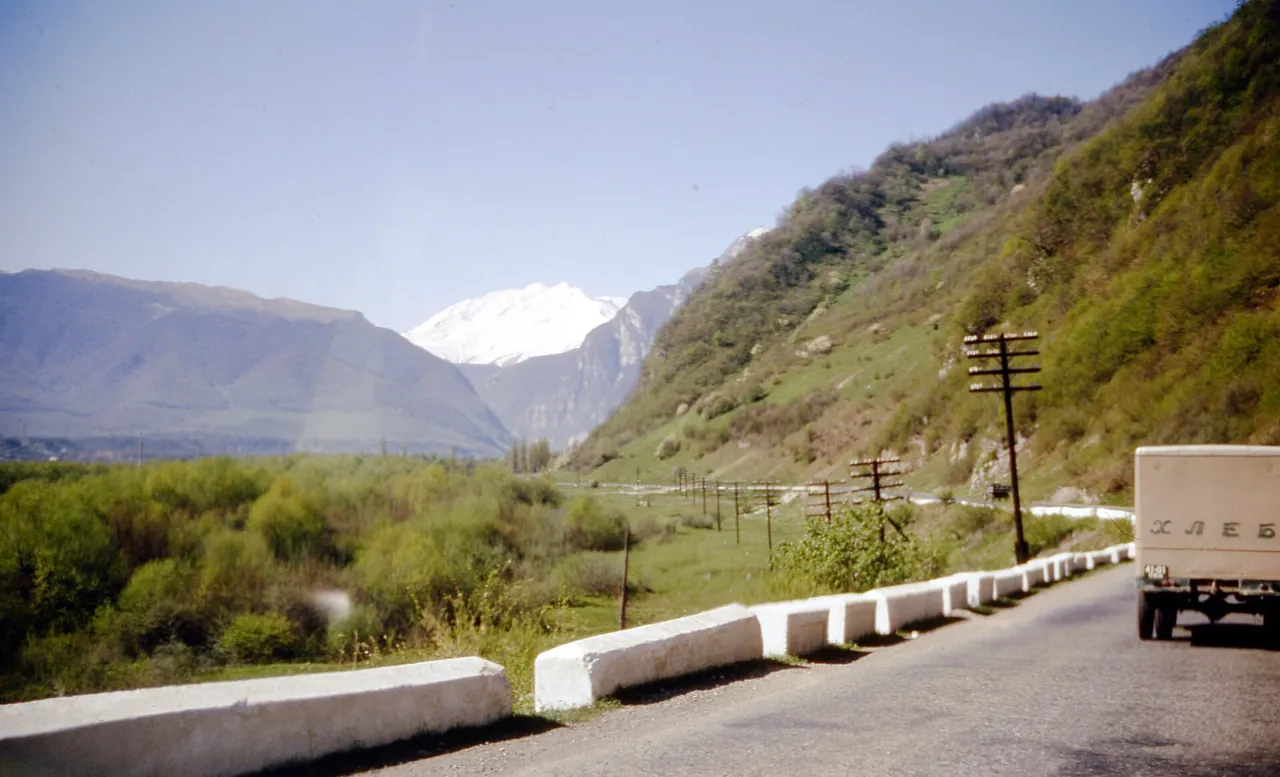
The high mountain routes into the more remote valleys are seasonal, unsurfaced for long stretches, involve river crossings in places, and are impassable outside a limited window. Locals run shared 4x4 transfers on these routes for a reason.
Do not attempt them in a standard car, and be aware that doing so almost certainly voids your rental insurance. If your itinerary includes the remote north, either budget for a proper vehicle or take a shared transfer, which is inexpensive and driven by people who know the road.
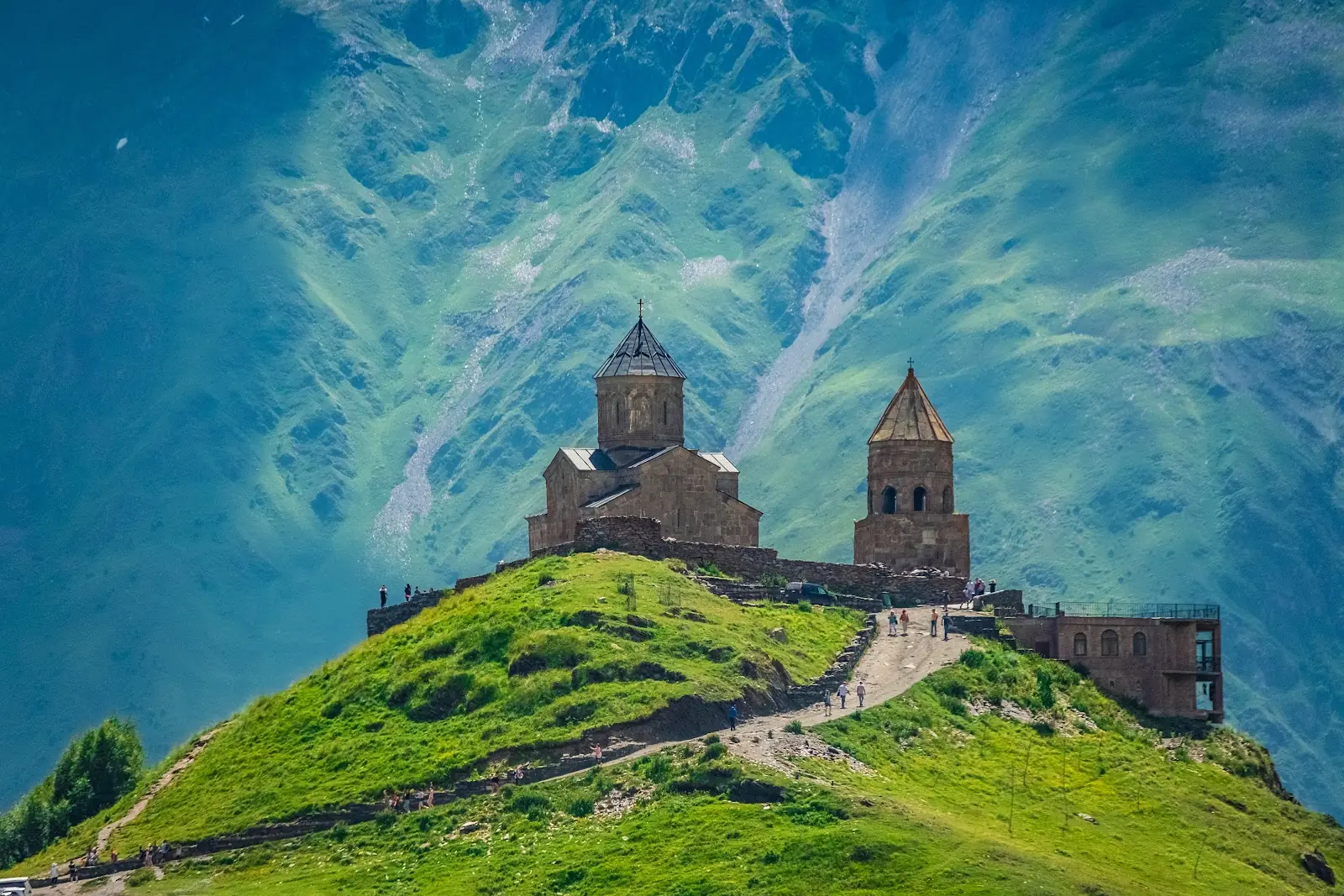
The more accessible mountain areas are a different case. The main route north towards the high peaks is a paved highway, dramatic and manageable in an ordinary car in good weather, though it can close in winter conditions. Our Kazbegi guide covers what that drive involves and what waits at the end of it.
Season, which decides half of this
Mountain access is seasonal. Passes close, snow arrives early at altitude, and roads that are trivial in summer are impassable or require chains and winter tyres in the cold months.
Check the current status of any mountain route for your actual dates rather than assuming, and be prepared to change plans. Weather here does not negotiate.
Comparing hire cars?Check the off-road and cross-border clauses, not just the daily rate.Hire car or driver?
This is worth genuinely considering, because the economics are not what you would expect.
Hiring a driver for a day, or for several, is inexpensive in Georgia by Western standards. You get someone who knows the roads, the conditions and where to stop, you are free to drink at a wine tasting, and you carry none of the insurance risk.
Hiring a car gives you freedom and flexibility and is the right answer if you want to move on your own schedule and are comfortable with the driving.
My honest recommendation: drive the main routes yourself if you want to, and hire a driver for the wine region and the serious mountains. That combination gets you the freedom where it is pleasant and removes the risk where it is not.
Comparing hire cars?Check the off-road and cross-border clauses, not just the daily rate.Practical points
Fuel is widely available on main routes and thins out in remote areas. Fill up before mountain sections.
Navigation works well, but download offline maps, because coverage drops in the valleys.
Parking in central Tbilisi is difficult and the old streets are narrow and steep. If you are basing in the city and taking day trips, consider collecting the car on the morning you leave rather than keeping it parked.
Animals on the road, day and night, in rural areas. This is the hazard people underestimate most.
Night driving on unlit rural roads with unmarked hazards is best avoided.
Sharing the road
The road surface is rarely the problem in Georgia. The traffic culture is, and knowing what to expect turns it from alarming into merely lively.
Overtaking is assertive, including on mountain bends and into oncoming traffic that is expected to make room. Defensive driving here means leaving space and expecting to be passed rather than matching the local pace.
Lane discipline is loose in cities, and junctions work on flow and eye contact more than on signage.
Livestock is a genuine hazard, not a rural curiosity. Cows, pigs and sheep stand on and cross rural roads at any hour, including at night, and they are the single most common cause of visitor accidents on country routes.
Pedestrians cross where they like in towns, and children near villages deserve real caution.
The right response to all of it is speed rather than skill. Driving slower than you would at home, particularly on rural and mountain roads, absorbs almost every one of these problems, and there is nowhere in this country worth arriving at quickly.
What actually goes wrong with hire cars
Most bad hire-car experiences in Georgia are not crashes. They are disputes, and they follow a small number of patterns.
Damage on return is the most common by far, which is why filming the car in detail at collection and return is worth the two minutes. Include the wheels, the windscreen, the roof and the underside of the bumpers.
Off-road exclusions are the most expensive. Many agreements exclude any damage sustained on unsurfaced roads, and a large share of Georgia’s best destinations are up exactly those roads. Reading that clause before you sign decides whether your itinerary is insured or not.
Cross-border refusals catch people planning a regional trip. Most companies prohibit taking the vehicle out of the country, and the ones that allow it require written permission arranged in advance.
Fuel and toll policies vary, and the cheapest daily rate frequently comes with the least favourable terms on everything else.
One additional check worth making at the depot: the spare wheel and the tools. On mountain roads this is not a formality.
Where it fits in a trip
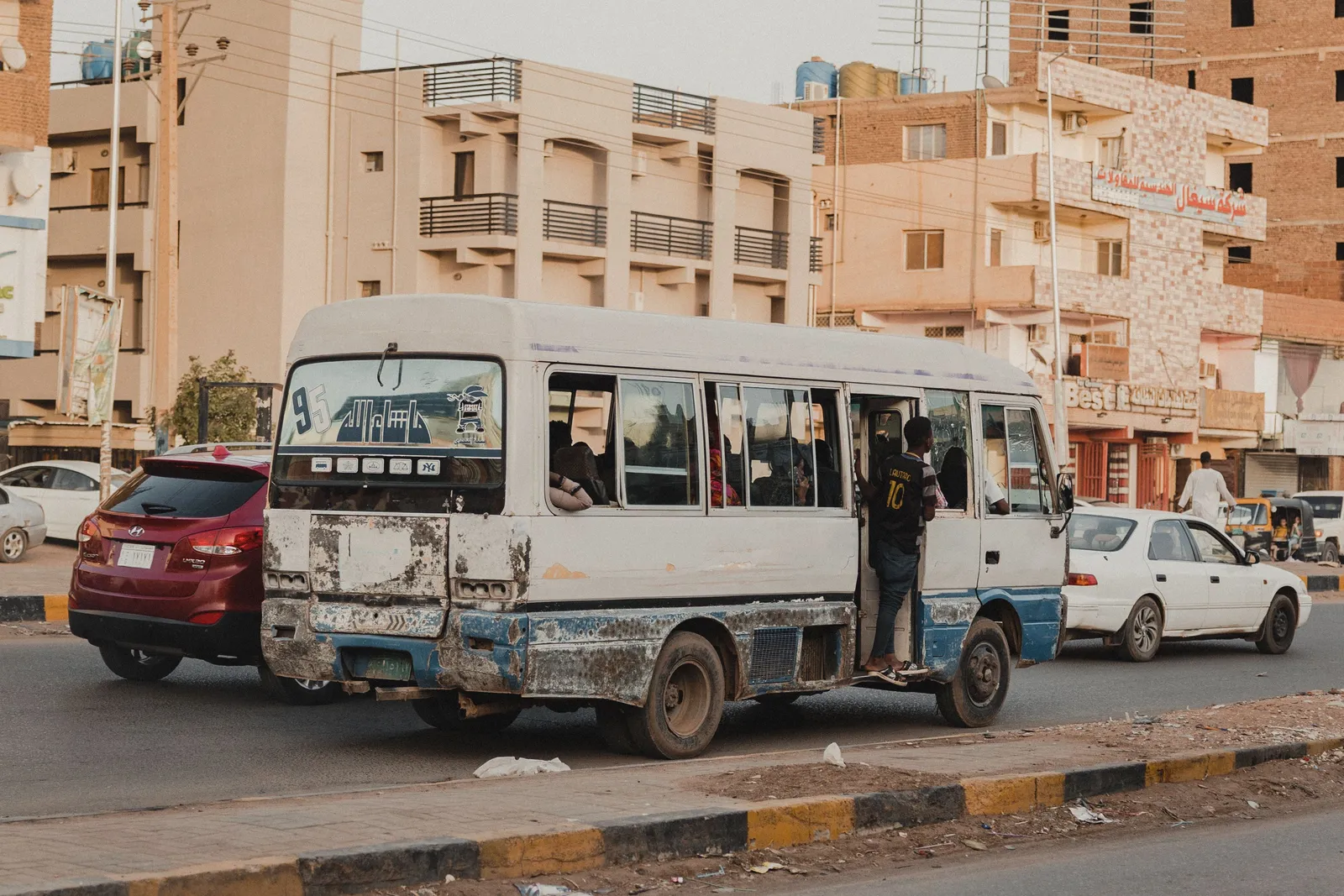
A car transforms a Georgian itinerary because it unlocks the things between the places. Our ten-day itinerary shows where the driving days sit and which legs genuinely benefit from your own vehicle rather than a marshrutka.
For a shorter trip based in the capital, you may not need one at all: day trips are cheap and plentiful, and the parking problem alone argues against keeping a car in town.
The short version
Confirm what licence you need for your own nationality and what your insurance actually covers, especially the off-road clause. Film the car before and after. Never drive after drinking, particularly in the wine region. Do not take an ordinary car up a serious mountain track. Check seasonal road status for your dates. And consider a driver for the days where driving yourself is the worst part of the day rather than the best.
Did you drive here, and which road surprised you? Tell me in the comments.