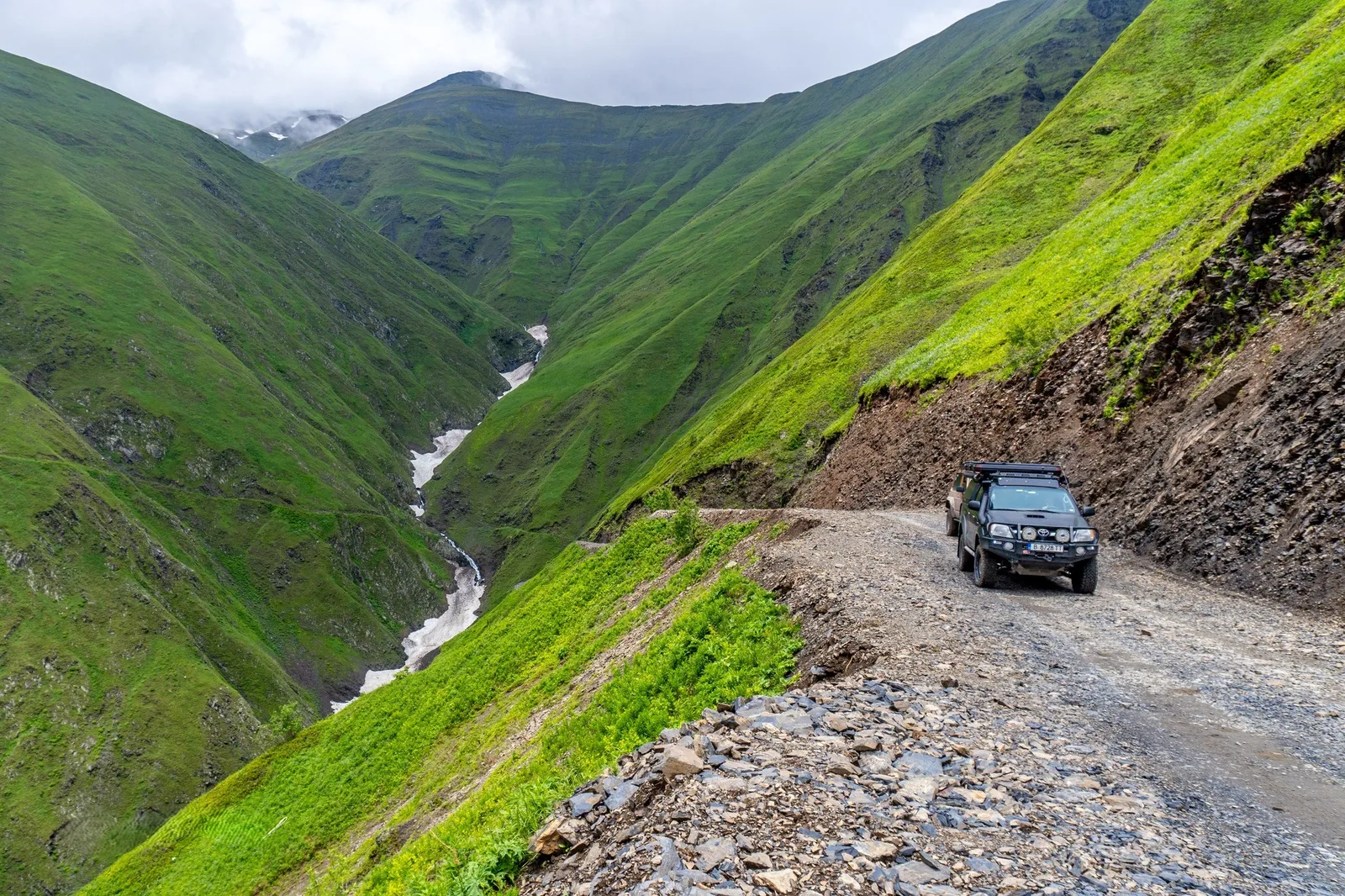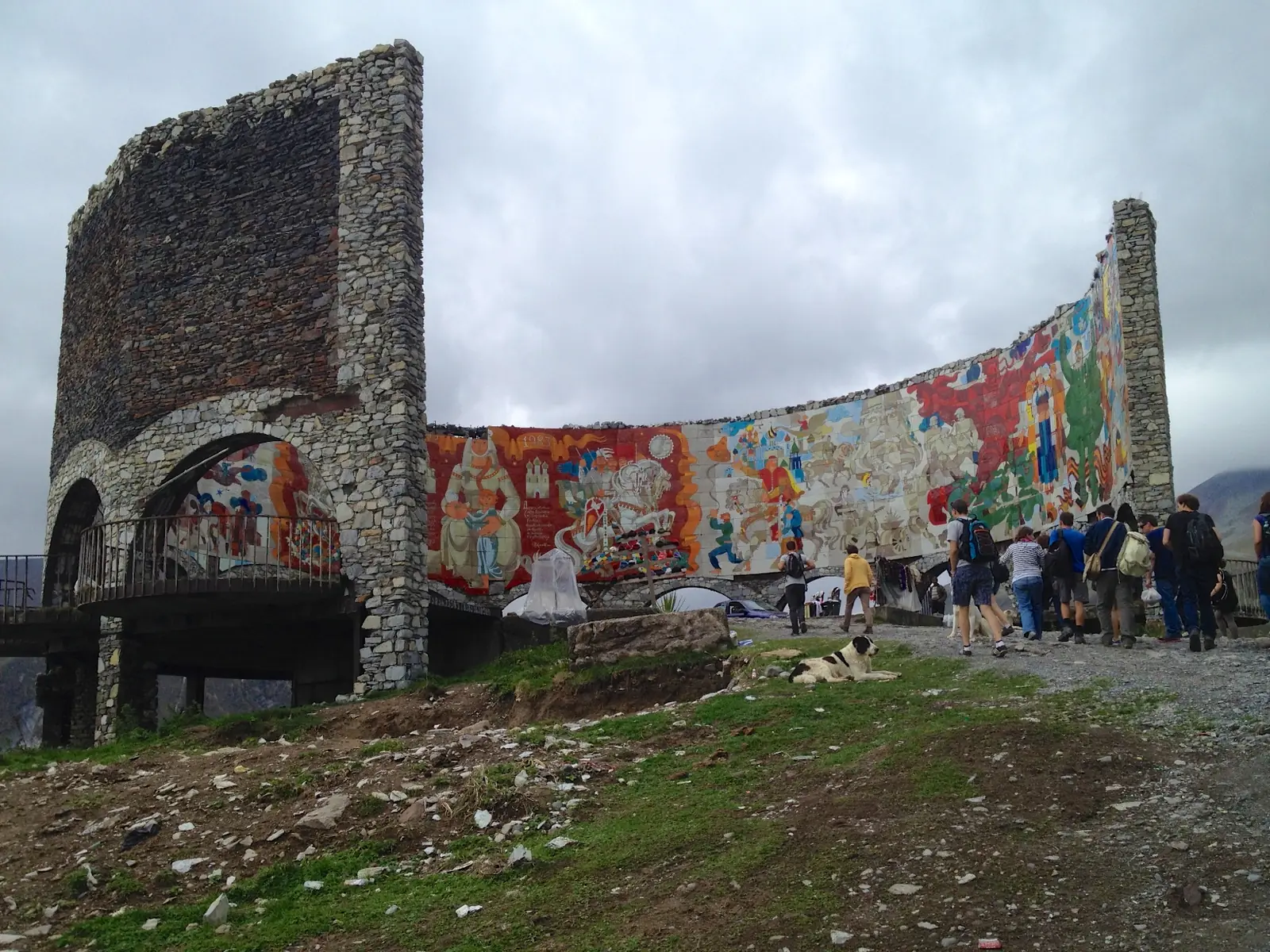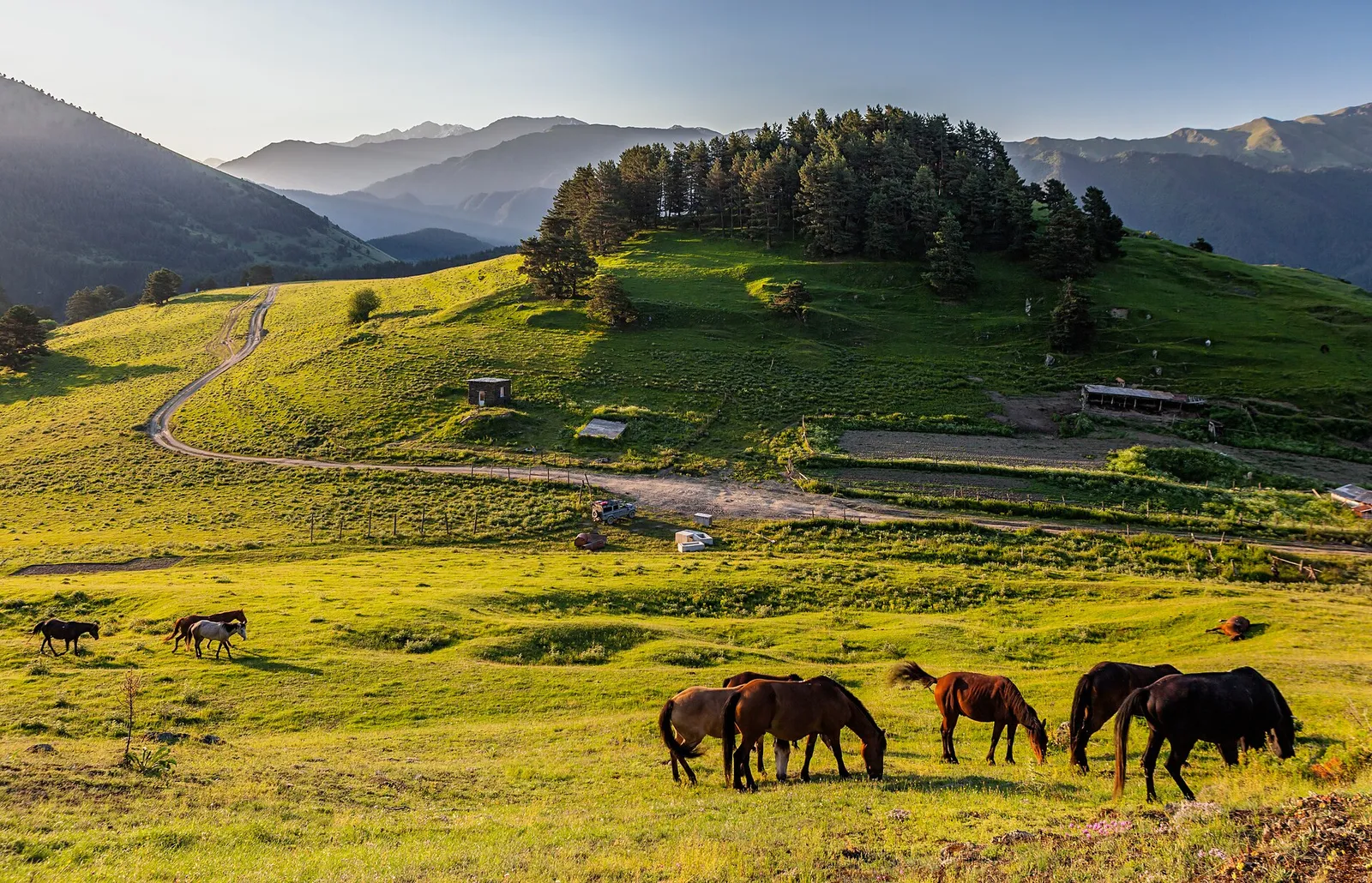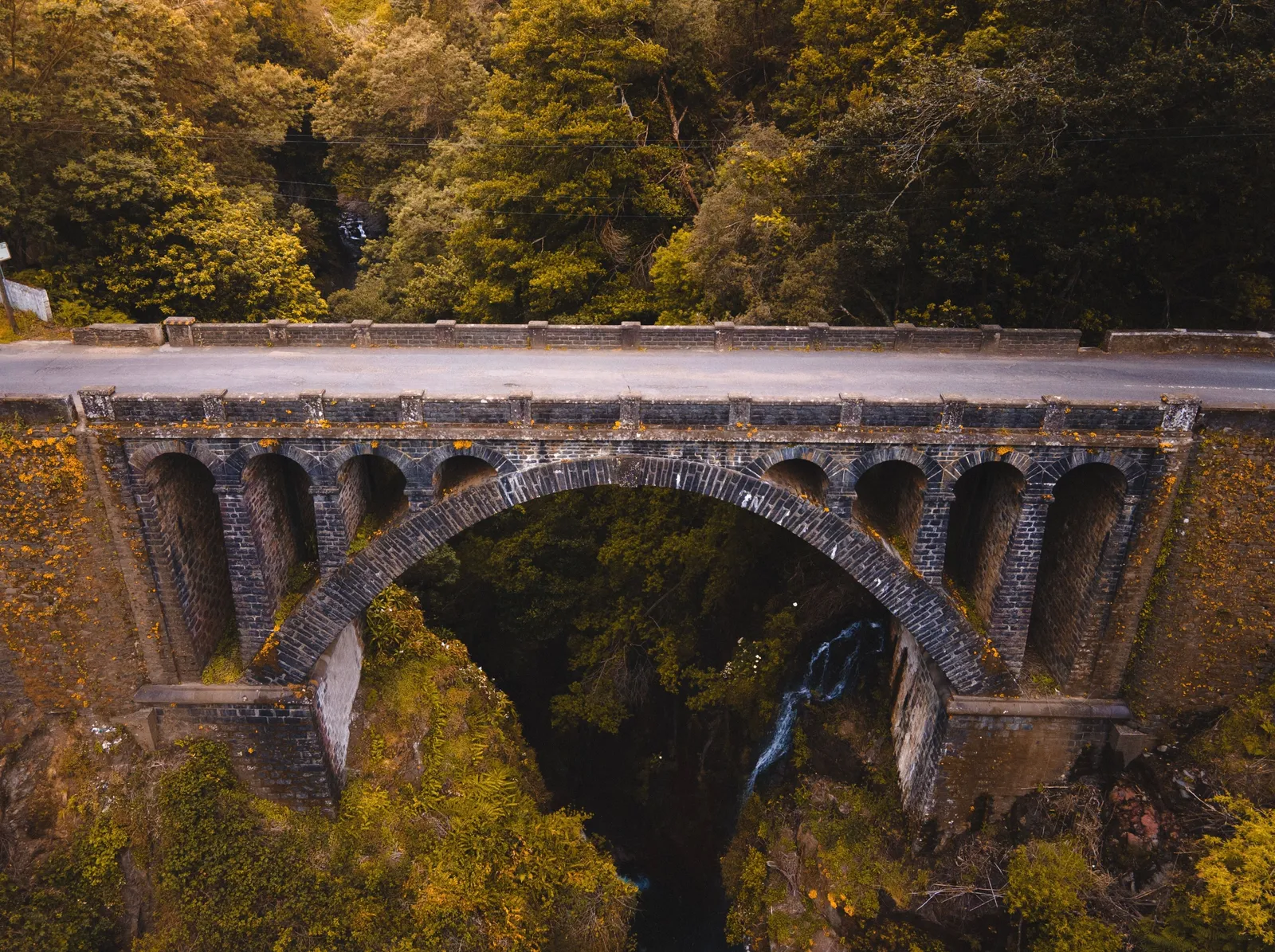
There is one road in Georgia that people mention by name. It climbs out of the Alazani valley on the northern edge of Kakheti, crosses a high pass on gravel, and drops into Tusheti on the other side of the main Caucasus ridge. It is single track for long stretches, unbarriered above serious drops, open for only part of the year, and specifically excluded from most rental agreements in the country. It is also the entrance to the most remote inhabited region in Georgia, which is why people keep doing it.
What the road actually is
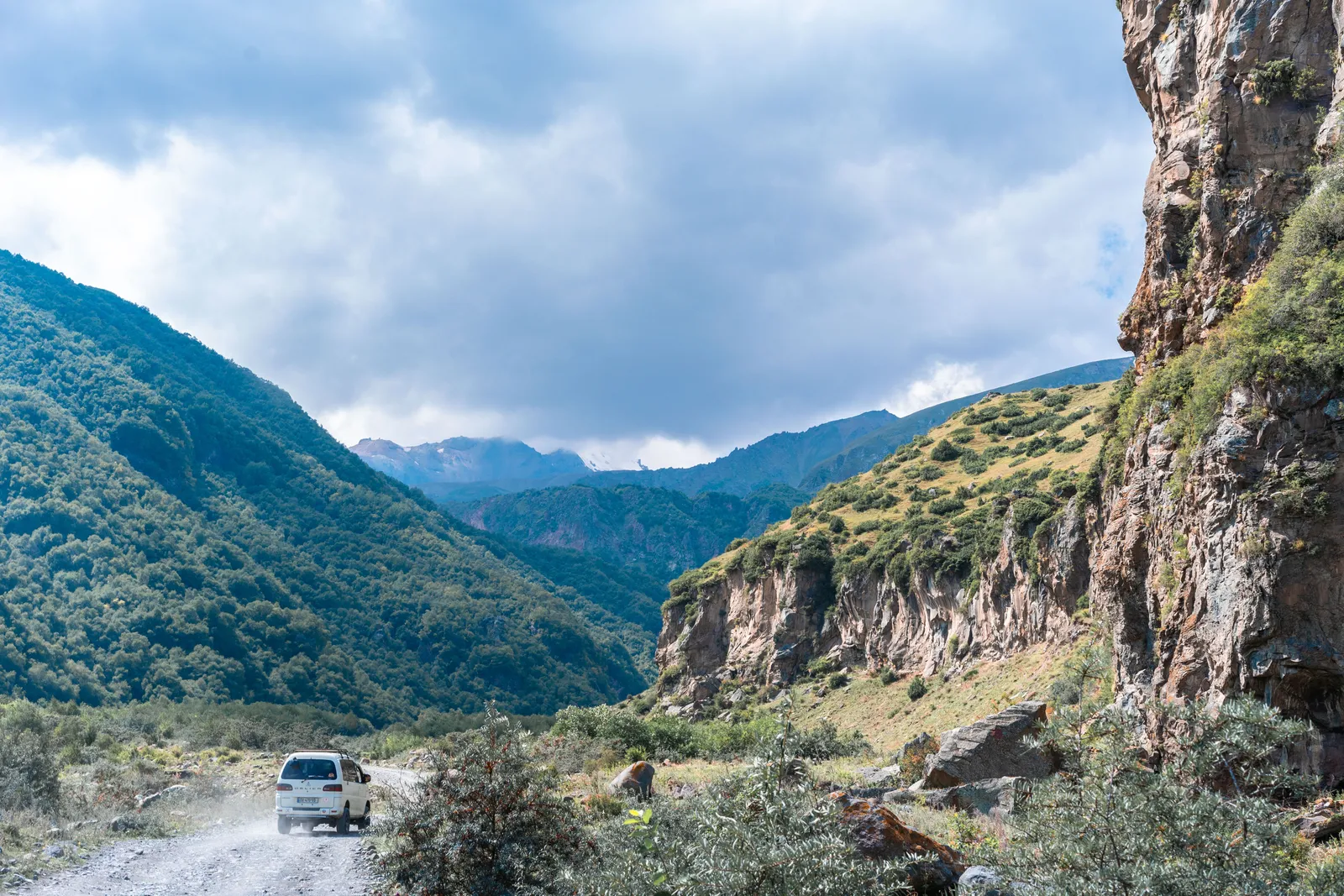
Unpaved for almost all of it, on gravel and packed earth that changes with the weather.
Single track in long sections, with passing places rather than two lanes.
Unbarriered, above drops that are the reason the road has its reputation.
Slow, at an average speed that turns a modest distance into most of a day.
Crossed by water in places, from small streams to genuine fords after rain.
The only road in, which is the fact that shapes everything else about the region.
The season, which is the whole planning problem
Roughly early summer to early autumn, decided by snow rather than by a date.
The opening and closing move every year, sometimes by weeks.
Snow can close it briefly even inside the season, particularly at either end of it.
Outside the season the region is reachable only on foot or by helicopter.
Check locally on the day, from the guesthouse, the transfer drivers or the police post.
Never plan around a date you read somewhere, including this page, which is why there is not one here.
Driving it yourself, if you are going to
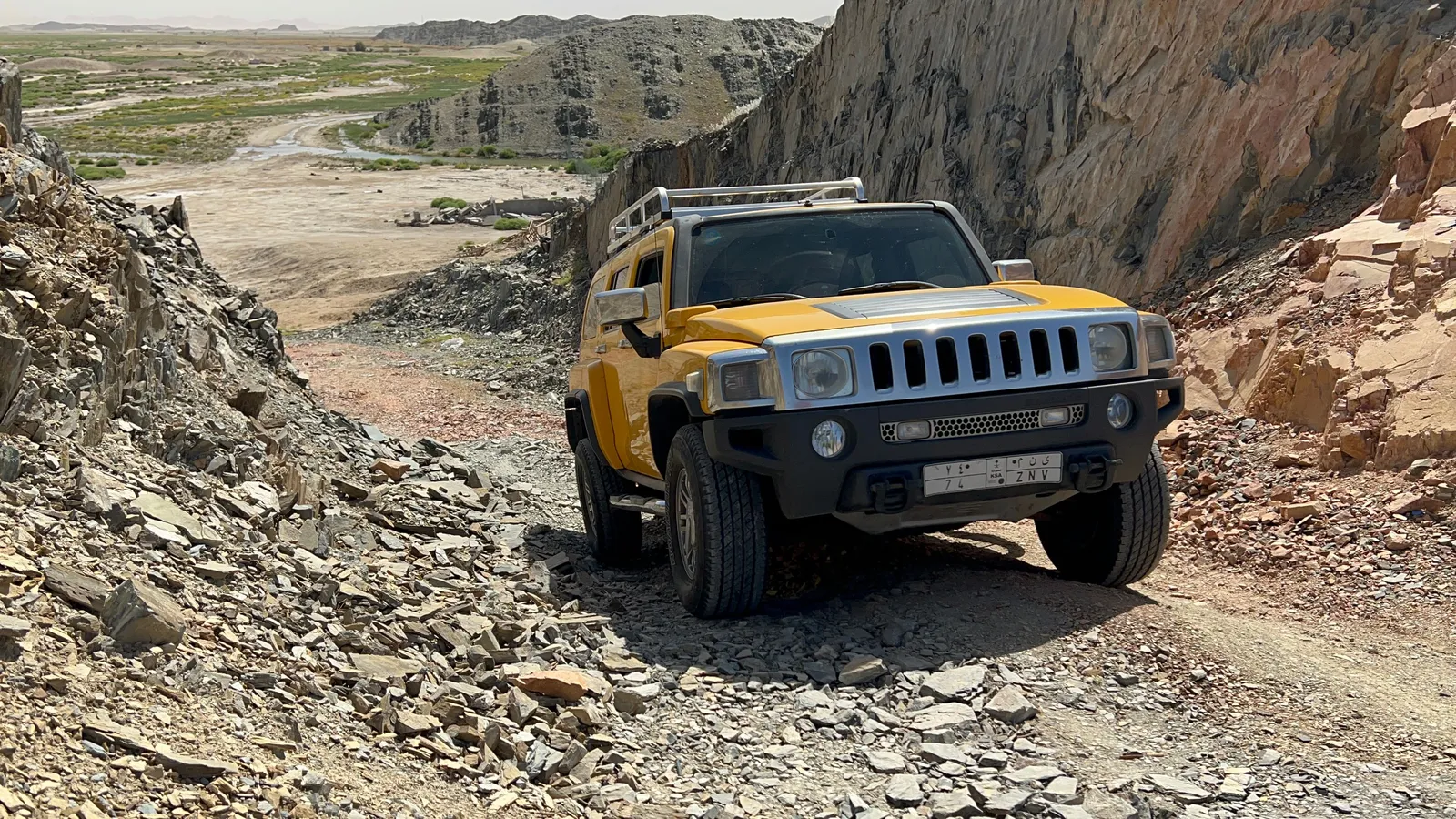
A proper four wheel drive with clearance, not a soft roader.
Check the rental contract, because this road is usually excluded by name.
Fuel up before you start, since there is none on the far side.
Go early, so that weather in the afternoon is not a problem you are already committed to.
Do not drive it after dark, in any conditions, for any reason.
Give way uphill and use the passing places rather than reversing on a bend.
What to carry
Cash, because nothing in the region takes a card and there is no machine.
More fuel than the distance suggests, in a proper container.
Offline maps and the guesthouse phone number on paper, because there is no signal.
Warm and waterproof layers in any month, since the pass makes its own weather.
Food and water for longer than you plan to be on the road, in case you are.
A tow rope and a working spare, which the transfer drivers all carry and most visitors do not.
What is at the other end
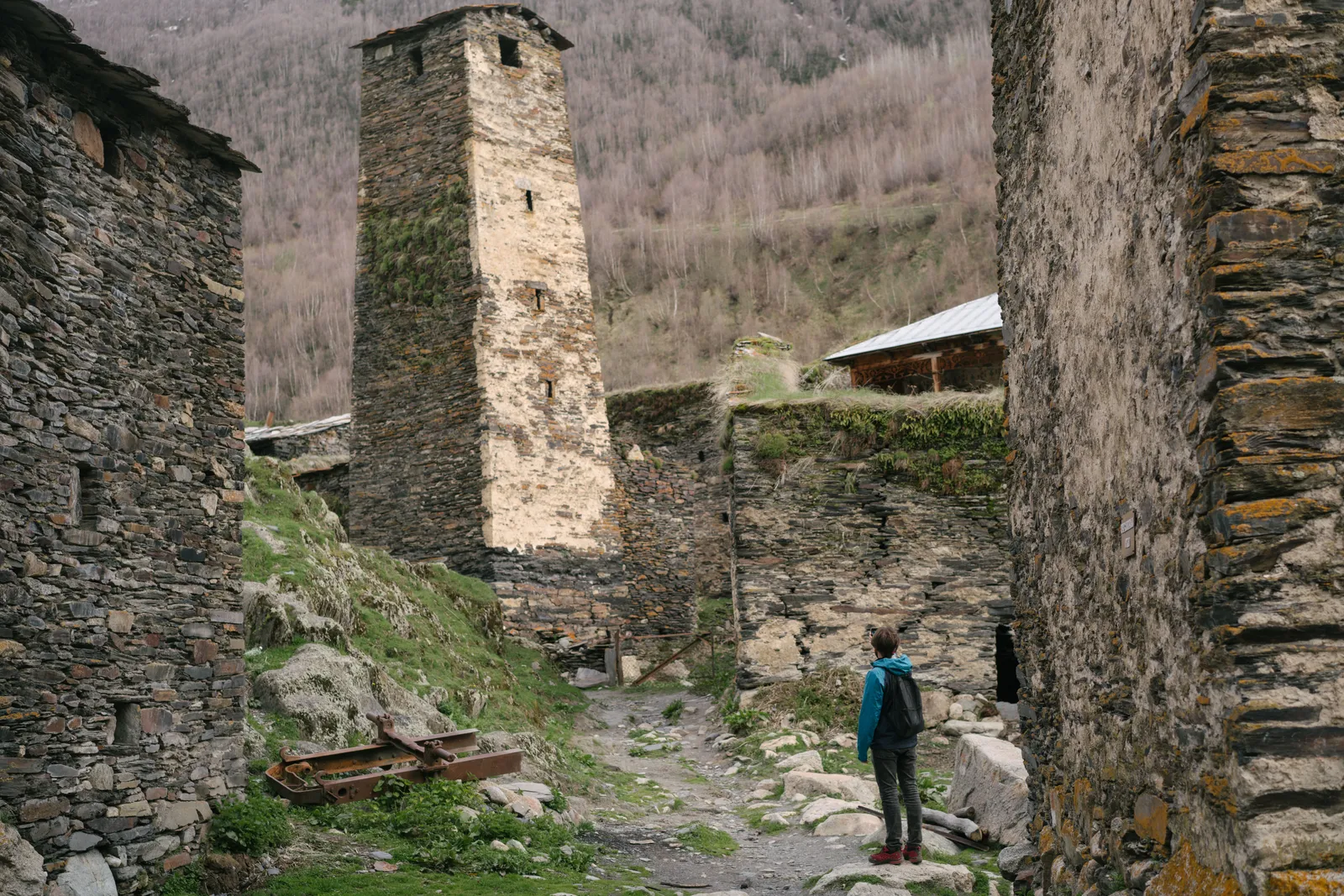
Tower villages built in stone, some of them lived in only for the summer.
High pasture and the shepherding culture that is the reason the region exists.
Walking as the actual point, on trails between villages that take hours rather than days.
Guesthouses run by families, cash only, with the best food of the trip.
No signal, no bank, no fuel, which people find harder than the road.
Two nights minimum and three if you can, because one is just the drive twice.
Where this fits in a Georgia trip
A three night leg inside a two week trip, or the whole point of a shorter one, and only between early summer and early autumn.
For the rules of the road elsewhere in the country and the ones that matter here, our guide to driving in Georgia covers the ground.
For the other remote regions and how many of them one trip can hold, our off the beaten path guide covers the four.
And for what the hire agreements say before you sign one, our car rental guide covers the exclusions.
The short version
Take the shared transfer rather than driving the pass yourself, unless you have real experience of unpaved mountain roads and a vehicle that belongs on one. Go between early summer and early autumn, check the status locally on the morning rather than from any published date, and build a spare day into the trip so that a closure is an inconvenience rather than a decision. Carry cash, fuel, layers and the guesthouse number written down. Then give the far side three nights, because the road is a full day in each direction and the walking is what you came for.