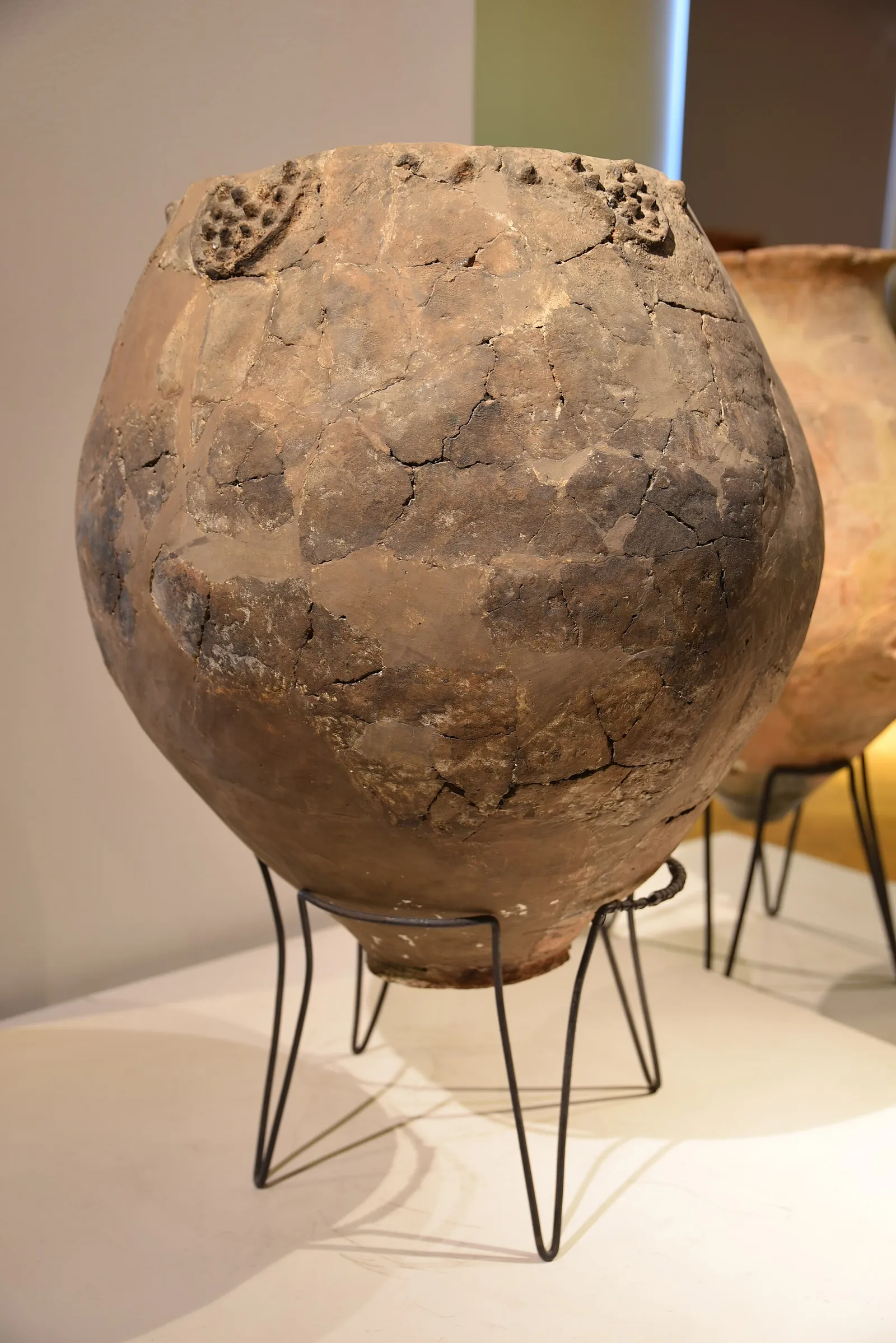
The international natural wine movement spent the last two decades discovering something Georgia never stopped doing. Here, wine is fermented in a qvevri: a large egg shaped clay vessel buried up to its neck in the earth, filled with grapes and their skins, sealed and left for months. The earth holds the temperature steady, the skins do the work, and nothing is added. It has been done this way for something in the order of eight thousand years, it is on the UNESCO heritage list, and it produces wine that tastes like almost nothing else.
What makes it different
The vessel, clay rather than steel or oak, buried rather than standing.
Skin contact for months rather than days, including on white grapes.
Nothing added, in the traditional method, including no cultured yeast.
Amber wine, the result on white grapes, which behaves like a light red.
Tannin and texture in a white wine, which is the thing that surprises people.
Several hundred indigenous grape varieties, most of which you will never have heard of.
The grapes worth knowing
Saperavi, the main red, deep coloured with red flesh as well as skin.
Rkatsiteli, the workhorse white and the classic amber wine grape.
Mtsvane, aromatic, frequently blended with Rkatsiteli.
Kisi and Khikhvi, smaller production whites that reward asking for.
Tsolikouri and Tsitska, from the west, in the lighter Imeretian style.
Chinuri, from Kartli, used for still and sparkling wine.
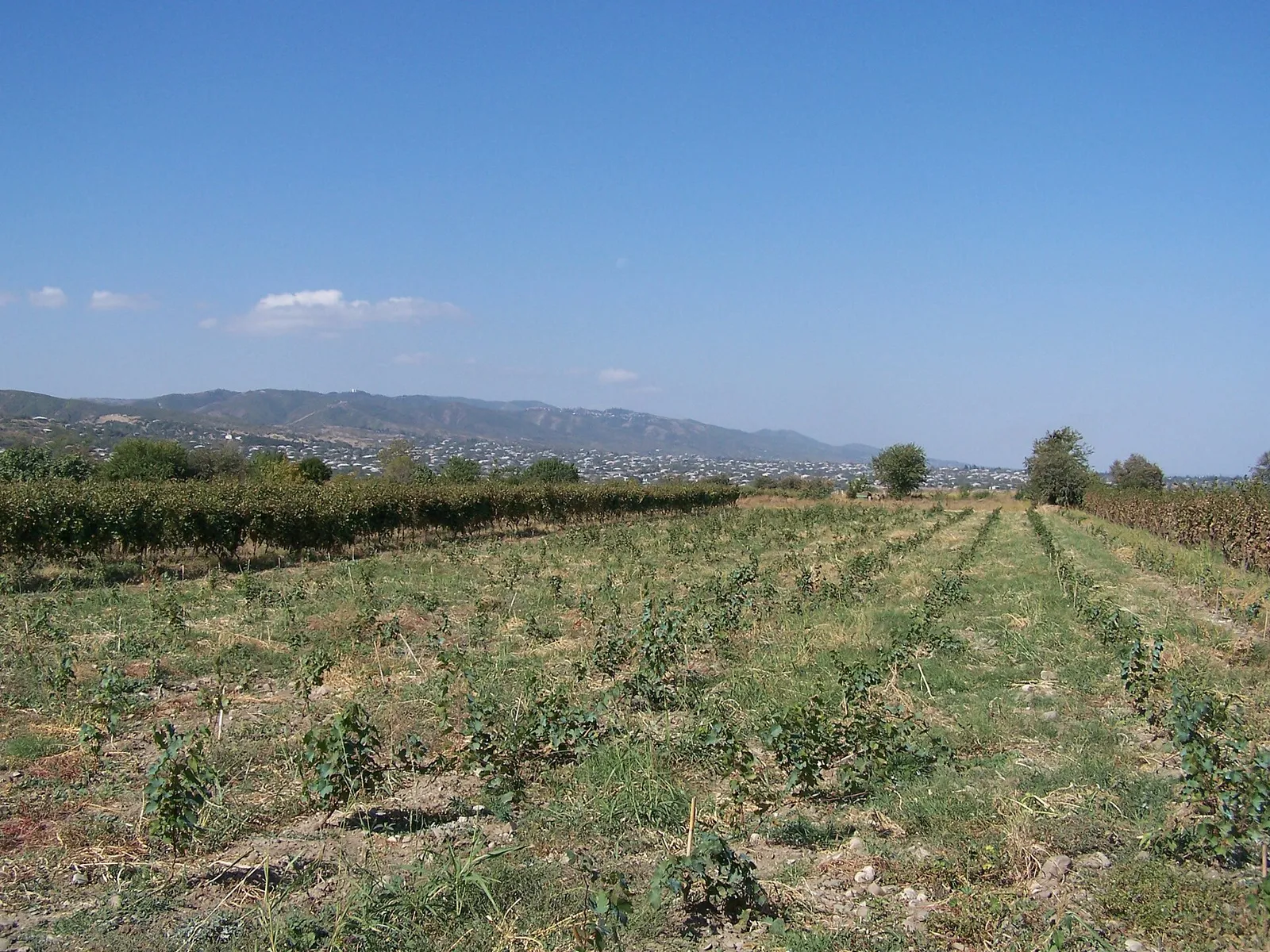
How a cellar visit actually goes
A family table rather than a tasting counter, with bread, cheese and pickles.
Generous pours, and a host who regards a half glass as an insult.
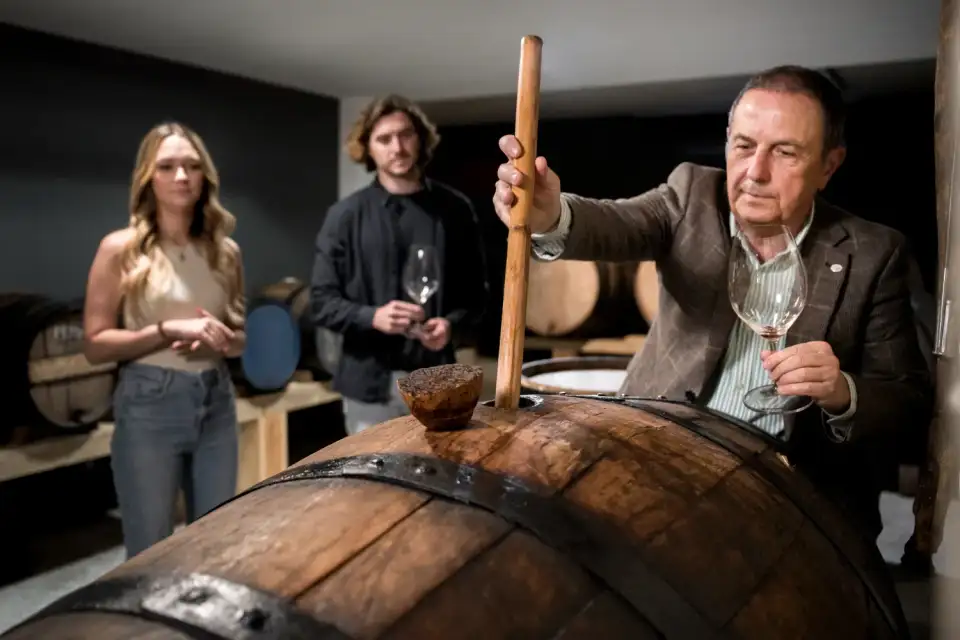
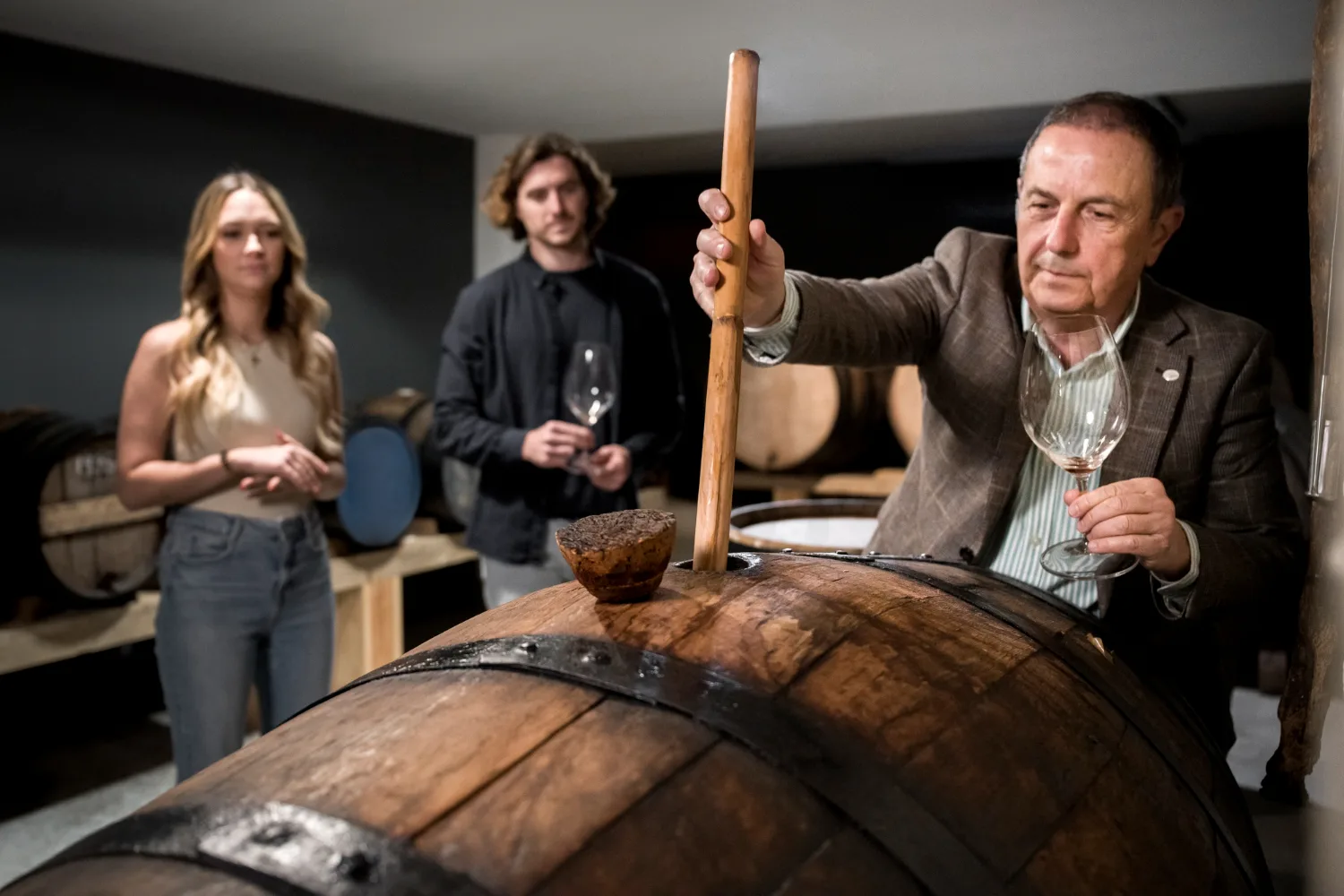
The marani, the cellar, where the qvevri necks are set into the floor.
Chacha at the end, distilled from the pressings, which is where the day gets away from people.
Buying at the cellar, which is cheap and where the shipping conversation happens.
No spitting, in practice, which is why you need a driver.
Practical notes
A driver or a tour, without exception, if you are visiting cellars.
Two cellars a day is the right number.
Cash at small producers.
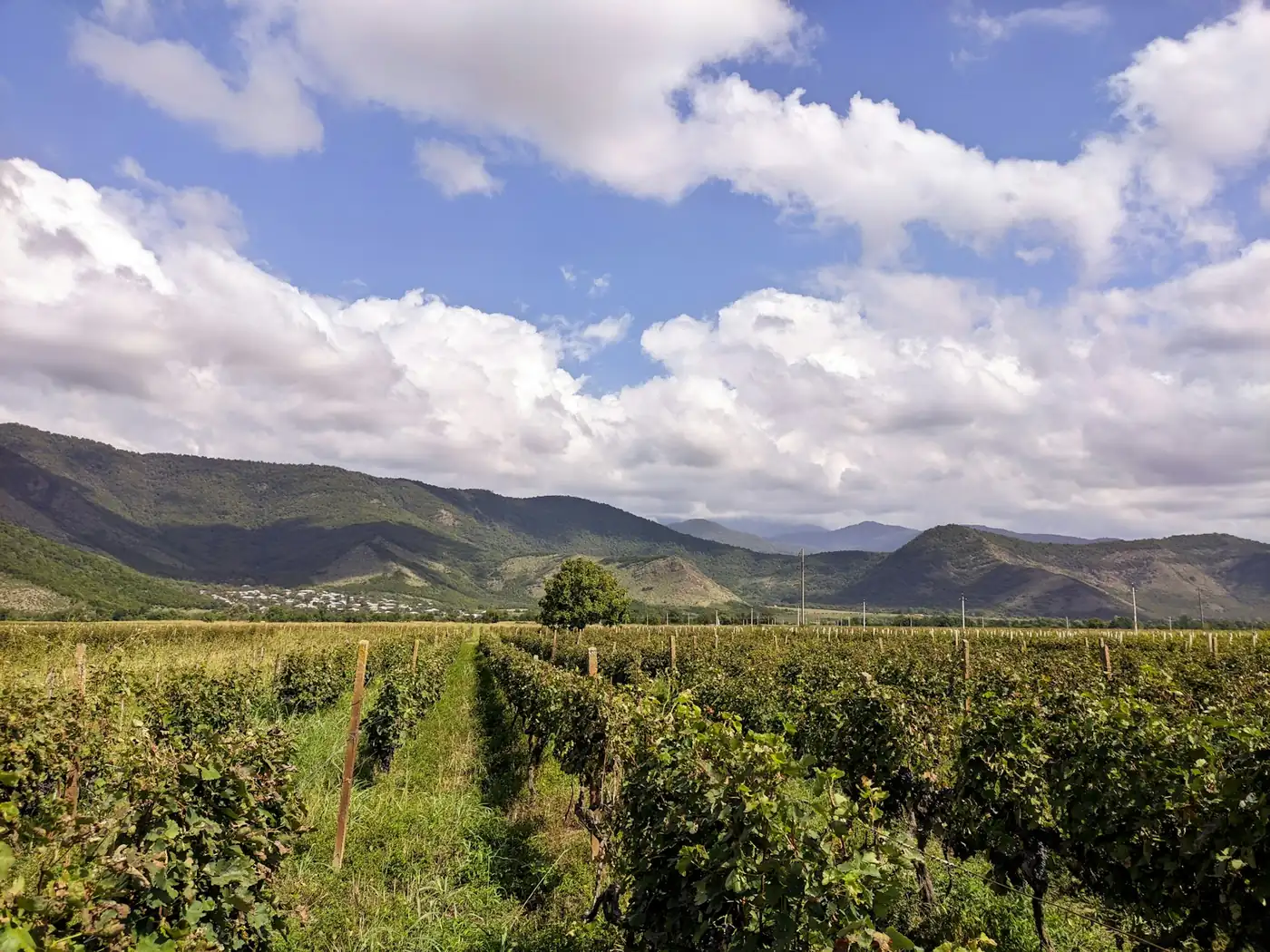
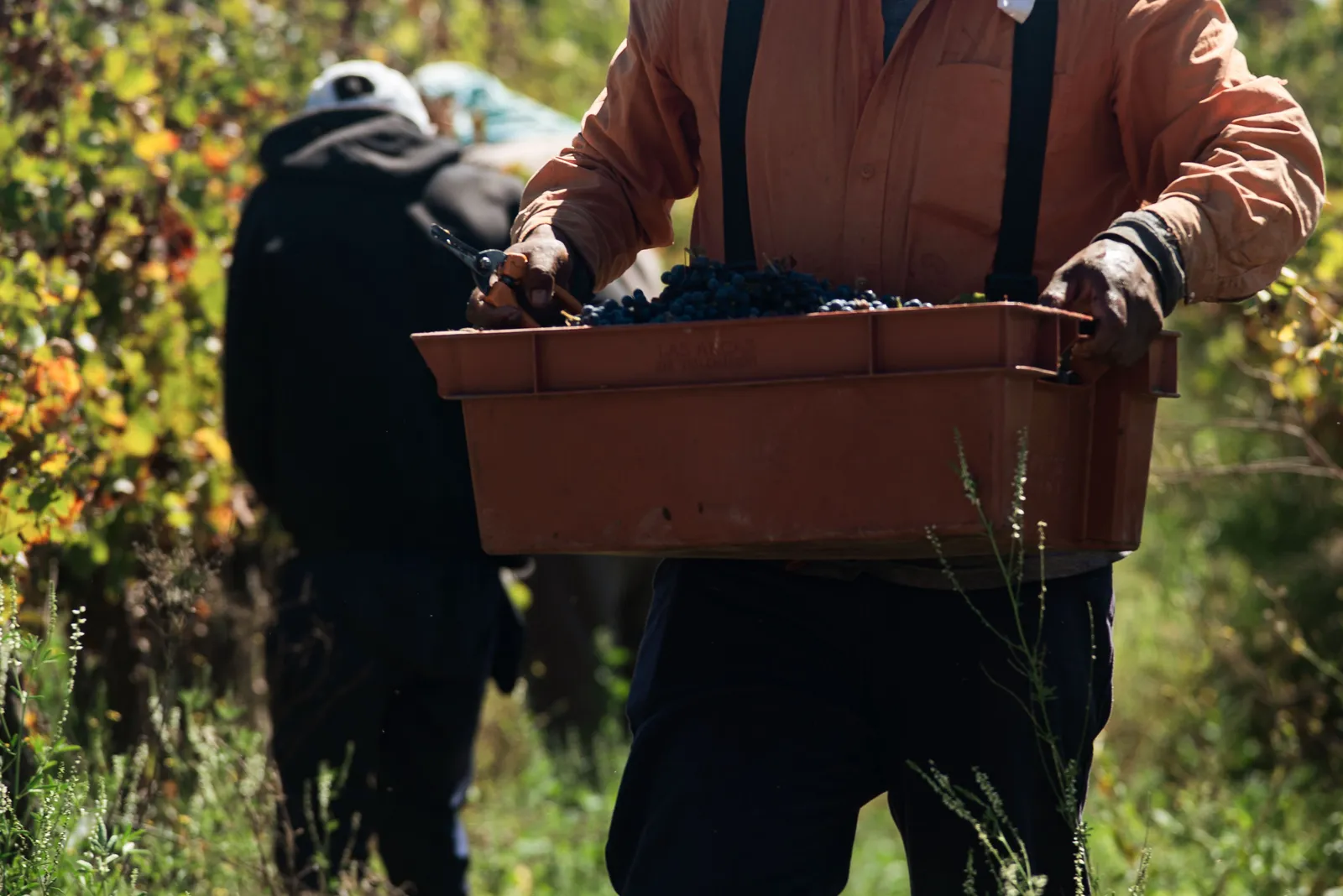
Harvest season in the autumn is the best time and the busiest.
Book ahead at the small cellars, which are households rather than businesses.
Eat first, because the pouring starts immediately.
Where this fits in a Georgia trip
One or two days in Kakheti, plus wine bars in Tbilisi for the rest of the trip.
For the food this wine was built to sit alongside, our guide to Georgian food covers the table.
For the region itself, the towns and where to stay, our Kakheti wine guide covers the ground.
And for how to structure the day and which cellars to combine, our Kakheti wine tour guide covers the route.
The short version
Understand what you are drinking: white grapes fermented on their skins in clay vessels buried in the ground, for months, with nothing added. Ask which method, Kakhetian or Imeretian, because they produce very different wines and the lighter one is the better introduction. Visit two cellars in a day rather than four, with a driver, having eaten first. Ask for Kisi and Khikhvi rather than only Rkatsiteli. Buy at the cellar, and be careful with the chacha at the end.