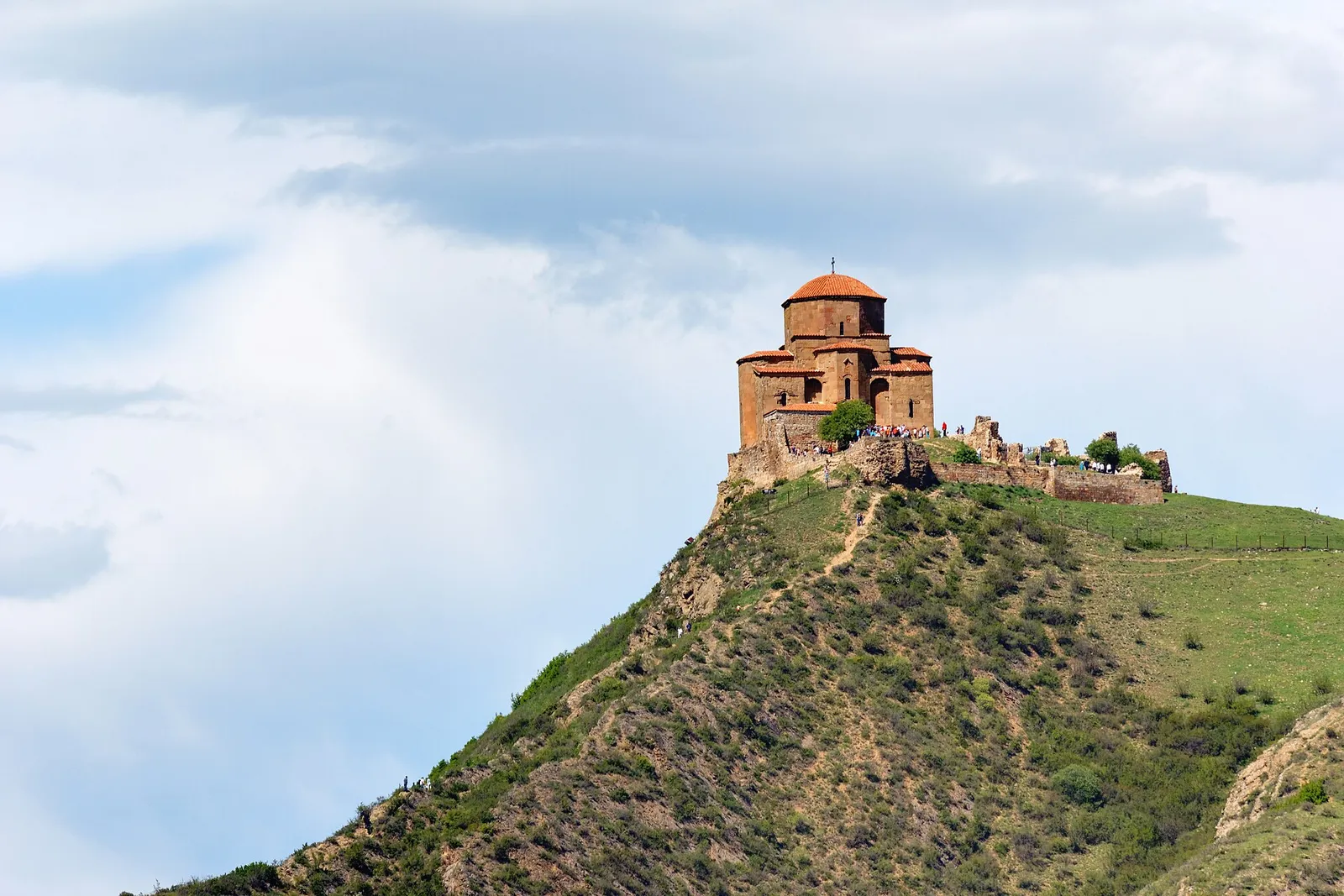
Half an hour north of Tbilisi there is a small town at the point where two rivers meet, and everything important in Georgian history happened there before it happened anywhere else. Mtskheta was the capital of the kingdom of Iberia, it is where the country adopted Christianity in the fourth century, and it holds the cathedral that is still the spiritual centre of the Georgian church. It is also the easiest trip out of the capital by a long way, which is why almost everybody takes it and almost nobody allows enough time.
What to see
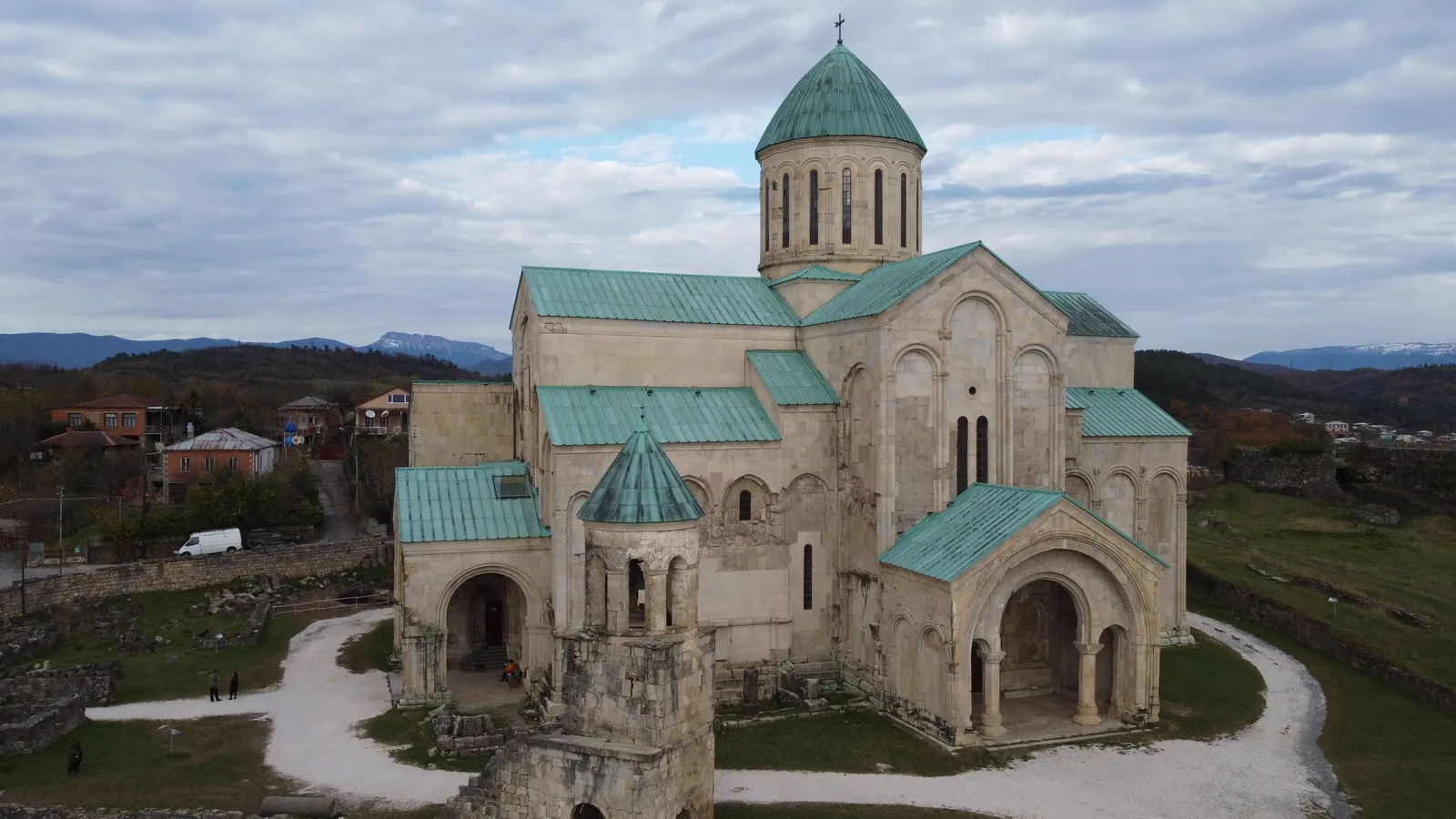
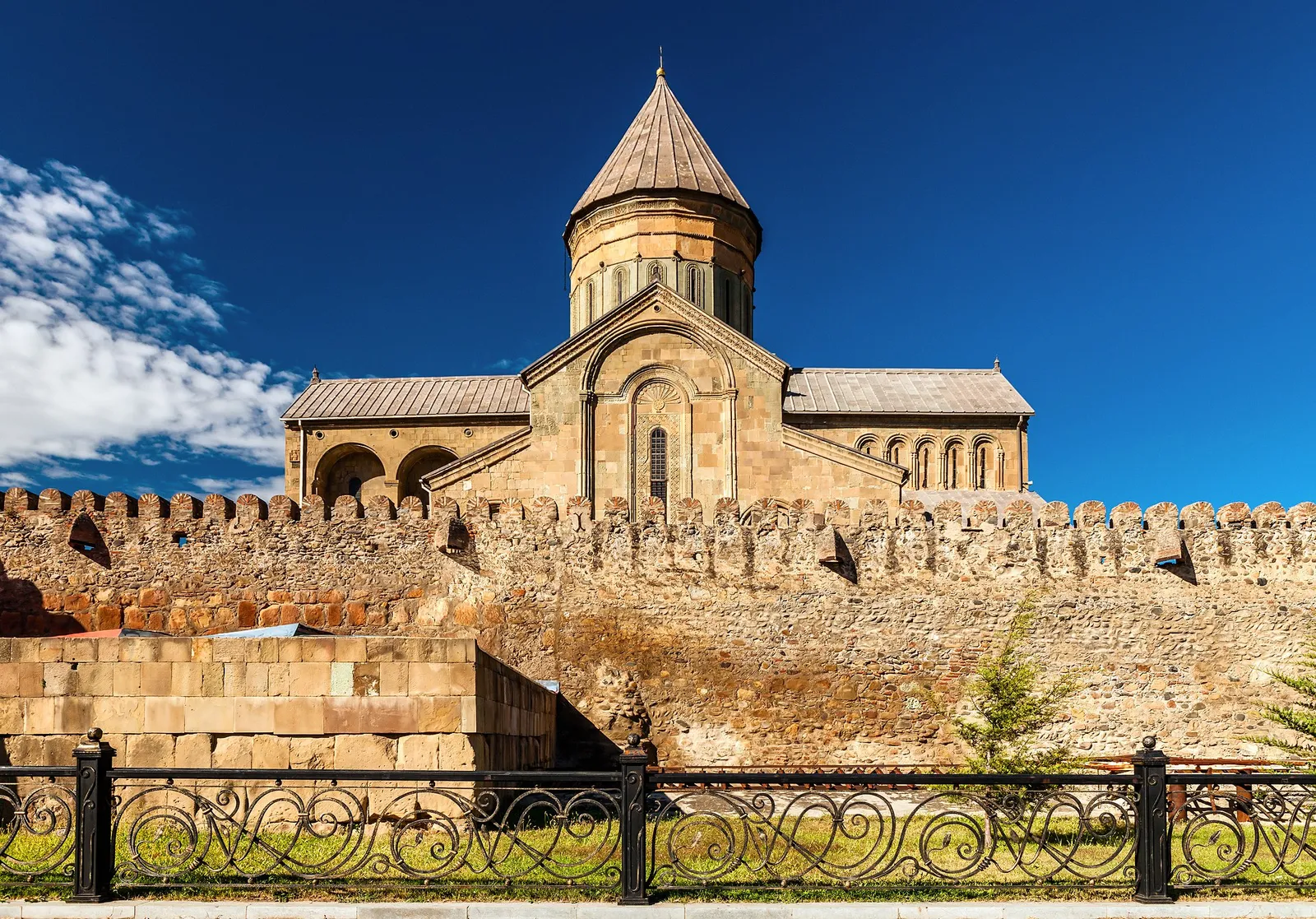
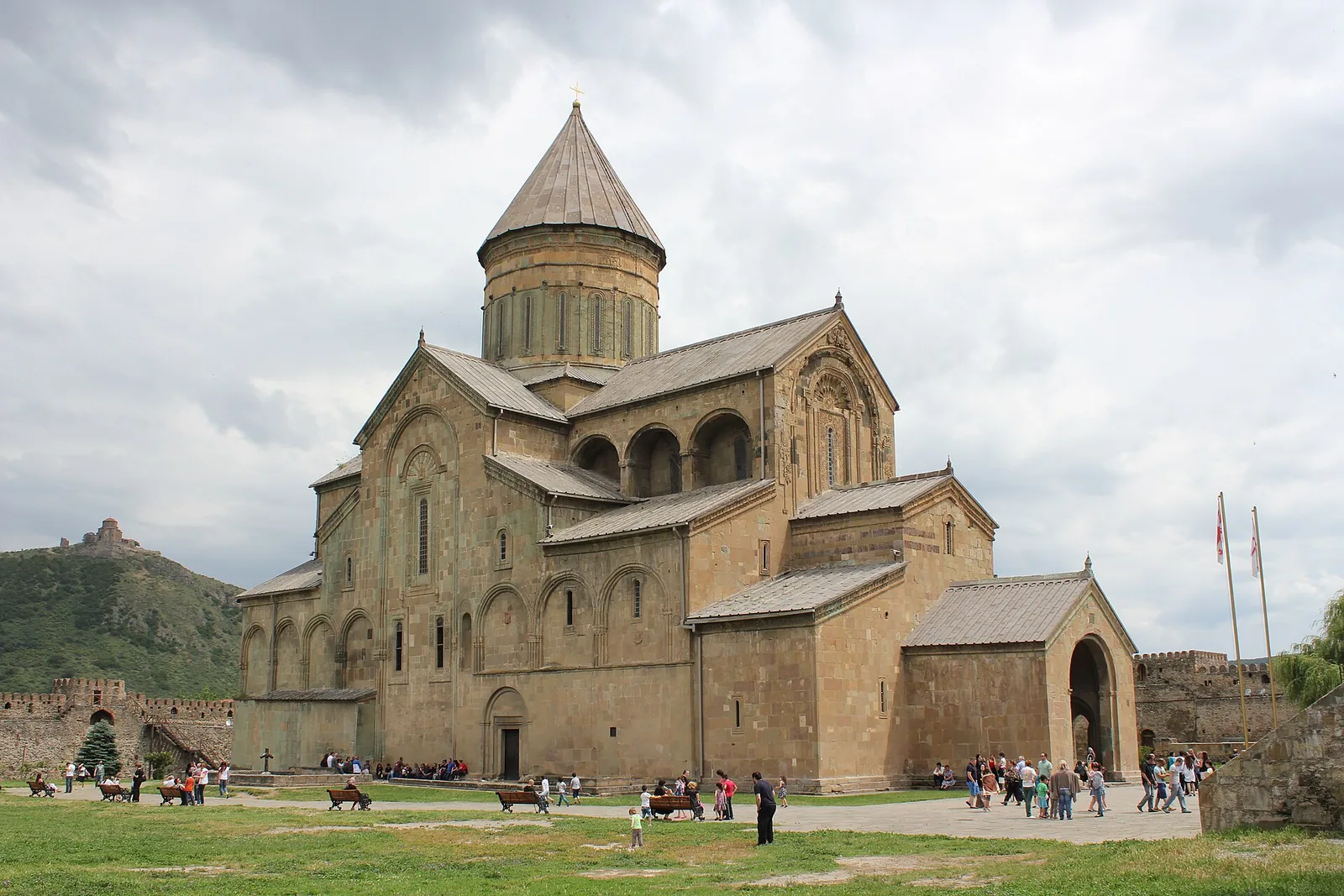
Svetitskhoveli Cathedral, eleventh century, enormous, inside its own fortified wall in the middle of town.
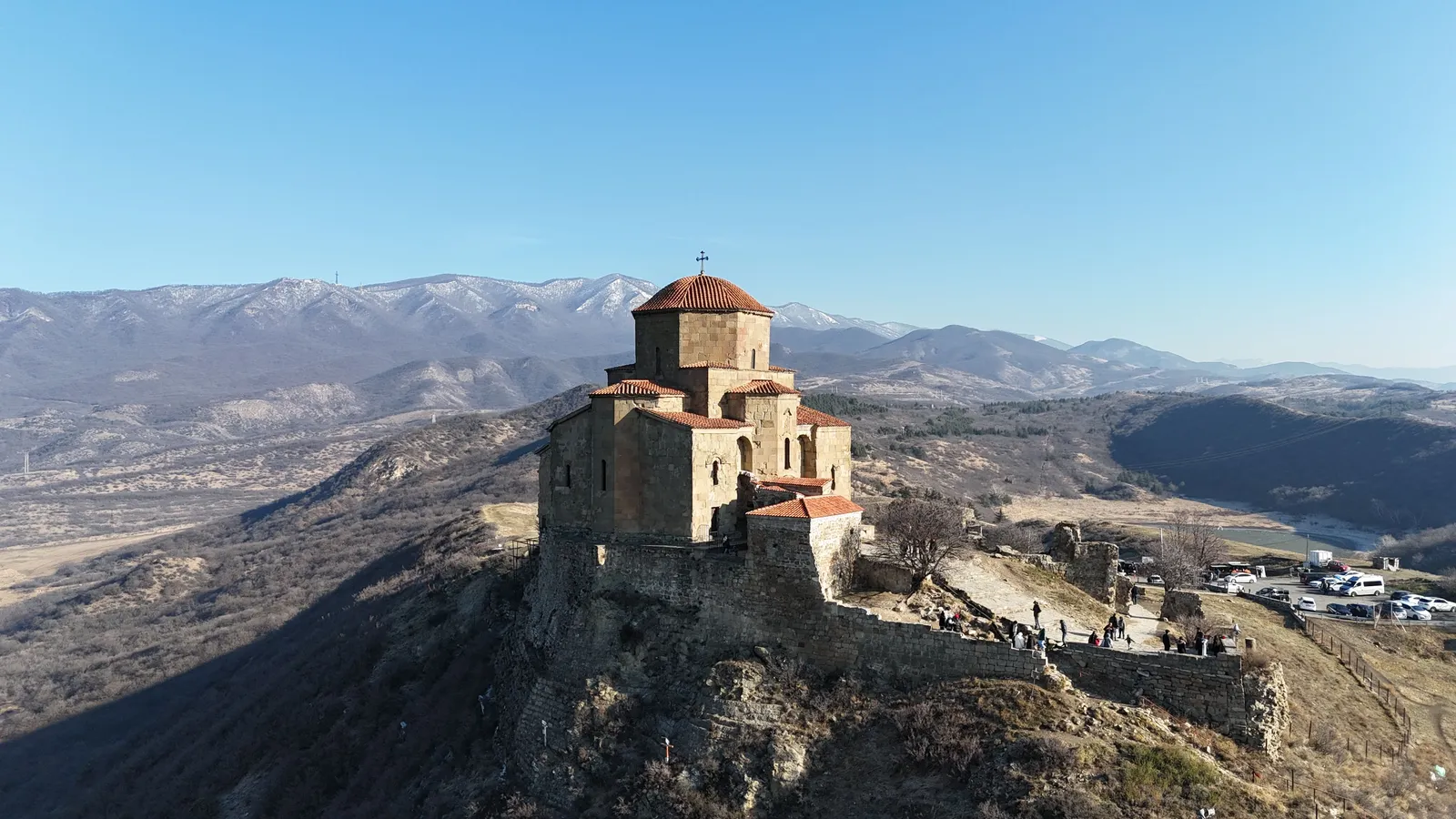
Jvari Monastery, sixth century, on the ridge above, reached by a separate road.
The confluence below Jvari, where a muddy river and a clear one run side by side before mixing.
Samtavro Monastery, working, quieter, and where a good deal of local devotion actually happens.
The town streets between them, small, walkable and pleasant for an hour.
The market stalls by the cathedral, for churchkhela and wine of variable quality.
Getting there
Marshrutka from a northern Tbilisi bus station, about half an hour, frequent and cheap.
Taxi or a hired driver, which is inexpensive and solves Jvari.
Organised half day tours, which typically add Ananuri or a wine stop.
By car, straightforward on the main road north.
Jvari has no public transport, and the walk up is long and on a road with traffic.
The history, briefly
Capital of Iberia for centuries before Tbilisi took the role.
The fourth century conversion, which is the founding event of Georgian Christianity.
The cathedral’s relic, which is the traditional reason it stands where it does.
A UNESCO World Heritage site, covering the monuments together rather than one building.
Still functioning, which is why the dress rules matter and why there are services rather than opening hours.
Practical notes
Dress rules apply: covered shoulders and knees, headscarf and skirt for women at the monasteries.
Wraps are usually available to borrow at the entrances.
Photography inside is restricted or forbidden in places; look for the signs.
Services happen while visitors are present; move quietly and stay at the back.
Cash for the market stalls and the small cafes.
Summer is hot and exposed at Jvari, which has no shade at all.
Where this fits in a Georgia trip
Half a day, best on the first or second day, because it makes the rest of the country legible.
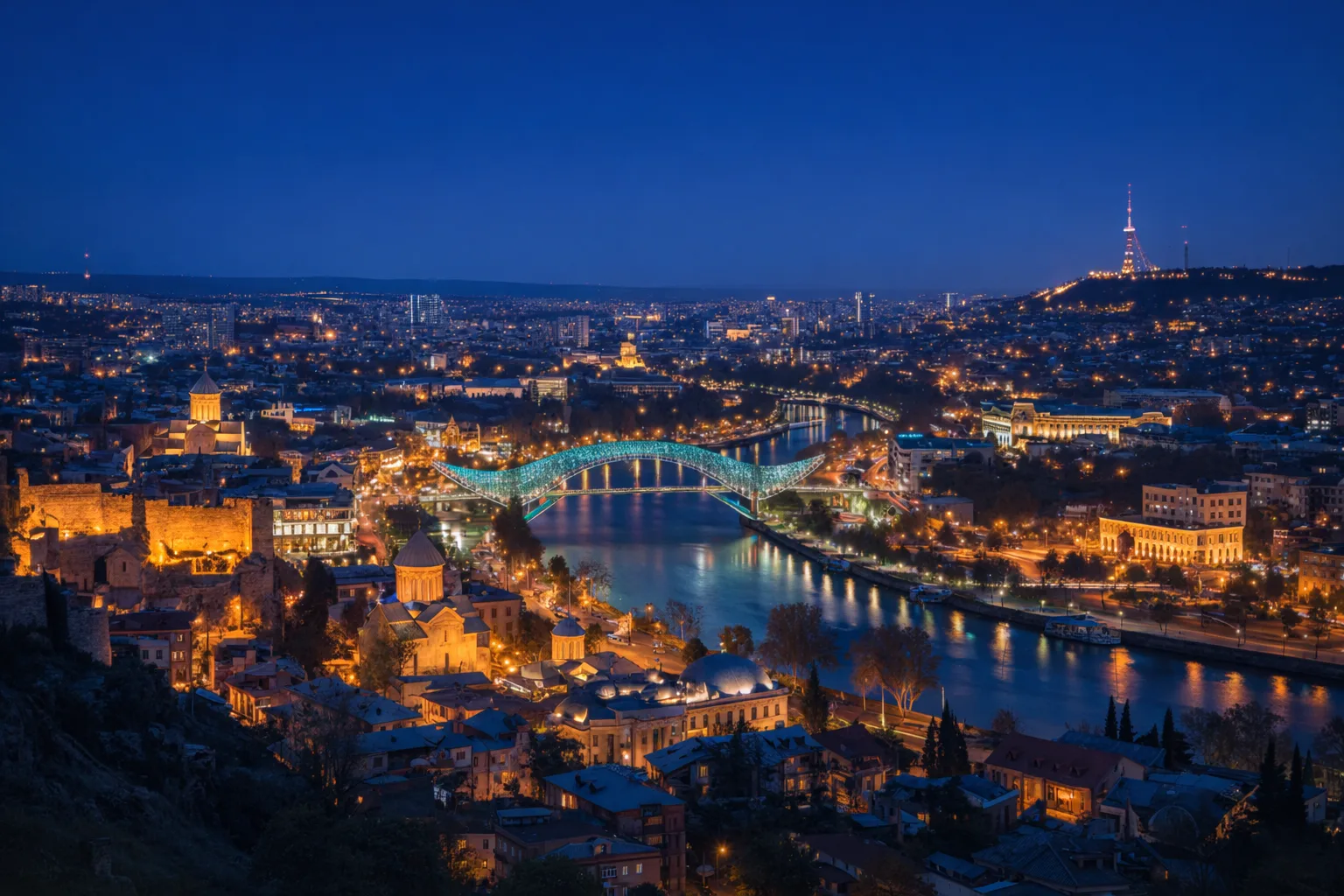
For the city you are coming from and how it fits together, our guide to Tbilisi covers the ground.
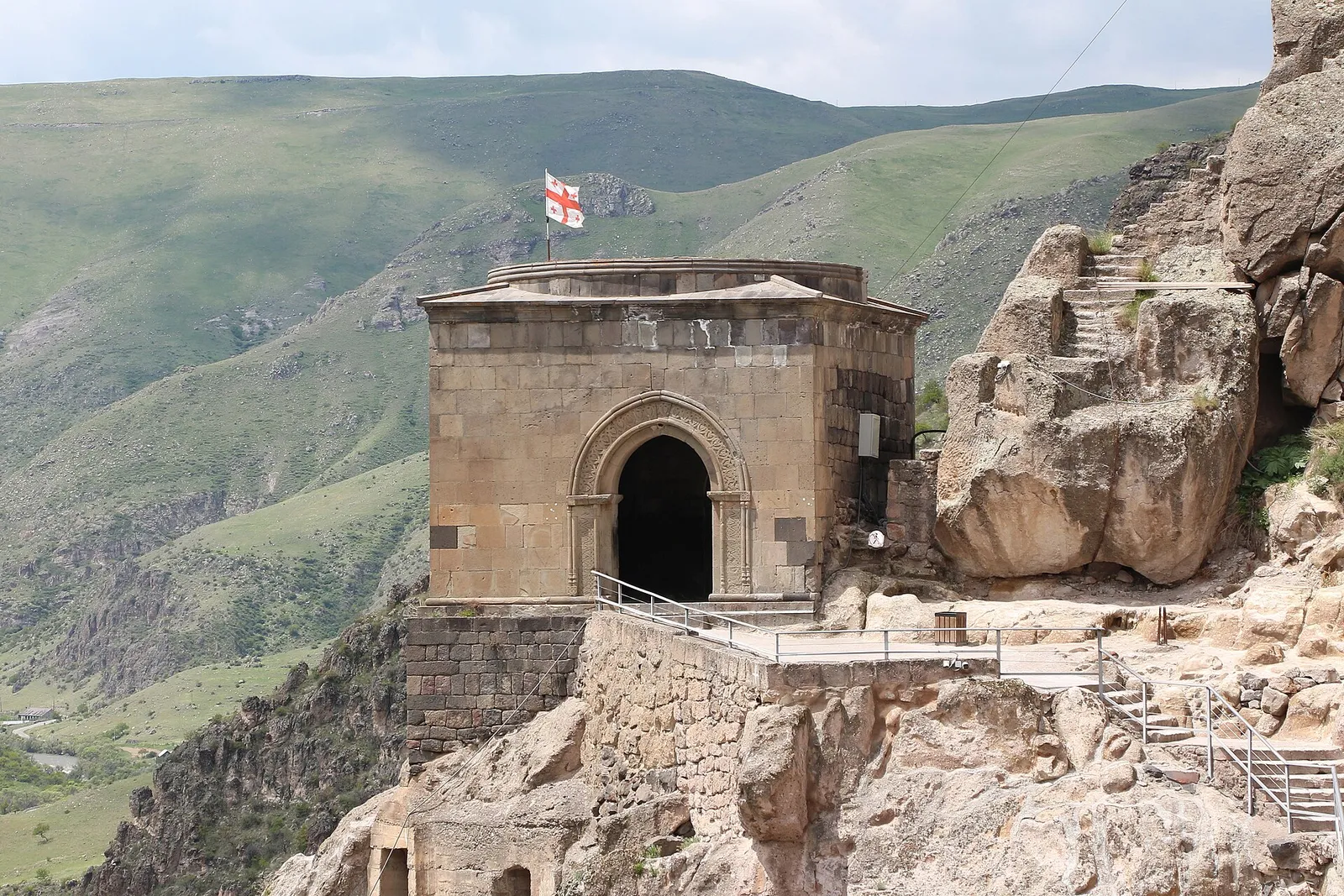
For the far larger and stranger cave version of Georgian religious architecture, our guide to Vardzia covers the trip south.
If you only have time for one of the two monuments here, take the ridge rather than the cathedral, because the view from Jvari over the meeting of the rivers is the thing people actually remember from the trip.
For the rest of what is reachable and returnable from the capital, and which of it deserves a night instead, our guide to day trips from Tbilisi sets them out by distance.
The short version
Take a driver for half a day rather than two minibuses, because Jvari has no bus and the walk is unpleasant. Do Jvari first thing in the morning for the light and the view over the confluence, then the cathedral in the town, then lunch. Cover shoulders and knees, and expect a headscarf and skirt to be required at the working monasteries. Add Ananuri or a wine cellar on the way back if you have a car. And do it early in the trip, because it explains the rest of Georgia.