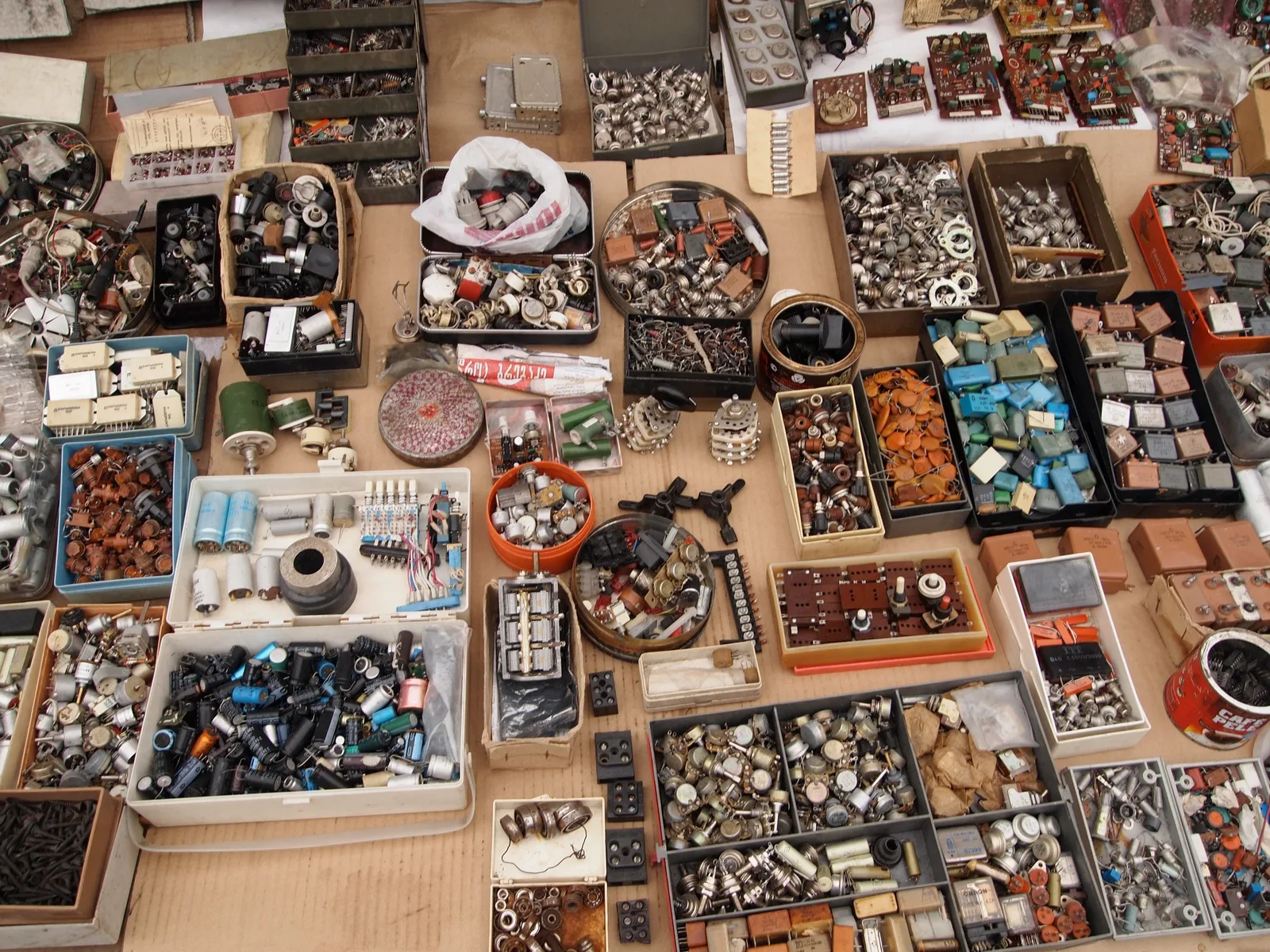
Shopping in Tbilisi divides cleanly into two things worth your time and a large amount of noise. The two things are wine, which costs a fraction of what the same bottles cost anywhere they are exported to, and the flea market by the river, where a hundred sellers lay out the contents of Soviet and post Soviet households on trestle tables. Everything else is optional. The drinking horns and the felt hats are not why you came.
The markets
The Dry Bridge, near the river, daily, for cameras, watches, medals, porcelain, records and books.
Deserters’ Bazaar, the big working food market, chaotic, cheap and almost entirely un labelled.
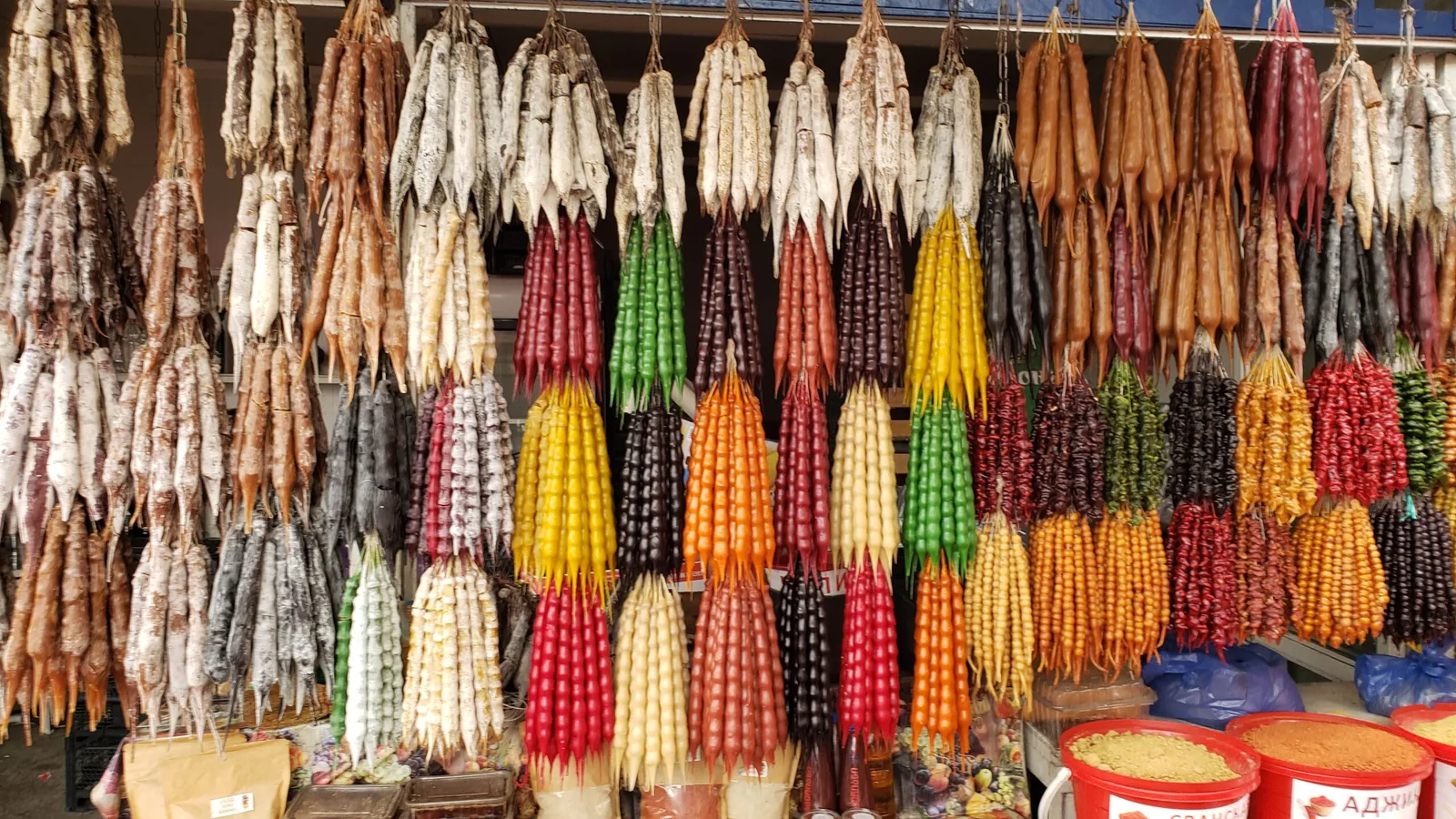
Dezerter and the surrounding streets, for spices, cheese, pickles, dried fruit and churchkhela.
The craft stalls on the bridge and around the old town, for jewellery, enamel and felt.
Supermarkets, for wine you should not buy and everything else you should.
Weekends are busiest at the flea market and best for browsing.
What is actually worth buying
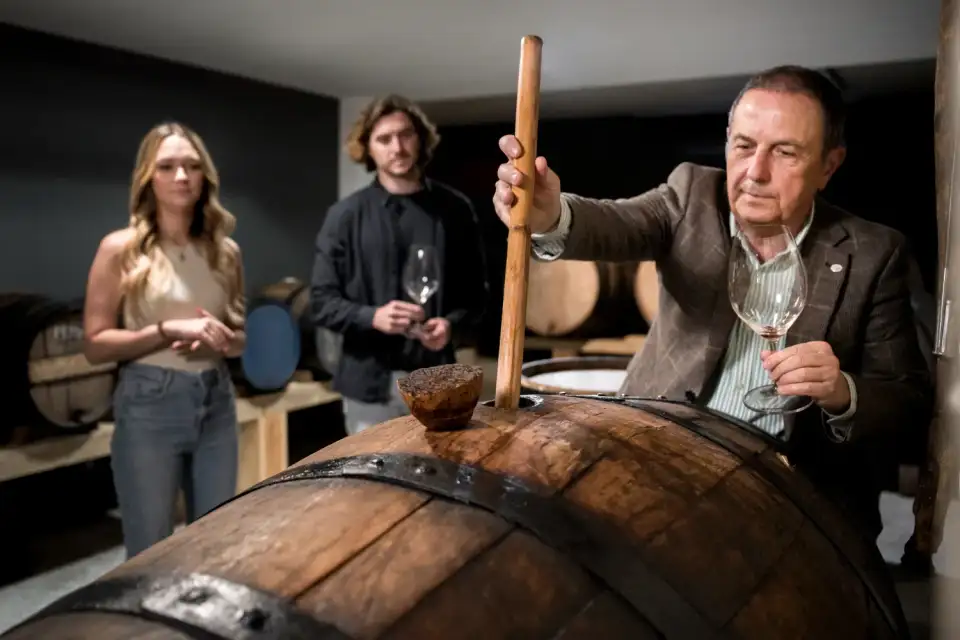
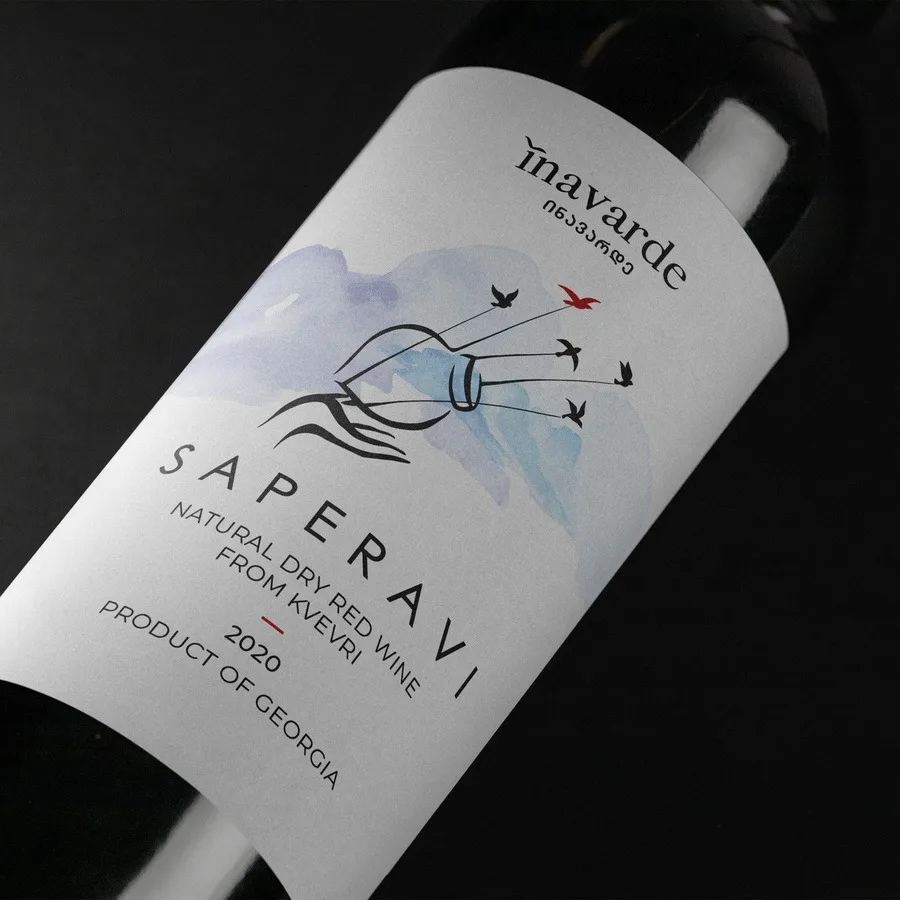
Wine, in a specialist shop, tasted first, in a box the shop packs for a hold bag.
Chacha, the grape spirit, which is strong, cheap and travels.
Churchkhela, nuts threaded on string and dipped in grape must, which keeps for months.
Spice blends, particularly the ones with blue fenugreek and marigold, from a market stall.
Enamel jewellery, a genuine Georgian craft with real workshops behind it.
Georgian fashion labels, which are a serious young industry and sold almost nowhere else.
The design scene
Georgian fashion labels, several internationally known, with studios and shops in the centre.
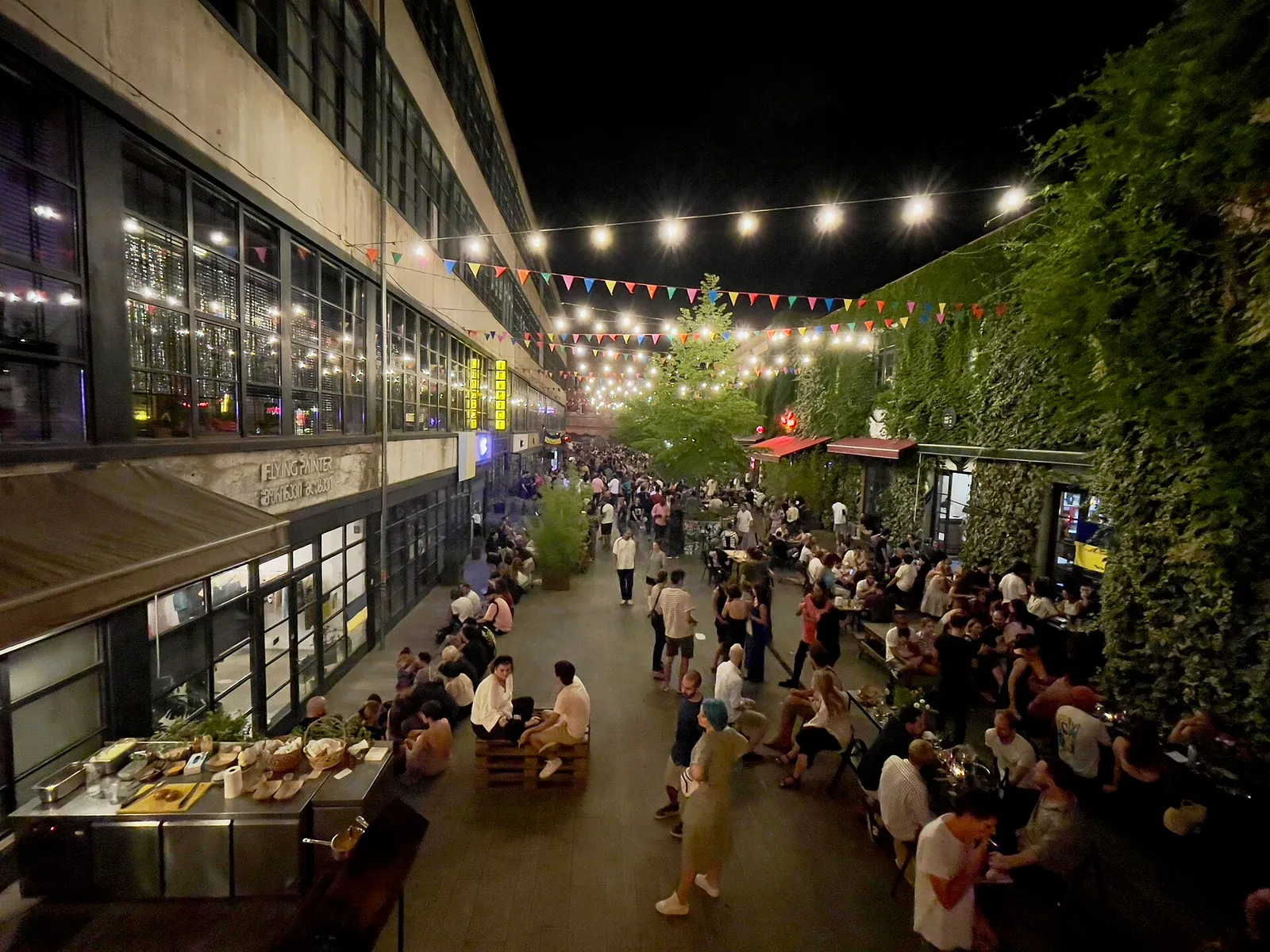
Concept stores in Vera, Sololaki and around Fabrika.
Ceramics and textiles, from workshops rather than souvenir shops.
Prices well below western Europe for the same standard of work.
Sunday closing applies to a good number of small independent shops.
Practical notes
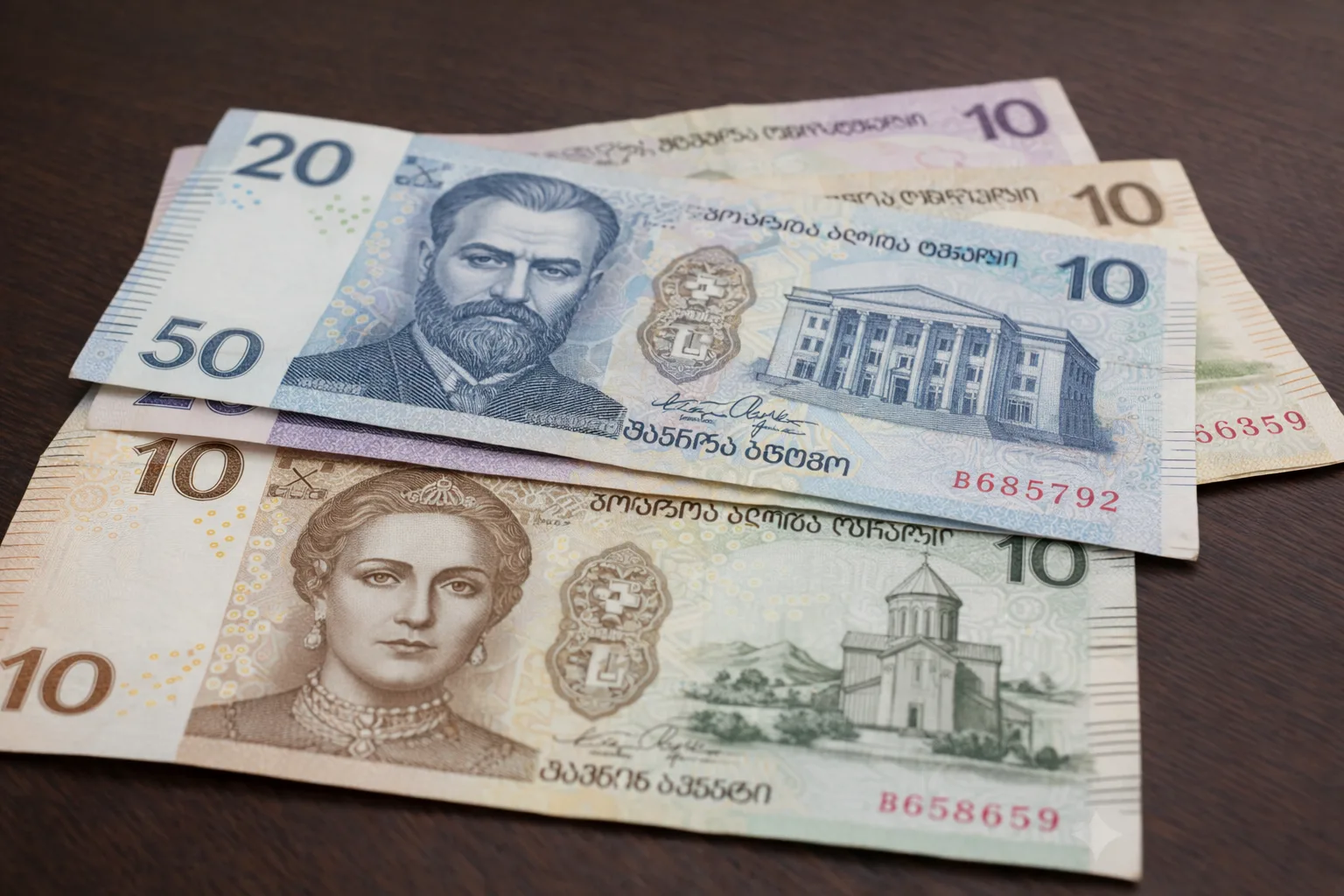
Cash for market sellers, cards almost everywhere else.
Haggling at tables and stalls, not in shops.
Bags closed and in front in the crowded market aisles.
Bubble wrap is worth asking for at the flea market for anything fragile.
Antiques and anything genuinely old may need an export permit; ask the seller and get a receipt.
Airport duty free is the worst place in the country to buy Georgian wine.
Where this fits in a Tbilisi trip
An hour at the flea market, an hour at the food market, and a wine shop on the last day.
For the districts and how the city fits together, our guide to Tbilisi covers the ground.
For the other thing every visitor remembers from this city, our guide to the sulfur baths covers how to use them.
And for what to pay with, where cash is still needed and how not to lose money changing it, our guide to money in Georgia covers the practicalities.
The short version
Give an hour to the Dry Bridge flea market and an hour to the food market, ideally with somebody who can read the stalls. Buy spices, churchkhela and chacha there. Leave the wine until the last day, buy the producers you actually drank rather than the labels you liked, and have the shop pack them for the hold. Check your own duty allowance before you buy a case. Skip the drinking horns, the airport duty free and the supermarket wine aisle.