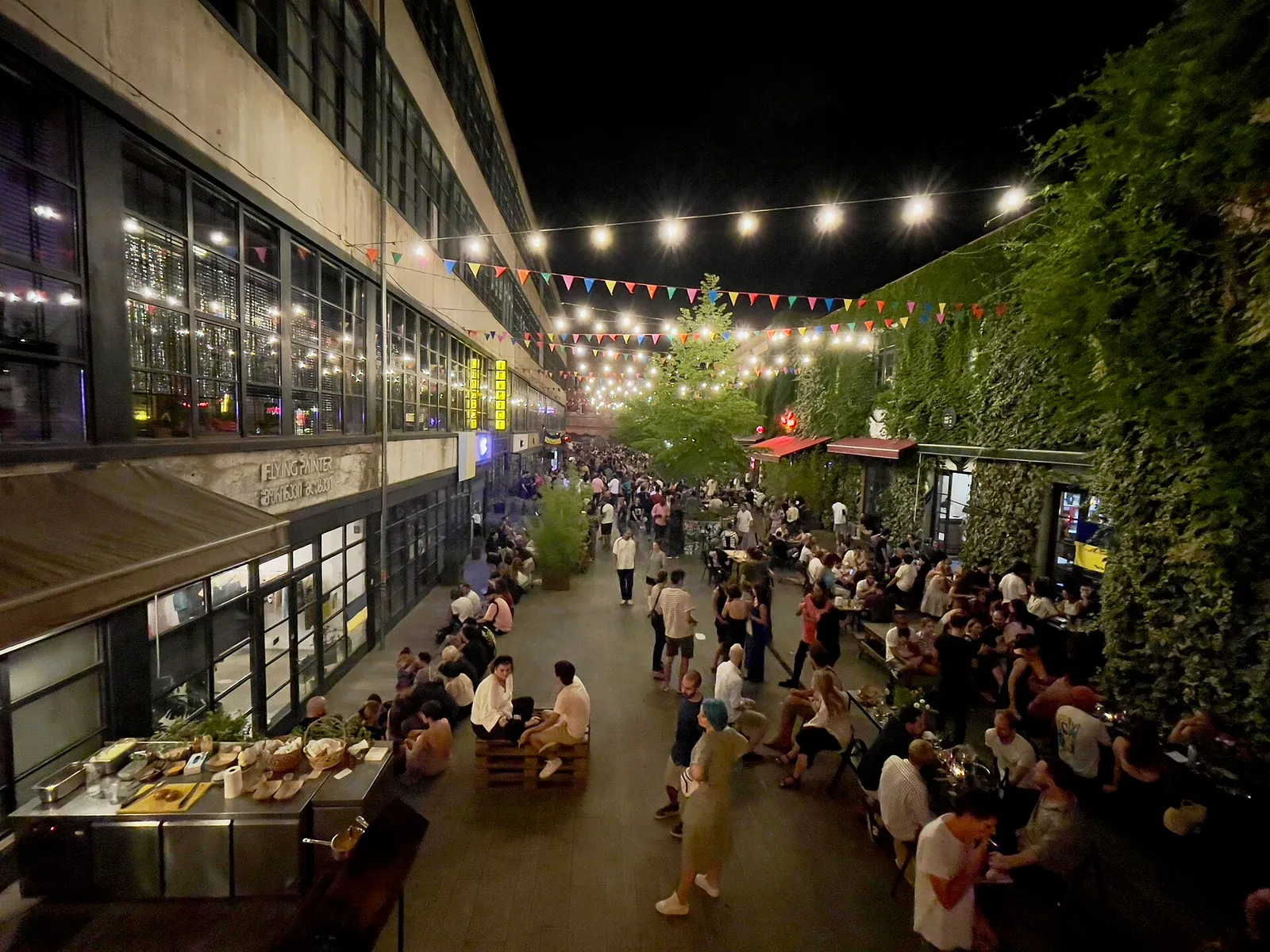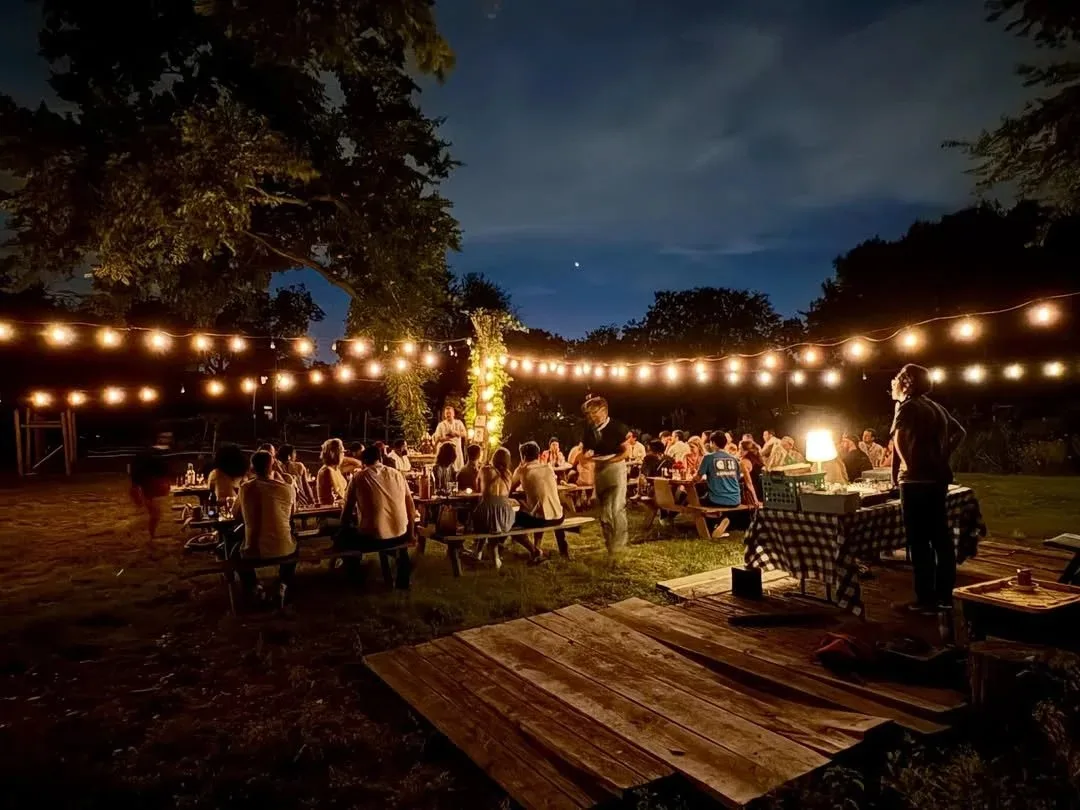
There is a particular building on the left bank of the Kura that explains more about how Tbilisi changed in the last decade than any monument does. It was a sewing factory, then it was empty, and then somebody left the concrete and the industrial windows alone, put a hostel in the upper floors and opened the yard to the street. What happened next was not planned: the courtyard filled with people who had nothing to do with the hostel, and it became the place the young half of the city arranges to meet.
What is actually there
The courtyard, open to anybody, with long tables, string lights and a wall of posters.
A hostel and hotel, dorms and private rooms, at mid range Tbilisi prices.
Bars and cafes around the yard, independently run rather than in house.
A co working space, which is one of the reasons the remote work crowd ended up here.
Studios and shops, including Georgian designers, a barber, a tattoo studio and a record shop.
Events, on a screen or a stage, most nights, listed on the wall.
Why it matters
It is a public square in a city that lost most of its informal ones.
The crowd is mixed, Georgian and foreign, in a way that most visitor spaces are not.
It preserved the building rather than replacing it, concrete and windows intact.
It made Chugureti, a district visitors previously walked through, into somewhere to stay.
It is free to be in, which is the part that makes the rest work.
Staying there
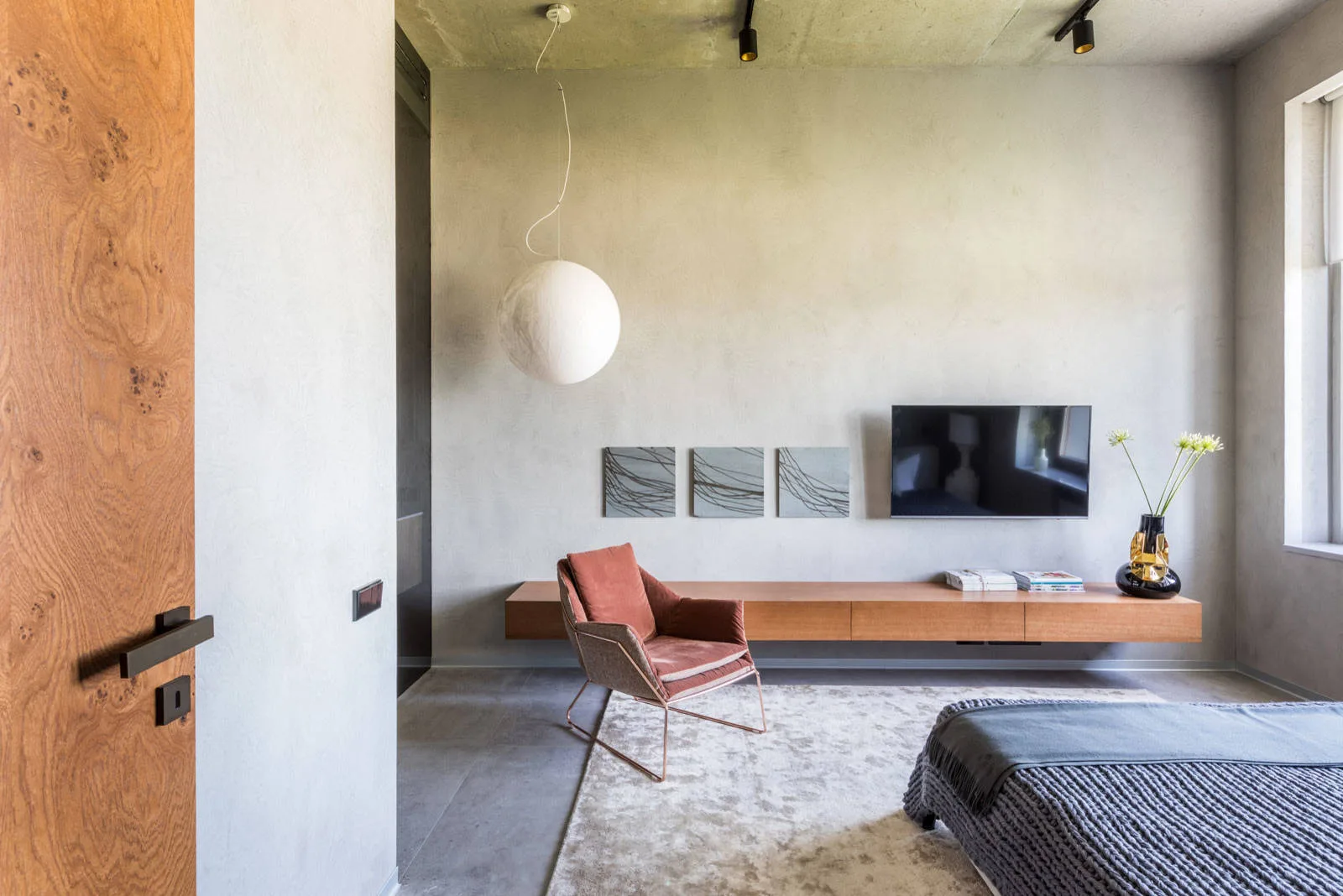
Dorms and private rooms, clean, well run and consistently reviewed.
Noise until late, every night, directly below the windows.
A social hostel in the real sense, with people talking in the yard rather than a lobby.
Good for solo travellers, which is the strongest argument for it.
Book ahead in summer, when it fills.
The alternative: an apartment or guesthouse in the same district, quieter and cheaper.

Practical notes
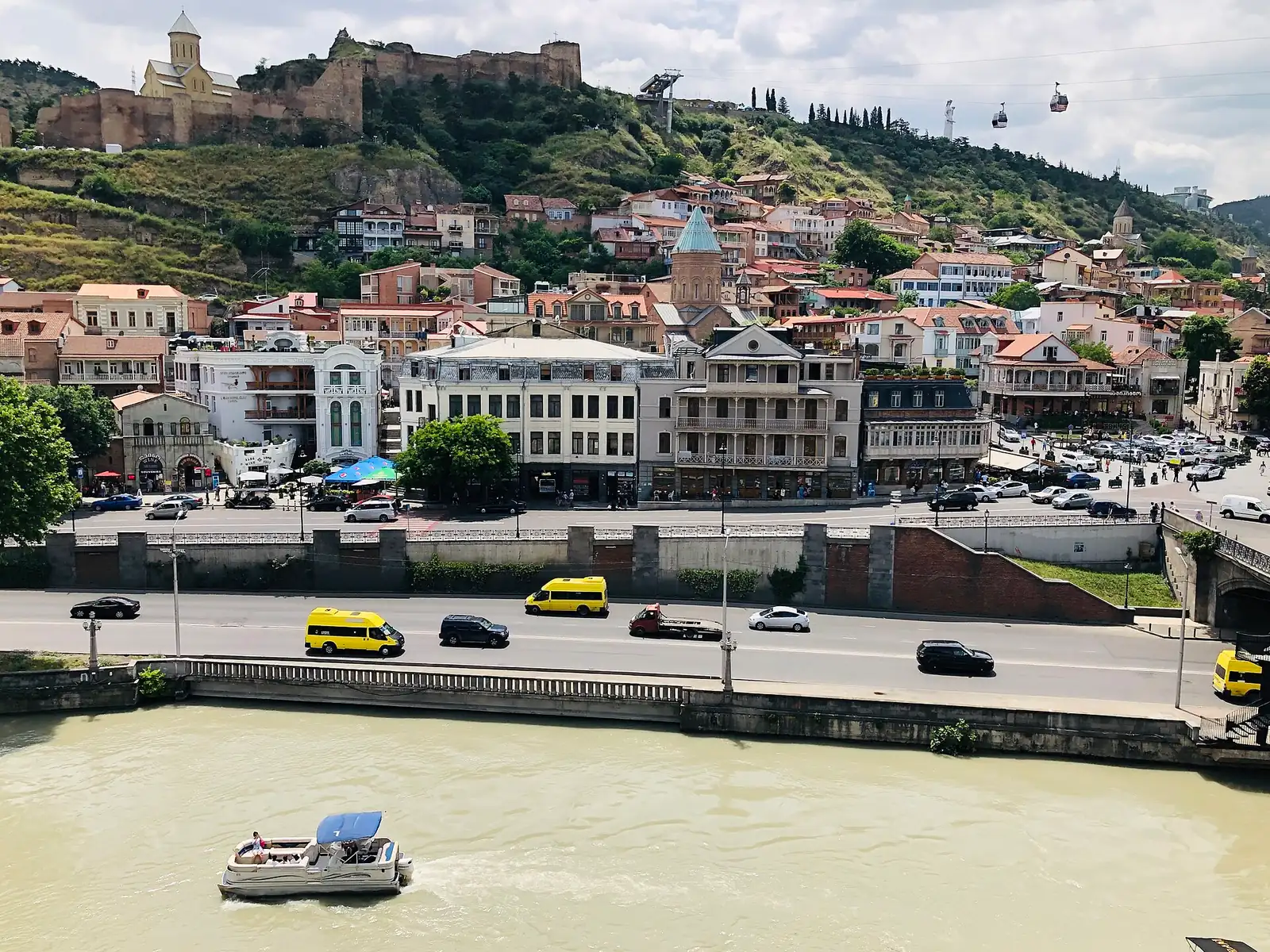
Twenty minutes on foot from the old town across a central bridge.
Taxis are cheap and plentiful; use an app.
Cards are accepted in the courtyard businesses; carry some lari anyway.
The yard is outdoors, so it is a spring to autumn proposition in the main.
Winter moves the crowd inside and changes the character considerably.
Nothing needs booking except a bed.
Where this fits in a Tbilisi trip
An evening, or a base, and either way a useful correction to the old town.
For the districts, the sights and the wider shape of the city, our guide to Tbilisi covers the ground.
For the rest of the night once the courtyard has done its job, our Tbilisi nightlife guide covers the bars and the clubs.
And for the crowd who came for a fortnight and stayed six months, our guide to Tbilisi for digital nomads covers why.
The short version
Walk over from the old town on a weekday evening rather than taking a taxi on a Saturday, and spend half an hour in the surrounding streets before you go in. Sit in the courtyard, buy a beer, and understand that most of the people around you live here. Stay at Fabrika if you are travelling alone and want company; stay in the district around it if you want to sleep. Either way it costs nothing to walk in, which is why it works.