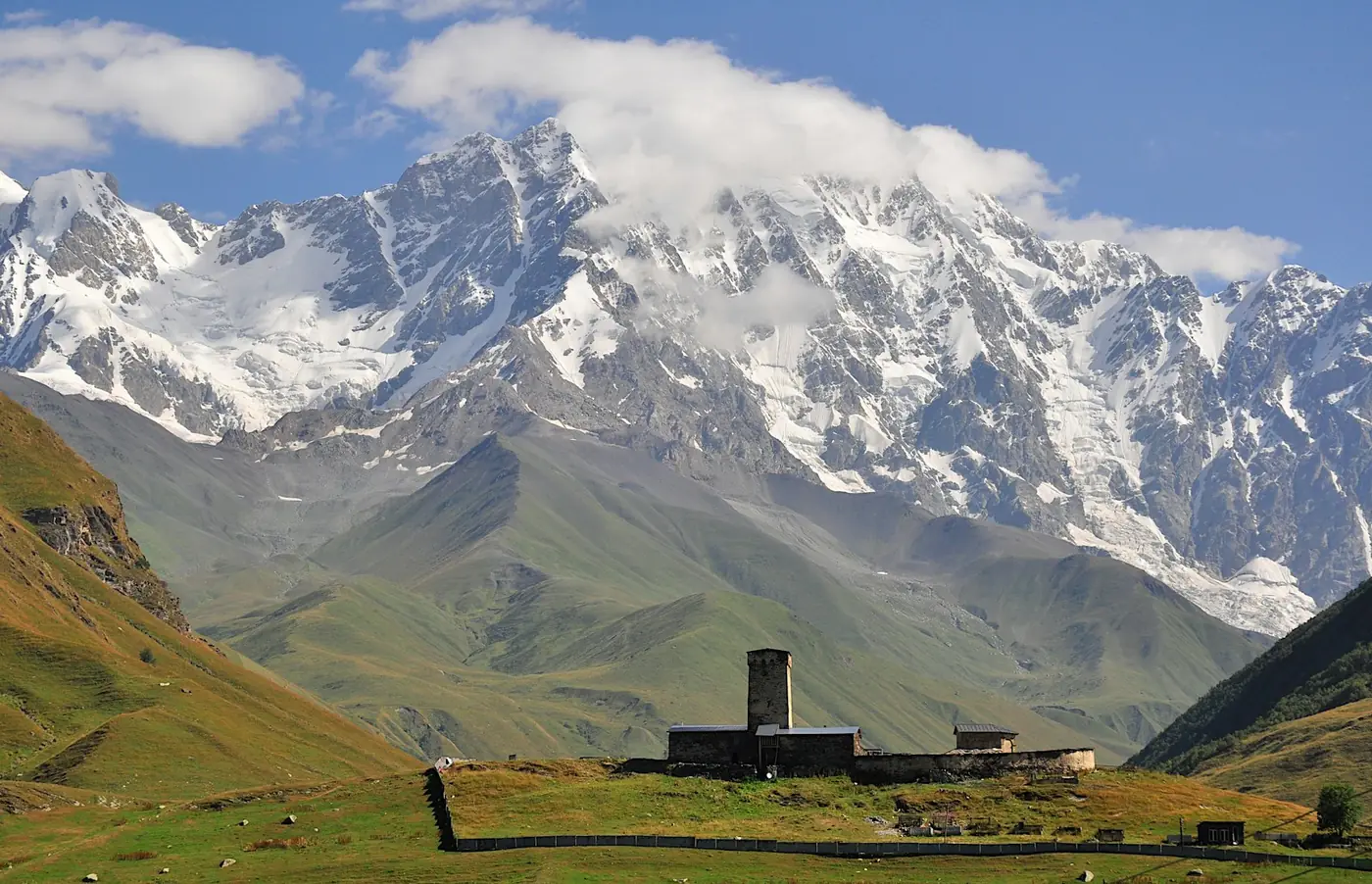
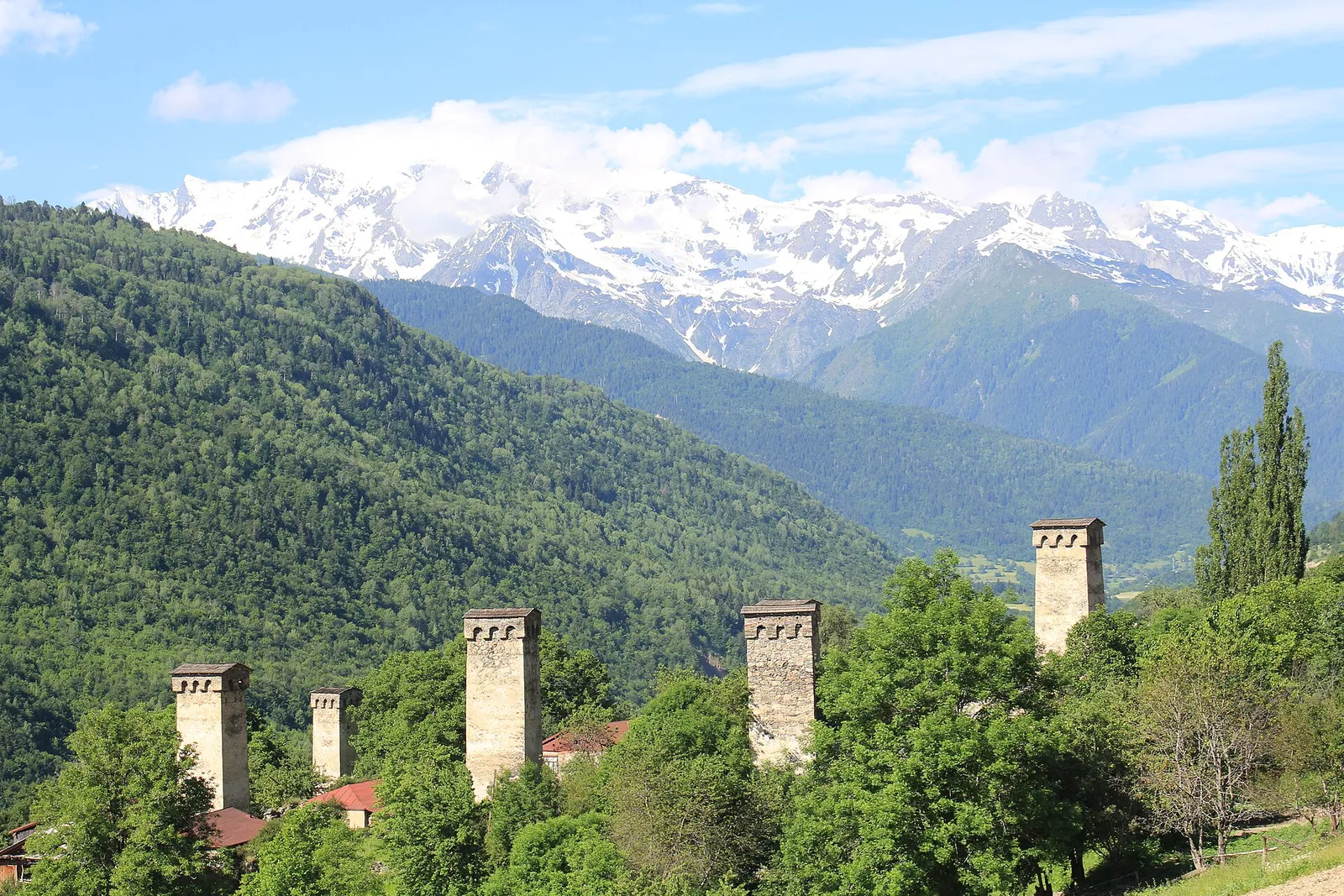
Svaneti is the part of Georgia that takes the most effort to reach and gives the most back. It sits in the far north west, walled in by the main Caucasus ridge, and its villages are full of stone defensive towers built by families who spent centuries settling disputes without help from any state. The language spoken here is related to Georgian rather than a dialect of it, the food is different from the rest of the country, and the mountains are genuinely big. Five days is the shortest trip that makes the journey worth it: two nights in Mestia, a day out to Ushguli, and enough slack for the weather to have an opinion. Read the driving notes for the Svaneti road before you commit, and our first-timer guide if this is your first trip to the country.
Itinerary at a glance
| Day | Base | The signature experience |
|---|---|---|
| 1 | Mestia | The road in along the Enguri reservoir |
| 2 | Mestia | The walk up to the Chalaadi glacier snout |
| 3 | Mestia | Climbing to the ridge above the town for the Ushba view |
| 4 | Ushguli or Mestia | The towers of Chazhashi under Shkhara |
| 5 | Zugdidi or Kutaisi | The Dadiani palace, or the canyons on the way out |
Day 1: Getting in
There is no quick way to Svaneti and that is part of its character. Most people come from Zugdidi, which is reachable by an overnight train from Tbilisi, and then take a shared minibus or a hired car for the four to five hour climb up the valley. Small aircraft also fly into Mestia from an airfield north of Tbilisi when the weather allows, which is a spectacular flight and an unreliable plan, so treat it as a bonus rather than a booking. If you are driving yourself, read up first: the road is sealed for most of the way now but it is narrow, exposed in places, and shared with livestock.
The drive is the day. The route runs along the Enguri reservoir, a long turquoise finger of water held by one of the tallest dams in the world, with the road cut into the slope above it and the valley walls closing in as you climb. By the time you reach Mestia the towers have started appearing above the rooflines. Spend what is left of the afternoon simply walking the village, and get your bearings before dark, because the light goes early behind these ridges.
Food: kubdari, a bread stuffed with hand-chopped spiced meat, is the Svan dish and it is better here than anywhere else in the country. Ask for it fresh from the oven rather than reheated. The signature experience: the reservoir road, which is the moment the trip stops being a transfer and starts being the point. Optional tour: a private transfer from Zugdidi with a driver who stops at the dam viewpoint and the tower villages on the way costs more than the minibus and turns a transit day into a proper one.
Day 2: Chalaadi glacier and the museum
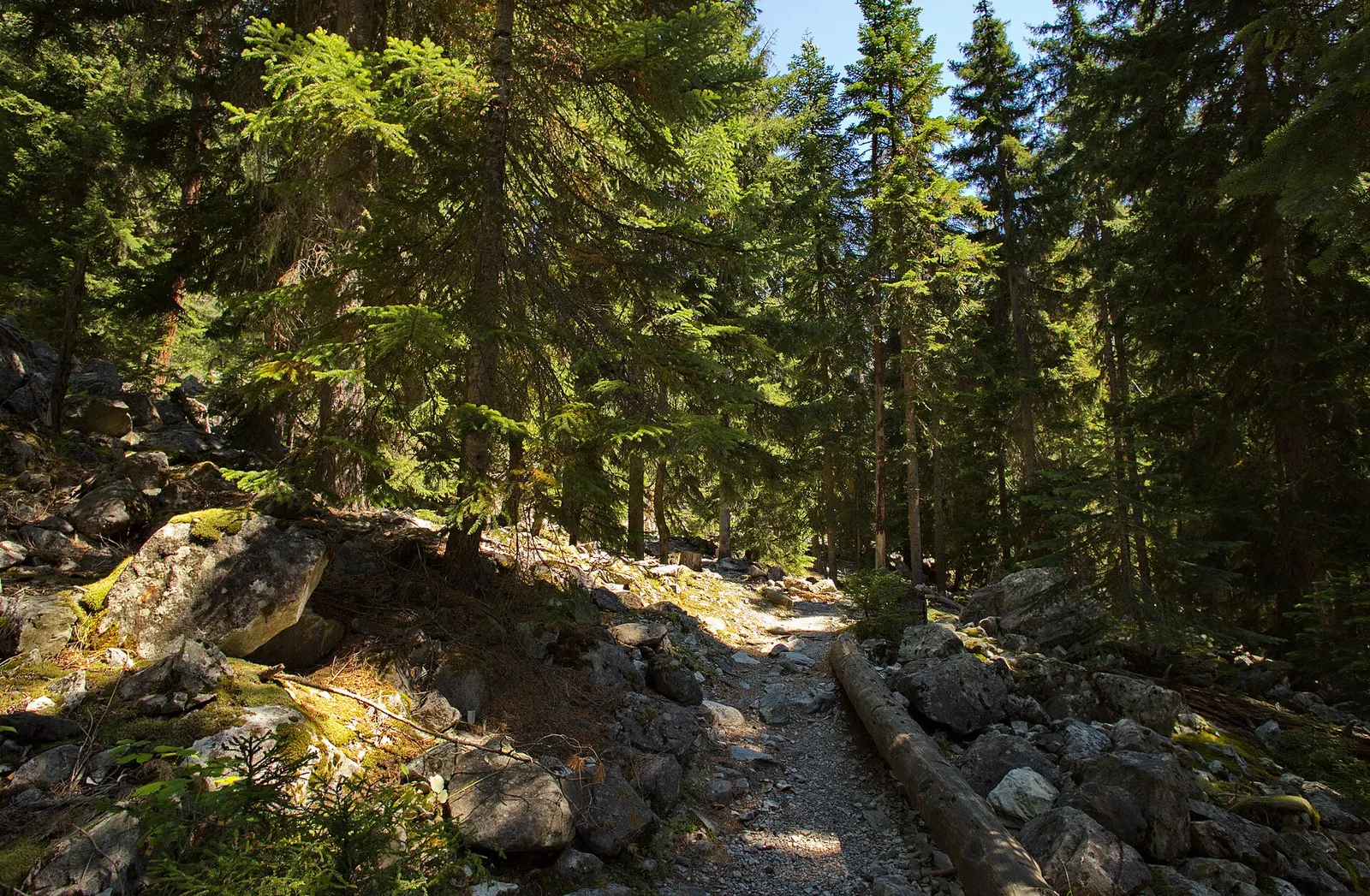
The Chalaadi glacier is the easiest big mountain objective in Svaneti and the best first day. A rough track leaves Mestia down the valley and crosses the river on a suspension footbridge, then a path climbs gradually through birch forest to a rockfall at the snout of the glacier. It is a walk rather than a climb, though the last section over boulders needs care, and the ice arrives closer to you than you expect. A taxi to the trailhead saves an hour of dull road at each end and is cheap enough to be obvious.
Save the afternoon for the Svaneti Museum of History and Ethnography in Mestia, which is far better than a regional museum has any business being: illuminated manuscripts, processional crosses and icons brought down from village churches for safekeeping, and photographs from the first expeditions into these valleys. It gives the towers outside a context that changes how you look at them.
Food: tashmijabi, mashed potato beaten with melted cheese until it stretches, which sounds unremarkable and is the thing people come back for; and Svan salt, a herb and spice blend sold in every shop here, which is the easiest thing to take home. The signature experience: standing at the glacier snout with the ice cracking above you. Optional tour: a guide is not required for Chalaadi in summer, but is worth having in the shoulder seasons when the crossing and the boulder field are less obvious.
Day 3: The ridge above Mestia
The classic Mestia day is the climb to the Koruldi lakes, a set of small pools on a high shoulder with a full view of Ushba, the twin-headed peak that is the emblem of Svaneti. It is a serious ascent on foot, several hours of steady uphill from the cross above the town, and in decent conditions it is the best walk in the region. Four wheel drive taxis run most of the way up when the track is dry, which is a legitimate choice: the view is the reward, and people who take the jeep up and walk down usually enjoy the day more.
A shorter alternative is the Hatsvali cable car, a few minutes from the village, which puts you on a forested ridge with a view over the valley in twenty minutes and no effort at all. In winter it is the local ski area, small and cheap by European standards, and it operates when the snow allows.
Food: back in the village, chvishtari, a cornbread with cheese cooked in the pan, is the mountain snack that goes with a long walk. The signature experience: the first clear view of Ushba’s two summits from the ridge, which is a genuinely startling mountain. Optional tour: a local guide for the Koruldi climb is worth it in cloud, since the upper section crosses open pasture with no obvious line.
Day 4: Ushguli
Ushguli is a cluster of four hamlets at the head of the valley, often described as one of the highest continuously inhabited settlements in Europe, and its lower hamlet of Chazhashi is a dense group of towers protected as a heritage site. Above the village, the small stone church of Lamaria sits on a rise with the wall of Shkhara, Georgia’s highest mountain, filling the horizon behind it. It is the photograph you have seen of Svaneti, and it is better in person because of the silence.
The road from Mestia is the issue. It is rough, slow and often a jeep track rather than a road, and shared four wheel drives leave Mestia in the morning and come back in the afternoon, which is how most people do it. Allow the whole day: the driving is two to three hours in each direction depending on conditions, and it can be longer after rain. Some travellers stay a night in Ushguli itself in a guesthouse, which is the better version of this day if you have the time, and gives you the towers at dusk without an audience.
Food: guesthouse lunches in Ushguli are simple and generous, usually soup, bread, cheese and whatever is growing; there is no restaurant scene here and that is the correct expectation to arrive with. The signature experience: Lamaria church with Shkhara behind it, from the slope above the village. Optional tour: a shared jeep is the standard arrangement and is easy to book through any guesthouse in Mestia the evening before.
Day 5: Out through Zugdidi or Kutaisi
Coming out, break the journey rather than treating it as a transfer. Zugdidi has the Dadiani palace, the seat of the family that ruled Samegrelo, with a museum that holds one of Napoleon’s death masks through a family marriage, plus a botanical garden around it. It is a strange and pleasant hour and it sits right where the mountain road ends.
If you are heading east instead, Kutaisi is the alternative and it makes a better connection. Along the way there are the Martvili and Okatse canyons, walkways and small boats in green gorges, and Prometheus cave with its lit chambers. Any two of those fill an afternoon comfortably, and Kutaisi has the airport with the cheap flights out.
Food: in Samegrelo the food gets spicier than the rest of the country, and elarji, the local cousin of tashmijabi made with cornmeal, is worth ordering where you see it. The signature experience: the palace museum’s oddities, which are a complete change of register after five days of mountains. Optional tour: a driver from Mestia to Kutaisi with two canyon stops built in costs little more than the direct transfer and saves a separate day trip later.
Practical tips
- The road in and out is the whole logistical question. Read the Svaneti driving notes and our car hire guide before deciding whether to drive it yourself, and note that many hire agreements restrict where their cars may go.
- Weather closes things here. Build one flexible day into five, and keep the Ushguli trip away from your travel day out.
- Winter is a different trip: our winter guide covers what stays open, and the high road to Ushguli is often impassable.
- Cash is essential. There are machines in Mestia but not beyond it, and guesthouses in the upper villages do not take cards. Our money guide covers the rest.
- Guesthouses rather than hotels are the norm here, and dinner is usually included and eaten with the family. That is the best part of Svaneti, not a compromise.