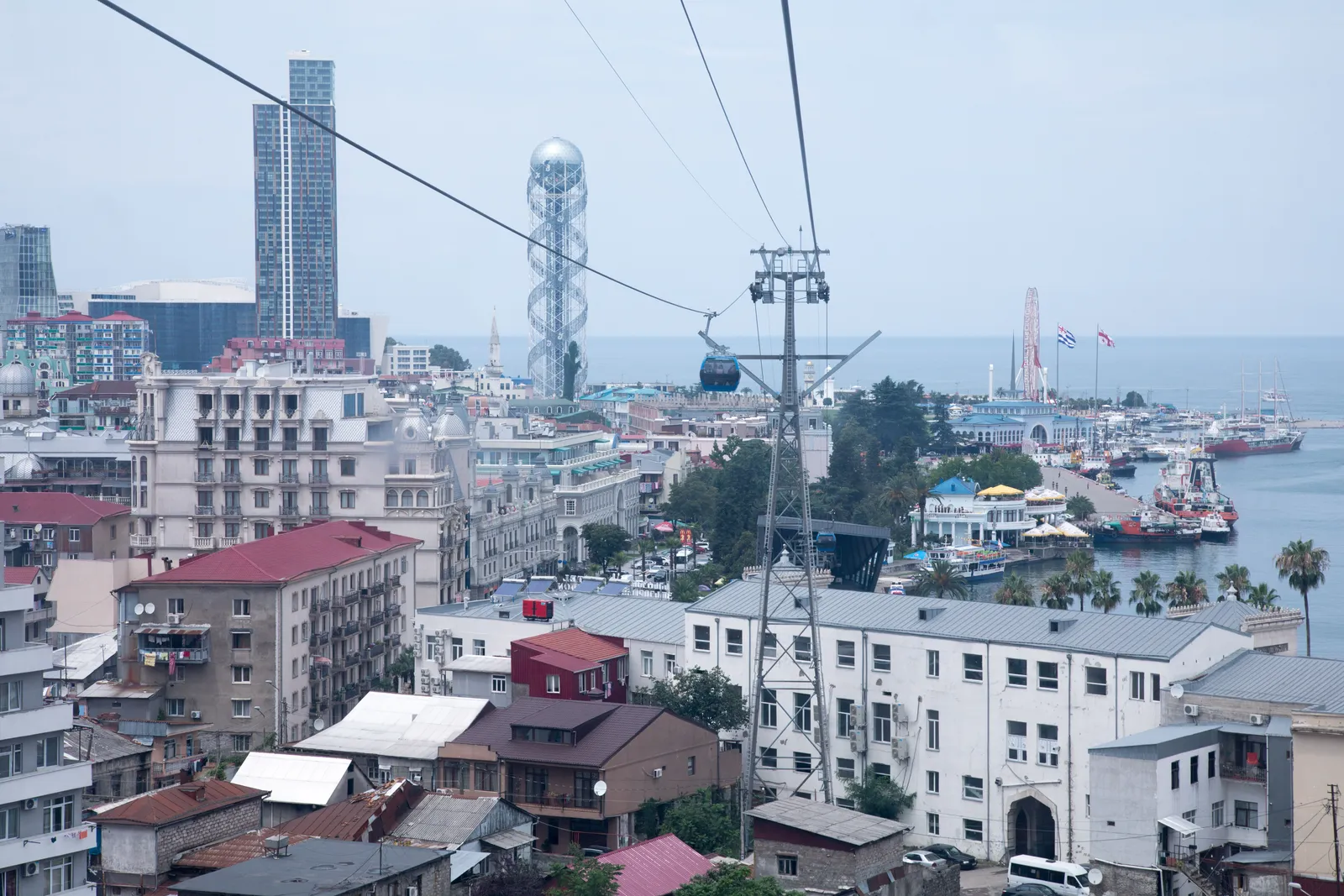
Batumi gets described as the Las Vegas of the Black Sea, which tells you about the casinos and the odd skyline and nothing about the region behind it. Adjara is the wettest part of Georgia, a subtropical strip of coast that climbs within an hour into rainforest, tea terraces and mountain villages where the houses are wooden and the bridges are medieval stone arches. Five days lets you do both halves properly: two on the coast, three going up. Read our Batumi guide first, and the beaches piece if the sea is the point rather than the mountains, because the pebbles here surprise people.
Itinerary at a glance
| Day | Base | The signature experience |
|---|---|---|
| 1 | Batumi | The boulevard from end to end at sunset |
| 2 | Batumi | The botanical garden on the cliffs above the sea |
| 3 | Batumi or Keda | Arched bridges and honey in the Machakhela valley |
| 4 | Batumi | The Mtirala rainforest and the tea terraces at Chakvi |
| 5 | Batumi | The wooden villages on the Goderdzi road |
Day 1: Batumi and the boulevard
Batumi is genuinely strange in a way that is worth a day rather than a joke. The old town is late nineteenth century, when this was an oil port with money, and the streets behind the port have Italianate facades, carved balconies and a square with a clock. Around and above them stand towers from the last twenty years, including one with a ferris wheel built into its side, and none of it fits together, which is the charm.
The boulevard is the spine of the city: seven kilometres of park, cycle path and cafes between the town and the sea, ending at the moving statue of Ali and Nino, two figures that rotate towards each other, pass through each other and separate again on a cycle. Walk or hire a bicycle, and time the last stretch for sunset, because the light off the Black Sea does most of the work. The alphabet tower and the piazza fill the gaps.
Food: Adjaruli khachapuri is from here, the boat shaped one with the egg and butter dropped into the cheese, and eating it in the region that invented it is the point of the day; you mix it with the crust rather than cutting it. The signature experience: the boulevard at sunset with the Ali and Nino statue moving through its cycle. Optional tour: a guided walk of the old town explains the oil boom architecture, which is otherwise just pretty buildings.
Day 2: The botanical garden and the coast north
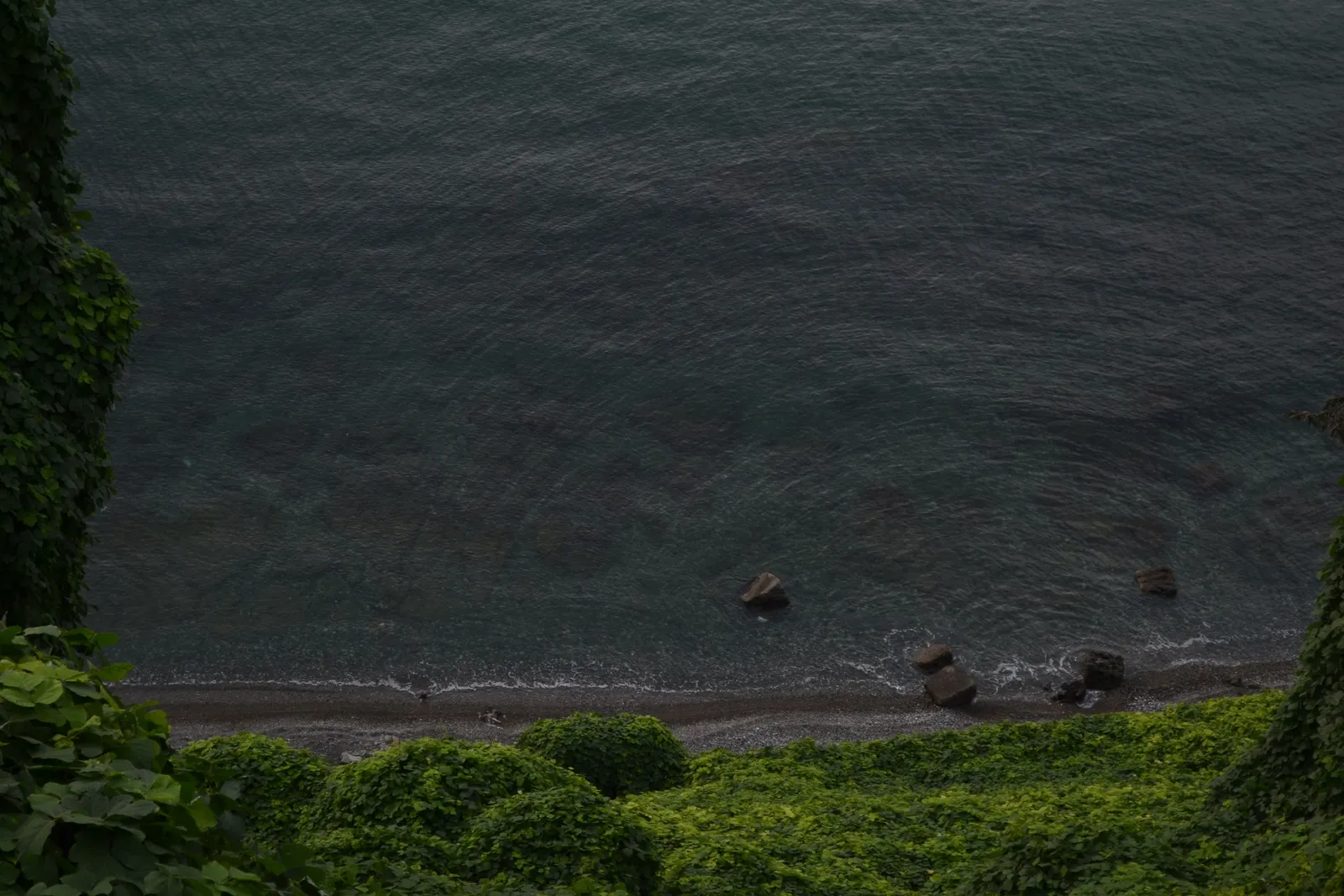
The botanical garden at Mtsvane Kontskhi, twenty minutes up the coast, is the best thing in the region and it is not close. It runs down a headland to the sea across a slope planted with collections from East Asia, the Himalaya, the Mediterranean and North America, with paths that open onto views straight down onto the water. Give it three hours rather than one, take the shuttle up and walk down, and go on a clear day.
Below the garden the coast runs north through Chakvi and Kobuleti, and the beaches here are pebble rather than sand, which keeps the water clear and is hard on bare feet. Ureki, further along, is the exception: black magnetic sand that people come to for the claimed health benefits and stay for because it is the softest beach on this coast. Treat those claims as folklore rather than medicine, and enjoy the beach.
Food: the coast road is lined with places grilling fish and there is no need to plan; ask what came in that morning. The signature experience: the path down through the bamboo and magnolia to the sea view at the bottom of the garden. Optional tour: boat trips leave the Batumi port for a couple of hours along the coast, which gives you the skyline from the water at sunset.
Day 3: The Machakhela valley
Turn inland. The Machakhela valley runs east along a river towards the Turkish border, and it is a national park with a string of medieval arched stone bridges, single span and still standing, some of them still in use. The valley was known for gunsmithing, which is now a small museum, and for beekeeping, which is very much alive: roadside stands sell honey by the jar and the hollowed log hives are still in the trees.
The neighbouring valleys add to the day. Keda has a wine cellar or two working with the local Chkhaveri grape, which is pink and made in a lighter style than the eastern amber wines. And the Adjara mountains are laced with waterfalls, of which Makhuntseti, on the way to Keda, is the accessible one, with another arched bridge beside it and a rope crossing over the river for anyone who wants the adrenaline version.
Food: the mountain food of Adjara is different again: borano, cheese cooked in butter until it separates, and sinori, layered thin bread with curd, both heavy in exactly the right way after a walk. The signature experience: standing on a five hundred year old arched bridge with the river running under it. Optional tour: a driver for the valleys is worth it, because the roads are narrow and the best stops are not signposted.
Day 4: Mtirala rainforest and the tea terraces
Mtirala means crying mountain and it earns the name: this is one of the wettest places in Europe, and the national park half an hour from Batumi is temperate rainforest, with a trail to a waterfall, a rope bridge, a lake you can swim in and dense green in every direction. Take a waterproof regardless of the forecast. The walking is moderate rather than hard and a guide is available at the gate for the longer routes.
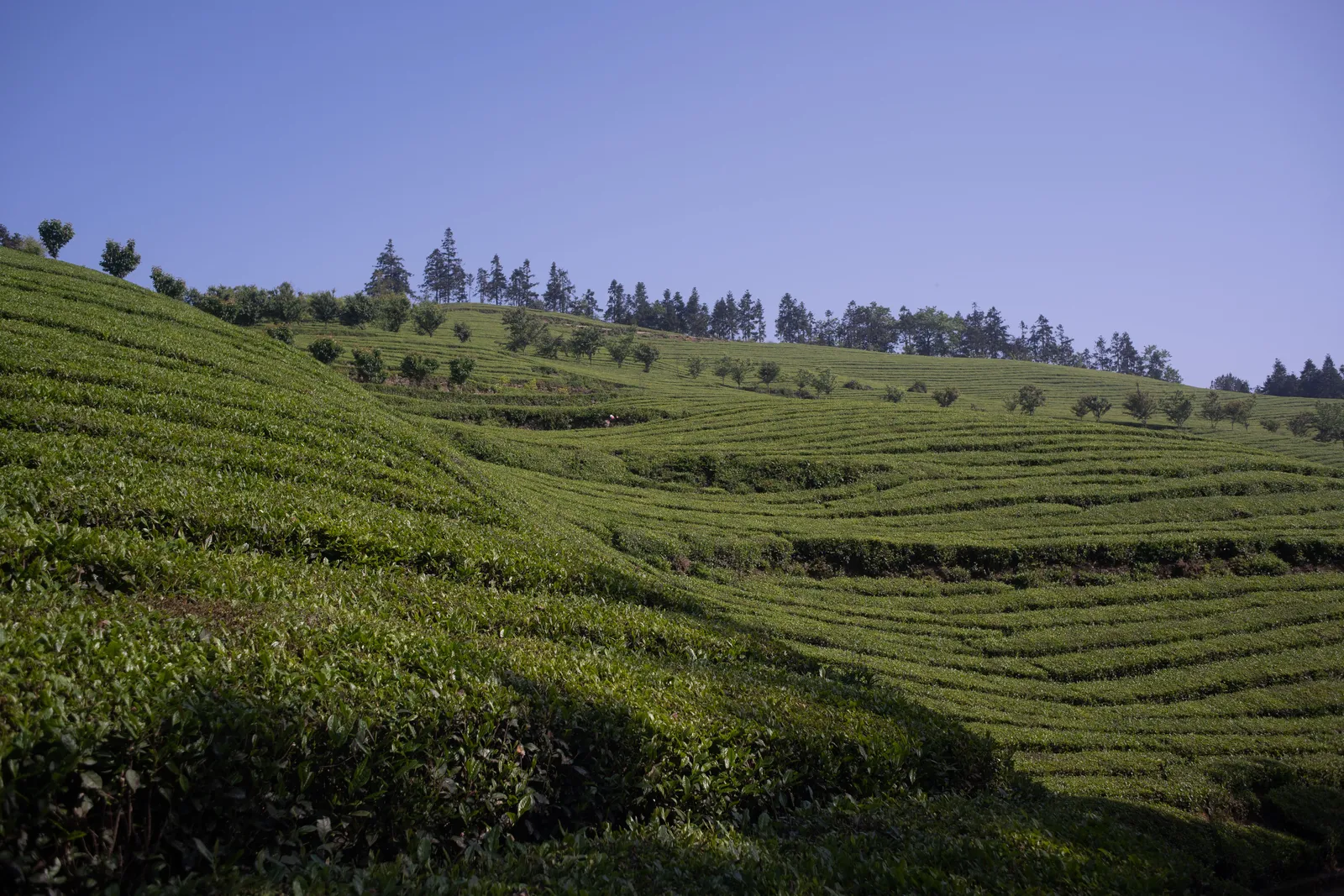
Below the park, the slopes around Chakvi and Charnali were planted with tea in the late nineteenth century, and the industry collapsed and is now slowly returning. A few plantations receive visitors, show you the picking and the withering and let you taste the result, which is a completely different Georgian drink from the wine everyone comes for. The combination of a rainforest morning and a tea afternoon is the best day in Adjara.
Food: in the villages around the park, ask for kaimaghi, the local clotted cream, with honey and cornbread. The signature experience: a tea tasting on a working plantation with the pickers still on the slope. Optional tour: the park runs guided walks and horse riding, and a combined Mtirala and tea day is easy to arrange from Batumi.
Day 5: The Goderdzi road
The last day is the long one. The road east from Batumi climbs through Khulo towards the Goderdzi pass at over two thousand metres, and the villages on the way are wooden, steep and unlike anything on the coast: mosques with carved wooden interiors, houses on stilts, hay drying on frames. At Khulo a cable car strung across the gorge to Tago has been carrying villagers for decades, and riding it is either the highlight or the thing you decide against once you see it.
Above the treeline the pass opens into alpine meadow with a scattering of new ski development, and in high summer the flowers up there are extraordinary. The road is rough in places and the last section is unsealed, so this is a day for a high clearance vehicle or a hired driver, and it is a full day out and back rather than a loop. Check the state of the pass before you go; snow closes it for months.
Food: take food with you. There are guesthouses in Khulo that will feed you if you have arranged it, and very little else. The signature experience: the carved wooden interior of a mountain mosque, which almost no visitor to Georgia sees. Optional tour: a driver who knows the road is the only sensible way to do this day, and any guesthouse in Batumi will find one.
Practical tips
- Adjara is wet. That is what makes it green, and it means rain gear belongs in the bag even in August; our seasonal guide covers the pattern.
- The beaches are pebble, not sand, apart from the black sand at Ureki. Swimming shoes are not a luxury here.
- Batumi is a summer city and its season is short and busy. Outside it the coast empties, prices fall and half the restaurants close, which some people prefer.
- The mountain roads need clearance and confidence, and hire agreements often exclude unsealed roads; see our car hire guide and the driving rules.
- Adjara is a Muslim majority region in a mostly Orthodox country, and the mountain villages are conservative. Cover up at mosques and ask before photographing people.
- For how the city compares with the capital as a base, Batumi against Tbilisi sets out the trade.