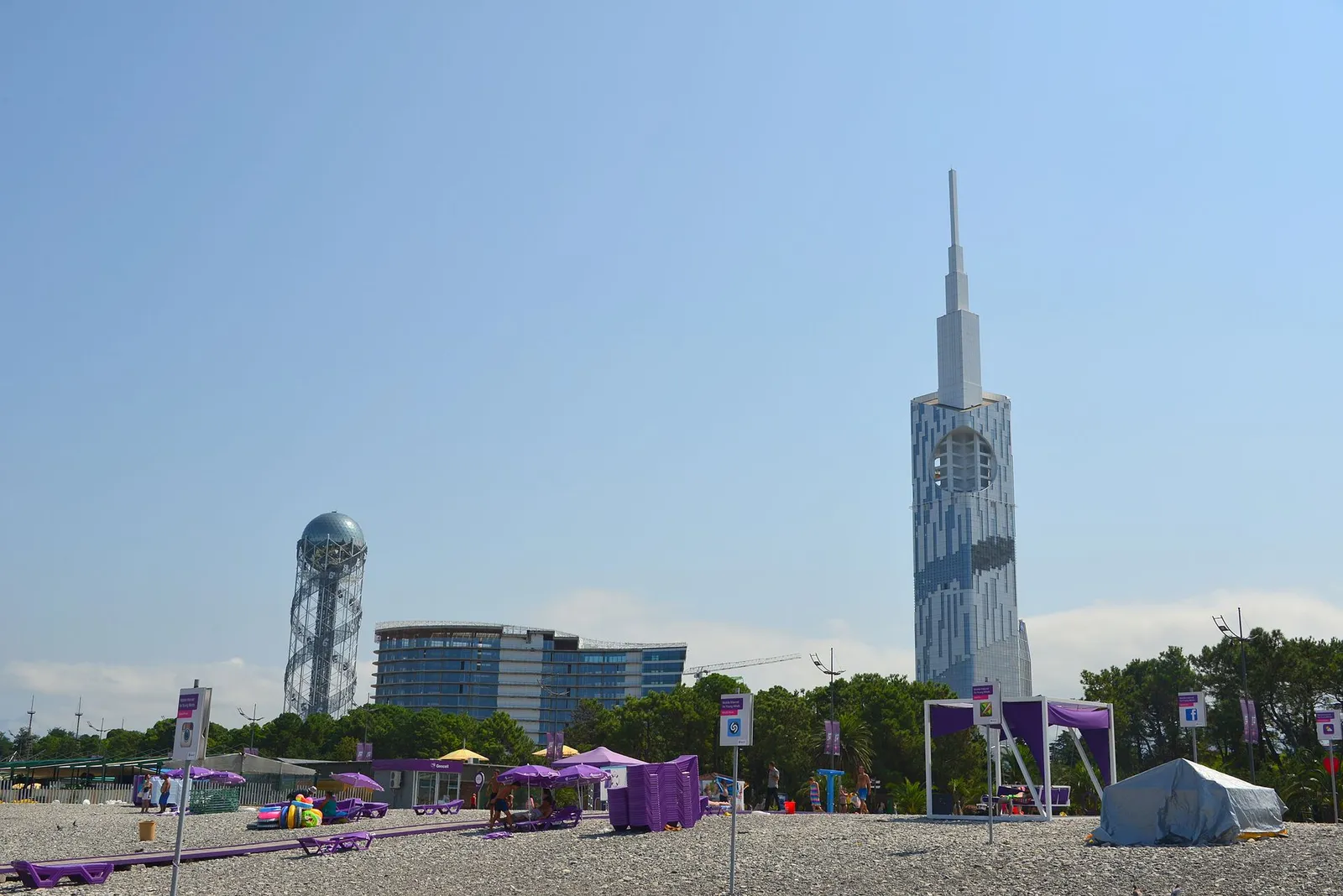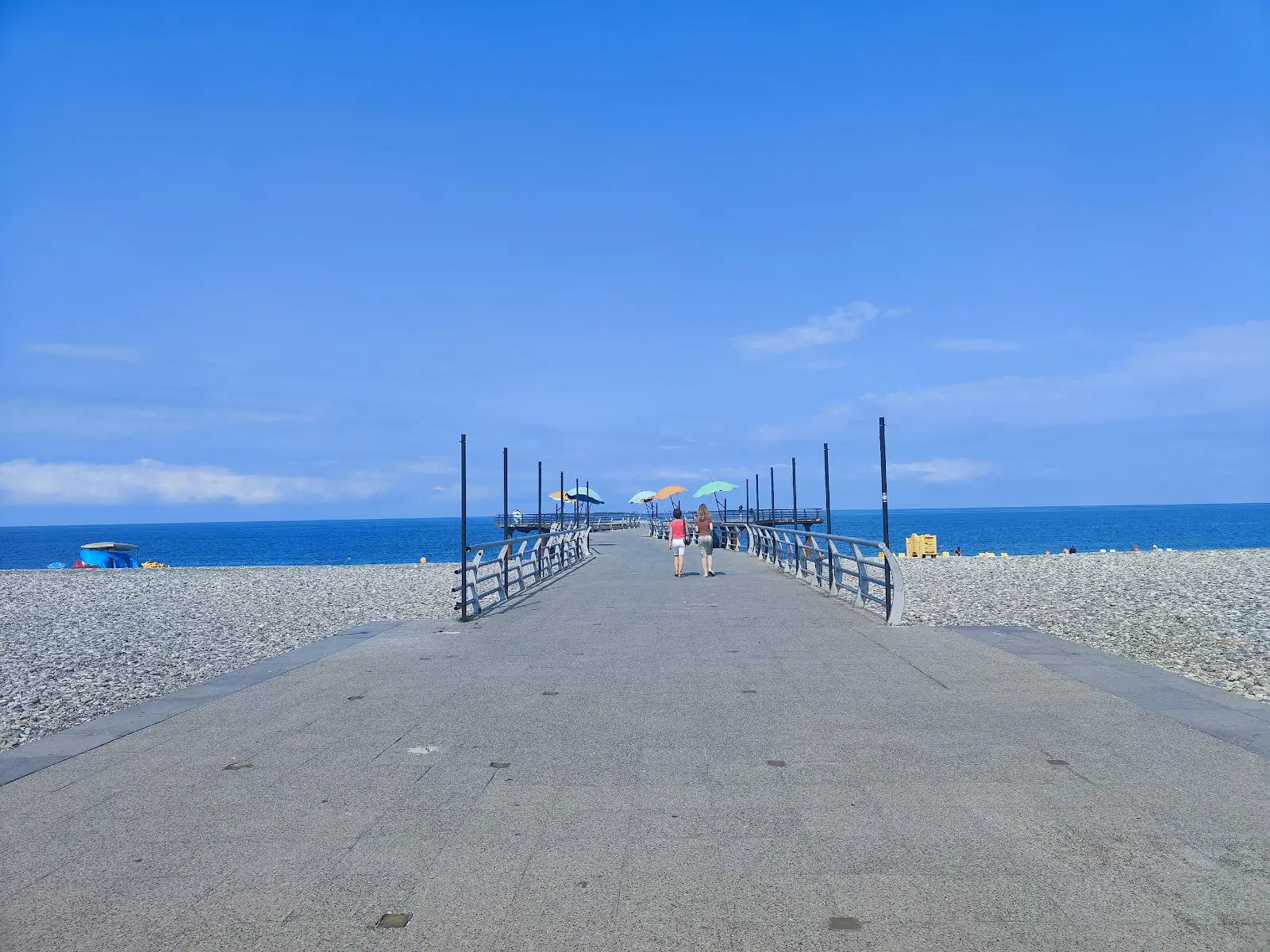
The first thing my feet learned about the Black Sea in Batumi is that it does not do sand. I walked down from Batumi Boulevard in July expecting something soft, and instead there was a stretch of grey and cream pebbles, warm on top and cool underneath, that clacked under every step. A local woman next to me had brought a foam mat and a pair of rubber shoes, and within a day I understood why. If you are picturing the Batumi beaches and the wider Black Sea coast as a tropical sandbar, adjust that image now. This is a pebble coast, and once you accept that, it is genuinely lovely.
I have swum along this shore in three different months and dragged friends to the quieter stretches south of the city, so here is the honest version of what to expect, where to go, and when the water is actually warm enough to stay in.
What are the Batumi beaches actually like?
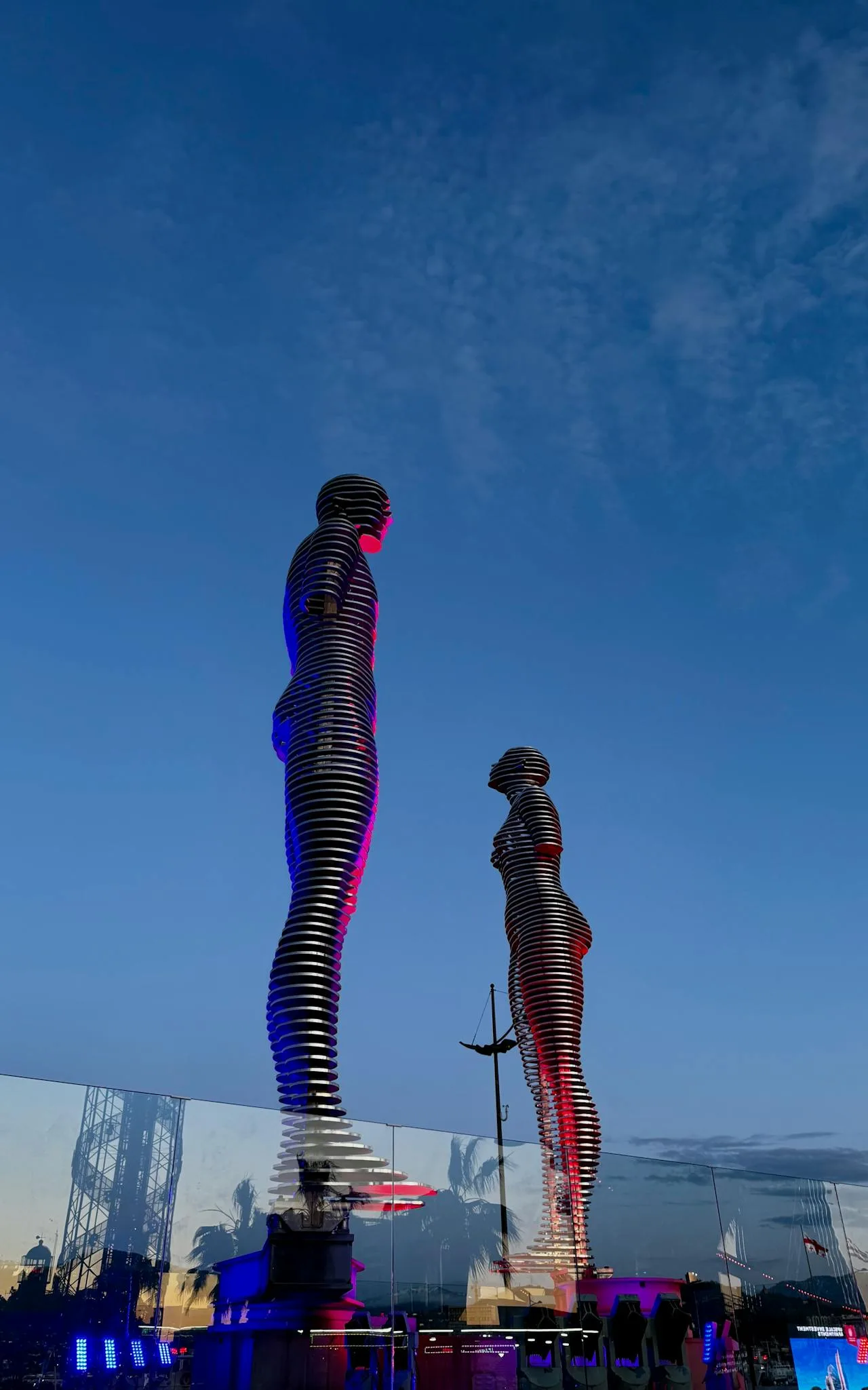
The city beach runs the length of Batumi Boulevard, a long paved promenade lined with cafes, cycle hire and a few landmark sculptures. The beach itself is pebbles that range from pea-sized gravel to smooth stones the size of a plum. The water is clear, deepens fairly quickly, and on a calm day it is a beautiful deep blue-green.
The trade-off is honesty: this is an urban beach. On a hot August afternoon it fills up, music drifts from the beach bars, and the pebbles get hot enough that you want something on your feet. It is convenient rather than pristine. For a first swim after checking in, it is perfect. For a quiet day, head south.
Gonio and Kvariati, the quieter stretches south
Drive fifteen to twenty minutes south of Batumi and the coast changes character. Gonio sits beside a Roman-era fortress and has a wider, calmer beach with fewer high-rises behind it. The pebbles here are often larger and the water feels cleaner because there is less crowd churn.
A little further on, Kvariati is my favourite of the accessible spots. It is quieter still, backed by green hills, and the water clarity is the best I found near Batumi. This is where the small local diving outfits operate, because visibility is genuinely good on a settled day.
Keep going and you reach Sarpi, the last Georgian village before the Turkish border. The beach at Sarpi is small, dramatic and framed by cliffs, with the border crossing right there at the end of the bay. You cannot drive past it into Turkey without going through the crossing, so Sarpi is effectively how far south you can go on the Georgian side.
The botanical garden coastline
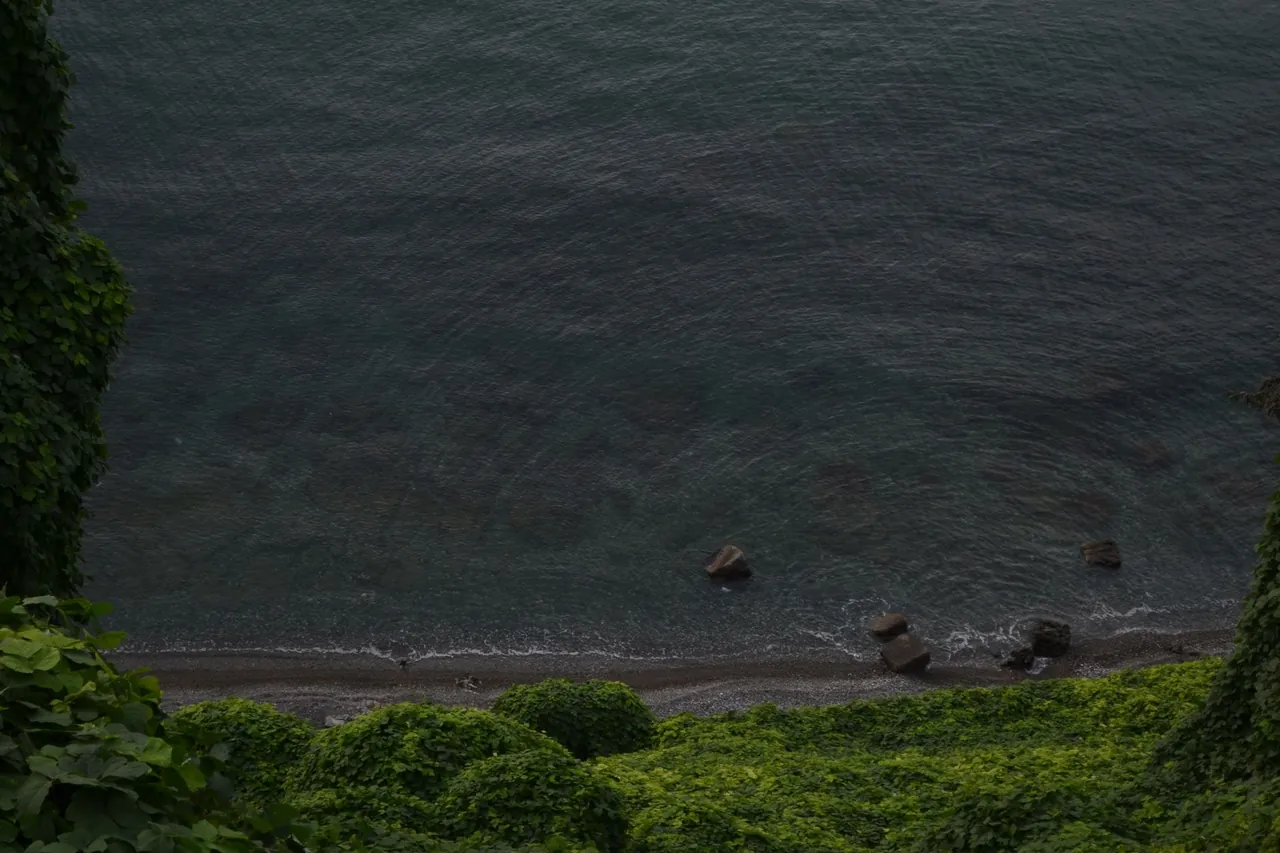
North of the city, the Batumi Botanical Garden spills down a headland toward the sea, and the coastline below it is one of the prettiest on this coast. The garden itself is worth a half day, with plants gathered from around the world and viewpoints over the water. There are small pebble coves near Mtsvane Kontskhi (Green Cape) below the garden that feel a world away from the city beach, though access involves some walking and steps.
When is the swimming season and how warm is the water?
The reliable swimming season runs from roughly June to September, with July and August the warmest and busiest. May and October are shoulder months: swimmable for the hardy, chilly for most.
Water temperature moves a lot through the year, so treat these as approximate ranges rather than promises, and expect variation with weather and currents.
| Month | Approx. sea temperature | Feel |
|---|---|---|
| May | around 17 to 19C | brisk, short dips |
| June | around 21 to 23C | comfortable |
| July | around 24 to 26C | warm, peak season |
| August | around 25 to 27C | warmest of the year |
| September | around 22 to 24C | still lovely, thinner crowds |
| October | around 19 to 21C | cooling fast |
My own preference is early September. The sea holds its summer warmth, the crowds thin out, and hotel prices ease off.
Want to wake up steps from the water?Beachfront stays near Batumi Boulevard, many with free cancellationSunbeds, cabanas and what they cost
Along the city beach and the private beach clubs you will find sunbeds and umbrellas for hire. Pricing shifts by season and by how smart the club is, so use these as bands to expect rather than fixed figures, and confirm on the spot.
- A basic sunbed with an umbrella at a public stretch: roughly 10 to 25 GEL for the day.
- A lounger at a beach club, sometimes with a drink included: roughly 30 to 60 GEL.
- A private cabana or daybed at a smarter hotel club: from around 80 GEL upward, often with a minimum spend.
You are never obliged to pay. Plenty of people simply lay a mat on the free pebbles. The paid options mostly buy you shade, a flat surface and easy access to a bar and toilets.
Which spots suit families?
For families, I would point you south rather than to the busy city centre beach. Gonio works well because it is calmer, less crowded and has space to spread out. Kvariati is good for slightly older children who want clearer water for snorkelling. The city beach is fine for a quick swim, but the crowds, music and hot pebbles can wear small children down on a peak afternoon.
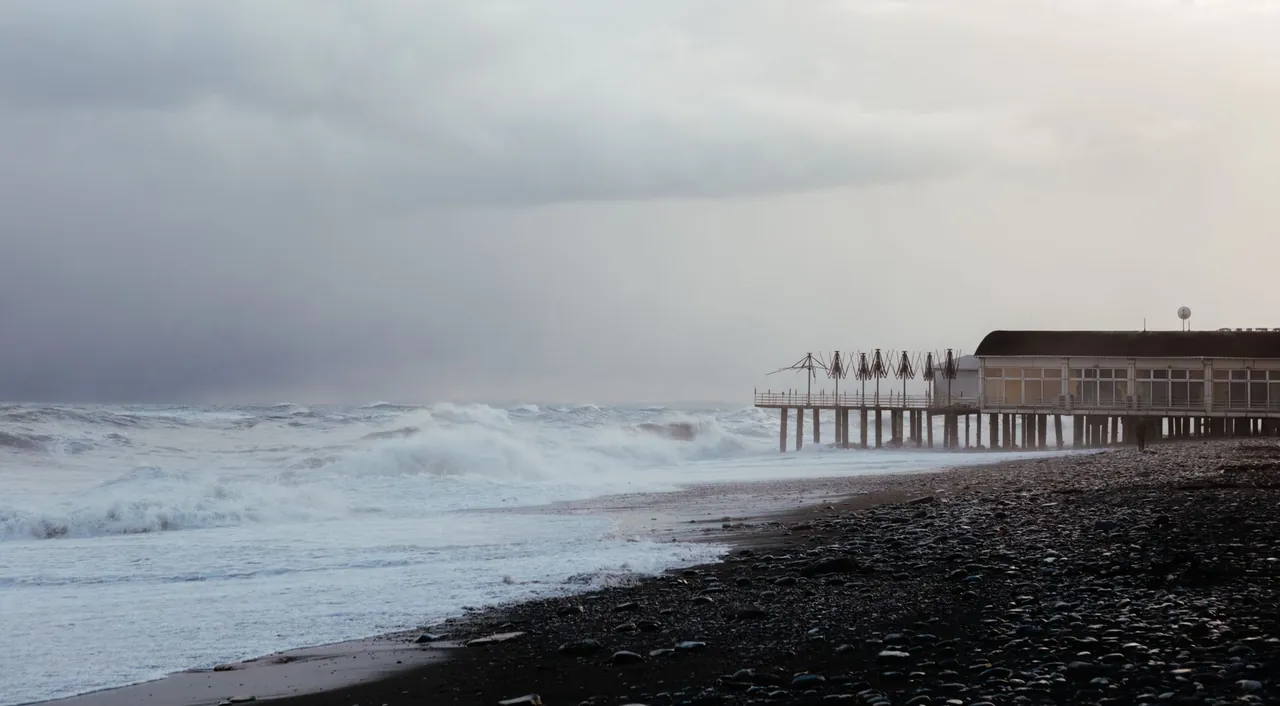
Wherever you go, note that the shore shelves fairly steeply in places and the Black Sea can develop a shore-break on windy days, so keep an eye on children in the water. Water shoes are the one piece of kit worth packing for a pebble coast, and our guide to Georgia with children covers the rest of what travelling here with a family asks of you.
How to plan the coast into a trip
Batumi makes an easy base for the whole coast. From here you can hire a taxi or drive to Gonio, Kvariati and Sarpi in under half an hour, visit the botanical garden to the north, and still be back in town for dinner. If you want the full picture of the region, from the old town to day trips into Adjara’s hills, our complete guide to Batumi and the Black Sea coast pulls it all together in one place.
The Black Sea coast is not the Mediterranean and it does not pretend to be. It is a pebble coast with clear water, a lively city at one end and quiet green coves at the other, and a swimming season that rewards a September visit. Go with water shoes, head south for calm, and you will understand why Georgians treat this shore as their summer.
And for the coast north of the city, where the pebbles turn to sand and Georgian families take their summer weeks, our guide to the beaches beyond Batumi covers the quieter resorts.
Which stretch would you choose, the buzz of the city beach or the quiet of Kvariati? Tell me in the comments.