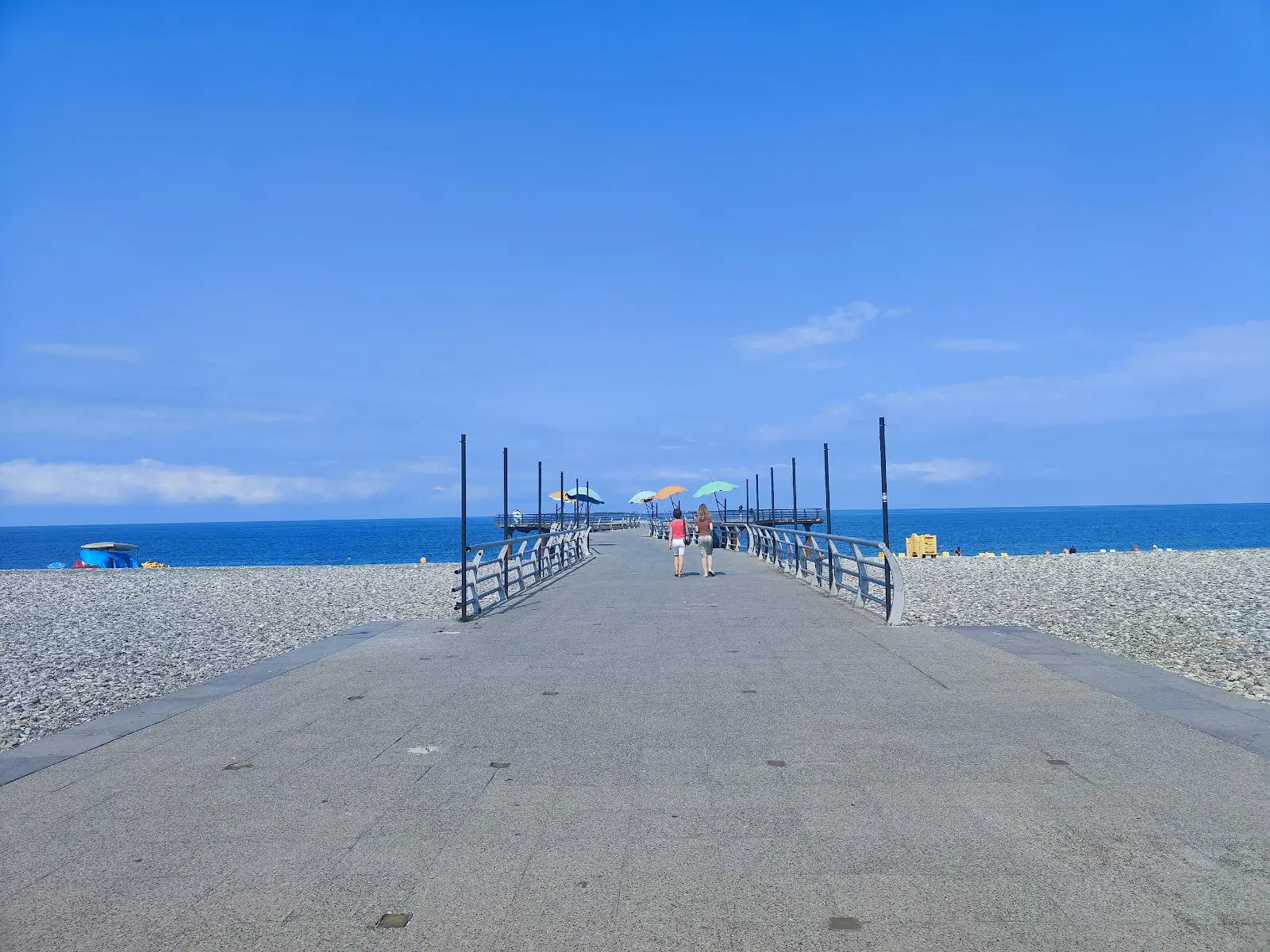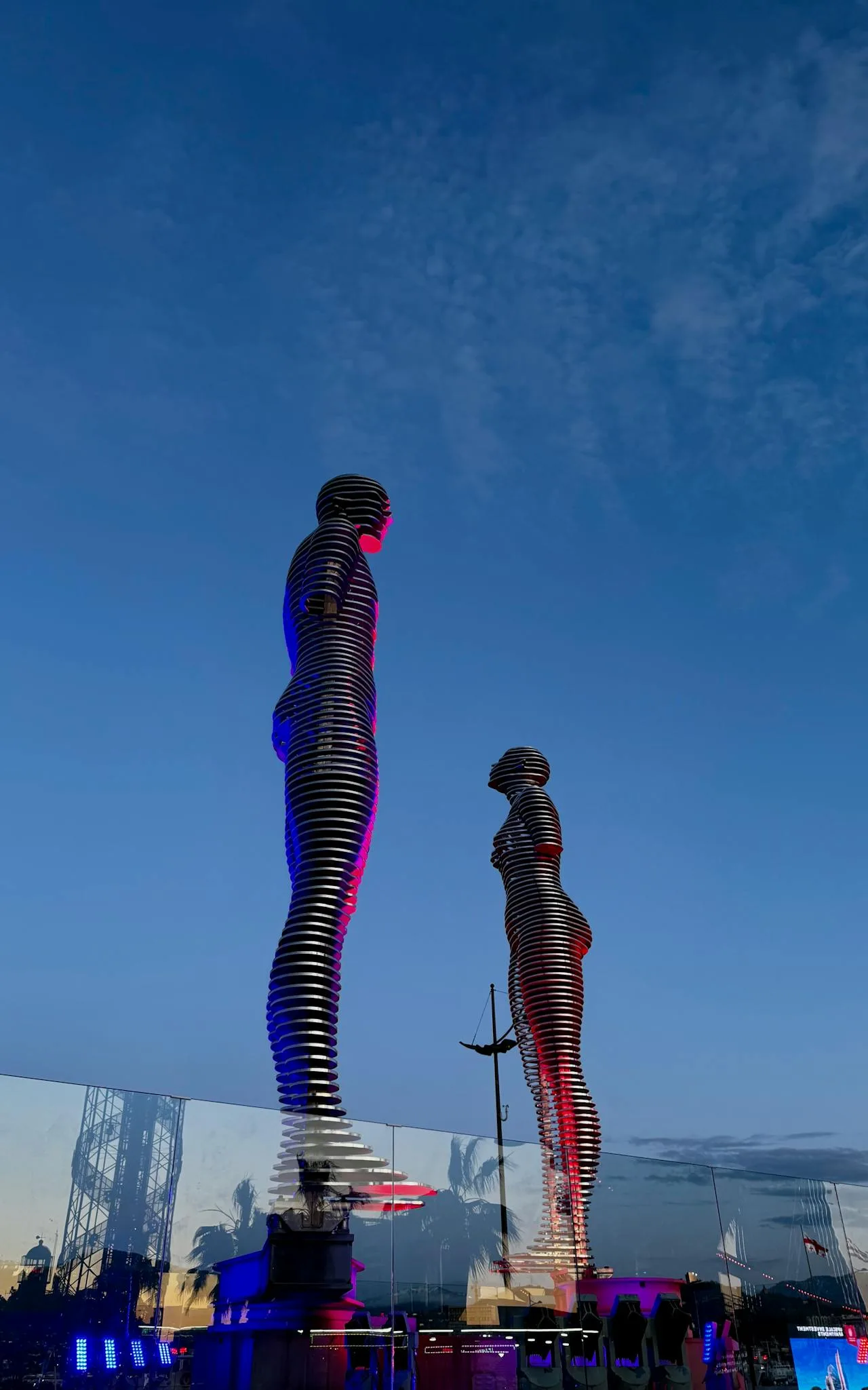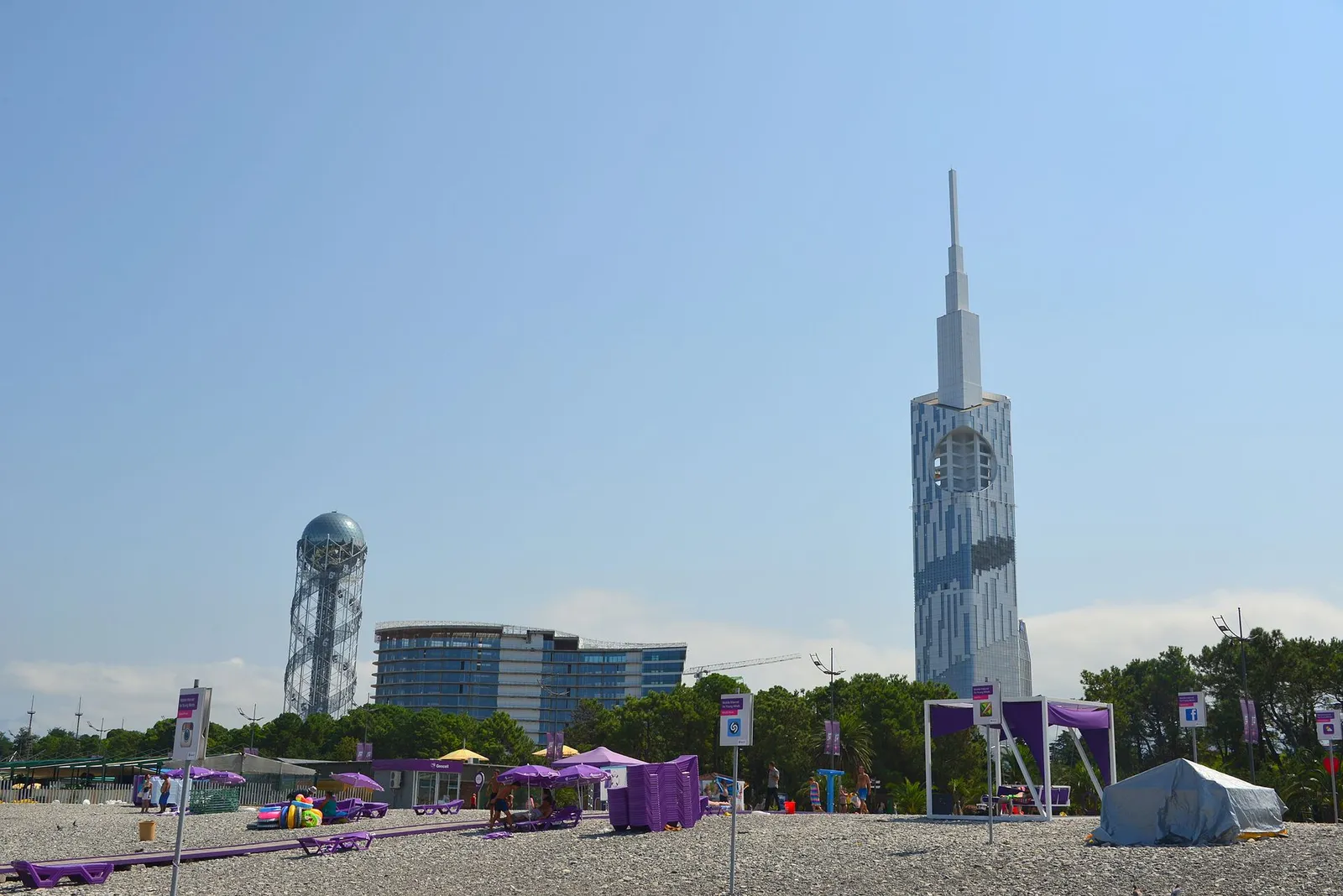
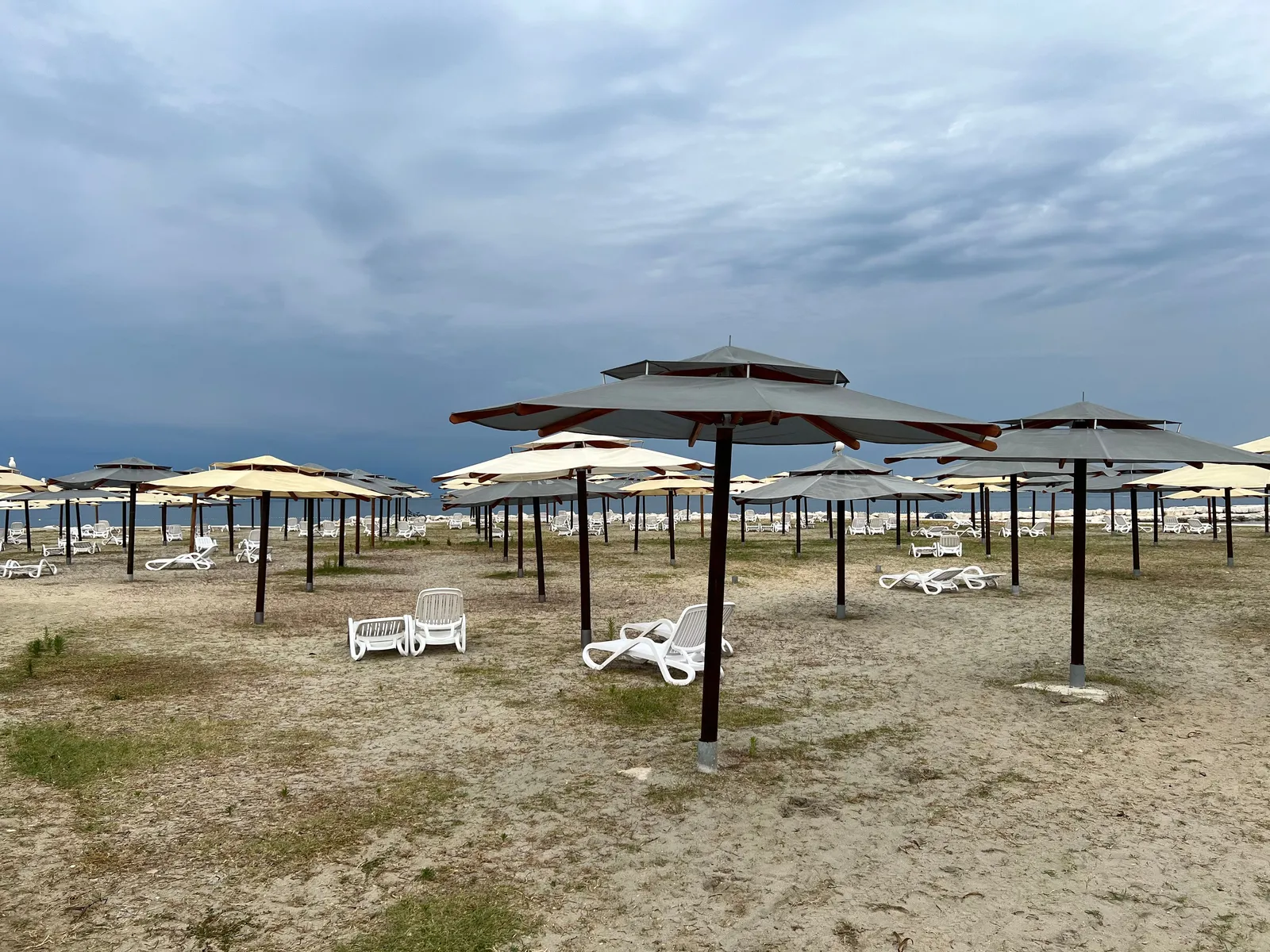
Batumi is what most visitors mean by the Georgian coast, and it is a city with a beach rather than a beach resort: pebbles, a promenade, towers, casinos and a serious dinner scene. Drive north for half an hour and the country changes. The towers stop, the sand starts, the buildings drop to two storeys, and the beach fills with Georgian families who booked the same guesthouse they book every year. There is also, further along, a stretch of dark magnetic sand that people travel to lie on. It is a quieter and cheaper coast than the city, and outside about ten weeks of the year it is closed.
What is up the coast
Sand instead of pebbles, which is the main practical difference and the reason families move north.
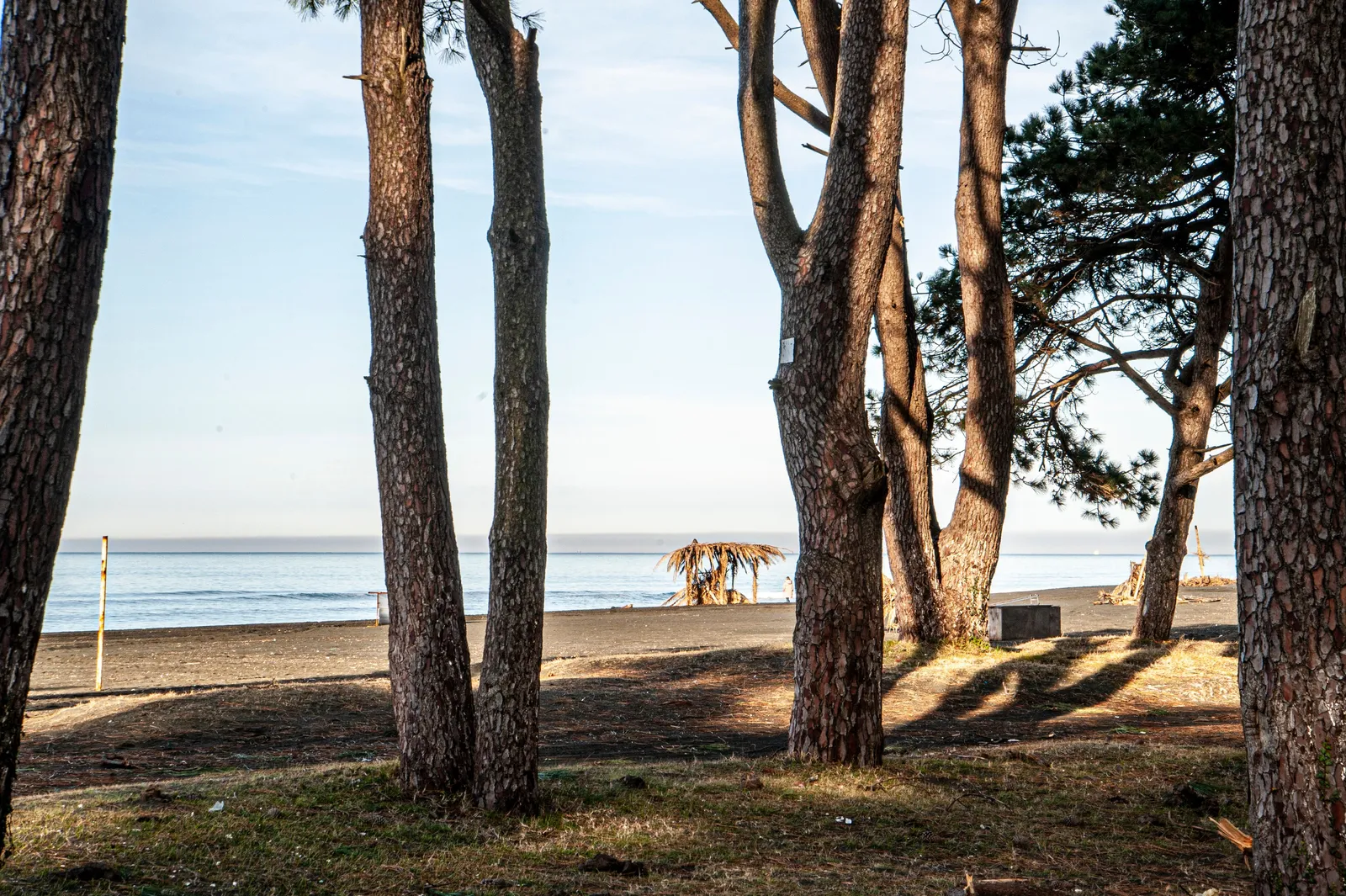
Pine forest behind the beach in several places, which is unusual on this sea.
Low rise resort towns, built for the domestic summer rather than for city breaks.
The black magnetic sand, which is the one genuinely unusual thing on this coast.
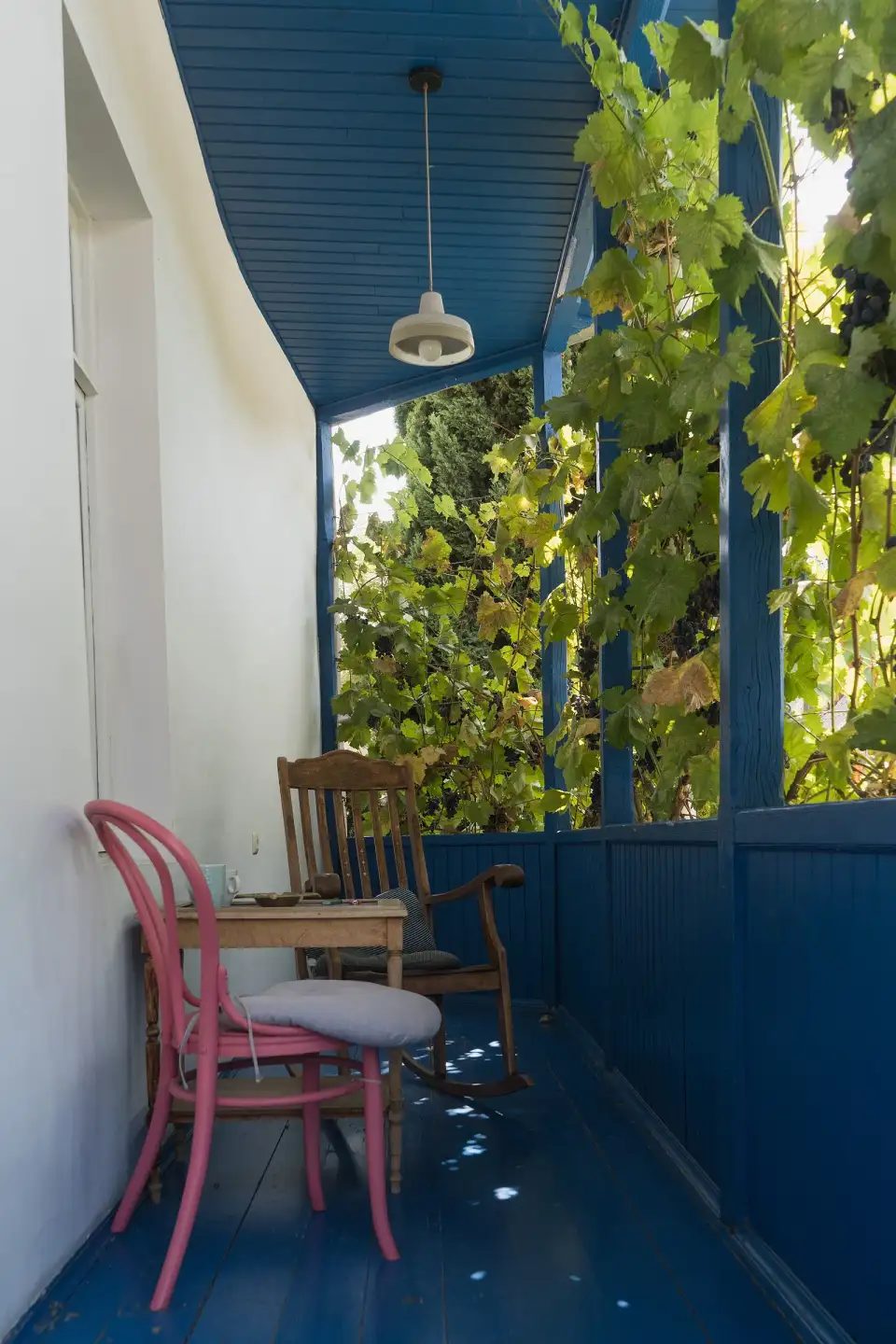
Guesthouses and apartments rather than hotels, at prices well below the city.
And considerably fewer foreign visitors, which is either the appeal or the drawback.
The magnetic sand, honestly
It is dark, fine and genuinely magnetic, which is a mineral property rather than a marketing line.
People come for it deliberately, in numbers, from across the country.
It is credited locally with health benefits, and that is a tradition rather than something we can verify.
Which means: go for the beach, which is a good beach, and treat the rest as local colour.
It gets hot, considerably hotter than pale sand, so shade and shoes matter more here.
And it is busy in season, because everybody else has heard the same thing.
Choosing a base
Batumi for restaurants, nightlife, rain plans and getting around without a car.
The sandy resorts north of it for children, quiet evenings and lower prices.
A guesthouse inland of the front in either, for a fraction of the beach road price.
The railway line as the deciding factor for anybody without a car, since it runs the length of this coast.
A split stay, two nights in the city and three up the coast, which suits most people better than either alone.
And check what is open if you are coming outside the summer weeks.
Practical notes
Beach shoes for the pebble stretches and for the hot sand on the dark beaches.
Shade, which is thinner here than the photographs suggest and expensive to rent in season.
Cash in the smaller towns, though cards are normal in Batumi.
The trains are cheap, comfortable and the easiest way along the coast.
Rain, because this is the wettest region of Georgia and the summer storms are short and heavy.
And a plan for a wet day, which the small resorts do not really provide.
Where this fits in a Georgia trip
Three or four nights as the coastal half of a western trip, or a summer week if the beach is the point.
For the city beaches and how they compare, our Batumi beaches guide covers the front.
For the city itself and what to do when it rains, our Batumi guide covers the ground.
And for whether this coast suits a family trip, our Georgia with kids guide covers the country.
The short version
Go north of Batumi for sand, quiet and lower prices, and stay in the city for restaurants, rain plans and getting around without a car. A split stay covers both. The magnetic black sand is a genuinely unusual beach and the health claims around it are local tradition rather than medicine, so go for the swim. Book early for the summer weeks and inland of the beach road for the price, take the train because it runs the length of the coast, and check what is actually open if you are coming outside the season, because a lot of it is not.