If Tbilisi is Georgia’s old soul, Batumi is its holiday alter ego: a subtropical Black Sea city where palm trees line a long seafront promenade, the skyline mixes belle-epoque facades with wildly modern towers, and the whole place shifts into a warm, easy summer gear. It is Georgia’s beach capital and its most playful city, and it makes the perfect counterpoint to a trip built around mountains and vineyards. Here is how to enjoy it.
The boulevard, the beating heart
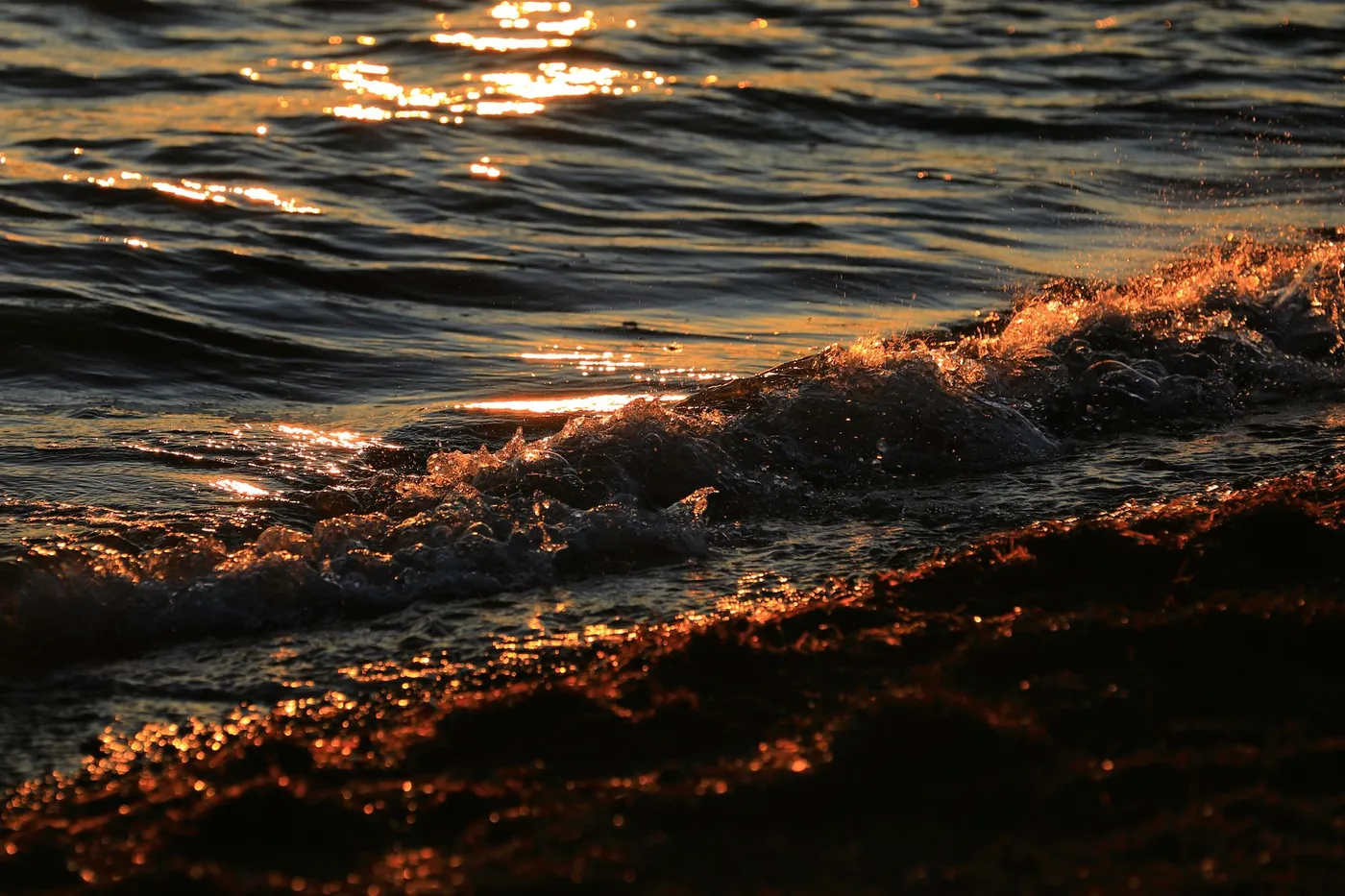
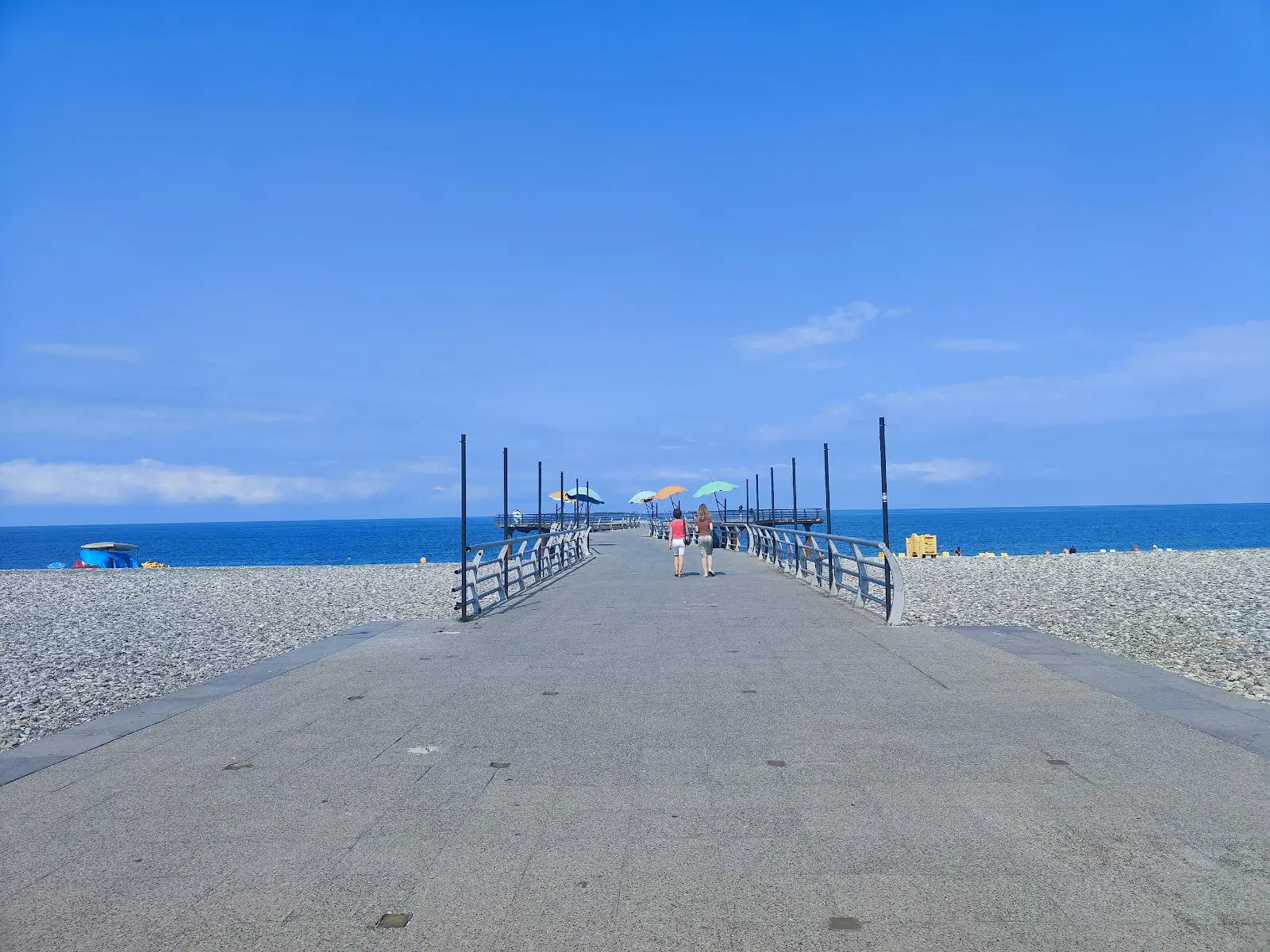
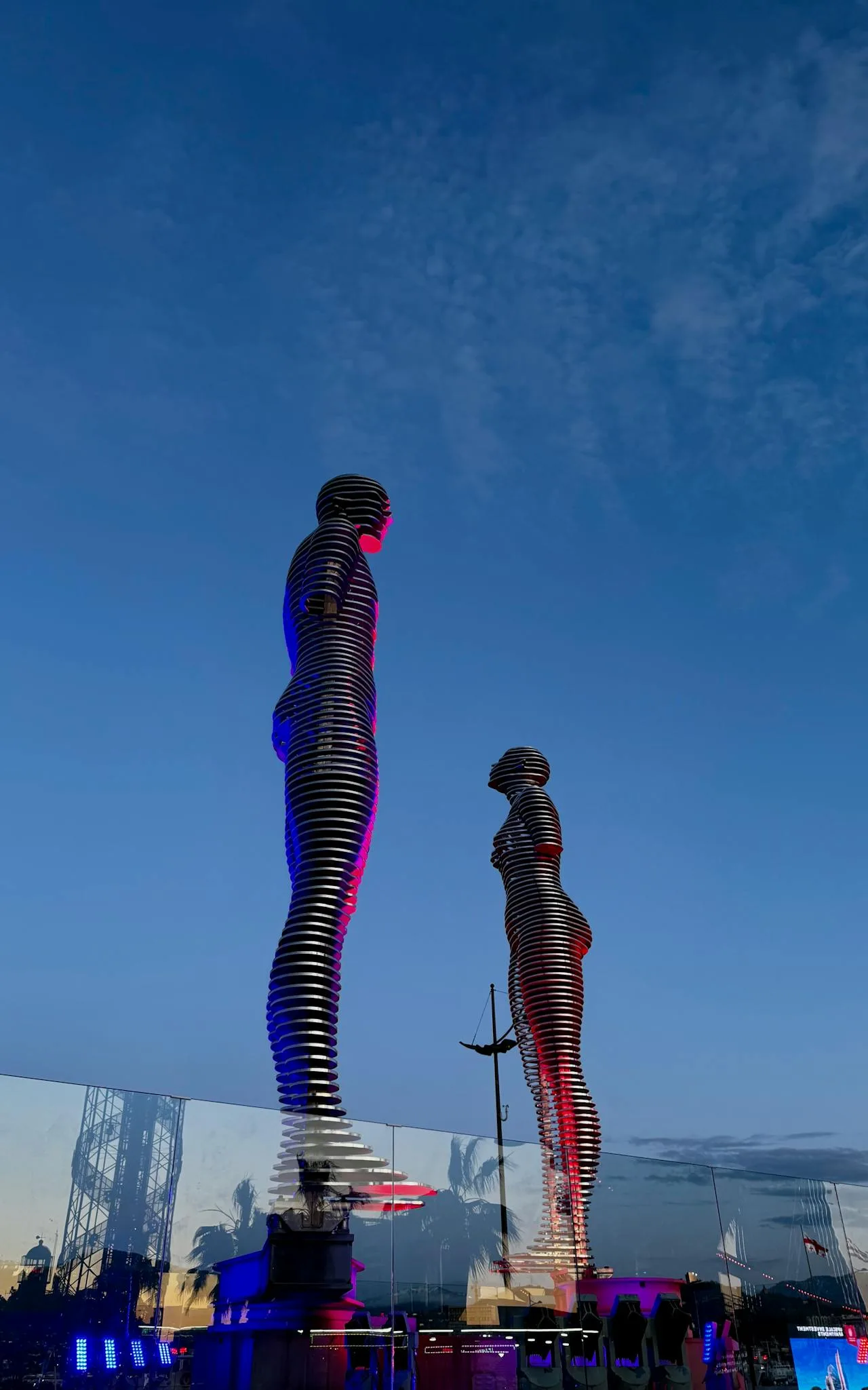
Everything in Batumi orbits the boulevard (Bulvari), a landscaped seafront promenade that runs for kilometres along the pebble beach, shaded by palms and dotted with cafes, fountains, sculptures and cycle paths. Walk it in the early evening when the whole city comes out to stroll, rent a bike or a four-wheeled family pedal-cart, and watch the sun drop into the Black Sea. The famous moving Ali and Nino statue, two figures who slowly pass through each other, sits along the way and is best caught at dusk.
The skyline and old town
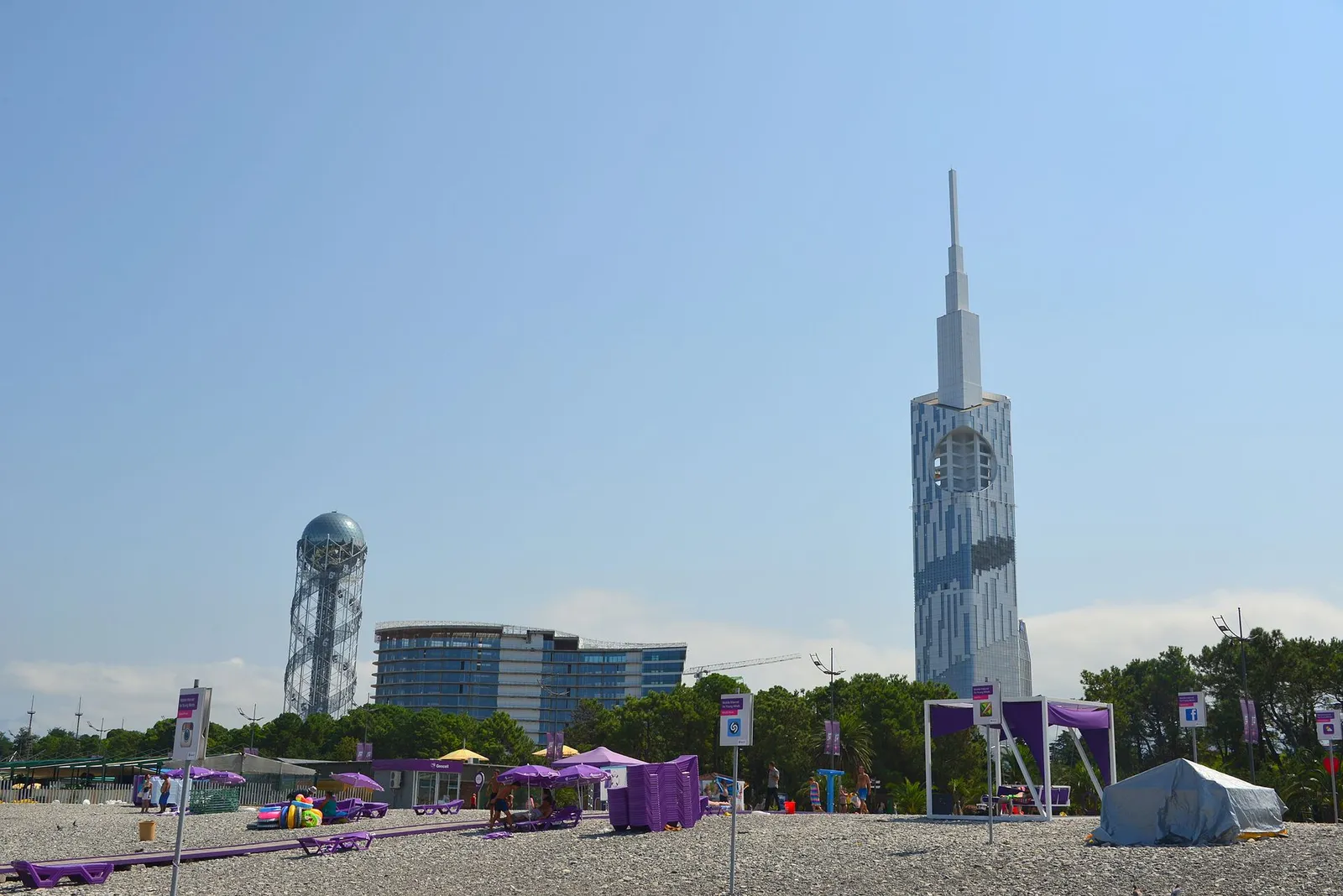
Batumi’s centre is a fun collision of eras. The compact old town around Piazza Square has restored 19th-century facades, wrought-iron balconies and a Venetian-style piazza that hums with restaurants and live music at night. A short walk away, the skyline turns futuristic: the spiralling Alphabet Tower celebrating the Georgian script, the sail-like hotels, and a Ferris wheel bolted into the side of a skyscraper. Ride the Argo cable car up to the ridge above town for the best overview of the coast, the towers and the green hills rolling inland.
Beaches, in town and beyond
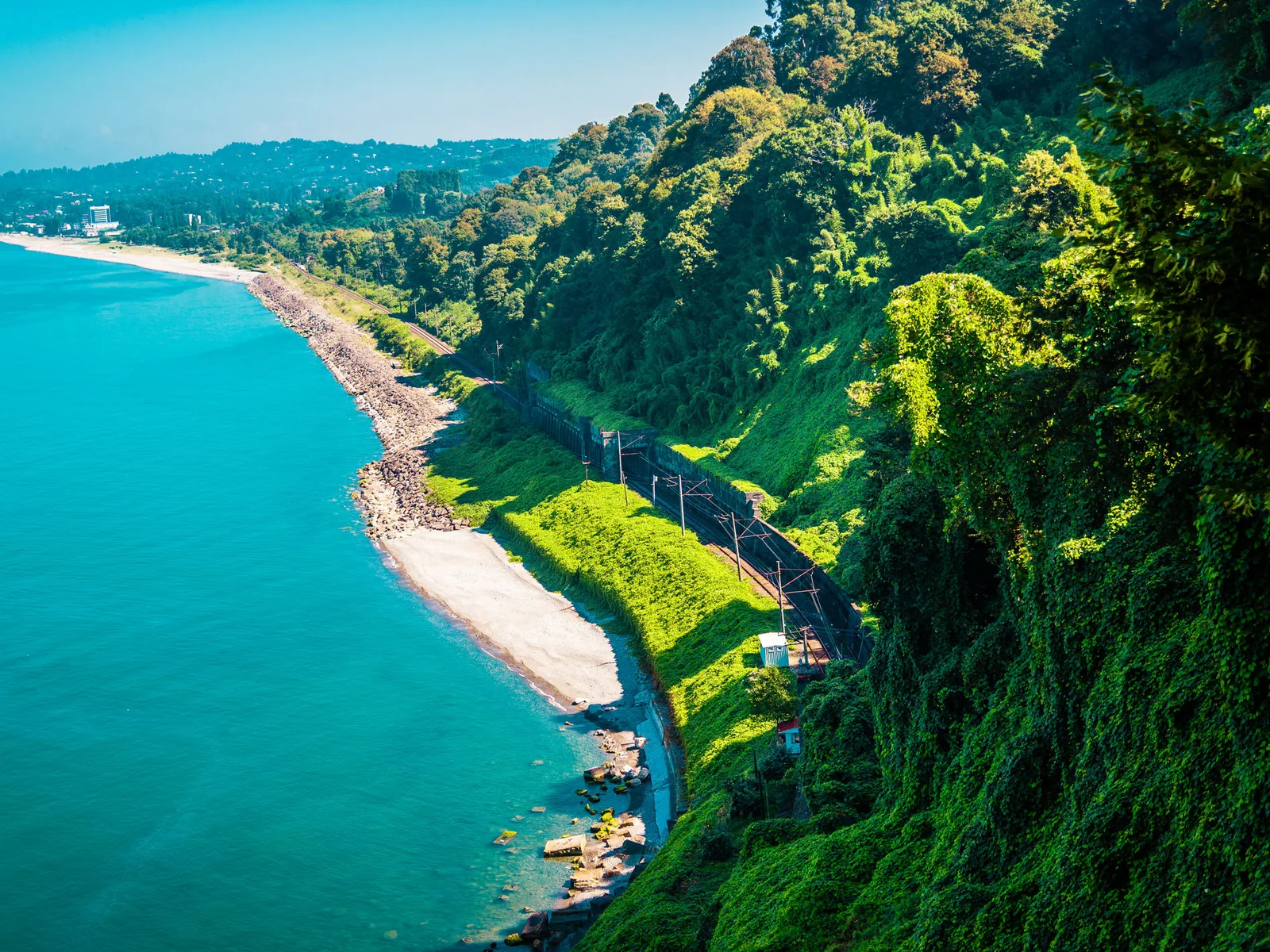
Batumi’s beaches are pebble, not sand, which keeps the water clear but makes water shoes a smart pack. The main city beach runs right along the boulevard, backed by beach clubs and bars in season. For quieter, cleaner sand and shallower water, head a short drive north to Kobuleti, or to Ureki, famous for its black magnetic sand that families love. The swimming season runs from roughly June to September, when the sea is genuinely warm.
Adjaran khachapuri and eating by the sea
You came to the right city to eat. Batumi is the home of Adjaran khachapuri, the boat-shaped cheese bread topped with a runny egg and a generous knob of butter that you stir into the molten centre and tear off with pieces of the crust. Order one at least once, ideally overlooking the water. The coast also does superb fresh Black Sea fish, grilled whole and served simply, plus all the Georgian classics. The old town and the streets just back from the boulevard are your best hunting grounds.
Take a food and old-town walk in BatumiA local guide finds the best Adjaran khachapuri and hidden courtyards in an afternoonThe botanical garden and green Adjara
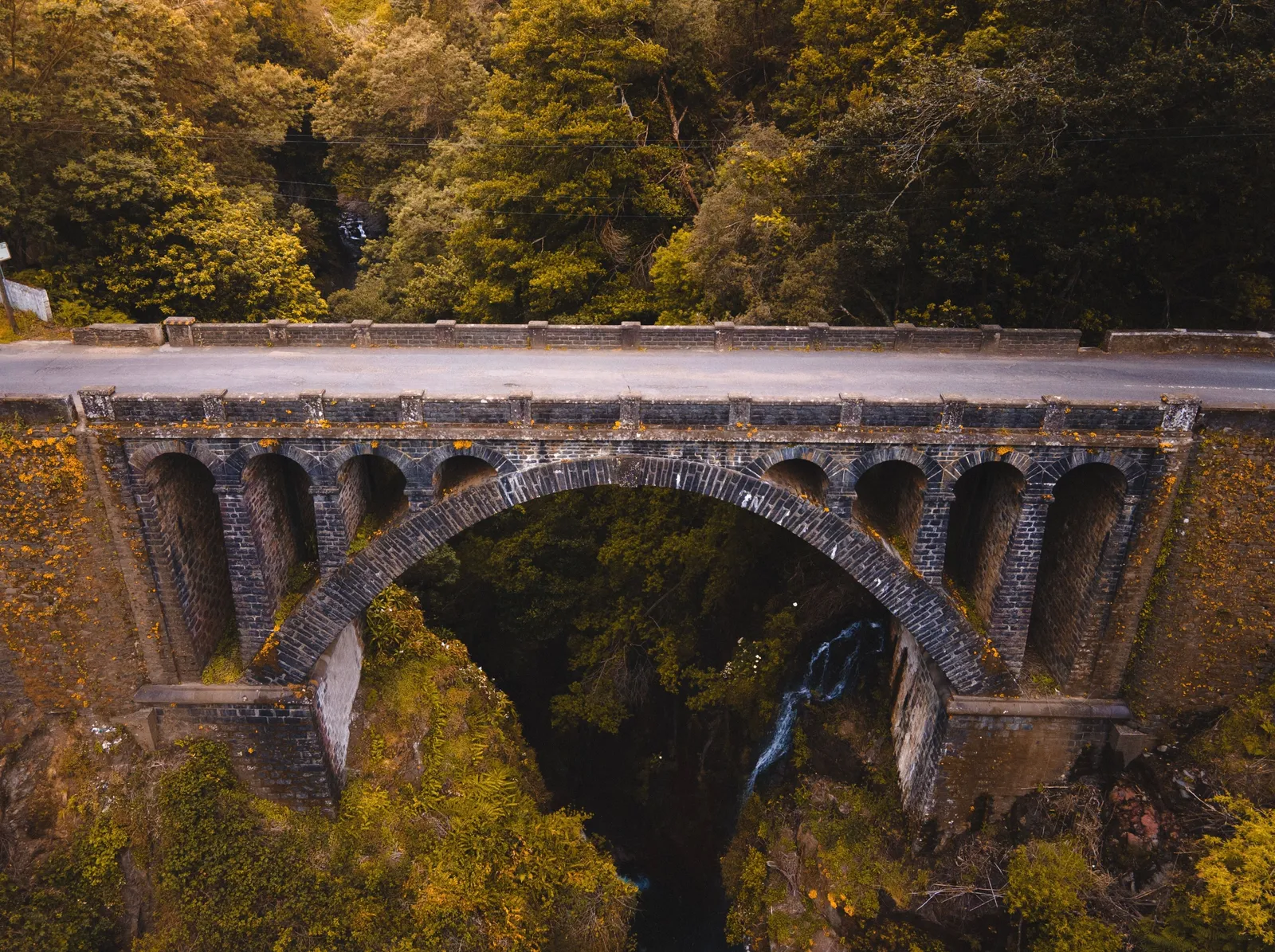
Batumi is subtropical, and the landscape just outside the city is lush and mountainous. The clifftop Batumi Botanical Garden, a short drive north, tumbles down toward the sea through bamboo groves, magnolias and viewpoints, and is worth half a day on its own. Inland, the province of Adjara climbs into green hills threaded with rivers, stone arch bridges, waterfalls and old villages. A day trip up toward the Machakhela or Mtirala national park areas trades the beach buzz for cool forest, tea plantations and mountain quiet, a lovely contrast.

Nightlife and the summer buzz
In summer, Batumi stays up late. Piazza Square and the old town fill with diners and live music, the boulevard’s beach clubs turn into bars, and the casinos and rooftop lounges give the city a mini-resort energy after dark. It is louder and more hedonistic than anywhere else in Georgia, in the best holiday sense. Even if clubbing is not your thing, an after-dinner stroll along the illuminated seafront, ice cream in hand, is a perfect way to end a Batumi night.
How to fit it into a trip
Batumi rewards two to three nights, enough for a beach day, the boulevard and old town, a food crawl and a green day trip inland or up the coast. It pairs naturally with the rest of Georgia: the fast double-decker train from Tbilisi is a comfortable, scenic and cheap way to arrive, running in daylight and taking around five hours, or you can fly into Batumi’s own airport. A handful of overnight services also run in peak summer, but the daytime train is the reliable one and the one worth building your plans around, so check current timetables before you book. Slot it in after the mountains and wine country and it becomes the relaxed, sun-warmed finale to a Georgia trip, the place you unwind before you fly home already planning the next visit.
Where to base yourself
Where you sleep shapes your Batumi days. Staying on or just behind the boulevard puts the beach, the cafes and the evening promenade on your doorstep, ideal if sea and sunsets are the priority, and many towers here offer high-floor rooms with sweeping Black Sea views. The old town around Piazza Square is more atmospheric and walkable, thick with restaurants and nightlife, better if you want character over a beach view. Families often prefer the quieter sands a short drive north at Kobuleti or Ureki, trading the city buzz for calmer, shallower water. Whatever you choose, book early for July and August, when the good-value rooms vanish first.
The beaches, honestly
The single most common surprise in Batumi is the beach itself, so it is worth being straight about it.
The coast here is pebble, not sand, and the city beach is a wide bank of smooth stones rather than the resort image people arrive with. The water is clean, the sunsets are excellent and the whole strip is backed by the boulevard’s shade, cafes and cycle path, which is genuinely more pleasant than most sand beaches offer. What it is not is soft underfoot.
Two practical consequences. Water shoes turn the experience from awkward to easy, and they are sold everywhere locally if you did not pack any. And families with small children often prefer the calmer, shallower stretches of coast further north, where the water shelves more gently and the atmosphere is quieter.
The sea itself is the other variable. The Black Sea here warms through the summer and is at its best in the second half of the season, and the coast gets noticeably more rain than inland Georgia, which is the price of all that greenery. The individual stretches differ more than they look: some suit swimming, some suit sunsets, and the quieter coast north and south of the city is the answer when the city beach fills up.
The Adjaran table
Batumi eats differently from the rest of the country, and it is one of the best reasons to come.
The famous dish is the local khachapuri, the boat-shaped bread filled with molten cheese and finished with butter and a raw egg that you stir into the middle before tearing off the crust to dip. It is enormous, it is not subtle, and it is the single most photographed plate in Georgia. One between two is plenty.
Beyond it, the coastal kitchen leans on dairy, cornmeal and fish in a way the inland regions do not, with cheese-and-cornmeal dishes that are pure mountain comfort food and the freshest fish in the country grilled simply by the sea.
The rhythm is worth matching too. Lunch is long, dinner is late, and the boulevard restaurants fill from mid-evening onward through the summer. Eating early means eating alone.
Where Batumi fits, and who it suits
Batumi is not a substitute for the rest of Georgia, it is a contrast to it, and the trips that work best treat it that way.
The natural shape is the coast last. Mountains and wine country ask something of you; Batumi asks nothing, which makes it the right finale rather than the opening act. Two or three nights is the sweet spot, long enough for a beach day, the boulevard, a food crawl and one green day inland.
For a first trip to Georgia, the honest advice is that Batumi is optional in a way Tbilisi and the mountains are not, and it earns its place if you are travelling in summer or want a genuine break in the middle of an active itinerary. Our first-time guide to Georgia sets out how the regions fit together and how much time each really needs.
For a contrast that costs less travel, the wine country is the other direction and the other mood entirely, valleys and cellars and long lunches instead of sea and neon. Choosing between the coast and the vineyards is largely a question of the season you are travelling in.
Practical tips for the coast
A few things make a Batumi visit smoother. The weather here is wetter than inland Georgia, thanks to the subtropical climate, so even in summer pack a light layer for the odd shower. Water shoes are genuinely useful on the pebble beaches. The city is compact and flat, perfect for a rented bike along the boulevard, and cheap ride-hailing covers anything further. And because Batumi runs late in season, plan your big sightseeing, the botanical garden, the cable car, an inland day trip, for the mornings, then ease into the boulevard-and-dinner rhythm as the heat drops and the city lights up.
Most visitors reach the coast by road, and the run across the country is one of the longer drives in Georgia rather than a hop, with mountain sections either side of the flat middle. Our guide to driving in Georgia covers what the roads are actually like, the licence question and the habits worth adopting before you set off.
And if the mountains behind the city are the part that interests you, our five days in Adjara pairs the boulevard and the botanical garden with the Machakhela bridges, the Mtirala rainforest, the tea terraces and the Goderdzi pass.
For the road inland rather than the coast road, our guide to the Goderdzi pass covers the stone bridges, the wooden villages and the high pasture behind the city.
If you are still deciding whether the coast deserves the nights at all, that is a fair question and it has a seasonal answer rather than an absolute one. Our comparison of Batumi and Tbilisi puts the two side by side on atmosphere, food, cost and who each suits.