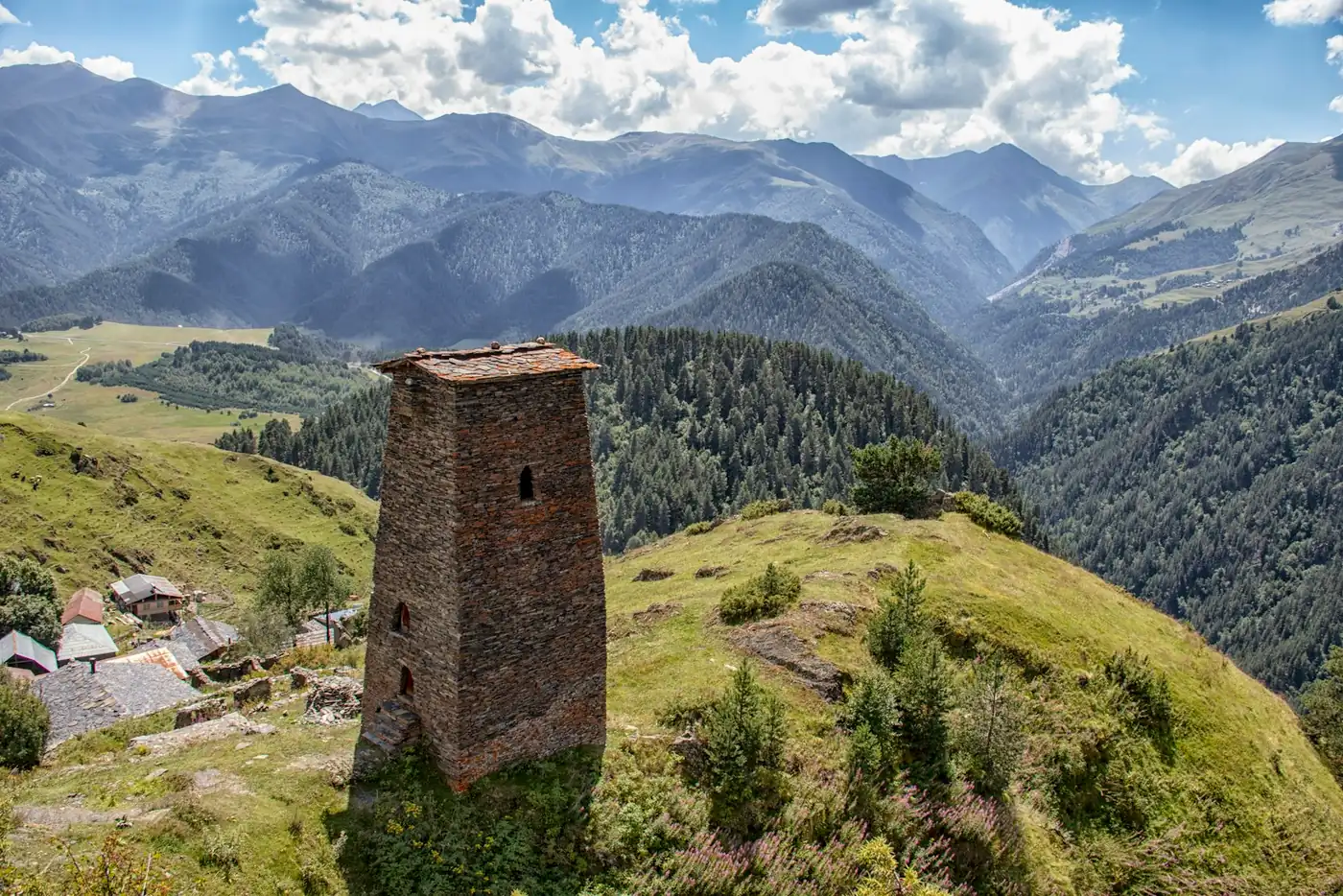
Tusheti is the hardest place to reach in Georgia and the one people talk about for years afterwards. It sits in the far north east against the Russian border, and the only road in crosses the Abano pass at around two thousand eight hundred and fifty metres on an unpaved track with no barrier, which is why it is open for roughly four months of the year and why almost everyone hires a local driver rather than attempting it themselves. What waits on the other side is a region of slate villages and defensive towers with a few hundred people living in them through the summer, no mains electricity in most of it, and pasture that the shepherds have used for centuries. Read the driving rules before you plan this, and our off the beaten path guide for the wider context.
Itinerary at a glance
| Day | Base | The signature experience |
|---|---|---|
| 1 | Telavi or Alvani | The last comfortable night before the pass |
| 2 | Omalo | The Abano pass road, then the Keselo towers at dusk |
| 3 | Dartlo | The slate village and the walk up to Kvavlo |
| 4 | Dartlo or Omalo | The Pirikiti valley towards Parsma and Girevi |
| 5 | Kakheti | Back over the pass and down into the vineyards |
Day 1: Getting into position
Tusheti starts in Kakheti. The road up leaves from Pshaveli near Alvani, and since the crossing takes most of a day you want to sleep at the bottom of it rather than drive from Tbilisi in the morning. Telavi is the comfortable choice and gives you an afternoon in the wine country and a proper dinner before several days of simple food.
Use the evening to sort the logistics, because they are the whole trip. Confirm the driver, confirm the guesthouse in Omalo, draw enough cash for the entire stay, and download offline maps. There are no machines up there, no reliable signal in much of the region, and guesthouses take cash only. Ask your driver what time they want to leave; most start early to be over the pass before the afternoon weather.
Food: eat well in Telavi, since this is the last restaurant meal for four days. The signature experience: the ordinary luxury of a hot shower and a menu, which you will think about on day three. Optional tour: many visitors book the whole thing as a package from Tbilisi with driver, guesthouses and a guide, which for this region is a reasonable way to do it.
Day 2: The pass
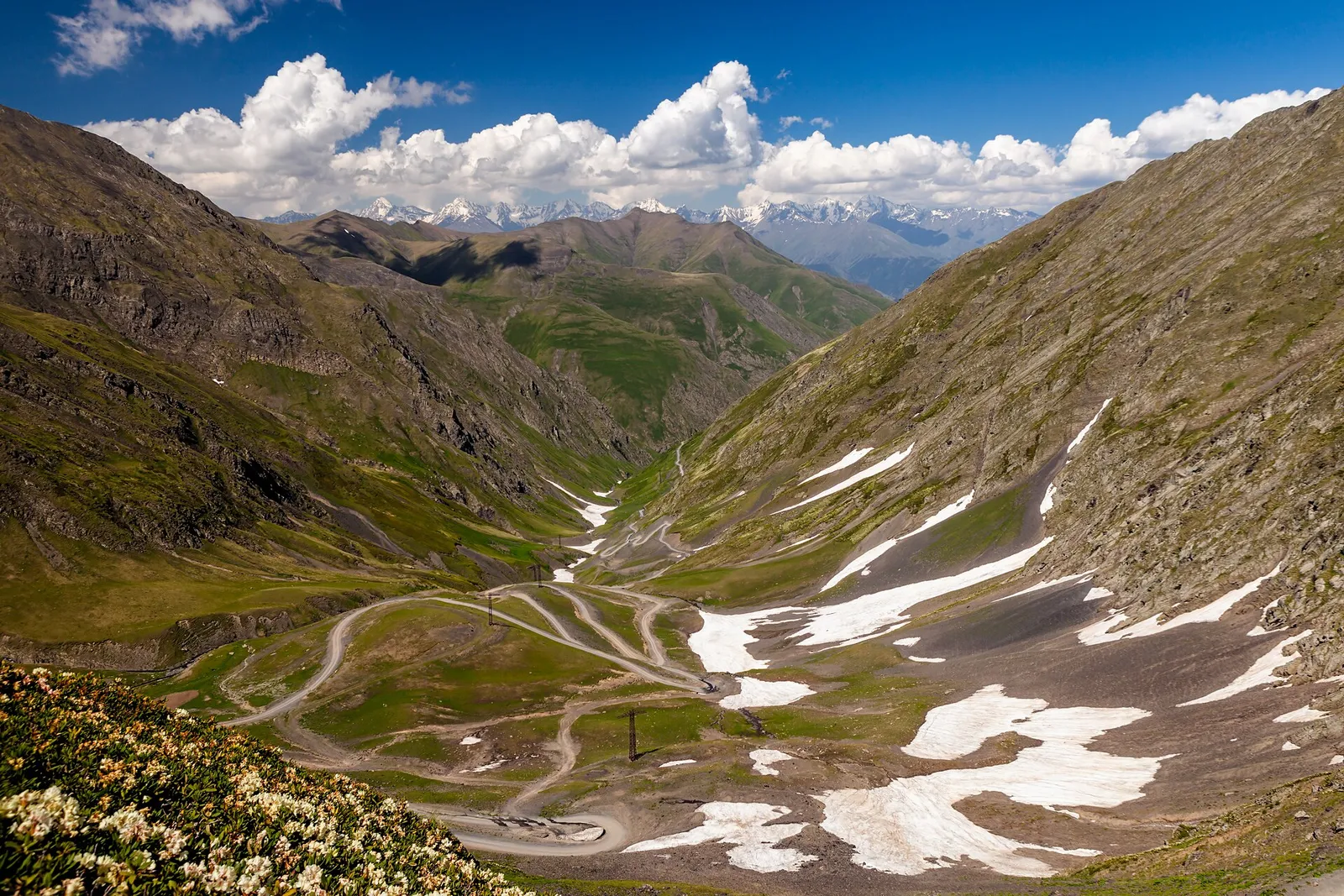
The drive is the reason and the risk. From the valley the track climbs in a long series of switchbacks with a drop on one side and no barrier, crosses the Abano pass at close to two thousand nine hundred metres, and then descends into the Tusheti side for another couple of hours. It takes most people around five to six hours in a four wheel drive, longer if there is traffic at the passing places, and it is genuinely spectacular in a way photographs do not carry.
Omalo, at the far end, is two villages: the lower one with most of the guesthouses, and Upper Omalo on the shoulder above it with the Keselo towers, a group of restored stone defensive towers with a tiny museum inside one. Walk up in the evening. The light on the towers at dusk with the valley below them is the picture everyone comes back with, and after a day in a vehicle the climb is welcome.
Food: your guesthouse dinner, which will include khinkali and probably kotori, the Tushetian cheese pie, and the local beer, which is brewed here rather than trucked in. The signature experience: the Keselo towers at last light. Optional tour: none needed today; the driver is the tour.
Day 3: Dartlo and Kvavlo
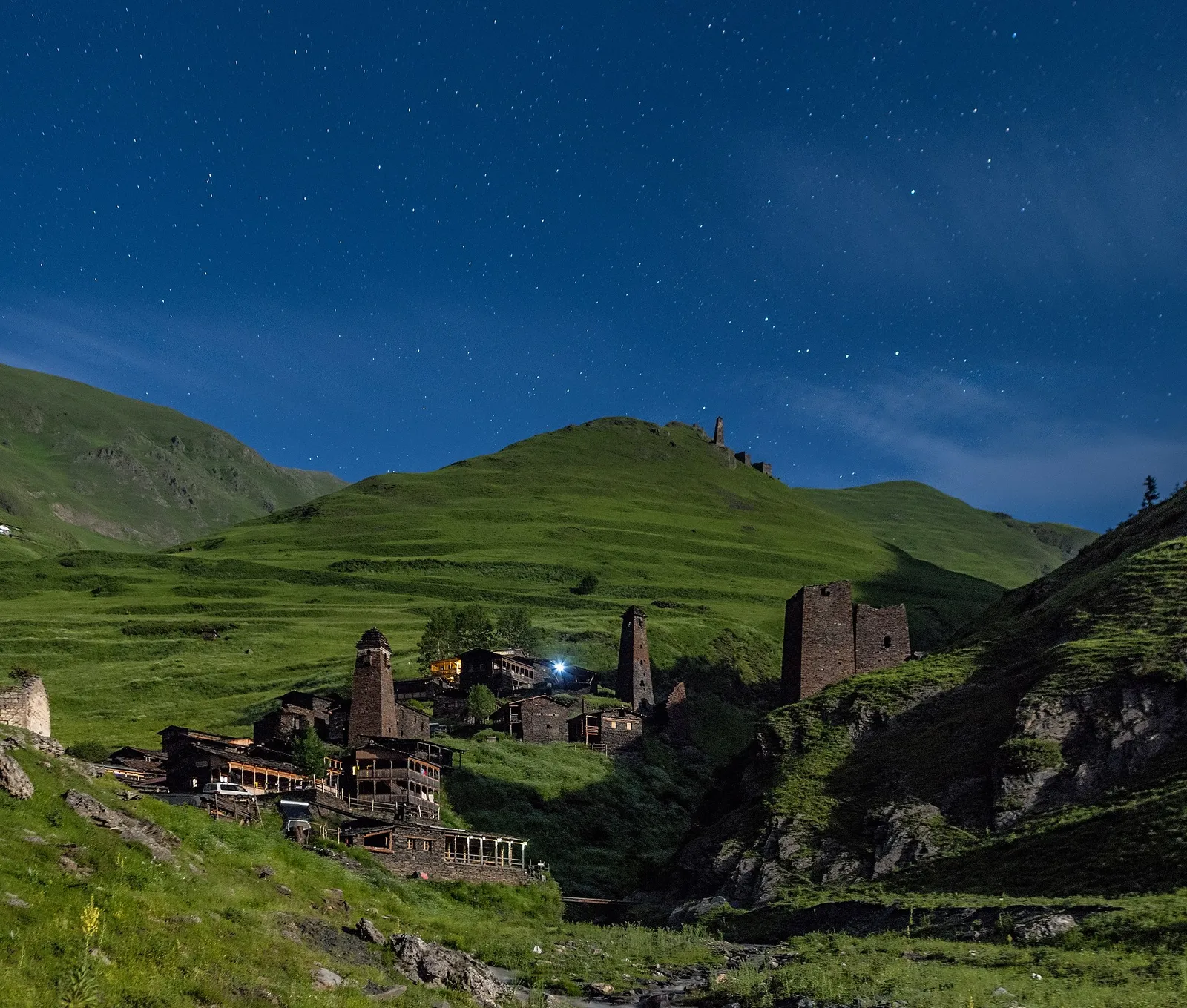
Dartlo is the most photographed village in Tusheti and it earns it: slate roofed stone houses along a river, towers standing among them, a small church above and a set of stone seats where village disputes were once settled. It is around an hour and a half from Omalo by vehicle on another rough track, or a long and beautiful walk if you would rather do it on foot.
From Dartlo, the climb to Kvavlo takes about an hour up a steep path and puts you level with a single tower on a shelf above the valley, looking down at the slate roofs. It is the best short walk in the region. Stay the night in Dartlo if you can, because the village empties of day visitors in the late afternoon and what is left is the sound of the river and somebody’s cattle.
Food: guda cheese, matured in a sheepskin, which is sharp and very good, with bread and honey. The signature experience: the view down onto Dartlo from the tower at Kvavlo. Optional tour: local guides in Omalo walk this and know which houses take guests, which is worth more than a map here.
Day 4: Up the Pirikiti valley
The Pirikiti Alazani runs west from Dartlo towards the border, and the villages along it get smaller and older as you go: Chesho, Parsma with its towers on a spur, and Girevi, which is the last settlement and the point where a border permit becomes relevant for anyone going further. This is a walking day rather than a driving one, and the track is mostly gentle, following the river with the valley narrowing around you.
Two things make this the day people remember. The first is that you will pass shepherds and their dogs, and the dogs here are large, serious and working; walk around a flock rather than through it and let the shepherd call them off. The second is the emptiness. There is no infrastructure between the villages, no phone signal for stretches of it, and the ratio of people to landscape is unlike anywhere else in Europe.
Food: take what you need from the guesthouse in the morning, because there is nothing to buy on this walk. The signature experience: the towers at Parsma with the valley closing in behind them. Optional tour: a guide is genuinely useful here for the river crossings and for reading the weather, which moves quickly.
Day 5: Back over
The return is the same road and it does not feel the same, partly because you know what it is and partly because the light is different in the morning. Leave early. Weather closes this pass at short notice, and an afternoon storm on the descent is the thing your driver is trying to avoid.
Down in Kakheti the change is abrupt: within two hours you go from stone villages at two thousand metres to vineyards, restaurants and paved roads. That contrast is worth using rather than rushing through. Stop in Alvani or Telavi for a long lunch, and if you have the time, spend the night in the wine country and let the trip decompress before Tbilisi. Our Kakheti itinerary picks up exactly here if you want to keep going.
Food: the first proper meal back down, which after four days of mountain food tastes like a celebration. The signature experience: the moment the pass releases you onto the Kakheti side. Optional tour: if you booked a package, this is where it ends; if not, confirm the return with your driver on day one rather than day four.
Practical tips
- The road is open roughly from June to early October and the dates move every year with the snow. Nothing about this itinerary works outside that window, and our seasonal guide covers the rest of the year.
- Hire cars are almost universally prohibited from this road by the rental agreement, and an ordinary car cannot do it. Use a local four wheel drive with a driver; see our car hire guide for what the contracts say.
- Carry all the cash you will need. There are no machines in Tusheti and guesthouses do not take cards; money and payments has the detail.
- Electricity in most guesthouses is solar and limited. Bring a power bank and expect the lights to go off early.
- Travel insurance matters more here than anywhere else in the country, because evacuation from these valleys is slow and expensive.
- Sheepdogs are working animals, not pets. Keep your distance, do not run, and let the shepherd handle them.