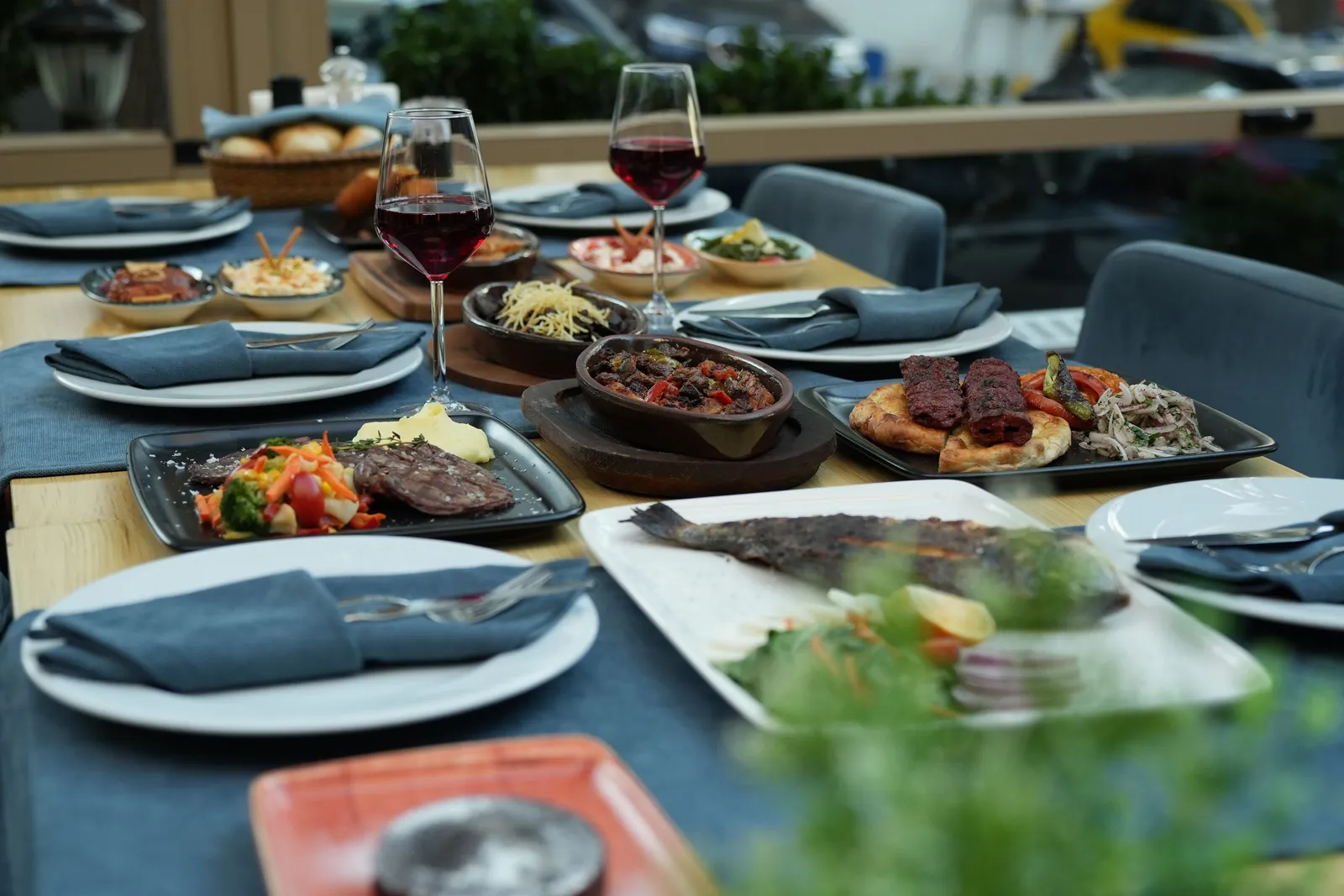
At some point in Georgia somebody will sit you at a long table, cover it in more food than the table can hold, and then stop you from drinking any of the wine in front of you until a man at the head of the table has finished speaking.
This is the supra, and it is the most characteristic thing that happens in this country.
What is on the table
Everything, at once. Georgian service is not sequential. Dishes arrive and stay, plates are stacked on plates, and the table is full from the beginning to the end.
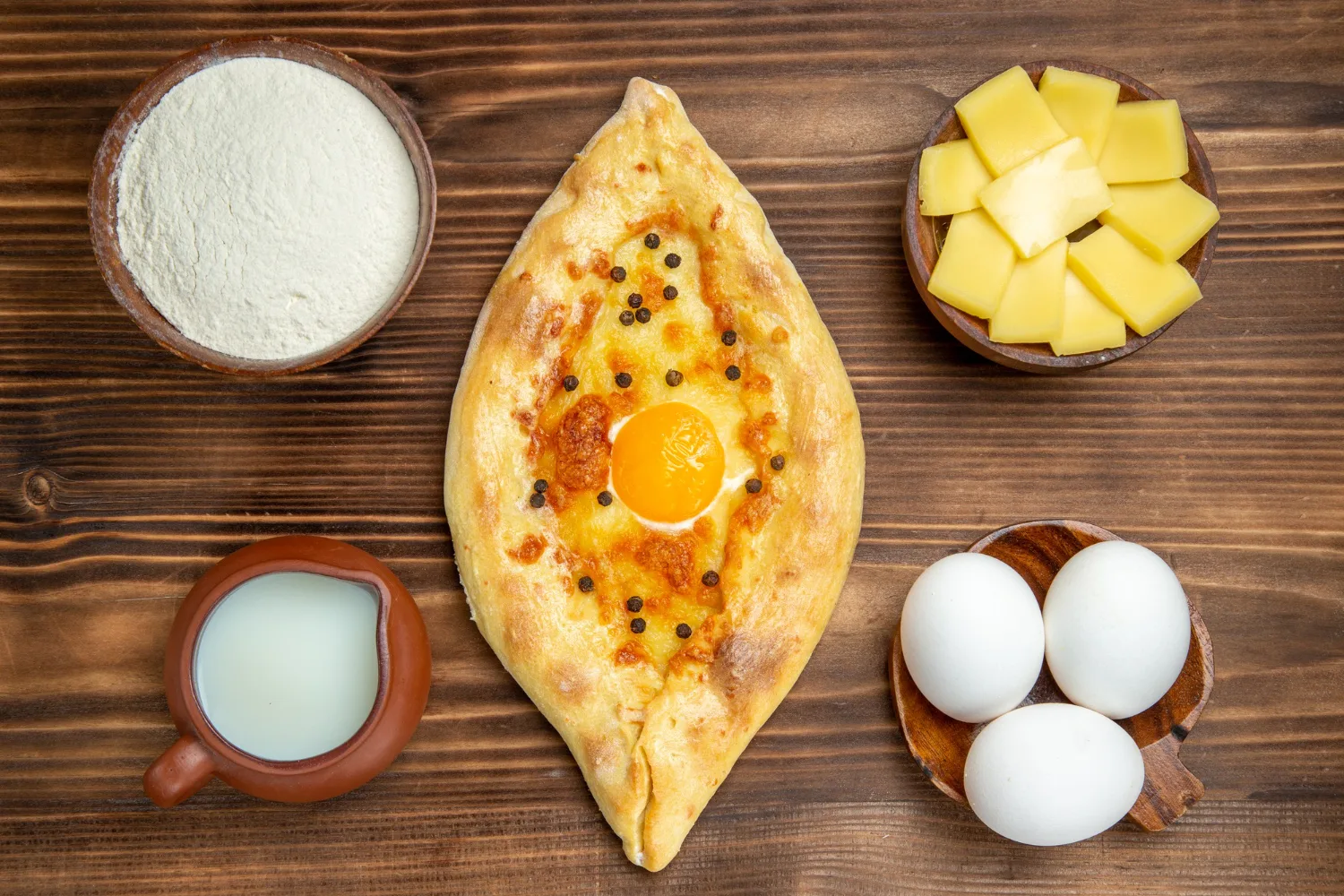
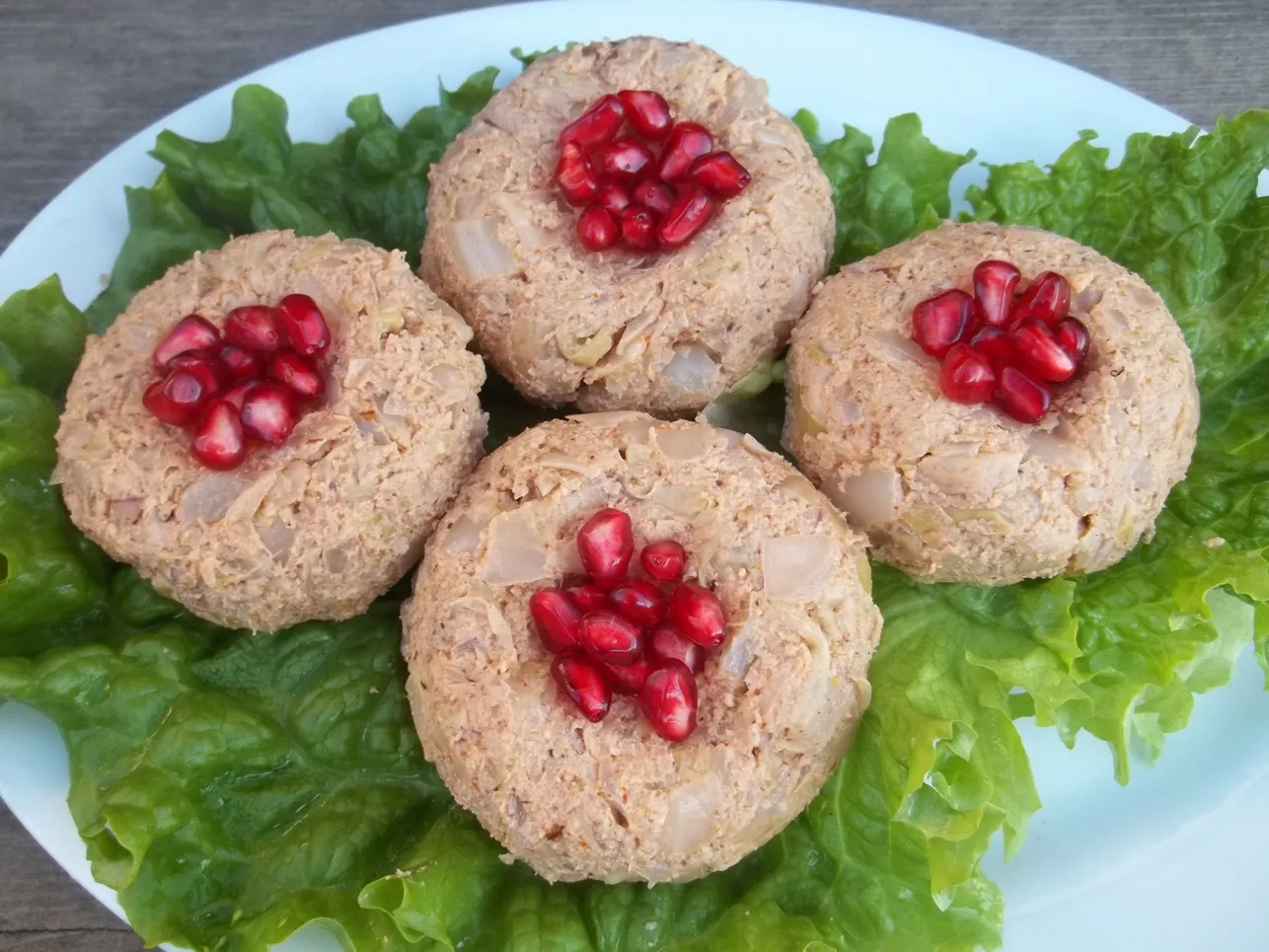
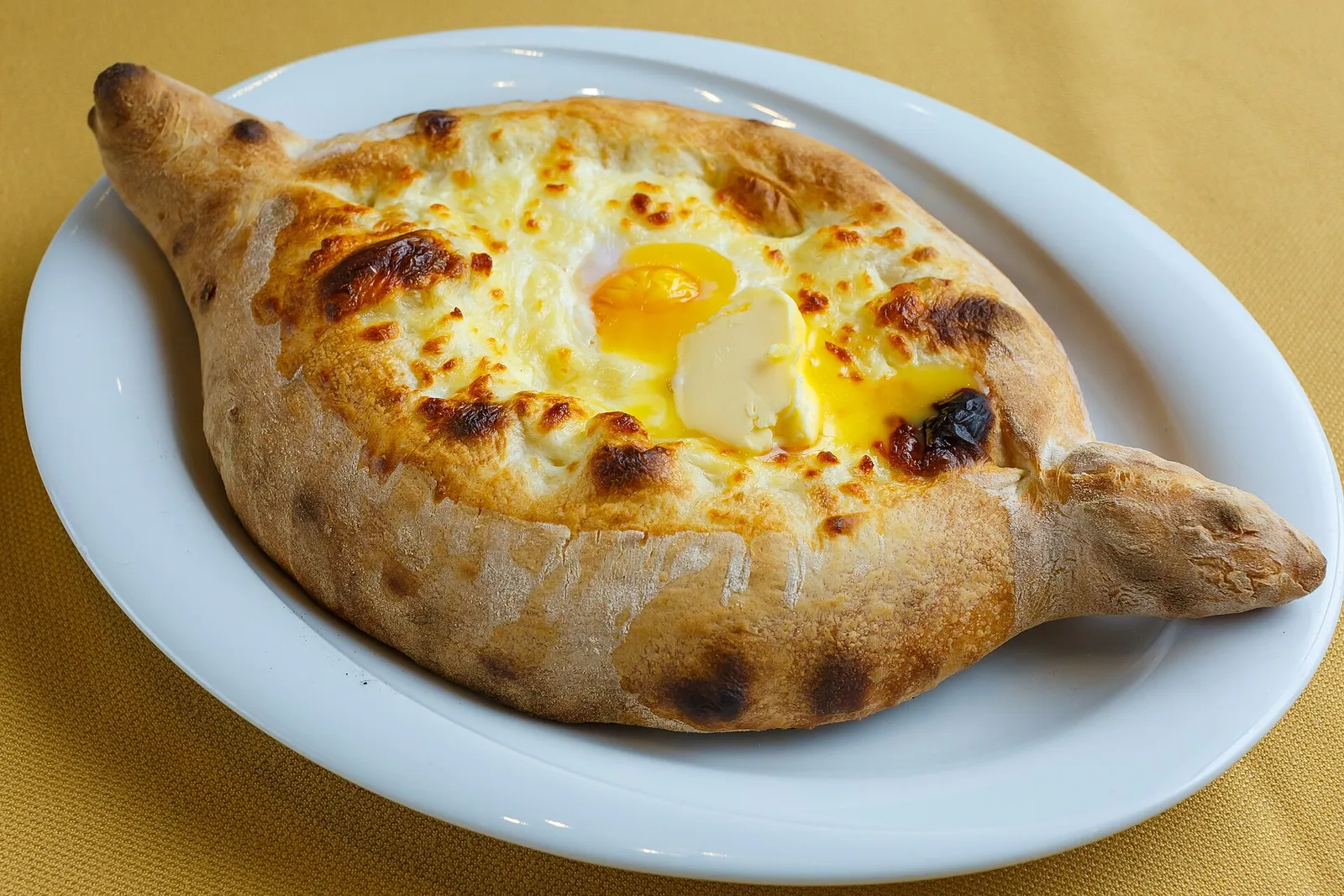
Cold dishes first and permanently: walnut pastes, aubergine rolls, salads, cheeses, bread.
Hot dishes added on top, literally, as they come out.
And it does not stop at the point where a visitor thinks the meal has finished. That point is usually about halfway.
The tamada, who runs the evening
This is the part that is genuinely unlike anywhere else.
A tamada is appointed for the occasion, and he is the toastmaster. He proposes each toast, speaks to it, sometimes at considerable length, and decides when the table moves on.
🔑 Nobody drinks between toasts. That is the rule that reorganises the whole evening. The wine in front of you is not yours to sip at will; it belongs to the next toast.
The effect is that the meal has a structure and a pace, and that the drinking is punctuated by speech rather than continuous.
The toasts, and why they are not small talk
There is a customary sequence rather than a script, and it varies by region and household. Broadly it opens with peace, moves through the occasion itself, the family, those who have died, children and the future, and the guests at the table.
They are serious. A toast to the dead is not a formality here, and the room goes quiet for it.
They are also long. A tamada may speak for several minutes on a single toast, and the better ones are genuinely eloquent.
⚠️ What visitors get wrong is treating the sequence as a warm up to drinking. It is the other way round: the wine is there to mark the words.
How to take part
Raise your glass every time, whether or not you drink from it.
You do not have to empty it. This is the point most visitors worry about unnecessarily. Declining to finish is understood; declining to participate is what reads as coldness.
Say early if you do not drink or are driving, warmly and once. It is accepted without fuss and far better than quietly leaving a full glass all evening.
And if you are handed the floor, take it. Guests are toasted at some point, and responding is the natural moment. Keep it short, thank the hosts specifically rather than generally, and sit down.
⚠️ What not to do is propose a toast without the tamada giving you the floor. That is his job and taking it is a genuine breach.
The wine, which is not incidental
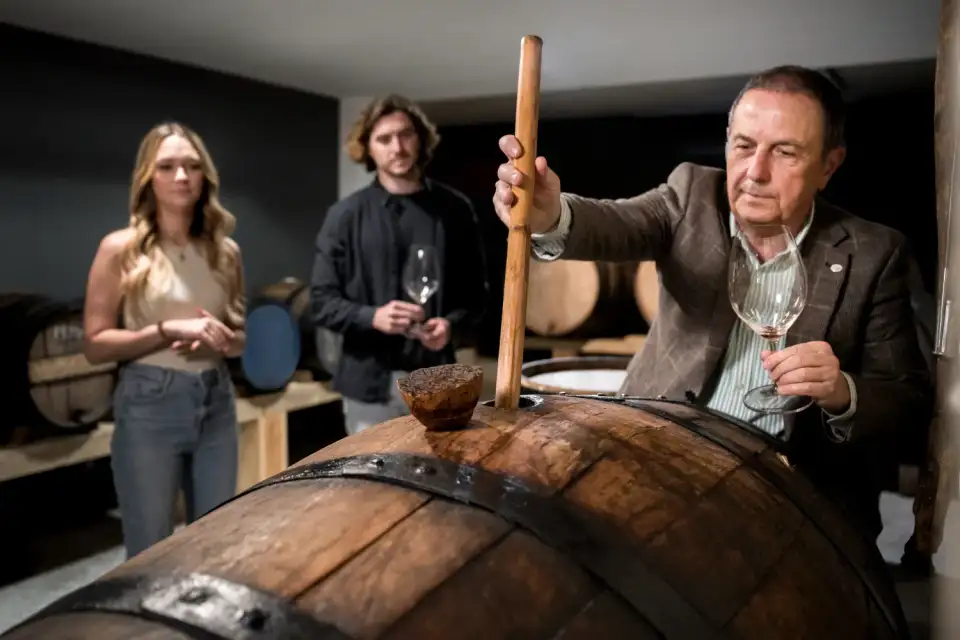
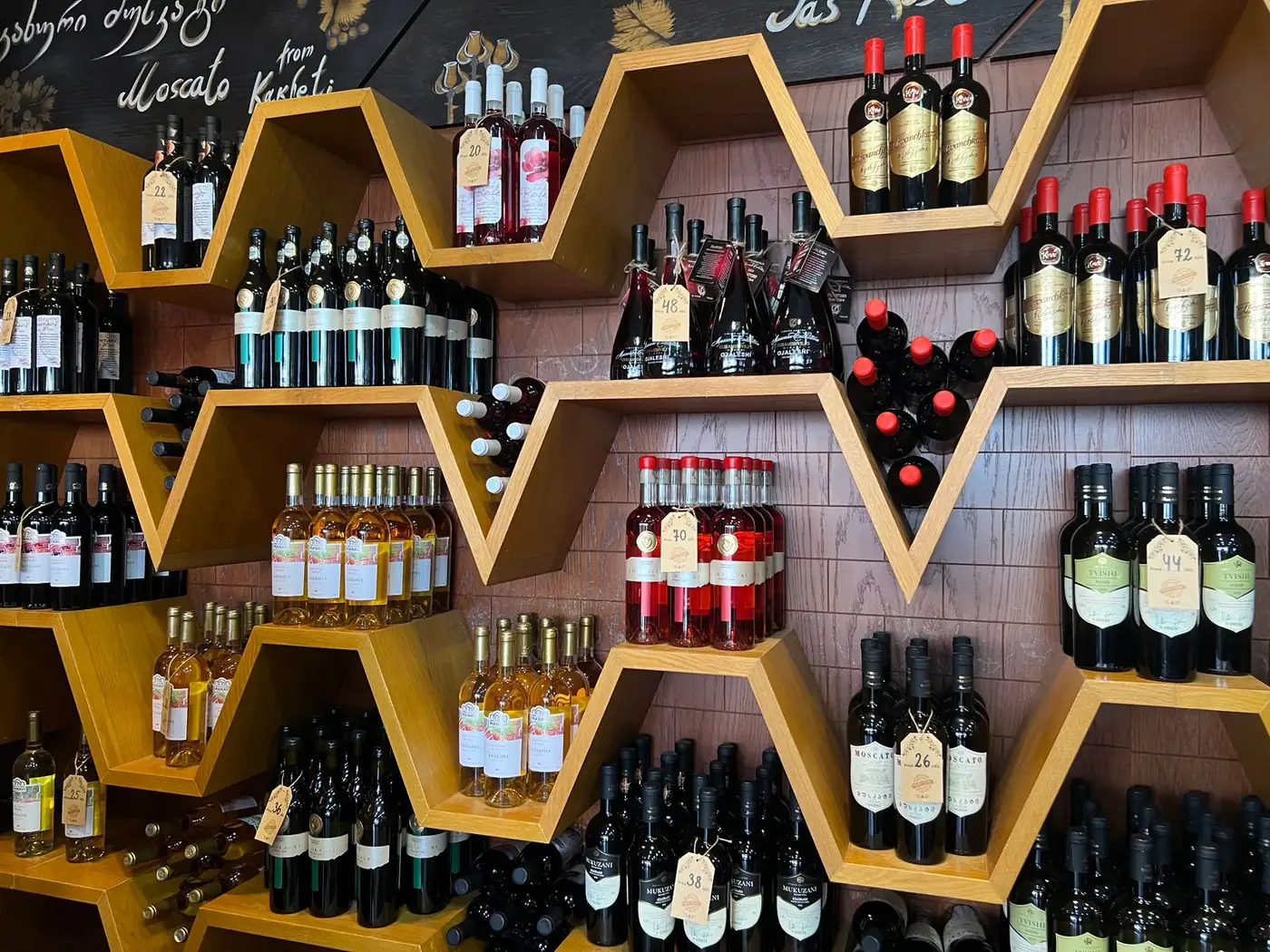
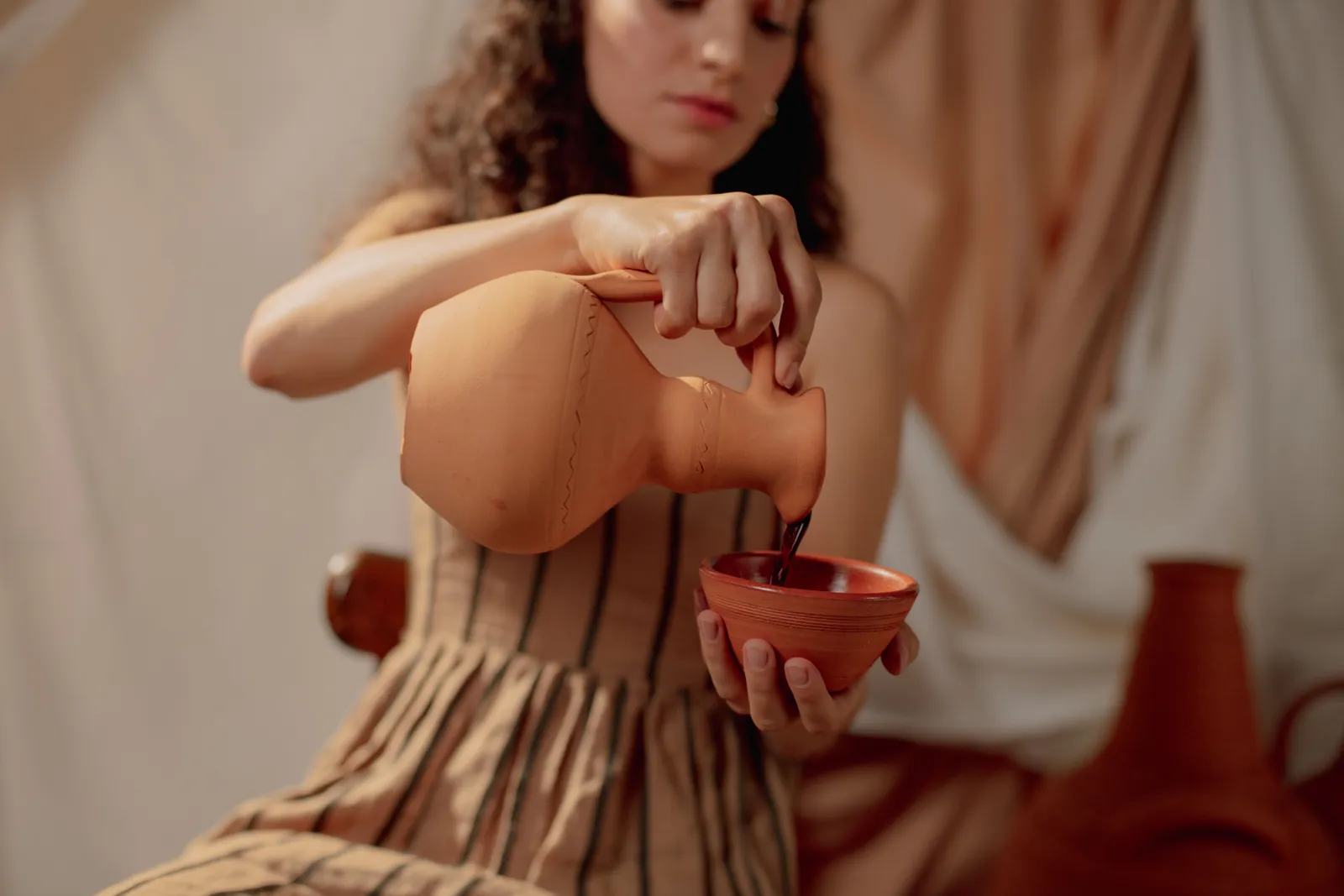
Georgia has been making wine for thousands of years, frequently in clay vessels buried in the ground, and at a supra it will often be the household’s own or a neighbour’s.
Homemade wine at a family table is not a lesser product here. It is the normal thing, and it is usually served from a jug rather than a bottle.
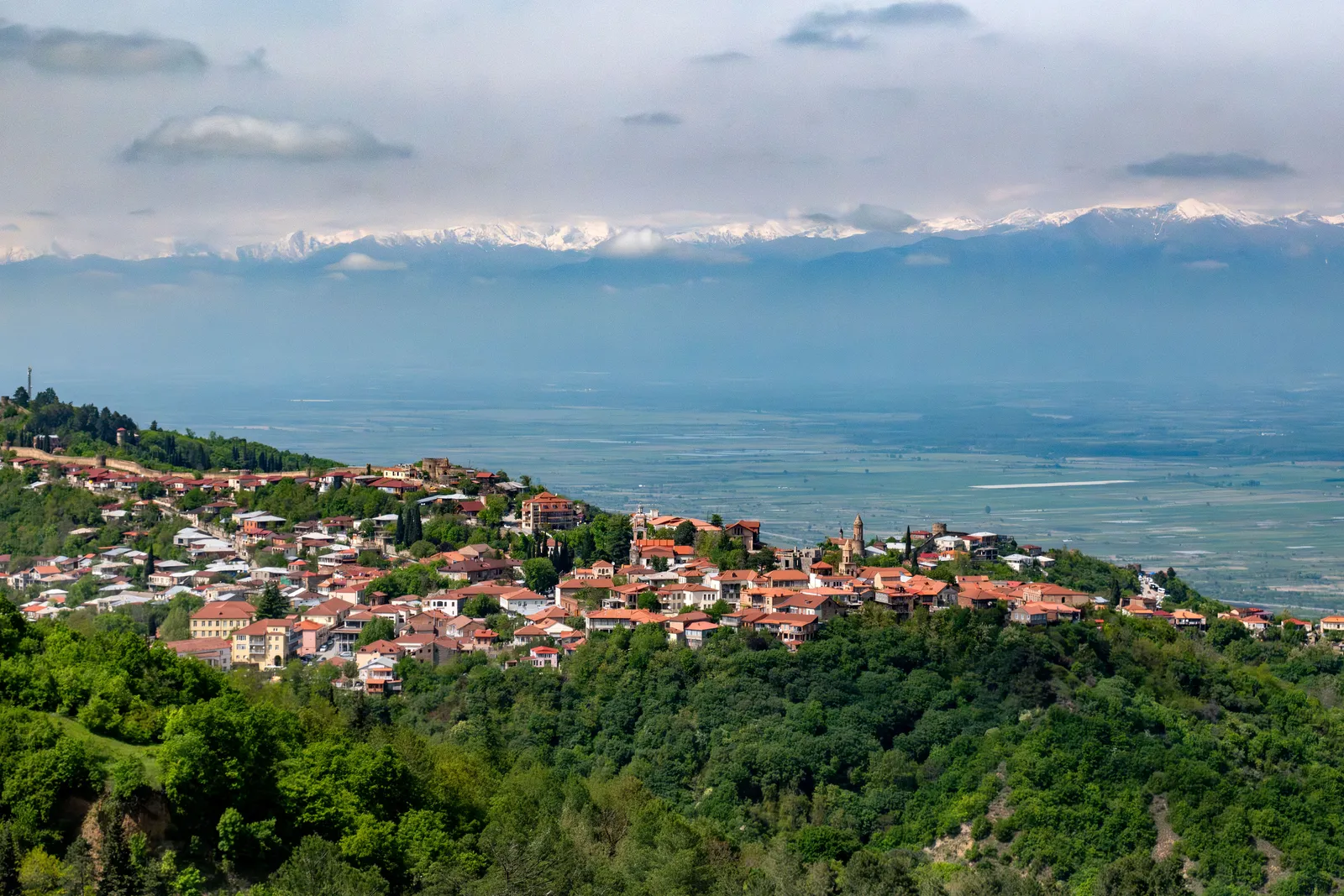
It is also stronger and more variable than a commercial equivalent, which is worth knowing across a long evening. The regional picture is in the Kakheti wine guide.
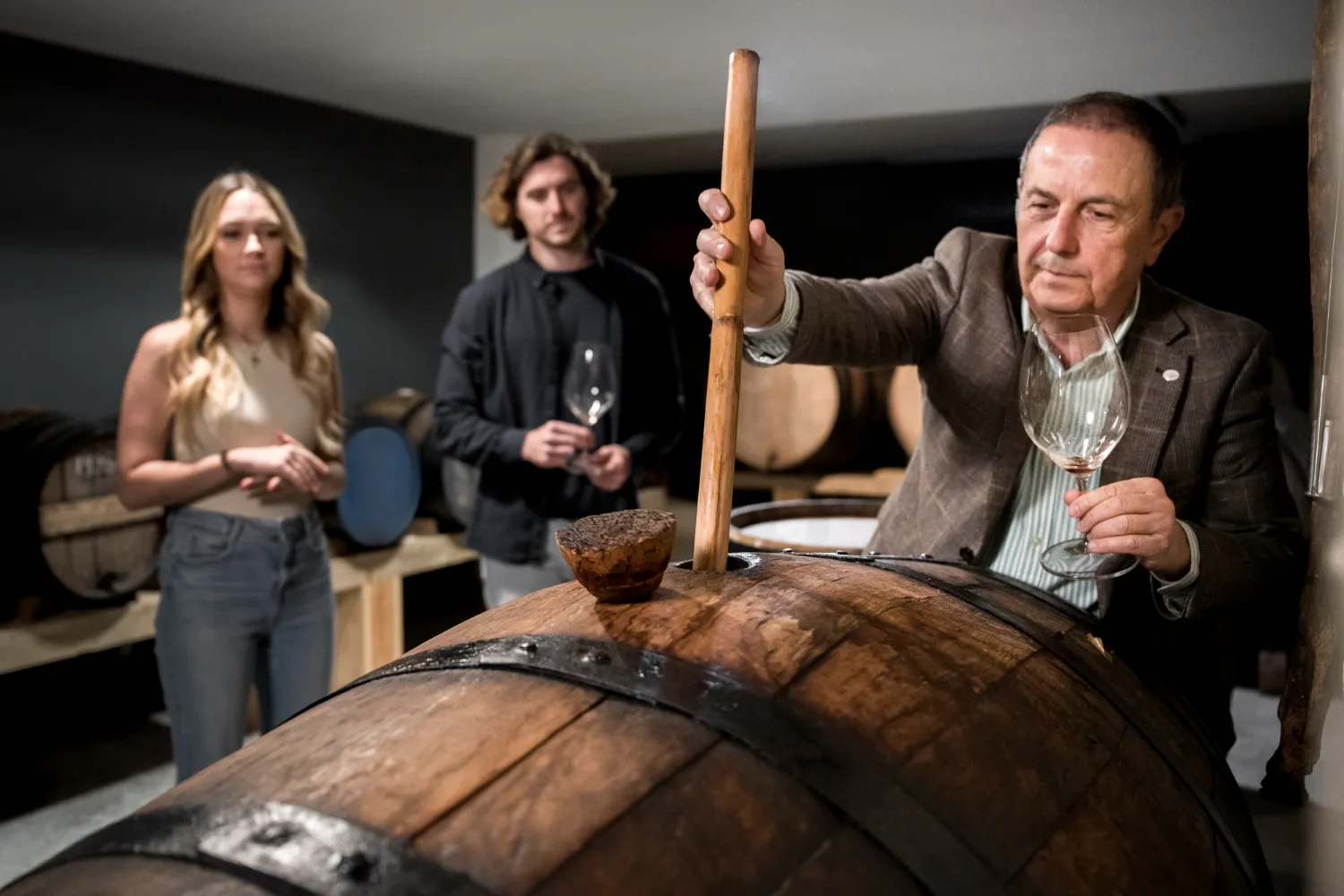
 The real version is in a cellarFamily wineries and guesthouse tables
Where a visitor actually encounters one
A guesthouse, particularly in the mountains or the wine country, where dinner is communal and can turn into one without warning.
A family winery in Kakheti, which is the most reliable route and the reason to book small producers rather than commercial tasting rooms.
A cooking or food experience, which stages a version of it.
Or an invitation, which is the real thing. 🔑 If you are invited to a supra, rearrange your plans. It is the single best evening most visitors have in Georgia and it does not happen on a schedule.
What to expect of the evening
Length. Three hours is short. Four or five is normal.
Volume. Both food and sound.
And a point around the middle where you will believe the meal is over and it will not be. Pacing yourself early is the practical advice that everybody ignores once.
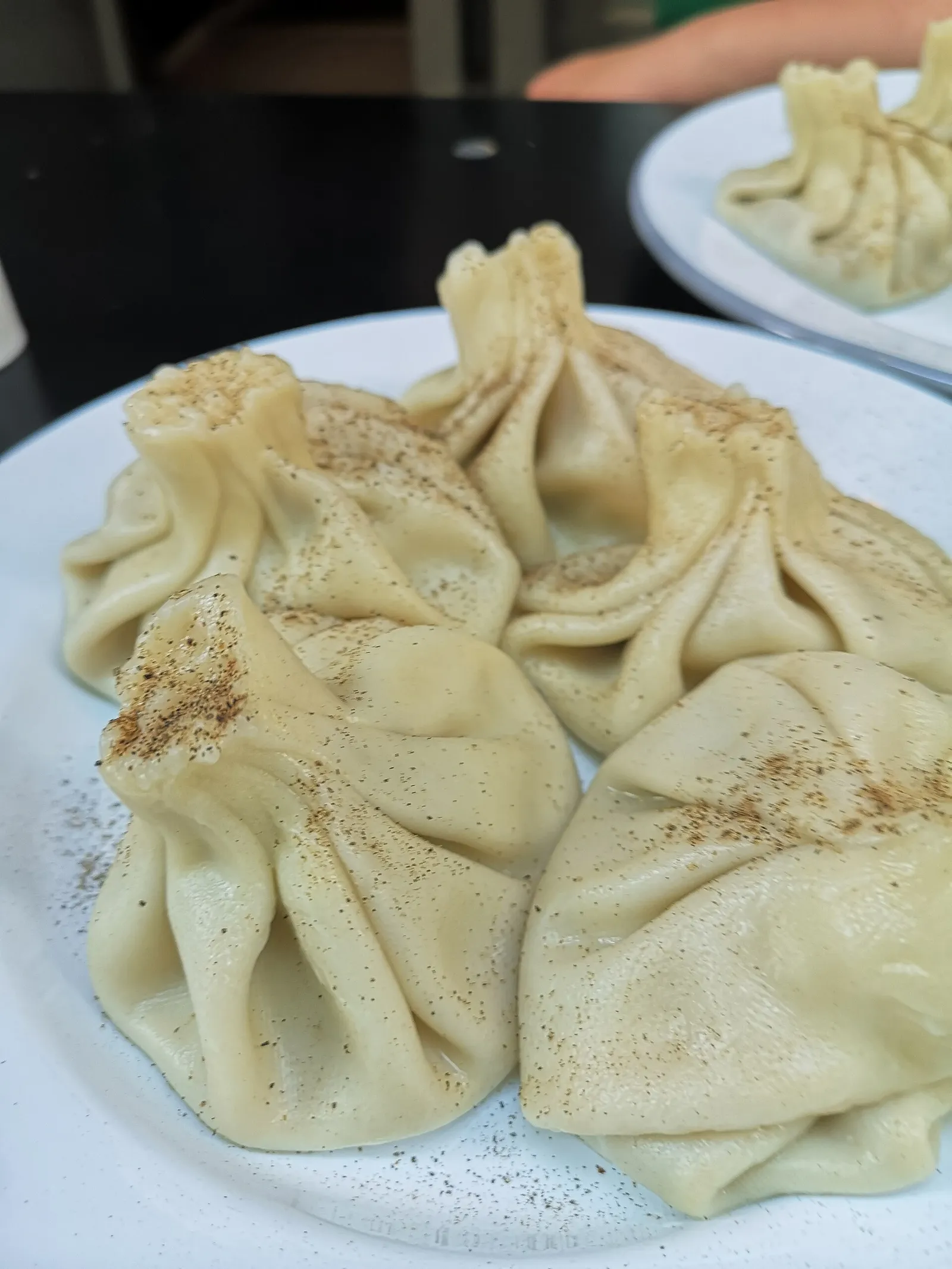
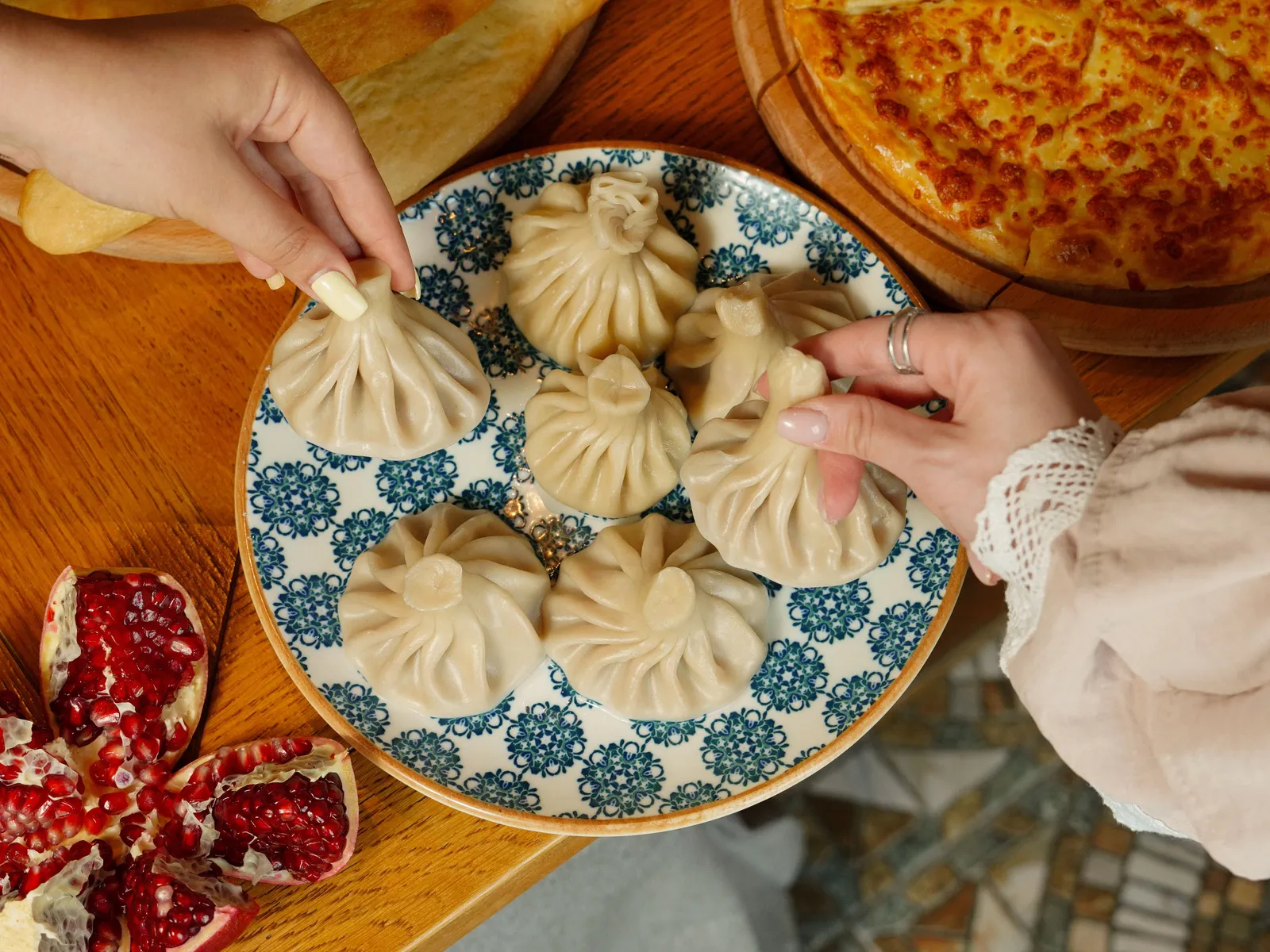
The food itself is covered in the Georgian food guide, and the specific business of eating khinkali without embarrassing yourself in the khinkali guide.
Why it matters beyond dinner
The supra is where Georgian hospitality stops being an abstraction. There is a saying here that a guest is a gift from God, and it is quoted often enough to sound like a slogan until you are the guest.
Then it is a room full of people toasting your health at length, in a language you do not speak, having met you two hours ago.
In one line: the food is the excuse, the toasts are the event, and the tamada decides when you are allowed to drink.