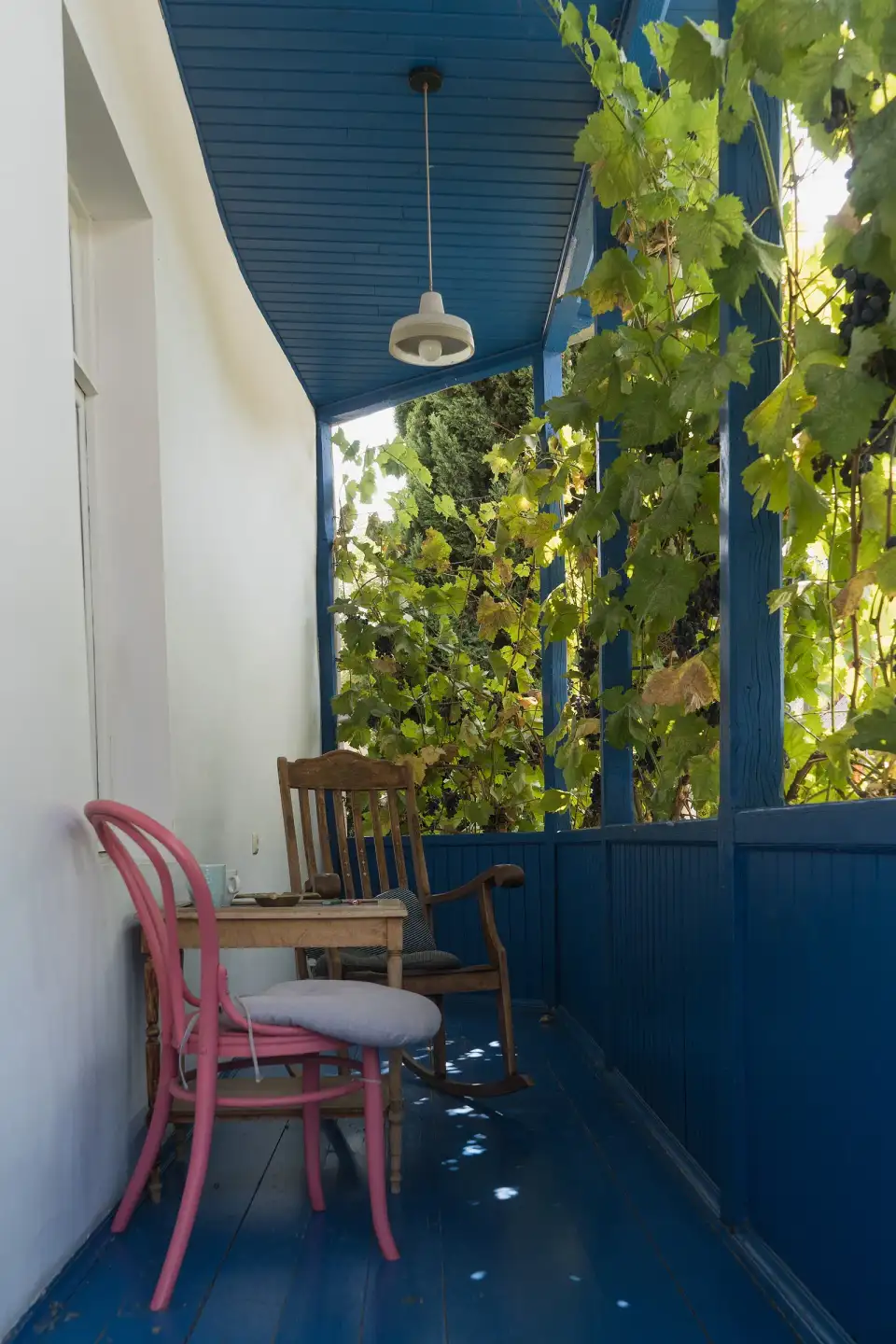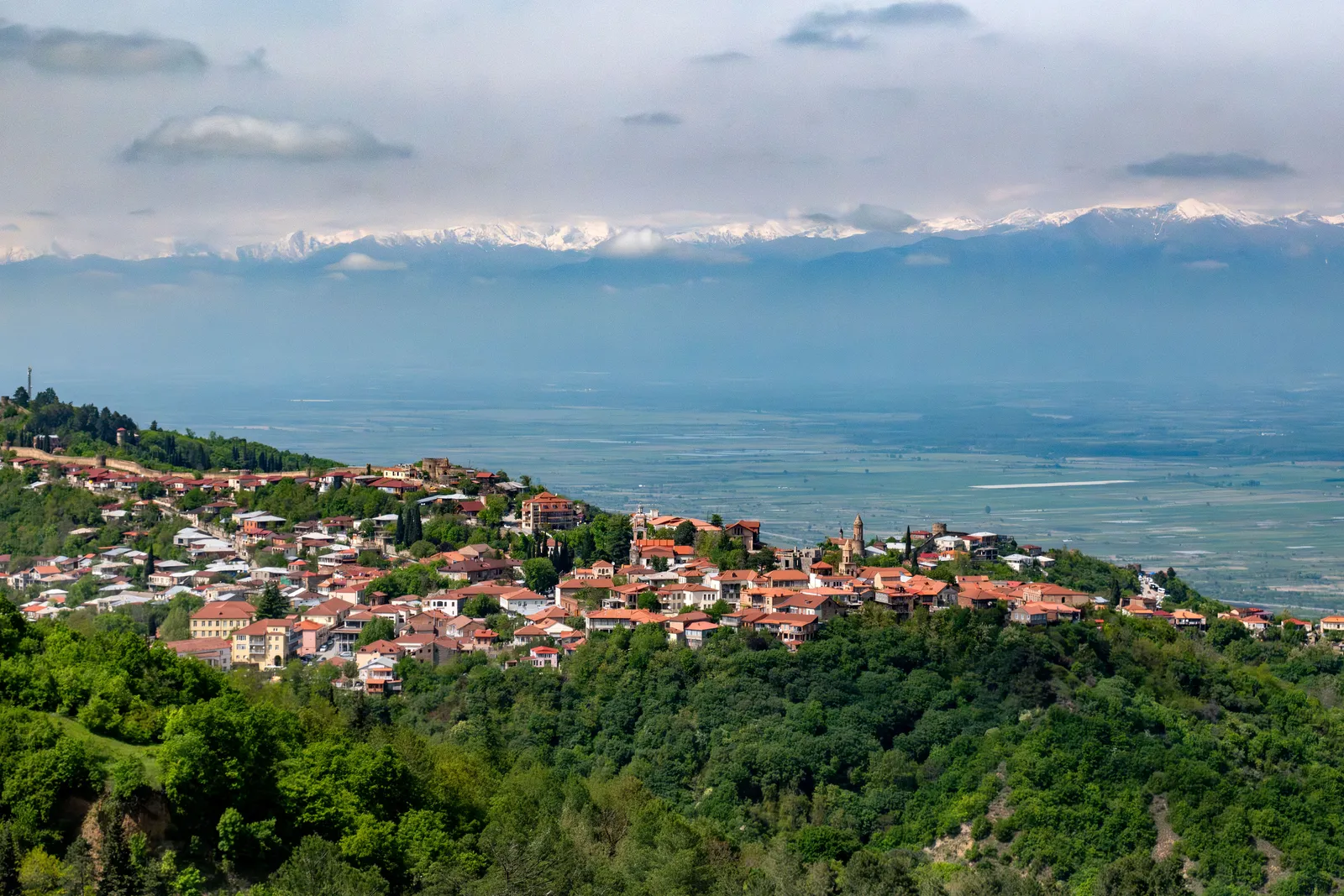
Sighnaghi is a small town on a ridge in eastern Georgia with a defensive wall running around it, tiled roofs, and a view across a wide valley to the wall of the Caucasus behind.
It has been restored fairly heavily, which some visitors hold against it and most do not notice. What matters more is what is below it: the Alazani valley, which is where Georgian wine comes from.
The town, in half a day
The wall is the thing to do. Long, with towers along it, and walkable in sections. The view over the valley towards the mountains is what people remember from here.
The centre is small, with a couple of squares, a church, and streets that take under an hour to walk.
And that is genuinely most of it. Sighnaghi is a pleasant half day and it is not a place with a long list of sights.
🔑 Which is why treating it as a base rather than a destination is the right call. The reason to be here is what surrounds it.
Kakheti, which is the actual reason
Georgia has been making wine for thousands of years, and this valley is where most of it happens.
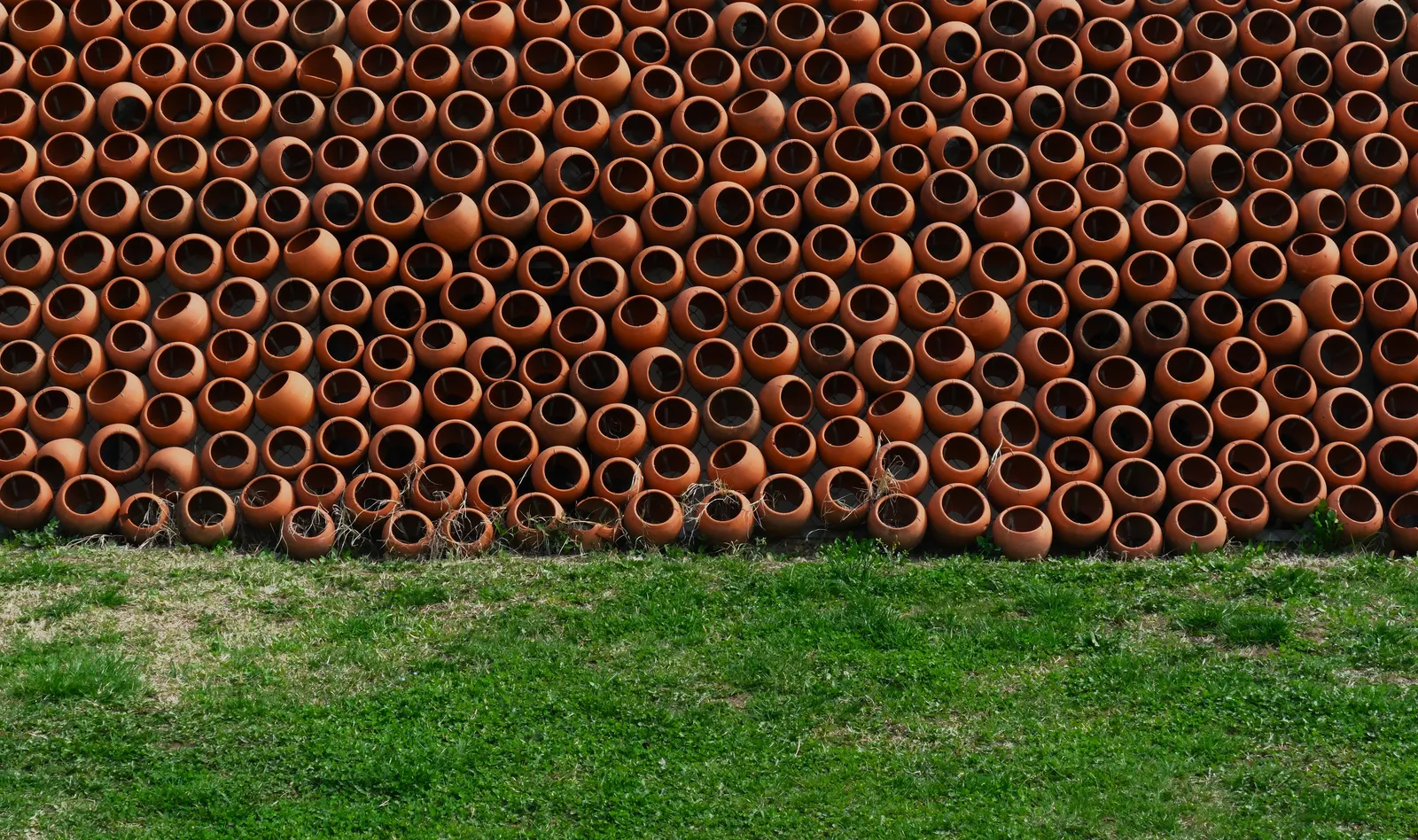
The method is the interesting part. Wine fermented and aged in large clay vessels buried in the ground, a technique still in everyday use here. White grapes made this way spend time on their skins and come out amber, with a texture closer to a light red than to a modern white.
Trying one is the point of the region. Whether you like it is a separate question, and plenty of people do not on the first glass.
The full regional picture is in the Kakheti wine guide.
How winery visits actually work
This is where visitors get it wrong.
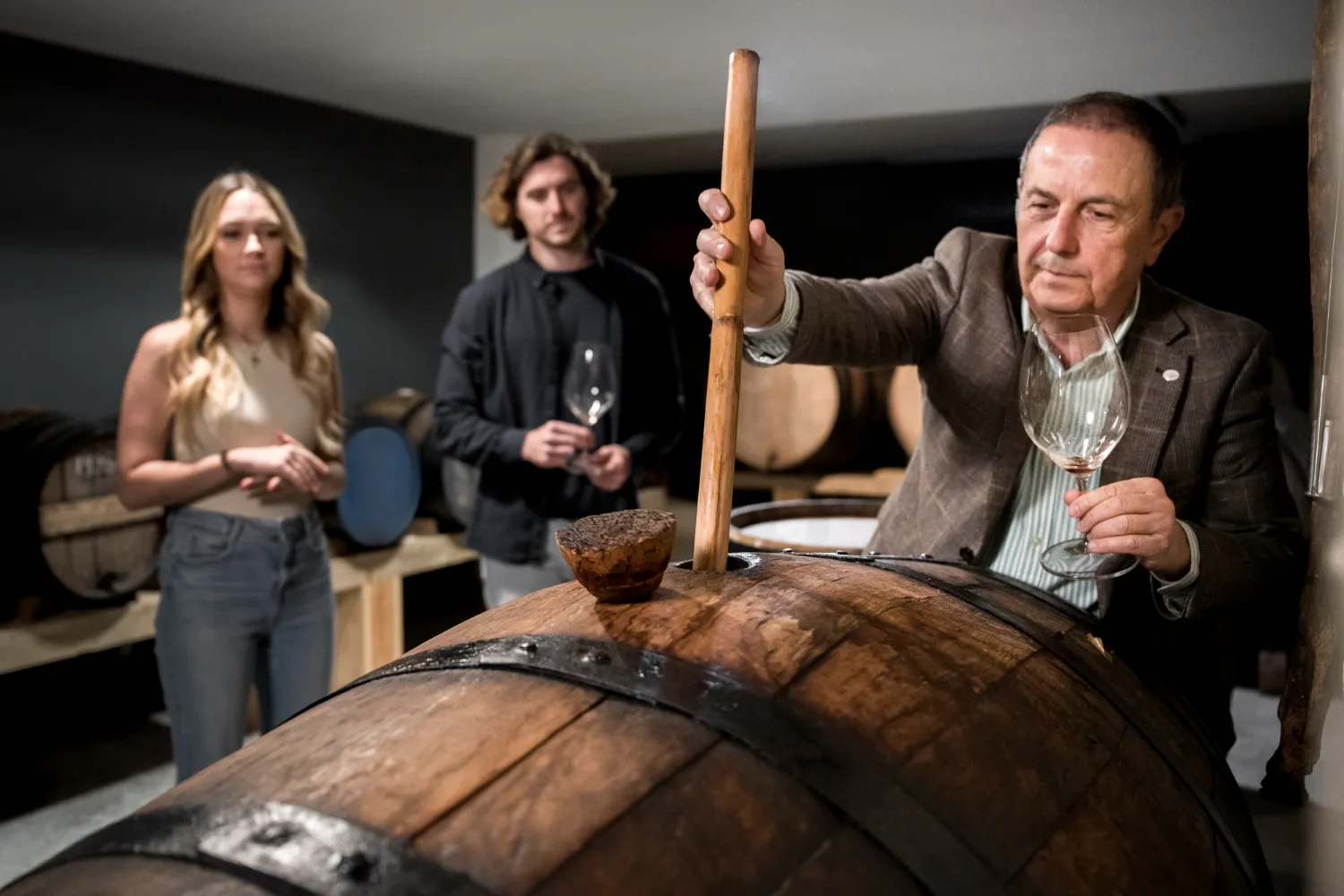
The small family producers are the good ones, and they are not visitor centres. There is no reception, no scheduled tour and no shop. Somebody has to be there, which means calling or messaging a day ahead.
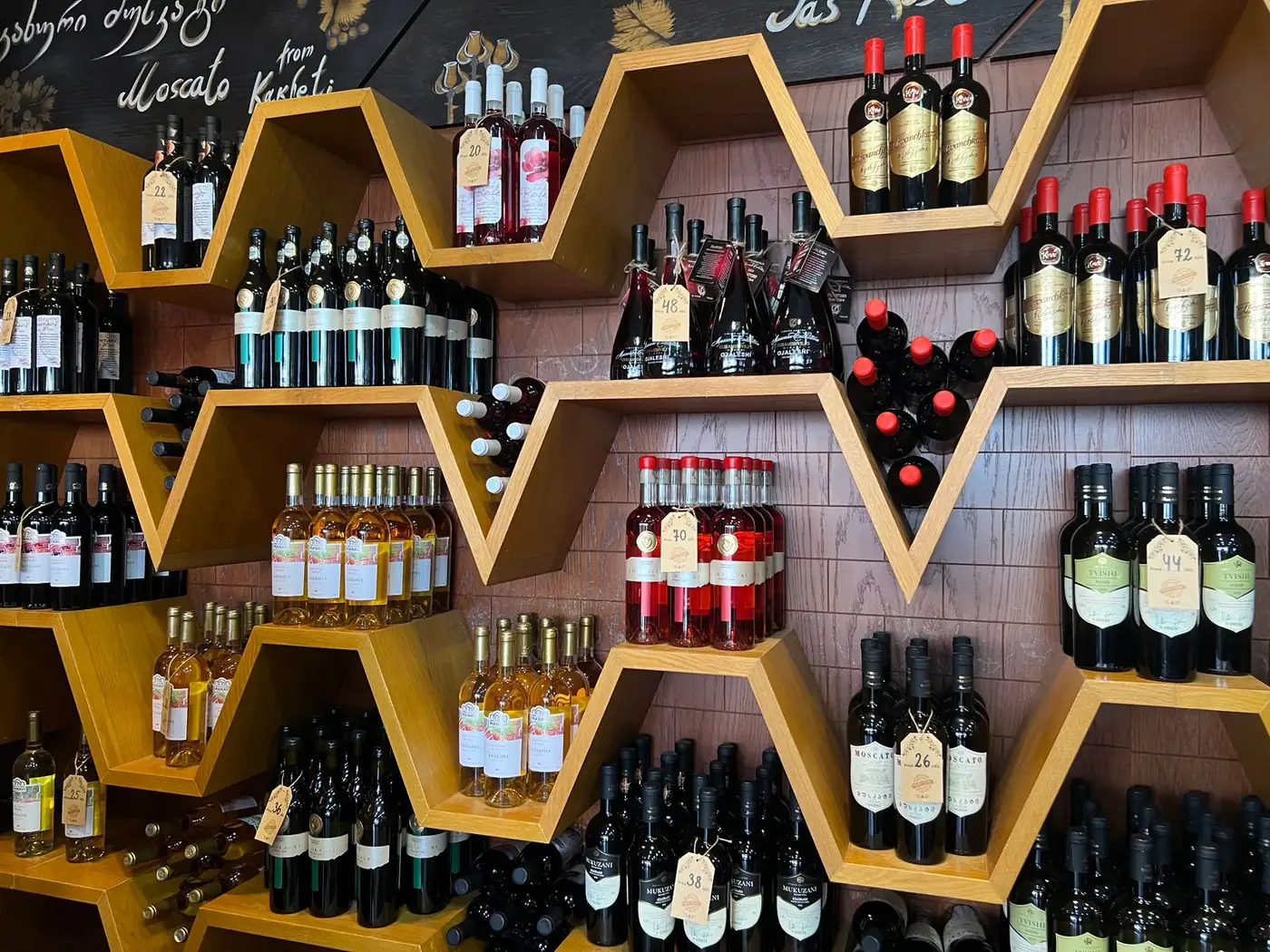
The larger commercial wineries take walk ins, have English speaking staff and a tasting room, and are a reasonable fallback.
⚠️ The difference is significant. At a small producer you are usually sitting with the person who made it, in their cellar, being fed. At a large one you are in a tasting room.
Guesthouses in Sighnaghi will arrange the calls, which is the easiest way to do it and one more reason to stay rather than day trip.
The driving problem, stated plainly
⚠️ Tastings and driving do not combine, and Georgia enforces drink driving rules.
The options are a nominated driver who does not taste, a hired driver for the day, which is inexpensive here, or an organised tour with transport included.
A hired driver for a day in Kakheti costs a fraction of what it would in western Europe, and it is the single best money spent in this region.
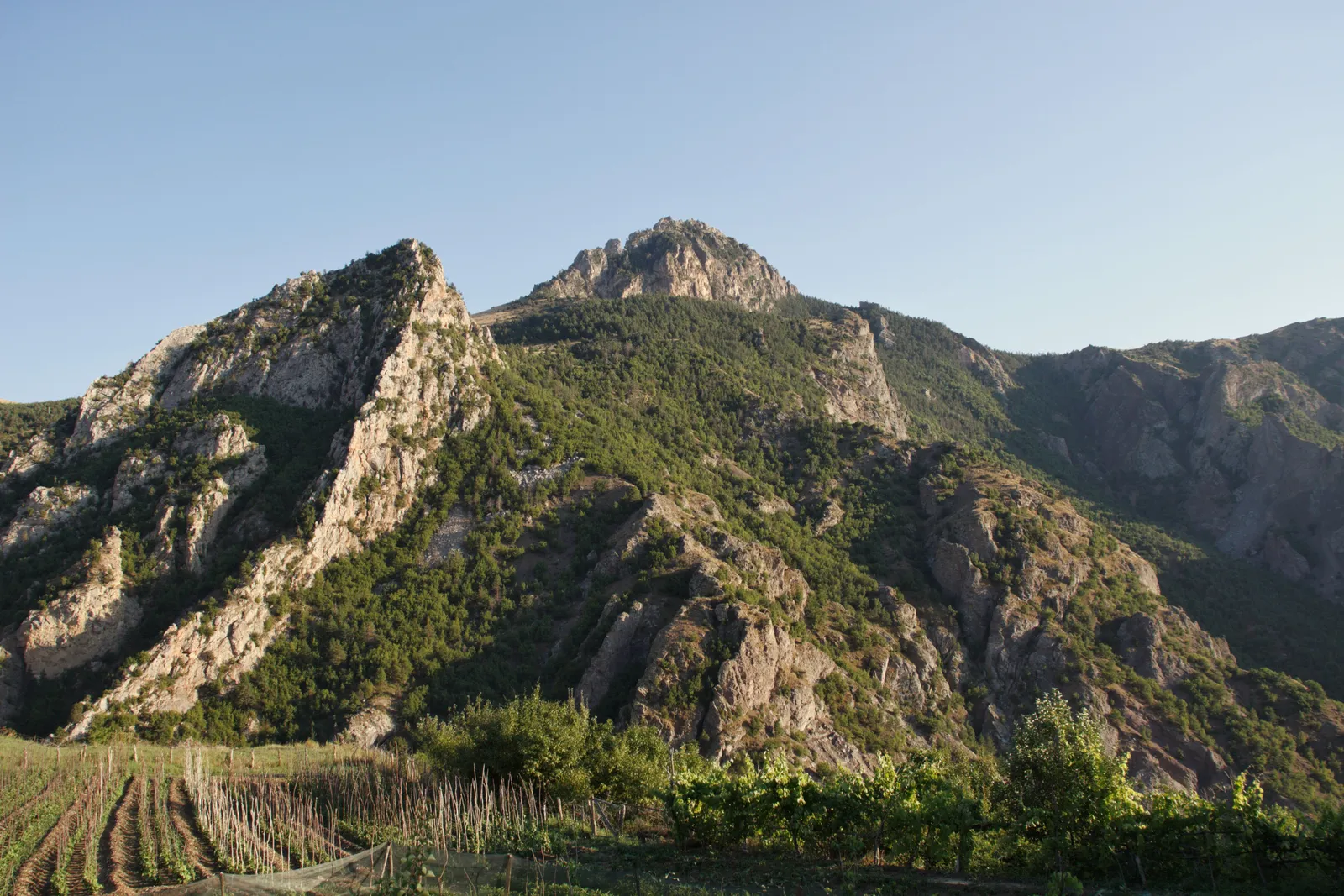 Tasting and then driving?Stay in the valley instead
What to eat
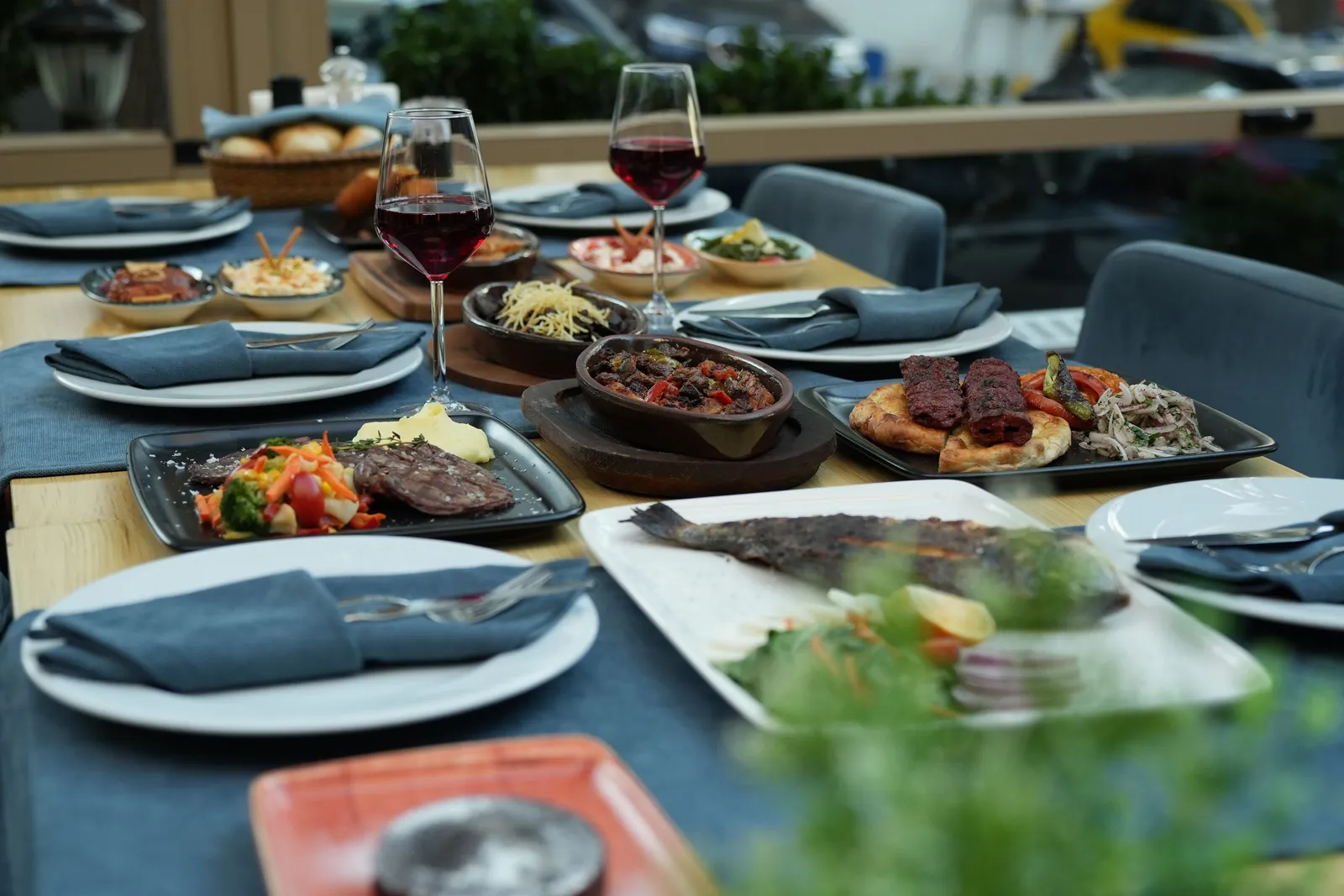
Kakheti eats well, and the regional dishes are worth ordering specifically.
Mtsvadi, meat grilled over vine cuttings, which is the thing this region does better than anywhere.
Churchkhela, nuts on a string dipped repeatedly in grape must until they set. Sold everywhere and better fresh than it looks.
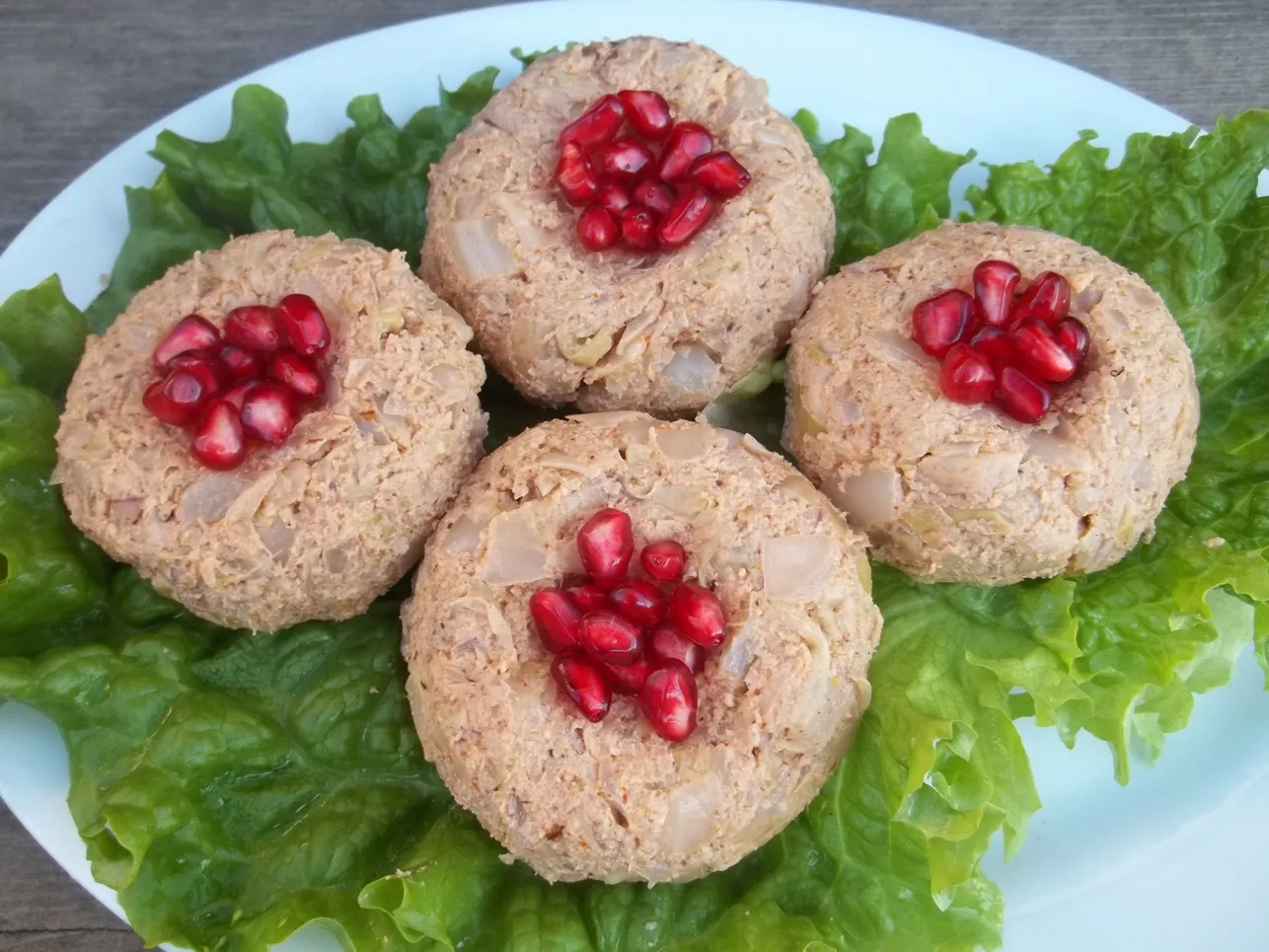
And the standard Georgian table, which is covered in the Georgian food guide.
🔑 If you are offered a supra, the formal Georgian feast with a toastmaster, accept. It is long, it involves a great deal of wine, and it is the single most characteristic thing that happens in this country.
Where else in Kakheti
Telavi is the regional centre, larger and less pretty, and useful as an alternative base.
Bodbe monastery is just outside Sighnaghi and is a short and worthwhile stop.
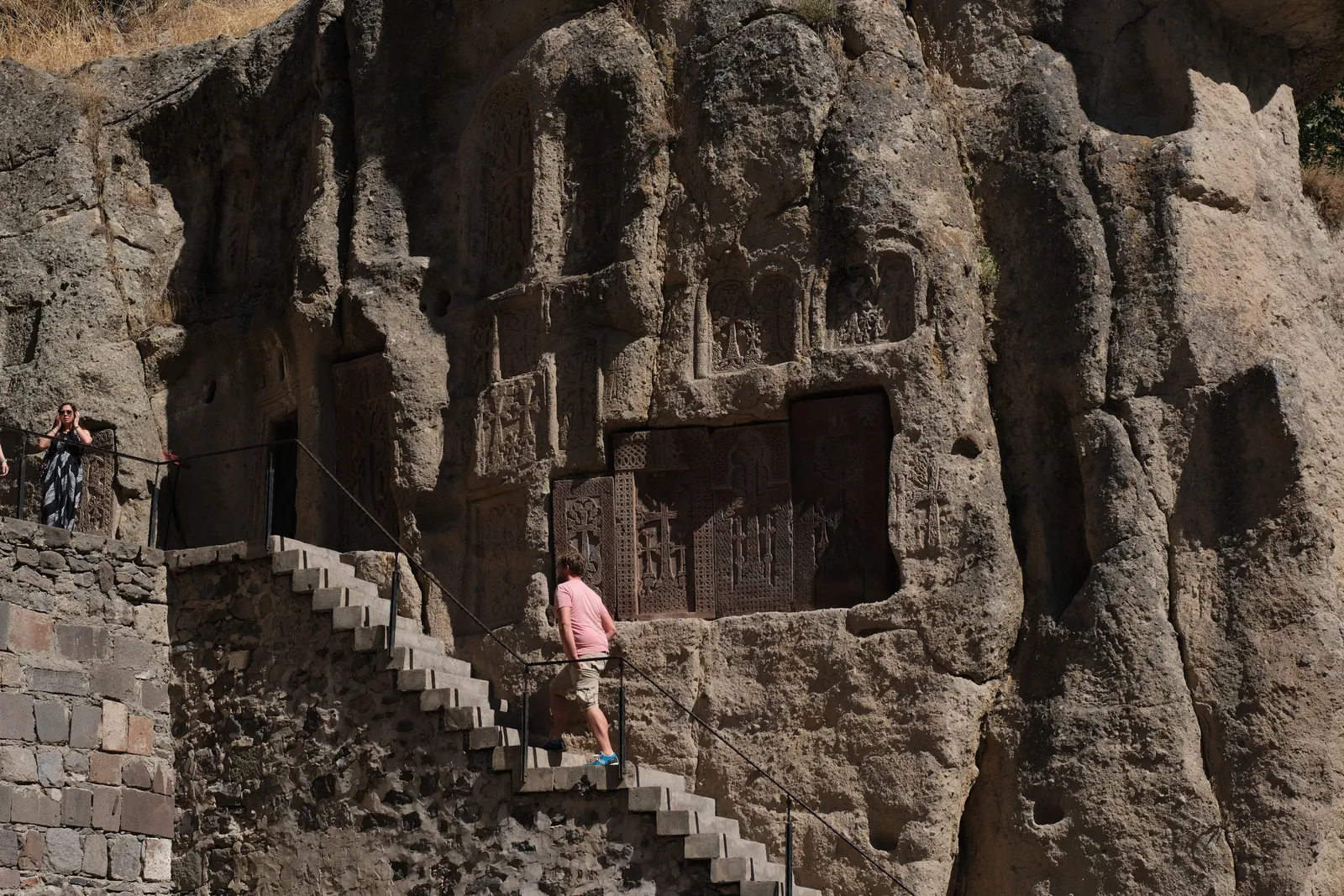
And the semi desert to the south holds the cave monastery at Davit Gareja, which is a full day of its own and is covered in the Davit Gareja guide.
Season
Autumn is the obvious answer, with the harvest in September and October and the valley at its best.
Spring is green and quiet and works well.
Summer is hot in the valley and fine on the ridge, where there is usually a breeze.
Winter is cold and many small producers are less set up for visitors, though the ones that are open are entirely to themselves.
Day trip or overnight
Day trip works and spends about four hours on the road.
Two nights is the version worth doing. It lets you visit producers without watching the clock, eat properly in the evening, and see the valley in the morning light, which is when it looks like the photographs.
In one line: Sighnaghi is a pretty half day sitting in the middle of a region that deserves several, and the mistake is doing the first without the second.